
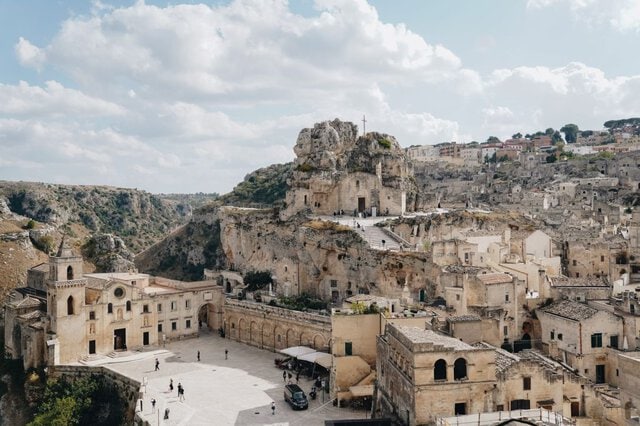
Italy welcomed a record-breaking 134 million tourist arrivals recently, and more than half of them made the exact same rookie mistakes. They spent hours sweating in lines for empty cathedrals, got fined on regional trains, and let street scammers ruin their afternoons. I’ve spent years navigating Italy’s rail network, and this comprehensive Italy travel guide will show you how to bypass the crowds, master the trains, and eat like a local. Here is what you actually need to know to plan a flawless trip.
Quick Facts — Italy
Euro (€)
Italian
CET (GMT+1)
C, L, and F
April–May or September–October
Etias required starting late 2026
Key Takeaways
- Best time to visit: Shoulder season (April to May, or September to October) to avoid the brutal summer heat and peak crowds.
- Budget needed: €120–€250 per day depending on your accommodation choices and dining preferences.
- Must book ahead: High-speed train seats and “Super” tickets for Rome’s House of Augustus.
- Getting around: Trenitalia and Italo high-speed trains. Rome to Florence takes just 1 hour and 32 minutes.
Mastering the Italian Train System
Italy’s rail network is brilliant, but it has rules that will catch you off guard if you aren’t prepared. High-speed trains and regional trains operate on entirely different systems. Mixing them up is the easiest way to land a heavy fine.
If you’re booking regional trains, pay attention to the ticket type. Trenitalia’s Digital Regional Tickets (BDR) are automatically validated at your scheduled departure time. You don’t need to manually check in online anymore, but there’s a catch — you can’t make any changes to your ticket once that departure time passes.
If you have a physical paper ticket for a regional train, you must physically stamp it in the green or yellow validation machines on the platform before boarding. Skip this, and you’re looking at a €50 fine on the spot. No excuses.
High-speed trains like the Frecciarossa or Italo are different. They don’t require validation, but they do require mandatory seat reservations. The Frecciarossa 1000 connects Rome and Florence in just 1 hour and 32 minutes, hitting speeds of 300 km/h. It’s fast, efficient, and beats flying every single time.
Helpful Luggage Assistants
Location: Rome Termini and Milano Centrale train stations. Avoid: Firmly say “No, grazie” and keep moving. Unofficial scammers will aggressively grab your bags to “help” you load them onto the train or find your carriage, then demand a €10–€20 fee. Official train staff will always be in uniform and will never proactively offer to carry your bags.
The Perfect Three-City Route: Rome, Florence, and Venice
Most people do this route, and for good reason. But they do it wrong. They queue for three hours at the Colosseum and another two at the Duomo. Here is how to see these cities without losing your mind.
Rome: Palatine Hill & House of Augustus
Palatine Hill is the birthplace of Rome, offering views of the Roman Forum. Most tourists skip it or just walk the main dirt path. Don’t do that. For more off-the-beaten-path tips, check out our rome travel guide to explore the Eternal City beyond the crowds.
Book a special “Super” ticket. It grants you access to the House of Augustus, where you can stand inches from remarkably preserved, 2,000-year-old frescoes with almost no one else in the room.

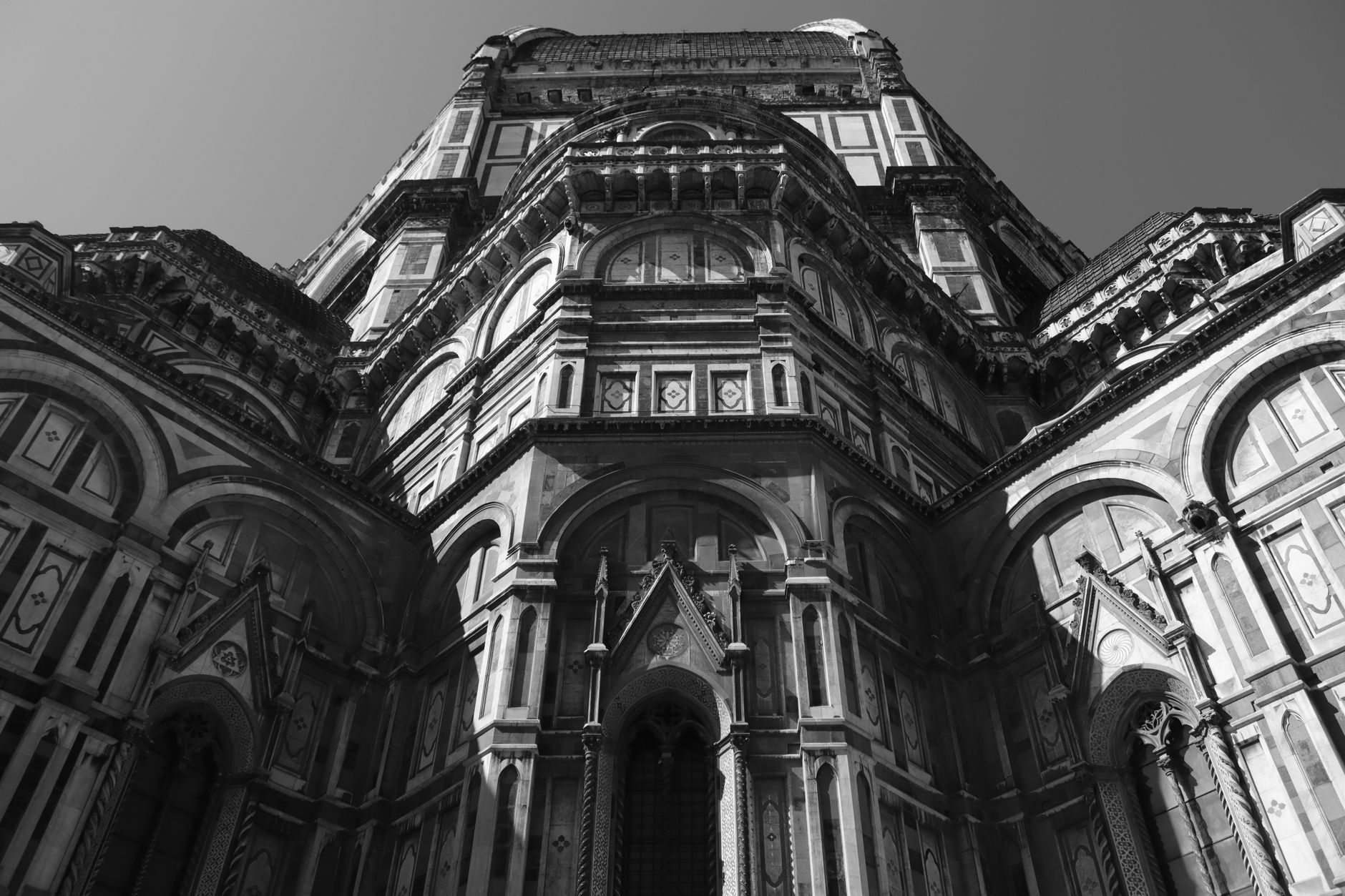
Florence: Museo dell’Opera del Duomo
Everyone queues for the Duomo. Frankly, the inside of the cathedral is relatively bare. Skip the line and head behind the cathedral to the Museo dell’Opera del Duomo.
It houses the actual masterpieces, including Michelangelo’s unfinished Pietà and Ghiberti’s original Gates of Paradise. Even better, it has a quiet terrace view of Brunelleschi’s Dome that most tourists never find.
Venice: Loggia dei Cavalli at St. Mark’s Basilica
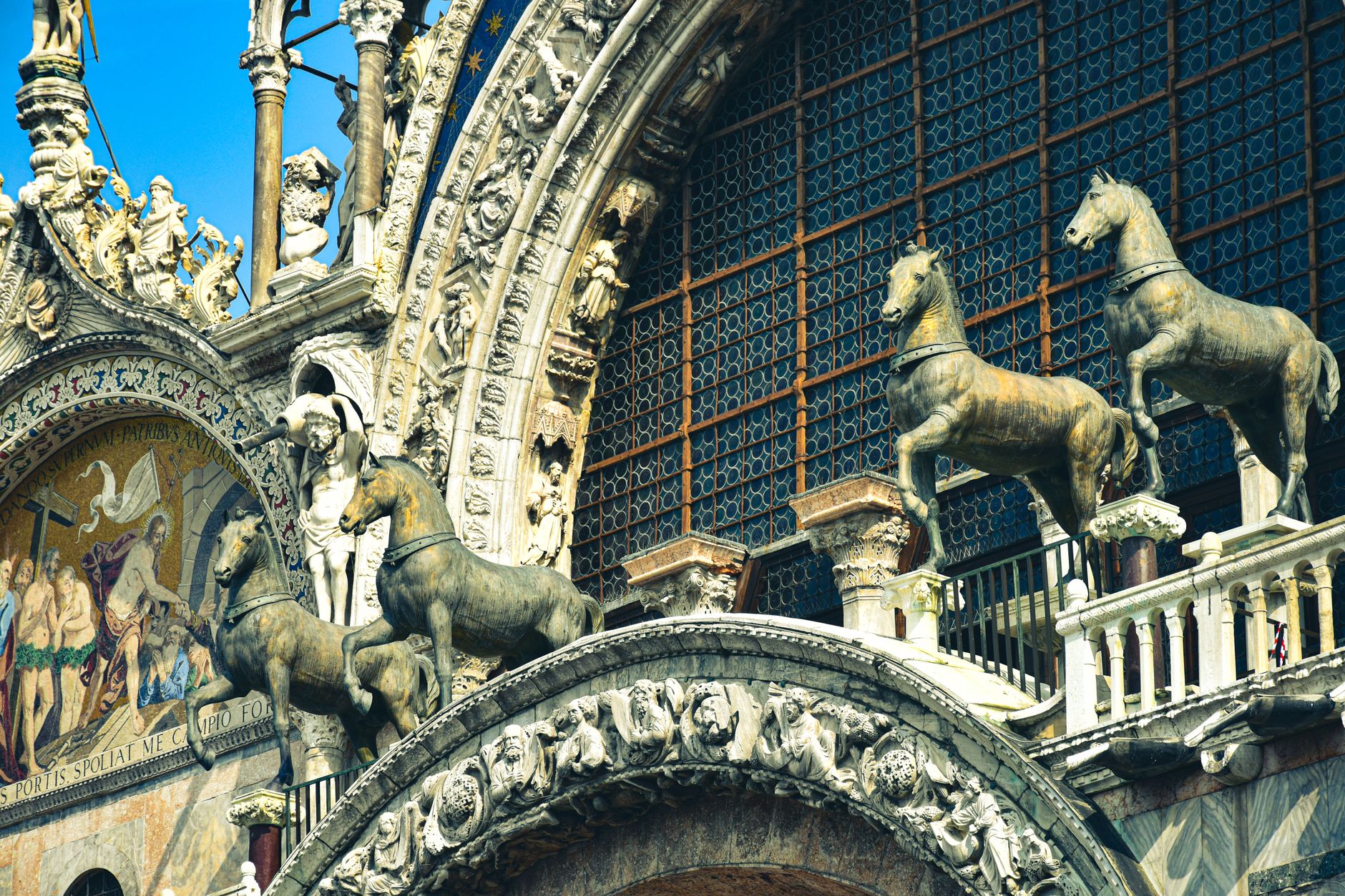
St. Mark’s Basilica is crowded, but there’s a way to escape the squeeze. Most tourists only look at the replica bronze horses on the exterior facade.
Pay the small extra fee to go upstairs to the museum inside. You’ll stand right next to the original 4th-century BC bronze horses sent from Constantinople, and you get access to the outdoor balcony. It’s the absolute best, crowd-free photo spot overlooking Piazza San Marco.
If you’re planning a trip for 2026, timing is everything. Milan and Cortina d’Ampezzo are hosting the Winter Olympics in February 2026, which will clog up the northern rail lines and send hotel prices through the roof. Later in the year, Venice will host its International Film Festival around September 2, 2026. If you want to avoid peak chaos, plan around these dates.
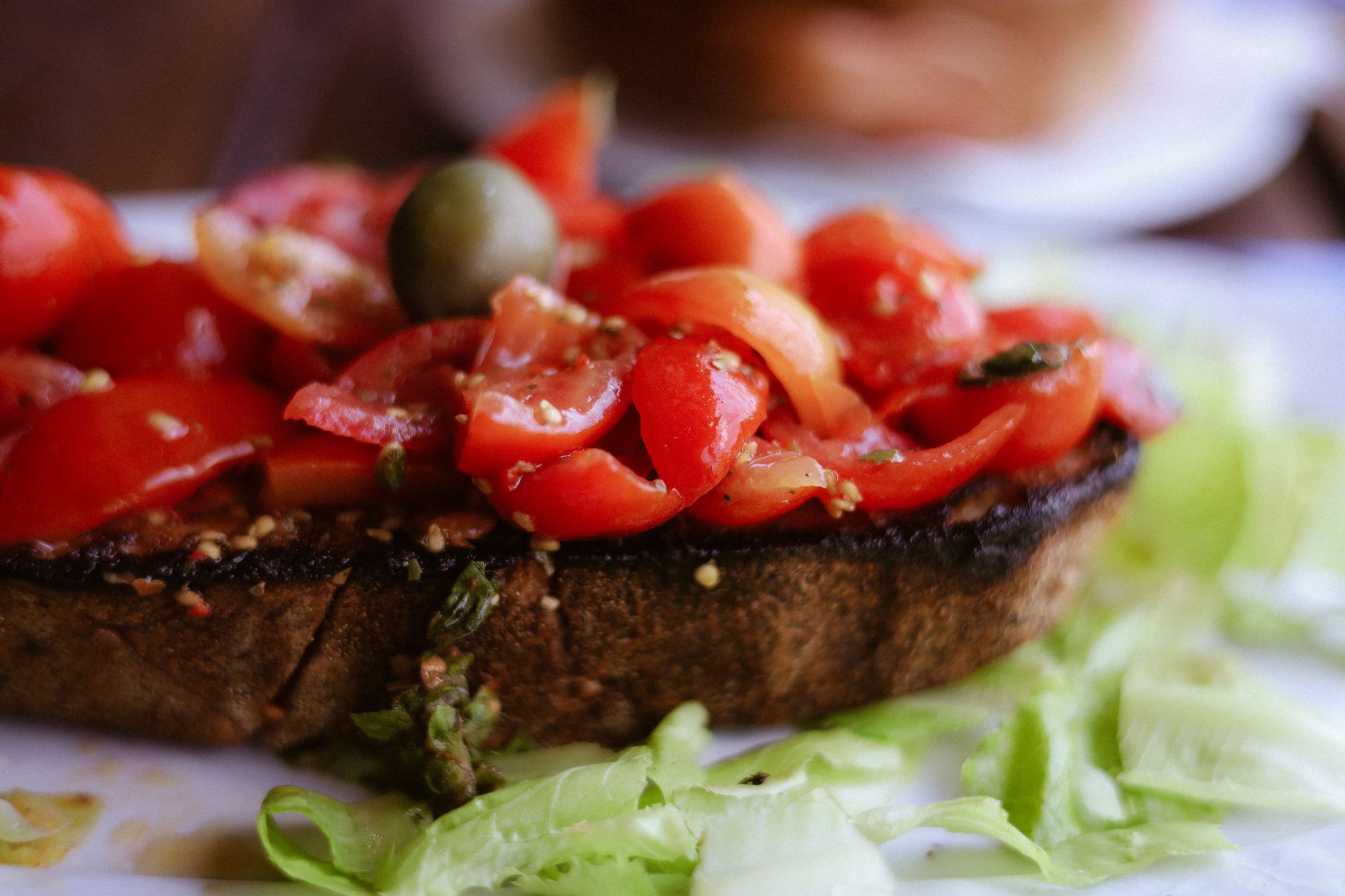
What to Eat (and Where)
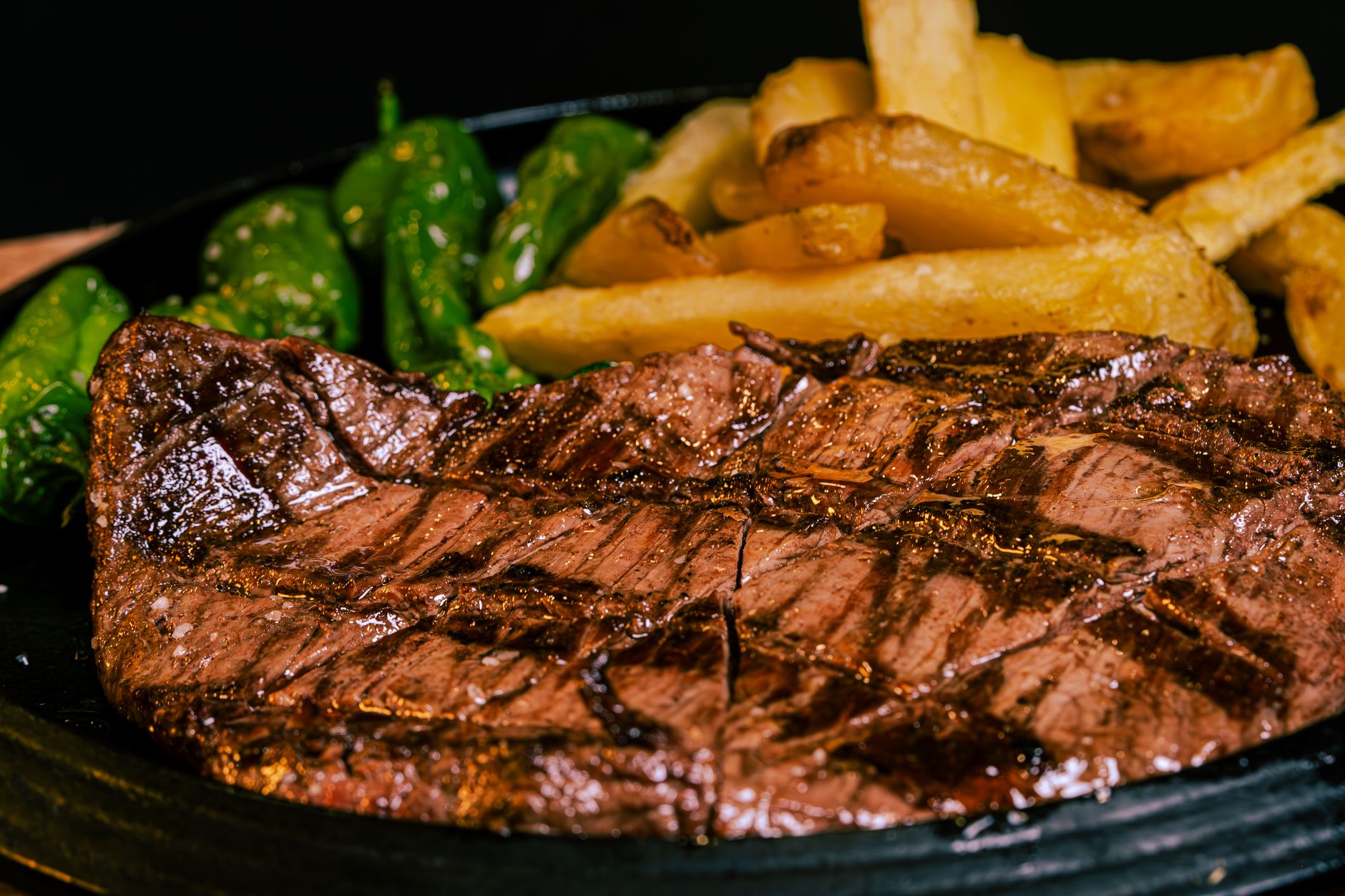
Italian food is highly regional. If you order spaghetti bolognese in Rome, you’re doing it wrong. Stick to what the locals do best in each city.

Safety & Scams to Avoid
Italy is generally safe, but tourist-heavy zones are hunting grounds for petty thieves. You need to know their playbooks before you arrive.
Pickpockets on Metro Line A
Location: Rome’s Metro Line A (especially between Termini, Barberini, and Ottaviano stations). Avoid: Keep your backpack on your front and hold your bags tightly. Pickpockets (often groups of young girls or children) will crowd the doors as you board, creating a physical bottleneck to distract you while they reach into your pockets.
The Dropped Painting Scam
Location: Piazza del Duomo and Ponte Vecchio in Florence. Avoid: Watch your step and walk around them. Vendors lay out cheap prints of paintings directly on the pedestrian pavement. If you accidentally step on one, they will aggressively corner you and demand €20–€50 for “ruining” their artwork.
Money & Logistics
Let’s talk about the boring but essential details that can derail your trip if you get them wrong.
First, the coperto. This is a standard table cover charge of €1.50–€3.50 per person written on the menu. It’s not a scam; it covers bread and service. Because of this, tipping is not expected or customary in Italy. If service is exceptional, you can round up the bill to the nearest €5 or leave €1–€2 in cash. If “servizio” (usually 10%) is already added to your bill, do not leave any additional tip.
Credit cards and contactless payments like Apple Pay are widely accepted, but always carry small cash (€1–€5 coins) for the coperto or when buying a quick espresso standing at the bar. Trying to pay for a €1.20 macchiato with a card is a quick way to get a heavy sigh from the barista.
For entry requirements, your passport must be valid for at least 3 months beyond your planned departure. The biometric Entry/Exit System (EES) is active, replacing manual passport stamps. Starting in late 2026, travelers from visa-exempt countries (US, UK, Canada, Australia) must apply for an Etias online (€7 fee, valid for 3 years) before boarding their flight.
Connectivity: The Decreto Pisanu Quirk
Staying connected in Italy comes with a bizarre legal quirk. Under the anti-terrorism Decreto Pisanu, you must present a physical passport to purchase any local SIM card or register for public WiFi networks. If you buy a local prepaid tourist SIM at the airport or a city shop, expect to pay €10–€30 and wait while they scan your passport and process the registration.
Public city WiFi is often slow and requires an Italian phone number to register anyway. While network coverage is excellent with 4G and 5G across major cities and high-speed rail lines, signals frequently drop in the tunnels on the Florence-Bologna train route.
If you want to skip the passport registration queues and have data the second you land, getting an eSIM before you leave is the smartest move. With a Galactic Roam Italy eSIM, you can activate your plan instantly and avoid handing your physical passport to a stranger in a crowded shop.
| Local SIM | Galactic Roam eSIM | |
|---|---|---|
| Cost | €10–€30 | From $8 |
| Activation | In-store queue | Instant, pre-arrival |
| Registration | Physical passport required | None |
| “>Ready on arrival | After queuing | Yes |
| Data options | Fixed tourist tiers | 1 GB / 3 GB / 5 GB / 10 GB |
Frequently Asked Questions
What should I know before visiting Italy for the first time?
How do I legally work as a tour guide in Italy?
How do I travel to Italy on a budget?
Do I need to validate train tickets in Italy?
Planning a multi-city trip through Italy is incredibly rewarding if you know how to navigate the logistics. If you are planning to extend your European journey, our portugal travel guide is the perfect resource for planning your next coastal adventure. If you prefer dramatic mountain peaks instead, our switzerland travel guide will help you map out an unforgettable train journey through the Alps. Alternatively, you can head across the sea and follow our croatia road trip itinerary for an unforgettable coastal drive. By mastering the train rules, avoiding the obvious tourist traps, and keeping your data sorted, you’ll experience the country like a pro. Grab an Italy eSIM from Galactic Roam before you fly, and enjoy uninterrupted maps and translation from Rome to Venice.