

Seoul welcomed 13 million tourists last year, yet most of them spent their trip waiting in the same three lines. If you don’t want your South Korean adventure defined by crowded skincare shops and overpriced street food, you need a better strategy. I’ve spent years navigating this massive metropolis, finding the spots where locals actually eat and the palaces actually worth your time. This comprehensive seoul travel guide will show you how to conquer the city in five days without losing your mind or your savings.
Quick Facts — Seoul
South Korean Won (KRW / ₩)
Korean
GMT+9
Type C and F
April to May & September to November
K-ETA required for many nationalities (check before flying)
When to Go (The Sweet Spot)
Avoid summer at all costs. July and August bring a brutal combination of monsoon rains and thick, soup-like humidity that makes walking uphill to any temple feel like a punishment.
Winter is the opposite extreme, with biting Siberian winds that will freeze your face off by 4pm. Stick to autumn or spring.
October is my personal favorite. The skies are consistently clear, the autumn leaves turn the mountain parks bright orange, and you won’t sweat through your shirt while walking between subway stations.
The Perfect 5-Day Itinerary
Five days is the magic number for Seoul. It gives you enough time to see the historic core, explore the trendy university neighborhoods, and eat your weight in pork belly without feeling rushed.
- Day 1Palaces and Traditional Alleys
Start early at Gyeongbokgung Palace to beat the tour buses. Walk through the quiet backstreets of Bukchon Hanok Village, then head to Insadong for a traditional tea house lunch. Finish your evening with a walk along the Cheonggyecheon Stream.
- Day 2Modern Views and Mountain Trails
Skip the overpriced N Seoul Tower cable car and walk the paved trail up Namsan Mountain instead. Head down into Myeongdong for some quick shopping, then escape the crowds for dinner in the trendy, low-rise alleys of Euljiro.
- Day 3Hipster Hangouts and River Walks
Spend your afternoon exploring the indie boutiques and cafes of Hongdae and Yeonnam-dong. Around 6pm, grab some convenience store ramen and beers, then head to Yeouido Hangang Park to sit by the river like a local.
- Day 4Gangnam and Futuristic Architecture
Cross the river to see the massive Dongdaemun Design Plaza (DDP). Head south to Gangnam to snap a quick photo at the Starfield Library, then spend your evening exploring the upscale bars of Apgujeong.
- Day 5Markets and Street Food Feast
Spend your final day eating. Start at Gwangjang Market for lunch, then head to the Ihwa Mural Village for panoramic city views before grabbing a final Korean BBQ feast in Sinchon.
Day 1: The Historic Core
Gyeongbokgung Palace is the big one. It costs ₩3,000 to enter, which is practically free for a site of this scale.
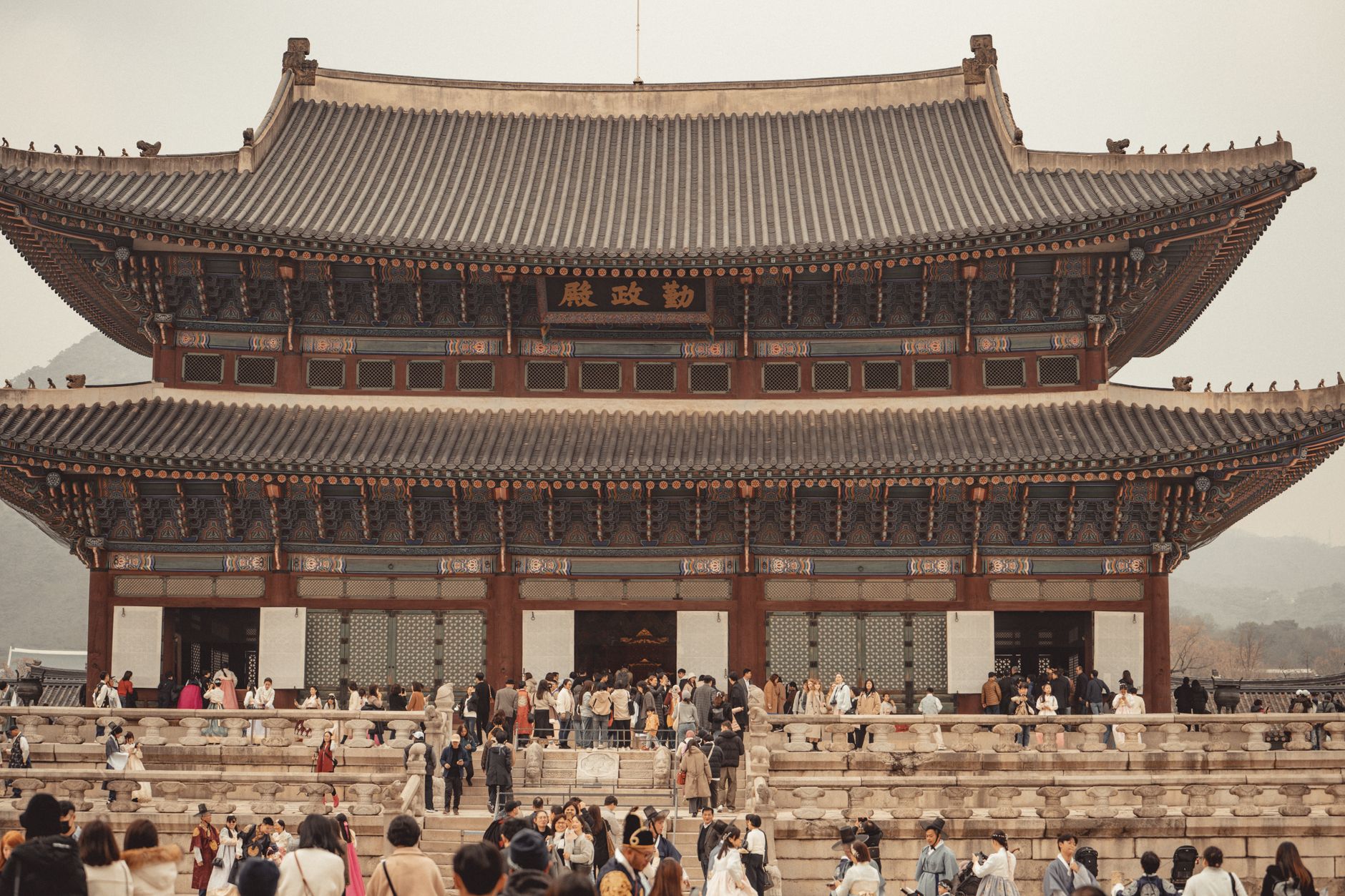
After the palace, walk over to Bukchon Hanok Village. This is a real residential neighborhood with traditional wooden homes, so keep your voice down.
Locals actually live here, and they’re tired of tourists shouting outside their bedroom windows. Look for the volunteer “silence guides” wearing red vests if you get lost.
End your afternoon at Cheonggyecheon Stream. It’s an urban renewal project that turned an ugly, concrete highway into a sunken, quiet waterway running right through the financial district.

Enter the stream path near Gwanghwamun Plaza. The water is cleanest at this end, and the stepping stones make for a great photo before the evening rush hour begins.
Day 4: Gangnam and the Future
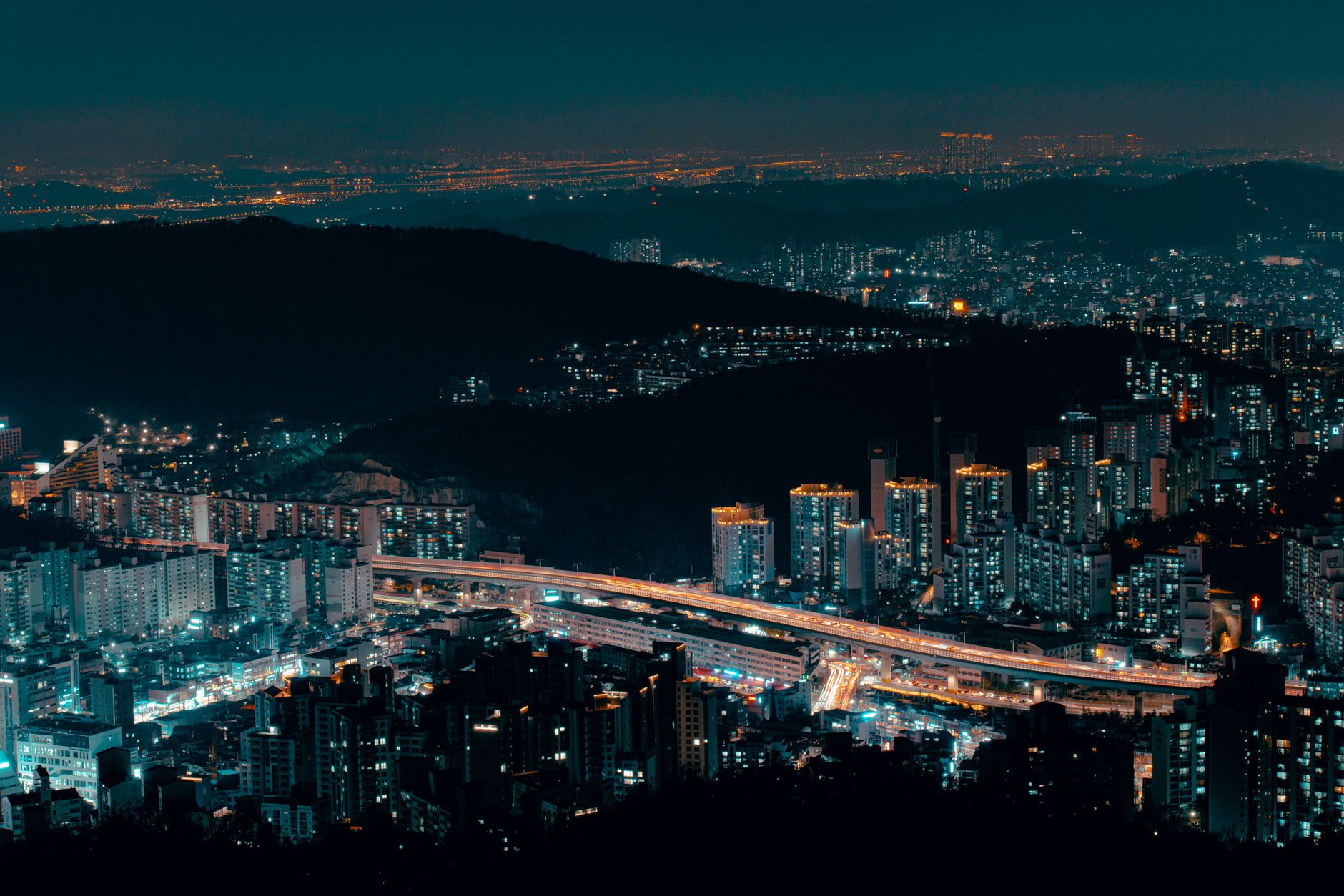
Gangnam is flashy, expensive, and mostly consists of plastic surgery clinics and high-end office buildings. But the architecture is wild.
The Dongdaemun Design Plaza (DDP), designed by Zaha Hadid, looks like a silver spaceship landed in the middle of the city. It’s best viewed at night when the neons light up the metallic curves.
If you head to the famous Starfield Library inside Coex Mall, manage your expectations. It’s an Instagram trap.
The massive bookshelves look incredible in photos, but the space is loud, crowded, and you can’t actually read most of the books on the upper shelves because they’re empty cardboard boxes used for decoration. Go, take your photo in five minutes, then leave for a coffee elsewhere.
What to Eat (and What to Skip)
Korean food is highly regional, incredibly social, and usually spicy. Don’t be intimidated by places without English menus — just point at what the table next to you is eating.
Korean BBQ (Samgyeopsal) is mandatory. You’ll grill thick strips of pork belly at your table, wrap them in sesame leaves with garlic and ssamjang paste, and wash it down with local beer.
“If a restaurant doesn’t have a round metal table and a exhaust pipe hanging from the ceiling, you’re in the wrong place for BBQ.”
Skip the street food in Myeongdong. It’s an overpriced tourist circus where vendors charge ₩10,000 for mediocre lobster tails covered in cheap cheese. Head to Gwangjang Market instead.
At Gwangjang, look for the stalls selling Mayak Gimbap (addictive mini seaweed rolls) and Bindaetteok (crispy, shallow-fried mung bean pancakes). A full meal here will cost you less than ₩8,000.
Crucial Logistics: The Google Maps Problem
Here is something nobody tells you until you’re lost in an alley at midnight: Google Maps does not work for walking directions in South Korea.
Due to national security laws regarding geographic data, the government restricts foreign mapping services. If you try to use Google Maps to walk to a restaurant, it will either show you a straight line through a building or refuse to load entirely.
How to navigate Seoul — step by step
Do this before you leave home. It’s the local gold standard and has a reliable English interface.
Pick one up at any convenience store for ₩3,000. You’ll need this physical card for the subway and buses.
Subway ticket machines do not accept foreign credit cards for transit top-ups. Keep at least ₩20,000 in cash on you just for transit.
Safety and Scams to Avoid
Seoul is incredibly safe. You can leave your laptop on a cafe table to go to the bathroom, and it will still be there when you get back. But there are two specific traps you need to know about.
The “Cultural Experience” Cult Scam
Friendly young locals will approach you in Hongdae or Myeongdong, asking for directions or wanting to “practice English.” They will eventually invite you to a traditional tea ceremony to experience Korean culture. Once there, they will pressure you to dress up, perform rituals, and demand massive “donations” of ₩100,000 or more. Just say no and keep walking.
The Black Deluxe Taxi Trap
Avoid the black taxis with gold stripes (Mobeom). These are deluxe taxis that charge double the base fare of regular silver, orange, or white cabs. Stick to standard cabs, or use the Kakao T app to hail rides with upfront, fixed pricing.
Frequently Asked Questions
Is Seoul expensive to visit?
Do I need to speak Korean to get around?
Can I use my credit card everywhere in Seoul?
What is the best area to stay in Seoul?
Navigating Seoul’s massive subway network, translating menus on the fly, and using Naver Map to find hidden Euljiro bars requires a constant, reliable internet connection. Instead of hunting down a physical telecom kiosk at Incheon Airport after a long flight, grab a South Korea eSIM before you leave. It installs in seconds, connects to the local high-speed network the moment your plane touches down, and saves you from paying ridiculous roaming fees. If you’re planning to extend your travels to neighboring countries, don’t forget to read our essential china travel tips.