
Hong Kong welcomed 26.71 million visitors in the first half of 2026 alone. If you don’t have a strategy before you land, you’ll spend your trip trapped in queues and paying double for taxi rides. I’ve spent years navigating these neon-lit streets, finding the spots that actually justify the hype and the traps you need to dodge. This practical Hong Kong travel guide cuts through the tourist brochure fluff to give you the real rules of the city. Let’s get into what actually works.
Quick Facts — Hong Kong
Hong Kong Dollar (HKD)
Cantonese & English
GMT+8
Type G (UK three-pin)
October to December
Visa-free for 170+ nationalities
Key Takeaways
- Best time to visit: Autumn offers dry, cool days that make walking the steep streets of Central actually pleasant.
- Budget needed: Expect to spend around HK$1,200 per day for mid-range dining, transit, and sightseeing.
- Must book ahead: Peak Tram tickets and Disneyland entry slots require advance online booking to secure your preferred times.
- Getting around: The MTR subway system is fast, clean, and cheap. Buy a physical Octopus card immediately.
The New Rules of Hong Kong in 2026
Let’s talk about what has changed recently. First, forget about filling out those tiny paper arrival cards on the plane. Hong Kong officially abolished the paper Arrival Card requirement on October 16, 2024, making the immigration process entirely paperless. You just walk up to the counter, scan, and go.
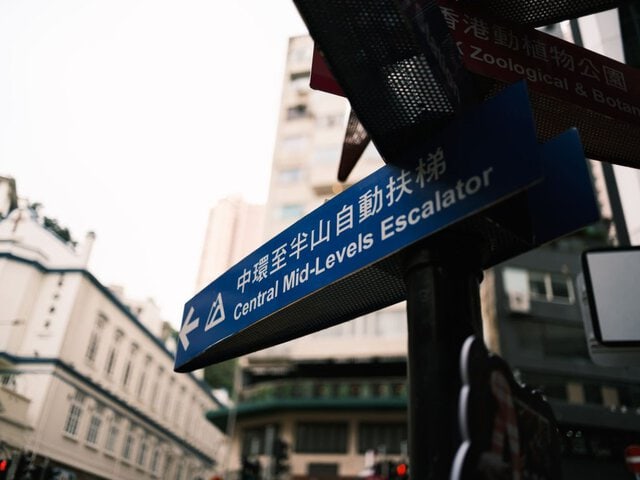
Next, there’s a major cultural shift happening on the transit system. The MTR Corporation launched a massive campaign urging commuters to stand on both sides of the escalator to reduce accidents. This challenges the decades-old local tradition of standing on the right and walking on the left. If you walk on the left now, you’ll get some very pointed stares from safety-conscious locals. Just stand still.
Finally, if you’re visiting in 2026, the massive Kai Tak Sports Park is finally open. The state-of-the-art Kai Tak Stadium is hosting major international concerts and the iconic Hong Kong Rugby Sevens. It’s a massive crowd-puller, so check the event calendar before booking your hotel nearby.
Getting Around & Transit Hacks
Getting from Hong Kong International Airport to the city is incredibly straightforward. The Airport Express train takes just 24 minutes to reach Central (Hong Kong Station) for HK$115 to HK$120. If you’re on a budget, the Cityflyer A21 bus costs around HK$33 and goes directly to Tsim Sha Tsui and Mong Kok. It takes longer, but you get a great view from the top deck.
Here’s a transit hack most tourists miss. If you travel to and from the airport on the same calendar day using the same Octopus card, the Airport Express “Same Day Return” offer makes your return journey completely free. This is perfect for quick layovers.
There’s also a weird digital quirk you need to know. Google Pay and Google Wallet Octopus cards require a local Hong Kong phone number to set up. Android tourists should stick to physical cards. iPhone users can easily use the “Octopus for Tourists” app with Apple Pay without any local number issues.
What to See: The Honest Verdict
Not every attraction in Hong Kong is worth your time. Some are overcrowded tourist traps, while others are genuinely world-class. Here is where you should actually spend your days.




What to Eat (And Where)
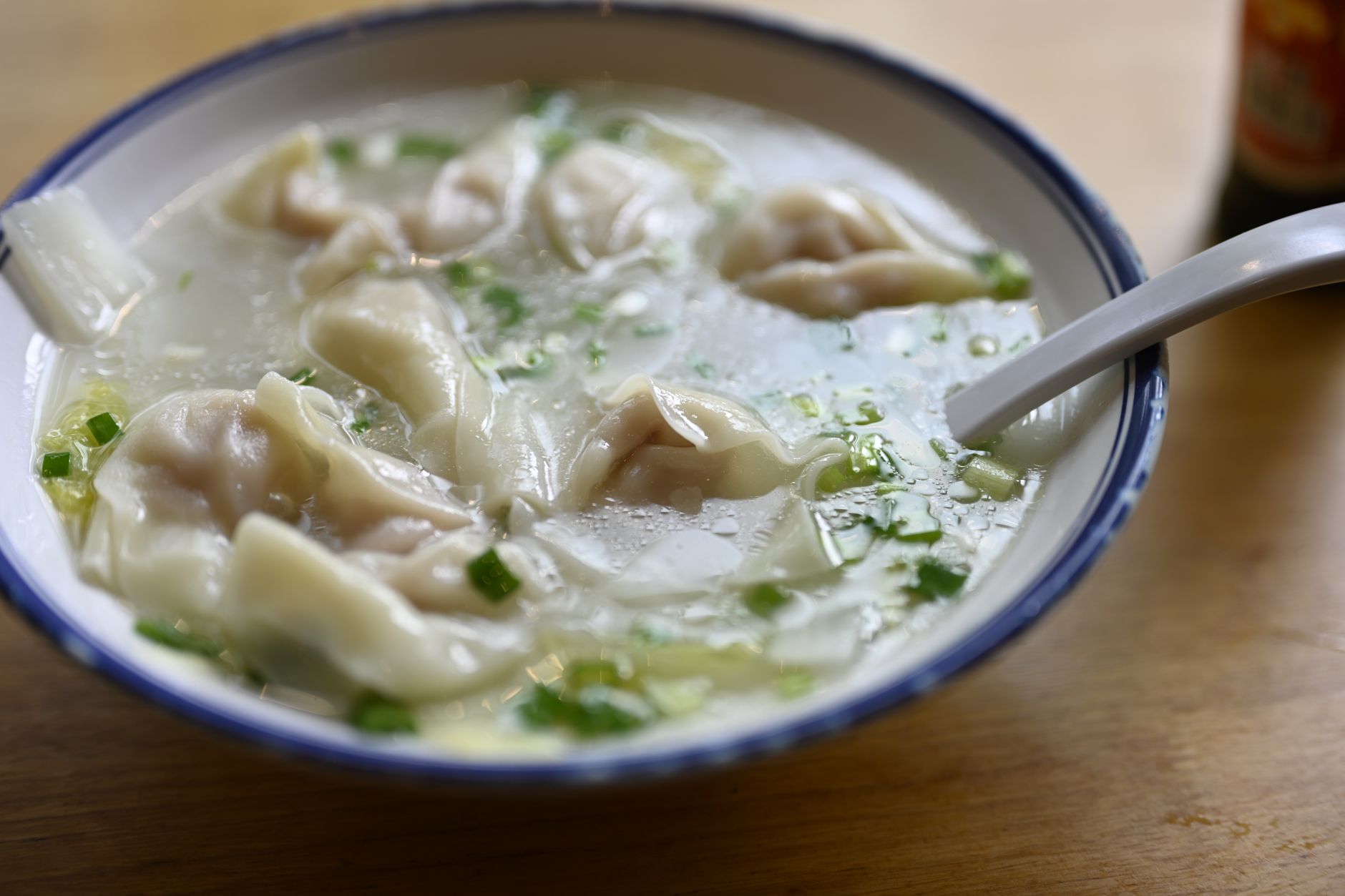
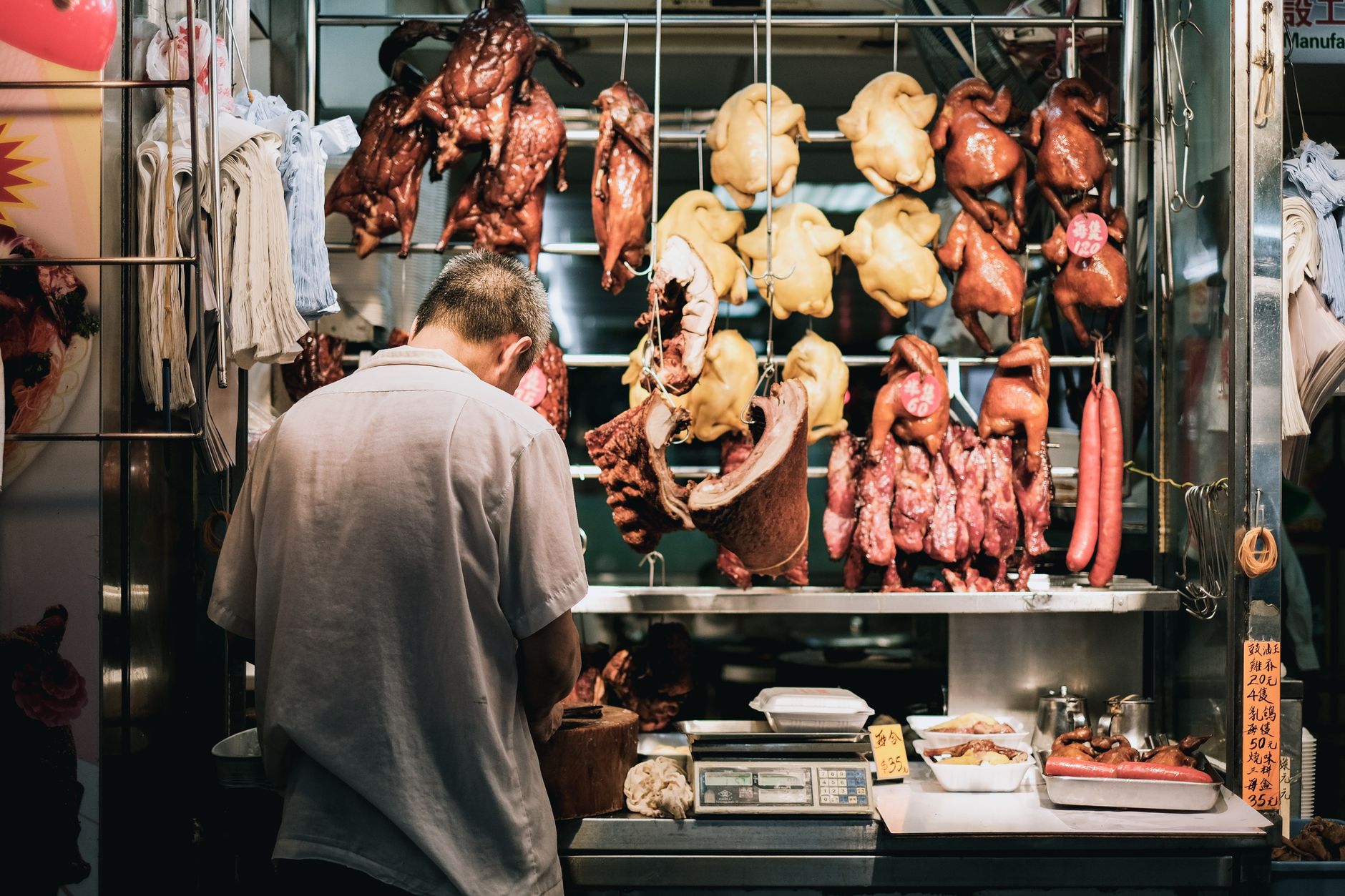
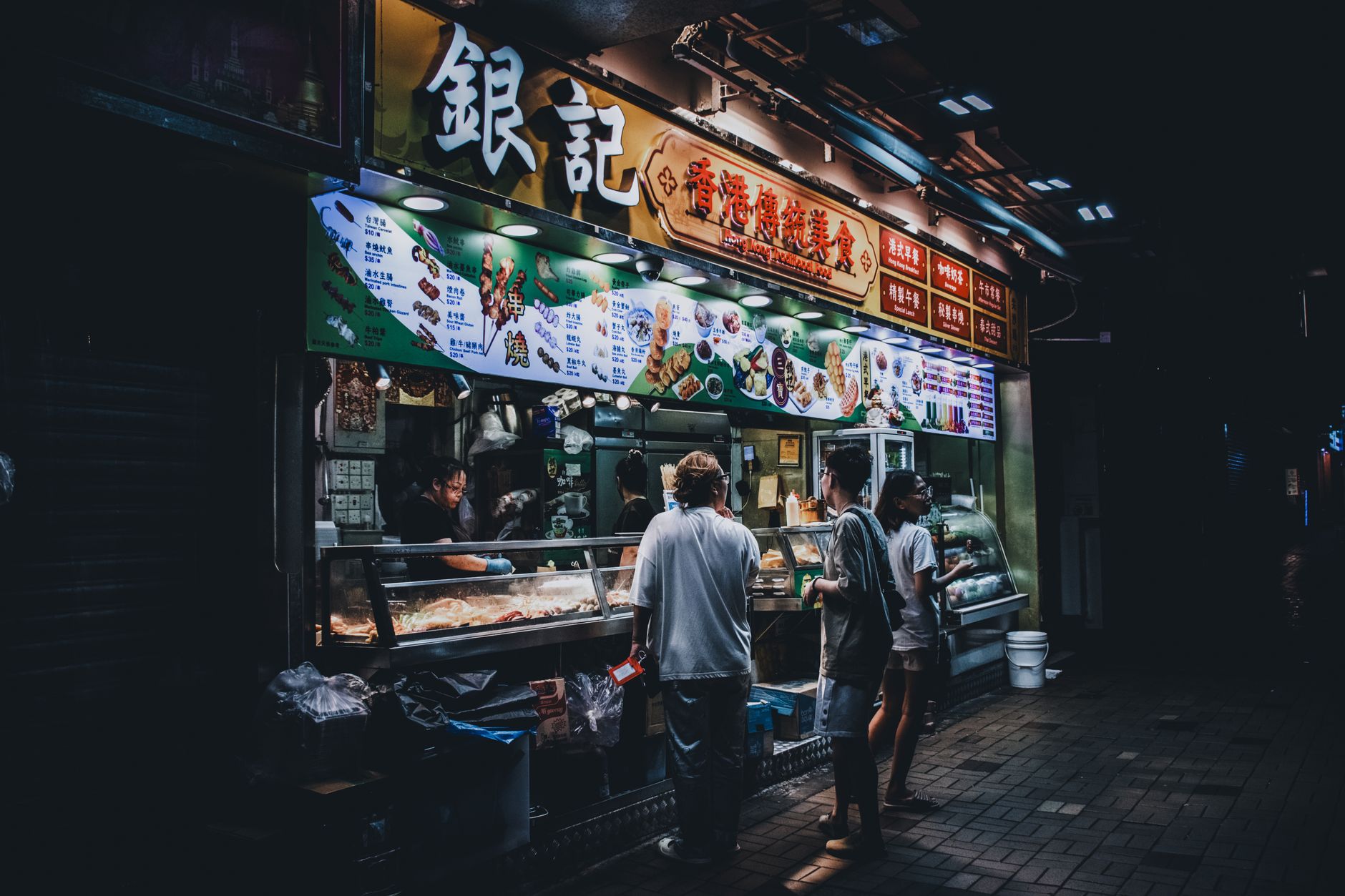
Hong Kong is a city that lives to eat. The culinary scene is incredibly diverse, but you should focus on the local specialties that the city does better than anywhere else on earth.
Safety & Scams to Avoid
Hong Kong is incredibly safe compared to most global metropolises. Violent crime is rare, but financial scams targeting tourists are common if you don’t know what to look for.
American Ginseng & Herbal Medicine Scam
This happens at dispensaries and medicine shops in Tsim Sha Tsui, especially along Peking Road and Nathan Road. Staff will quote a price but hide the unit of measurement (using “per mace” or “per tael” instead of “per catty”, which is 16 to 100 times more expensive). They will quickly slice or grind the herbs to force a sale. Always confirm the total price in writing before they process any herbs, and stick to reputable chains like CR Care or Eu Yan Sang.
Fake Buddhist Monks
Scammers dressed in saffron robes operate in crowded tourist areas like Tsim Sha Tsui, Causeway Bay, and Lan Kwai Fong. They will approach you offering “free” bracelets or blessings, then aggressively demand cash donations. Politely decline and walk away. Legitimate Buddhist monks in Hong Kong are legally prohibited from soliciting money on the streets.
Taxi Overcharging and Refusing Meters
This is common late at night in nightlife districts like Wan Chai and Lan Kwai Fong. Some drivers will refuse to turn on the taximeter and demand exorbitant flat rates. Insist on using the meter (“baa-see” in Cantonese) or use a ride-hailing app like Uber to ensure a fair, pre-calculated fare.
Macau Day Trip Logistics
If you have an extra day, Macau is an easy escape. You can travel to Macau via high-speed ferry (TurboJET or Cotai Water Jet) in 55 minutes for HK$168 to HK$280. It’s fast, comfortable, and drops you right near the historic center. If you plan to extend your journey into the mainland, don’t miss our essential china travel tips.
Alternatively, the Hzmb shuttle bus—known locally as the “Golden Bus”—crosses the 55km bridge for just HK$65 to HK$70. But here’s the catch: it requires multiple transfers and immigration checks. It ends up taking 2 to 3 hours total door-to-door. Stick to the ferry.
Frequently Asked Questions
Do I need a visa for Hong Kong?
How much should I tip my tour guide in Hong Kong?
What are the entry requirements from the Philippines?
How long do people usually stay in Hong Kong?
Staying Connected Without the Hassle
While Hong Kong has superb 4G and 5G coverage across the entire territory, getting a local physical SIM card is a headache. By law, Hong Kong mandates real-name registration for all local SIM cards. This means tourists must upload a passport photo to activate prepaid SIMs, which can take up to 1 working day for manual verification. To bypass this entire bureaucratic mess, you can purchase a Hong Kong eSIM before you leave home. It activates instantly on arrival, uses the same premium local networks, and completely bypasses the real-name registration requirement so you can navigate as soon as you land.
| Feature | Local Physical SIM | Galactic Roam eSIM |
|---|---|---|
| Cost | HK$33–HK$100 | From $8 |
| Activation | Manual setup | Instant, pre-arrival |
| Passport Registration | Required (up to 1 day wait) | None |
| Ready on arrival | No (must buy at airport) | Yes |
| Data options | Fixed packages | Flexible tiers (1GB to 10GB) |