

Mumbai’s local trains carry 10 million passengers every single day—that is more than the entire population of Sweden. If you dive into this massive metropolis without a strategy, you will end up exhausted, overwhelmed, and paying five times too much for a broken taxi. I’ve spent years navigating India’s Maximum City, and this realistic Mumbai travel guide will show you how to bypass the tourist traps, master the local transit, and eat like a local. Let’s get you ready for the madness, especially if you are planning to experience the massive Ganesh Chaturthi festival on September 14, 2026.
Key Takeaways
- Best time to visit: November to February for tolerable weather, or September for the festival chaos.
- Budget needed: $30–$50 USD per day covers solid meals, mid-range transport, and entry fees.
- Must book ahead: AC local train tickets and weekend open-deck bus tours.
- Getting around: Use the local trains for speed, and auto-rickshaws or Uber for short hops.
Quick Facts — Mumbai
Indian Rupee (INR)
Marathi, Hindi, English
GMT+5:30
Type C, D, M
October to March
e-Visa required for most
The Logistics: Cash, Apps, and Trains
If you’ve ever tried to pay for a Rs. 20 street snack with a Rs. 500 note, you know the immediate look of despair on the vendor’s face. They don’t have change. While high-end spots take international plastic, the real Mumbai runs on cash and UPI (Unified Payments Interface).
Here’s the hack: get ‘UPI One World’ at the Mumbai Airport (BOM) arrivals. It’s a prepaid digital wallet built specifically for international travelers. You load it up, and you can scan those ubiquitous QR codes at every single street food stall and taxi.
Then there are the trains. Mumbai’s suburban railway network carries close to 10 million passengers daily. Central Railway alone logged over 127 million commuters in January 2026. If you want to ride the AC local trains, be prepared. Average occupancy reached 1,664 passengers per service in early 2026, which is a 12.9% jump from the previous year. Avoid peak hours (8:00 AM to 11:00 AM and 5:00 PM to 8:00 PM) unless you want to experience what a sardine feels like.
How to book local train tickets — step by step
Install ‘M-indicator’ for real-time schedules and the official ‘UTS’ app for tickets.
Stand between 30 meters and 2 kilometers away from your originating station. Your phone’s GPS must detect you in this zone to prevent fare evasion.
Select your route on the UTS app, pay digitally, and bypass the massive ticket window queues.
When you land at T2, skip the aggressive taxi drivers waiting at arrivals. Take the ‘Chalo Airport Express’ bus service to South Mumbai (Colaba). It costs around Rs. 100 to Rs. 150, which is a fraction of a taxi fare. If you must ride-hail, book an Uber or Ola and head straight to Level P7 of the airport parking lot—that’s where the designated pickup zones are.
What to See (And What to Skip)
Most guides will send you straight to the Gateway of India, which is fine for a quick photo, but the real soul of the city is hidden in its older neighborhoods. Let’s look at three spots actually worth your time.


Now, let’s talk about what to skip. Locals on r/mumbai frequently warn tourists to avoid highly commercialized Irani cafes like Britannia & Co. It has become an overpriced Instagram trap. If you want an authentic, budget-friendly Irani cafe experience, walk into Cafe Olympia or Kyani & Co. instead.
The Food Scene: Street Eats & Irani Cafes
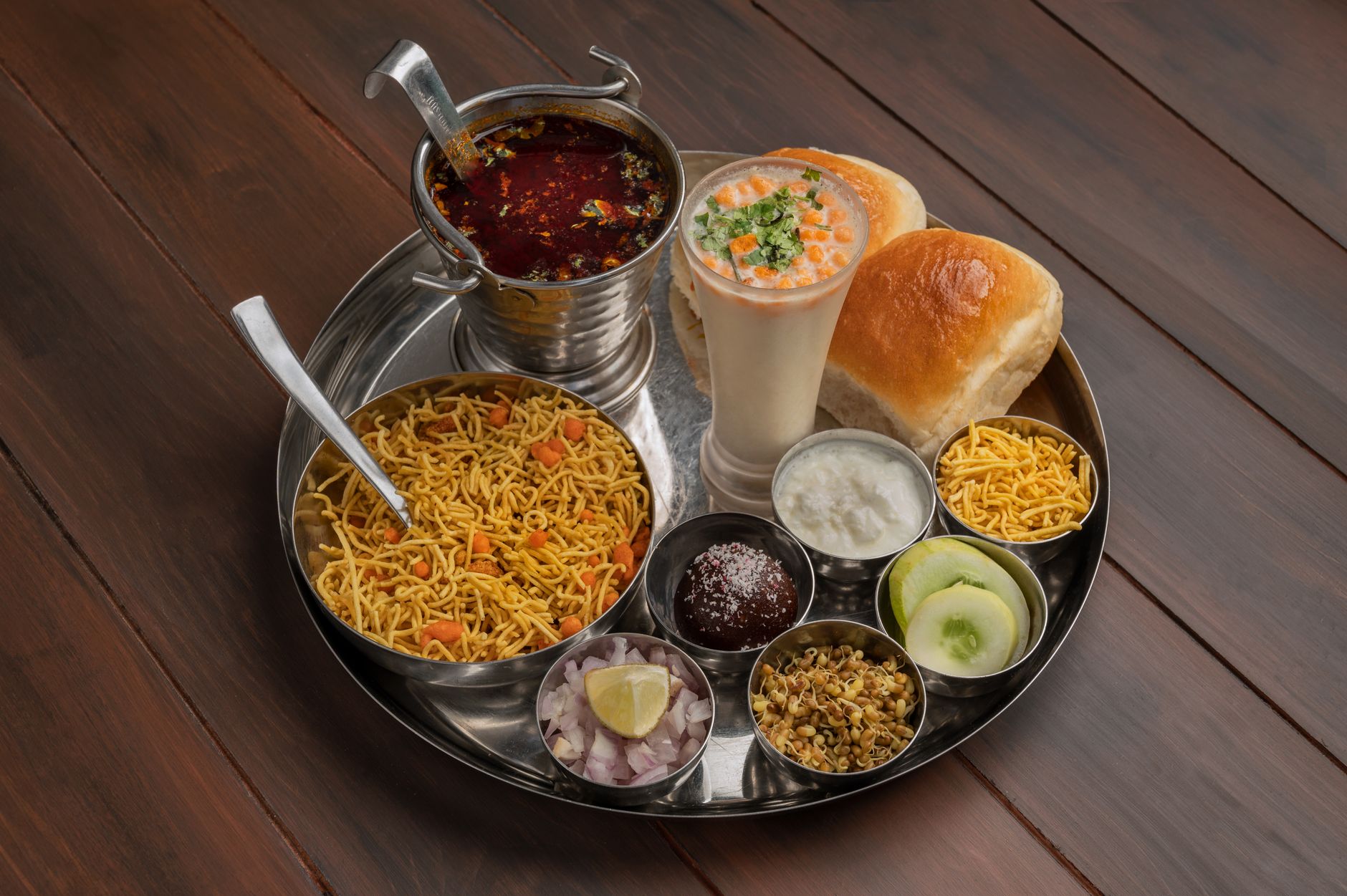
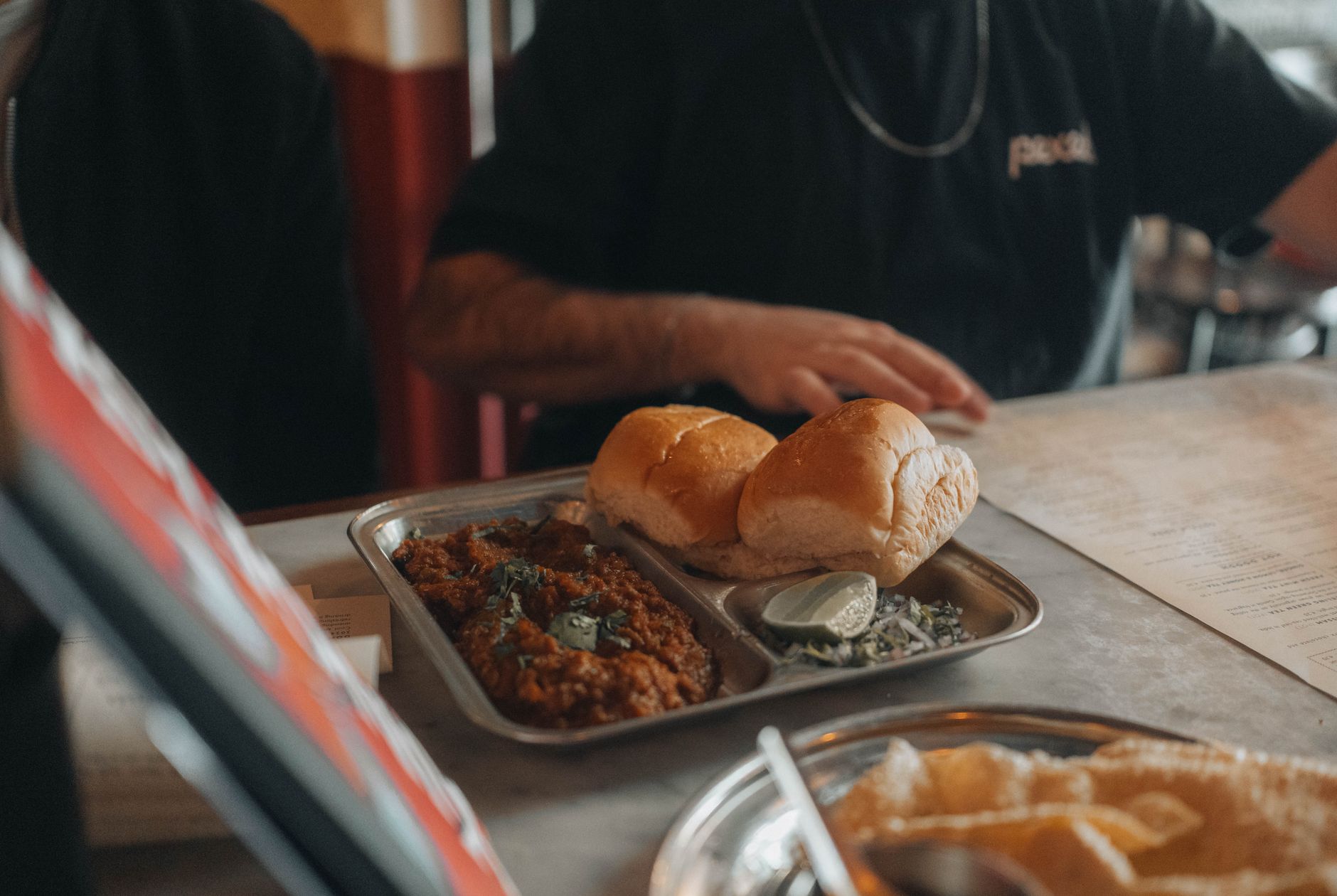
Mumbai’s food scene is legendary, but you need to know where to go. Street food here is cheap, spicy, and absolutely brilliant. Here are three dishes you cannot leave the city without trying.

Safety & Common Scams
Mumbai is generally safer than other major Indian metros, but it’s not without its traps. Here’s what you need to watch out for to keep your trip from turning into an expensive headache.
Meter Tampering
Common outside Csmt station and the T2 airport arrivals. Never agree to a flat rate and never get in a vehicle if the driver claims the meter is broken. Insist on the meter, use the official prepaid stands, or stick to Uber and Ola.
Gateway Photo Scam
Aggressive photographers at the Gateway of India promenade will offer ‘instant’ prints or private boat tours at ridiculous prices. Politely decline and walk straight to the official Mtdc ticket counter to book standard ferry tickets.
Pickpocketing on Trains
They target crowded spots like Colaba Causeway and local trains during rush hour. Wear your backpack on your chest and keep your phone in a zippered front pocket. Women traveling late should always use the dedicated ‘Ladies Special’ compartments.
Staying Connected
Staying online in Mumbai is easy, but there’s a major catch for foreigners. A local prepaid physical SIM costs around Rs. 300 to Rs. 800 ($4 to $10 USD) for a 28-day pack with 1.5GB of daily data. Coverage is excellent across the city, though you might lose signal in deep concrete structures or underground metro tunnels.
But here’s the quirk: public WiFi networks at the airport and railway stations require an active phone number to receive a One-Time Password (OTP) via SMS. Foreign SIM cards almost always fail to receive these OTPs. If you land without a working connection, you won’t even be able to call an Uber.
This is why having a pre-activated India eSIM is a lifesaver. You can skip the airport queues, bypass the OTP headache, and get online the second your plane touches down.
| Local SIM | Galactic Roam eSIM | |
|---|---|---|
| Cost | Rs. 300–800 | From $8 |
| Activation | Requires passport & local address | Instant, pre-arrival |
| Registration | In-store verification | None |
| Ready on arrival | After queuing | Yes |
| Data options | Daily limits | 1 GB / 3 GB / 5 GB / 10 GB |
Frequently Asked Questions
How do I book a city tour in Mumbai?
How do I verify if a Mumbai tour guide is legitimate?
Where can I find reliable maps of Mumbai?
Is it safe to travel on Mumbai’s local trains?
Navigating Mumbai is a rite of passage. It’s loud, chaotic, and completely unforgiving to those who don’t prepare, but it’s also one of the most rewarding cities on earth. If you are planning a broader journey, our India travel guide offers essential tips for first-time visitors. We also recommend reading our delhi travel guide if you plan to visit the historic capital. Just make sure your phone is sorted before you land so you can navigate the trains, book your rides, and scan those UPI codes without a hitch. Grab an India eSIM from Galactic Roam before you leave, and you’ll be ready to take on the Maximum City from the moment you step off the plane.