

Over 50% of Toronto’s population was born outside of Canada. If you visit without a strategy, you’ll end up staring at the backs of tour groups in overpriced downtown hubs instead of tasting the real city. I’ve spent years navigating Toronto’s neighborhoods, transit, and underground labyrinths. This Toronto travel guide is your insider blueprint to skipping the traps and exploring like a local. If you are planning a broader trip across the country, check out our ultimate canada travel guide.
The 2026 Landscape: Timing Your Visit
If you’re planning a trip in 2026, timing is everything. The city is hosting six matches of the Fifa World Cup 2026 at BMO Field from June 12 to July 2, including Canada’s historic men’s home opener. Later in September, the Toronto International Film Festival (Tiff) takes over the downtown core.
To fund the World Cup, the city temporarily raised its Municipal Accommodation Tax (MAT) on hotel stays to 8.5% until July 31, 2026. Expect packed hotels and premium rates. Book early, or prepare to pay through the nose.
Neighborhoods & Attractions: What’s Actually Worth It
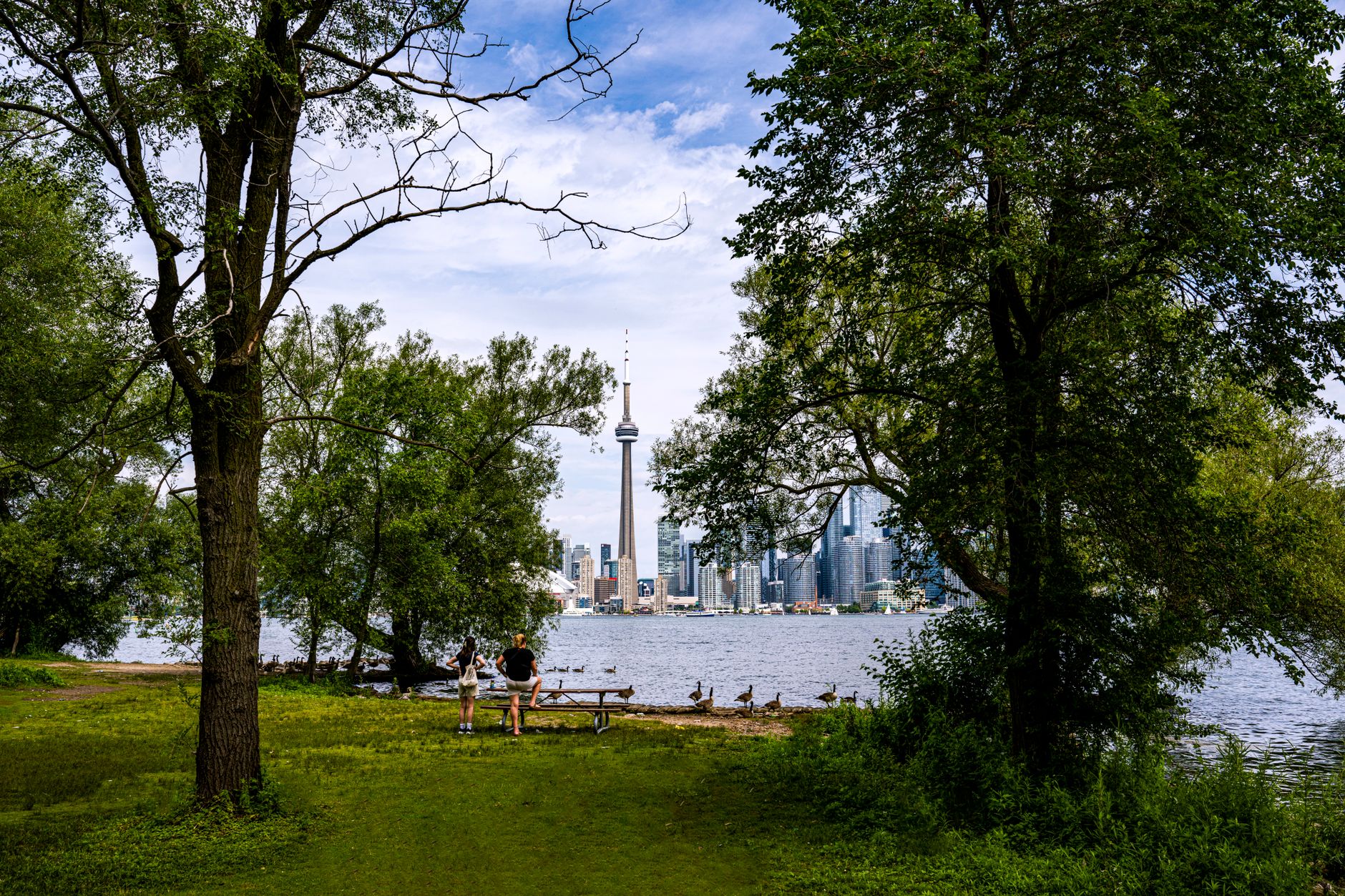
Toronto Islands: The Escape Hatch
A chain of 15 small, car-free islands connected by bridges, offering sandy beaches, bike paths, and the iconic postcard view of the Toronto skyline. But don’t make the rookie mistake of queuing at the Jack Layton Ferry Terminal on summer weekends—lines easily hit two hours between 11:30 AM and 2:30 PM.
Skip the queue by booking tickets online in advance, or shell out $10–$13 CAD for a private water taxi to Ward’s Island. The ultimate hack? Take a water taxi to the island, and ride the public ferry back to the mainland for free, as tickets are only checked on the outbound trip.
Kensington Market: Bohemian Toronto
This is a bohemian, open-air neighborhood filled with vintage shops, indie cafes, and diverse street food that represents Toronto’s multicultural roots. It’s best experienced on ‘Pedestrian Sundays’—the last Sunday of every month from May to October—when cars are banned and the streets turn into a giant festival of live music and outdoor food stalls.

The Path: The Subterranean Labyrinth
Spanning over 30 kilometers and connecting over 75 buildings, the Path is the largest underground shopping complex in the world. It lets you traverse the entire Financial District completely sheltered from winter cold or summer humidity. But be warned: GPS is useless down here, and the color-coded signs are notoriously inconsistent.
Navigate using major landmarks like Union Station or the Eaton Centre as waypoints. Watch out for ‘Tower Traps’—hallways with only corporate logos and no directional arrows, which lead to dead-end private office lobbies.

What to Eat: Toronto’s Signature Bites
Forget generic chain restaurants. Toronto’s food scene is defined by its immigrant communities and localized fusion dishes that you won’t find anywhere else.



Safety & Scams to Avoid
Toronto is generally very safe, but like any major metropolis, it has its share of bad actors looking to exploit distracted travelers. Keep your wits about you, especially in these situations.
The Taxi Debit Card Swap
Late at night in the King West or Queen West entertainment districts, a rogue driver might claim their card reader is broken or that they don’t accept cash. They’ll ask for your debit card, distract you, and swap it with a stolen replica. Never hand over your card; always tap it yourself, or stick to rideshare apps and licensed Beck Taxis.
The Aggressive Flower / CD Handout
Around Yonge-Dundas Square and Front Street near Union Station, scammers dressed as monks or elderly women will hand you a rose, a ‘free’ CD, or a bracelet. Once you take it, they’ll aggressively demand a $5–$20 CAD donation. Keep your hands in your pockets, ignore them, and keep walking.
The Moss Park & Sherbourne Corridor
Avoid walking through the intersection of Sherbourne Street and Dundas Street East at night. While not violent, this pocket has a high concentration of shelters and open substance use that can feel unpredictable. Stick to well-lit main arteries like Yonge or University Avenue instead.
Frequently Asked Questions
How do I get from Pearson Airport to downtown Toronto?
What is the best way to pay for public transit in Toronto?
How much should I tip in Toronto?
Staying Connected Without Getting Ripped Off
Canada has some of the most expensive mobile data rates in the world. If you buy a local physical SIM card on arrival, expect to pay anywhere from $35 to $95 CAD ($25 to $70 USD) for a basic data package, plus an annoying $10 to $15 CAD one-time fee just for the plastic card. To make matters worse, budget prepaid brands like Chatr or Lucky Mobile often cap your speeds at sluggish 3G or 4G LTE rates.
You can easily bypass these high local rates and activation fees by setting up a Canada eSIM before you even pack your bags. It connects directly to premium networks like Rogers, Bell, or Telus, giving you instant, unthrottled 5G speeds the second your plane touches down at Pearson. Grab a Canada eSIM from Galactic Roam, skip the airport kiosk queues, and spend your saved cash on another peameal bacon sandwich instead.