

With Czechia experiencing an 18% surge in travel bookings heading into 2026, planning ahead is more critical than ever. The days of just showing up in Prague and winging it are officially over. I’ve spent years navigating this country’s cobblestones, dodging the tourist traps, and finding the spots actually worth your time. This practical Czech Republic travel guide cuts through the outdated blog advice to give you the real, fluff-free logistics. If you are also planning to visit neighboring countries, our poland travel guide will help you explore like a local. Let’s get into what actually works.
The Airport Transit Hack
Prague has no direct rail link to its airport. Don’t fall for expensive taxis or sketchy private transfers at the terminal exit.
The default public transit route is the high-capacity Trolleybus 59, which connects directly to Metro Line A at Nádraží Veleslavín. A single 90-minute transit ticket costs 40 CZK (~$1.70 USD) and covers both the trolleybus and the metro ride into the city center.
You can buy your ticket via the PID Lítačka app or contactless on board. But here’s the law you must follow: you must validate physical paper tickets immediately upon boarding or entering the metro station by inserting them into the yellow validation machines. Plainclothes transit inspectors carry official badges and will hit you with a 1,000 CZK fine if you forget.
Attractions Actually Worth the Trip
Some historic sites are overrun traps. Others are genuinely worth the journey if you know how to time your visit.
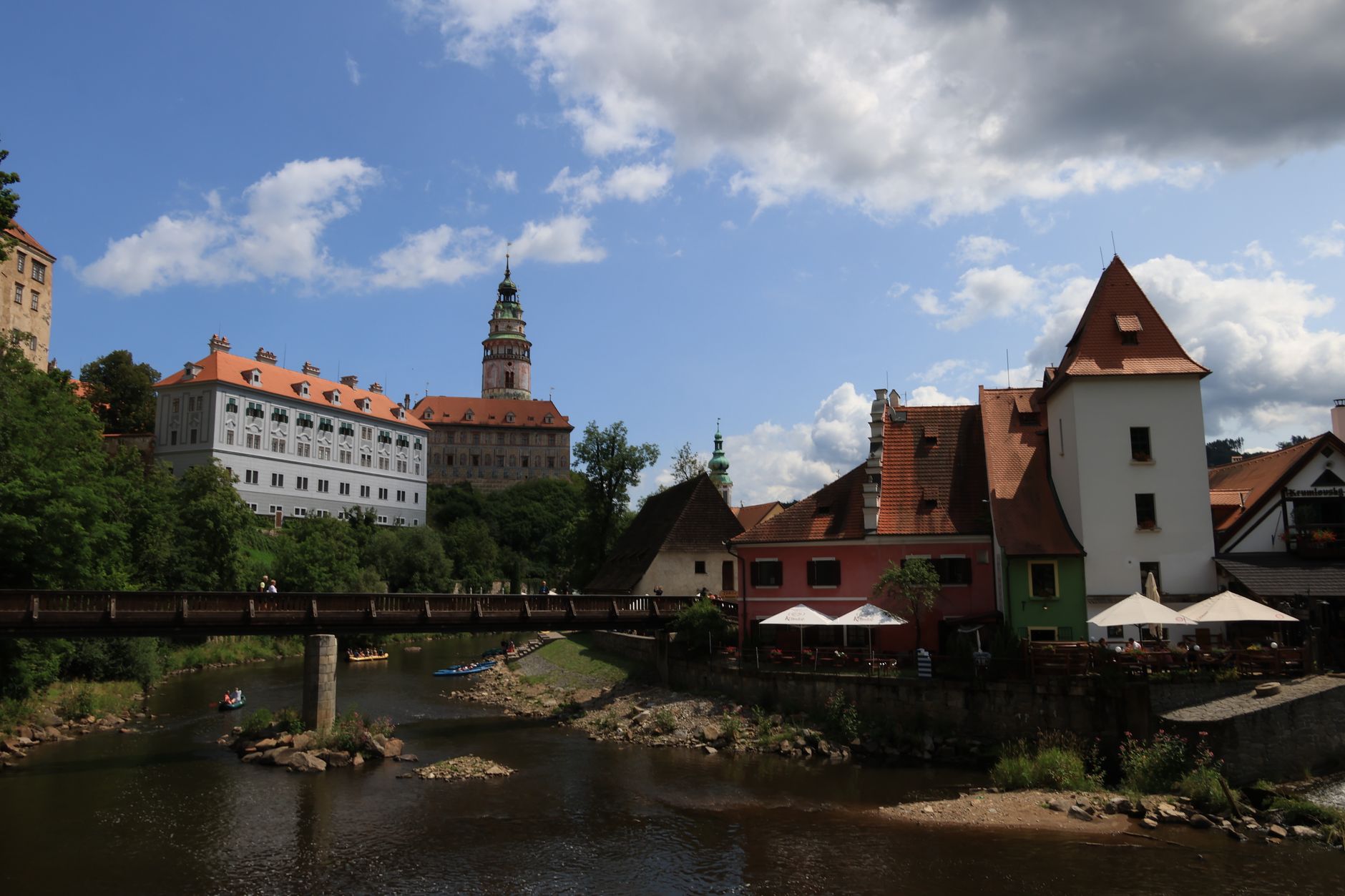

What to Eat (and How to Tip)
Czech food is heavy, comforting, and designed to go with beer. Traditional pubs are where you’ll find the best meals.


When paying, remember the tipping mechanics. In Czech restaurants, tipping is around 10% for good service, but you do not leave cash on the table after paying.
Instead, when the waiter brings the bill (e.g., 380 CZK), you state the total amount you want to pay including the tip (e.g., ‘420’) before they process your card or cash. If you hand over a note and say ‘Díky’ (thanks), it means ‘keep the change’.
And yes, the Czech Republic is the world’s highest consumer of beer per capita, averaging around 140 liters per person annually. That’s why a local draft beer (pivo) is often cheaper than bottled water in traditional pubs.
Scams and Predatory Traps to Avoid
Prague is incredibly safe, but predatory operators target tourists in the historic center. Here is how to protect your wallet.
The ‘Ruličkáři’ (Roll of Money) Exchange Scam
Outside currency exchange booths in tourist hotspots like Wenceslas Square and Old Town Square, shady individuals will approach you offering an ‘amazing’ exchange rate. If you agree, they will hand you a roll of cash that actually consists of worthless, out-of-circulation Belarusian rubles or counterfeit bills. Never exchange money on the street. Use official bank ATMs (ČSOB, Česká spořitelna, Komerční banka) or reputable exchange offices like Exchange on Kaprova 14.
Predatory Exchange Rates & Hidden Fees
Avoid independent exchange booths advertising ‘0% commission’ in Prague’s historic center, as they build massive markups (up to 20-30%) into their terrible exchange rates. Also, avoid independent ATMs (like Euronet) which charge high fees and use dynamic currency conversion (DCC) to lock in terrible rates. Always choose ‘Without Conversion’ (charge in local currency CZK) if prompted by an ATM or card terminal.
The Fake Petition Scam
On Charles Bridge, Wenceslas Square, and around the Astronomical Clock, individuals with clipboards will approach you asking to sign a petition for a deaf/mute charity or the EU. Once you sign, they will aggressively demand a cash donation, pointing to fake previous signatures showing large amounts. Politely but firmly say ‘No’ and keep walking.
If you do get ripped off at an exchange booth, you have a legal shield. Under Czech consumer protection law, tourists have the legal right to cancel any currency exchange transaction of up to €1,000 (or equivalent) within 3 hours of making it.
Frequently Asked Questions
Is the Czech Republic safe for solo travelers?
How do I avoid public transit fines in Prague?
Is tap water safe to drink in the Czech Republic?
Staying Connected
A local physical prepaid SIM card costs between 200 and 600 CZK (~$8 to $25 USD) depending on data allowance, but buying one at official operator stores or airport kiosks requires passport registration by law. If you have an active SIM from another EU country, EU ‘Roam Like at Home’ regulations apply, meaning you can use your data in the Czech Republic without extra roaming fees (though UK SIMs may no longer include this post-Brexit). To skip the queues and avoid handing over your passport at a kiosk, grab a Czech Republic eSIM from Galactic Roam before you fly. It activates instantly on arrival, letting you navigate the transit system without missing a beat.