

Belgium packs nine million annual visitors into a country the size of Maryland. Most of them crowd into the exact same three town squares, completely missing how easy it is to escape the herd. Having navigated the country’s newly overhauled rail system, I’ve put together this practical Belgium travel guide to help you bypass the tourist traps, eat where the locals actually go, and explore Brussels, Bruges, and Ghent without getting scammed. Let’s get into how to do it right.
Quick Facts — Belgium
Euro (€)
Dutch, French, German
GMT+1 (CET)
Type C and E
April to June, September to October
Schengen rules apply
The 2026 Rail Rules: Crucial Logistics
If you’re planning to ride the rails between Brussels, Bruges, and Ghent, pay attention. Belgium completely overhauled its national rail (Sncb) ticketing system. The old flat-rate multi-ride passes you read about on old blogs—like the Standard Multi—are dead.
They’ve been replaced by distance-based pricing and a new ‘Train+’ discount card. The good news? The maximum price for a standard domestic second-class ticket is now capped at €20.90, thanks to a 120km distance-based fare cap.
But here’s the trap: starting July 1, 2026, you cannot buy tickets on board the train anymore. If you board without a ticket, you’ll face a massive fine. Buy your ticket on the Sncb app, website, or at a station machine before stepping onto the platform.
What to See: Brussels, Bruges, and Ghent
The Marolles District, Brussels
Skip the overpriced, tourist-trap chocolate and waffle museums in the center of Brussels. They’re designed to separate you from your Euros as quickly as possible. Instead, spend your Sunday morning wandering the Marolles, one of the city’s oldest and most authentic neighborhoods.
Browse the daily flea market at Place du Jeu de Balle, then grab a traditional Belgian beer at an old-style pub like Moeder Lambic or Daringman. It’s gritty, real, and completely devoid of selfie sticks.

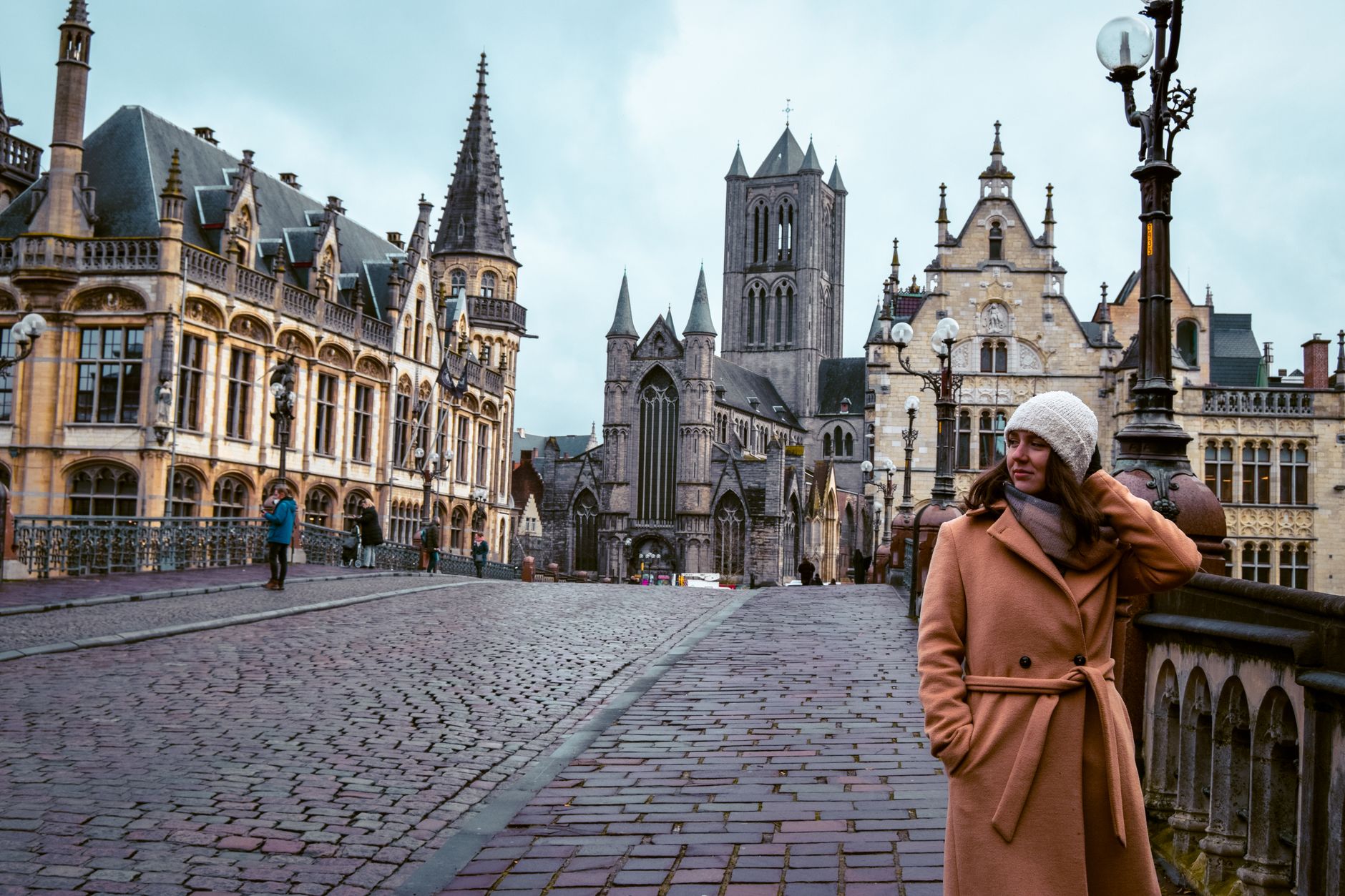
Sint-Baafskathedraal, Ghent
Ghent is often overlooked for Bruges, which is a mistake. St. Bavo’s Cathedral houses the world-famous Ghent Altarpiece, ‘The Adoration of the Mystic Lamb’ by the Van Eyck brothers. It’s a masterpiece of early Flemish painting, but most people don’t know how the viewing ends.
The altarpiece viewing area closes daily at exactly 16:55 with a highly theatrical closing of the wooden panels. Arrive by 16:00 so you can actually study the details before they shut the doors on you.
The Historic Canals & Rozenhoedkaai, Bruges
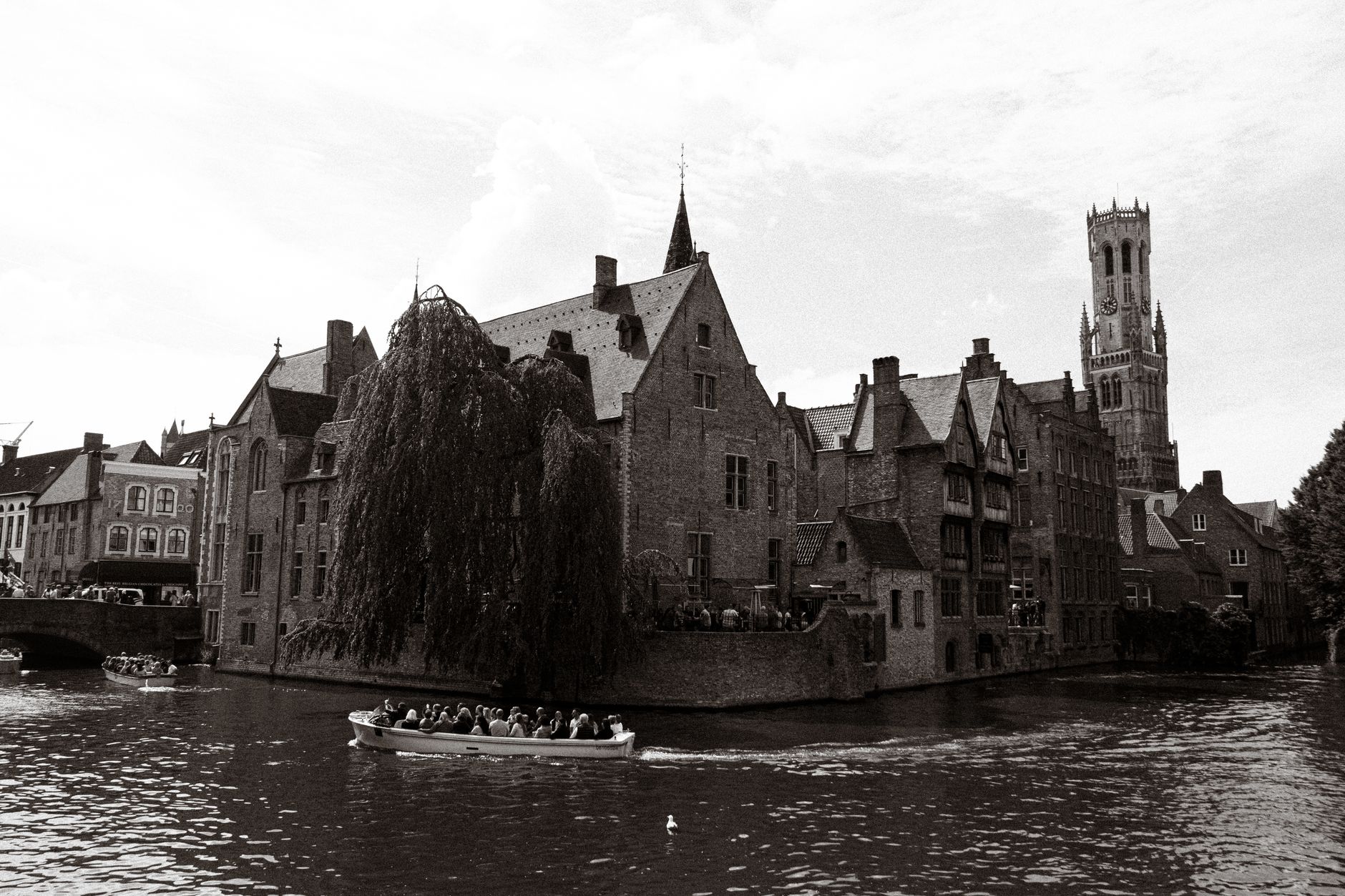
Yes, Rozenhoedkaai is the most photographed spot in Bruges. Yes, it looks like a postcard where the Dijver and Groenerei canals meet against medieval backdrops. But if you show up at noon, you’ll be fighting three hundred cruise ship passengers for a square inch of standing room.
Go between 7:00 AM and 9:00 AM, or wait until after 18:00 when the day-trippers clear out and the city actually feels medieval again. Alternatively, rent a bike and cycle the scenic 7km canal path to the quiet nearby village of Damme.
What to Eat (and Where to Find It)
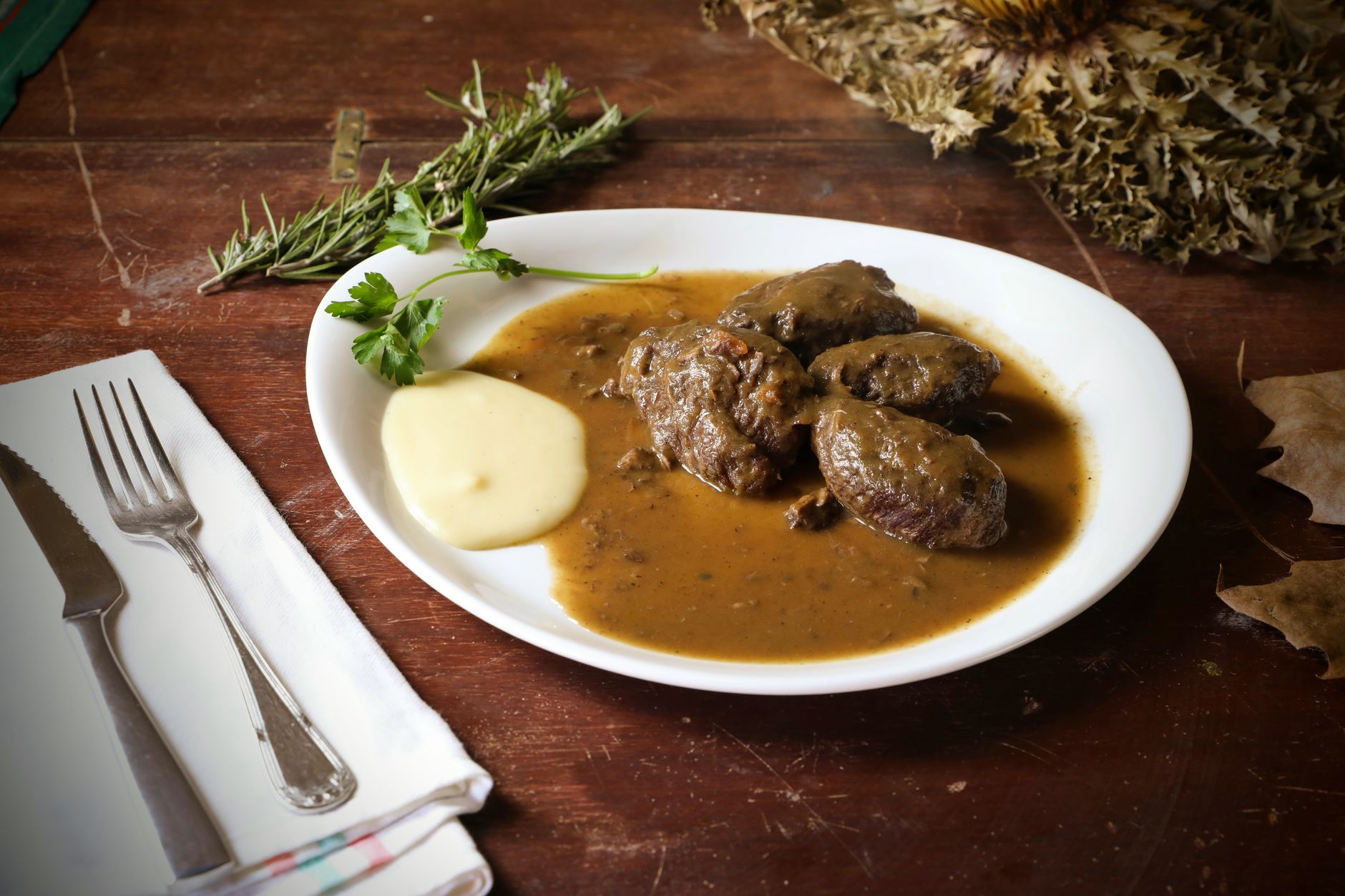
Carbonnade Flamande (Stoverij)
This is the ultimate Belgian comfort food—a rich, slow-cooked beef stew braised in dark Belgian beer, onions, and thyme, sweetened slightly with gingerbread spread with mustard. It’s thick, savory, and perfect after a cold day of walking.
Get it at Brasserie Ommegang in Brussels, which won ‘Best Carbonnade in Brussels’ using Tongerlo Brune beer, or Fin de Siècle. Expect to pay between €18 and €25.
Vol-au-Vent
This is a delicate puff pastry shell filled with a creamy mixture of chicken, mushrooms, and tiny meatballs. It’s decadent, heavy, and absolutely worth the calorie count. Head to La Pierre Bleue in Brussels, which took home the award for ‘Best Vol-au-Vent in Brussels 2025’. Expect to pay €18 to €26.
Belgian Fries (Frites)
Never order fries in a sit-down restaurant; they’re almost always overpriced and disappointing. Instead, look for local street kiosks called ‘fritkoten’ or ‘friteries’ like Chez Papy or Maison Antoine in Brussels. They double-fry thick-cut potatoes in beef tallow (ox fat) for a crispiness you can’t replicate at home. A paper cone will run you €3 to €6.
Safety & Scams to Dodge
The ‘Play Tackle’ / Football Scam
In Brussels’ Grand-Place and busy pedestrian zones, a stranger will approach you playfully, ask for a lighter, or talk about football, then physically grab or ‘play tackle’ you. While you’re confused, an accomplice will lift your wallet. Firmly maintain your personal space and walk away immediately if anyone tries to touch you.
The ‘Fake Police Badge’ Scam
Around Brussels-Midi (Zuid) station, scammers in plain clothes will flash a fake badge, claim to be police officers, and demand to inspect your wallet for ‘counterfeit bills’ or ‘drug money’. Real Belgian police will never inspect your cash on the street. Insist on walking to the nearest official police station before showing anything.
Luggage and Phone Snatching
Thieves target distracted tourists carrying heavy bags at Brussels-Midi, Brussels-North, and on international trains like the Eurostar. Keep your phone in zipped inner pockets, especially on escalators. If arriving at Brussels-Midi, immediately transfer to a local train to Brussels-Central (free with your international ticket) to bypass the sketchy surrounding neighborhood.
Frequently Asked Questions
How do I get from Brussels Airport to the city center?
Take the train from basement level -1 directly to Brussels Central or Midi. It runs four times an hour, takes 20 minutes, and costs approximately €10.30, which includes the mandatory ‘Diabolo’ airport passenger fee.
Can I pay with a card everywhere in Belgium?
Belgium is almost entirely cashless, and cards are accepted everywhere. However, always carry a few €1 and €2 coins, as public restrooms (even in train stations and malls) almost always charge a €0.50 to €1.00 entry fee.
How does public transit ticketing work in different regions?
In Brussels (Stib/Mivb) and Flanders (De Lijn – Ghent, Antwerp), you can tap your contactless bank card or phone directly on the vehicle validators to pay. In Wallonia (TEC), contactless tap-on-board is not live yet; you must buy a €2.80 flat-fare ticket via the TEC app or vending machines before boarding.
Is Belgium really the castle capital of the world?
Yes. Belgium has the highest density of castles per square kilometer in the world. If you want to escape the cities, renting a car for a day to tour the countryside is highly rewarding.
Staying Connected Without the Bureaucracy
Staying connected while moving between these medieval cities is easy, but buying a local physical SIM card is a hassle. Belgium enforces strict mandatory ID registration laws for all prepaid SIM cards, meaning you must present a physical passport in-person at a retail store to activate one. Plus, airport kiosks will charge you €20 to €30 for a measly 3 to 10 GB of data. Skip the lines and the passport checks entirely. Grab a Belgium eSIM from Galactic Roam before you fly. You’ll get instant, reliable 4G and 5G coverage the moment you land, without having to hand your passport to a stranger in a convenience store.