

Amsterdam Dance Event 2026: How to Survive the World’s Biggest Club Festival
Amsterdam has 900,000 residents, but for five days in October, over 500,000 electronic music fans completely take over the city.
If you think you can just roll up to the 30th anniversary of the Amsterdam Dance Event starting October 21, 2026, and wing it, you are in for a brutal wake-up call. I’ve navigated this beautiful, chaotic madness multiple times, and I know exactly where first-timers waste hundreds of euros and get locked out of the best parties.
This realistic Amsterdam Dance Event guide will help you bypass the rookie mistakes, dodge the street scams, and actually make it to sunrise.
The Pro Pass Trap and Late-Night Transit
Let’s talk about the €675 Pro Pass. Many rookies buy this thinking it’s an all-access golden ticket to every single party during the day and night. It isn’t.
While it gets you into the daytime conferences, popular night-time festival events operate on a strict “one-in, one-out” capacity limit. If a venue is full, you are staying outside, pass or no pass. Plan your must-see sets early and get to the venues before peak hours.
If you do buy the Pro Pass, activate your free 5-day GVB public transit pass immediately upon receipt to save on travel costs. But remember that standard trams and metros stop running around 00:30. After that, you’ll have to rely on night buses, rental bikes, or expensive taxis to jump between venues.
The Venues: Where to Go and How to Survive
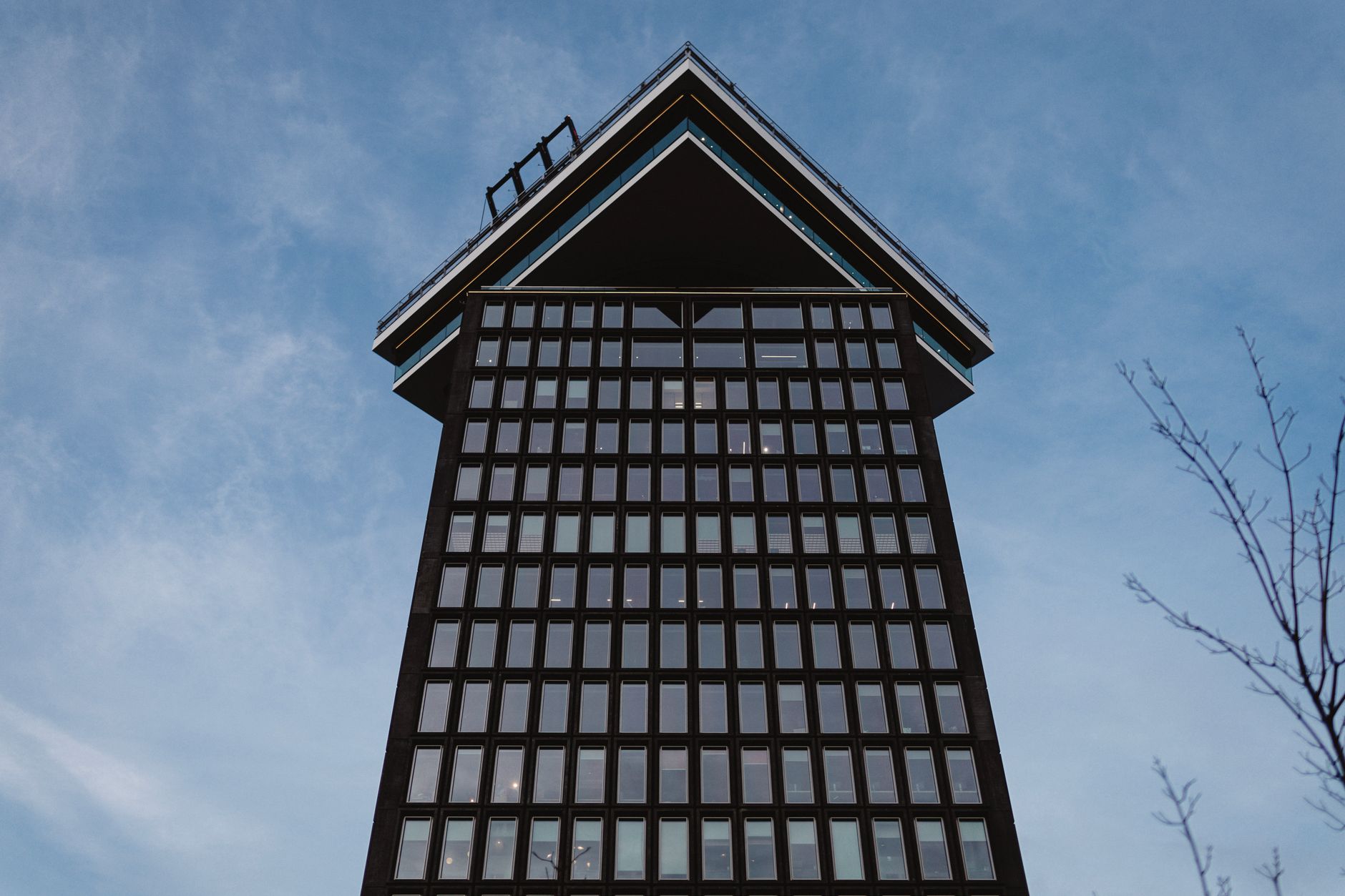
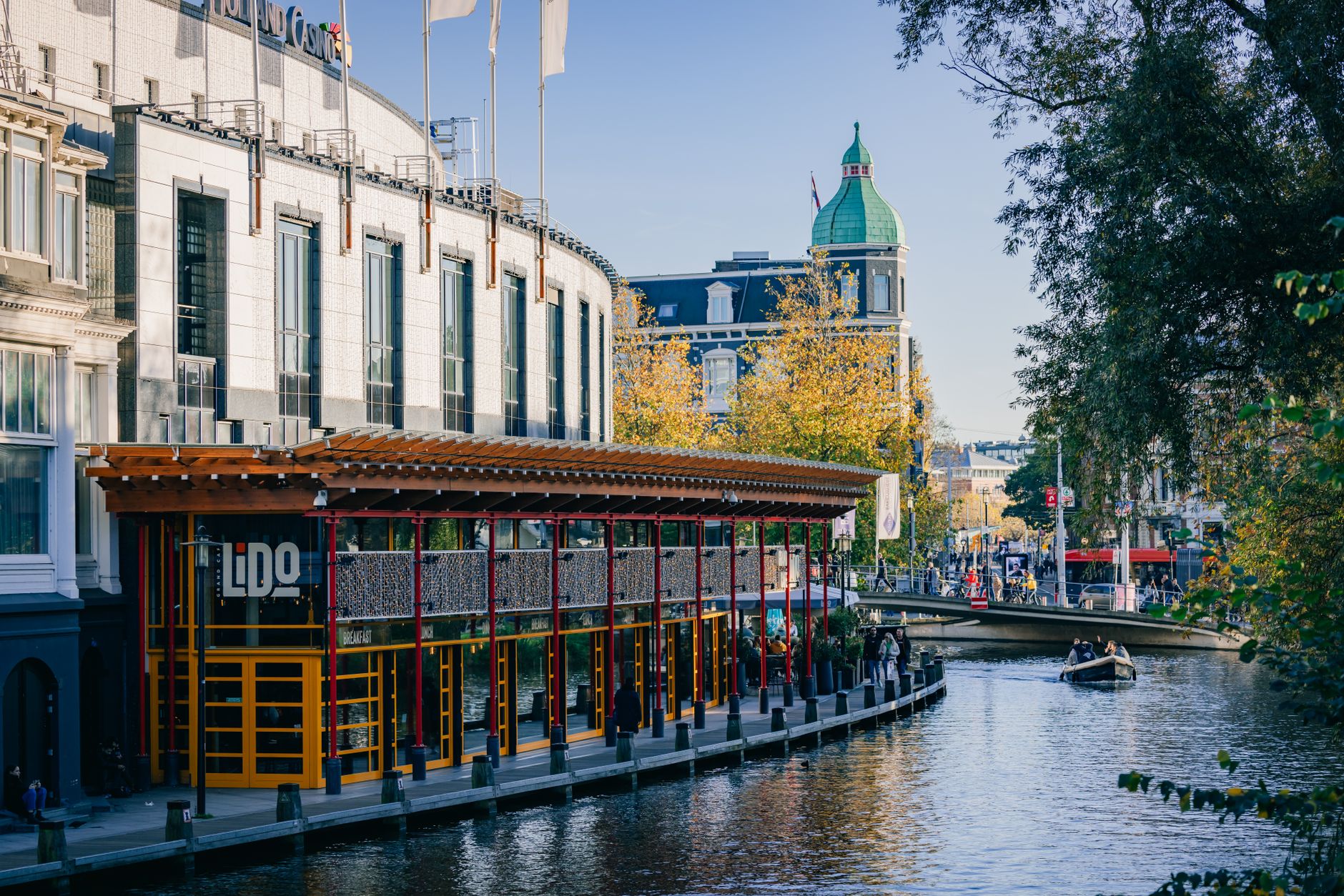
ADE takes over more than 300 unique venues across the city. Here are three iconic spots you’ll likely end up at, along with the survival hacks you need for each.

What to Eat Between Sets
You can’t dance for five days straight on an empty stomach. Skip the generic kebab shops and fuel up on real Dutch street food instead.


Safety: Scams and Local Laws
Amsterdam is generally safe, but during ADE, opportunists flock to the crowds. Here is how to keep your money and your health intact.
Fake Taxis at Transit Hubs
Outside Schiphol Airport arrivals and Amsterdam Centraal Station, unlicensed drivers will aggressively approach you offering “cheap” rides. Ignore them completely. Only follow the official blue signs to the designated taxi ranks outside, or use official ride-hailing apps like Uber or Bolt.
Street Drug Scams
In the Red Light District (De Wallen) and Rembrandtplein, aggressive street dealers will offer you “coke” or “ecstasy.” These are almost always fake, dangerous substances (like white heroin sold as cocaine) or baking soda. If you choose to use substances, utilize the free, anonymous drug testing services provided by the GGD, and look for “Celebrate Safe” hubs at venues.
Bike Lane Collisions and Fines
Never walk in the reddish-asphalt bike lanes—local cyclists ride fast and will not hesitate to crash into you. Also, holding your phone while riding a bicycle carries a hefty €140+ fine. Keep it in your pocket until you pull over safely.
Logistics: Transit, Cash, and Where to Stay
Getting from Schiphol Airport to Amsterdam Centraal is simple. Take the direct NS train, which runs 24/7, takes 14 to 17 minutes, and costs €4.90 one-way. Avoid buying paper tickets at the yellow machines to bypass the €1 surcharge; instead, use “OVpay” by tapping your contactless card or phone directly at the gates.
Amsterdam is virtually cashless. Many cafes, bars, and ADE venues are strictly “pin-only” and will refuse physical euros. Tipping is not mandatory since a 15% service charge is legally included in your bill, but rounding up to the nearest €5 is appreciated for good service.
For accommodation, stay in Amsterdam-Noord near the ferry for cheaper rates and proximity to venues like Shelter and Lofi. De Pijp is another great option, well-connected by Metro Line 52. If you are on a budget, book hostels like ClinkNOORD or Flying Pig Uptown early.
Frequently Asked Questions
What is the cheapest way to get from Schiphol Airport to the city center?
Can I use cash at Amsterdam Dance Event venues?
How do I avoid getting fined while riding a bicycle in Amsterdam?
Where is the best area to stay for ADE?
Staying Connected in Amsterdam
You’ll need reliable mobile data to load digital tickets, navigate transit apps, and use OVpay smoothly at train gates. While local SIM cards cost between €10 and €40, airport kiosks are heavily marked up, and queuing up after a long flight is a waste of your party time. The local networks like KPN and Vodafone offer exceptional 5G coverage, even inside crowded concrete venues, but you must ensure your phone is unlocked before you travel.
To avoid the hassle of swapping physical cards, grab a Netherlands eSIM from Galactic Roam before you leave. It connects instantly to the top local networks the moment you land, keeping you online so you can coordinate with your crew and find the next afterparty without missing a beat.