

Rome Travel Guide: How to Explore the Eternal City Beyond the Crowds
Rome welcomed 22.9 million tourists last year. If you don’t plan your days, this city will eat you alive.
Winging a trip to the Eternal City is a rookie mistake that guarantees you’ll spend your vacation staring at the backs of people’s heads in three-hour security lines. I’ve spent years navigating these ancient streets, and this practical Rome travel guide is designed to help you bypass overhyped traps and escape the chaos.
Here is exactly how to tackle Rome in 2026 without losing your mind—or your wallet.
Quick Facts — Rome
Euro (€)
Italian
€3 to €10/night
Free from 2,000+ nasoni
Metro & Walking
Leonardo Express (€14)
The New Rules of Rome’s Icons
The Catholic Holy Year of Jubilee officially wrapped up on January 6, 2026. While it left behind excellent permanent upgrades—like the newly pedestrianized Piazza Pia near the Vatican—it also left a city bursting at the seams. To cope, Rome is getting strict about crowd control.
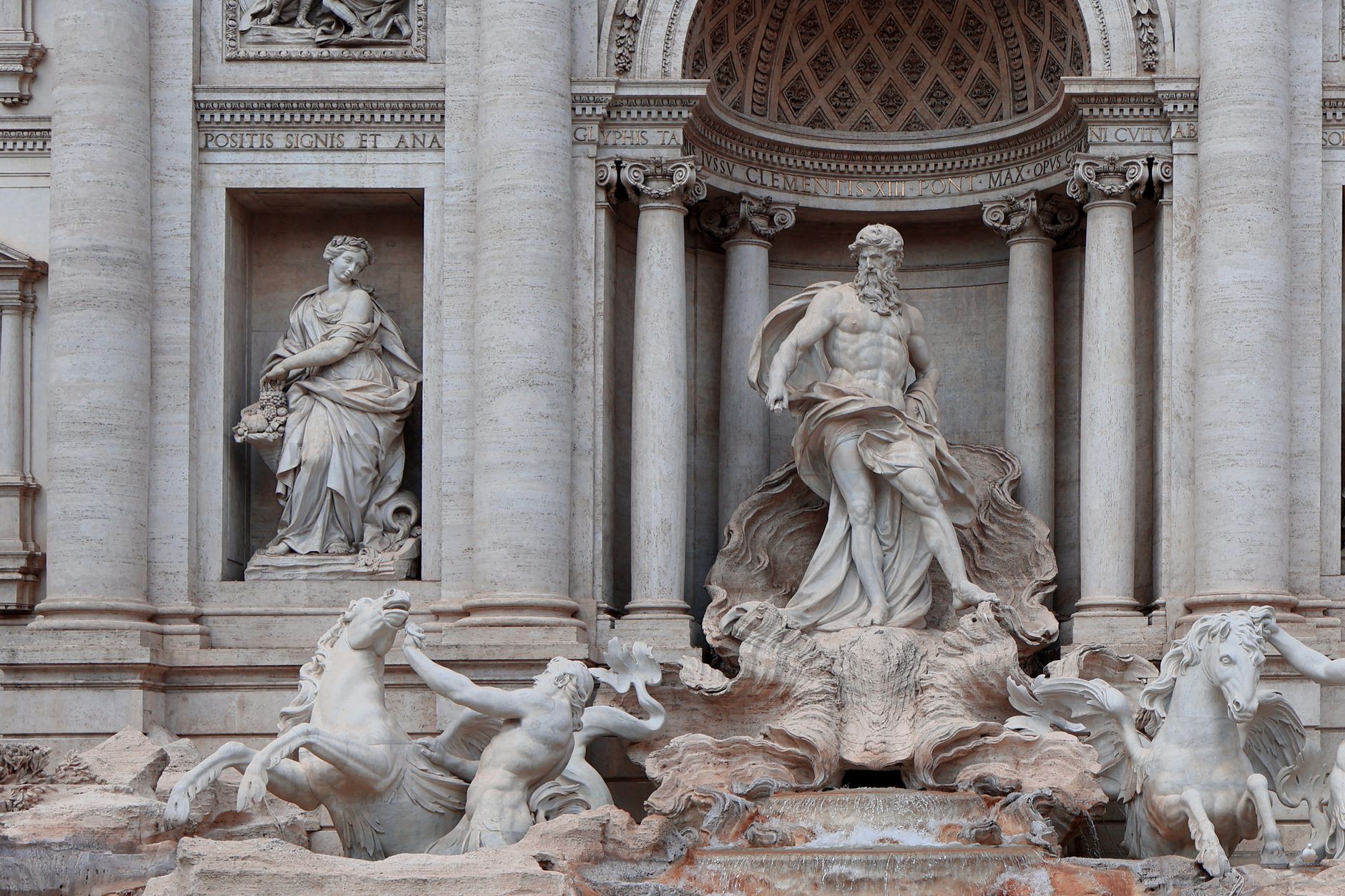
Take the Trevi Fountain. As of February 2, 2026, you now have to pay a €2 access fee just to step down into the lower basin and touch the water. If you want to avoid the fee and the worst of the crowds, view it from the upper square for free, or simply set your alarm and get there before 8:00 AM.
Then there’s the Colosseum. Do not settle for a standard entry ticket. You want the Colosseum Underground (Ipogeo) to walk the subterranean tunnels where gladiators waited.
But here is the catch: these tickets must be booked exactly 30 days in advance at 9:00 AM CET on the official Parco Archeologico del Colosseo ticketing site. They sell out in minutes, so treat this like booking front-row concert tickets.

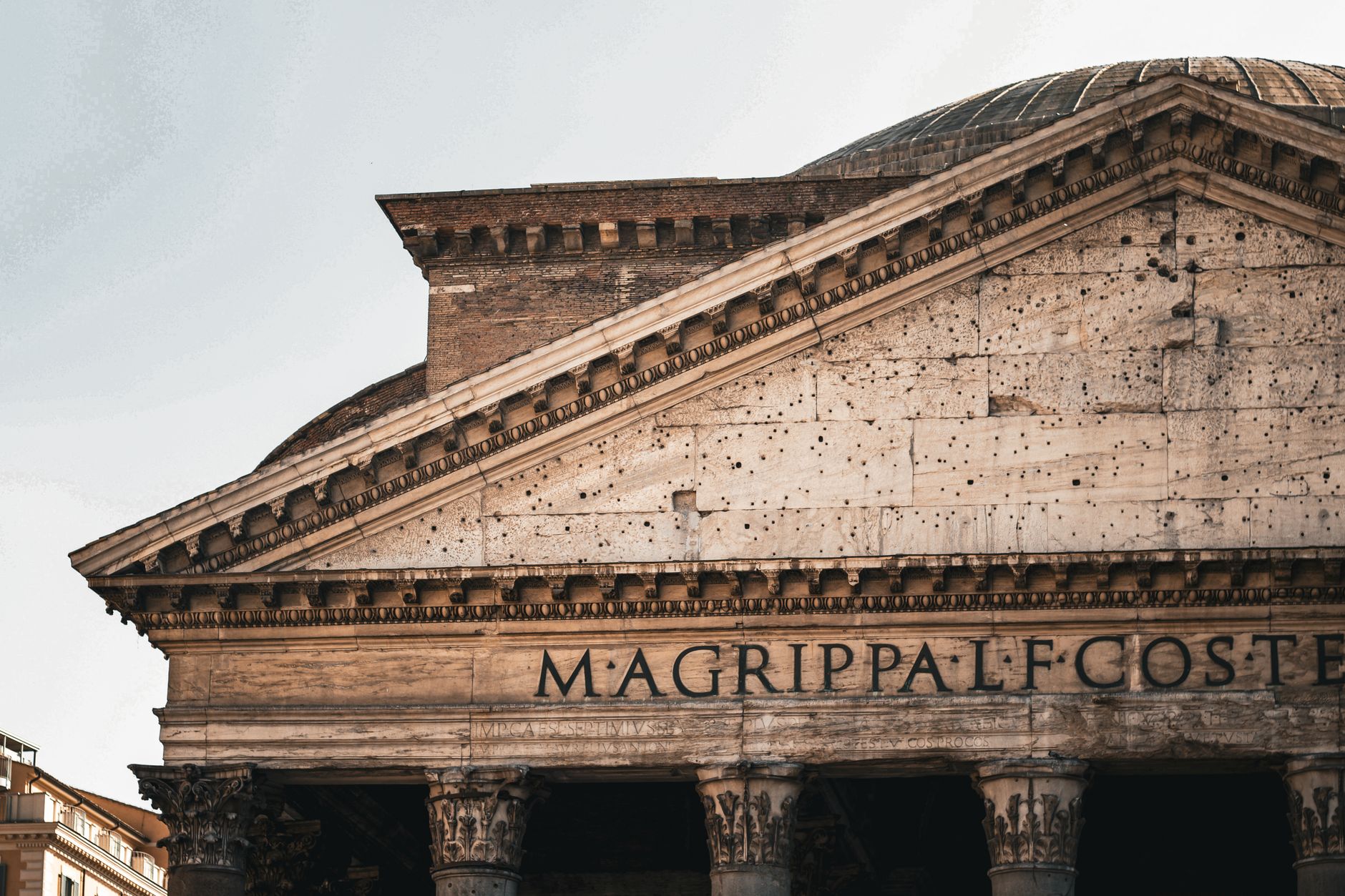
The Pantheon is another spot where winging it will fail you. Entry now costs €5, and they rarely accept cash at the door. Book your ticket online ahead of time.
For the ultimate view, time your visit for midday between 11:30 AM and 1:30 PM. When the sun hits its peak, it shoots a solid, dramatic beam of light straight through the open oculus in the dome.
Ditch the Tourist Menus: What to Eat
If a restaurant has a host outside waving a laminated menu with pictures of lasagna, keep walking. Real Roman food is cheap, unpretentious, and usually found in paper bags or market stalls.
Start with Allesso di Scottona con Cicoria. It is a legendary street food sandwich featuring slow-simmered beef brisket and bitter chicory stuffed into a crusty roll dipped in rich cooking broth. Grab one for €6 to €7 at Mordi e Vai (Box 15 inside the Nuovo Mercato Comunale di Testaccio).
For a quick snack, hunt down Supplì al Telefono. These are deep-fried, breaded rice balls mixed with meat ragù and tomato, with a core of warm mozzarella that stretches like a telephone wire. Get them for €1.50 to €3.00 at Supplì Roma in Trastevere.
Finally, skip standard pizza one night and try Pinsa Romana. This ancient flatbread uses a fermented mix of soy, rice, and wheat flour, making it incredibly light and crispy. Pinsere on Via Flavia serves incredible toppings for €3 to €6.

How to Spot Rome’s Most Common Scams
Rome is generally safe, but the sheer volume of tourists makes it a goldmine for opportunistic thieves. You need to keep your wits about you, especially around transit hubs.
Metro Line A Pickpockets
Teams of pickpockets operate heavily at Spagna, Termini, and Barberini stations. They often fake pregnancies or create artificial crowding near the train doors to distract you. Keep your bags zipped and held in front of you, and never put your phone in your back pocket.
The ‘Helpful Local’ Ticket Machine Scam
At Termini Station, scammers linger near ticket kiosks offering to help you navigate the screen. Once your ticket prints, they will aggressively demand your change or use the distraction to let an accomplice pick your pockets. Decline all unsolicited help and use contactless ‘Tap & Go’ directly at the turnstiles instead.
Unlicensed ‘Fake’ Taxis
Avoid drivers who approach you inside Fiumicino Airport (FCO) shouting ‘Taxi!’. Official Rome taxis are white, have a ‘Taxi’ sign on the roof, and wait at designated outdoor stands. They charge a flat rate of €50 to destinations inside the Aurelian Walls—make sure they honor this or book via the FreeNow app.
Getting Around and Where to Stay
Getting from Fiumicino Airport (FCO) to the city center is straightforward. Take the non-stop Leonardo Express train directly to Roma Termini for €14 one-way. It takes just 32 minutes. If you are traveling in a group of four, buy the ‘Mini-group’ fare online for €40 total to save yourself €16.
Once you are in the city, do not bother buying individual paper transit tickets. Just tap your contactless card or phone at the turnstiles. A single ride costs €1.50, and the system automatically caps your daily charge at €8.50 if you tap more than four times in 24 hours.
For your base, skip the overpriced hotels near the Vatican. If you have a healthy budget (€150 to €350 per night) and only a few days, stay in the Centro Storico for pure walkability. Otherwise, book a place in Testaccio (€90 to €200 per night) for an authentic Roman vibe, incredible food markets, and fewer tourist crowds.
Frequently Asked Questions
How much is the Rome overnight tourist tax?
Is the tap water safe to drink in Rome?
Do I need to carry my physical passport with me?
Staying Connected Without the Bureaucracy
While Rome has excellent 4G and 5G coverage, getting online can be a headache. Buying a local SIM card at a shop costs between €10 and €25, but Italian law requires you to hand over your physical passport for registration. Public city WiFi exists, but it is notoriously slow and painful to connect to. To bypass the lines and avoid handing your passport to a stranger in a kiosk, grab an Italy eSIM from Galactic Roam before you fly. It activates the moment you land, keeping you connected even when you are navigating the ancient stone alleys of Trastevere.