
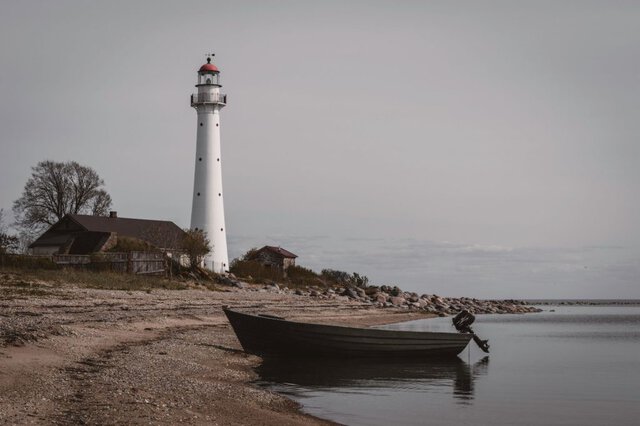
Estonia Travel Guide: How to Explore Europe’s Medieval and Digital Frontier
Estonia hosted 1.66 million accommodated tourists in the first half of 2026—and most of them never left Tallinn’s medieval walls. That is a rookie mistake that will eat you alive if you want to experience what actually makes this country incredible. I’ve spent weeks navigating Estonia’s boggy national parks, Soviet ruins, and hyper-digital cities to build this realistic Estonia travel guide. Here is how to explore the country like a human, not a cruise ship statistic.
Quick Facts — Estonia
Euro (€)
Estonian
EET (UTC+2)
Type C & F
May to September (or late March for the fifth season)
Schengen (EES biometric registration starts April 10, 2026)
Top Experiences You Cannot Miss
Most people stick to Tallinn’s Old Town. It is beautiful, sure, but it is also a tourist theme park during the day. To find the real Estonia, you need to get out of the city center.


What to Eat: Real Estonian Flavors
Estonian food is hearty, seasonal, and heavily influenced by the forest and the sea. Skip the tourist-trap restaurants on the main square and look for these local staples instead.



Safety and Scams to Avoid
Estonia is incredibly safe, but tourists are still easy targets if they let their guard down. Watch out for these three common traps.
Overpriced Unofficial Taxis
At Tallinn Airport and Passenger Port, unofficial, unmetered taxis wait outside to charge tourists up to €40 for a standard €7 ride. Avoid them by booking exclusively through the local Bolt app or using the official airport taxi lane where rates are clearly posted on the window.
Nightlife Overbilling & Drink Price Scams
Late-night bars and strip clubs around Tallinn’s Old Town (specifically Viru and Sauna streets) sometimes use separate ‘tourist menus’ with exorbitant prices—like €100 for a round of shots. Check menu prices before ordering, pay as you go, and never follow street promoters.
Pickpocketing during Cruise Ship Rush Hours
Pickpockets operate in tight crowds between 10:00 AM and 3:00 PM in July and August when cruise ships dump thousands of passengers into the narrow cobblestone streets of Raekoja plats. Keep your phone in zipped front pockets.
Logistics: Getting Around and Local Laws
Getting from the airport is a breeze. Tallinn Airport is just 4 km from the center. Hop on Tram T2 or T4 directly from the terminal. A single ticket costs €2—just tap your contactless bank card at the front door validator.
Estonia is almost entirely cashless. You can pay with a card or mobile wallet for everything, even a €1.50 pastry. Tipping isn’t mandatory, but rounding up or leaving 5% to 10% for great sit-down service is appreciated. If you are planning to head south to continue your Baltic adventure, our latvia travel guide has everything you need to know about crossing the border. You can also check out our lithuania travel guide to plan the ultimate road trip through all three nations.
Frequently Asked Questions
Is Estonia safe for solo travelers?
How do I get around Estonia without a car?
What is the best time of year to visit Estonia?
Estonia is the first nation to declare internet access a fundamental human right, so you’ll find free, fast public WiFi almost everywhere—even deep in some national forests. But if you’re venturing into remote bogs like Soomaa or exploring some of the 2,200 islands, signals can occasionally drop. To stay connected without hunting for local SIM cards, grab an Estonia eSIM from Galactic Roam before you fly. It keeps you online the second you land, letting you bypass the airport queues entirely.