

Las Vegas welcomed 38.5 million visitors last year, but almost none of them actually set foot in the city itself.
The entire world-famous Strip—from the Bellagio fountains to the iconic welcome sign—is actually located in Paradise, Nevada, an unincorporated town created in 1950 to dodge municipal taxes. I have spent months navigating this neon-soaked corridor, learning exactly where the tourist traps end and the real Nevada begins.
This Las Vegas travel guide will save you from the rookie mistakes that eat first-timers alive. From hidden fees to off-Strip escapes, here is how to survive the chaos.
Strip Scams and Hidden Costs
Winging it in Las Vegas is a quick way to empty your wallet before you even hit the blackjack tables. The house always wins, but the street vendors and hotels have their own ways of draining your funds.
The Resort Fee Tax Trap
The average daily resort fee on the Strip is $45 to $51 per night. But hotels hide the fact that these fees are subject to Clark County’s 13.38% lodging tax. A quoted $50 fee actually costs $56.69 on your final bill, and it is completely mandatory.
Showgirl and Character Photo Scam
People dressed in elaborate feathers or superhero costumes on pedestrian bridges will push you to take a photo. Once the shutter clicks, they will aggressively demand $30 to $50 per person. Walk past without making eye contact, or step directly into a casino—they cannot follow you onto private casino property.
Fake Strip Dispensaries
Recreational cannabis is legal in Nevada, but city laws ban dispensaries on the Strip itself. Every “dispensary” you see on the main boulevard only sells hemp-derived CBD with 0% THC. For the real deal, take a short rideshare off-Strip to licensed spots like Planet 13 or Reef.
Where to Escape the Casino Chaos
If you spend your entire trip inside the casinos, you are missing the best parts of the region. These three off-Strip spots are genuinely worth the Uber fare.
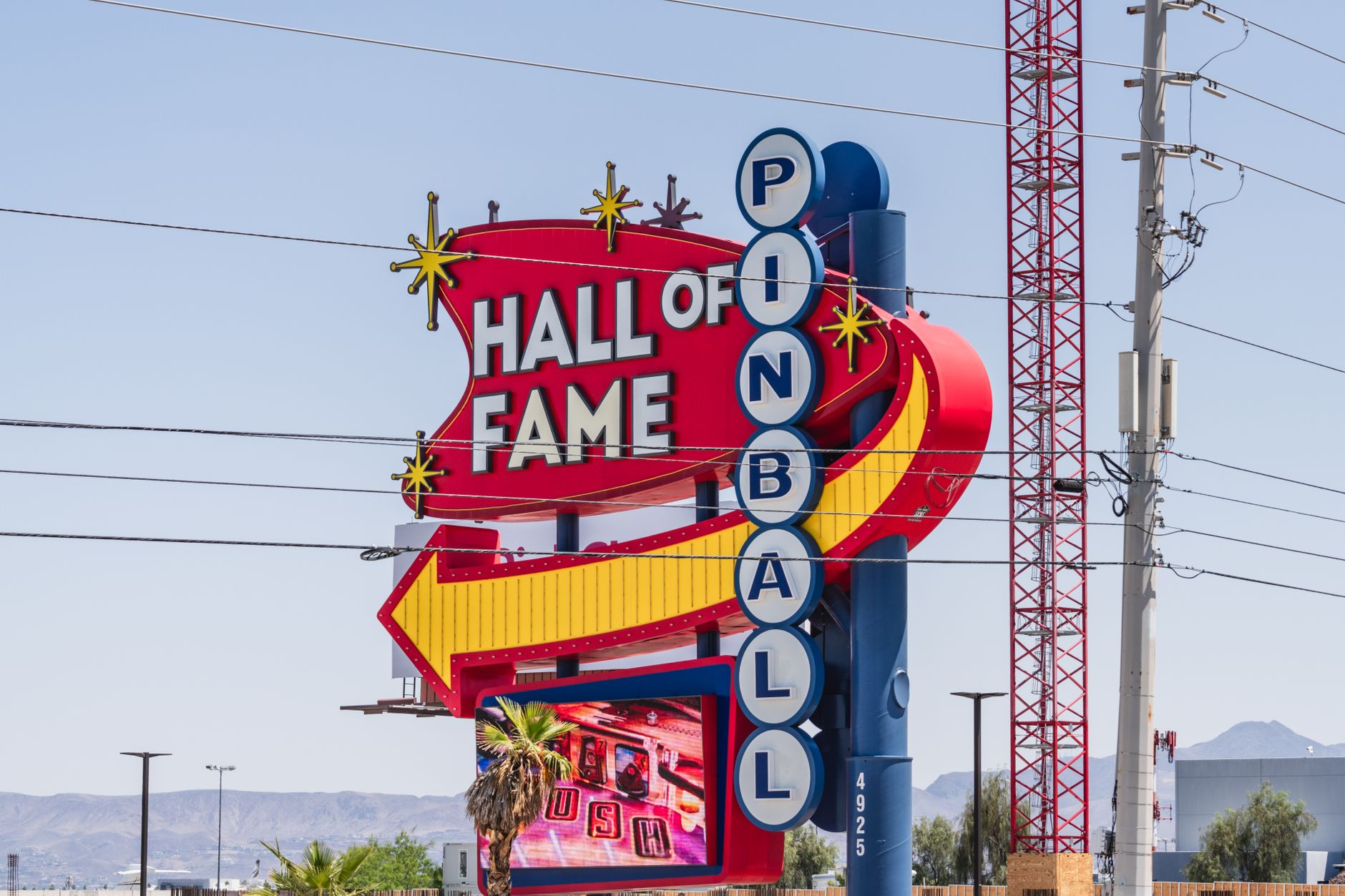

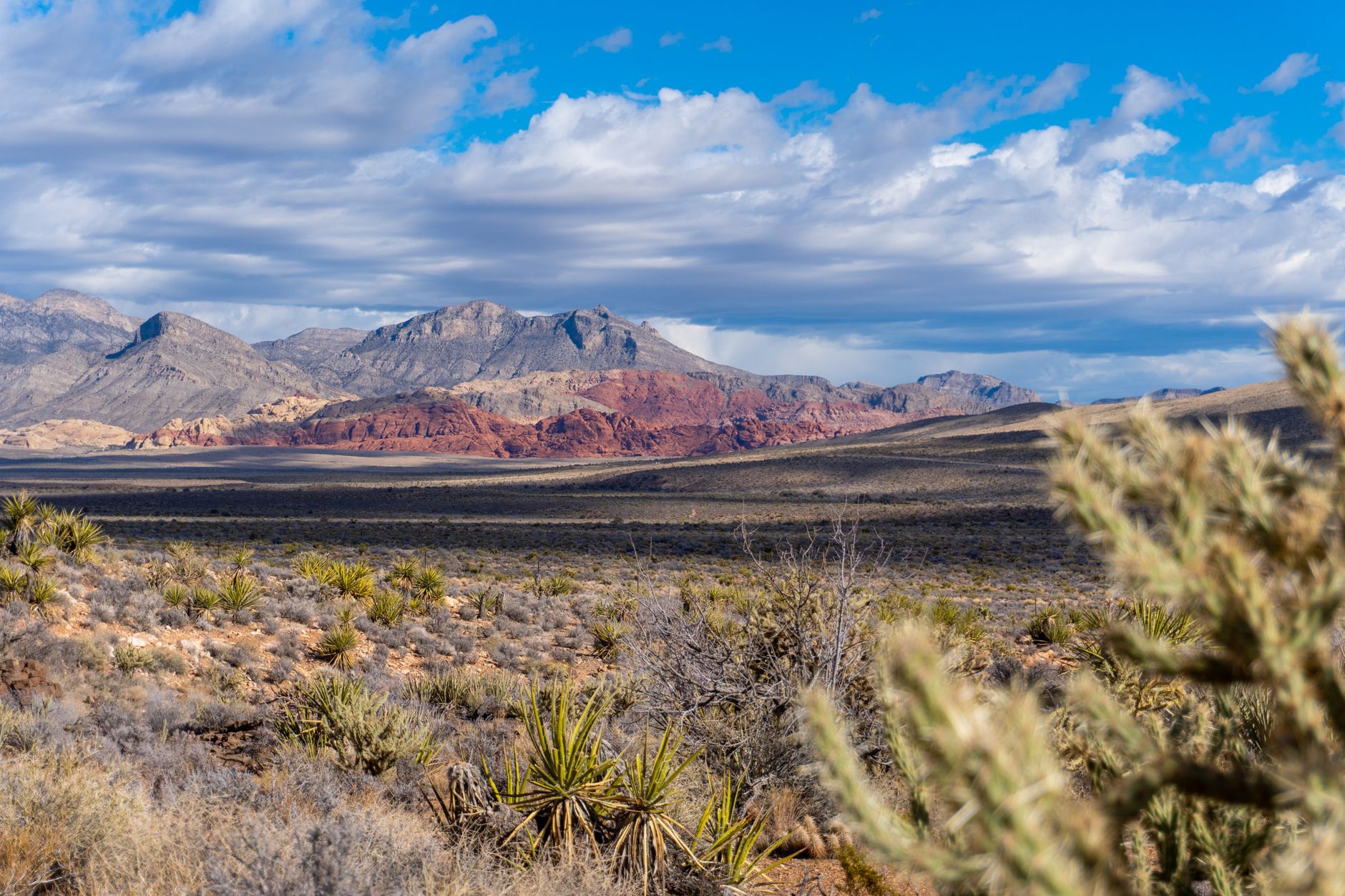
Where to Eat Off the Strip
Strip dining is incredibly expensive, and half of it is overhyped celebrity chef vanity projects. Get off the main boulevard for the real culinary highlights.
- Lotus of Siam: This legendary spot serves the best Northern Thai food in the country. Order the Crispy Duck Khao Soi ($25–$40) at their Sahara Avenue location.
- Fukuburger: Head to Chinatown for Japanese-American fusion burgers topped with wasabi mayo and furikake. Pair it with garlic Fuku Fries topped with “crack sauce” ($10–$15).
- Esther’s Kitchen: Located in the Arts District downtown. They serve incredible handmade pasta and seasonal sourdough bread with anchovy butter ($20–$35).
Smart Transit: Save Your Feet
Walking the Strip looks easy on a map, but the hotels are massive and set far back from the road. You will easily clock 20,000 steps a day if you are not smart.
Use the three free trams on the west side of the Strip to cut down on walking: Mandalay Bay to Excalibur, Bellagio to Park MGM, and Treasure Island to Mirage. For longer trips, use “The Deuce,” a 24/7 double-decker bus that runs the entire length of the Strip down to Fremont Street. A 24-hour pass costs $8, and you can buy it on the rideRTC app to skip the physical ticket lines.
If you take a taxi from Harry Reid International Airport (LAS), know that fares are flat-rated by zone ($22.25 to $30.25). Drivers might try to take the I-215 tunnel to run up a metered fare. Explicitly tell them “no tunnel, please” before you set off.
Frequently asked questions
How do I get a free Nevada visitor guide?
Why is my phone not working inside the casinos?
Is it better to take a taxi or Uber from the airport?
If you are visiting during major events like the high-octane Las Vegas Grand Prix on November 19, 2026, expect massive network congestion. Buying a local SIM card at the airport will cost you $50 to $60 due to heavy markups. Skip the airport kiosks and download a United States eSIM from Galactic Roam before you fly. You will get instant, reliable 5G data the second you land, letting you call an Uber and bypass the taxi lines entirely.