

Tokyo Travel Guide: How to Navigate Japan’s Ultimate Metropolis
Updated July 21, 2026. Tokyo has nearly 200 Michelin-starred restaurants—more than New York and Paris combined. But navigating this massive metropolis during the peak summer travel season or the crowded Obon Festival can quickly turn your dream trip into a masterclass in frustration. I’ve spent years getting lost in these neon-lit alleys, figuring out which sights are genuine marvels and which are tourist traps. This comprehensive tokyo travel guide cuts through the noise to give you the exact logistics, scams to avoid, and local dishes worth your time.
Planning your travel to Tokyo, Japan? This guide breaks down the top things to know before you dive headfirst into the world’s ultimate metropolis. If you are also visiting the nation’s street food capital, don’t miss our osaka travel guide to plan your culinary adventure.
Quick Facts — Tokyo, Japan
Japanese Yen (¥)
Japanese
GMT+9
Type A & B (100V, 50Hz)
October to November, March to April
Visa-free for 90 days (most passports)
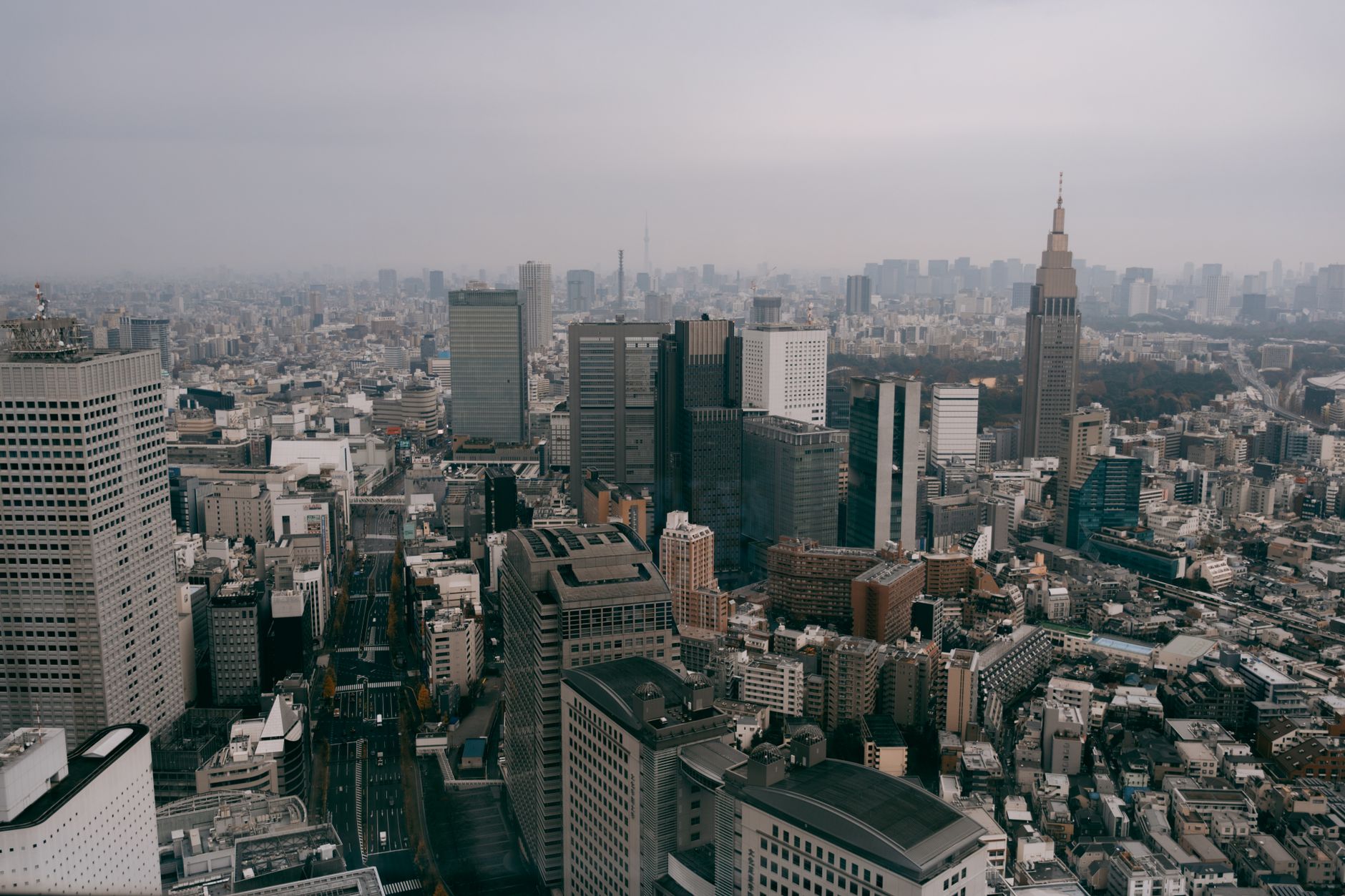
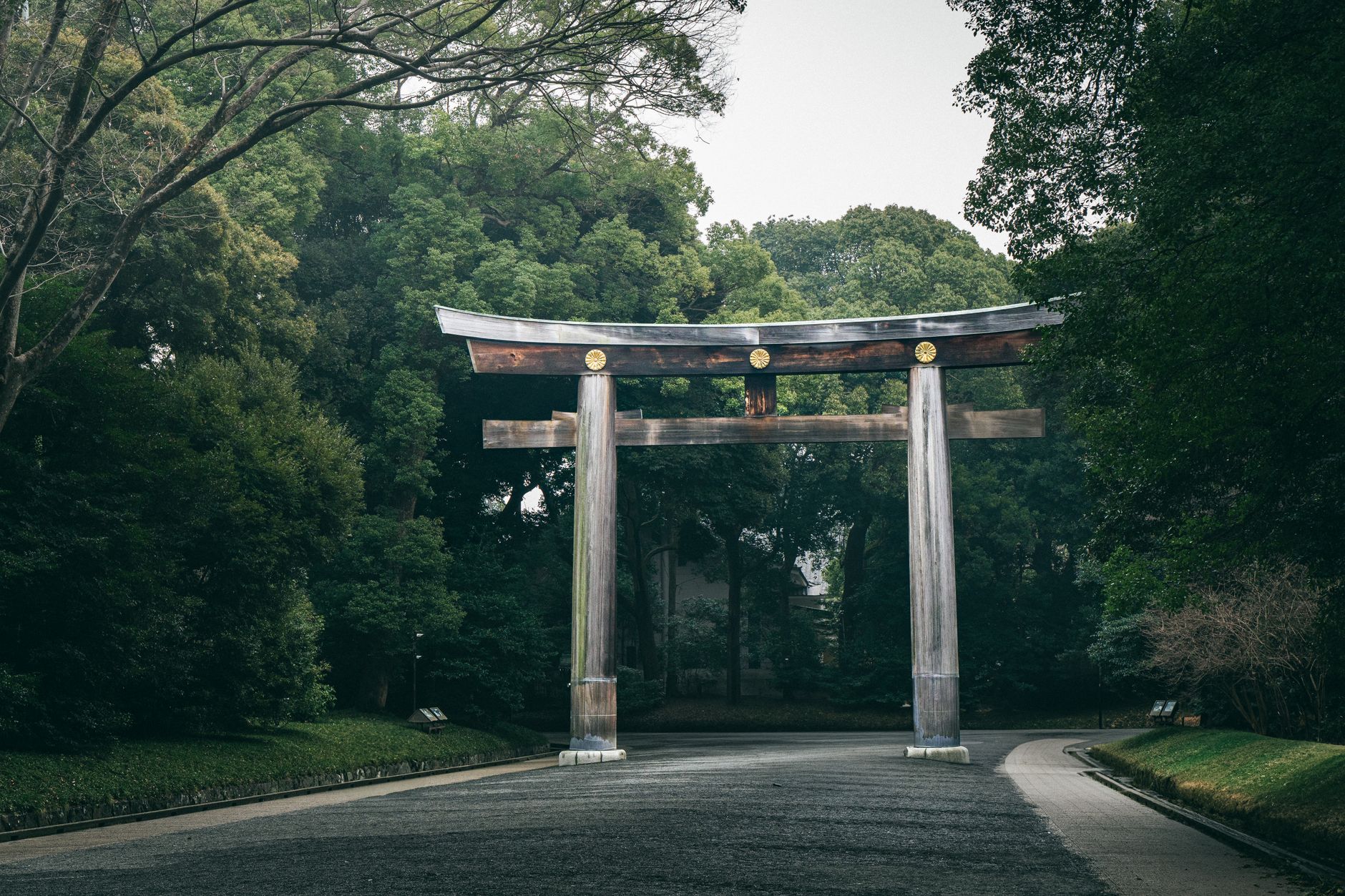
Sights Worth the Hype (And How to Skip the Crowds)
Tokyo’s attractions are legendary, but visiting them at the wrong time means spending your day staring at the back of other people’s heads. If you plan smart, you can experience the city’s best spots without the crushing crowds.

The Real Food Scene (Beyond Basic Sushi)
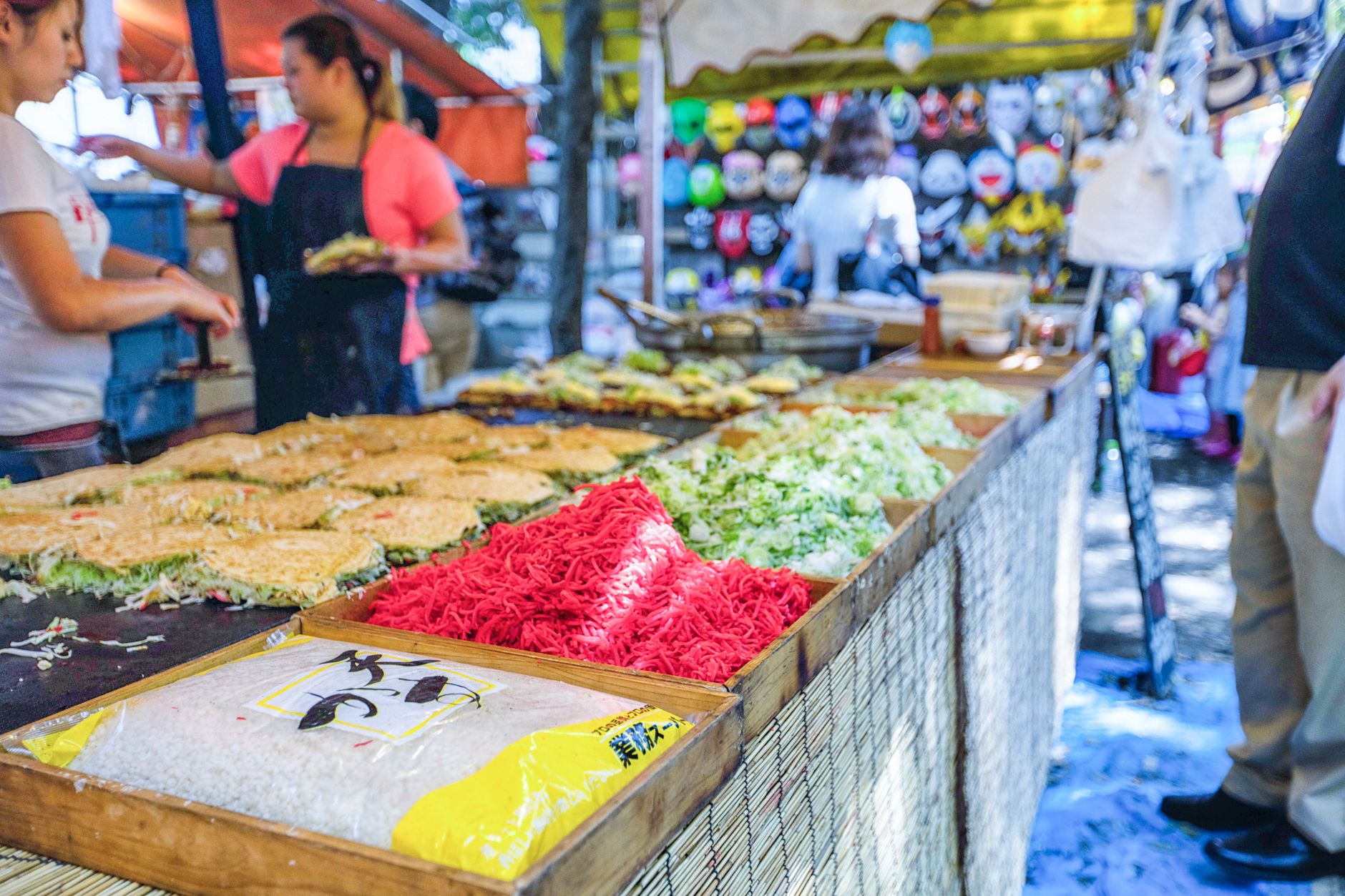
Everyone knows about Tokyo’s high-end sushi, but the city’s soul lies in its regional, historical comfort foods. These are the dishes locals actually eat when they want something satisfying and unpretentious.


Tokyo Transit & Logistics Hacks
Getting around Tokyo is incredibly efficient, but only if you know the unwritten rules of the transit system. A single mistake can leave you stranded or paying double for your journey.
First, let’s talk about transit cards. JR East and Tokyo Metro fully resumed sales of standard physical Suica and Pasmo cards in March 2025 after a multi-year semiconductor shortage. However, digital versions in Apple Wallet remain the most convenient option for tourists.
Setting up your digital transit card — step by step
Tap the “+” icon in the top right corner of your iPhone screen.
Search for “Suica” or “Pasmo” and select the card you want to add.
Top up using a credit card. Note: Visa cards often fail due to 3D Secure issues, so use a Mastercard or Amex instead.
When arriving at the airport, you have choices to make. From Haneda, take the Tokyo Monorail to Hamamatsucho (¥500, 15 mins) or the Keikyu Line to Shinagawa (¥330, 15 mins). From Narita, the Narita Express (N’EX) costs around ¥3,070 (50 mins to Tokyo Station), while the Keisei Skyliner to Ueno costs ¥2,570 (41 mins).
Keep in mind that cash is still king for small purchases. While credit cards and IC cards are widely accepted, you must carry physical cash (specifically ¥1,000 bills and coins) for temple/shrine amulets, traditional street food stalls, and ticket vending machines at older ramen shops.
Safety: Scams You Must Avoid
Tokyo is incredibly safe, but it is not crime-free. Tourist-targeted scams operate in broad daylight, particularly in the major nightlife and shopping districts.
Kyakuhiki (Street Tout) Rip-off Bar Scam
Located primarily in Kabukicho (Shinjuku) and Roppongi. Never follow street touts promising “no cover charge” or “cheap all-you-can-drink” deals. They will lure you into multi-story buildings, spike your drinks, and charge thousands of dollars on your credit card. Ignore them completely and keep walking.
Dating App ‘Bar Setup’ Scam
Located on side streets off Shinjuku-dori near Seibu-Shinjuku Station. If a match from Tinder, Bumble, or another dating app insists on meeting at a specific, obscure bar in Kabukicho rather than a well-known public spot, refuse. They work with the bar to run up a massive bill (often over ¥100,000) which you are forced to pay.
Art Student Gallery Scam
Located around Shibuya, Harajuku (Omotesando), and Akihabara. Friendly “art students” approach you asking to take a quick survey or look at their exhibition nearby. Once inside the hidden gallery, aggressive high-pressure sales tactics are used to force you into buying overpriced, mass-produced paintings for thousands of dollars. Politely decline any street invitations.
Frequently Asked Questions
Is Tokyo safe for solo travelers?
How do I get around Tokyo without speaking Japanese?
When is the best time to visit Tokyo to avoid crowds?
Can I use my credit card everywhere in Tokyo?
Staying Connected in Tokyo
To navigate Tokyo’s complex subway stations and find hidden restaurants, you need a reliable data connection. While local airport SIM cards cost between ¥3,000 and ¥6,000 ($20–$40 USD) and require queuing, they also come with strict local restrictions. Voice-enabled SIM cards are heavily restricted for tourists due to Japan’s strict anti-phone-scam laws, requiring local residency registration. Tourists must use data-only options.
| Local Physical SIM | Galactic Roam eSIM | |
|---|---|---|
| Cost | ¥3,000 – ¥6,000 ($20–$40 USD) | From $8 |
| Activation | Manual swap, physical queue | Instant, digital setup |
| Registration | Passport check at airport | None |
| Ready on arrival | No, must buy at airport | Yes |
| Data options | Fixed packages | Flexible data tiers |
To bypass the airport queues and avoid dealing with strict local phone registration laws, grab a Tokyo, Japan eSIM from Galactic Roam before you fly. It activates instantly, keeps you connected deep in the subway tunnels, and lets you top up your digital Suica without missing a beat.