

Venice has fewer than 50,000 permanent residents. Yet, it gets hit with up to 150,000 tourists every single day. This relentless crush is why the city is introducing aggressive new entry fees and strict decorum laws in 2026. I’ve spent years navigating these canals, and this Venice travel guide will show you how to dodge the bottlenecks, bypass the tourist traps, and actually enjoy the lagoon. Here is your insider playbook for surviving the crowds and experiencing the city like a local.
Key Takeaways
- Best time to visit: Late September to October. The summer heat is gone, and the film festival crowds have cleared out.
- Daily budget: Budget €100–€150 per day if you eat like a local (cicchetti) and avoid private water taxis.
- Must book ahead: The Venice Access Fee QR code for day-trippers, and Doge’s Palace secret itineraries.
- Getting around: Walk everywhere, or buy an Actv Vaporetto Pass if you are visiting the outer islands.
The 2026 Rules: Access Fees and Decorum Laws
Venice is fighting back against overtourism. If you are planning a trip this year, you need to know about the Venice Access Fee (Contributo di Accesso).
The fee returns in 2026 on 60 select high-traffic days between April 3 and July 26. Day-trippers must pay €5 if booked at least 4 days in advance. If you buy last-minute, that price doubles to €10.
Overnight guests are exempt from the fee because you already pay a local tourist tax through your accommodation. However, you are not off the hook. You must register online to receive an Exemption QR Code. If you get caught without one, the fines range from €50 to €300.
In 2025, Venetian authorities conducted over 445,000 QR code checks and issued roughly 2,500 violation reports. They are not playing around. Keep your QR code on your phone or printed out at all times.
The Sitting Fine Trap
Under Venice’s strict decorum laws (Daspo), sitting or lying down on steps, bridges, wellheads, or monument bases is illegal. Fines range from €100 to €250. Eat your street food standing up or find a public park like the Giardini della Biennale.
The 2026 Film Festival: How to Get In
The 83rd Venice International Film Festival will run from September 2 to September 12, 2026. The action takes place at the Palazzo del Cinema on the Lido, a barrier island just a short boat ride from the historic center.
While the high-profile red carpet premieres are heavily guarded, the festival actively sells public tickets. These range from €15 to €100 and go on sale on the official La Biennale website starting in late July.
If you are in Venice during these ten days, expect the Lido to be packed. But catching a screening is surprisingly easy if you book the moment tickets drop. It is a great way to see world-class cinema alongside actual film industry insiders.
Three Attractions Actually Worth Your Time
Most tourists follow the exact same path: St. Mark’s Basilica, the Rialto Bridge, and a crowded gondola ride. You can do better. Here are three places that actually deliver on the hype.


What to Eat: Real Venetian Cuisine
Venice has a reputation for terrible, overpriced food. That is because tourists eat at places with picture menus near St. Mark’s Square. Avoid them.
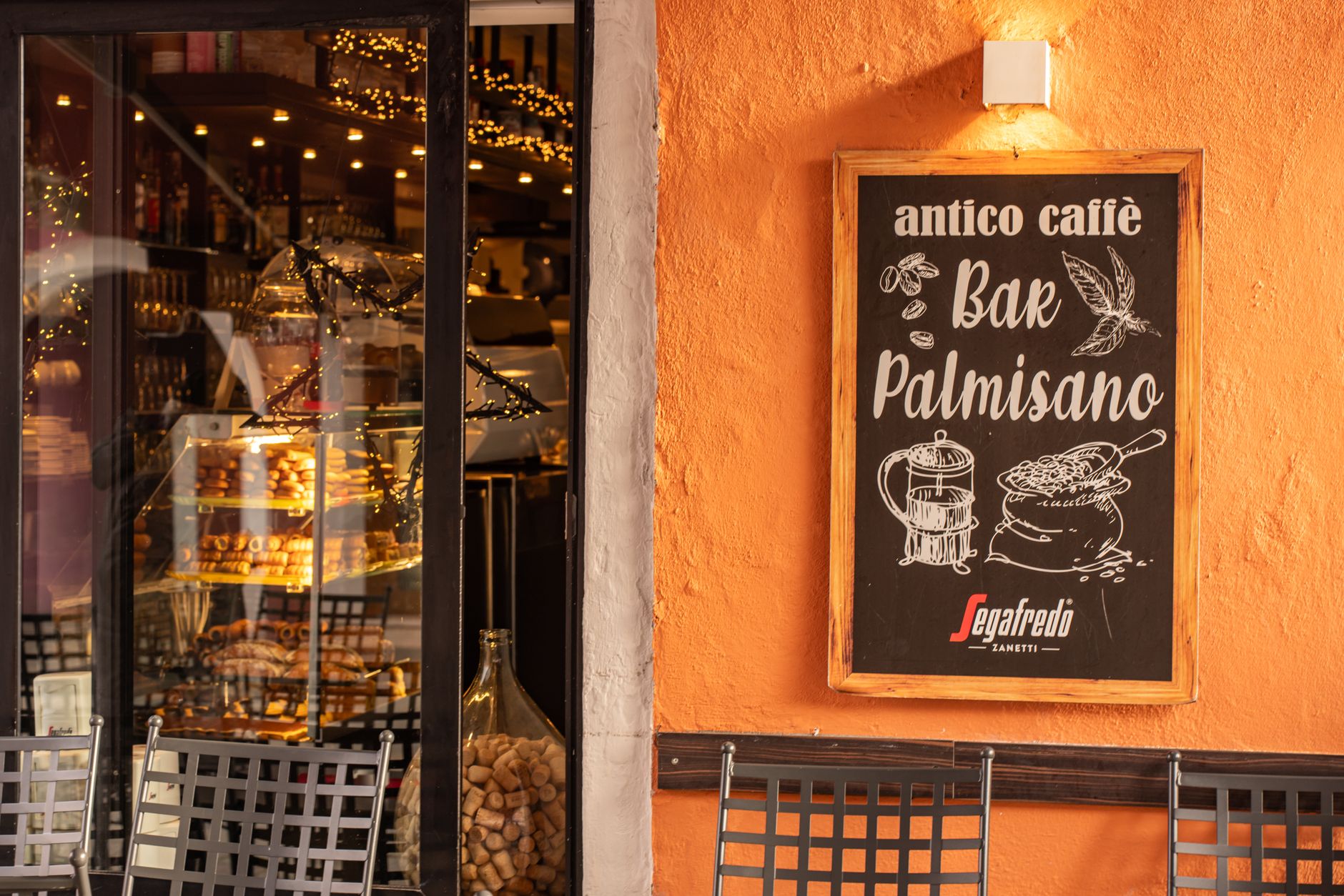
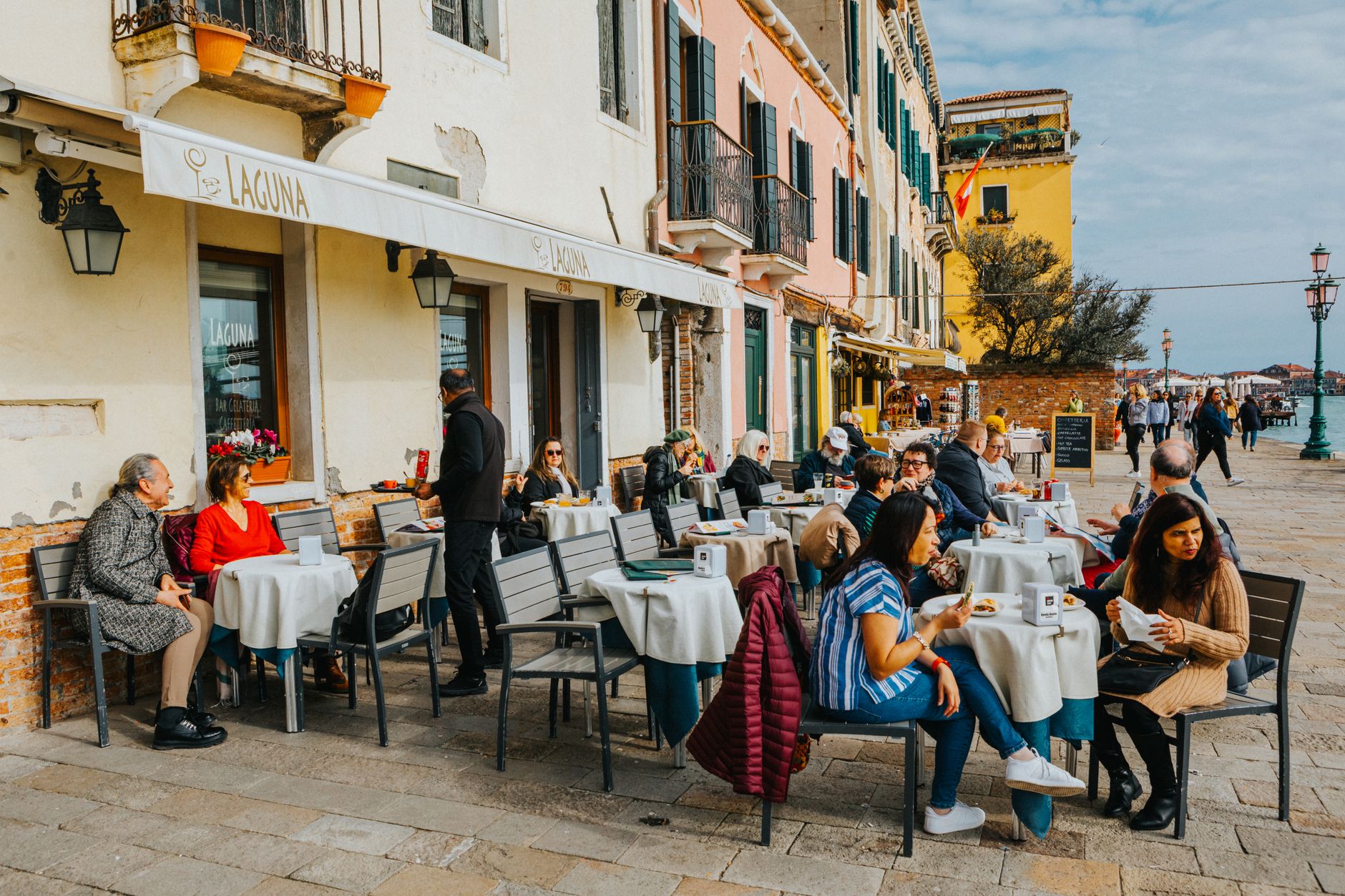
Instead, look for bacari (local wine bars) serving cicchetti (Venetian tapas). You stand at the counter, point at what you want, and wash it down with an ombra (a small glass of house wine).

Logistics: Navigating the Canals Without Getting Scammed
There are only 4 bridges that span the entire 3.8-kilometer (2.4-mile) length of the Grand Canal: Ponte di Rialto, Ponte dell’Accademia, Ponte degli Scalzi, and Ponte della Costituzione. Because of this, getting across the water can be a massive pain.
If you want the experience of being rowed in a traditional wooden boat without paying the €80+ gondola fee, use a traghetto. These are large gondolas rowed by two oarsmen used to ferry locals across the Grand Canal at points without bridges. It costs just €2 per crossing. Keep exact change in cash ready.
For regular transit, buy an Actv Vaporetto Pass. A single vaporetto ticket costs a steep €9.50. If you plan to take more than two boat rides a day or visit outer islands like Burano, buy a 24-hour (€25), 48-hour (€35), or 72-hour (€45) pass.
How to Validate Your Vaporetto Pass — step by step
Find the white or green Actv electronic card readers at the entrance of the floating vaporetto dock.
Hold your paper ticket or pass against the circular target on the reader until it beeps and shows a green light.
You must validate your pass before every single boarding, even if it is already active. Failure to do so carries a €150 fine.
Finally, download offline Google Maps before you arrive. Venice’s narrow, high-walled alleys frequently block GPS signals, causing your blue dot to jump wildly. Having the map saved offline allows you to navigate the labyrinth even when your signal drops.
Safety and Scams to Avoid
Venice is generally very safe, but the sheer volume of tourists makes it a playground for petty thieves. You need to keep your wits about you, especially in transit hubs.
Vaporetto Line 1 is the slowest and most crowded water bus, making it a prime target for pickpocket syndicates. Wear your backpack on your chest, keep your hand over your zipper, and be alert if someone bumps into you or creates a bottleneck distraction while boarding.
In a bizarre legal development, organized pickpocket gangs in Venice have begun filing ‘stalking’ and ‘harassment’ complaints against local citizen activists (such as the ‘Cittadini Non Distratti’ group, famous for Monica Poli’s ‘Attenzione pickpocket!’ warnings) who film them in public transit hubs. Do not expect the police to solve this for you. Protect your own belongings.
Another common trap is the unvalidated train ticket fine at Stazione di Venezia Santa Lucia and Mestre Station. If you buy a physical regional train ticket (e.g., for the 10-minute ride between Mestre and Venice), you must physically validate it in the green/yellow stamping machines on the platform before boarding. Boarding with an unvalidated ticket—even if legally purchased—results in an immediate, non-negotiable €30 fine.
Connectivity in the Lagoon
Getting online in Venice can be surprisingly tricky. A local physical SIM card costs €30–€40 for a tourist-specific prepaid package, which typically offers 30GB–50GB of data. However, buying one requires queuing at a shop and registering with your passport under Italian law.
While there is excellent 4G and 5G coverage across the open lagoon and main islands, the dense, 600-year-old stone palazzi create massive indoor dead zones where signals drop completely. Public WiFi (VeniceConnected) is available at major hubs like Piazzale Roma and St. Mark’s, but speeds crawl during peak tourist hours. Hotel WiFi is frequently weak because routers struggle to penetrate thick historic walls.
There is also a specific connectivity quirk to keep in mind. Because Venice Marco Polo Airport (VCE) is on the mainland, you must ensure your data connection is active before boarding the water taxi or Alilaguna boat. Navigating the open lagoon without GPS can make finding your specific dock highly stressful.
| Feature | Local SIM | Galactic Roam eSIM |
|---|---|---|
| Cost | €30–€40 | From $4.50 |
| Activation | In-store registration | Instant, pre-arrival |
| Passport Required | Yes (Italian law) | No |
| Ready on arrival | After queuing | Yes |
| Data options | Fixed tourist packages | Flexible plans (1GB to 20GB) |
Frequently Asked Questions
Is Venice safe for solo female travellers?
Yes, Venice is incredibly safe. Violent crime is virtually nonexistent, and you can comfortably walk the alleys alone at night. Your only real concern is pickpocketing in crowded areas like the Rialto Bridge and on the vaporetti.
What is the best way to get from Marco Polo Airport to the city?
Take the Alilaguna water bus directly from the airport dock to the historic center. It costs €15 one way and takes about an hour. Skip the private water taxis unless you want to blow €120 on a single ride.
Why did Kenneth Browne use Venice for his urban design studies?
The search query ‘venice travel guide by kenneth browne’ refers to ‘The Italian Townscape’ (1963), a seminal architectural book illustrated by Kenneth Browne (written under the pseudonym Ivor de Wolfe). He used Venice’s Piazza San Marco as a primary case study for human-centric urban design, proving that cities are best built around pedestrians, not cars.
Can you drink tap water in Venice?
Absolutely. Venice has excellent tap water sourced from deep underground wells on the mainland. There are also over 100 public drinking fountains scattered across the city where you can refill your bottle for free.
Navigating Venice’s labyrinth of canals and alleys is half the fun, but doing it without a reliable map is a recipe for a meltdown. Since those ancient stone walls love to swallow cellular signals, having your data sorted before you step off the plane is essential. A quick setup of an Italy eSIM from Galactic Roam ensures you have instant maps and transit schedules the moment you land at Marco Polo Airport, keeping you on track and out of the dead zones.