
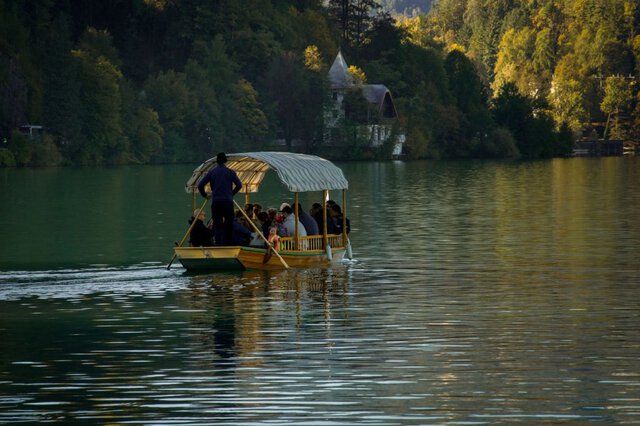
Slovenia Travel Guide: How to Explore Europe’s Greenest Country (Without the Rookie Mistakes)
Slovenia welcomed nearly 7 million tourists in 2025, yet most travelers treat it like a highway between Italy and Croatia. Winging a trip here without knowing the local rules will get you eaten alive by unexpected fines and cash-only taxes. I’ve navigated Slovenia’s alpine peaks and coastal towns to build this realistic Slovenia travel guide. Here’s how to bypass the tourist traps, escape the herd, and explore the country like an insider.
Quick Facts — Slovenia
Euro (€)
Slovenian
CET (GMT+1)
9th globally (2025/2026 GPI)
May to September
Schengen rules apply
The Costly Mistakes Most Tourists Make
First, let’s talk about the highway toll. Slovenia’s motorways require a digital “e-vignette” linked to your license plate. Driving without one results in a €300 to €800 fine.
If you’re driving down to the coast, there’s a bit of good news. As of January 1, 2026, the H5 and H6 expressways from Skofije to Izola are entirely toll-free for passenger vehicles. But don’t risk the main motorways without buying your digital pass online first.
Another surprise is the local tourist tax. Major hubs like Ljubljana and Lake Bled charge €3.13 per adult per night. Hosts often collect this strictly in cash, and it’s rarely included in your online booking price. Keep physical Euros on hand.
What to See (And How to Avoid the Crowds)
Slovenia’s nature is its main draw, but staring at the backs of other tourists’ heads ruins the experience. Here’s how to see the best spots without the crowds.
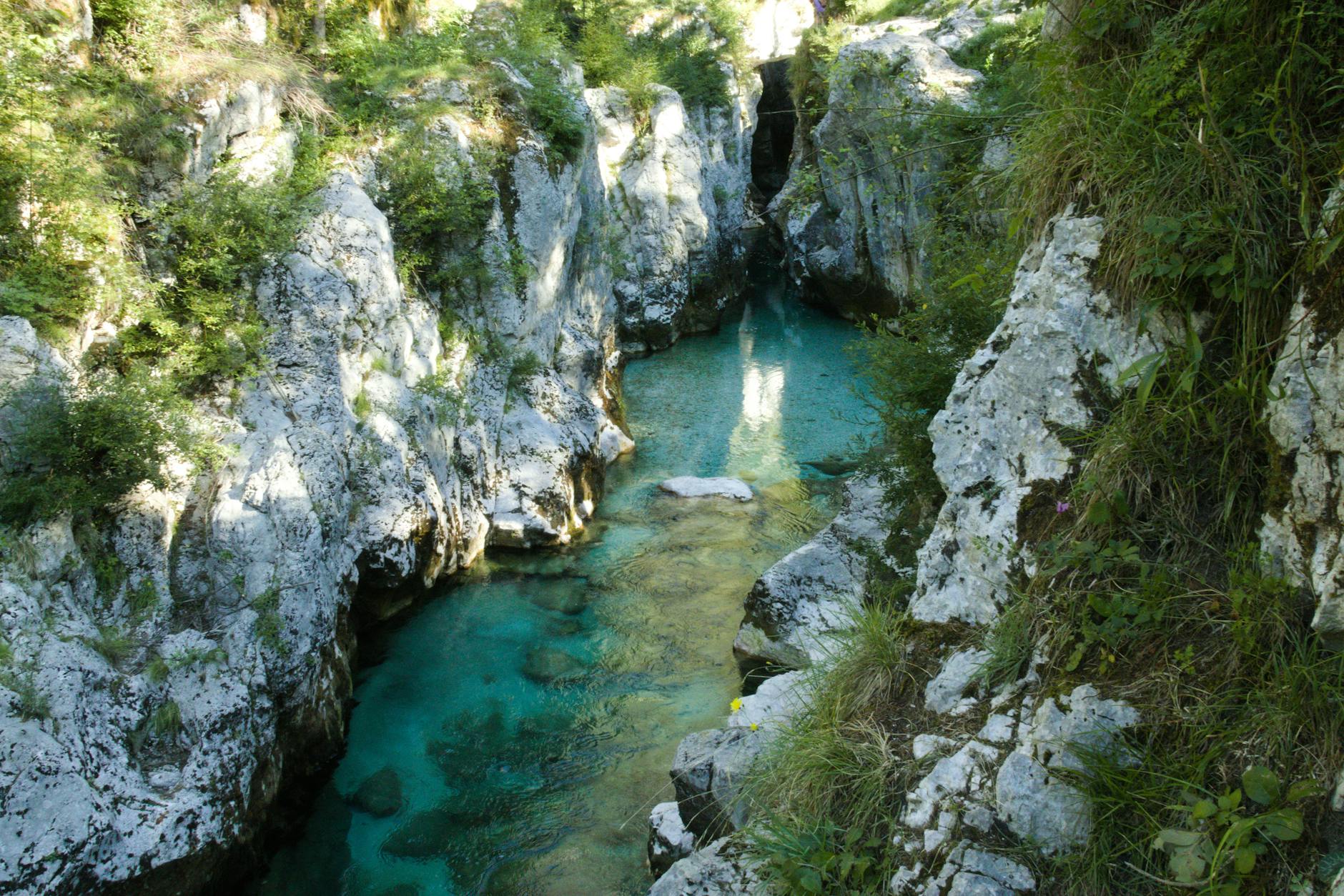
Vintgar Gorge
This 1.6 km gorge features wooden boardwalks clinging to vertical stone walls right above the rushing Radovna River. The trail is strictly one-way. You must hike back via a scenic forest path, which adds about 1 to 1.5 hours to your trip. Arrive exactly at 8:00 AM when the gates open to beat the tour buses.
Škocjan Caves
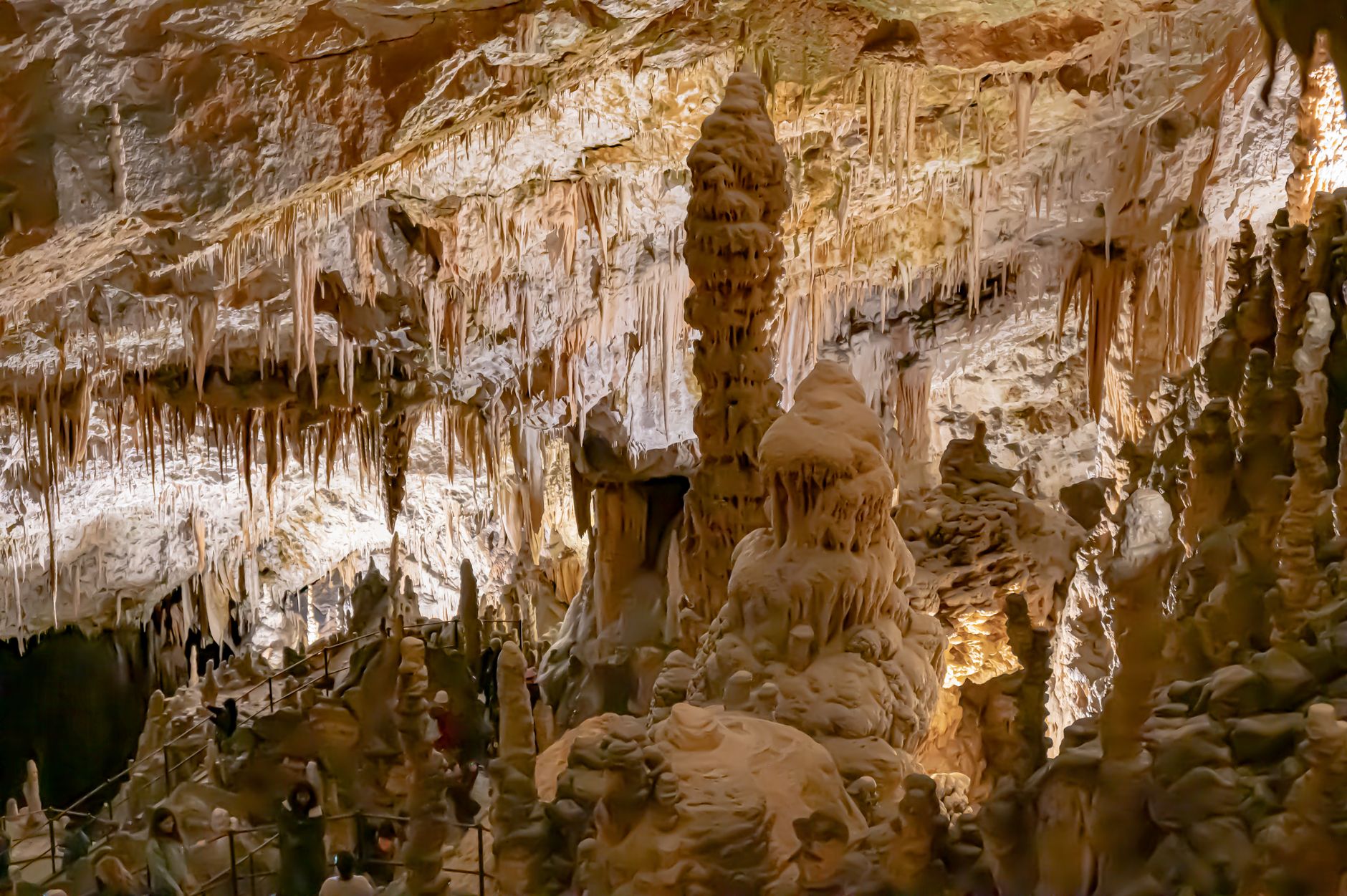
This UNESCO World Heritage site features one of the largest underground canyons in the world. It’s far less commercialized and cheaper than the famous Postojna Cave. Bring a warm jacket even in summer, as the cave temperature remains a constant 12°C (54°F) year-round. Opt for the “Through the Underground Canyon” guided tour for the most dramatic views of the bridge suspended 45 meters above the subterranean river.
Peričnik Waterfall
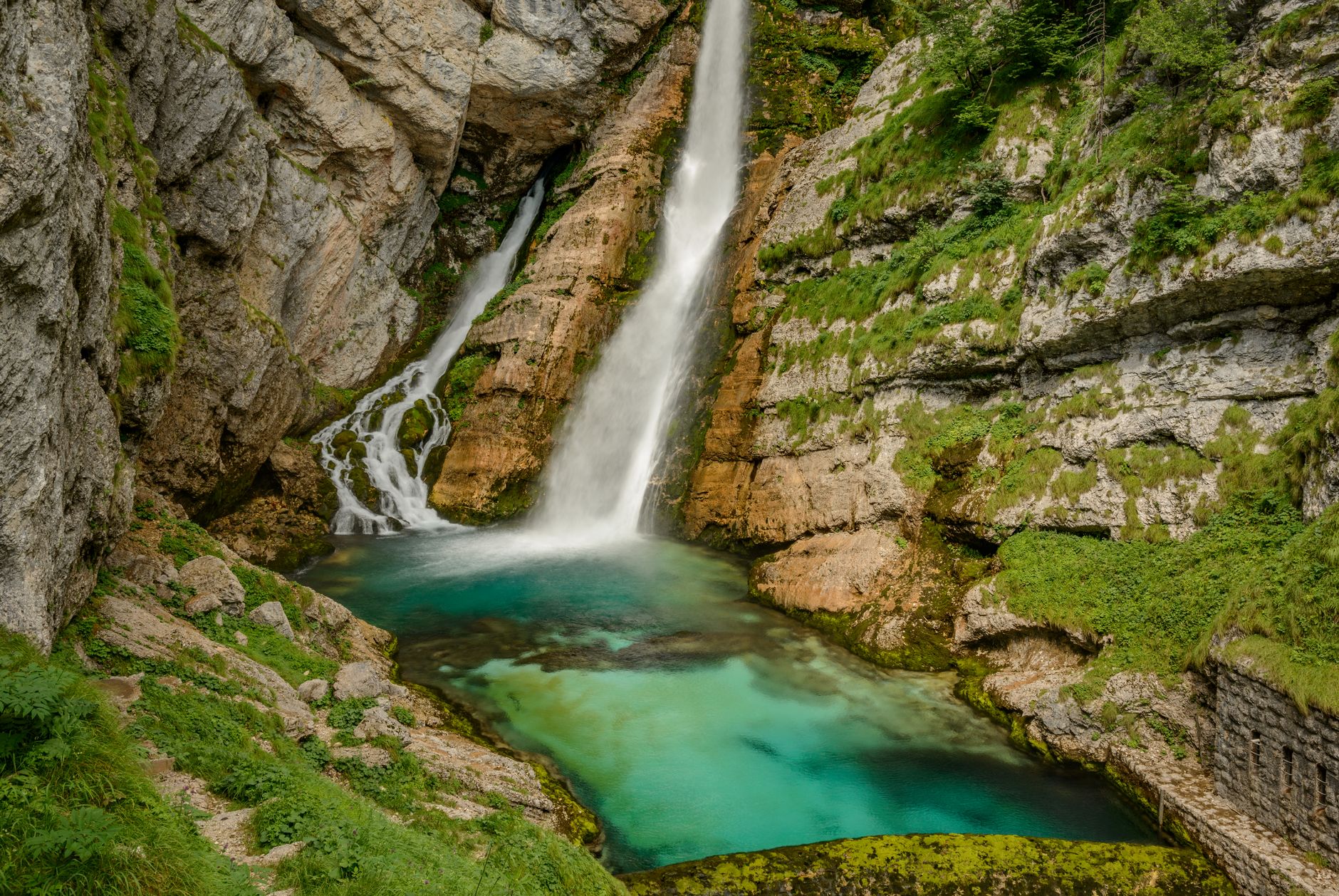
Located in the Vrata Valley, this 52-meter-high waterfall lets you walk directly behind the curtain of rushing water. Wear a waterproof jacket and sturdy shoes with good grip. The path behind the falls is constantly wet, muddy, and slippery. In winter, the entire face freezes into a giant wall of blue ice needles.
Walls of Piran
For the absolute best panoramic sunset views over the red-roofed Venetian town of Piran and the Adriatic Sea, head here. While most tourists crowd around St. George’s Parish Church, the medieval walls are located slightly higher up. They cost only €2.00 to enter and stay open from 8:00 AM until dusk.

What to Eat (And Where to Find It)
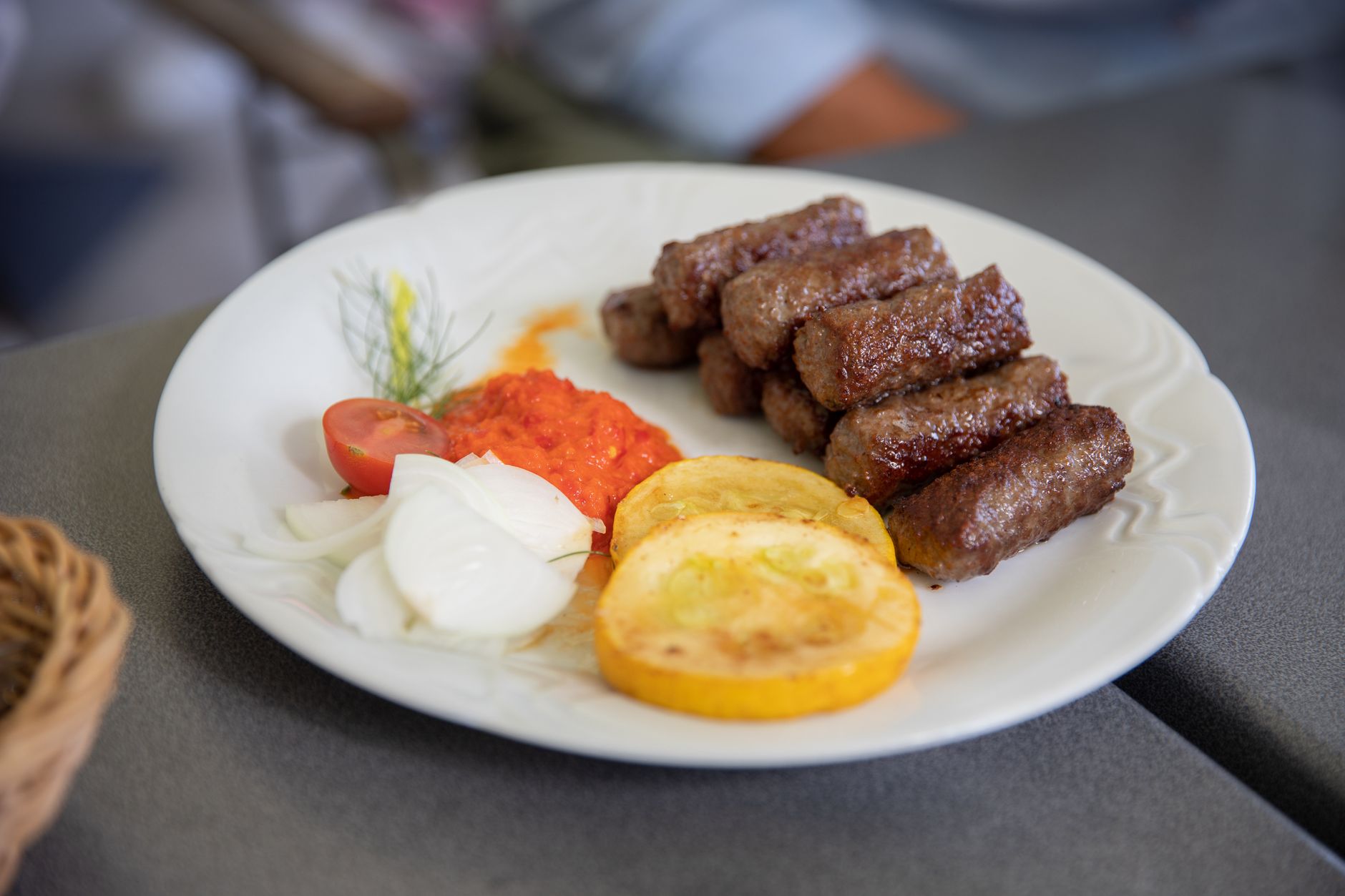
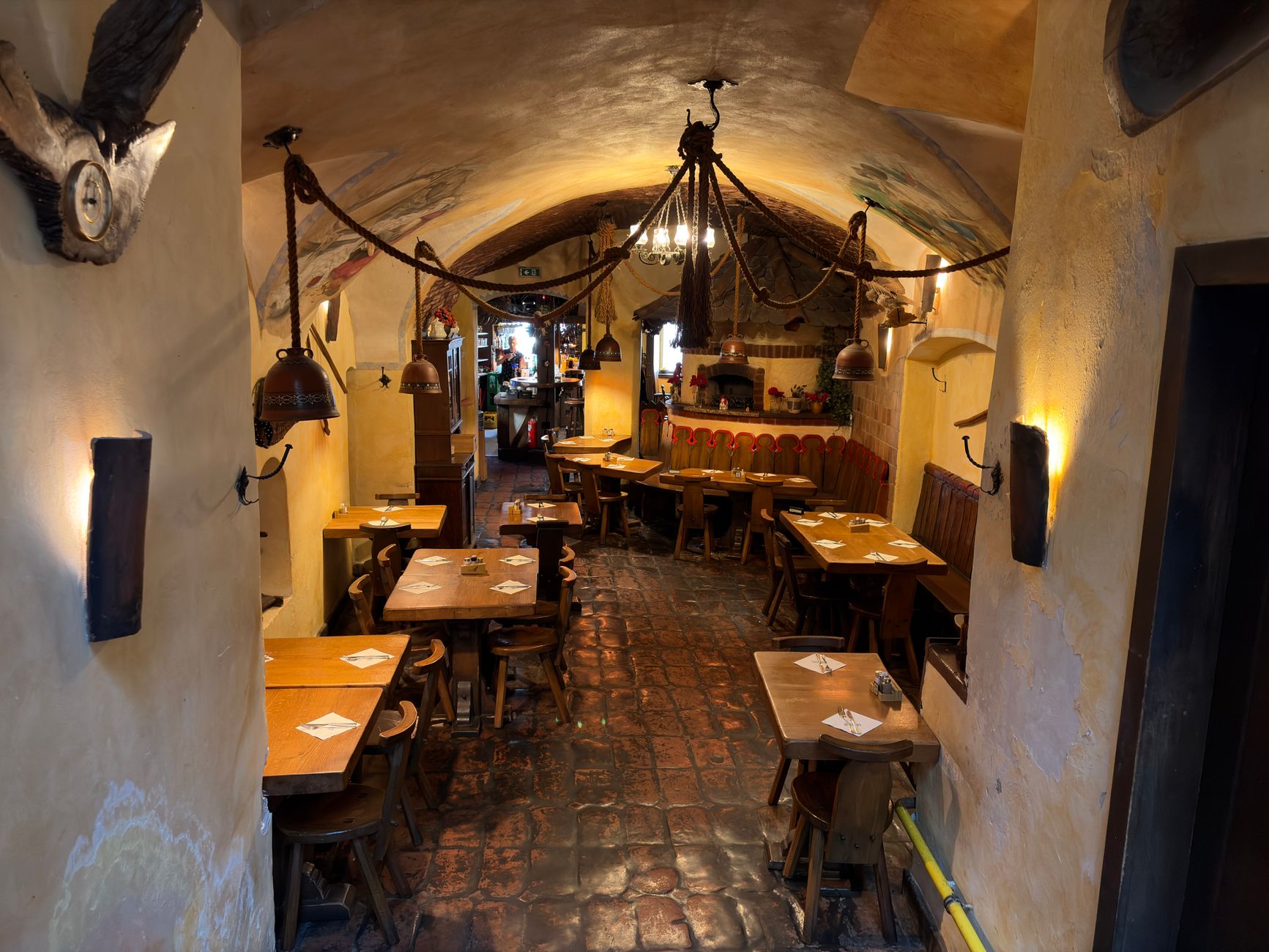
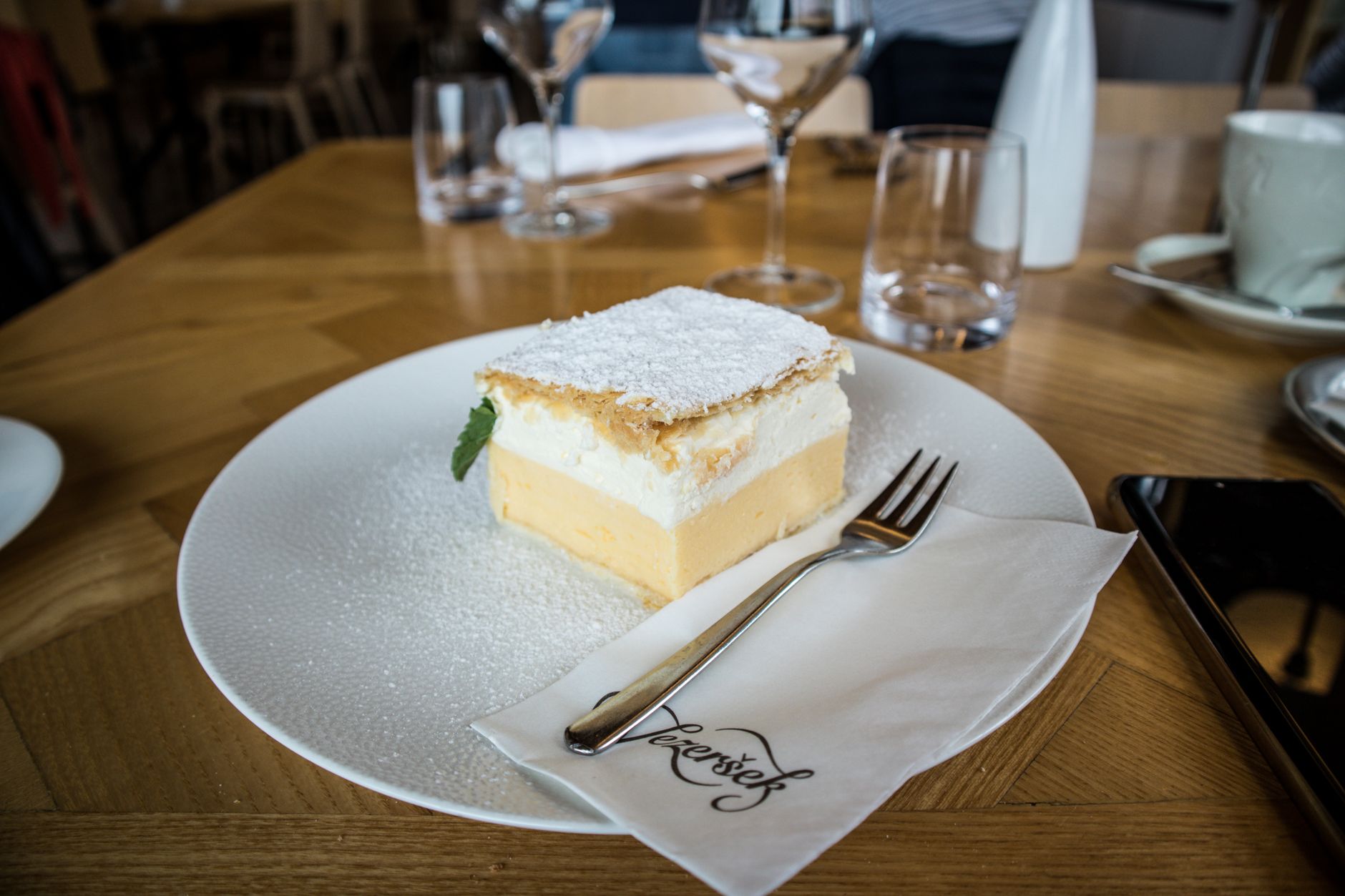
Slovenian food is heavy, comforting, and deeply regional. Skip the generic Italian restaurants in Ljubljana and seek out these local specialties.
Safety & Scams to Avoid
Slovenia ranks 9th globally in the 2025/2026 Global Peace Index, making it incredibly safe. However, you still need to watch out for a few local traps.
Distraction Pickpocketing
Watch your pockets around Ljubljana’s Triple Bridge and Prešeren Square. Scammers may approach you to sign fake petitions while an accomplice slips into your bag.
Airport Taxi Overcharging
Unmarked taxis waiting outside Ljubljana Airport (LJU) can charge up to €120 to reach the center. Avoid them. Take the official Arriva bus for €4.00 or pre-book a licensed taxi for €30 to €40.
Alpine Hiking Hazards
Don’t attempt hikes in Triglav National Park in casual sneakers. Weather changes rapidly; check Arso forecasts, carry a physical map, and know that mountain rescue is highly expensive if you’re found unprepared.
Frequently Asked Questions
Is Slovenia safe for solo travelers?
How many days do you need in Slovenia?
Do I need cash in Slovenia?
Staying Connected
Local prepaid SIM cards cost between €6 and €15 for tourist packages offering 10GB to 20GB of data. You don’t always need to register these with a passport if bought at gas stations or convenience stores. While 5G is fast in Ljubljana, coverage can drop to 3G or disappear entirely in deep alpine valleys like Triglav National Park. To avoid hunting down physical shops on arrival, grab a Slovenia eSIM from Galactic Roam before you fly. It connects instantly to the strongest local network, keeping your maps active even when you’re winding through the mountain passes.