
In 2025, Colombia recorded over 10.2 million international arrivals. If you think you can just wing a trip to this massive country without a solid plan, the logistics will eat you alive. I’ve spent months navigating its chaotic cities and mountain roads to compile this honest Colombia travel guide. You’ll learn exactly how to avoid the notorious scams, where to find the best local food, and how to stay connected without getting your phone blacklisted. Let’s get into what actually deserves a spot on your itinerary. If you are planning a broader South American journey, you might also want to check out our argentina travel guide. If your travels take you to Central America next, don’t miss our guatemala travel guide.
Quick Facts — Colombia
Colombian Peso (COP)
Spanish
COT (UTC-5)
Type A & B
December to March
90 days visa-free for US/EU/UK
The mandatory pre-flight step
Before you even board your flight, you have to deal with Migración Colombia. Every international traveler must complete the free online Check-Mig pre-registration form between 72 hours and 1 hour before entering or leaving the country.
Do not pay for this. Dozens of scam websites look official and charge a fee for what is a completely free government form. Make sure you use the official government portal.
What to see: the real vs. the overhyped
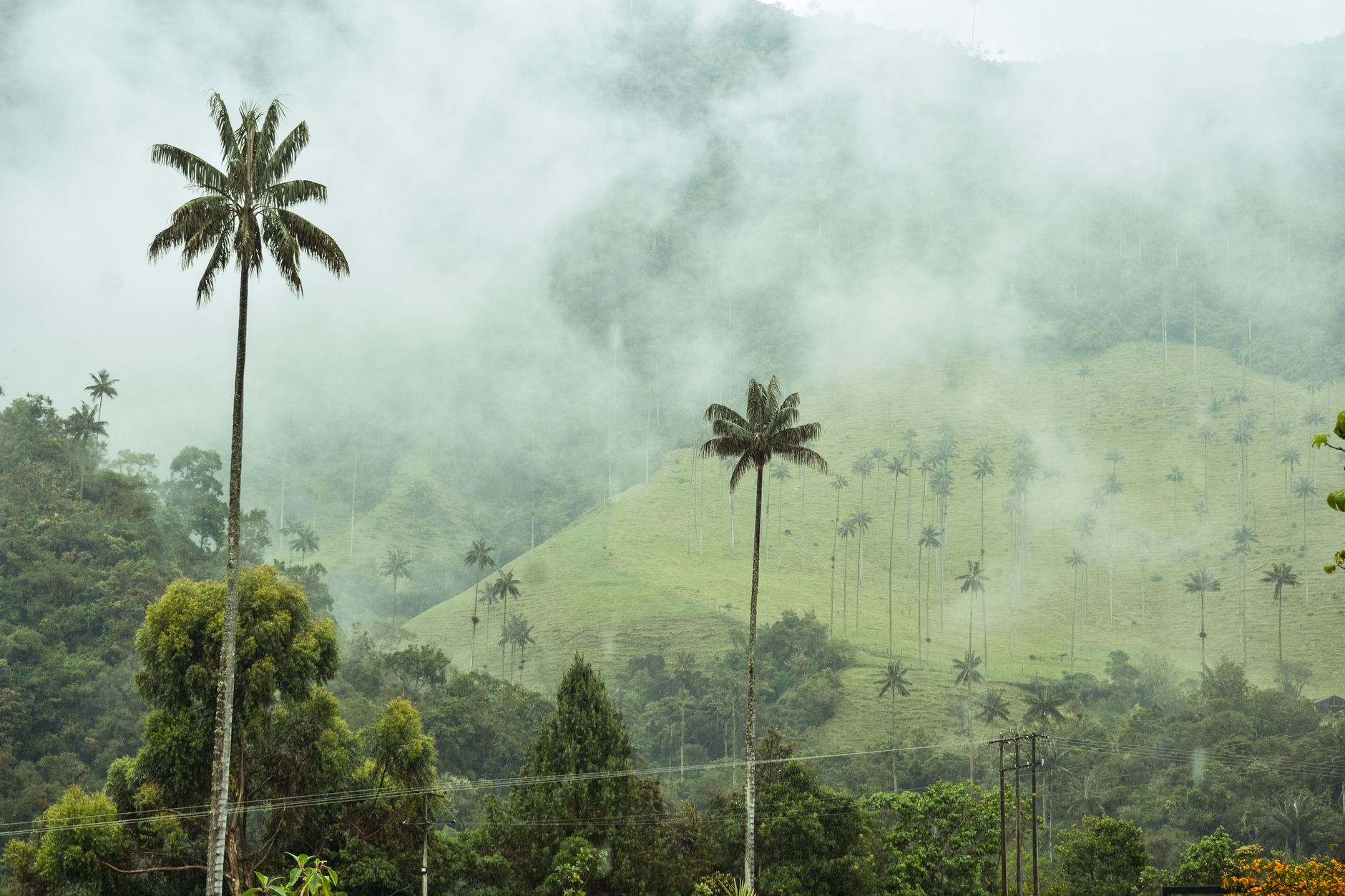
Everyone goes to Valle de Cocora to see the 60-meter-tall wax palms. If you go, start the hike by 7:00 AM to beat the crowds and the afternoon downpours. But here is a better option: skip Cocora entirely. Hire a 4×4 Willy to take you to Valle de La Carbonera instead—it has ten times more wax palms and virtually zero tourists.
In Medellín, Comuna 13 is famous for its transformation from a dangerous zone into an outdoor art gallery. It is worth seeing, but it has become highly commercialized. For a more authentic look at the city’s urban transformation, take the Metrocable Line J to La Aurora, or book a ‘Barrio Transformations Tour’ in Comuna 4 (Aranjuez/Moravia).

Further south, on the border with Ecuador, sits the Santuario de Las Lajas. Most tourists visit this dramatic neo-Gothic canyon basilica during the day and leave immediately. That is a rookie mistake. Arrive in the late afternoon so you can watch the sunset, then stay past 6:00 PM when the entire cathedral lights up in a shifting spectrum of colored lights.
What to eat: platter, soup, and ants
If you are in Medellín, order a Bandeja Paisa. It is a massive, high-calorie platter loaded with crispy chicharrón, red beans, rice, ground meat, a fried egg, plantain, chorizo, arepa, and avocado. Get it at Hatoviejo or El Rancherito for 35,000 to 55,000 COP ($9 to $14 USD).
In Bogotá, warm up with Ajiaco Santafereño, a thick potato soup made with three local potato varieties, chicken, corn, and guascas herbs. Head to La Puerta Falsa, a 200-year-old spot near Plaza de Bolívar, where a bowl costs 25,000 to 40,000 COP ($6 to $10 USD).
If you are feeling adventurous, look for Hormigas Culonas (big-butt ants) in the markets of Bucaramanga or San Gil. They are toasted, salted, and taste surprisingly like smoky, roasted peanuts for about 10,000 COP ($2.50 USD) a bag.
Safety: how to not give papaya
The golden rule of safety here is no dar papaya—literally, “don’t give papaya.” It means don’t make yourself an easy target by walking around with your phone out or wearing flashy jewelry in crowded areas like the Medellín Metro or Plaza de Bolívar.
Then there is El Paseo Millonario (the Millionaire’s Ride). Never hail a yellow taxi on the street, especially at night in Bogotá’s Zona T or Medellín’s El Poblado. Use Cabify, Uber, or DiDi instead, and sit in the front seat to blend in since ride-sharing is technically in a legal gray area.
Finally, be extremely cautious with scopolamine (Burundanga) drugging, which often starts on dating apps like Tinder or Bumble. Never leave your drink unattended, and choose accommodations with 24/7 security desks that require visitors to register their physical IDs.
Logistics & neighborhoods
When landing at Medellín’s MDE airport, don’t let pirate drivers grab your bags. Take an official white airport taxi for a fixed rate of 110,000 COP ($28 USD) through the Tunel de Oriente, or hop on the airport bus to San Diego Mall for 15,000 COP ($4 USD).
Skip the noisy, tourist-heavy El Poblado for your stay; choose Laureles or Envigado for a safer, more authentic neighborhood vibe. In Bogotá, avoid staying in La Candelaria because it gets sketchy after dark—book a place in Usaquén or Chapinero Alto instead.
Credit cards work in major cities, but you absolutely need cash (COP) for street food, public buses, and small towns like Salento. Always withdraw cash from ATMs located inside secure bank lobbies rather than on the street.
Frequently asked questions
What is the safest city in Colombia to visit?
Do I need cash or can I use credit cards in Colombia?
How do I avoid getting scammed by taxis in Colombia?
What is the mandatory entry form for Colombia?
The 20-day connectivity trap
Staying online is crucial for navigating, but Colombia has a bizarre connectivity trap: the 20-day CRC Imei registration rule. If you buy a local physical SIM card (which costs $3 to $10 in the city, or an inflated $15 to $30 at the airport), you must register your phone’s unique 15-digit Imei number with the carrier within 20 days, or your device will be blacklisted and blocked from all networks. On top of that, activating a local prepaid eSIM online as a tourist is nearly impossible because carrier portals require a Colombian national ID. You can bypass this entire headache by getting a Colombia eSIM from Galactic Roam before you land; because it operates on international roaming protocols, it is completely exempt from the 20-day registration rule and connects automatically to the best local networks like Claro and Movistar.