

Romania Travel Guide: How to Explore Transylvania, Bucharest, and Beyond
Romania welcomed 15.2 million visitors in 2025, but the average stay was a measly 2.1 days. That means millions of people are rushing through medieval Transylvania and Bucharest without actually seeing them. I’ve spent three months navigating this country’s mountain passes, train networks, and underground salt mines to figure out what actually works. This realistic Romania travel guide will show you how to slow down, avoid the tourist traps, and see the real deal.
Quick Facts — Romania
Romanian Leu (RON)
Romanian
EET (GMT+2)
Type C & F
September to November
Schengen (Air/Sea borders)
The Golden Rule: Don’t Wing It
Winging your trip to Romania is a massive risk that will leave you stranded at closed castle gates or paying triple for last-minute transport. Don’t do it. With Romania’s entry into the Schengen Area for air and sea travel, accommodation prices are climbing fast, and popular spots book out weeks in advance.
A classic rookie mistake is trying to see the entire country in a weekend. Stick to a tight, realistic route instead. This keeps your travel times low and your sanity intact.
The Perfect 5-Day Transylvanian Loop
If you only have five days, do not try to see the whole country. This train-friendly route keeps things simple and stress-free.
- Day 1Bucharest Arrival
Explore the Old Town and marvel at the Palace of the Parliament—the heaviest building in the world at 4.1 million tons. It is so massive it has its own indoor microclimate.
- Day 2Sinaia & Peleș Castle
Take the morning train to Sinaia to tour Peleș Castle, then continue onward to the medieval hub of Brașov.
- Day 3Brașov & Bran Castle
Explore Brașov’s cobblestone streets and take a short day trip to Bran Castle, the legendary home of Dracula.
- Day 4Sighișoara
Catch a train to Sighișoara, one of Europe’s last fully inhabited medieval citadels, and climb the Covered Stairway.
- Day 5Return to Bucharest
Head back to the capital for your flight out, or grab a final plate of local food before moving on.
Three Romanian Castles and Wonders Worth the Hype
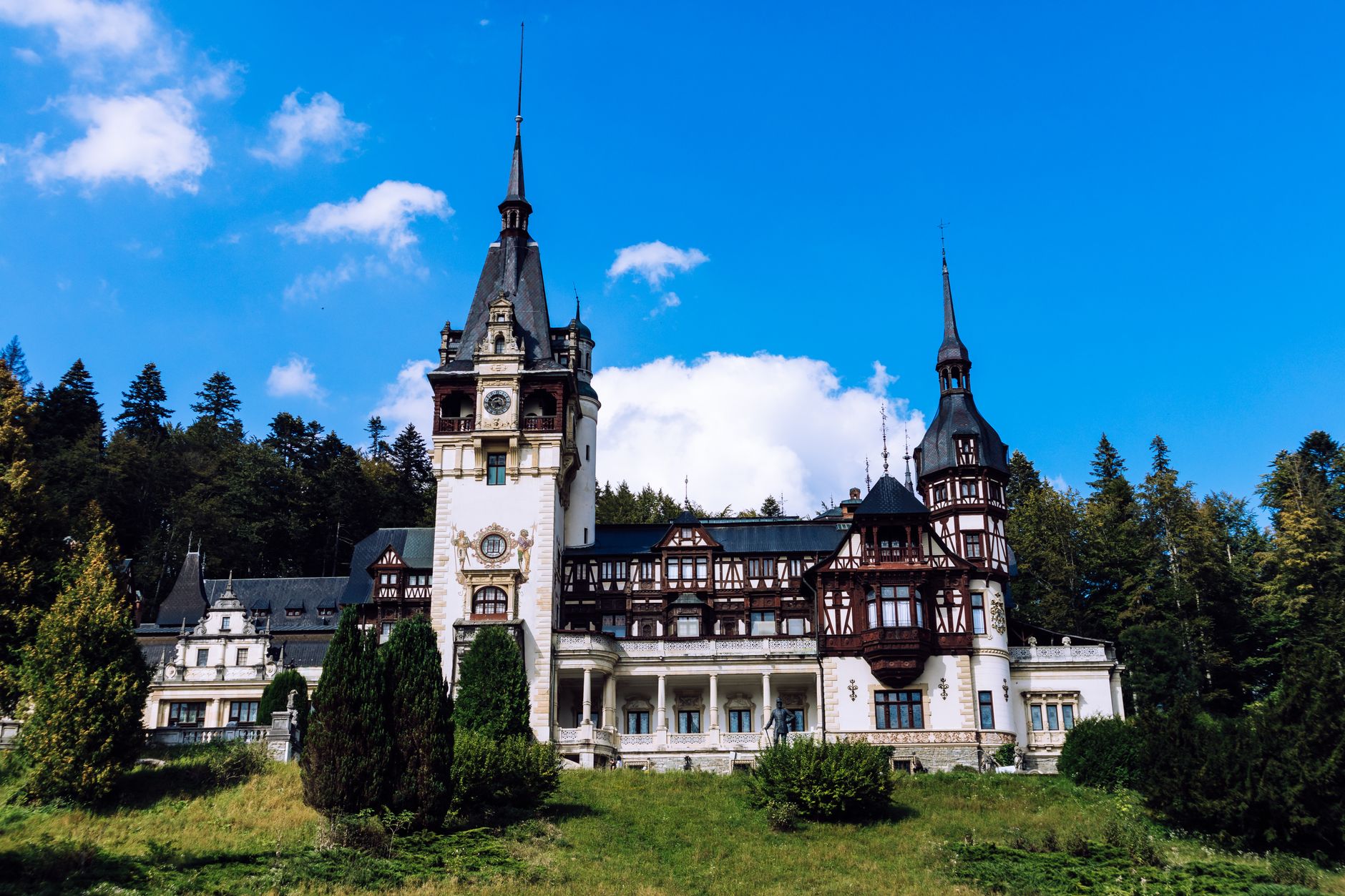
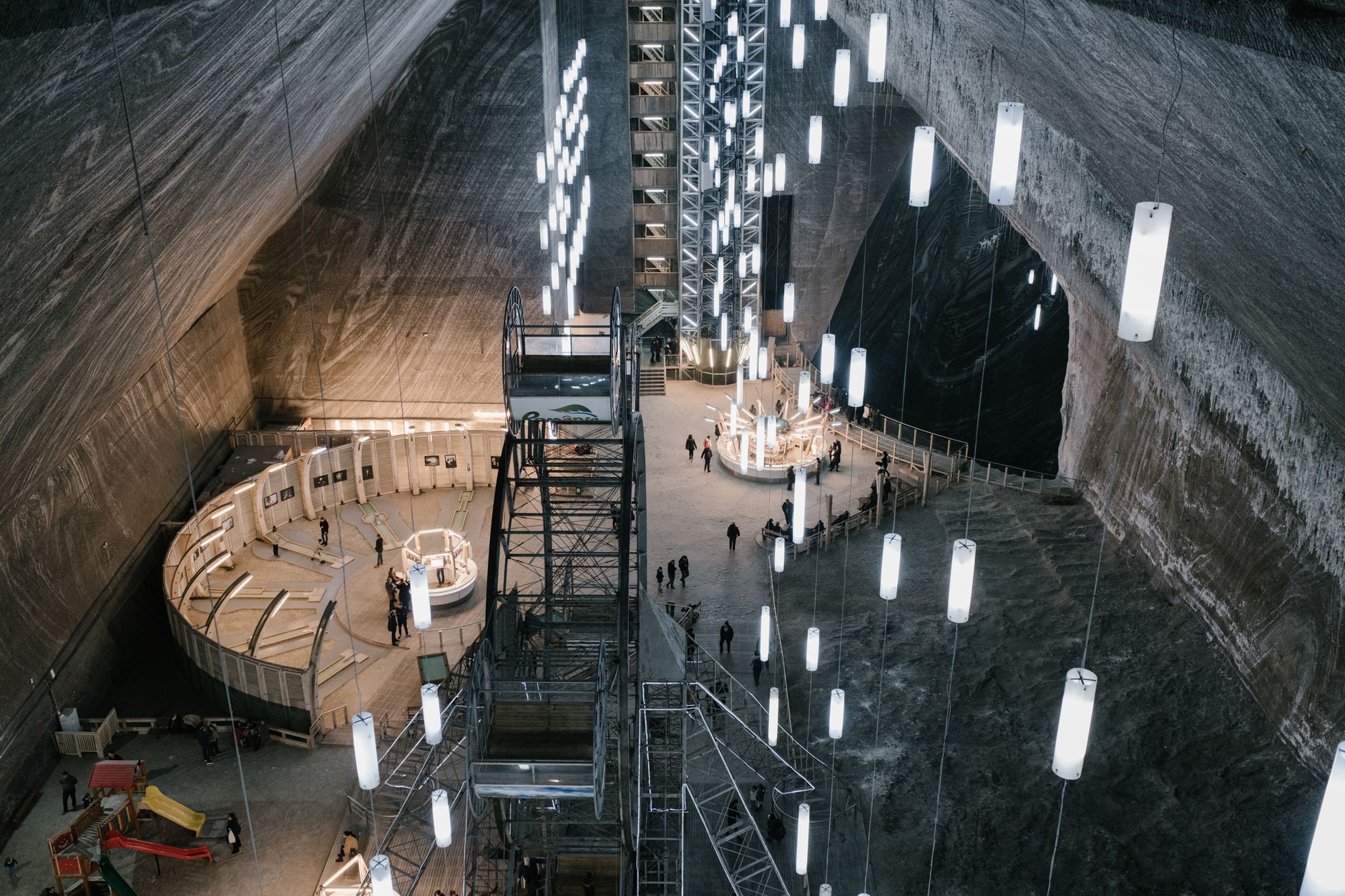
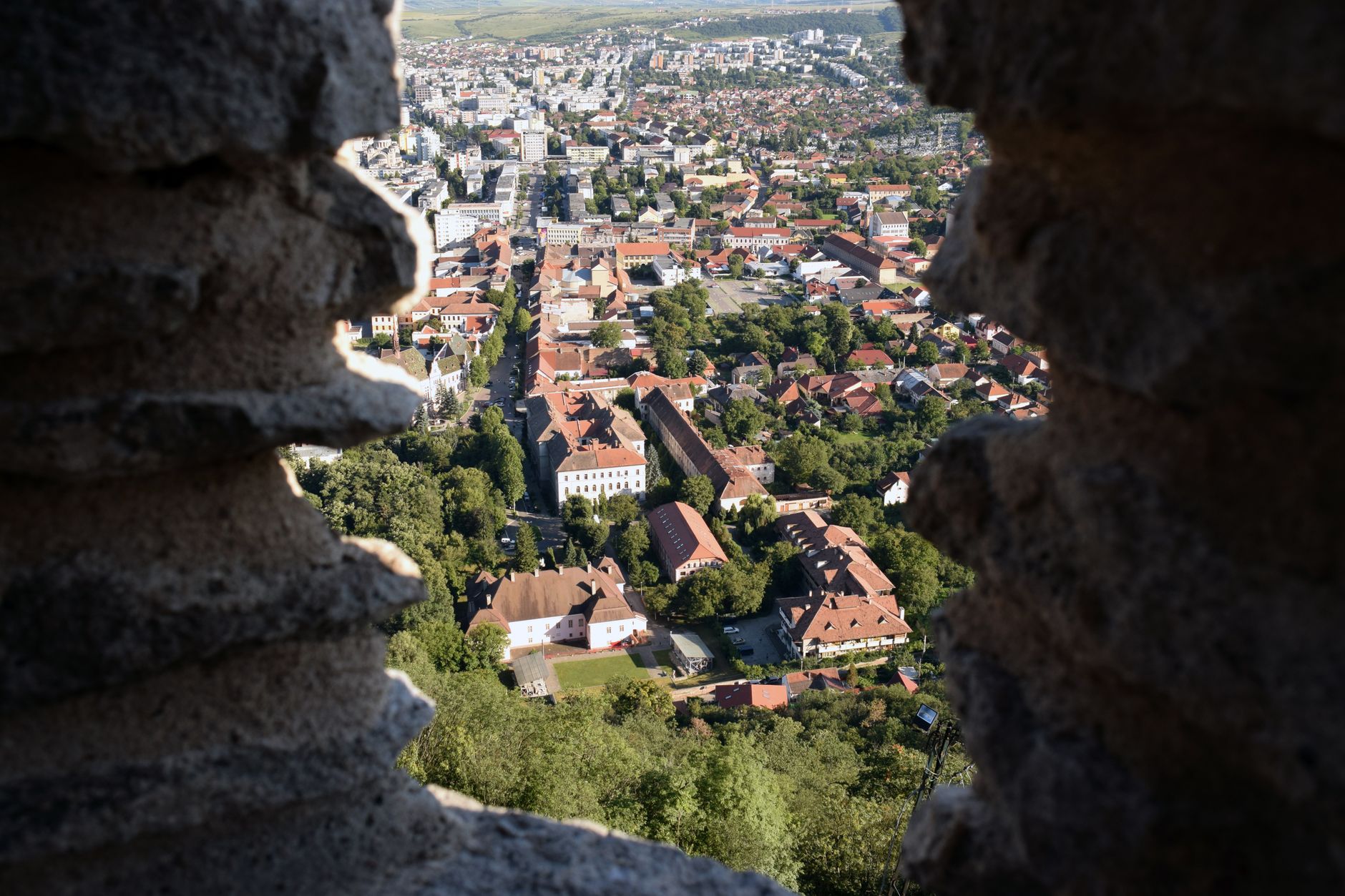
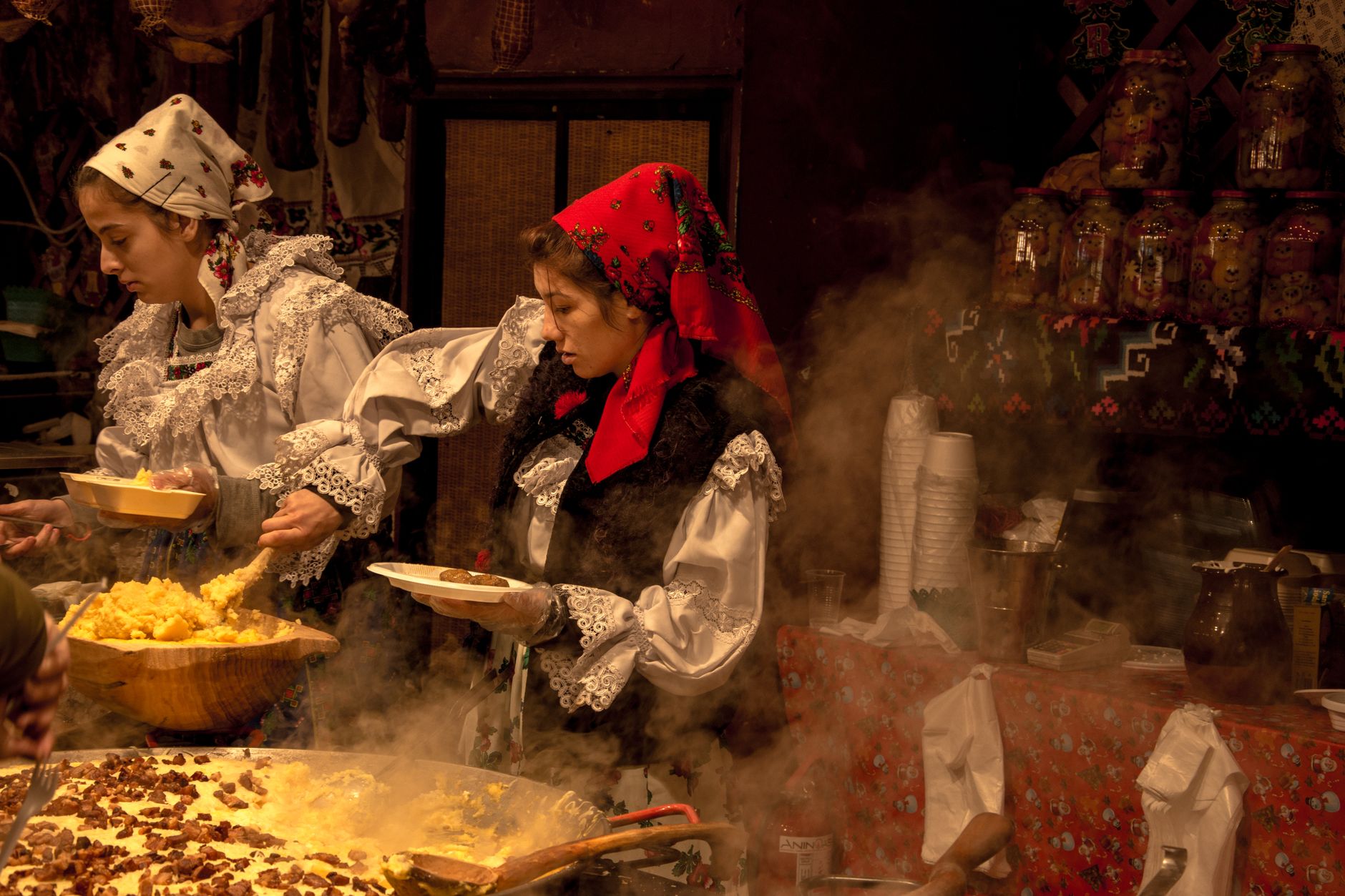
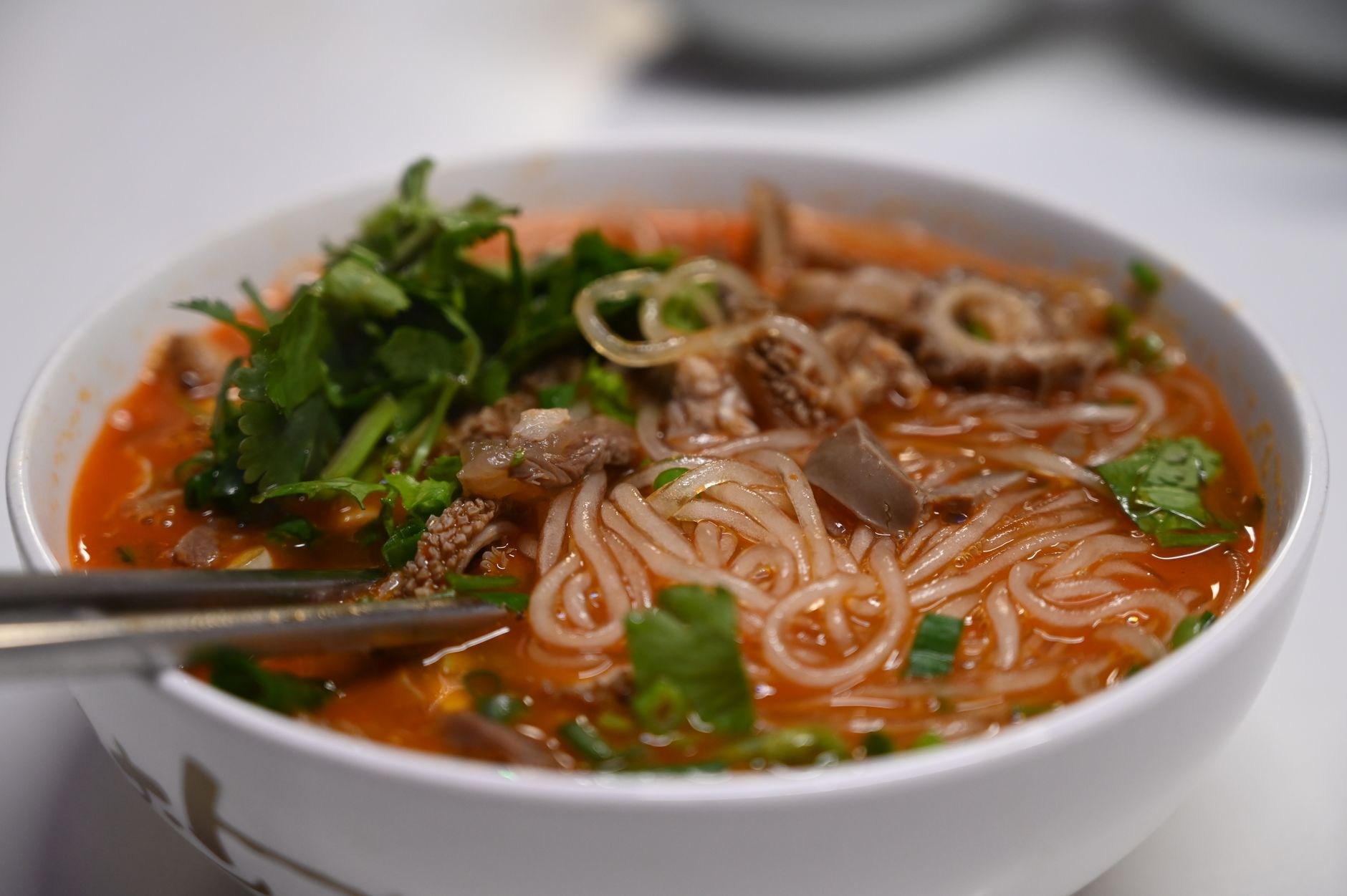
What to Eat: Real Romanian Comfort Food
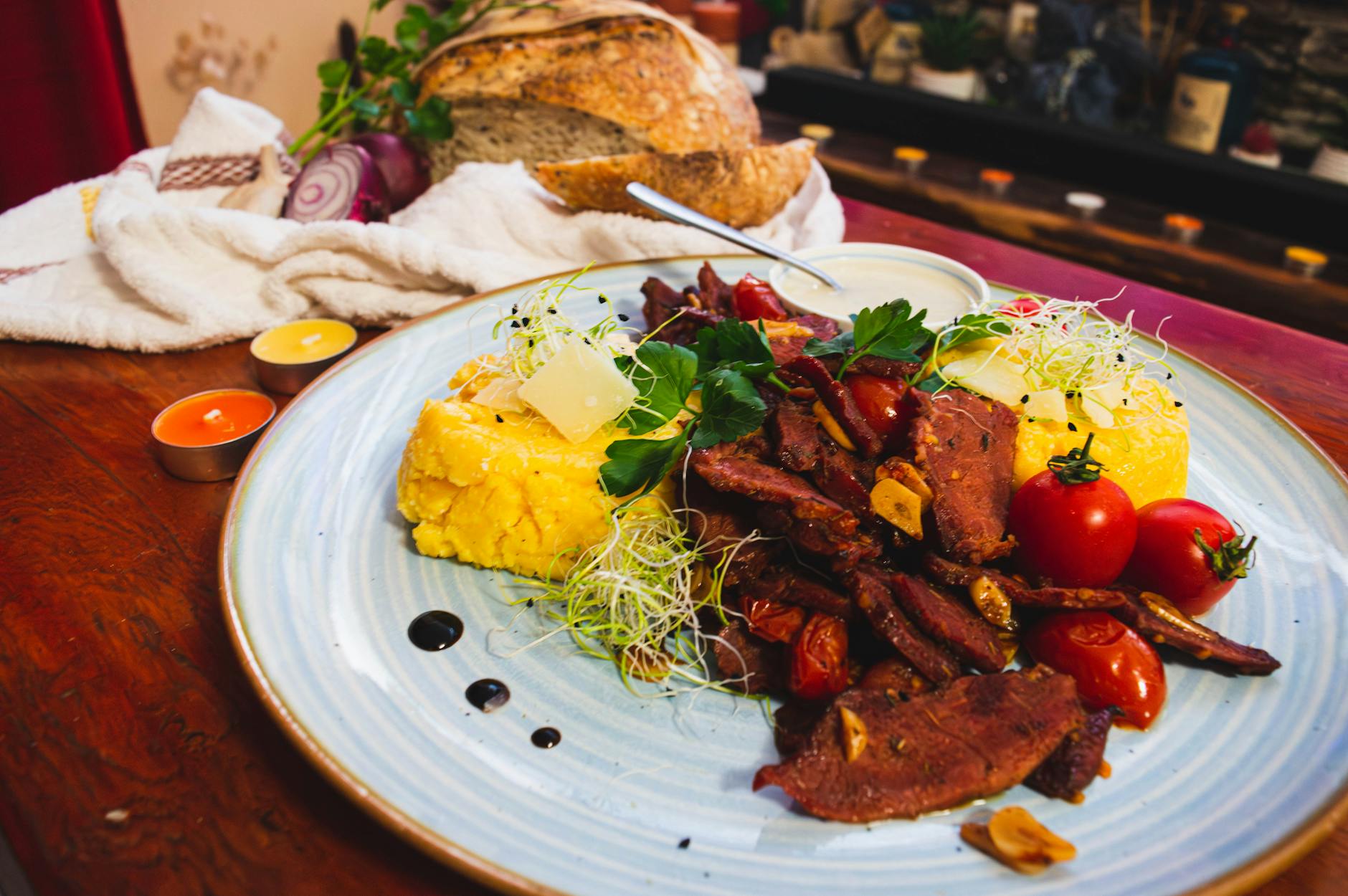
Scams to Avoid: Don’t Get Caught Out
Bucharest is generally very safe, but dishonest operators will eat you alive if you look like an easy target. Watch out for these three classic tricks.
The ‘Maradona’ Fake Police Scam
In Bucharest’s Old Town, a stranger will approach you for directions. Suddenly, accomplices flash fake badges, claiming to inspect your wallet for ‘counterfeit cash’ or ‘drugs.’ Real Romanian police do not inspect cash on the street—firmly refuse and walk away.
The ‘Turbine’ Taxi Meter Scam
At Bucharest Airport (OTP) or outside clubs, drivers use a hidden button near the clutch to manually accelerate the meter. Skip street taxis entirely; use ridesharing apps like Bolt (which works better than Uber here) or the official touchscreen kiosks inside the OTP arrivals hall.
The Old Town Bar Scam
Attractive strangers will strike up a conversation and invite you to a specific bar. Once there, they order expensive drinks, and you are hit with an astronomical bill enforced by aggressive security guards. Never go to bars suggested by newly met strangers, and always check menu prices first.
Frequently Asked Questions
Do I need cash in Romania?
Yes, especially outside of Bucharest. While cards are widely accepted in major cities, you will need Romanian Leu (RON) cash for rural Transylvania, parking meters, market stalls, and tipping. A standard 10% tip is customary in restaurants, and leaving it in cash is highly preferred.
What is the best way to get from Bucharest Airport to the city center?
Skip the taxis and take the direct train from Henri Coandă Airport (OTP) to Gara de Nord. It runs 24/7, takes about 20 to 25 minutes, and costs only 5.50 RON (around $1.20 USD). You can pay by tapping your contactless bank card directly on the train’s readers.
Is tap water safe to drink in Romania?
Yes, tap water is safe to drink in major cities like Bucharest, Brașov, and Cluj-Napoca. However, in rural villages and older buildings with outdated plumbing, it is safer to stick to bottled water. When in doubt, ask your host or hotel staff about the local pipes.
Romania is one of those places that makes you feel slightly guilty for not coming sooner. The food alone is worth the flight, and the train rides through Transylvania are spectacular. To keep things simple and avoid the airport kiosk queues, grab a Romania eSIM from Galactic Roam before you land. It activates instantly, keeps you connected from Bucharest to the Carpathian peaks, and lets you skip the hassle of registering your passport at a local store.