
Austin F1 Travel Guide: How to Survive the US Grand Prix at Cota
On the Monday after the race, over 45,000 passengers will try to squeeze through Austin-Bergstrom International Airport. If you don’t plan your exit, the post-race logistics will eat you alive. I’ve navigated the madness of the Circuit of the Americas (Cota) and put together this realistic Austin F1 travel guide so you don’t make the same rookie mistakes.
Winging your trip to the 2026 United States Grand Prix—which kicks off on October 23, 2026—is a recipe for logistical failure. Much like navigating the city’s massive music festival with our austin city limits travel guide, dealing with 440,000 weekend attendees flooding a city of one million requires a concrete strategy. Here is what’s actually worth your time and money, and what you should skip.
The Track: Where to Watch and What to Skip
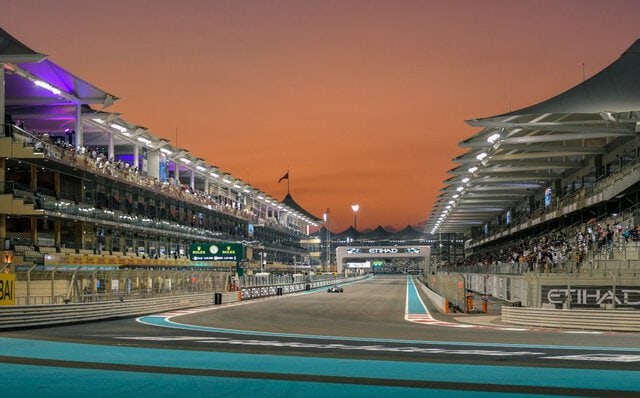
Cota is a massive, sprawling beast of a circuit. If you bought General Admission tickets, your entire weekend hinges on one spot: Turn 1 Hill.

If you want a different perspective, head to the middle of the track. Just don’t make the mistake of trying to do it on race day.
The Food: Fueling Your Weekend
Austin is a world-class food city, but during F1 weekend, the popular spots get slammed. Airbnb prices spike by an average of 84% (climbing from $423 to $780 a night), and restaurant wait times follow a similar trajectory. Skip the tourist traps and eat like a local.


Logistics & Safety: How to Avoid the Scams
Cota is 15 miles from downtown Austin. On race day, that short drive can easily take up to 2 hours. If you try to hail an Uber or Lyft from Cota’s McAngus Road lot after the race, expect to wait over 2 hours and pay upwards of $150 in surge pricing.
If you do decide to drive, watch out for the fake parking lot scams. Locals along Elroy Road and McAngus Road will wave you into their grass yards charging $40 to $50 cash. Many of these lots are illegal, lack security, and can result in your car being blocked in for hours or towed by the county for blocking emergency routes. Stick to official parking.
Keep your wits about you during the post-race concerts at the Germania Insurance Super Stage and on 6th Street (“Dirty Sixth”). Organized pickpocket rings target smartphones in these dense crowds. Thieves work in teams to bump into you and slide phones out of front pockets. Keep your phone on a wrist tether or in a zippered fanny pack worn tightly across your chest.
Also, understand the local tipping culture before you pay. In Austin, tipping is highly expected. For sit-down restaurants, tip 18% to 20% of the pre-tax bill. At food trucks, coffee shops, and counter-service spots, it is customary to tip $1 to $2 per drink or 10% to 15% on the digital screen.
The Connectivity Quirk You Can’t Ignore
Austin has exceptional 5G coverage, but the sheer density of 440,000 fans at Cota will severely congest local towers. Hotel and cafe WiFi in downtown Austin is incredibly fast (often 100+ Mbps), but the track’s public WiFi is notoriously choked and practically unusable during peak race hours.
Frequently Asked Questions
How far is Cota from downtown Austin?
Can I bring my own food and drinks into Cota?
What should I wear to the United States Grand Prix?
Is Austin safe to walk around at night?
Navigating the logistics of a massive race weekend is hard enough without worrying about how you’ll stay connected. While local SIM cards are available for $10 to $60, queuing at a retail store after a long flight is the last thing you want to do. Instead, grab a United States eSIM from Galactic Roam before you even pack your bags. It installs in seconds, gives you instant data the moment you touch down in Texas, and lets you focus on the track action rather than hunting for a signal.