

Chile welcomed 6,004,567 foreign tourists in 2025, marking its biggest post-pandemic travel boom yet. With the launch of their new 2026 ‘You Will See’ campaign, the country is shifting focus to raw, authentic experiences that will eat you alive if you try to wing it.
I’ve spent months navigating this 2,600-mile strip of South America. This practical Chile travel guide will ensure you don’t make rookie mistakes, whether you’re climbing geysers or dodging Santiago’s slickest street scams. Sound complicated? It isn’t.
Quick Facts — Chile
Chilean Peso (CLP)
Spanish
GMT-3 (Santiago)
Type C & L
October to April
Free on arrival for most (Australians visa-free as of Sept 2025)
Unmissable Chile: From Deserts to Island Mysteries
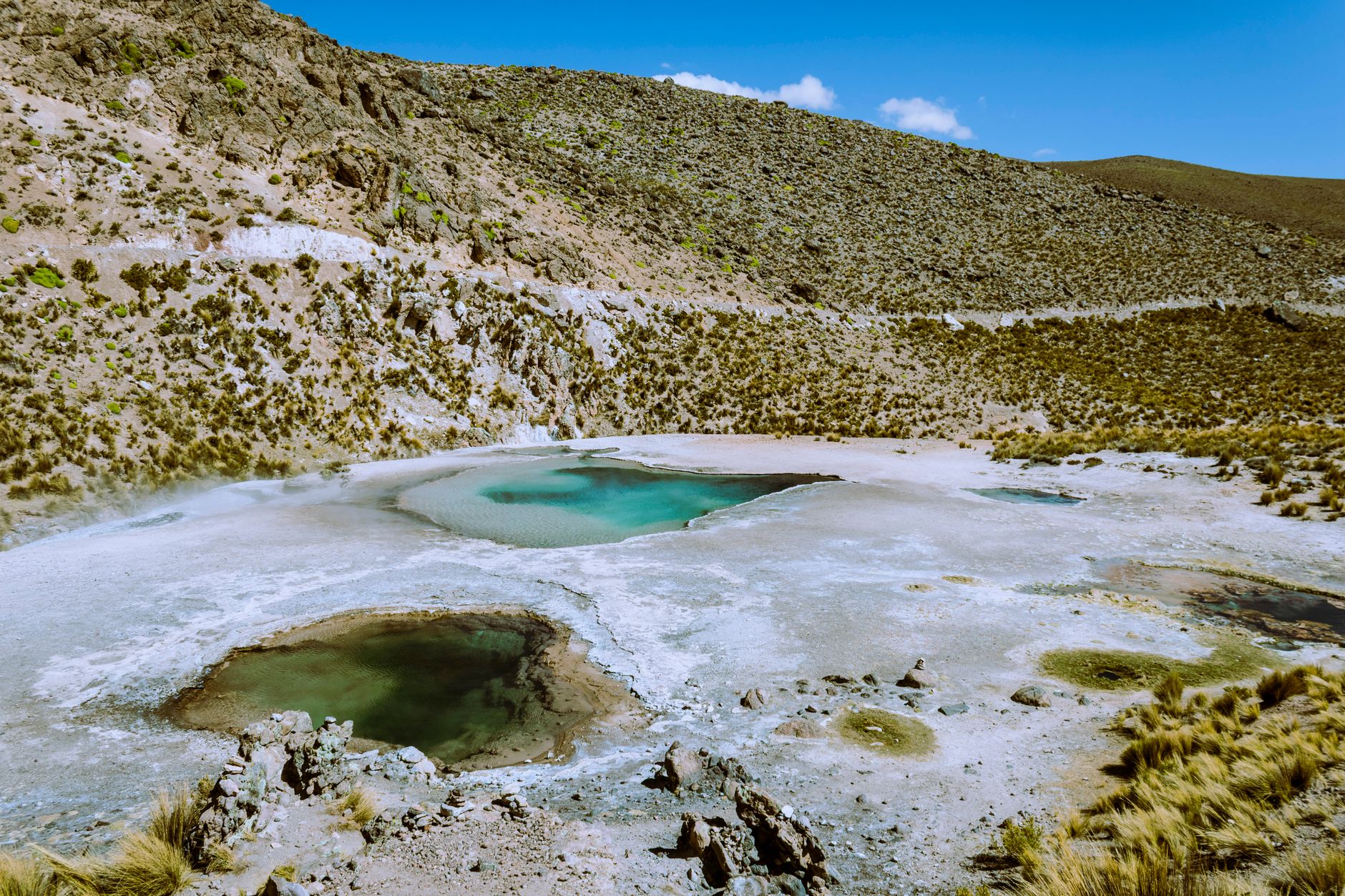
Chile’s geography is ridiculous. It’s a thin sliver squeezed between the Andes and the Pacific, meaning you can go from the driest desert on Earth to glacial fjords in a single trip. But don’t try to see it all in a week—that’s a classic rookie mistake.

La Vega Central (Santiago)
This massive, chaotic market is the real heart of Santiago. Arrive around 11:00 AM when the vendors sit down for lunch, and head straight to the ‘La Vega Chica’ section for cheap, home-style plates of cazuela. Bring small CLP bills, because cards won’t work here.
What to Eat: Santiago’s Best Street Food
Chilean food isn’t about tiny portions or delicate plating. It’s hearty, heavy on the avocado, and designed to keep you moving. Here are three things you absolutely cannot skip.
Completo Italiano
A massive hot dog loaded with diced tomatoes, sauerkraut, mashed avocado, and a mountain of homemade mayo. Grab one at Dominó near Metro Tobalaba for CLP 1,500 to 3,000.
Lomito Italiano
A colossal sandwich of tender, slow-cooked sliced pork shoulder piled high with avocado, tomato, and mayo on a soft bun. Get it at the legendary Fuente Alemana near Plaza Baquedano for CLP 8,000 to 12,000.
Pastel de Choclo
A sweet and savory corn gratin baked in a clay bowl, layered with ground beef, onions, olives, and hard-boiled egg. Look for it in the traditional ‘picadas’ of the Ñuñoa neighborhood for CLP 5,000 to 9,000.
Scams to Avoid: Don’t Get Caught Off Guard
Santiago is generally safe, but opportunistic thieves are highly creative. If you aren’t paying attention, they will swipe your gear before you even realize what happened.
The Airport Taxi Credit Card Scam
At SCL Airport, unlicensed drivers with fake badges will quote a fair price but use tampered card readers that hide the screen to add extra zeros—charging you $2,600 USD instead of $26. Only book and pay at the official counters (like Transvip) inside the baggage claim area.
The Mustard / Liquid Spill Scam
Common in Plaza de Armas and Valparaíso’s hills. Someone spills liquid on your bag, and a polite stranger immediately helps you clean it. While you’re distracted, their accomplice walks off with your phone or wallet. Firmly say “No, gracias” and walk away to clean it yourself indoors.
The “University Student” Poem Donation Scam
On Santa Lucía Hill, people claiming to be struggling students will hand you a printed poem and aggressively demand a “donation.” They exploit your confusion with the peso exchange rate to extract large sums. Refuse to take the paper and keep walking.
Logistics: Navigating Chile Like a Local
Getting around and paying for things in Chile is straightforward once you know the quirks. Here are three rules to live by.
Chile Travel Hacks — step by step
You must buy a physical Bip! card for CLP 1,550 at a metro station to use Santiago’s buses and trains. Load it with cash, as card readers at smaller stations are notoriously unreliable.
Most Chilean ATMs charge a brutal CLP 7,000 to 8,000 fee per withdrawal. Stick exclusively to Scotiabank or Banco del Estado ATMs to withdraw cash fee-free.
Foreign tourists are exempt from Chile’s 19% IVA (Value Added Tax) on accommodations, but only if you pay in US dollars or with a foreign credit card.
Tipping (propina) is simple. In sit-down restaurants, a 10% suggested tip is automatically added to the bill. When paying by card, the waiter will ask “¿desea agregar la propina?”—just say yes.
You don’t need to tip taxi drivers. Just round up the fare to the nearest 500 or 1,000 pesos.
Frequently Asked Questions
Do Australians need a visa to enter Chile?
Can I apply for residency while visiting Chile as a tourist?
Is there a catch to using a local physical SIM card in Chile?
Why do some Chilean websites ask for a RUT number?
Chile has surprisingly fast mobile infrastructure, with over 10.16 million active 5G connections recorded as of January 2026. While you’ll get blazing-fast speeds in Santiago and Valparaíso, expect massive dead zones in remote parts of the Atacama Desert or along Patagonia’s Carretera Austral. To bypass the headache of registering your Imei with Subtel or getting locked out of local sites by the RUT system, grab a Chile eSIM from Galactic Roam before you land. It gets you connected instantly without the airport kiosk queues.