
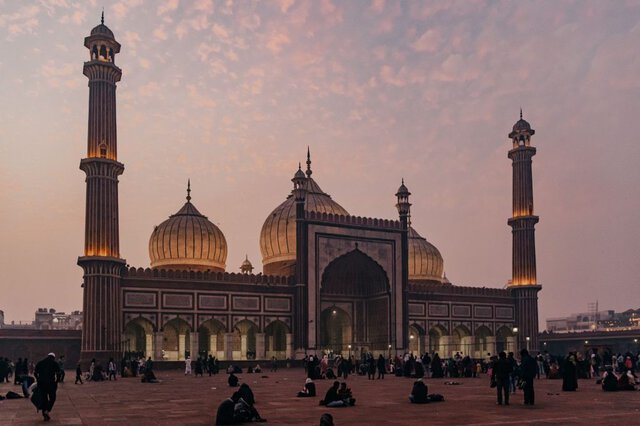
Delhi Travel Guide: How to Navigate India’s Historic Capital
Delhi welcomes 38.9% of India’s international arrivals, yet ranks a dismal sixth for actual overnight stays. Most travelers treat the capital as a chaotic transit lounge, fleeing to Agra or Jaipur the first chance they get. I’ve spent weeks navigating this maddening, historic metropolis to build this practical Delhi travel guide. If you arrive unprepared, the city’s sheer scale, bureaucracy, and aggressive touts will eat you alive. Winging it here is a classic rookie mistake—you need a solid plan to navigate the chaos like a pro.
Quick Facts — India
Indian Rupee (INR / ₹)
Hindi & English
GMT+5:30
Type C, D, M
October to March
e-Visa required for most
When to Go & The Smog Warning
Delhi’s prime travel window runs from October to March, when temperatures hover between a comfortable 15°C and 25°C. But if you’re planning a trip around late autumn—especially for Diwali starting November 6, 2026—you need to prepare.
This period marks the start of the annual smog season. Severe air pollution and dense morning fog frequently ground flights and delay trains. Pack a high-quality N95 mask; you’ll need it.
Also, keep an eye on the calendar for “Dry Days.” The government bans all alcohol sales in retail shops, bars, and restaurants on national holidays like October 2, and major festivals like Diwali.
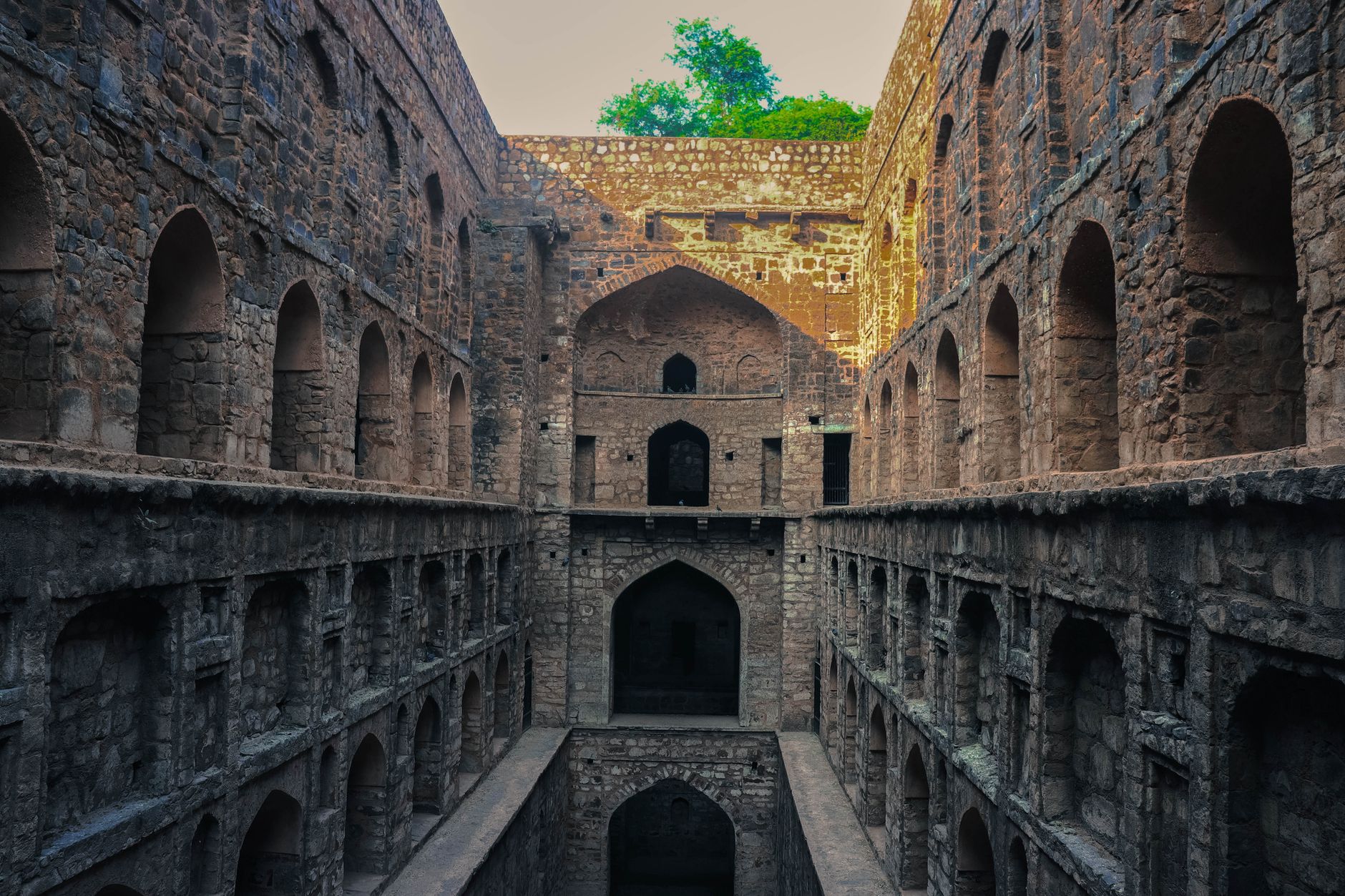
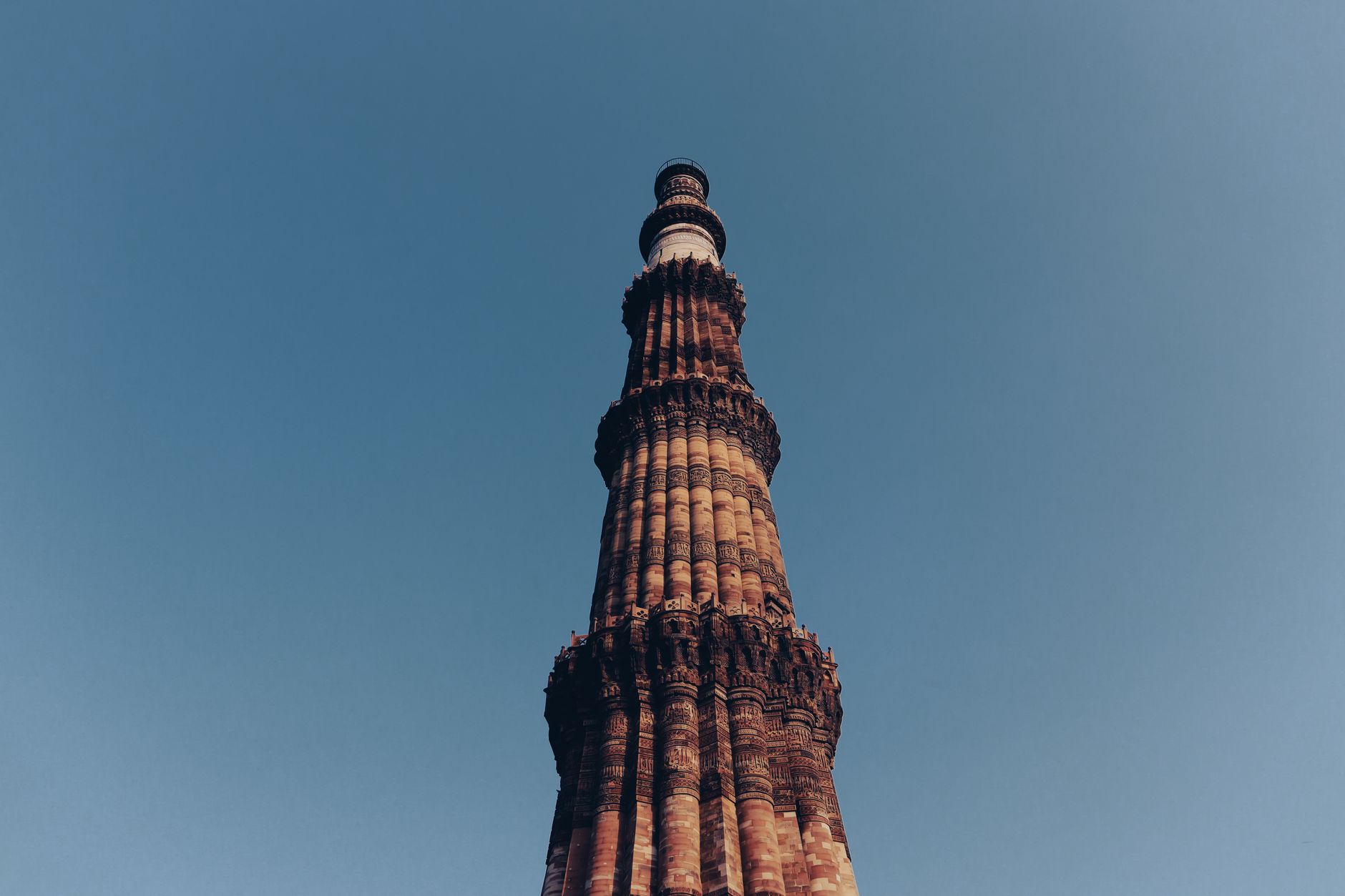
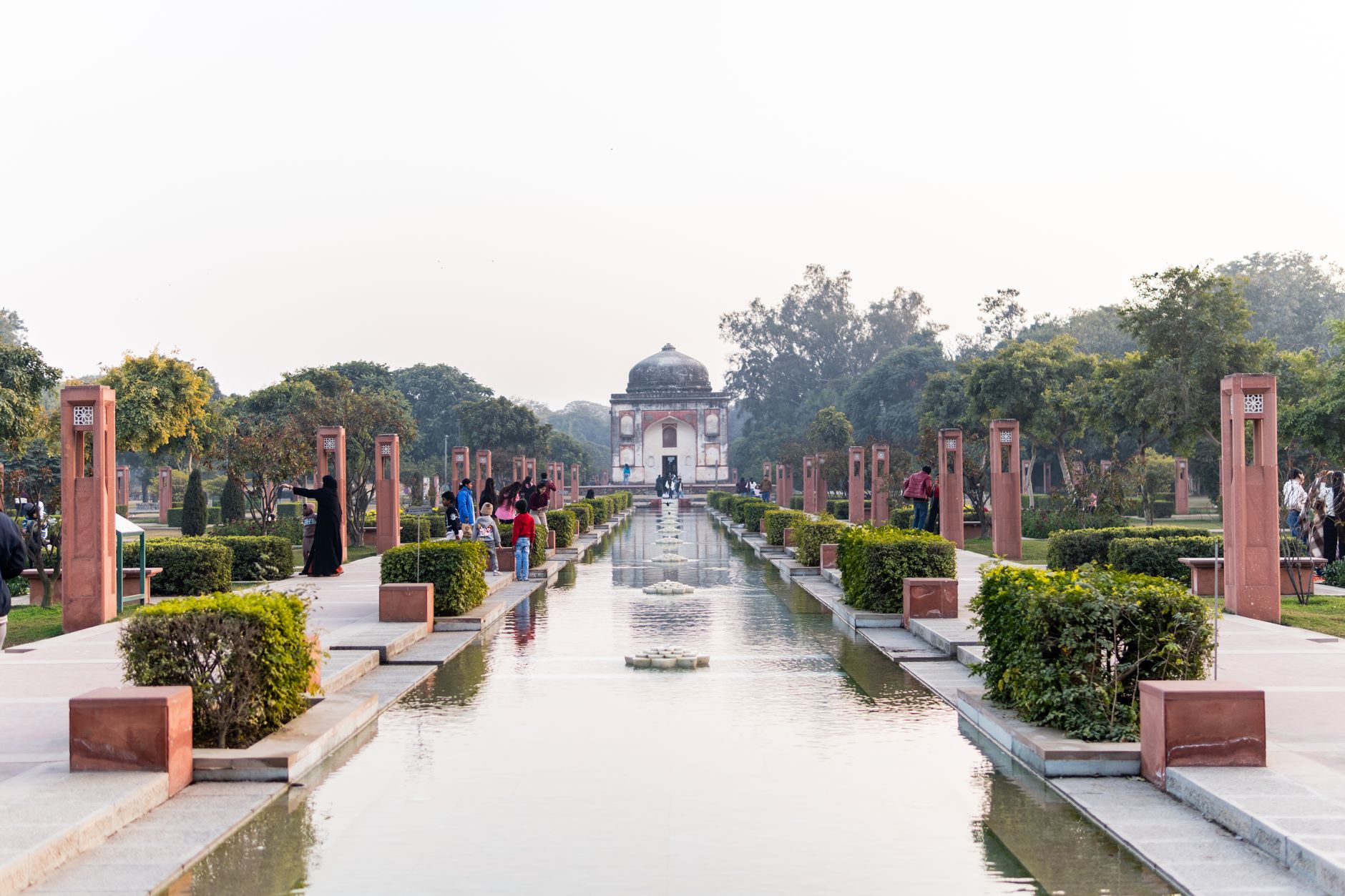
Three Historic Spots Worth the Detour
Skip the overhyped tourist traps and head to these three historic sites instead. They offer incredible architecture without the overwhelming crowds.
What to Eat (And Where to Find It)
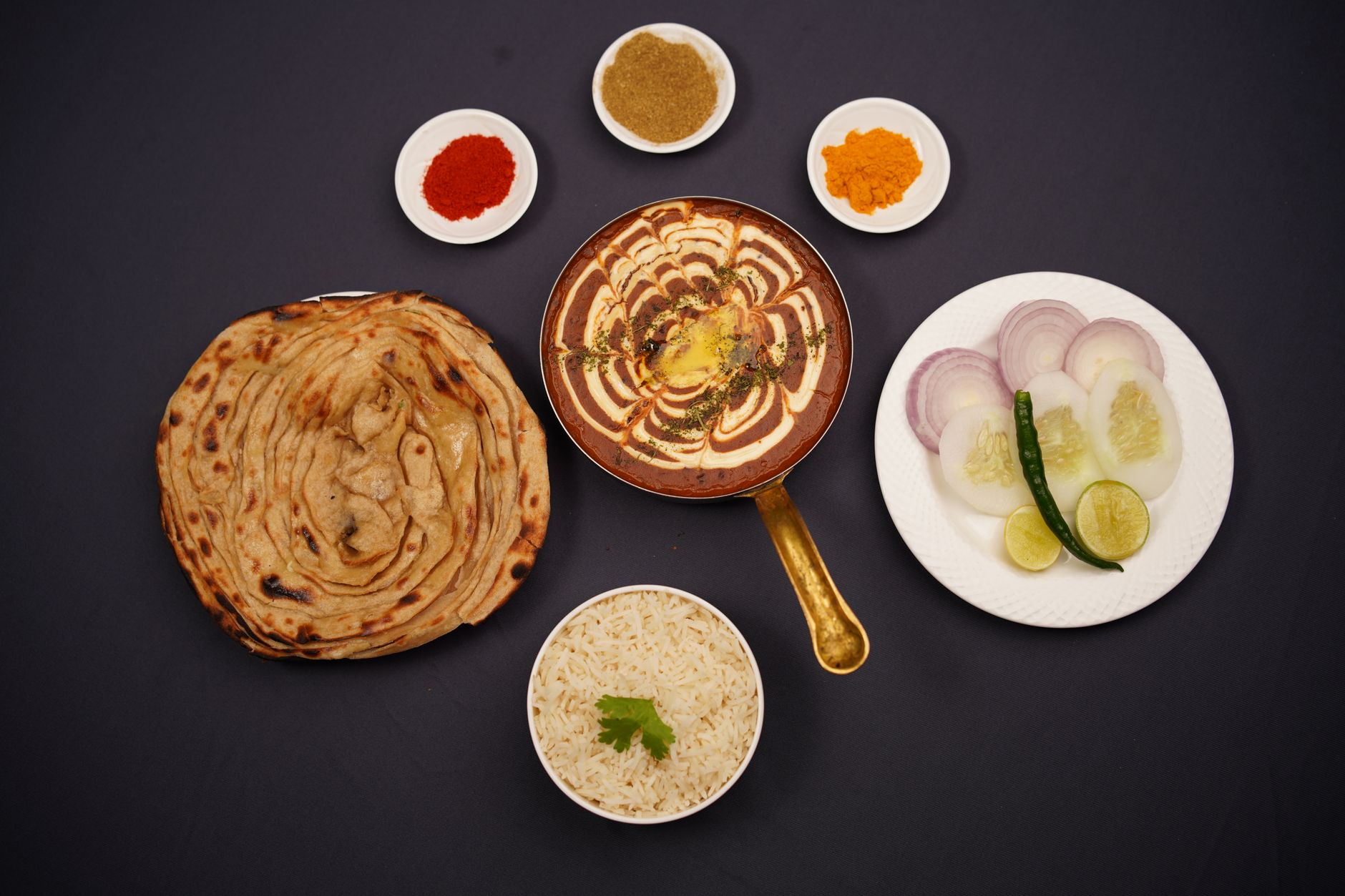
Delhi is a paradise for food lovers, but you have to know where to go to get the real deal. Skip the hotel buffets and eat where the locals eat.


Surviving Delhi’s Scams
Delhi’s touts are highly skilled professionals. If you aren’t careful, you’ll fall for one of these common setups before you even realize what’s happening.
The Closed Hotel Scam
Touts around Paharganj or Connaught Place will claim your hotel is closed due to protests or elections. They’ll try to drive you to a “government-approved tourist office” that is actually a private agency designed to pressure you into buying fake tours. Always call your hotel directly to verify.
The Friendly Cafe Stranger
In Connaught Place cafes, a friendly local might strike up a conversation, ask about your plans, and insist you hire a private chauffeur. They’ll offer to walk you to a nearby booking office. Politely decline and book your transport independently online.
The Distraction Pickpockets
In crowded areas like Chandni Chowk or Rajiv Chowk metro station, teams of two or three work together. One bumps into you or spills liquid on your shirt while the other lifts your phone. Keep your valuables in a zipped cross-body bag across your chest.
Transit & Metro Survival
Don’t bother with a taxi from Terminal 3; Delhi’s traffic is legendary. Take the Delhi Metro Airport Express (Orange Line) directly to New Delhi Railway Station instead. It takes just 20 minutes and costs a flat ₹60 ($0.72 USD), compared to a grueling one-hour taxi ride that can cost up to ₹800.
The metro is clean, fast, and incredibly strict. Do not sit on the train floor—over 22,000 commuters are fined ₹200 annually for doing exactly that. Spitting will cost you ₹150, and filming social media reels is banned.
While cards work in upscale areas like Khan Market, cash is king for street food and auto-rickshaws. Always carry small bills (₹10, ₹20, ₹50, and ₹100). Street vendors rarely have change for a ₹500 note. Download the ‘One Delhi’ app for bus routes and ‘Delhi Metro Sarthi’ for offline metro routing.
Staying Connected Without the Headache
Staying connected in Delhi can be a bureaucratic headache. Buying a local physical SIM requires strict KYC registration—you’ll need your passport, visa copy, and an on-the-spot photo, and activation takes three to four hours. Public WiFi is equally frustrating; even the airport network requires an Indian mobile number to receive an SMS OTP. If you don’t have one, you have to queue at a physical airport desk to get your passport scanned for a printed coupon code.
Worse, the government occasionally suspends mobile internet in specific districts during protests. Skip the physical SIM hassle entirely by setting up a India eSIM before you land. It connects instantly to India’s top networks as soon as your plane touches down, letting you book your airport metro ride or navigate to your hotel without missing a beat.
| Local SIM | Galactic Roam eSIM | |
|---|---|---|
| Cost | ₹299 – ₹500 | From $8 |
| Activation | 3 to 4 hours | Instant, pre-arrival |
| Registration | Passport, visa, photo KYC | None |
| Ready on arrival | No (must queue) | Yes |
| Data options | Daily limits | 1 GB / 3 GB / 5 GB / 10 GB |
Frequently Asked Questions
How do I avoid the closed hotel scam in Delhi?
Never trust a taxi driver or stranger who claims your hotel is closed, burned down, or inaccessible. Always call the hotel directly using your own phone to verify, and only trust the official India Tourism office located at 88 Janpath in Connaught Place.
What is the best way to travel from Delhi airport to the city?
Take the Delhi Metro Airport Express (Orange Line) from Terminal 3. It costs just ₹60 ($0.72 USD) and takes 20 minutes to reach New Delhi Railway Station, bypassing the terrible highway traffic that can turn a taxi ride into a painful one-hour crawl.
Are there dry days in Delhi when alcohol is banned?
Yes, Delhi enforces strict dry days on national holidays like Republic Day (January 26), Independence Day (August 15), and Gandhi Jayanti (October 2), as well as major religious festivals like Diwali. All retail shops, bars, and restaurants are legally prohibited from serving alcohol on these days.
What are the rules for riding the Delhi Metro?
The Delhi Metro is heavily policed. You cannot sit on the train floor (over 22,000 people are fined ₹200 annually for this), spitting carries a ₹150 fine, and filming social media reels that disrupt other passengers is strictly banned.