

Oaxaca Day of the Dead Travel Guide: How to Explore Like a Local
Oaxaca welcomed over 89,000 visitors for its last Day of the Dead, turning a quiet colonial city into pure logistical chaos. If you arrive without a solid plan, the sheer volume of people will eat you alive before you even see a single candle. I spent three weeks navigating Oaxaca’s crowded markets and remote village cemeteries to write this realistic Oaxaca Day of the Dead travel guide. Here is how to avoid the classic rookie mistakes, dodge the tourist traps, and experience this sacred festival like an actual local.
Quick Facts — Mexico
Mexican Peso (MXN)
Spanish
CST (UTC-6)
Types A and B
October 31 – November 2
FMM tourist card (free for most)
The Reality of Día de los Muertos in 2026
The upcoming Día de los Muertos festival (October 31 – November 2, 2026) is highly anticipated, with Oaxaca City hosting over 140 cultural events. You can expect to see the famous 250-square-meter sand carpet in the Jalatlaco neighborhood and the massive Paseo de las Ánimas parade. But don’t expect a quiet, solemn affair—this is a high-energy celebration of life and memory.
Statistically, Oaxaca is remarkably safe. The city has a municipal homicide rate of 9.4 per 100K, making it safer than other major festival destinations like Mexico City (12.9) or San Miguel de Allende (14.2). Still, the crowds require smart preparation.
Cemeteries & Processions: Where to Go (and What to Skip)
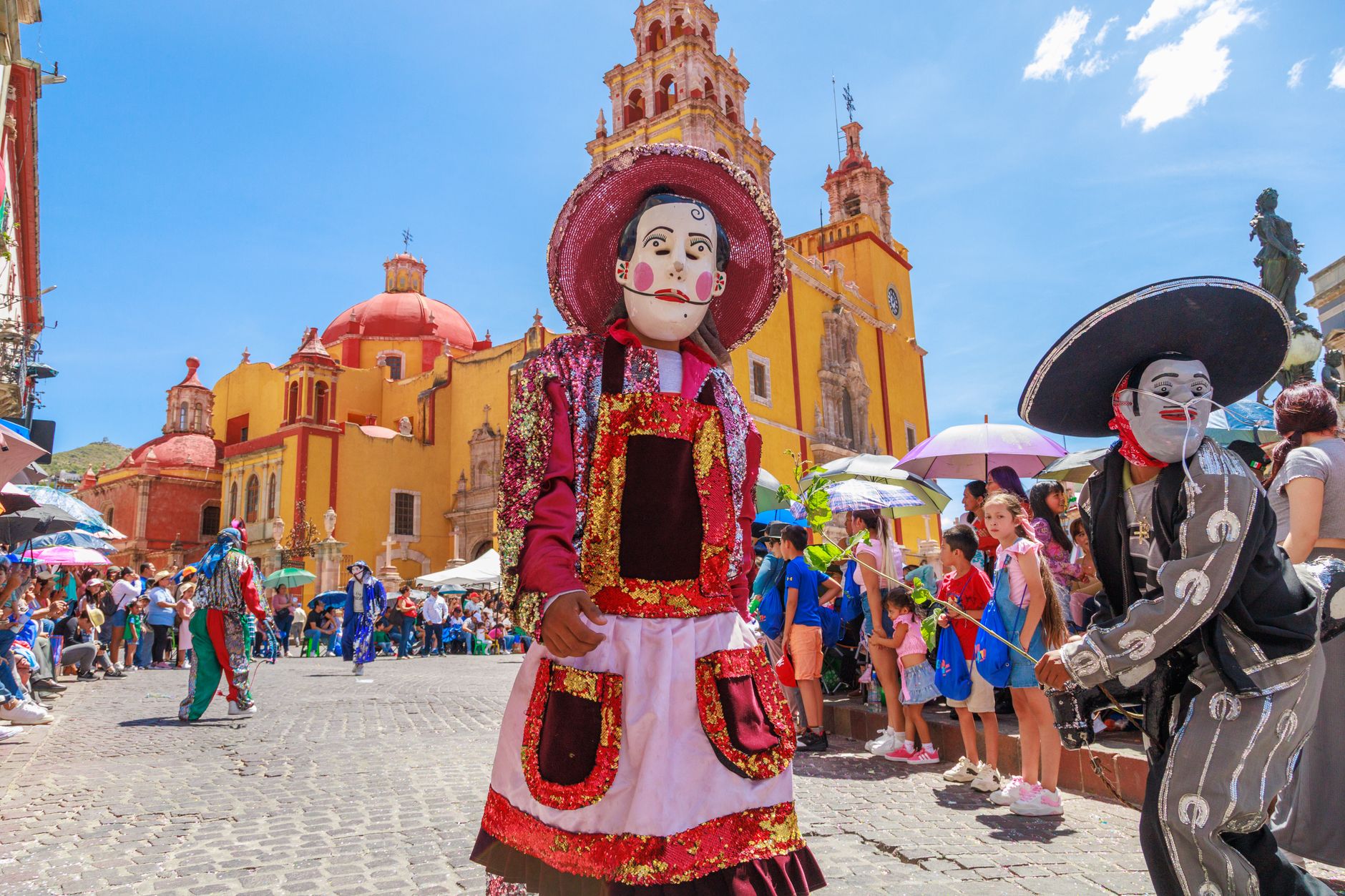
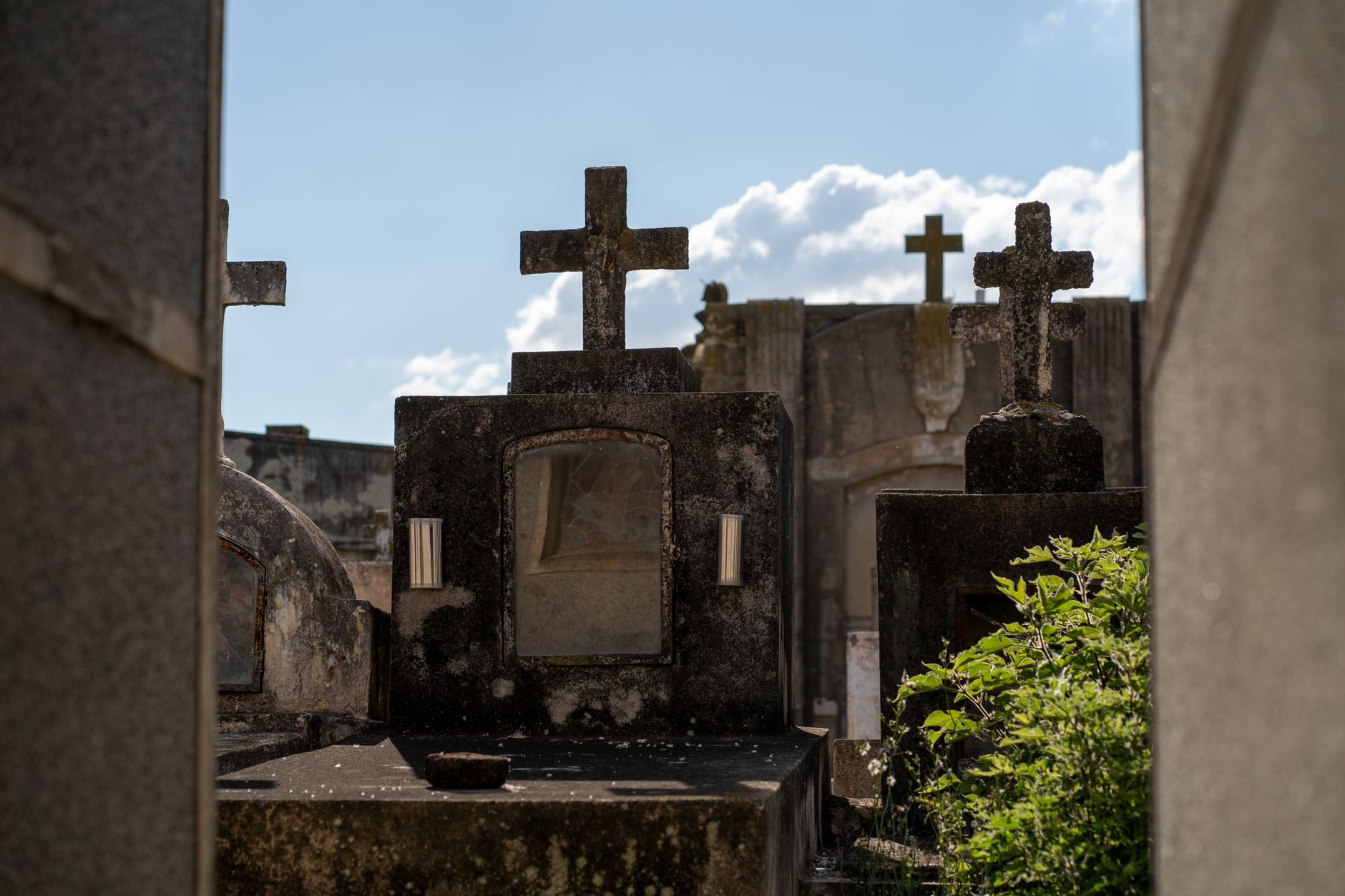
Most tourists flock straight to the heavily crowded Xoxocotlán cemeteries. Skip the worst of the crowds and head to these alternatives instead.
What to Eat: Sacred Flavors
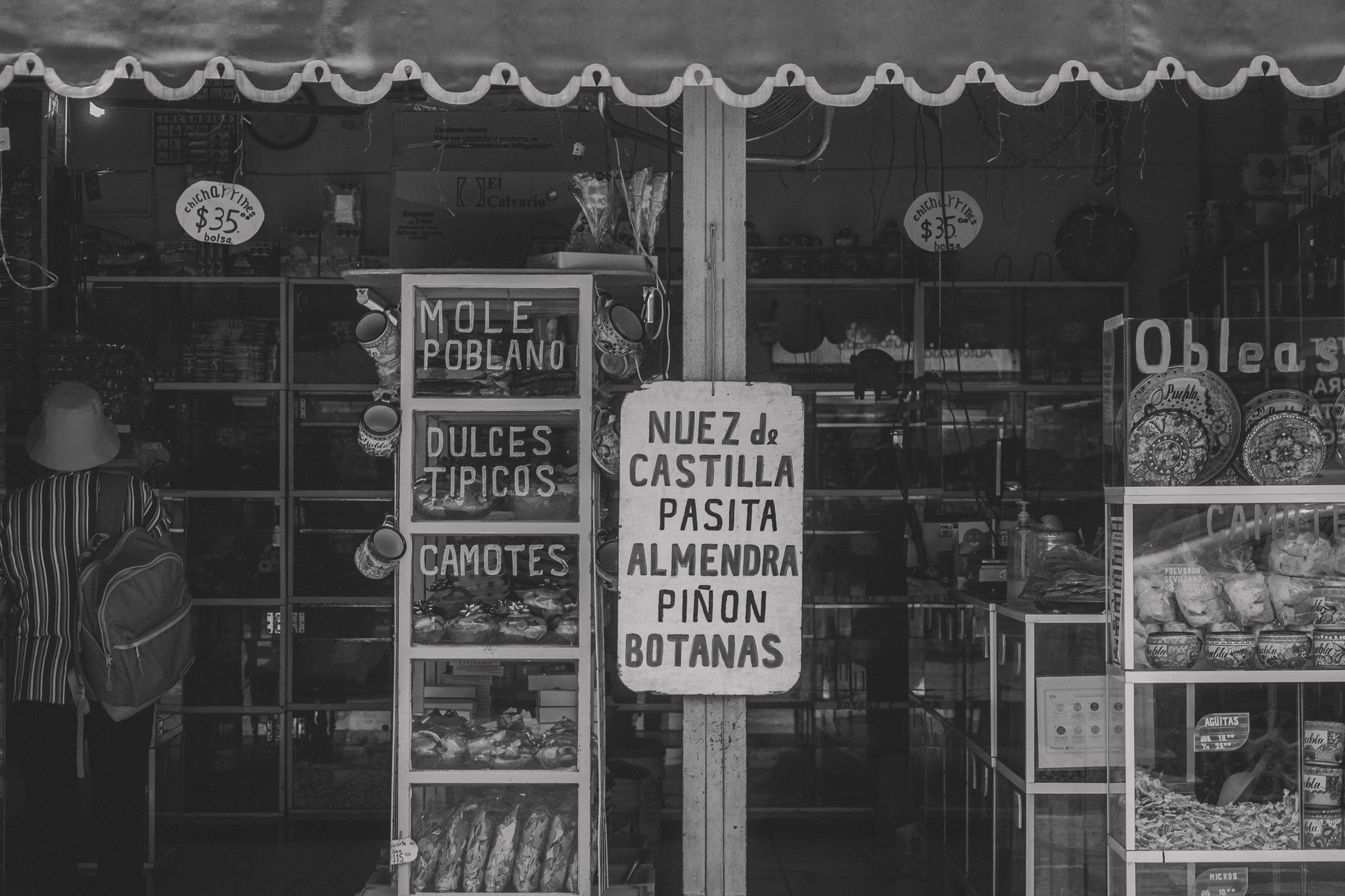
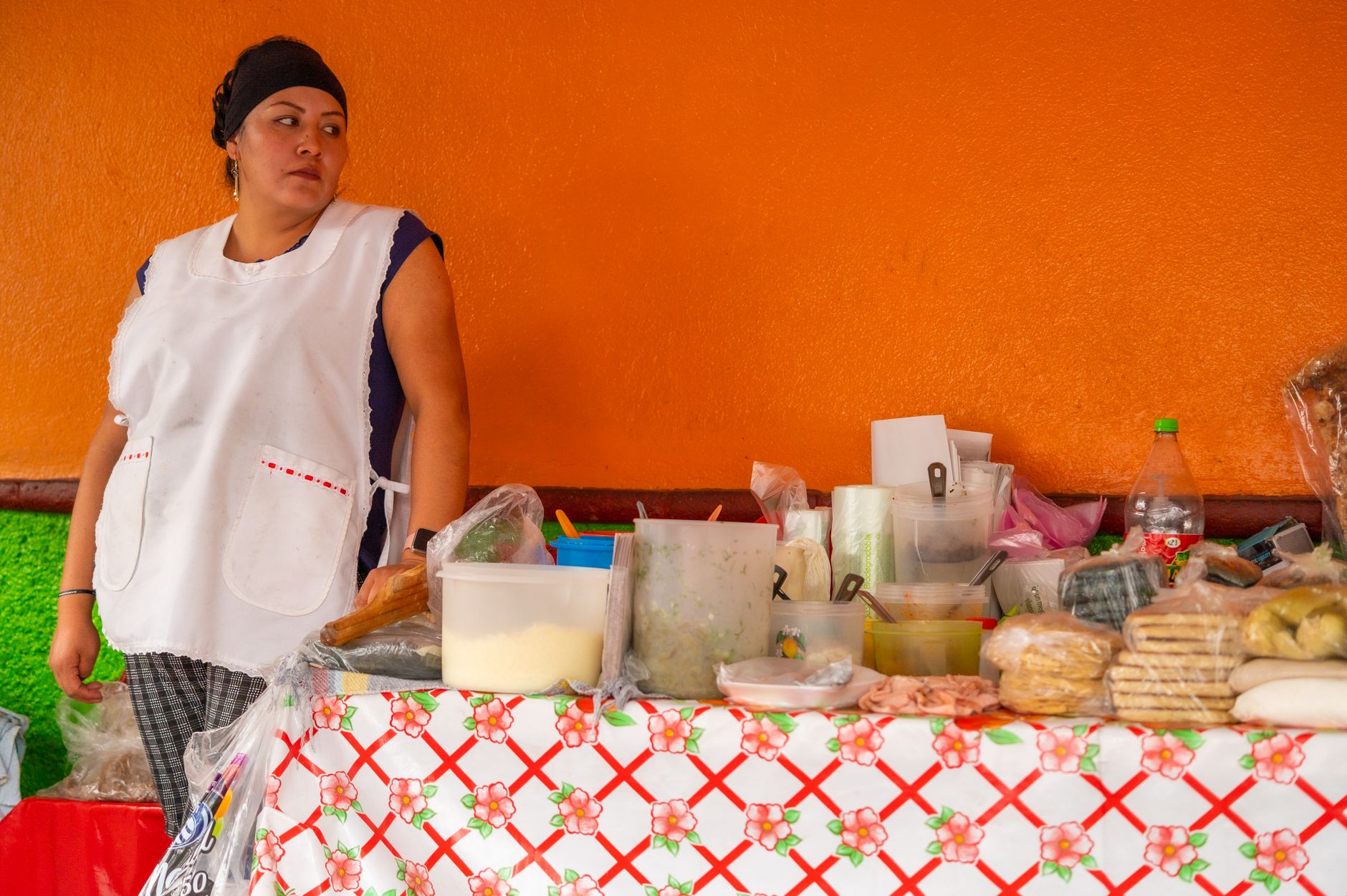
Oaxacan food during Day of the Dead is legendary. Skip the generic tourist restaurants and head straight to the markets for these three traditional items.

Safety & Scams: Don’t Get Caught Out
While violent crime is low, petty theft and tourist scams spike during the festival. Keep your wits about you and watch out for these three common traps.
Pickpocketing via Distraction
This is highly common in the crowded north end of Central de Abastos and inside Mercado Benito Juárez. Keep your phone in a front pocket, wear a crossbody bag zipped shut in front of you, and step inside a physical shop if you need to look at your phone or pull out cash.
The Pre-Wrapped Fake Mezcal Switch
Scammers at unofficial street stalls around the Zócalo let you taste high-quality artisanal mezcal, but swap it for a cheap, industrial counterfeit bottle wrapped in newspaper and duct tape at checkout. Only buy bottles featuring the official Comercam hologram, ‘Mezcal Artesanal’ label, and specific agave variety.
Taxi Overcharging
Outside the ADO bus terminal and near the Zócalo at night, drivers will try to charge double. Street taxis do not use meters, so always agree on the fare before stepping into the vehicle. Alternatively, use the DiDi app to hail official yellow taxis, which locks in a transparent, pre-calculated price.
Logistics & Cash
Oaxaca International Airport (OAX) is 9 km from Centro. Private airport taxis cost 200–300 MXN ($10–$15 USD) for Zone 1 (Centro) and up to 520 MXN ($26 USD) for Zone 2 (Reforma). Shared colectivos (shuttles) cost 140–200 MXN ($7–$10 USD) per person and drop you directly at your hotel. Buy tickets at the official kiosk inside the arrivals terminal.
Cash is king here. Street food vendors, cemetery stalls, and face painters do not accept cards. ATMs in Centro Histórico frequently run out of cash during the festival due to high demand. Withdraw cash early in the morning or at the airport, and keep small bills (20, 50, and 100 peso notes) handy.
In sit-down restaurants, a 10–15% tip is standard. Check your bill for ‘propina sugerida’ or ‘servicio’ to ensure a tip hasn’t already been added. Tipping is not expected for street food, but rounding up to the nearest 10 pesos is appreciated.
Frequently Asked Questions
Is Oaxaca safe for Day of the Dead?
Can I wear face paint inside the cemeteries?
How do I get from Oaxaca airport to the city center?
Stay Connected
A local physical SIM card costs about $8–$15 USD (150–300 MXN) at local Oxxo convenience stores. You’ll get excellent 5G/4G coverage in Oaxaca’s Centro Histórico, but signal drops to weak 3G or no service in the surrounding Sierra Juárez mountain villages. WiFi is generally reliable in modern Centro cafes, but older boutique hotels with thick adobe walls often suffer from dead zones inside rooms.
There are no major app blocks or VPN requirements in Mexico. However, if you are using an eSIM, you must ensure ‘Data Roaming’ is turned ON in your phone settings for the local partner network (usually Telcel or AT&T) to route data properly. If you want to skip the hassle of queuing at an Oxxo and swapping physical cards, grab a Mexico eSIM from Galactic Roam before you fly so you can navigate the moment you land.