Connect Globally

Trusted by Millions

Ubud Travel Guide: Exploring Bali’s Cultural and Spiritual Heart

Ubud Travel Guide: Exploring Bali’s Cultural and Spiritual Heart

Updated July 20, 2026. Ubud is marketed as Bali’s spiritual heart, but the reality is a beautiful, chaotic contradiction. If you are looking for a raw, honest ubud travel guide, you need to know that behind the yoga studios and misty rice fields lies a town of aggressive taxi cartels, phone-snatching monkeys, and strict local decrees. You come for the quiet temple walks, only to find yourself dodging scooter traffic and negotiating with macaques for your own sunglasses. I’ve spent years navigating these winding roads, dodging the tourist traps, and finding the spots that actually live up to the hype.

Quick Facts — Bali

Currency
Indonesian Rupiah (IDR)
Language
Indonesian and Balinese
Time zone
GMT+8 (Wita)
Plug type
Type C and F
Best time to visit
April to October (dry season)
Visa
Visa on Arrival (VoA) for 30 days

Key Takeaways

  • Best time to visit: April to September avoids the heavy monsoon rains.
  • Budget needed: Plan for $40 to $80 USD per day for mid-range travel.
  • Must book ahead: Authentic Bebek Betutu requires a 24-hour advance order.
  • Getting around: Scooters are fastest, but private drivers are safest for day trips.

The Pre-Arrival Essentials: Logistics & Laws

Before you even board your flight, Bali has a few administrative hurdles. You must pay the mandatory Tourist Levy of IDR 150,000 (about $10 USD) per person, which applies to everyone, including infants. Use the official ‘Love Bali’ portal to pay this before your arrival to avoid the massive queues at the airport.

If you plan to visit in March, check the calendar carefully. Nyepi, the Balinese Day of Silence, completely shuts down the entire island for 24 hours. No lights, no noise, no travel — even the airport closes, and you will be forced to stay inside your hotel.

Also, watch your visa dates. Overstaying your Visa on Arrival (VoA) carries a brutal fine of IDR 1,000,000 (approx. $62 USD) per day. They do not negotiate, and they will make you pay before you can board your flight home.

Things to See & Do: The Truth About Ubud’s Attractions

Ubud has plenty of sights, but some are heavily commercialized. Here is what you need to know to navigate the top spots without getting frustrated.

Sacred Monkey Forest Sanctuary

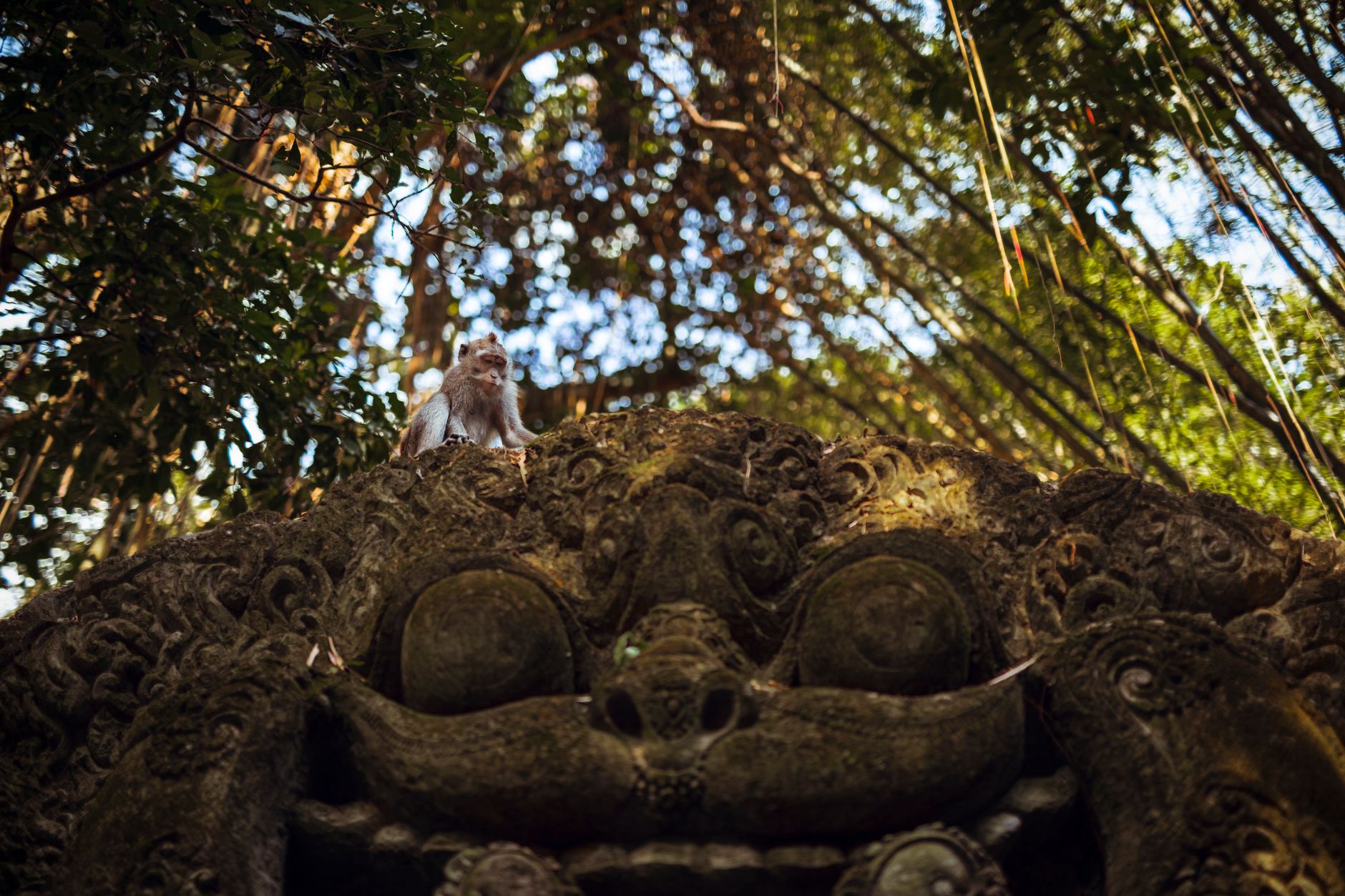
This 22-hectare jungle sanctuary is home to over 700 long-tailed macaques and three 14th-century temples. It is crowded, loud, and the monkeys are highly skilled thieves who will open your backpack zippers in seconds.
Sacred Monkey Forest Sanctuary Bali
A stone statue covered in moss inside the Sacred Monkey Forest Sanctuary.

Monkey Forest Survival Tips

To get the famous ‘monkey selfie’ where the macaque appears to hold your phone, pay the IDR 50,000 voucher fee to a staff handler. They place a peanut right behind your phone’s camera lens so the monkey reaches toward it, snapping the photo at that exact moment. Never bring plastic bags into the forest — the rustling sound triggers aggressive food-snatching behavior.

Tegalalang Rice Terraces

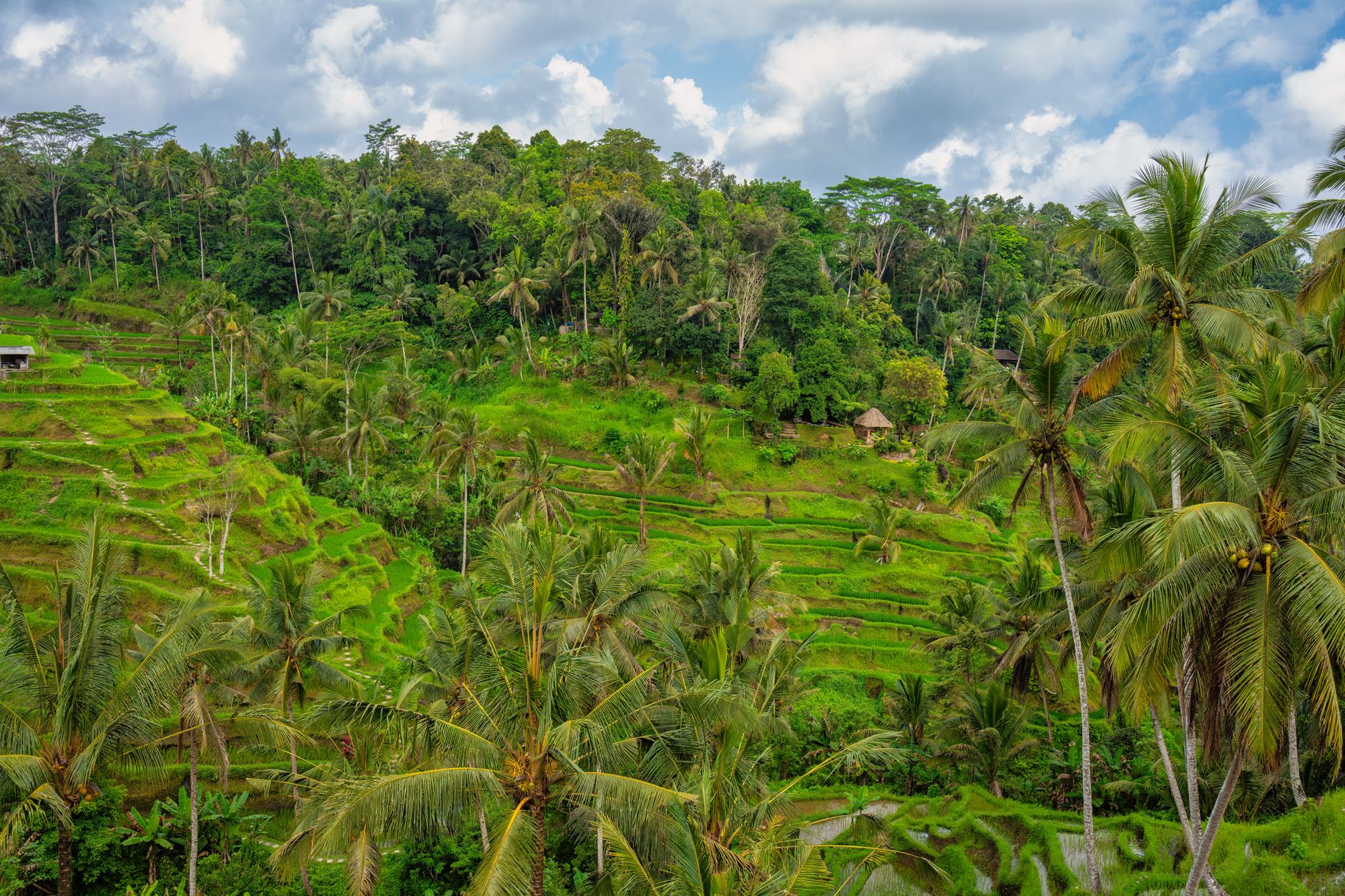
These layered rice paddies showcase the traditional Balinese ‘Subak’ cooperative irrigation system. They are beautiful, but the commercialization has gotten out of hand with swings and photo booths blocking the views.
Tegalalang Rice Terraces Bali
The layered green steps of Tegalalang Rice Terraces surrounded by palm trees.

Navigating the Donation Booths

While there is an official entrance fee of IDR 15,000–20,000, local landowners set up unofficial ‘donation booths’ every 50–100 meters along the walking paths. Carry a stack of small IDR 5,000 and 10,000 notes to pass these checkpoints without hassle. Alternatively, visit the far less commercialized Jatiluwih Rice Terraces where you pay a single entry fee and can walk freely.

Campuhan Ridge Walk

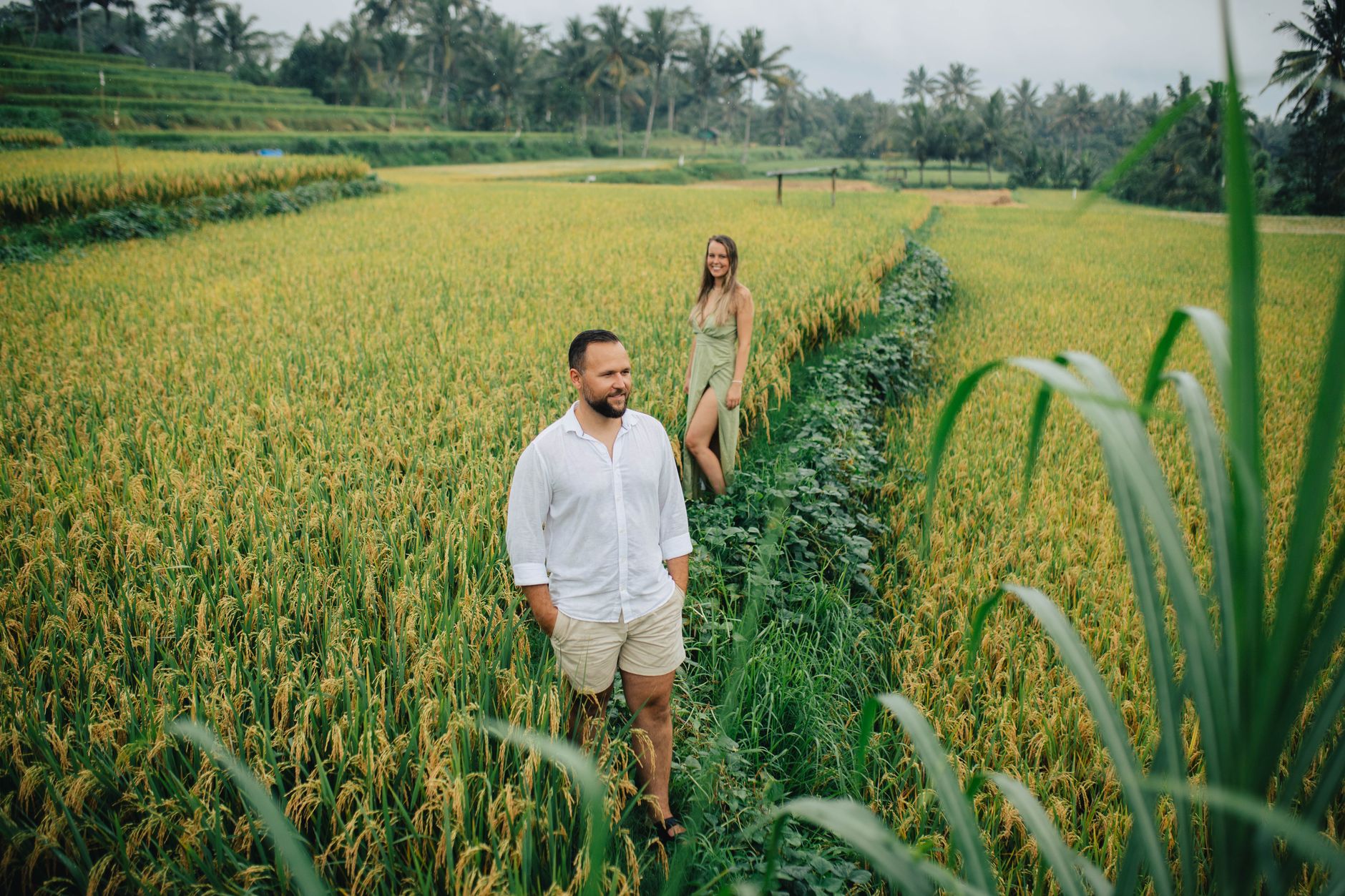
This is a scenic, car-free paved trail winding through rolling green hills and river valleys. It is one of the few places in central Ubud where you can walk without constantly looking over your shoulder for scooters.
Campuhan Ridge Walk Bali
A paved path cutting through the lush green hills of the Campuhan Ridge.

Beat the Heat

The path has absolutely zero shade and the stone paving reflects heat intensely. If you are not on the ridge by 7:30 AM, expect 30°C+ heat. The absolute best time is 5:45 AM to catch the sunrise and the morning mist sitting over the valley. Start the walk near the Warwick Ibah Villas entrance, following the path down toward Pura Gunung Lebah.

Where to Eat: Real Balinese Food vs. The Starbucks Illusion

Ubud has a strict local decree banning major fast-food chains like McDonald’s, KFC, and Burger King to preserve its cultural character. The only major global chain, Starbucks, had to blend in by occupying an old temple storehouse with a rustic wooden sign and no flashy neon branding. But skip the corporate coffee and head for the local warungs instead.


Bebek Betutu Bali food
A traditional Balinese slow-cooked duck dish served on banana leaves.

Bebek Betutu

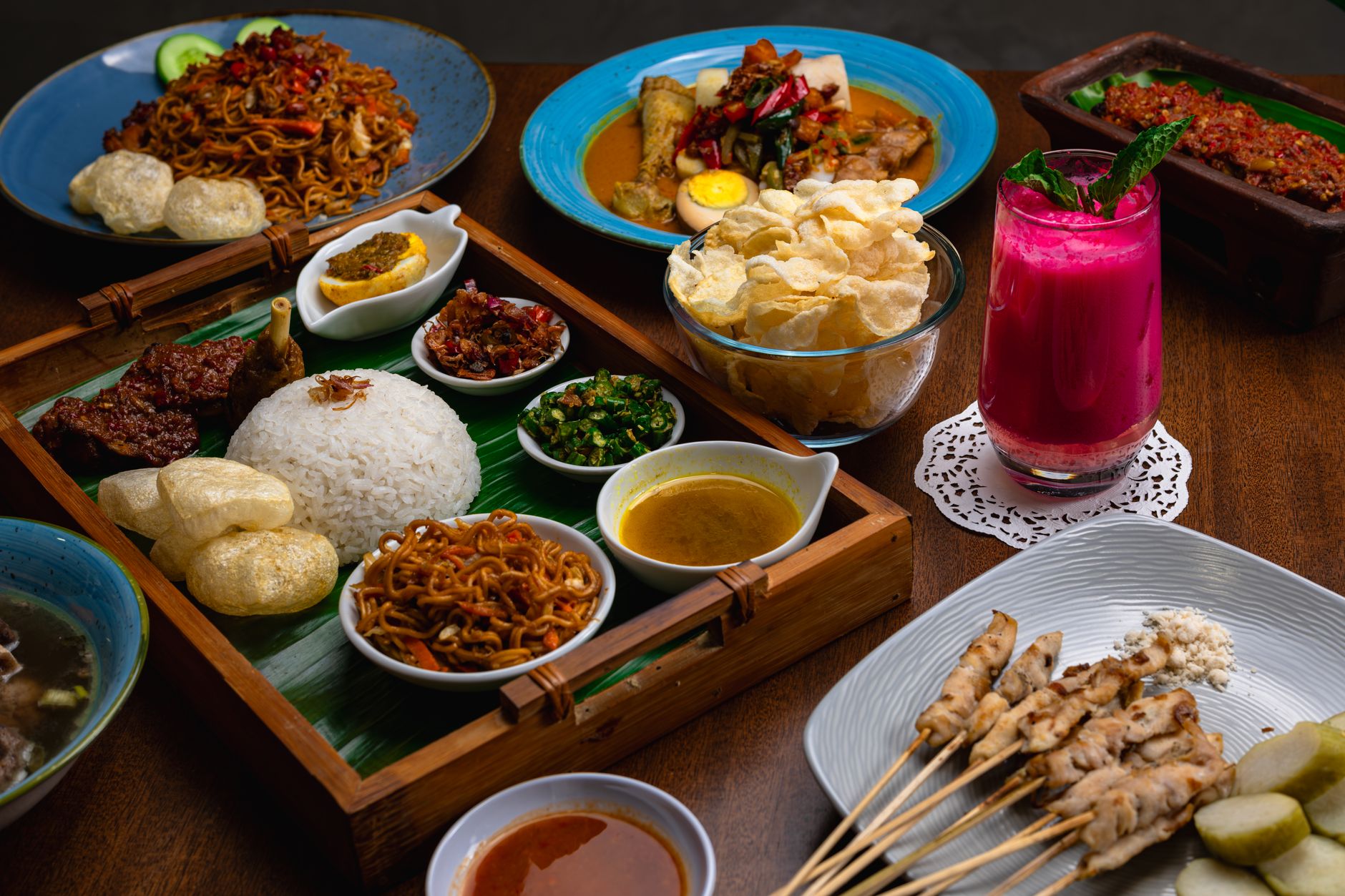
A whole duck stuffed with Base Genep (an 11-spice paste), wrapped tightly in banana leaves, and slow-baked or buried in hot coals for 8 to 10 hours until the meat falls off the bone. Get it at Betutu Ayam Pak Sanur or Tebesari Resto. Authentic versions require 24-hour advance ordering because of the long cooking process, costing between IDR 120,000 and 250,000 ($8 – $16 USD).

Babi Guling Bali food
Spiced pork skewers and traditional sambal condiments on a wooden table.

Babi Guling

A young pig stuffed with a rich spice paste of lemongrass, turmeric, ginger, and galangal, then spit-roasted over an open fire for 6 hours. It is served with crispy crackling skin, tender meat, lawar, and blood sausage. Skip the famous Warung Babi Guling Ibu Oka (opposite Ubud Palace) and head to Babi Guling Bu Ari in Peliatan for a cheaper, more authentic local favorite costing IDR 40,000 to 90,000 ($2.50 – $6 USD).

Nasi Campur Bali Bali food
A plate of Nasi Campur featuring chicken satay, rice, and mixed Balinese side dishes.

Nasi Campur Bali

A scoop of white rice surrounded by small portions of various Balinese dishes, including sate lilit (minced meat skewers), lawar, shredded chicken, and fiery sambal matah. Head to Warung Makan Teges in Peliatan, which has been serving authentic Nasi Campur for over 40 years. Expect to pay IDR 25,000 to 50,000 ($1.60 – $3.20 USD) per plate.

Safety & Scams: How to Protect Your Wallet

Ubud is generally safe, but the influx of tourism has bred some highly organized local scams. Knowing how they operate is the best way to shut them down instantly.

The Taxi Mafia and App Pick-up Bans

In central Ubud (especially near the Traditional Art Market, Ubud Palace, and Monkey Forest Road), local transport cooperatives strictly ban ride-hailing apps like Grab and Gojek. They use aggressive intimidation tactics against app drivers who try to pick up passengers. Drop-offs are perfectly fine, but to get a ride out, walk 200–300 meters away from the main intersections to a quieter street or near a local minimart before booking your ride.

The Fake Temple Guide and Mandatory Donation Scam

Outside major temples near Ubud (like Tirta Empul, Goa Gajah, and Pura Besakih), scammers dressed in traditional sarongs will intercept you before the official ticket counter. They will claim a guide is ‘mandatory’ due to a ‘special ceremony’ or demand a ‘mandatory donation’ to enter. Ignore them, walk straight to the official, clearly marked ticket booth, and buy a printed ticket. Sarongs are almost always provided for free or a tiny nominal fee (IDR 10,000) at the official entrance.

Drive-by Phone Snatching

On the winding roads between Kuta/Seminyak and Ubud, especially at night, thieves on scooters target tourists who have their phones mounted on scooter handlebars for navigation. They will pull up alongside you, grab the phone, and speed off. Keep your phone in a secure pocket or bag, and if you must navigate, use audio cues through earphones or pull over safely to check your map.

Getting Around & Where to Stay

Ubud is located 35 to 40 kilometers from Ngurah Rai International Airport (DPS). Because of the narrow, winding roads and constant bottlenecks, the drive can easily take 1.5 to 2.5 hours. A pre-arranged private transfer costs around IDR 300,000 to 450,000 ($20 – $30 USD) and is highly recommended over airport taxis, which often quote inflated flat rates of IDR 600,000+.

When it comes to money, cash is king. While modern cafes and luxury hotels accept credit cards (often with a 2-3% surcharge), cash (Indonesian Rupiah) is absolutely mandatory for local warungs, traditional markets, temple entry fees, and parking. Tipping is not traditionally expected in Bali, but leaving a 5-10% tip at local restaurants or rounding up taxi fares is highly appreciated.

Choosing where to stay depends on your style. Stay in Central Ubud (near Jalan Hanoman or Monkey Forest Road) if you want to walk to cafes and attractions. For a quieter, more authentic vibe with rice paddy views, choose Penestanan or Nyuh Kuning (just south of the Monkey Forest). For luxury jungle resorts, look at Sayan or Tegallalang.

Connectivity & Censorship

Staying connected in Bali is relatively straightforward, but there are a few local quirks you must navigate. First, Indonesia blocks certain websites (like Reddit and some adult content) under its ‘Internet Positif’ censorship program. If you need to access these, you will need a VPN.

Second, any phone imported from abroad must have its Imei registered to work with a local physical SIM card. If you are staying under 90 days, you can bypass this complex customs process by purchasing an official ‘Telkomsel Tourist Prepaid Card’ (PraBayar) from an authorized airport or GraPARI store, which automatically registers your device temporarily. This local SIM will cost you between IDR 200,000 to 400,000 ($12 – $25 USD) for 18GB to 50GB of data.

While 4G and 5G coverage is excellent in central Ubud, signals can drop or become patchy as you head deeper into the jungle valleys, deep ravines, or northern mountainous areas. Fortunately, WiFi is highly reliable. Ubud is a major digital nomad hub, so almost all cafes, yoga studios, and hotels offer fast, stable fiber-optic WiFi (often 50–100 Mbps).

FeatureLocal Physical SIMGalactic Roam eSIM
CostIDR 200,000 – 400,000 ($12 – $25)From $8
ActivationQueue at airport or GraPARI storeInstant, pre-arrival
Imei RegistrationRequired (handled at store)None required
Ready on arrivalOnly after queuing and setupYes
Data options18GB to 50GB1 GB / 3 GB / 5 GB / 10 GB

Frequently Asked Questions

What is the best way to get from Bali airport to Ubud?
Book a pre-arranged private transfer before your arrival. It costs around IDR 300,000 to 450,000 ($20 – $30 USD) and saves you from the aggressive airport taxi drivers who will try to charge you double. The drive takes 1.5 to 2.5 hours depending on traffic.
Is tap water safe to drink in Ubud?
No, do not drink the tap water in Ubud or anywhere else in Bali. It can cause ‘Bali Belly’ (severe stomach upset). Use bottled or filtered water even for brushing your teeth, and avoid ice at smaller, local street stalls.
How do I avoid the monkey forest scams and aggressive macaques?
Never bring food, plastic bags, or loose items like sunglasses and water bottles into the forest. If a monkey jumps on you, stay calm, do not scream, and do not try to pull away. Simply walk slowly until a staff member assists you, and pay the IDR 50,000 fee if you want a safe ‘monkey selfie’.
Do I need cash in Ubud or are credit cards widely accepted?
You absolutely need cash. While Western-style cafes, yoga studios, and hotels accept credit cards (often with a 2-3% surcharge), local warungs, traditional markets, taxi drivers, and temple entry fees require Indonesian Rupiah (IDR). Always carry small notes like IDR 5,000 and 10,000.

Before you pack your bags and head off to explore the misty ridges and temple ruins of Ubud, make sure your connectivity is sorted. Skip the long airport queues, the passport scans, and the complex Imei registration process by setting up your data beforehand. Grab a Bali eSIM from Galactic Roam before you fly, install it in seconds, and you will have reliable data the moment your plane touches down in Denpasar.

Get your Bali eSIM


The Peaceful Shores of Hoi An, Vietnam

Updated June 24, 2026 – Planning a trip to Vietnam? The best things to do in Hoi An include exploring the lantern-lit Ancient Town, relaxing on An Bang Beach, and tasting local Cao Lau noodles. To navigate these attractions seamlessly, we highly recommend purchasing a high-speed Vietnam eSIM online before your arrival.

Top Things to See and Do in Hoi An


Ancient streets of Hoi An Vietnam
Fig 1. Lantern-lit streets create a magical atmosphere in Hoi An’s ancient town.

Hoi An’s timeless charm lies in its beautifully preserved architecture, peaceful riverside setting, and rich culinary heritage. To ensure you can navigate the winding alleys without interruption, set up your mobile data with a Galactic Roam Vietnam eSIM before departure. Here are the top experiences you cannot miss:

  • Stroll through the Ancient Town to admire the centuries-old merchant houses and assembly halls.
  • Visit the Japanese Covered Bridge, an iconic 16th-century symbol of multicultural history.
  • Relax on An Bang Beach, a pristine stretch of sand perfect for sunbathing and fresh seafood.
  • Savor local delicacies like savory Cao Lau noodles and delicate white rose dumplings.
  • Take a sunset boat ride on the Thu Bon River to watch the town light up from the water.
  • Explore the bustling Night Market to shop for handmade silk lanterns and local crafts.

These essential highlights capture the very best of Hoi An. Whether you are seeking cultural immersion, coastal relaxation, or world-class street food, this historic destination delivers an unforgettable escape. If you are planning to extend your travels in Southeast Asia, check out our palawan travel guide to learn how to explore El Nido and Coron responsibly.

How to Stay Connected While Exploring Hoi An


Lanterns over river in Hoi An
Fig 2. Colorful lanterns illuminate the Thu Bon River, adding magic to Hoi An nights.

Having reliable internet access makes exploring Hoi An seamless and stress-free. With global eSIM adoption climbing past 1.5 billion in 2026, digital data plans have become the standard for modern travelers. Enjoy instant, high-speed connectivity across Vietnam with a premium Galactic Roam eSIM—allowing you to bypass physical SIM cards and avoid expensive roaming charges entirely.

Explore our eSIM options for Vietnam here

Singapore: A Futuristic City with Green Soul

Singapore is a dazzling metropolis known for its cutting-edge architecture, vibrant culture, and dedication to sustainability. This city-state seamlessly blends futuristic innovation with lush green spaces, offering travelers an experience that’s both modern and refreshingly natural. Planning your travel to Singapore? This guide uncovers the top things to know before visiting Singapore to help you explore its dynamic charm.

What to See and Do in Singapore


Singapore Marina Bay Sands and Gardens by the Bay
Fig 1. The iconic Marina Bay Sands and Gardens by the Bay light up Singapore’s skyline.

Singapore offers an inspiring blend of modern city life and abundant green spaces. Here are some top attractions and experiences to include in your visit:

  • Explore Gardens by the Bay – marvel at the futuristic Supertree Grove and climate-controlled conservatories.
  • Visit Marina Bay Sands SkyPark for stunning panoramic views of the city skyline and harbor.
  • Wander through the Singapore Botanic Gardens, a UNESCO World Heritage Site with beautiful tropical flora.
  • Discover vibrant neighborhoods like Chinatown, Little India, and Kampong Glam for culture and cuisine.
  • Experience Singapore’s hawker centers. What to eat in Singapore? Try chili crab, laksa, and Hainanese chicken rice.
  • Take a river cruise along the Singapore River to see historic bridges and modern architecture.

These are just a few of the top things to do in Singapore. Whether you’re drawn to innovation, nature, or multicultural experiences, Singapore offers something for every traveler. If you are planning to extend your Southeast Asian adventure to the Philippines, don’t miss our comprehensive palawan travel guide to help you explore El Nido and Coron responsibly.

Stay Connected While Exploring Singapore


Singapore night cityscape
Fig 2. Singapore’s cityscape dazzles at night with lights reflecting on the river.

Staying connected helps you navigate Singapore’s efficient transport system, find local hotspots, and share your adventures instantly. With Galactic Roam eSIMs, enjoy reliable, affordable data throughout Singapore without the hassle of physical SIM cards or roaming fees.

Explore our eSIM options for Singapore here

Sri Lanka’s Cultural Triangle: Ancient Wonders

Sri Lanka’s Cultural Triangle is a treasure trove of ancient history, dotted with stunning ruins, majestic temples, and lush landscapes. This region, rich in archaeological wonders and spiritual heritage, offers travelers a captivating glimpse into the island’s past. Planning your travel to Sri Lanka? This guide highlights the top things to know before exploring Sri Lanka’s Cultural Triangle for an unforgettable journey.

What to See and Do in Sri Lanka’s Cultural Triangle


Sigiriya Rock Fortress Sri Lanka
Fig 1. The iconic Sigiriya Rock Fortress rising above the lush Sri Lankan landscape.

The Cultural Triangle of Sri Lanka is home to UNESCO World Heritage Sites, ancient cities, and sacred temples that tell stories of a bygone era. Here are some highlights you should not miss:

  • Climb Sigiriya Rock Fortress – marvel at the frescoes, water gardens, and panoramic views from this ancient palace ruin.
  • Visit the ancient city of Anuradhapura, known for its well-preserved stupas and sacred Bodhi tree.
  • Explore Polonnaruwa, a medieval capital with impressive ruins, including royal palaces and Buddha statues.
  • Discover Dambulla Cave Temple, adorned with colorful murals and Buddha statues inside a network of caves.
  • Experience local Sri Lankan cuisine. What to eat in the Cultural Triangle? Try hoppers, kottu roti, and fresh tropical fruits.
  • Take a wildlife safari in nearby Minneriya National Park to witness the famous elephant gatherings.

These are just a few of the top things to do in Sri Lanka’s Cultural Triangle. Whether you’re a history enthusiast, nature lover, or spiritual traveler, this region offers a deep connection to Sri Lanka’s heritage and natural beauty.

Stay Connected While Exploring Sri Lanka’s Cultural Triangle


Ancient temple in Sri Lanka's Cultural Triangle
Fig 2. The serene ruins of ancient temples invite reflection and exploration.

Staying connected helps you navigate remote areas, research historical sites, and share your journey in real-time. With Galactic Roam eSIMs, enjoy reliable and affordable data coverage throughout Sri Lanka—no need for physical SIM cards or expensive roaming fees.

Explore our eSIM options for Sri Lanka here

Exploring the Deserts of Rajasthan, India

Rajasthan, India’s vast desert kingdom, is a land of golden dunes, majestic forts, and vibrant culture. Known for its colorful festivals, historic palaces, and the timeless charm of the Thar Desert, Rajasthan offers travelers a unique blend of adventure and tradition. Planning your travel to Rajasthan? This guide uncovers the top things to know before exploring Rajasthan’s deserts to help you experience this magical region. If this is your first time visiting the country, our india travel guide provides essential tips to help you prepare.

What to See and Do in the Deserts of Rajasthan


Desert dunes in Rajasthan India
Fig 1. The golden sands of Rajasthan’s Thar Desert stretch to the horizon under a vivid sky.

Rajasthan’s deserts are filled with enchanting experiences, from camel safaris to vibrant cultural festivals. Here are some highlights you won’t want to miss:

  • Take a camel safari in Jaisalmer – ride through the sweeping dunes and camp under the starry desert sky.
  • Explore the Jaisalmer Fort, an imposing sandstone fortress bustling with shops and local life.
  • Visit the Sam Sand Dunes for spectacular sunset views and traditional Rajasthani folk performances.
  • Experience Rajasthani cuisine. What to eat in Rajasthan’s desert region? Try dal bati churma, gatte ki sabzi, and sweet desserts like ghewar.
  • Discover the desert oasis town of Bikaner, famous for its palaces, temples, and camel breeding farms.
  • Attend the Desert Festival in Jaisalmer, a colorful celebration of local music, dance, and traditions.

These are just a few of the top things to do in Rajasthan’s deserts. Whether you seek adventure, history, or cultural immersion, the desert landscape promises unforgettable memories. If you are planning to explore other historic regions across the globe, be sure to check out our turkey travel guide for your next big trip.

Stay Connected While Exploring Rajasthan


Camels walking in Rajasthan desert
Fig 2. A caravan of camels makes its way across the Thar Desert’s vast sands.

Staying connected while exploring Rajasthan’s deserts helps you navigate remote areas and share your incredible experiences. With Galactic Roam eSIMs, enjoy seamless and affordable data coverage throughout India—without swapping SIM cards or incurring high roaming fees. If you plan to visit other major hubs in the country, check out our mumbai travel guide to help you navigate the bustling metropolis.

Explore our eSIM options for India here

Taipei: Night Markets, Temples, and Skyline Views

Taipei, Taiwan’s vibrant capital, is a city where modern skyscrapers stand alongside historic temples and bustling night markets. Known for its friendly atmosphere, delicious street food, and stunning city views, Taipei invites travelers to experience a lively blend of tradition and innovation. Planning your travel to Taipei? This guide reveals the top things to know before visiting Taipei to make the most of your trip.

What to See and Do in Taipei


Taipei skyline with Taipei 101
Fig 1. Taipei’s skyline illuminated at night with the iconic Taipei 101 tower.

Taipei offers an exciting mix of cultural landmarks, delicious food, and lively entertainment. Here are some highlights to explore:

  • Explore the night markets – indulge in street food favorites like stinky tofu, bubble tea, and oyster omelets at places like Shilin and Raohe Night Markets.
  • Visit Longshan Temple, one of Taipei’s oldest and most revered temples, rich in history and ornate architecture.
  • Ascend Taipei 101 for panoramic city views from one of the world’s tallest skyscrapers.
  • Wander through Daan Forest Park, a green oasis perfect for a peaceful stroll or picnic.
  • Discover the National Palace Museum, home to one of the largest collections of Chinese imperial artifacts.
  • Enjoy hot springs in nearby Beitou, a relaxing escape just a short MRT ride from the city center.

These are just a few of the top things to do in Taipei. Whether you’re a foodie, history enthusiast, or urban explorer, Taipei offers unforgettable experiences day and night. If you plan to explore beyond the capital, check out our 10-day taiwan itinerary. If you are planning to visit other major hubs in Asia, be sure to check out our hong kong travel guide for your next adventure.

Stay Connected While Exploring Taipei


Taipei night market food stalls
Fig 2. Colorful stalls and vibrant crowds at a Taipei night market.

From navigating night markets to sharing breathtaking skyline views, staying connected enhances every moment in Taipei. With Galactic Roam eSIMs, enjoy affordable and reliable data coverage throughout Taiwan—no physical SIM swaps or roaming fees required.

Explore our eSIM options for Taiwan here

Trekking Through Nepal’s Annapurna Circuit

Nepal’s Annapurna Circuit is one of the world’s most celebrated trekking routes, weaving through stunning mountain landscapes, traditional villages, and diverse cultures. This trek offers adventurers a mix of breathtaking views and authentic Himalayan experiences. Planning your travel to Nepal? This guide covers the top things to know before trekking the Annapurna Circuit to prepare you for an unforgettable journey.

What to See and Do on the Annapurna Circuit


Annapurna mountain range Nepal
Fig 1. Snow-capped peaks of the Annapurna mountain range seen during the trek.

The Annapurna Circuit offers a rich blend of nature, culture, and challenge. Trek through rhododendron forests, cross high mountain passes, and meet warm-hearted locals. Here are some highlights to look out for:

  • Cross Thorong La Pass – the highest point of the trek at 5,416 meters, offering panoramic Himalayan views.
  • Visit Manang Village, a charming stopover known for its traditional culture and stunning landscapes.
  • Explore the hot springs in Tatopani to relax tired muscles after days of trekking.
  • Experience Nepali cuisine. What to eat on the Annapurna Circuit? Try dal bhat (lentil rice), momo (dumplings), and yak cheese dishes.
  • Discover local monasteries and chortens that dot the landscape, offering spiritual insights and peaceful resting spots.
  • Trek through diverse ecosystems, from lush subtropical forests to alpine meadows and barren mountain terrain.

These are just a few of the top things to do on the Annapurna Circuit. Whether you’re an experienced trekker or a nature lover, this journey offers awe-inspiring beauty and cultural richness at every step.

Stay Connected While Trekking the Annapurna Circuit


Mountain village on Annapurna Circuit trek Nepal
Fig 2. A peaceful mountain village nestled along the Annapurna Circuit trail.

Staying online while trekking allows you to share breathtaking moments, check weather updates, and navigate remote trails with confidence. With Galactic Roam eSIMs, you get reliable, affordable data coverage throughout Nepal—without the need for physical SIM swaps or expensive roaming fees.

Explore our eSIM options for Nepal here

South Korea’s Jeju Island: Nature and Myth

Jeju Island, South Korea’s volcanic gem, is a place where natural wonders meet ancient myths. Famous for its lava tubes, waterfalls, and unique culture, Jeju offers visitors a refreshing escape from the mainland’s bustle. Planning your travel to Jeju Island? This guide shares the top things to know before visiting Jeju, helping you explore its breathtaking landscapes and rich legends.

What to See and Do on Jeju Island


Seongsan Ilchulbong Peak on Jeju Island, South Korea
Fig 1. Sunrise at Seongsan Ilchulbong, a UNESCO World Heritage volcanic crater on Jeju Island.

Jeju’s allure lies in its blend of spectacular geology, lush nature, and captivating folklore. From hiking volcanic cones to exploring mysterious lava caves, here are some must-do experiences:

  • Climb Seongsan Ilchulbong (Sunrise Peak) – catch the stunning dawn light over the ocean and crater.
  • Explore Manjanggul Lava Tube, one of the longest lava tubes in the world, filled with fascinating rock formations.
  • Visit Jeju Folk Village to immerse yourself in traditional island culture and crafts.
  • Sample Jeju’s local cuisine. What to eat on Jeju? Try black pork BBQ, fresh seafood, and hallabong citrus.
  • Relax at Jeongbang Waterfall, one of the few waterfalls in Asia that falls directly into the ocean.
  • Discover the myths of the Haenyeo, Jeju’s legendary female divers, through museums and coastal villages.

Whether you’re seeking adventure, culture, or serene landscapes, Jeju Island offers a magical journey through nature and myth that will stay with you long after you leave. If you are also planning to explore the capital, be sure to check out our seoul travel guide to plan the perfect multi-city itinerary.

Stay Connected While Exploring Jeju Island


Jeju coastal cliffs and ocean view
Fig 2. Dramatic coastal cliffs on Jeju Island offer breathtaking views and tranquil moments.

Staying online while exploring Jeju Island’s natural wonders ensures you never miss a moment or a map update. With Galactic Roam eSIMs, enjoy reliable, affordable data coverage across South Korea without the hassle of physical SIM swaps or roaming fees.

Explore our eSIM options for South Korea here

A Soulful Journey Through Varanasi, India

Varanasi, one of the oldest living cities in the world, is India’s spiritual heart—where life, death, and devotion converge along the sacred Ganges. Known for its ghats, rituals, and timeless rhythm, Varanasi offers a raw, soulful experience unlike any other. Planning your travel to Varanasi? This guide shares the top things to know before visiting Varanasi and how to embrace its deep spiritual energy.

What to See and Do in Varanasi


Boats on the Ganges River in Varanasi, India
Fig 1. Morning light reveals boats drifting through the mist on the sacred Ganges River.

Varanasi is not just a destination—it’s a feeling. The chants of priests, scent of incense, and endless flow of pilgrims create an atmosphere unlike anywhere else. Here are the top experiences to seek out:

  • Attend the Ganga Aarti at Dashashwamedh Ghat – a stunning evening ritual of light and prayer offered to the river goddess.
  • Take a sunrise boat ride along the Ganges to witness daily life unfolding along the ghats and temples.
  • Wander the old city lanes — discover hidden shrines, local markets, and the pulse of daily spiritual life.
  • Experience Varanasi’s street food. What to eat in Varanasi? Try kachori sabzi, jalebi, lassi, and Banarasi paan.
  • Visit Sarnath, the nearby site where Buddha gave his first sermon after enlightenment.
  • Explore the temples like Kashi Vishwanath, a revered Jyotirlinga dedicated to Lord Shiva.

These are just a few of the top things to do in Varanasi. Whether you’re a spiritual seeker, cultural explorer, or first-time visitor, Varanasi invites deep reflection, awe, and soulful connection. If you are planning a larger trip, our india travel guide offers essential tips for your journey. If your journey continues to India’s bustling financial hub, check out our mumbai travel guide to help you navigate the Maximum City.

Stay Connected While Experiencing Varanasi


Ghats of Varanasi at dusk
Fig 2. Sunset over the ghats — a sacred space where rituals, life, and the river flow together.

Whether you’re navigating narrow lanes or streaming the mesmerizing Ganga Aarti live, staying online can enrich your time in Varanasi. With Galactic Roam eSIMs, enjoy affordable and reliable data in India—no SIM swapping, no roaming surprises. Just seamless connectivity from the riverbanks to the rooftops.

Explore our eSIM options for India here

Vietnam’s Ha Long Bay: Nature’s Masterpiece

Ha Long Bay, a UNESCO World Heritage Site located in northern Vietnam, is a vision of mystical beauty with its emerald waters and thousands of limestone karsts rising like sentinels from the sea. Often featured in travel magazines and adventure films, this natural wonder captures the imagination of every traveler. Planning your travel to Ha Long Bay? This guide highlights the top things to know before visiting Ha Long Bay and unveils the best ways to explore its timeless seascape.

What to See and Do in Ha Long Bay


Ha Long Bay limestone karsts and emerald waters
Fig 1. Ha Long Bay’s dramatic seascape — a dreamlike world of stone towers and still waters.

Ha Long Bay’s allure lies in its surreal landscape, dotted with over 1,600 limestone islands and islets. The bay is best explored slowly, allowing time to absorb the scenery, discover hidden coves, and learn about its fascinating legends. Here are some of the must-do activities:

  • Take an overnight cruise – sleep on a traditional junk boat and wake up to the tranquility of the bay at dawn.
  • Visit Sung Sot Cave (Surprise Cave), the largest and most impressive cave in the bay, featuring dramatic stalactites and rock formations.
  • Kayak through hidden lagoons and floating villages like Cửa Vạn — experience the bay’s serenity up close.
  • Climb Ti Top Island for panoramic views — the short hike rewards you with one of the best vistas of Ha Long Bay.
  • Sample fresh seafood. What to eat in Ha Long Bay? Try grilled squid, seafood hot pot, and bánh cuốn (steamed rice rolls).
  • Explore Cat Ba Island, the largest island in the bay, home to rugged trails, beaches, and a national park filled with rare wildlife.

These are just a few of the top things to do in Ha Long Bay. Whether you’re seeking peaceful moments on the water, geological wonders, or unforgettable sunsets, Ha Long Bay promises a natural escape like no other. If you are also considering other world-class island-hopping destinations in Southeast Asia, check out our comparison of el nido vs coron to plan your next adventure, and don’t miss our ultimate guide to el nido island hopping to choose the perfect tour.

Stay Connected While Cruising Ha Long Bay


Traveler enjoying the view in Ha Long Bay
Fig 2. A quiet moment in Ha Long Bay — where nature’s artistry is on full display.

Staying online during your Ha Long Bay adventure helps with navigation, trip planning, and capturing perfect moments to share. With Galactic Roam eSIMs, you get reliable and affordable mobile data across Vietnam—ideal for checking cruise details, finding seafood spots, or translating menus on the go. Skip the SIM card hassles and enjoy seamless connectivity from Hanoi to the bay.

Explore our eSIM options for Vietnam here