Everyone told me you need a corporate connection or a miracle to get into a Munich Oktoberfest tent without a reservation. They’re wrong — and believing them means you’ll miss out on the world’s greatest party. I’ve navigated the chaotic grounds of the Theresienwiese, and this Munich Oktoberfest guide will show you how to get a table, avoid the brutal tourist traps, and drink like a local in 2026. Here is what you actually need to know before the first keg is tapped.
7.4M
Liters Consumed
6M+
Annual Visitors
6.3%
Max ABV Strength
€15.90
Max 2026 Maß Price
The Basics: Getting In and Getting a Beer
The 191st Munich Oktoberfest runs from Saturday, September 19 to Sunday, October 4, 2026. The official opening ceremony, “O’zapft is!”, happens at exactly 12:00 PM on the first Saturday in the Schottenhamel tent. No beer can be served anywhere on the grounds before the Mayor taps that very first keg.
If you don’t have a reservation, don’t panic. By festival rules, large tents must keep a significant portion of their seats unreserved for walk-ins: 25% on weekdays and 40% on weekends before 3:00 PM. Show up by 11:00 AM on weekdays or 9:00 AM on weekends, and you’ll walk right in.
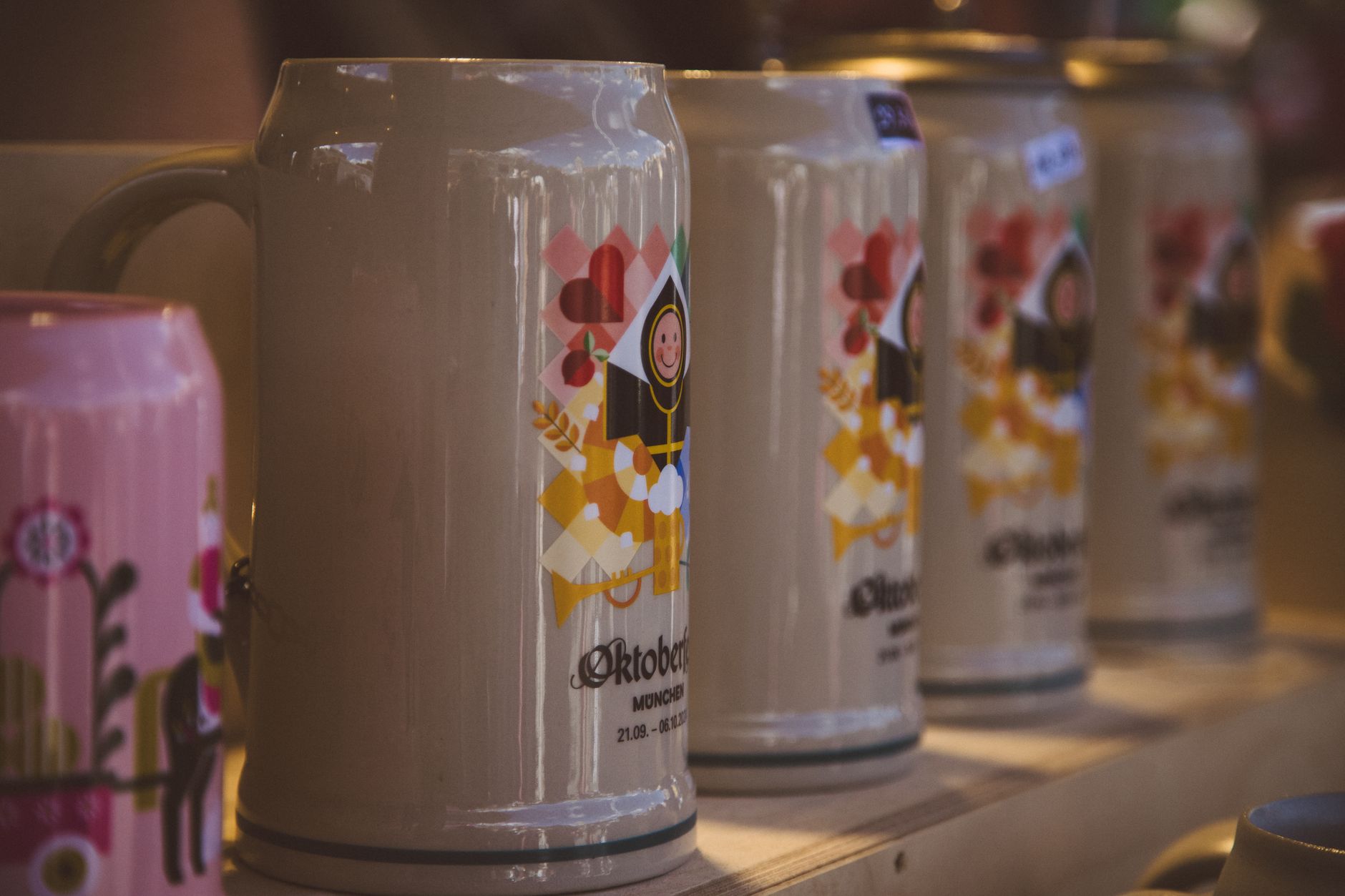
Oktoberfest beer is stronger than regular beer, typically ranging from 5.8% to 6.3% ABV. It’s brewed specifically for the festival under the strict 1516 Bavarian Purity Law. In 2026, the price of a one-liter Maß of beer ranges from €14.80 to €15.90, which is a 2.38% bump from last year.
Attractions Actually Worth Your Time
Oktoberfest is more than just massive beer tents. The fairgrounds are packed with rides, shows, and historical corners that most tourists walk right past because they’re too focused on the next liter of lager.
Oide Wiesn (Historic Oktoberfest)
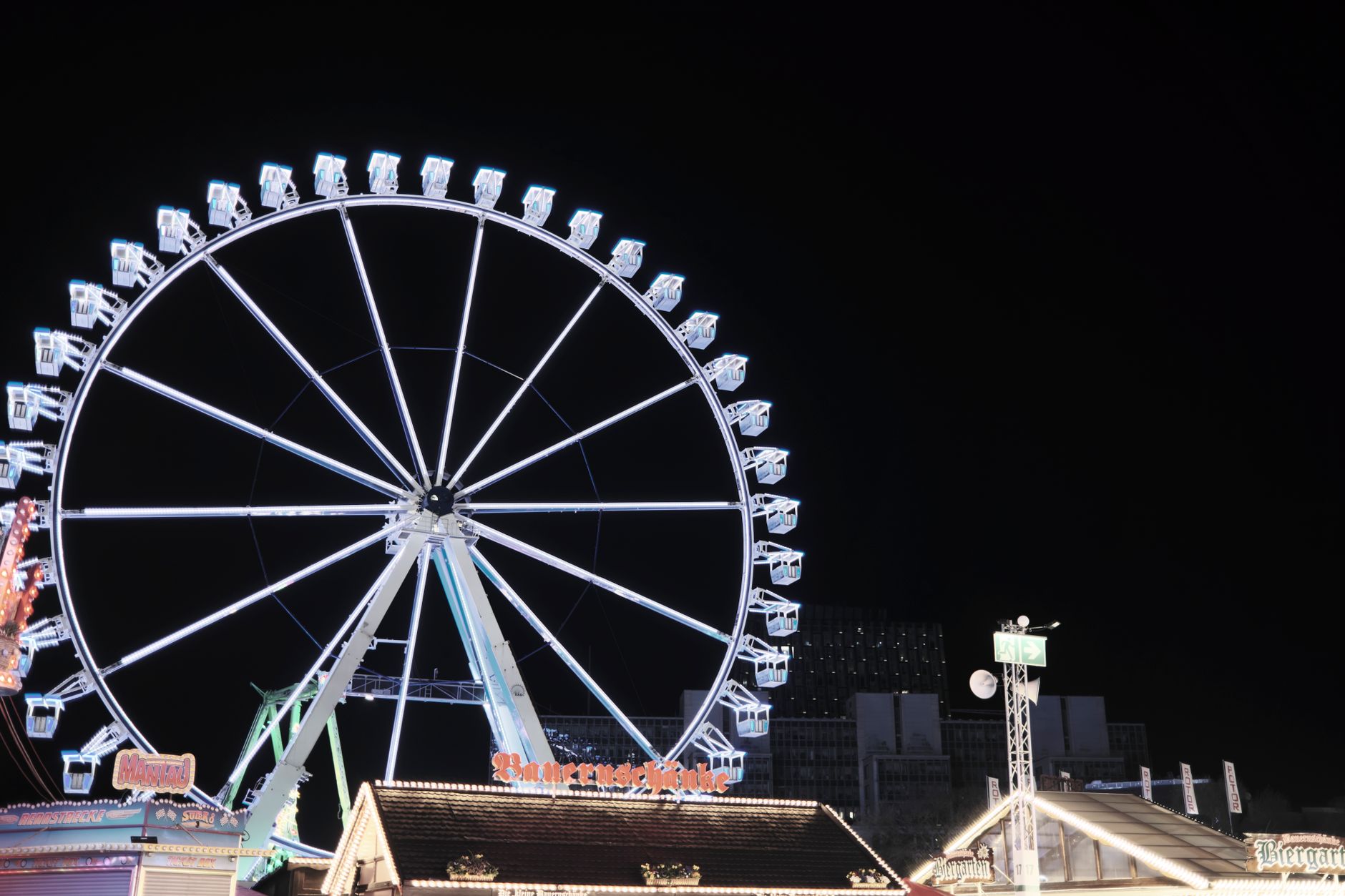
This nostalgic section on the south side of the grounds recreates the festival as it looked before 1980. Entry is €4, but it becomes free after 9:00 PM via the exits. The vintage rides here cost only €1.50 each compared to €5–€10+ in the main area.
Teufelsrad (Devil’s Wheel)
Operating since 1910, this physics-defying ride challenges participants to stay on a rapidly spinning wooden platform. Pay the small entry fee to sit in the stands. The real entertainment is the highly sarcastic Bavarian commentary from the host.
Bavaria Statue
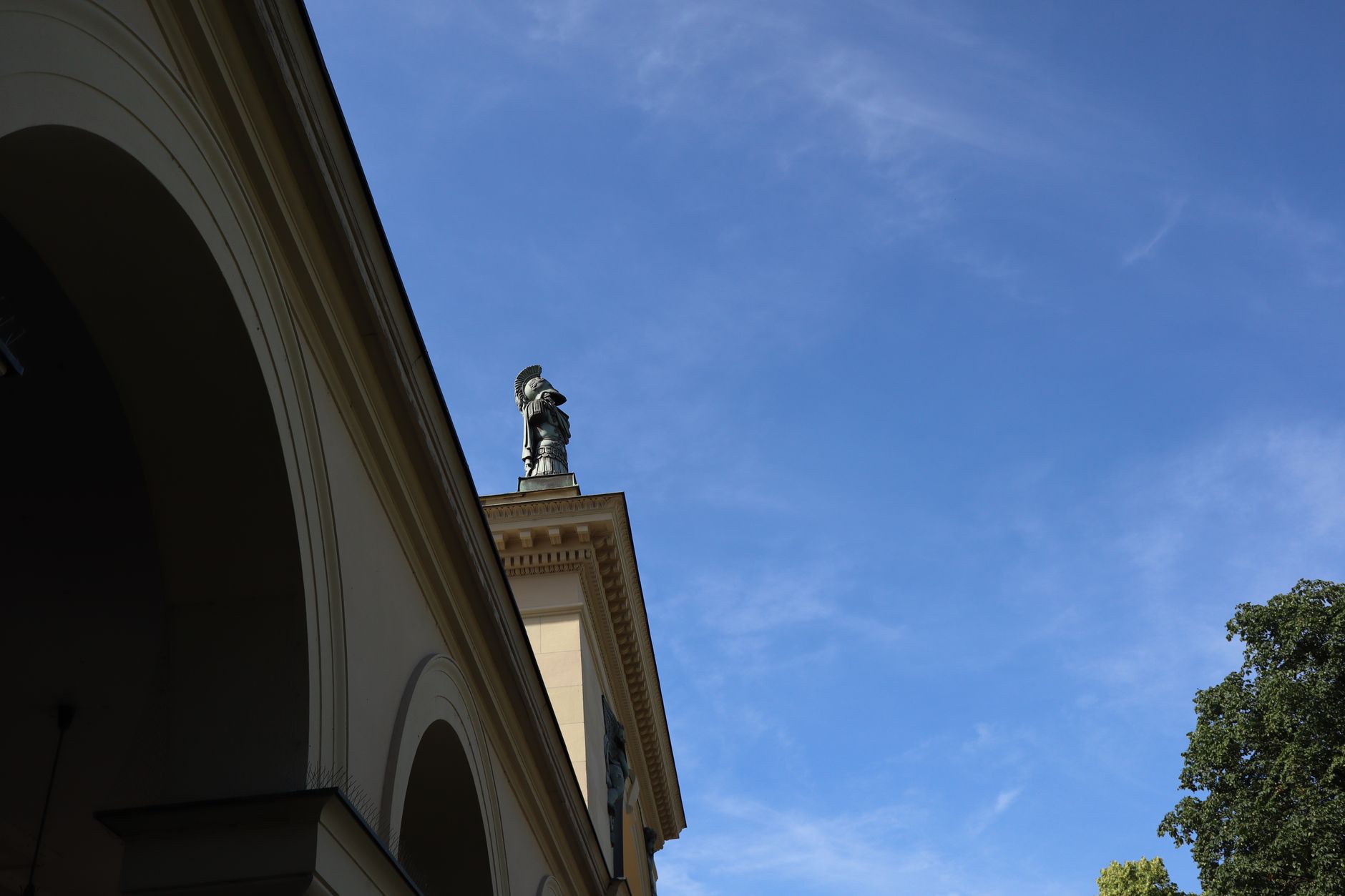
This iconic, 18-meter-tall bronze statue overlooks the entire festival grounds. You can climb a tight spiral staircase inside the statue to look out of small viewing slits in her head. It costs €5.50 and stays open until 8:00 PM.
What to Eat Between Beers
Drinking heavy Bavarian beer on an empty stomach is a rookie mistake you’ll only make once. Skip the generic hot dog stands and seek out these traditional festival specialties instead.
Wiesn-Hendl (Half Roast Chicken)
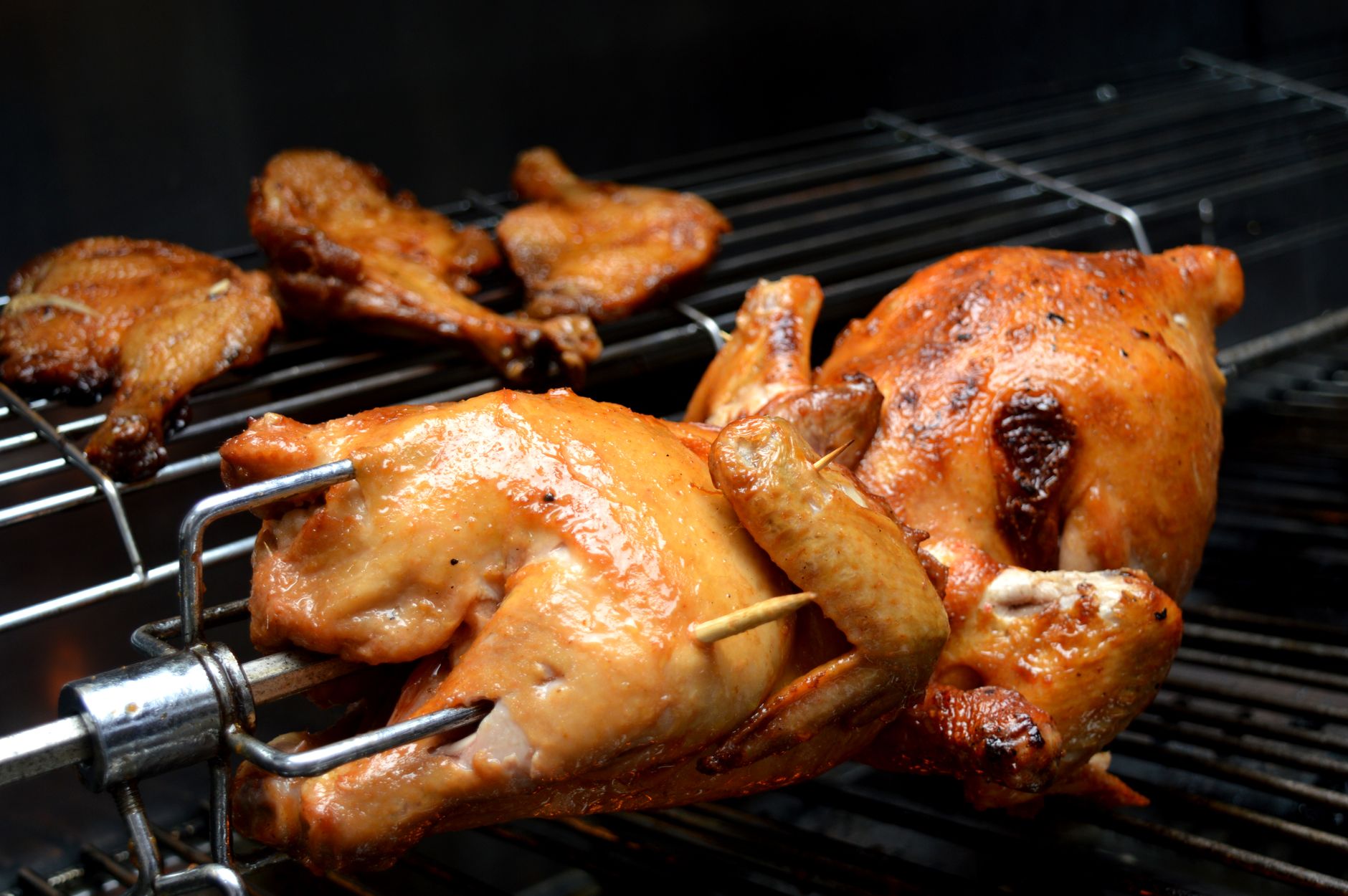
A 750-gram half-chicken, rotisserie-roasted with plenty of salt, rosemary, and butter. It’s eaten entirely with your hands. Head to Hühner- und Entenbraterei Ammer for the absolute best organic version, costing €15–€20.
Steckerlfisch (Grilled Fish on a Stick)
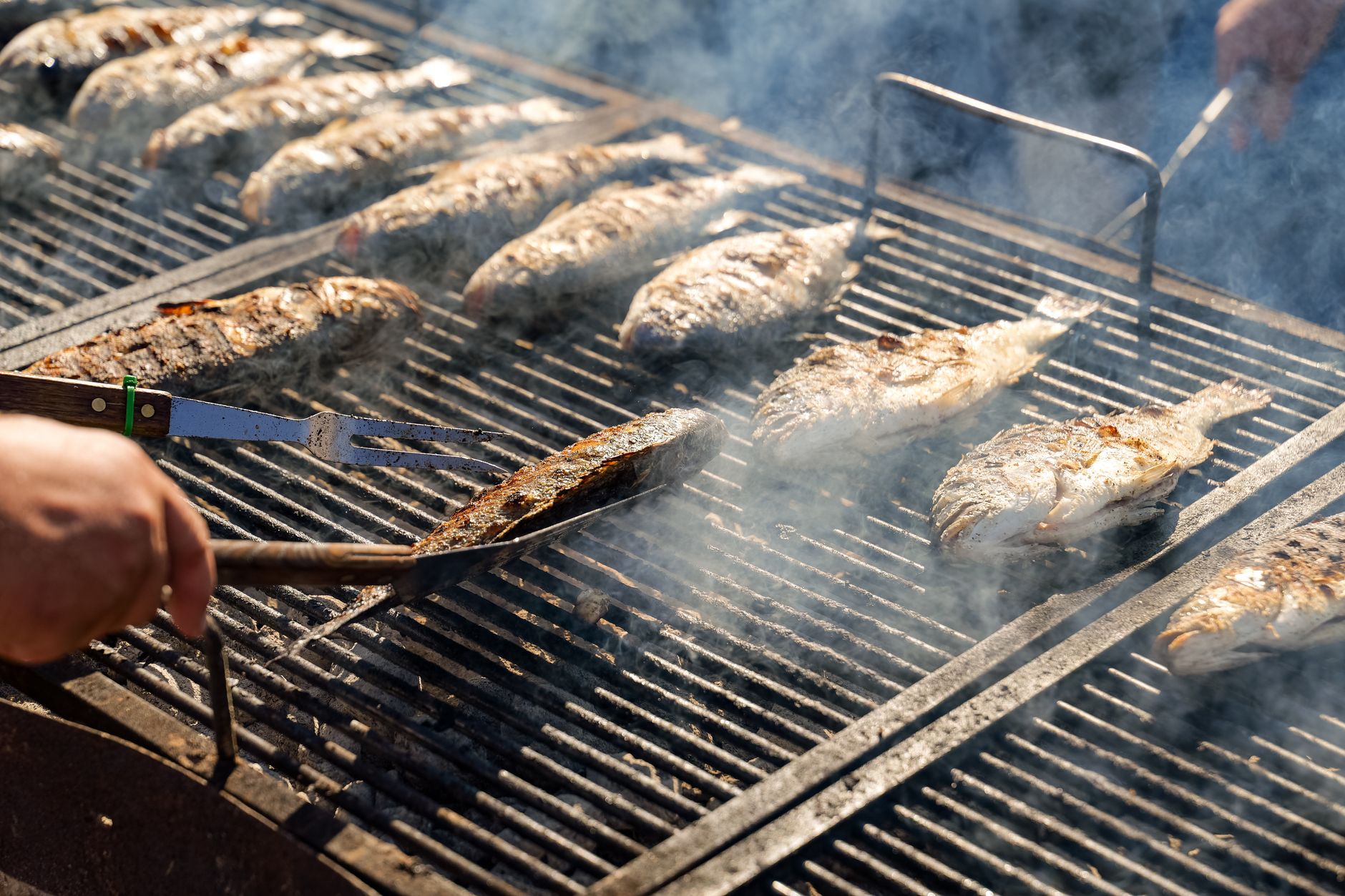
Whole mackerel, trout, or char skewered on wooden sticks and grilled crispy over open charcoal. Get this at the Fischer-Vroni tent, which features a massive 15-meter-long open charcoal grill running right through the tent (€15–€25).
Obatzda
A rich, savory Bavarian cheese spread made of mashed Camembert, butter, sweet paprika, and wheat beer. It costs €13–€16 inside the tents, but you can buy it for €4.50–€6 at outside food stalls.
Safety, Scams, and Local Laws
Munich is incredibly safe, but the sheer volume of alcohol consumed at Oktoberfest attracts opportunists. Keep your wits about you and avoid these classic traps.
The ‘Oktoberfest Entry Tickets’ Scam
This happens on online reseller sites and outside the main entrances. General admission to the grounds and all beer tents is 100% free. Never buy “entry tickets” — only table reservations (which come as food vouchers) cost money, and they must be booked directly through official tent websites.
The ‘Kotzhügel’ (Puke Hill) Pickpockets
This refers to the grassy slope behind the beer tents near the Bavaria Statue. Do not rest or sleep on this hill if you’ve had too much to drink. Professional pickpocket rings target heavily intoxicated people passed out here, easily sliding phones and wallets out of pockets.
The ‘Maß Stealing’ Fine
Security guards search bags at the exit gates of the tents and the main festival exits. Do not try to take the heavy 1-liter glass beer mugs home as a souvenir. It is a criminal offense that carries a €50 to €100+ on-the-spot fine and a police report.
Oktoberfest Logistics & Money Hacks
Getting to the festival from Munich Airport is straightforward. Take the S-Bahn (S1 or S8 lines) directly to Munich Central Station (Hauptbahnhof). The journey takes 40–45 minutes and costs around €15.50 for a single ticket.
If you’re traveling in a group of 2 to 5 people, buy an MVV Group Day Ticket. It costs around €17–€20 for the central zone and is significantly cheaper than buying individual transit tickets. Walking to Munich Central Station from the festival grounds takes only 15 minutes, which beats waiting for a crowded subway.
While some large tents accept cards, cash remains king because servers prefer it to keep service fast. ATMs on-site charge exorbitant transaction fees up to €10 per withdrawal, so get your Euros at a traditional bank ATM in the city center before arriving. When paying, round up your bill or add €1–€2 per Maß directly to your server — a good tip ensures faster service on your next round.
Frequently Asked Questions
What should I wear to Oktoberfest?
Traditional Bavarian attire is worn by over 80% of attendees. For women, the dirndl apron bow placement is a crucial social signal: tied on the left means single, on the right means taken, in the middle means virgin, and at the back means widowed or a waitress.
How do I get back to my hotel after the tents close?
Munich’s local transit network runs extra trains during the festival, but taking a taxi from the grounds incurs a heavy surcharge and massive traffic delays. Walking to Munich Central Station takes only 15 minutes and is almost always faster.
Can I bring a backpack into the festival grounds?
No, large bags and backpacks are strictly banned for safety reasons. Leave anything larger than a small clutch (maximum size 10cm x 20cm x 15cm) at your hotel, or prepare to pay a fee to leave it at the luggage storage stations near the entrances.
Stay Connected in Munich
Germany’s strict telecommunications laws require passport registration via Video-Ident for physical SIM cards, making instant activation difficult for tourists arriving on weekends. Severe network congestion also means messages and photos fail to send on weekends, so download offline maps beforehand. To bypass the bureaucratic headache of local registration entirely, grab a Germany eSIM from Galactic Roam before you fly. It connects automatically to local networks so you can coordinate meetups with your group without hunting for non-existent public Wi-Fi on the festival grounds.
Germany Travel Guide: How to Plan the Ultimate European Getaway
Germany recorded 174.9 million overnight stays in just the first five months of 2026. With international visitor spending projected to hit €57 billion, you’re going to be fighting massive crowds for a slice of the action. I’ve spent years navigating the country’s train networks, beer halls, and mountain trails to figure out how to bypass the chaos. This Germany travel guide is your strategic toolkit to dodge the tourist traps and experience the country like a local. Let’s get into what actually works, what’s a total waste of your time, and how to keep your budget intact.
Quick Facts — Germany
Currency Euro (€)
Language German
Time zone Central European Time (CET / Cest)
Plug type Type C and F
Best time to visit May to September, or December for markets
Visa Schengen Zone (EES biometric registration active in 2026)
Key Takeaways
Best time to visit: May to September offers the best weather, but December is unbeatable for traditional Christmas markets.
Budget needed: €80–€150 per day depending on your accommodation choices and dining style.
Must book ahead: Reichstag Dome in Berlin and Neuschwanstein Castle tours require booking weeks in advance.
Getting around: The €63 Deutschlandticket is the ultimate transit hack for local and regional travel.
The 2026 Border Reality: What is the EES?
If you’re planning a trip this year, you need to know about the European Union’s Entry/Exit System (EES). This system introduces biometric registration—meaning fingerprints and facial scans—at the border for non-EU travelers. Expect some initial bottlenecking at German airport immigration desks as the system rolls out. Give yourself extra buffer time on arrival, especially if you have a tight train connection to catch.
Three Attractions Worth the Hype (And How to Hack Them)
Germany has plenty of tourist traps, but some iconic spots are genuinely worth your time if you know how to visit them. Here is how to tackle the big three without losing your mind in the crowds.
A surfer carving the permanent standing wave of the Eisbach river in Munich.
Reichstag Dome (Berlin)
This massive glass dome offers a 360-degree view of Berlin’s skyline and a look down into the German parliament. It’s completely free and includes an excellent audio guide, but slots sell out weeks in advance. If you miss out, book a table at Käfer—the world’s only public restaurant located on a parliamentary rooftop—which automatically grants you dome access.
A surfer carving the permanent standing wave of the Eisbach river in Munich.
Eisbachwelle (Munich)
At the southern edge of the English Garden, professional surfers ride a permanent, one-meter-high standing river wave year-round. To avoid the massive daytime tourist crowds blocking the bridge, watch them after 7:00 PM in the summer when the vibe turns local. For the best photos, stand at the eastern end of the bridge for a downward angle that bypasses the annoying railing.
The fairytale towers of Neuschwanstein Castle rising against the Bavarian Alps.
Neuschwanstein Castle (Bavaria)
This is the ultimate fairytale castle that inspired Walt Disney’s Sleeping Beauty Castle. Most tourists crowd the middle of Marienbrücke for photos, causing massive bottlenecks. Walk to the far end of the bridge where it is often completely empty for the exact same view, and book the latest afternoon slot (after 3:00 PM) to avoid the Munich day-trippers.
What to Eat: Beyond the Pretzel
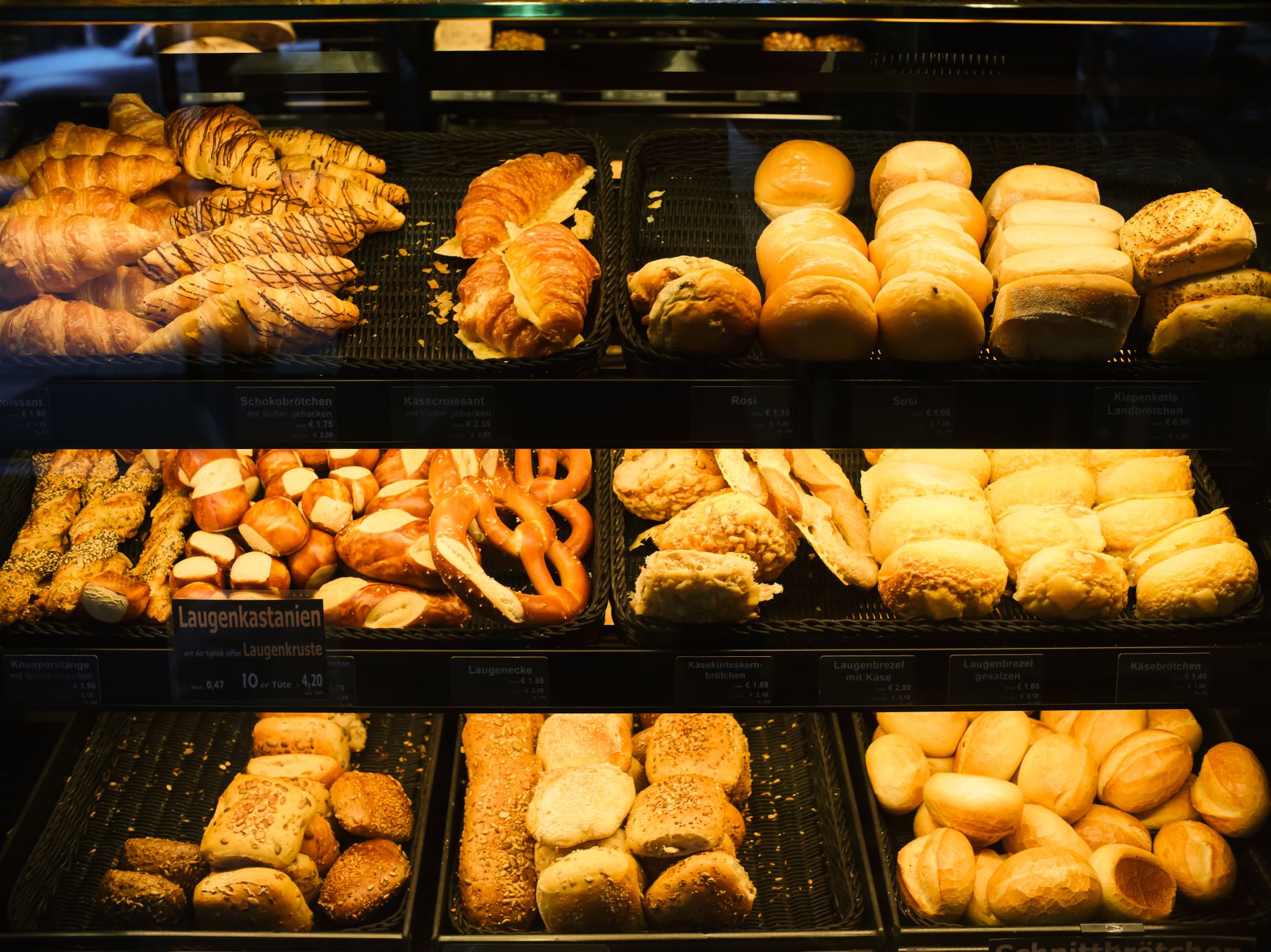
German cuisine is heavy, comforting, and highly regional. Don’t limit yourself to sausages from the nearest street cart—seek out these traditional specialties instead.
Freshly made Käsespätzle topped with caramelized onions at a traditional market stall.
Käsespätzle (€11–€18)
Often called the German version of mac and cheese, this Swabian specialty consists of fresh egg noodles layered with grated mountain cheese like Emmental or Bergkäse. It’s topped with crispy caramelized onions and served in traditional gasthäuser (taverns) across Baden-Württemberg and Bavaria.
A classic Berlin street food stall serving up hot, sliced Currywurst.
Currywurst (€5–€8)
A steamed, then fried pork sausage cut into slices, seasoned with curry ketchup, and dusted with curry powder. It’s a legendary Berlin street food that you should grab from iconic spots like Curry 36 or Konnopke’s Imbiss.
Hearty meat dishes being prepared on an outdoor grill in Germany.
Rouladen (€18–€25)
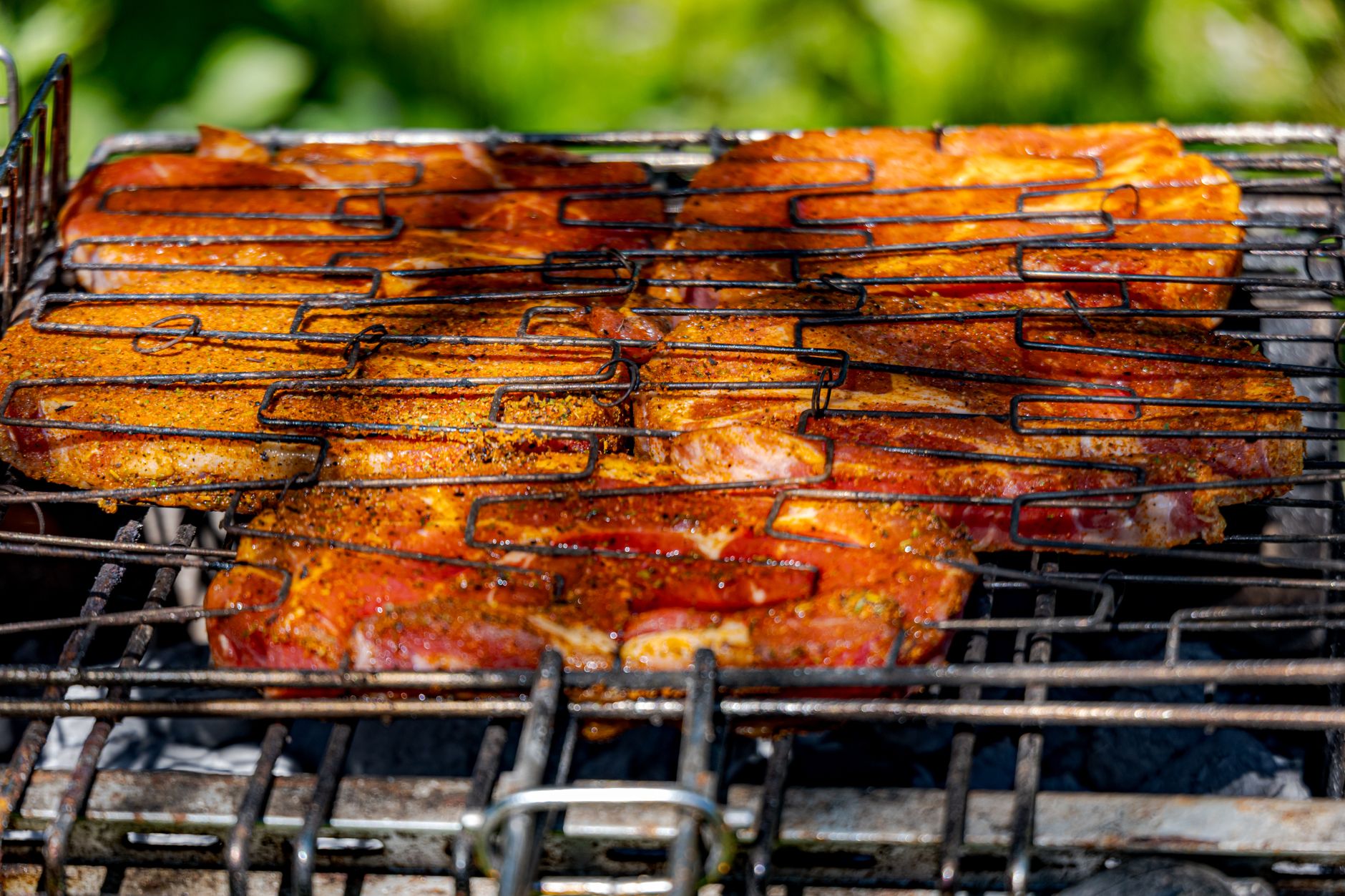
Thinly sliced beef rolled up and stuffed with bacon, onions, mustard, and pickles, then seared and slow-braised in a rich red wine gravy. Find this comforting classic in traditional restaurants, especially in the Rhineland or Saxony.
Transit and Cash: Crucial German Logistics
Getting around Germany is incredibly efficient, but the system has a few quirks that can easily catch you off guard. Here is how to navigate the transit network and local payment culture without getting fined or stranded.
How to use the Deutschlandticket Hack — step by step
1
Buy the ticket for €63 As of January 1, 2026, the price has officially risen to €63 per month. It gives you unlimited travel on all local buses, trams, U-Bahns, S-Bahns, and regional trains (RE/RB) nationwide.
2
Avoid high-speed trains Remember that this ticket is not valid on high-speed ICE or IC trains. If you board one of these with only a Deutschlandticket, you’ll be hit with a massive fine.
3
Cancel before the 10th The ticket is a subscription that auto-renews. You must cancel it by the 10th of the current month to avoid being charged for the next month. Sound complicated? It isn’t.
Good to Know Cash is still king in Germany (Geld regiert die Welt). While card acceptance improved post-pandemic, many small bakeries, beer gardens, mountain huts, and street food stands strictly accept cash only. Always keep at least €20–€30 in your pocket.
Pro Tip Tipping (Trinkgeld) isn’t mandatory but highly appreciated. Instead of leaving cash on the table, tell the server the total amount you want to pay when they bring the card machine or change. If the bill is €17.50, hand them a €20 note and say “Neunzehn” to pay €19, and they will hand you €1 back.
Safety: Three Scams to Watch Out For
Germany is generally very safe, but tourist-heavy areas are prime hunting grounds for opportunistic scammers. Keep your wits about you and watch out for these three common setups.
The Fake Ticket Controller Scam
Location: Berlin S-Bahn and U-Bahn networks. The Tactic: Scammers posing as plainclothes transit officers target tourists who look confused by ticket validation. They demand an immediate €60 cash fine for an invalid ticket. Real controllers carry official BVG/S-Bahn ID badges and will never demand cash on the spot without providing an official printed receipt. If pressured, refuse to pay cash and demand to go to the official transit office or call the police (110).
The Fake “Deaf-Mute” Petition Scam
Location: Major tourist hubs like the Reichstag building, Alexanderplatz, and Checkpoint Charlie in Berlin. The Tactic: Young women will approach you with a clipboard, pretending to be deaf or mute, asking you to sign a petition for a disabled children’s charity. Once you sign, they aggressively demand a cash donation (often €10–€20) and may use the clipboard to block your line of sight while an accomplice pickpockets you. Simply ignore them, say a firm “No,” and walk away.
The Autobahn “Distress” Scam
Location: Motorway service stations and rest stops, particularly in northern Germany. The Tactic: Scammers park on the side of the highway or at rest stops, claiming to be stranded tourists (often claiming to be Irish or British) who have run out of fuel or had an accident. They ask to “borrow” cash in exchange for fake gold jewelry or worthless foreign currency. Never hand over cash; offer to call the official German highway patrol or police (112) to assist them instead.
Connectivity: Staying Online Without the Bureaucracy
Germany has excellent 4G LTE nationwide and rapidly expanding 5G in urban centers, though you should expect intermittent drops in rural areas, forests, and regional train tunnels. Public WiFi is generally reliable in hotels and modern cafes, but Germany’s historical “Störerhaftung” laws (which made WiFi providers liable for users’ illegal downloads) mean some public networks still require tedious registration or SMS verification.
The real headache is buying a local physical SIM card. Germany’s strict 2017 mobile registration law requires all prepaid physical SIM cards to be registered with a passport and a verified German residential address. This makes airport physical SIM purchases highly bureaucratic and slow, sometimes taking hours or days to process.
Feature
Local Physical SIM
Galactic Roam eSIM
Average Cost
€10–€30
From $8
Activation
In-store queue & verification
Instant, pre-arrival
Registration
Passport & German address required
None
Ready on arrival
After queuing and processing
Yes
Data options
Fixed local tiers
Flexible (1 GB to 10 GB)
Important Germany has a unique connectivity quirk: you must toggle “Data Roaming” to ON in your phone settings even for local eSIMs to connect to partner networks like Telekom, Vodafone, or O2. Don’t worry, you won’t be charged extra roaming fees by your home provider as long as your home SIM is turned off or set up correctly.
Frequently Asked Questions
What should I know before visiting Germany for the first time?
Always carry cash, validate your physical transit tickets before boarding, and respect the quiet hours (Ruhezeit) on Sundays when almost all shops are closed. Also, never walk in the red-paved bike lanes unless you want to get yelled at by a local cyclist.
Is tap water safe to drink in Germany?
Yes, tap water (Leitungswasser) is exceptionally clean and perfectly safe to drink across the entire country. However, restaurants rarely serve it for free, and asking for tap water is often met with confusion or annoyance—most Germans prefer bottled sparkling water (Sprudel).
How do I avoid getting fined on German public transit?
You must validate your ticket before boarding. Look for the small stamping machines (usually red or yellow) on the platform or inside the tram/bus. Having an unvalidated ticket is treated exactly the same as having no ticket at all, and plainclothes controllers will fine you €60 on the spot.
Do I need to speak German to get around?
Not in major cities or tourist hubs, where English is widely spoken, especially by younger people and service staff. However, learning a few basic phrases like “Bitte” (please) and “Danke” (thank you) goes a long way, and you’ll definitely want a translation app handy if you venture into smaller rural villages.
Ready to Explore Germany?
Planning a trip to Germany is all about balancing the historic sights with smart, local logistics. If you are planning your trip around the autumn festivities, our munich oktoberfest guide is a must-read. Once you’ve figured out your train routes, secured your castle tickets, and tucked a few euros into your wallet, you’re ready to experience one of the most diverse countries in Europe. If you are also planning to visit neighboring countries, our netherlands travel guide is the perfect resource to help you map out your journey, our belgium travel guide is perfect for discovering Brussels and Bruges, our austria itinerary is ideal for exploring Vienna and Salzburg, our czech republic travel guide is perfect for planning a Central European adventure, our sweden travel guide is perfect for a northern extension, while our switzerland travel guide offers the ultimate alpine itinerary. To keep your navigation seamless and avoid the bureaucratic nightmare of registering a local physical SIM card, grab a Germany eSIM from Galactic Roam before you fly. It activates instantly, keeps you connected from the runway, and lets you bypass the airport queues entirely.