Connect Globally

Trusted by Millions

Hornbill Festival Travel Guide: How to Experience Nagaland’s Festival of Festivals

Over 173,000 people descend on a single Nagaland mountain ridge every December, completely overwhelming the local valley’s infrastructure. If you show up without a solid plan, you will end up stranded in brutal traffic or sleeping in your car. This practical Hornbill Festival travel guide is your playbook to navigating the chaos, dodging the tourist traps, and actually enjoying the show.

Quick Facts — Nagaland, India

Currency
Indian Rupee (INR)
Language
English, Nagamese
Time zone
GMT+5:30
Permit Required
PAP (Foreigners) / ILP (Indians)
Dates
December 1–10 annually
Alcohol Law
Strictly Dry State

The Permit Trap: What Foreigners Must Know

Let’s address the biggest logistical hurdle first. In late 2024, India’s Ministry of Home Affairs officially reinstated the strict Protected Area Permit (PAP) regime for foreign tourists visiting Nagaland, ending a decade-long relaxation.

You can no longer simply register on arrival. You must apply for a PAP in advance via the e-Frro portal at least 30 days before your trip.

Once you arrive, there’s another bureaucratic hoop. Foreigners must register their passport and visa details with the local Foreigners’ Registration Officer (FRO) within 24 hours of arrival, even if they hold a valid PAP.

173K+
Total Visitors
Dec 1-10
2026 Dates
₹300Cr
Economic Activity
17
Naga Tribes

Where to Go: Kisama and Beyond

The festival is held at Kisama Heritage Village, a purpose-built complex designed to showcase the distinct cultural identities of Nagaland’s major tribes. It starts on December 1, which is Nagaland Statehood Day.

Most people follow the crowds and end up frustrated. Here is how to actually experience the main attractions without losing your mind.

Kisama Heritage Village Morungs India
The traditional morungs at Kisama Heritage Village, representing Nagaland’s major tribes.

Kisama Heritage Village Morungs

Each tribe has a dedicated ‘morung’ (traditional youth dormitory) built with distinct wood carvings, architectural styles, and massive log drums. Arrive by 8:30 AM before the main gates officially open to wander the morungs in quiet, misty morning light, watch performers prepare their elaborate hornbill feather headdresses, and avoid the massive tour groups that clog the paths after 10:30 AM.

World War II Museum India
The World War II Museum inside the Kisama complex, showcasing relics from the Battle of Kohima.

World War II Museum

Located directly inside the Kisama Heritage Complex, this museum offers a sobering look at the Battle of Kohima (1944), a critical turning point where Allied forces halted the Japanese advance. Most tourists skip this to watch the main arena dances, so visit during the peak lunch hour (12:00 PM to 2:00 PM) when the museum is empty and the outdoor food stalls are at their most crowded.

Kigwema Village India
Kigwema Village, located just a short walk from the main festival grounds.

Kigwema Village

A historic Angami Naga village located just a short walk from Kisama, featuring traditional wooden houses with crossed house-horns (kiqi) and bullet-scarred walls from Wwii. Instead of battling the brutal 2-hour evening traffic back to Kohima, book a local homestay here so you can walk to the festival grounds and experience authentic village life after the crowds disperse.

What to Eat: Tribal Flavors & Rice Beer

Naga food is famous for its bold, fermented flavors, heavy use of local herbs, and serious heat. The festival is the best place to sample dishes from different tribes all in one afternoon.
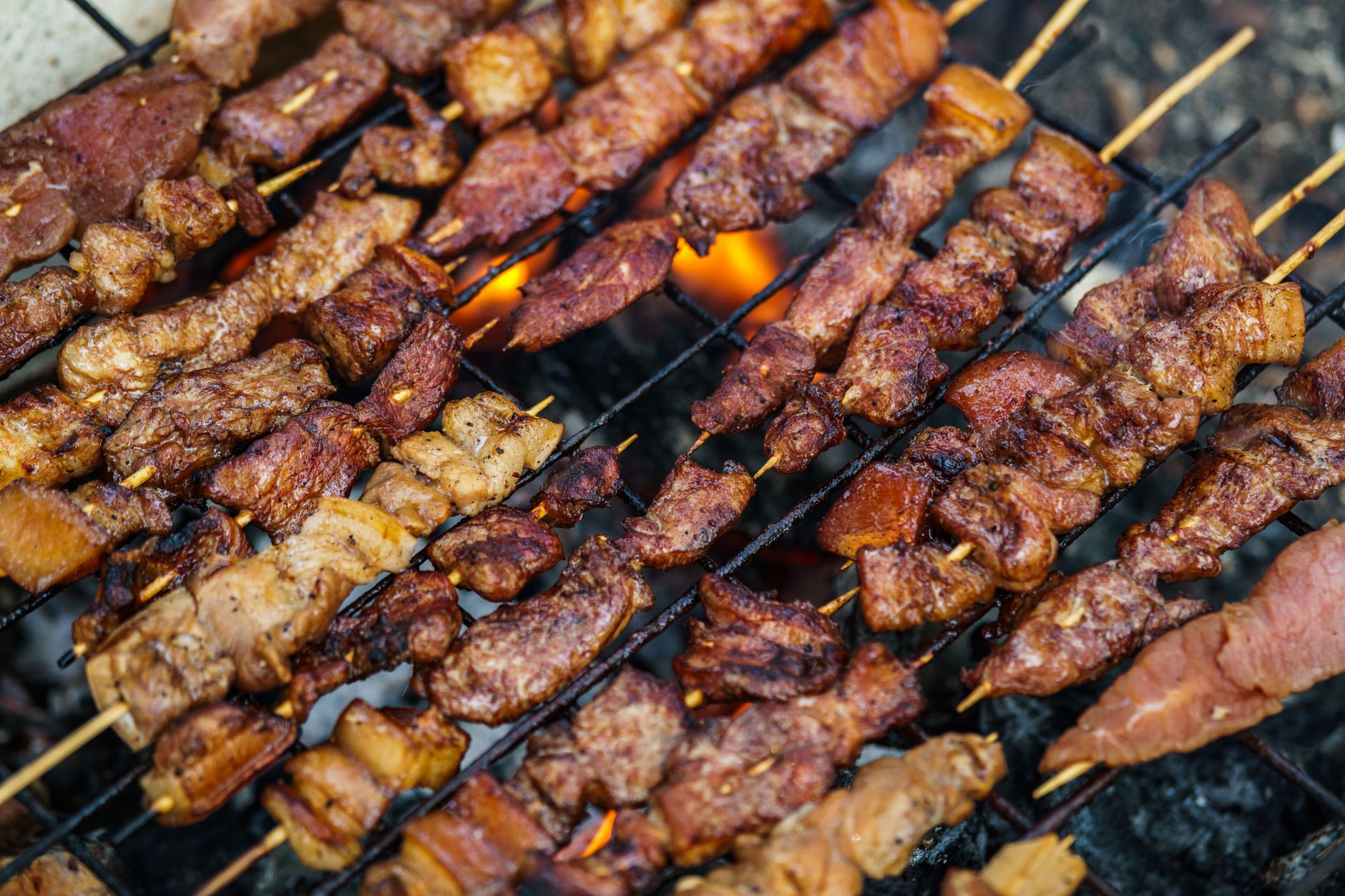
Smoked Pork with Axone India food
Smoked pork, a staple of Naga cuisine, prepared over open wood fires.

Smoked Pork with Axone

Tender pork smoked over open wood fires, cooked with ‘axone’ (a pungent, fermented soybean paste) and local herbs. It has a deep, earthy, and intensely savory umami flavor. Grab a plate at the Sumi Tribe Morung at Kisama Heritage Village for ₹250–₹400.

Anishi with Smoked Pork India food
Anishi with smoked pork, a rich and slightly sour Ao tribe specialty.

Anishi with Smoked Pork

An Ao tribe specialty featuring smoked pork cooked with ‘anishi’—fermented, dried yam leaves ground and shaped into patties. This gives the gravy a rich, dark, and slightly sour taste. Order it at the Ao Tribe Morung for ₹250–₹350.

Galho India food
Galho, a comforting one-pot rice porridge perfect for cold December nights.

Galho

A comforting, mild one-pot rice porridge cooked with seasonal wild greens, local vegetables, and occasionally smoked beef or pork. It is the ultimate warming comfort food for chilly December nights. Find it at the Angami Tribe Morung or Kohima Night Bazaar for ₹100–₹200.

Zutho (Traditional Rice Beer) India food
Zutho, the traditional milky rice beer served in hollowed-out bamboo mugs.

Zutho (Traditional Rice Beer)

A milky, organic, and mildly sour fermented rice beverage served cold in hollowed-out bamboo mugs. It is refreshing, yeast-forward, and available at any tribal morung at Kisama for ₹50–₹100 per mug.

Safety, Scams, and Survival Rules

Nagaland is incredibly welcoming, but the massive influx of tourists creates specific friction points. Keep these rules in mind to avoid legal trouble or getting ripped off.

Strict Alcohol Prohibition Violations

Nagaland is a dry state under the Nltp Act of 1989. While local rice beer is permitted inside the festival grounds, do not attempt to transport commercial alcohol (Imfl) across state lines or carry it openly in Kohima. Police conduct strict vehicle searches at checkpoints and carry heavy fines or arrest penalties.

Festival Taxi Price Gouging

Private taxi drivers often double or triple their rates during Hornbill week due to high demand and brutal traffic between Kohima and Kisama. Avoid private hires; instead, walk to the Lerie taxi stand on NH-2 in Kohima and take a shared taxi, which has fixed government-regulated rates of ₹50–₹100 per seat.

Unpermitted Photography of Tribal Elders

While performers are happy to pose, shoving a camera in the face of tribal elders without asking is considered highly disrespectful. Always make eye contact, smile, and ask ‘May I?’ before taking a photo. Some elders may politely request a small tip (₹50–₹100) for portraits, which is a common local practice.

How to Get There and Survive

Getting to this corner of India requires some patience. The infrastructure is basic, and the terrain is rugged, so you need to plan your transit and cash reserves carefully.

How to reach the Hornbill Festival — step by step

1
Fly into Dimapur
Book a flight to Dimapur Airport (DMU), the only airport in Nagaland.
2
Get Cash Immediately
Withdraw all the Indian Rupees (INR) you’ll need at Dimapur Airport or the railway station. ATMs in Kohima run dry constantly during the festival, and digital payments fail due to network congestion.
3
Take a Taxi to Kohima
Hire a yellow commercial taxi for the 74 km mountain drive. A private cab costs ₹2,500–₹3,500, while a shared taxi seat costs ₹400–₹500. The journey takes 2.5 to 3 hours.

Tipping is not customary in local Naga restaurants or taxi rides. However, if you hire a private tour guide or driver to accompany you for multiple days, tipping ₹500–₹1,000 per day is highly appreciated.

Frequently Asked Questions

Why is it called the Hornbill Festival?
The festival is named after the Great Indian Hornbill, a large forest bird deeply revered in the folklore of almost all Naga tribes. Its feathers traditionally decorate the ceremonial headgear of Naga warriors as a symbol of strength, alertness, and grandeur.
How is the Hornbill Festival celebrated?
It is held annually from December 1 to 10 at the purpose-built Kisama Heritage Village, starting on Nagaland Statehood Day. The event encourages inter-tribal interaction and showcases the distinct cultural identities of Nagaland’s major tribes through traditional dances, songs, indigenous games, and crafts.
Do foreign tourists need a permit to visit Nagaland?
Yes. Foreigners must apply for a Protected Area Permit (PAP) in advance via the e-Frro portal. This strict regime was officially reinstated in late 2024, ending a decade of relaxed rules.
Is digital payment widely accepted at the festival?
No. While some vendors accept UPI, severe network congestion at Kisama Heritage Village between 11:00 AM and 4:00 PM causes digital transactions to fail constantly. Always carry physical cash.

Staying Connected in the Hills

Local prepaid SIMs from Jio and Airtel cost around ₹200–₹500 ($2.50–$6.00 USD) and are available at retail shops in Dimapur or Kohima. However, the sheer volume of visitors causes severe network congestion at Kisama Heritage Village between 11:00 AM and 4:00 PM, making data speeds crawl. If you want to bypass the local registration hassle and stay connected the moment you land in India, grab a Galactic Roam India eSIM before you fly. It keeps you connected across the country without needing to hunt down physical SIM cards in crowded city markets.

Get your India eSIM


Diwali in India: A Traveler’s Guide to the Festival of Lights

Diwali in India Travel Guide: How to Experience the Festival of Lights Like a Local

Lighting 2,617,215 clay lamps simultaneously will land you in the record books — but India’s festive chaos will eat you alive if you show up unprepared. Having spent six weeks navigating the country during peak holiday madness, I can tell you that Diwali is spectacular, but it requires a serious tactical playbook. This realistic Diwali in India travel guide cuts through the noise to show you exactly where to go, what to eat, and how to survive the logistics.

Quick Facts — India

Currency
Indian Rupee (INR / ₹)
Language
Hindi & English
Time zone
GMT+5:30
Plug type
Type C, D, M
Best time to visit
October to March
Visa
e-Visa required for most

When to Go: The 2026 Festive Window

Timing is everything. In 2026, the main day of Diwali (Lakshmi Puja) falls on Sunday, November 8. The five-day festival begins with Dhanteras on Friday, November 6, and concludes on Wednesday, November 11.

This makes late October and early November 2026 the absolute peak travel window. You’ll want to arrive at least two days before the main festival to see the markets at their wildest.

Where to Experience Diwali

Every city celebrates differently. Some go for massive light displays, while others focus on ancient spiritual rituals. Here are the three spots actually worth the journey.

Johari Bazar & Bapu Bazar (Jaipur) India
A local merchant in Jaipur’s historic market district during the festive season.

Johari Bazar & Bapu Bazar (Jaipur)

During Diwali, the entire Pink City is bathed in rose and gold tones, and these historic markets compete for the best-illuminated display. To escape the suffocating crowds of the street-level markets, head up to the rooftop of Nahargarh Fort just after sunset. It offers a panoramic view of the entire illuminated city and the fireworks below.

Saryu River Ghats (Ayodhya) India
Boats gathered on the river as the evening celebrations begin.

Saryu River Ghats (Ayodhya)

This is where you witness Deepotsav, where over 2.6 million earthen lamps (diyas) are lit simultaneously. The main ghats like Ram Ki Paidi are heavily barricaded for VIPs on the main night. To get a great view without a pass, book a boat ride on the Saryu River early in the afternoon or watch from the old Saryu Bridge.

The Ghats of Varanasi (Varanasi) India
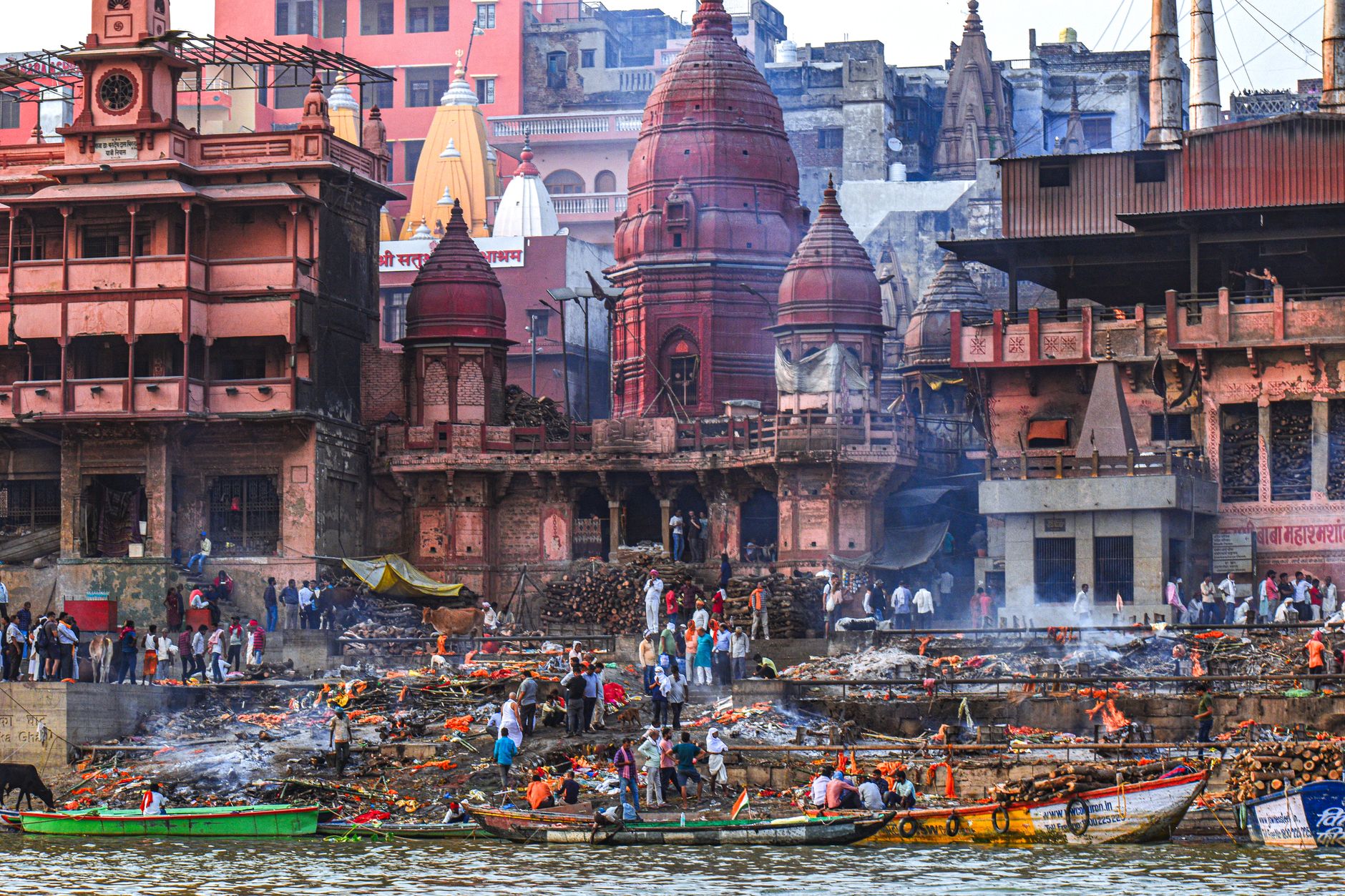
The historic stone steps of Varanasi’s ghats leading down to the Ganges.

The Ghats of Varanasi (Varanasi)

Experience the spiritual heart of Diwali, where thousands of clay lamps line the stone steps of the Ganges. Do not confuse Diwali with Dev Deepawali, which is a separate, even more spectacular festival celebrated exactly 15 days later. If your itinerary allows, stay the extra two weeks to see all 84 ghats blanketed in millions of lamps.

What to Eat: The Essential Diwali Sweets

You can’t experience Diwali without eating your weight in sugar. Sweets (mithai) are the lifeblood of the festival.

Kaju Katli India food
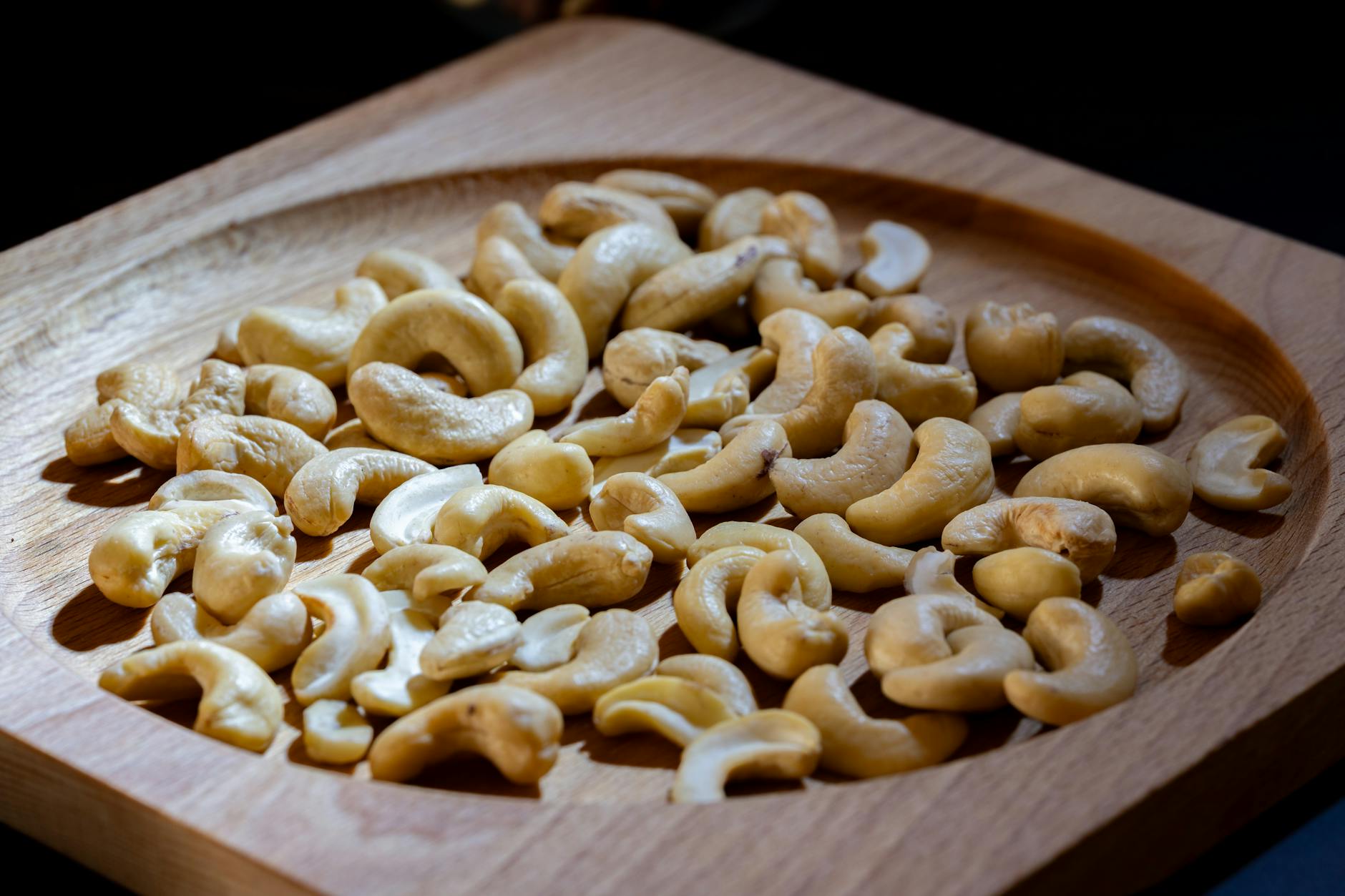
Fresh cashews, the primary ingredient in the iconic Kaju Katli sweet.

Kaju Katli

A classic, diamond-shaped sweet made of ground cashews, sugar, and ghee, topped with edible silver foil. Get it at Chaina Ram Sindhi Confectioners in Chandni Chowk, Old Delhi, for ₹800–₹1,200 ($10–$15 USD) per kilogram.

Mawa Kachori India food
Sweet pastries on display at a traditional Indian sweet shop.

Mawa Kachori

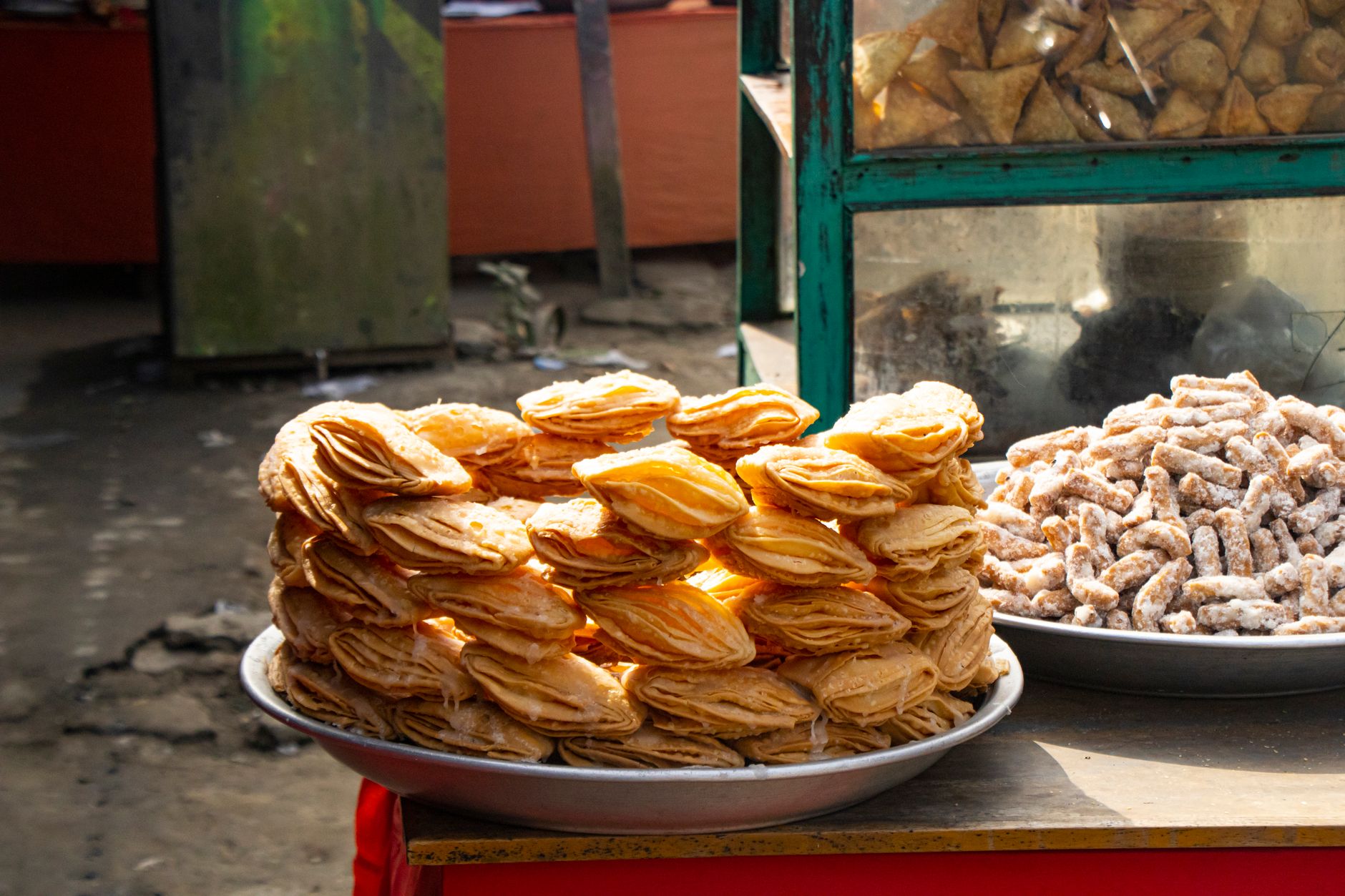
A rich, deep-fried pastry stuffed with sweetened khoya (reduced milk solids) and nuts, dipped in saffron sugar syrup. Buy it at Rawat Mishtan Bhandar in Jaipur for ₹50–₹80 ($0.60–$1.00 USD) per piece.

Motichoor Ladoo India food
Traditional golden sweets freshly fried and prepared for the festival.

Motichoor Ladoo

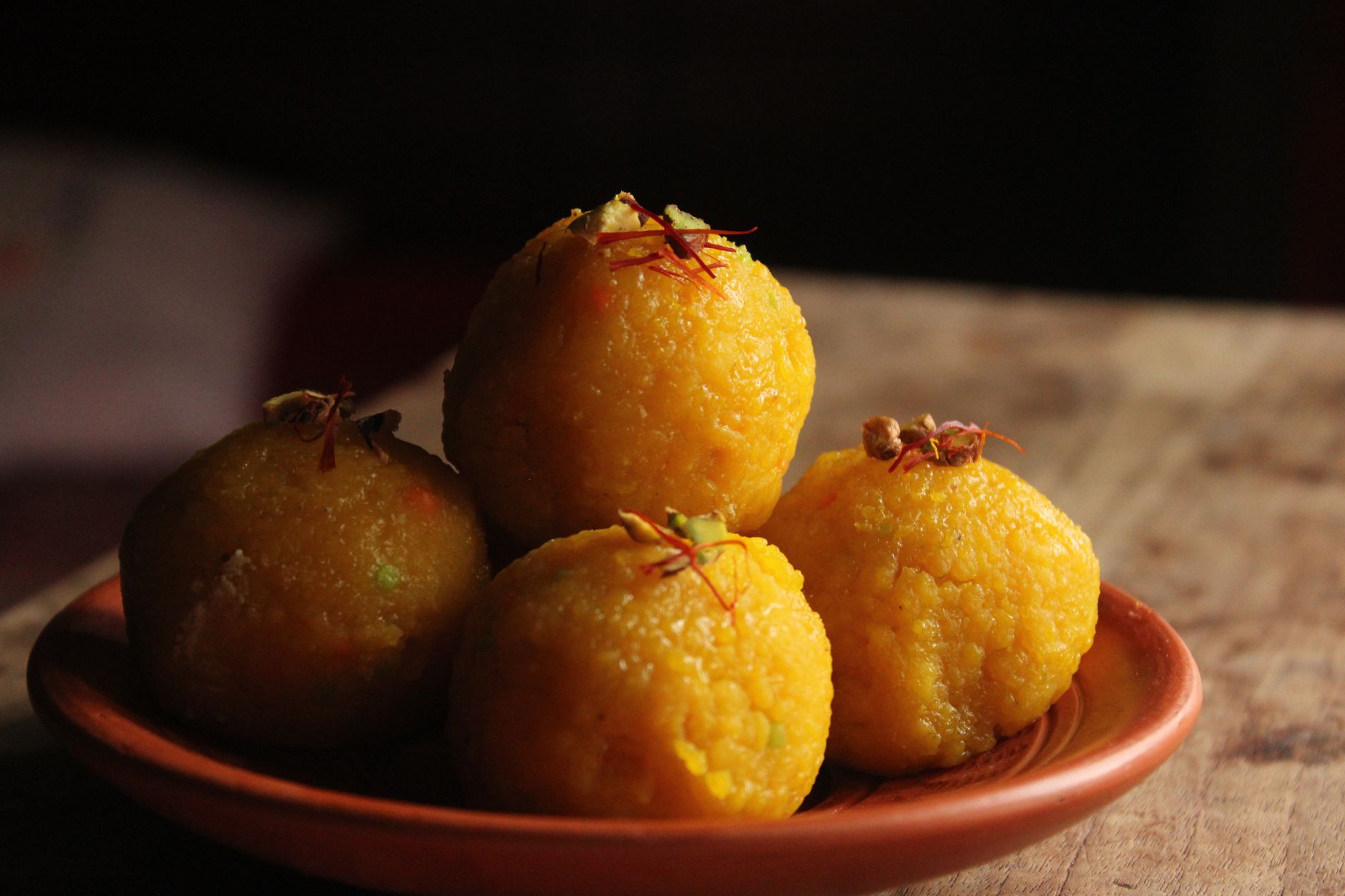
Round sweets made from tiny, deep-fried gram flour balls cooked in sugar syrup and shaped with pure ghee. Pick up a box at Tewari Bros Mithaiwala in Mumbai for ₹400–₹700 ($5–$9 USD) per kilogram.

Surviving the Logistics

If you try to wing it during Diwali, you’ll end up stranded, broke, or both. The country essentially moves at once during these five days.

Surviving Diwali Logistics — Step by Step

1
Book Trains Early
Millions of Indians travel home, selling out trains months ahead. Register on the Irctc website and book 60 to 120 days in advance using the Foreign Tourist Quota (FTQ).
2
Set Up UPI Before Arrival
India is virtually cashless now. Download tourist-friendly apps like CheqUPI or the official ‘UPI One World’ wallet, register with your passport, and top up with your credit card to avoid carrying thick wads of cash.
3
Use Ride-Hailing Apps
On Diwali night, local auto-rickshaws will charge 3x–4x the standard fare. Stick to Uber or Ola, or use official government-regulated prepaid taxi booths inside airport terminals to avoid price gouging.

Safety, Scams, and Spikes

The energy of Diwali is unmatched, but it brings unique hazards. Keep these three warnings in mind to protect your health and your wallet.

Severe Air Pollution & AQI Spikes

In New Delhi and the National Capital Region, firecracker emissions and seasonal crop burning cause the AQI to routinely spike past 400 (Severe) within 48 hours of Diwali. If you have respiratory issues, wear an N95 mask, stay indoors with air purifiers, or escape to coastal areas like Goa immediately after the main night.

The ‘Diwali Dhamaka’ QR Code Scam

Scammers send WhatsApp messages claiming you won a festive cashback or refund, prompting you to scan a QR code or enter your UPI PIN. Remember the golden rule of Indian digital payments: You never need to enter your UPI PIN or scan a QR code to receive money. If someone asks you to do this, it is a scam.

Pickpocketing & Bag-Slashing

Markets like Chandni Chowk (Delhi) and Crawford Market (Mumbai) get incredibly congested in the three days leading up to Diwali. Keep your backpack on your chest, avoid carrying large amounts of cash, and use a money belt under your clothes for passports and emergency cards.

2.6M+
Diyas Lit
15B+
UPI Txns/Mo
400+
Delhi AQI
Nov 6
2026 Start

Frequently Asked Questions

Is it safe to travel in India during Diwali?

Yes, but you must prepare for extreme crowds and high pollution levels in northern cities. Stick to registered cabs, keep your valuables secure in crowded markets, and wear an N95 mask if you are in Delhi after the main night.

How do I pay for things as a foreigner?

While cash works, India is heavily digital now. You can register for tourist-friendly UPI apps like CheqUPI using your passport and load funds with your international credit card, which makes paying street vendors incredibly easy.

Will shops and restaurants be closed on Diwali?

On the main night of Diwali, most shops and family-run restaurants close early around 5:00 PM so owners can celebrate at home. Plan your dinners in advance or eat at your hotel on that specific evening.

Staying Connected Amidst the Chaos

Staying connected during the festive madness is its own challenge. While a local physical SIM card costs around ₹300 to ₹1,000, getting one activated requires navigating strict KYC laws, submitting passport copies, and waiting up to 24 hours. Public Wi-Fi at airports is practically useless for foreigners because it requires an Indian mobile number to receive an OTP. Plus, some international third-party eSIM apps face regulatory blocks inside the country. To bypass the bureaucracy entirely, grab an India eSIM from Galactic Roam before you fly. It connects instantly to local networks upon landing, ensuring you can book your Uber and navigate the crowds without waiting in airport kiosk lines.

Get your India eSIM


Delhi Travel Guide: How to Navigate India’s Historic Capital

Delhi Travel Guide: How to Navigate India’s Historic Capital

Delhi welcomes 38.9% of India’s international arrivals, yet ranks a dismal sixth for actual overnight stays. Most travelers treat the capital as a chaotic transit lounge, fleeing to Agra or Jaipur the first chance they get. I’ve spent weeks navigating this maddening, historic metropolis to build this practical Delhi travel guide. If you arrive unprepared, the city’s sheer scale, bureaucracy, and aggressive touts will eat you alive. Winging it here is a classic rookie mistake—you need a solid plan to navigate the chaos like a pro.

Quick Facts — India

Currency
Indian Rupee (INR / ₹)
Language
Hindi & English
Time zone
GMT+5:30
Plug type
Type C, D, M
Best time to visit
October to March
Visa
e-Visa required for most

When to Go & The Smog Warning

Delhi’s prime travel window runs from October to March, when temperatures hover between a comfortable 15°C and 25°C. But if you’re planning a trip around late autumn—especially for Diwali starting November 6, 2026—you need to prepare. If you are planning to experience the celebrations, refer to our Diwali in India: A Traveler’s Guide to the Festival of Lights for essential tips. If you plan to travel further east afterward, our hornbill festival travel guide will help you experience Nagaland’s famous December celebration.

This period marks the start of the annual smog season. Severe air pollution and dense morning fog frequently ground flights and delay trains. Pack a high-quality N95 mask; you’ll need it.

Also, keep an eye on the calendar for “Dry Days.” The government bans all alcohol sales in retail shops, bars, and restaurants on national holidays like October 2, and major festivals like Diwali.

Three Historic Spots Worth the Detour

Skip the overhyped tourist traps and head to these three historic sites instead. They offer incredible architecture without the overwhelming crowds.

Agrasen Ki Baoli India

Agrasen Ki Baoli

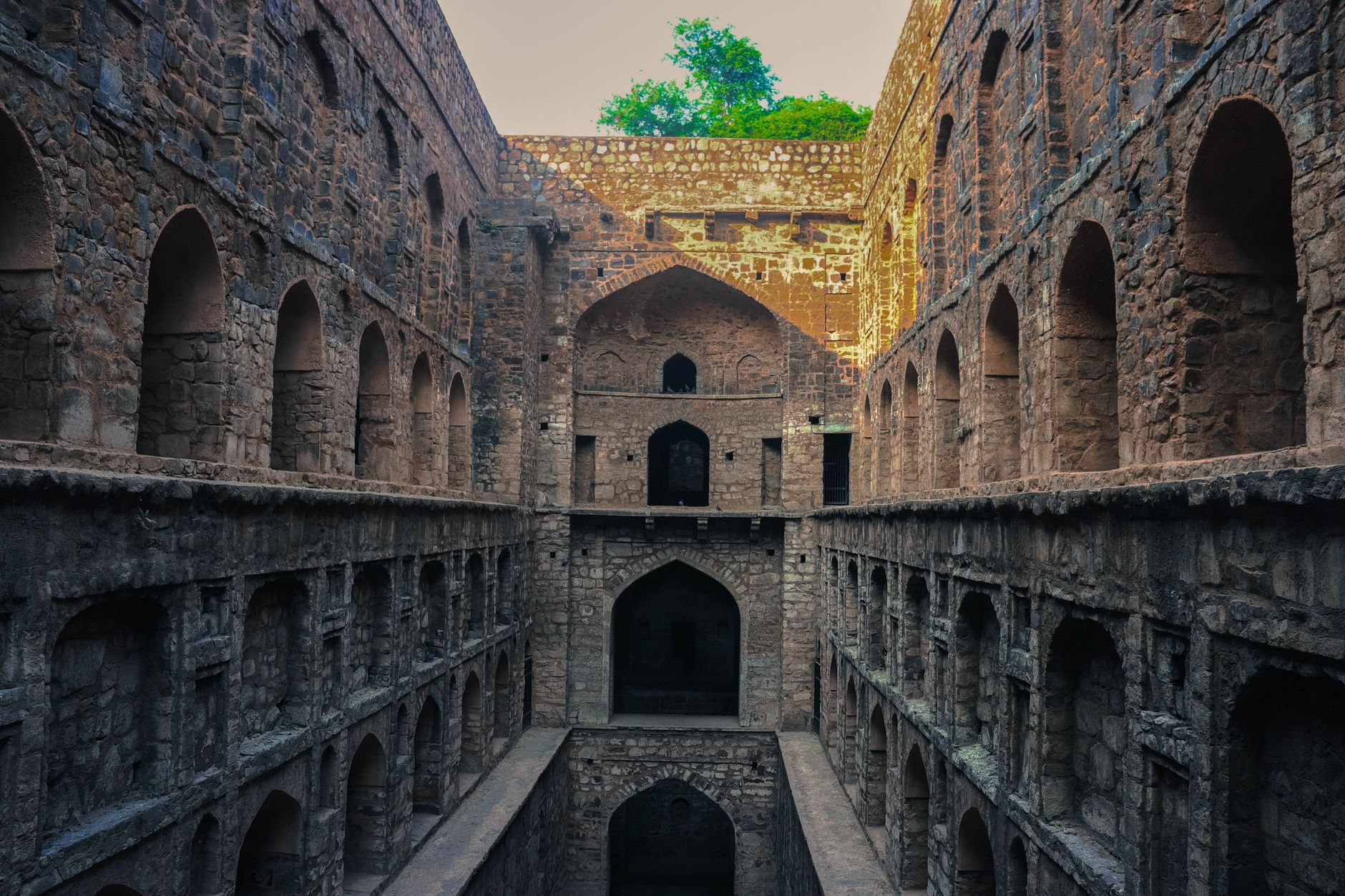
This 14th-century historical stepwell features 103 descending stone steps hidden right among central Delhi’s modern high-rises. Arrive exactly at 7:00 AM when the gates open. The stone walls trap the cool morning air, the light filters down perfectly, and you’ll completely bypass the noisy crowds of selfie-takers.

Mehrauli Archaeological Park India

Mehrauli Archaeological Park

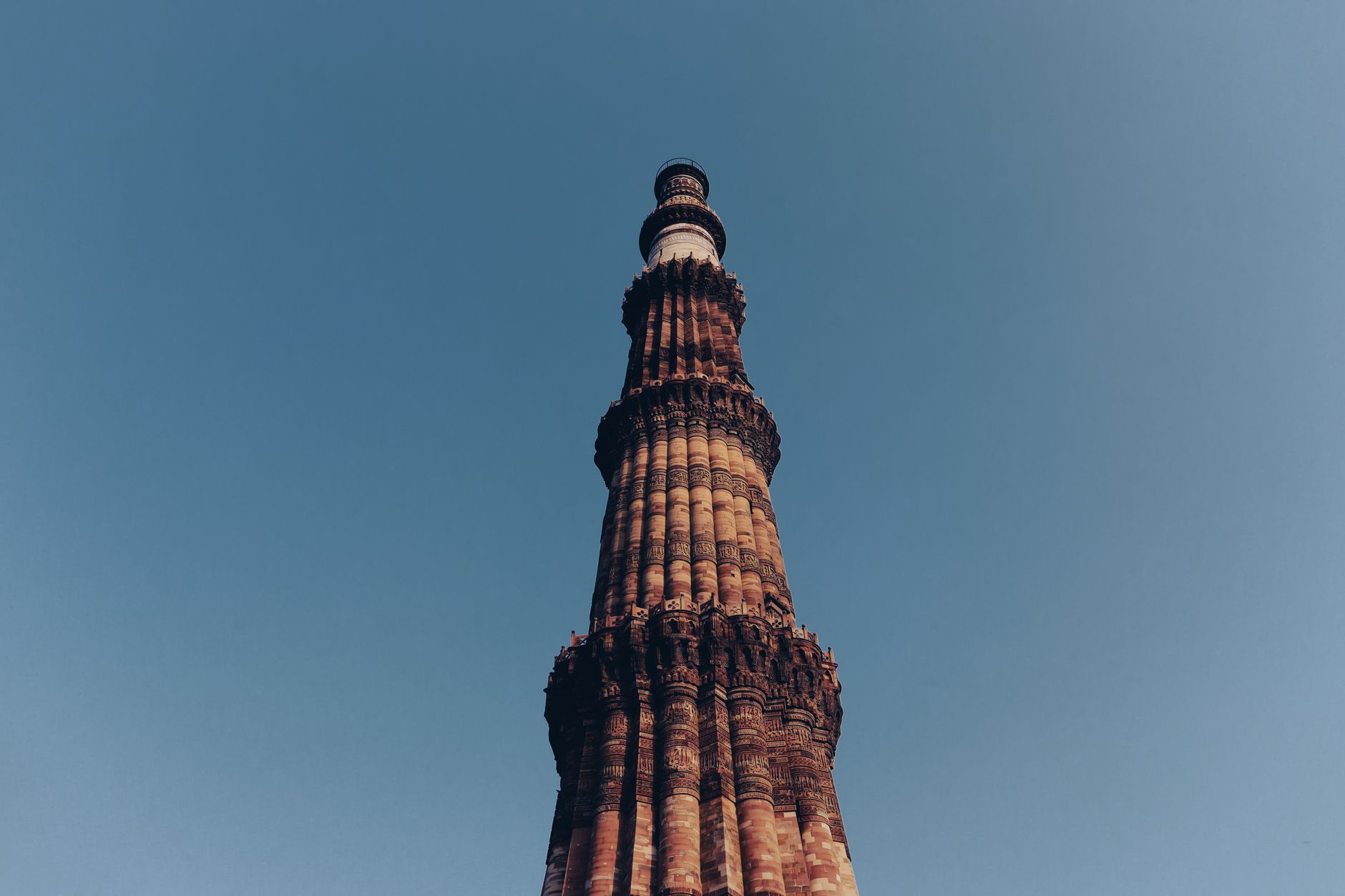
A massive, 200-acre reserve containing over 100 ruined monuments from the Delhi Sultanate, including the Jamali Kamali Mosque. Most tourists hit the adjacent Qutub Minar and immediately leave. Cross into Mehrauli instead—it’s totally free, has no security lines, and offers a quiet walk through history.

Sunder Nursery India

Sunder Nursery

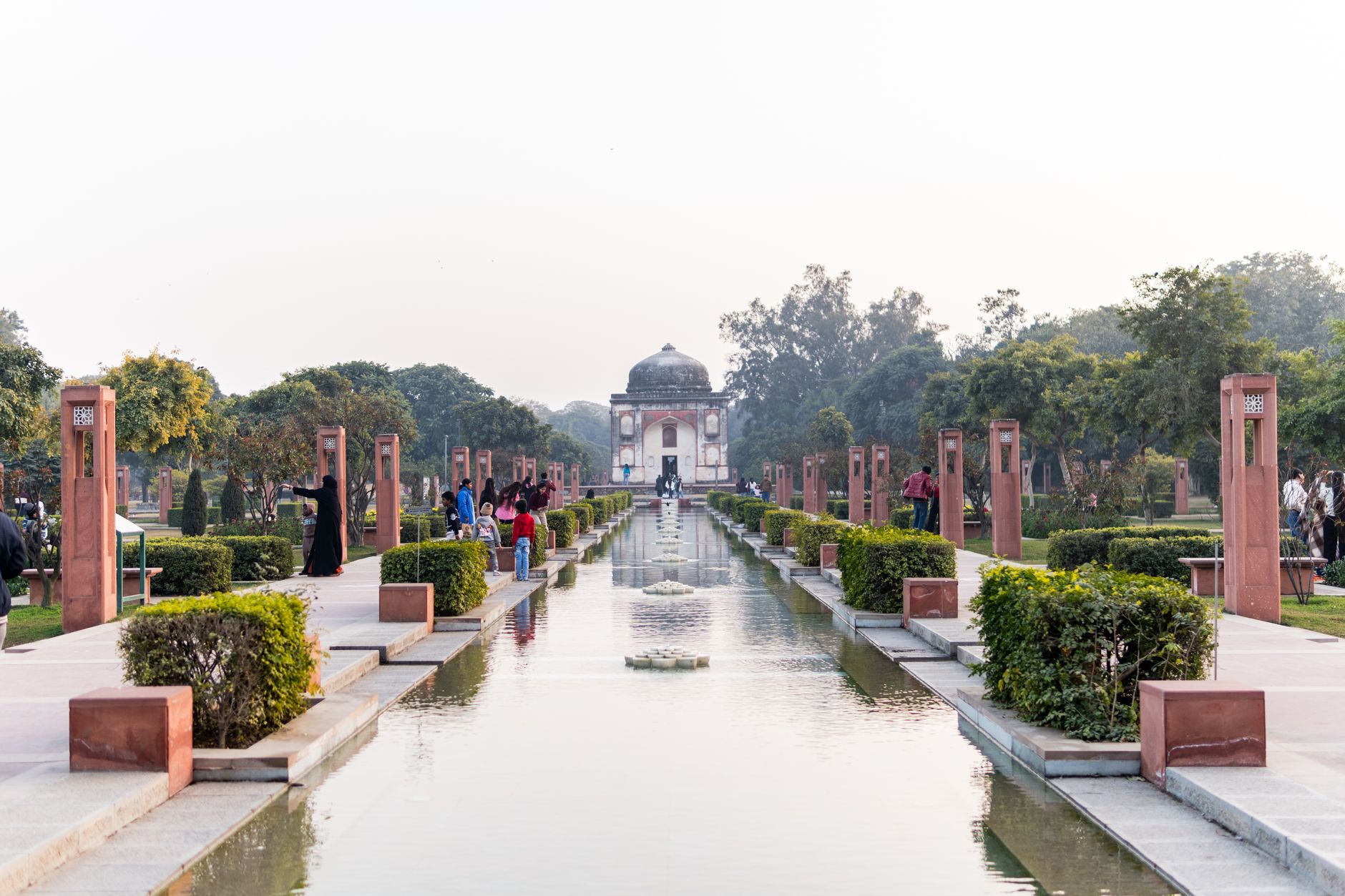
This restored 90-acre Mughal-era heritage park features manicured lawns, water channels, and 15 historic monuments. Located right next to the packed Humayun’s Tomb, it’s often called Delhi’s Central Park. Skip the tomb’s midday rush and head here on a weekday morning to read or stroll in peace.

What to Eat (And Where to Find It)

Delhi is a paradise for food lovers, but you have to know where to go to get the real deal. Skip the hotel buffets and eat where the locals eat.

Chole Bhature India food

Chole Bhature

A heavy Punjabi breakfast of spiced, dark chickpea curry paired with giant, balloon-like deep-fried bread. Grab a plate at Sitaram Diwan Chand in Paharganj for ₹60 to ₹90 ($0.70–$1.10).

Ram Ladoo India food

Ram Ladoo

Crispy, deep-fried yellow lentil fritters topped with shredded white radish, fresh lime, and spicy green mint-coriander chutney. Find them at Lajpat Nagar Market stalls for ₹30 to ₹50 ($0.35–$0.60).

Keema Parantha India food

Keema Parantha

A heavy, pan-fried whole wheat flatbread stuffed with spiced minced mutton and cooked on an iron tawa with plenty of butter. Laxman Fast Food near Sanjay Van serves these for ₹100 to ₹180 ($1.20–$2.15).

Surviving Delhi’s Scams

Delhi’s touts are highly skilled professionals. If you aren’t careful, you’ll fall for one of these common setups before you even realize what’s happening.

The Closed Hotel Scam

Touts around Paharganj or Connaught Place will claim your hotel is closed due to protests or elections. They’ll try to drive you to a “government-approved tourist office” that is actually a private agency designed to pressure you into buying fake tours. Always call your hotel directly to verify.

The Friendly Cafe Stranger

In Connaught Place cafes, a friendly local might strike up a conversation, ask about your plans, and insist you hire a private chauffeur. They’ll offer to walk you to a nearby booking office. Politely decline and book your transport independently online.

The Distraction Pickpockets

In crowded areas like Chandni Chowk or Rajiv Chowk metro station, teams of two or three work together. One bumps into you or spills liquid on your shirt while the other lifts your phone. Keep your valuables in a zipped cross-body bag across your chest.

Transit & Metro Survival

Don’t bother with a taxi from Terminal 3; Delhi’s traffic is legendary. Take the Delhi Metro Airport Express (Orange Line) directly to New Delhi Railway Station instead. It takes just 20 minutes and costs a flat ₹60 ($0.72 USD), compared to a grueling one-hour taxi ride that can cost up to ₹800.

The metro is clean, fast, and incredibly strict. Do not sit on the train floor—over 22,000 commuters are fined ₹200 annually for doing exactly that. Spitting will cost you ₹150, and filming social media reels is banned.

While cards work in upscale areas like Khan Market, cash is king for street food and auto-rickshaws. Always carry small bills (₹10, ₹20, ₹50, and ₹100). Street vendors rarely have change for a ₹500 note. Download the ‘One Delhi’ app for bus routes and ‘Delhi Metro Sarthi’ for offline metro routing.

Staying Connected Without the Headache

Staying connected in Delhi can be a bureaucratic headache. Buying a local physical SIM requires strict KYC registration—you’ll need your passport, visa copy, and an on-the-spot photo, and activation takes three to four hours. Public WiFi is equally frustrating; even the airport network requires an Indian mobile number to receive an SMS OTP. If you don’t have one, you have to queue at a physical airport desk to get your passport scanned for a printed coupon code.

Worse, the government occasionally suspends mobile internet in specific districts during protests. Skip the physical SIM hassle entirely by setting up a India eSIM before you land. It connects instantly to India’s top networks as soon as your plane touches down, letting you book your airport metro ride or navigate to your hotel without missing a beat.

Local SIMGalactic Roam eSIM
Cost₹299 – ₹500From $8
Activation3 to 4 hoursInstant, pre-arrival
RegistrationPassport, visa, photo KYCNone
Ready on arrivalNo (must queue)Yes
Data optionsDaily limits1 GB / 3 GB / 5 GB / 10 GB

Get your India eSIM

Frequently Asked Questions

How do I avoid the closed hotel scam in Delhi?

Never trust a taxi driver or stranger who claims your hotel is closed, burned down, or inaccessible. Always call the hotel directly using your own phone to verify, and only trust the official India Tourism office located at 88 Janpath in Connaught Place.

What is the best way to travel from Delhi airport to the city?

Take the Delhi Metro Airport Express (Orange Line) from Terminal 3. It costs just ₹60 ($0.72 USD) and takes 20 minutes to reach New Delhi Railway Station, bypassing the terrible highway traffic that can turn a taxi ride into a painful one-hour crawl.

Are there dry days in Delhi when alcohol is banned?

Yes, Delhi enforces strict dry days on national holidays like Republic Day (January 26), Independence Day (August 15), and Gandhi Jayanti (October 2), as well as major religious festivals like Diwali. All retail shops, bars, and restaurants are legally prohibited from serving alcohol on these days.

What are the rules for riding the Delhi Metro?

The Delhi Metro is heavily policed. You cannot sit on the train floor (over 22,000 people are fined ₹200 annually for this), spitting carries a ₹150 fine, and filming social media reels that disrupt other passengers is strictly banned.


India Travel Guide: Essential Tips for First-Time Visitors

India Travel Guide: How to Navigate the Chaos Like a Pro

India’s railway network carries 22 million passengers every single day. If you try to wing a trip here without knowing how this massive machine works, it’ll eat you alive. I’ve spent months navigating India’s chaotic transit, hidden alleys, and complex bureaucracy to build this definitive India travel guide. If you are planning a broader journey across South Asia, be sure to also check out our pakistan travel guide. With Diwali arriving on November 6, 2026, bringing the peak winter travel rush, you can’t afford to make rookie mistakes. If you are planning to head northeast in December, our hornbill festival travel guide will help you experience one of India’s most spectacular cultural celebrations.

Quick Facts — India

Currency
Indian Rupee (INR / ₹)
Language
Hindi, English, regional languages
Time zone
GMT+5:30
Plug type
Types C, D, and M
Best time to visit
November to February (15°C–25°C)
Visa
e-Visa required for most passports
22M
Daily Train Riders
₹1,200
Min. Daily Budget
₹1,100
Taj Mahal Entry
13k+
Daily Trains

The Train Booking Hack You Need to Know

India’s railway network operates over 13,000 passenger trains daily. Trying to book a ticket as a foreigner can feel like an Olympic sport because trains sell out weeks in advance. But there’s a backdoor: the Foreign Tourist Quota (FT Quota).

While locals can only book 60 days out, the FT Quota lets international travelers book premium AC classes up to 365 days in advance. To use it, register on the official Irctc website (irctc.co.in) and pay a one-time verification fee of ₹100 plus GST. You’ll need to verify your international phone number via OTP and upload your passport details, but it’s worth every rupee.

Three Crowd-Free Spots Worth the Detour

Most people stick to the standard tourist trail and end up staring at the backs of other people’s heads. Skip the crowds with these three insider locations.

The Taj Mahal viewed from across the Yamuna River at sunset
The Taj Mahal viewed from across the Yamuna River at Mehtab Bagh

Mehtab Bagh, Agra

This 25-acre Mughal garden sits directly across the river from the Taj Mahal, offering a symmetrical, crowd-free rear view. Go on a Friday. The Taj Mahal itself is closed to the public on Fridays, meaning you can photograph it from here with absolutely zero tourists on the grounds.

Ancient stone temple ruins surrounded by green palms in Hampi
The ancient stone ruins of Hampi seen from Matanga Hill

Matanga Hill, Hampi

Worth the climb? Absolutely. Climb this hill 30-40 minutes before dawn for a 360-degree view of Hampi’s ruins. Scramble onto the roof of the ruined two-story stone Mantapa at the summit, but watch your step around the sacred Shiva lingas on the floor, and skip the climb if it rained the night before.

A crowded market street in Old Delhi with vendors and shoppers
The intense, crowded street market of Kinari Bazaar in Old Delhi

Kinari Bazaar & Naughara, Old Delhi

This historic market street is famous for bridal wear, spices, and intense chaos. Walk to the very end of Kinari Bazaar to find Naughara, a quiet, dead-end cul-de-sac with nine colorful 19th-century Jain havelis (mansions) and a white marble temple. It’s a silent oasis just steps from Chandni Chowk, and a must-visit spot on any delhi travel guide itinerary.

What to Eat: From Street Food to Feasts

Indian food is regional, complex, and cheap. A budget traveler can comfortably eat well on a daily budget of ₹1,200 to ₹3,500. Here are two dishes you can’t leave without trying.

A close-up of a traditional Indian street food snack on a plate
A delicate street food snack prepared fresh in Old Delhi

Daulat Ki Chaat

This cloud-like winter dessert is made of whipped milk froth whisked under the cold winter dew, topped with saffron, pistachios, and bhoora. It melts in your mouth and collapses back into liquid if exposed to daytime warmth. Find it from street vendors in Chandni Chowk from November to February for ₹50–₹90.

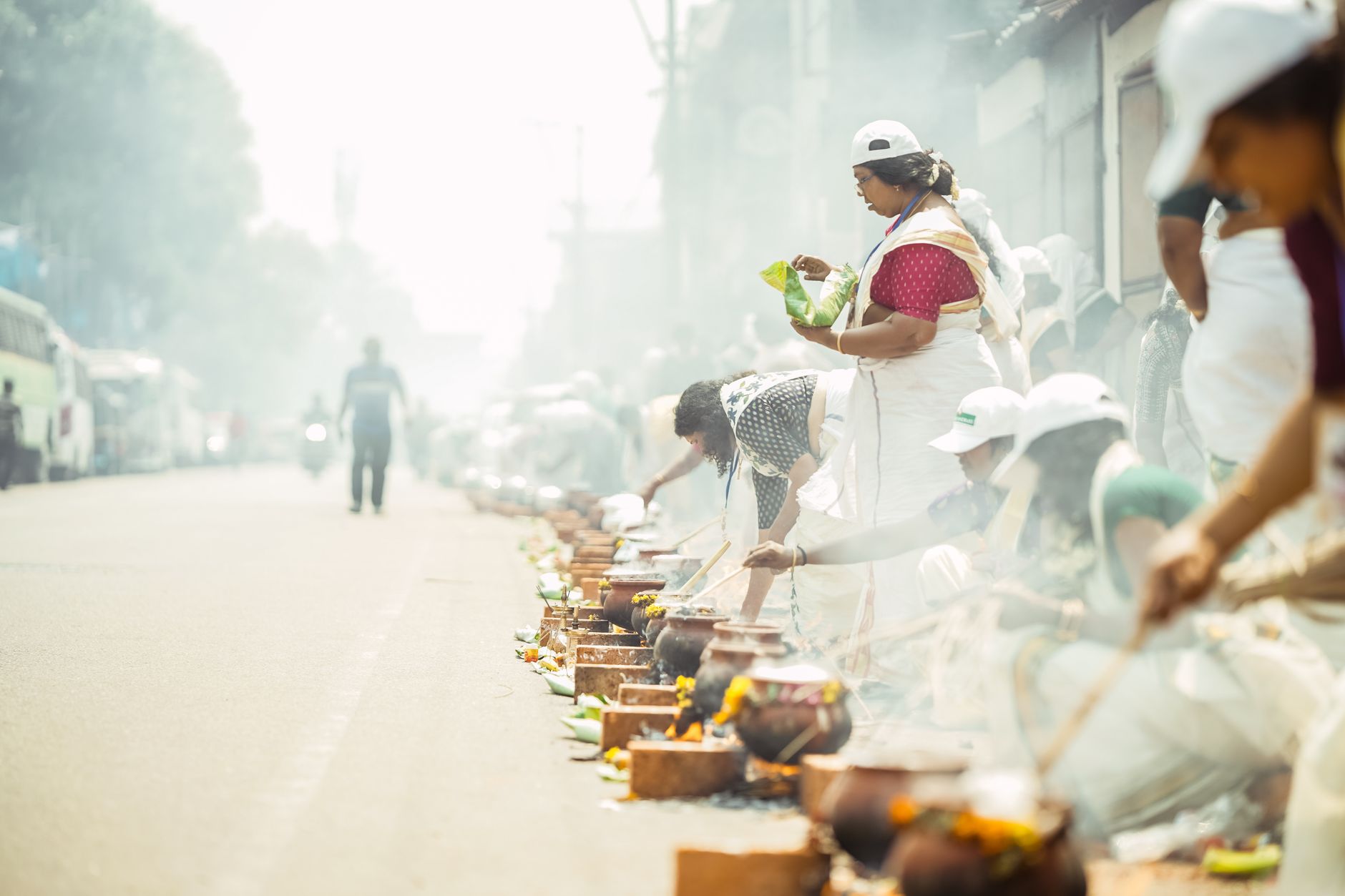
A large outdoor cooking pot over an open fire at a street festival
Traditional preparation of a multi-course feast in South India

Sadhya

A traditional Kerala vegetarian feast served on a banana leaf, consisting of 24–28 dishes like Sambar, Avial, and Payasam. Eat it traditionally with your right hand at local messes in Fort Kochi for ₹150–₹300.

Scams to Watch Out For

India is generally safe, but the tourist hubs are crawling with professional hustlers. If you’re not careful, they’ll take you for a ride—literally.

The “Hotel Closed” Scam

Common around New Delhi Railway Station. Drivers will claim your hotel is closed due to a protest or fire, then drive you to a fake “Government Approved Tourist Office” to rebook. Ignore them, verify on Google Maps, and demand your original destination.

The Airport Prepaid Taxi Scam

At Delhi Airport (DEL), touts will approach you claiming the official prepaid booth is closed. Ignore them completely. Only book cabs through the official Delhi Police or Meru counters inside the terminal, or use Uber/Ola pickup zones.

The QR Code UPI Scam

Scammers in busy markets might send you a QR code to “receive” a refund or split a bill. In India’s UPI system, you never need to scan a code or enter your PIN to receive money—only to send it. If someone asks you to scan to receive, walk away.

Frequently Asked Questions

How do I hire a certified tour guide in India?

To legally work as a guide, individuals must complete the Incredible India Tourist Facilitator (Iitf) Certification Programme managed by the Iittm. Always ask to see their official digital credentials before agreeing to a tour.

Can I use digital payments in India as a tourist?

While India runs on UPI, setting it up without an Indian bank account is incredibly difficult. Carry ₹2,000–₹5,000 in cash daily for street food, auto-rickshaws, and small markets.

What are the tipping customs in India?

Tipping is highly appreciated but not mandatory. Tip private drivers ₹300–₹500 per day, local guides ₹300–₹500 per half-day, and hotel porters ₹100 per bag. In restaurants, a 10% tip is standard if no service charge is added.

Staying Connected Without the Bureaucracy

Sorting out your phone connection in India can be a bureaucratic nightmare. Strict Trai KYC regulations mean buying a physical SIM requires your passport, visa copies, a live photo, and sometimes a local reference’s OTP. It can take up to 24 hours to activate, and public WiFi is useless because it requires an Indian number to receive a login OTP.

If you’re heading to high-altitude border regions like Ladakh, standard prepaid tourist SIMs won’t work at all—only postpaid Bsnl or Airtel cards have coverage there. For the rest of the country, you can bypass the paperwork entirely by setting up an India eSIM from Galactic Roam before you land, giving you instant data the second your plane touches down.

Get your India eSIM


Exploring the Deserts of Rajasthan, India

Rajasthan, India’s vast desert kingdom, is a land of golden dunes, majestic forts, and vibrant culture. Known for its colorful festivals, historic palaces, and the timeless charm of the Thar Desert, Rajasthan offers travelers a unique blend of adventure and tradition. Planning your travel to Rajasthan? This guide uncovers the top things to know before exploring Rajasthan’s deserts to help you experience this magical region. If this is your first time visiting the country, our india travel guide provides essential tips to help you prepare.

What to See and Do in the Deserts of Rajasthan


Desert dunes in Rajasthan India
Fig 1. The golden sands of Rajasthan’s Thar Desert stretch to the horizon under a vivid sky.

Rajasthan’s deserts are filled with enchanting experiences, from camel safaris to vibrant cultural festivals. Here are some highlights you won’t want to miss:

  • Take a camel safari in Jaisalmer – ride through the sweeping dunes and camp under the starry desert sky.
  • Explore the Jaisalmer Fort, an imposing sandstone fortress bustling with shops and local life.
  • Visit the Sam Sand Dunes for spectacular sunset views and traditional Rajasthani folk performances.
  • Experience Rajasthani cuisine. What to eat in Rajasthan’s desert region? Try dal bati churma, gatte ki sabzi, and sweet desserts like ghewar.
  • Discover the desert oasis town of Bikaner, famous for its palaces, temples, and camel breeding farms.
  • Attend the Desert Festival in Jaisalmer, a colorful celebration of local music, dance, and traditions.

These are just a few of the top things to do in Rajasthan’s deserts. Whether you seek adventure, history, or cultural immersion, the desert landscape promises unforgettable memories. If you are planning to explore other historic regions across the globe, be sure to check out our turkey travel guide for your next big trip.

Stay Connected While Exploring Rajasthan


Camels walking in Rajasthan desert
Fig 2. A caravan of camels makes its way across the Thar Desert’s vast sands.

Staying connected while exploring Rajasthan’s deserts helps you navigate remote areas and share your incredible experiences. With Galactic Roam eSIMs, enjoy seamless and affordable data coverage throughout India—without swapping SIM cards or incurring high roaming fees. If you plan to visit other major hubs in the country, check out our mumbai travel guide to help you navigate the bustling metropolis.

Explore our eSIM options for India here

A Soulful Journey Through Varanasi, India

Varanasi, one of the oldest living cities in the world, is India’s spiritual heart—where life, death, and devotion converge along the sacred Ganges. Known for its ghats, rituals, and timeless rhythm, Varanasi offers a raw, soulful experience unlike any other. Planning your travel to Varanasi? This guide shares the top things to know before visiting Varanasi and how to embrace its deep spiritual energy.

What to See and Do in Varanasi


Boats on the Ganges River in Varanasi, India
Fig 1. Morning light reveals boats drifting through the mist on the sacred Ganges River.

Varanasi is not just a destination—it’s a feeling. The chants of priests, scent of incense, and endless flow of pilgrims create an atmosphere unlike anywhere else. Here are the top experiences to seek out:

  • Attend the Ganga Aarti at Dashashwamedh Ghat – a stunning evening ritual of light and prayer offered to the river goddess.
  • Take a sunrise boat ride along the Ganges to witness daily life unfolding along the ghats and temples.
  • Wander the old city lanes — discover hidden shrines, local markets, and the pulse of daily spiritual life.
  • Experience Varanasi’s street food. What to eat in Varanasi? Try kachori sabzi, jalebi, lassi, and Banarasi paan.
  • Visit Sarnath, the nearby site where Buddha gave his first sermon after enlightenment.
  • Explore the temples like Kashi Vishwanath, a revered Jyotirlinga dedicated to Lord Shiva.

These are just a few of the top things to do in Varanasi. Whether you’re a spiritual seeker, cultural explorer, or first-time visitor, Varanasi invites deep reflection, awe, and soulful connection. If you are planning a larger trip, our india travel guide offers essential tips for your journey. If your journey continues to India’s bustling financial hub, check out our mumbai travel guide to help you navigate the Maximum City.

Stay Connected While Experiencing Varanasi


Ghats of Varanasi at dusk
Fig 2. Sunset over the ghats — a sacred space where rituals, life, and the river flow together.

Whether you’re navigating narrow lanes or streaming the mesmerizing Ganga Aarti live, staying online can enrich your time in Varanasi. With Galactic Roam eSIMs, enjoy affordable and reliable data in India—no SIM swapping, no roaming surprises. Just seamless connectivity from the riverbanks to the rooftops.

Explore our eSIM options for India here