

Melbourne Travel Guide: How to Navigate the Coffee, Culture, and Quirks
You’re landing in Melbourne for the AFL Grand Final in September 2026, but you don’t know its quirks.
Australia’s cultural capital is brilliant, but it will happily fine you or trap your rental car if you don’t know the local rules.
I’ve spent years navigating these laneways, dodging undercover transit police, and finding the spots actually worth your time.
This highly practical Melbourne travel guide will save your wallet and show you how to experience the city like a local. If you are also planning to visit the Harbour City, don’t miss our sydney travel guide.
Quick Facts — Melbourne
Australian Dollar (AUD)
English
Aest (UTC+10) / Aedt (UTC+11)
Type I
September to November
ETA required for most tourists
Getting Around & CBD Logistics
Melbourne operates the largest urban tram network in the world, featuring over 250 kilometers of double track and 24 active routes. It is incredibly efficient, but you need to know how the ticketing works to avoid a massive headache.
Trams are completely free within the CBD boundaries. You don’t need to tap on or off with a Myki card if your entire journey is within this Free Tram Zone. In fact, tapping on inside the free zone will unnecessarily charge you.
If you’re traveling outside the CBD to places like Fitzroy or St Kilda, you must buy a physical Myki card for $6 AUD and load it with credit. Tapping on is mandatory the moment you step out of the free zone.
Also, be prepared when you land: Melbourne Airport has no direct train link to the city. The SkyBus Express is your best bet, costing $22–$24 AUD one-way. It runs 24/7, departing every 10–15 minutes, and takes 30–45 minutes to reach Southern Cross Station.
Things to See (That Are Actually Worth It)
Forget the generic tourist brochures. Here are the three spots that actually live up to the hype, along with the insider tricks to experiencing them properly.
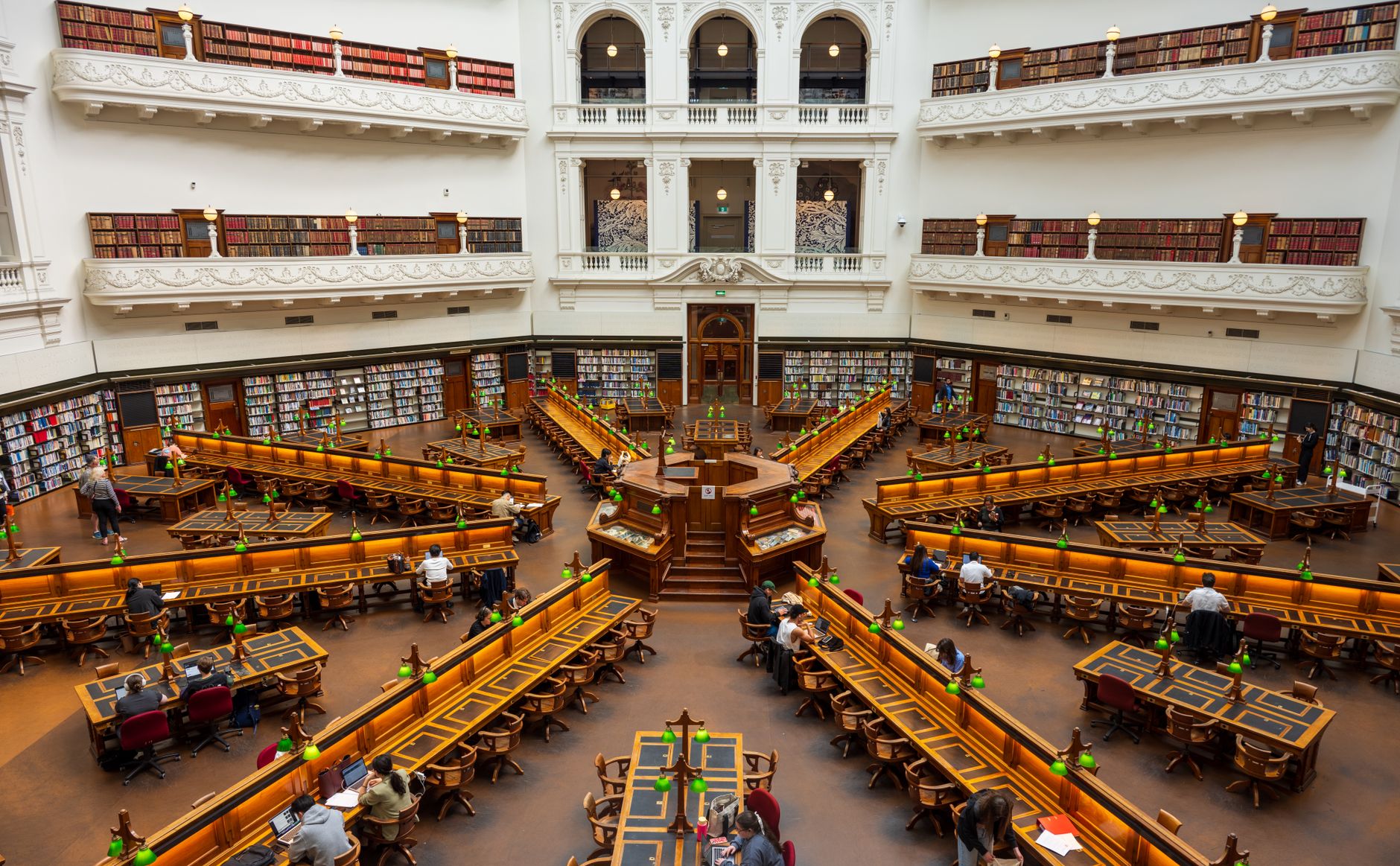
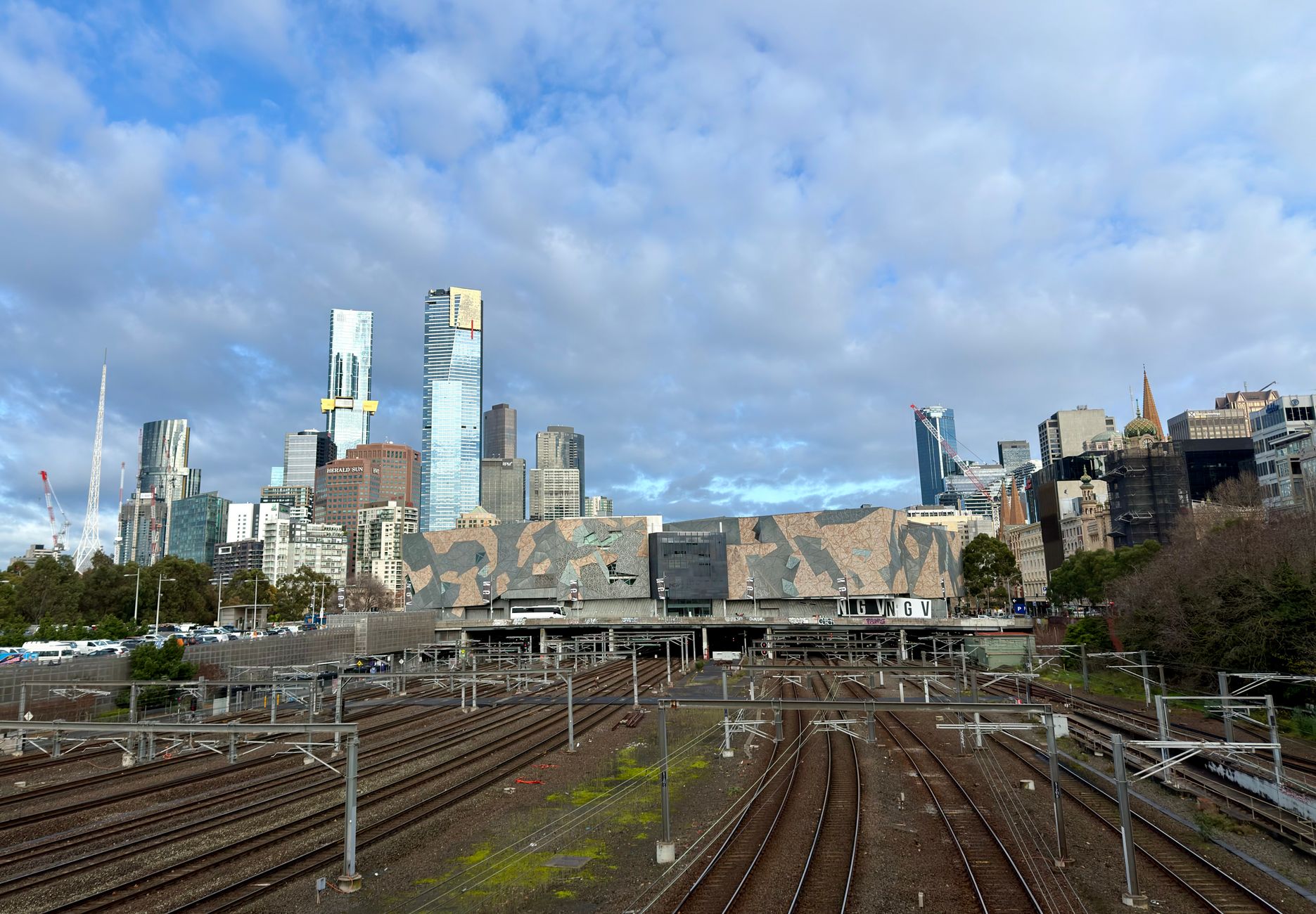

What to Eat & Drink
Melbourne has the largest Greek-speaking population of any city outside of Greece and Cyprus, with over 173,000 residents of Greek ancestry. This massive cultural footprint means the food scene here is elite.
But if you want to eat like a true Melburnian, you need to order these three things:



Safety & Local Laws (The Pitfalls)
Melbourne is generally safe, but local authorities love to hand out hefty fines for things you might do without thinking. Keep these rules in mind to protect your travel budget.
On-the-Spot Jaywalking Fines
Victoria Police actively target pedestrians crossing against a red light in the CBD, especially near Flinders, Elizabeth, and Swanston Streets. Crossing early can cost you an immediate $418.20 AUD fine. Wait for the green man, even if the road is completely empty.
The Hook Turn Trap
If you rent a car, turning right in the CBD requires a ‘hook turn’ from the far-left lane to avoid blocking trams. You pull into the left-hand pocket, wait inside the intersection, and only turn when the light on the street you are entering turns green. Better yet: don’t drive in the CBD at all.
Elizabeth Street Late Night Safety
The southern end of Elizabeth Street, near Flinders Street Station and the 24-hour McDonald’s, frequently sees aggressive panhandling and anti-social behavior. It isn’t highly dangerous, but it’s unpleasant. Use Swanston or Collins Street instead when walking back late.
Frequently Asked Questions
Where is the best area to stay in Melbourne?
How many days do you need to explore Melbourne?
Do you need to tip in Melbourne?
Before you start exploring, get your phone sorted. Australia has strict mandatory identity laws, meaning you must register any physical SIM or eSIM with your passport details before it can be activated. If you buy a local prepaid tourist pack, expect to pay $10–$30 AUD for 30GB to 60GB of data on networks like Telstra or Optus. Alternatively, you can skip the airport queues and the registration hassle entirely by setting up an Australia eSIM from Galactic Roam before you even board your flight. It connects instantly to local networks the moment you land, keeping you connected without the paperwork.