Connect Globally

Trusted by Millions

Oaxaca Day of the Dead Guide: How to Experience Día de los Muertos Like a Local

Oaxaca Day of the Dead Travel Guide: How to Explore Like a Local

Oaxaca welcomed over 89,000 visitors for its last Day of the Dead, turning a quiet colonial city into pure logistical chaos. If you arrive without a solid plan, the sheer volume of people will eat you alive before you even see a single candle. I spent three weeks navigating Oaxaca’s crowded markets and remote village cemeteries to write this realistic Oaxaca Day of the Dead travel guide. Here is how to avoid the classic rookie mistakes, dodge the tourist traps, and experience this sacred festival like an actual local.

Quick Facts — Mexico

Currency
Mexican Peso (MXN)
Language
Spanish
Time zone
CST (UTC-6)
Plug type
Types A and B
Best time to visit
October 31 – November 2
Visa
FMM tourist card (free for most)

The Reality of Día de los Muertos in 2026

The upcoming Día de los Muertos festival (October 31 – November 2, 2026) is highly anticipated, with Oaxaca City hosting over 140 cultural events. You can expect to see the famous 250-square-meter sand carpet in the Jalatlaco neighborhood and the massive Paseo de las Ánimas parade. But don’t expect a quiet, solemn affair—this is a high-energy celebration of life and memory.

Statistically, Oaxaca is remarkably safe. The city has a municipal homicide rate of 9.4 per 100K, making it safer than other major festival destinations like Mexico City (12.9) or San Miguel de Allende (14.2). Still, the crowds require smart preparation.

89K+
Visitors
140+
Events
9.4
Homicide Rate
250m²
Sand Carpet

Cemeteries & Processions: Where to Go (and What to Skip)

Most tourists flock straight to the heavily crowded Xoxocotlán cemeteries. Skip the worst of the crowds and head to these alternatives instead.
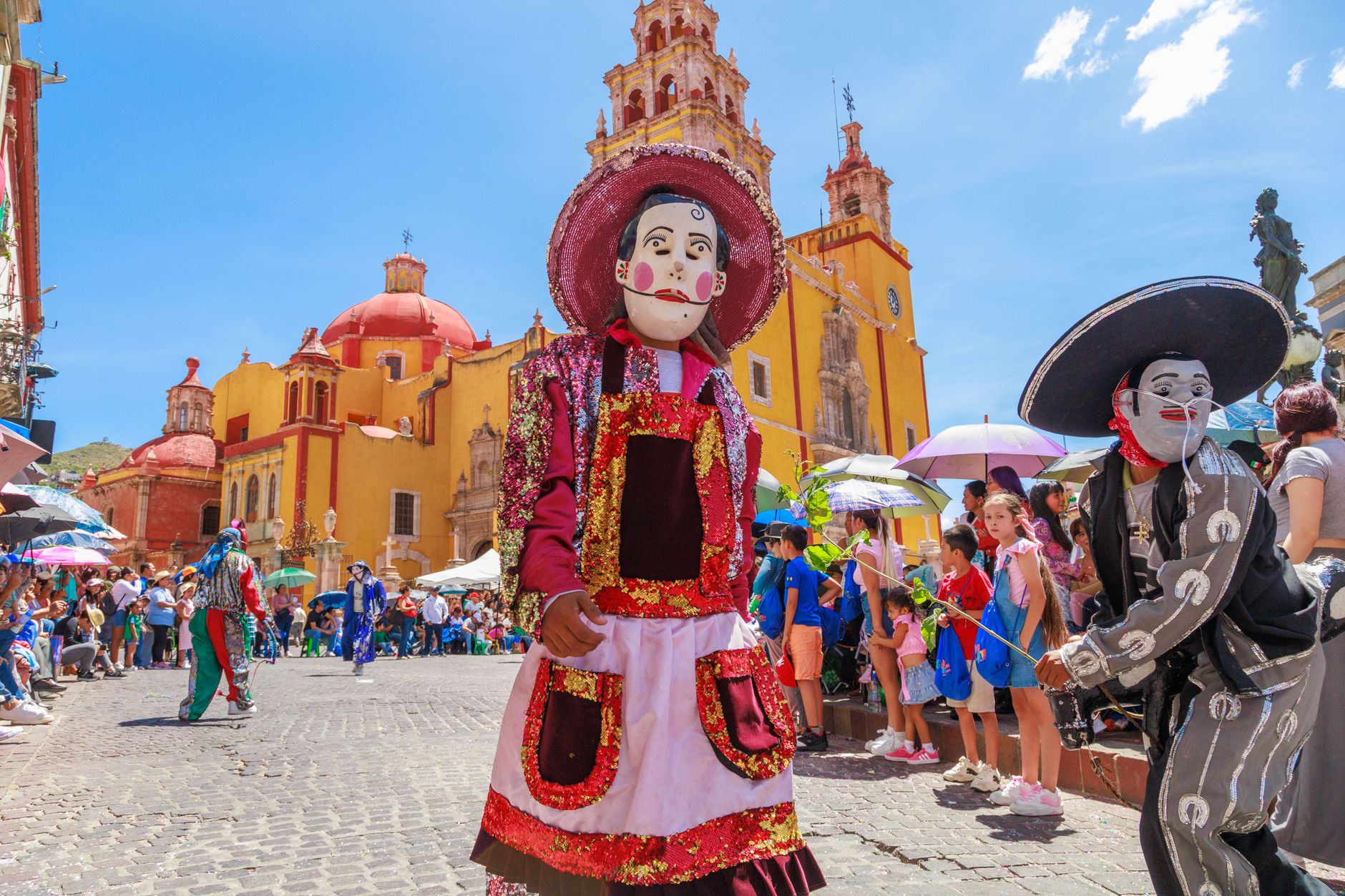
San Agustín Etla (La Muerteada) Mexico
A street parade in Mexico during Day of the Dead celebrations

San Agustín Etla (La Muerteada)

This town hosts a wild, theatrical night procession featuring ‘La Relación,’ a satirical play where characters playfully confront death. It is located 15 to 20 kilometers north of Oaxaca City, taking up to 60 minutes to travel during the festival. Insider tip: Do not rely on hailing a taxi or DiDi to get back at 2 AM or 3 AM; they are virtually non-existent, so arrange a private driver in advance.

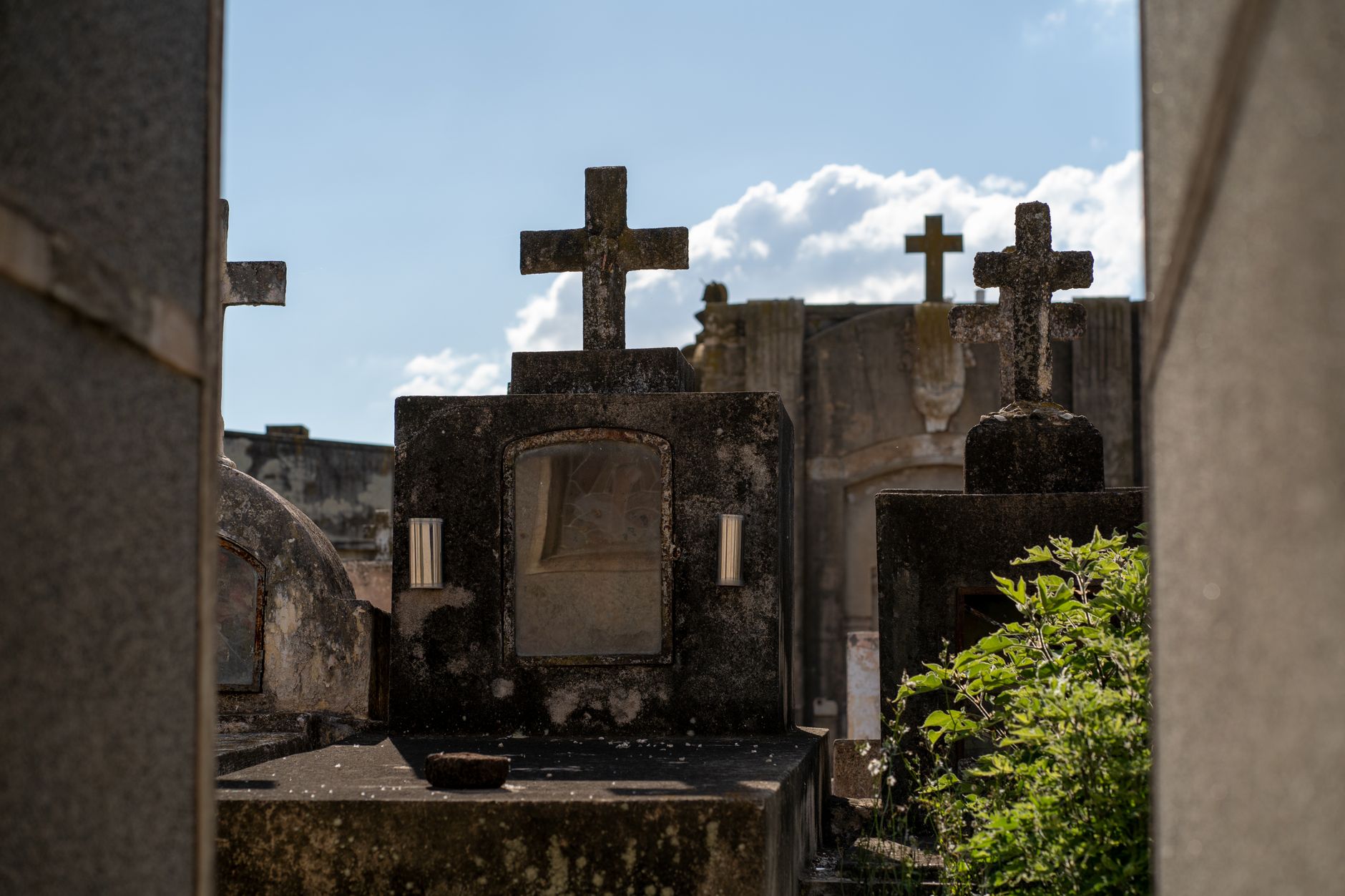
San Felipe del Agua Cemetery Mexico
A historic cemetery scene during a quiet vigil

San Felipe del Agua Cemetery

A quieter, more intimate alternative where local families gather for quiet candlelit vigils. Insider tip: If you paint your face like a Catrina for the street parades, you must wash it off before entering this or any other cemetery. Locals view face paint inside sacred burial grounds as highly disrespectful.

What to Eat: Sacred Flavors

Oaxacan food during Day of the Dead is legendary. Skip the generic tourist restaurants and head straight to the markets for these three traditional items.
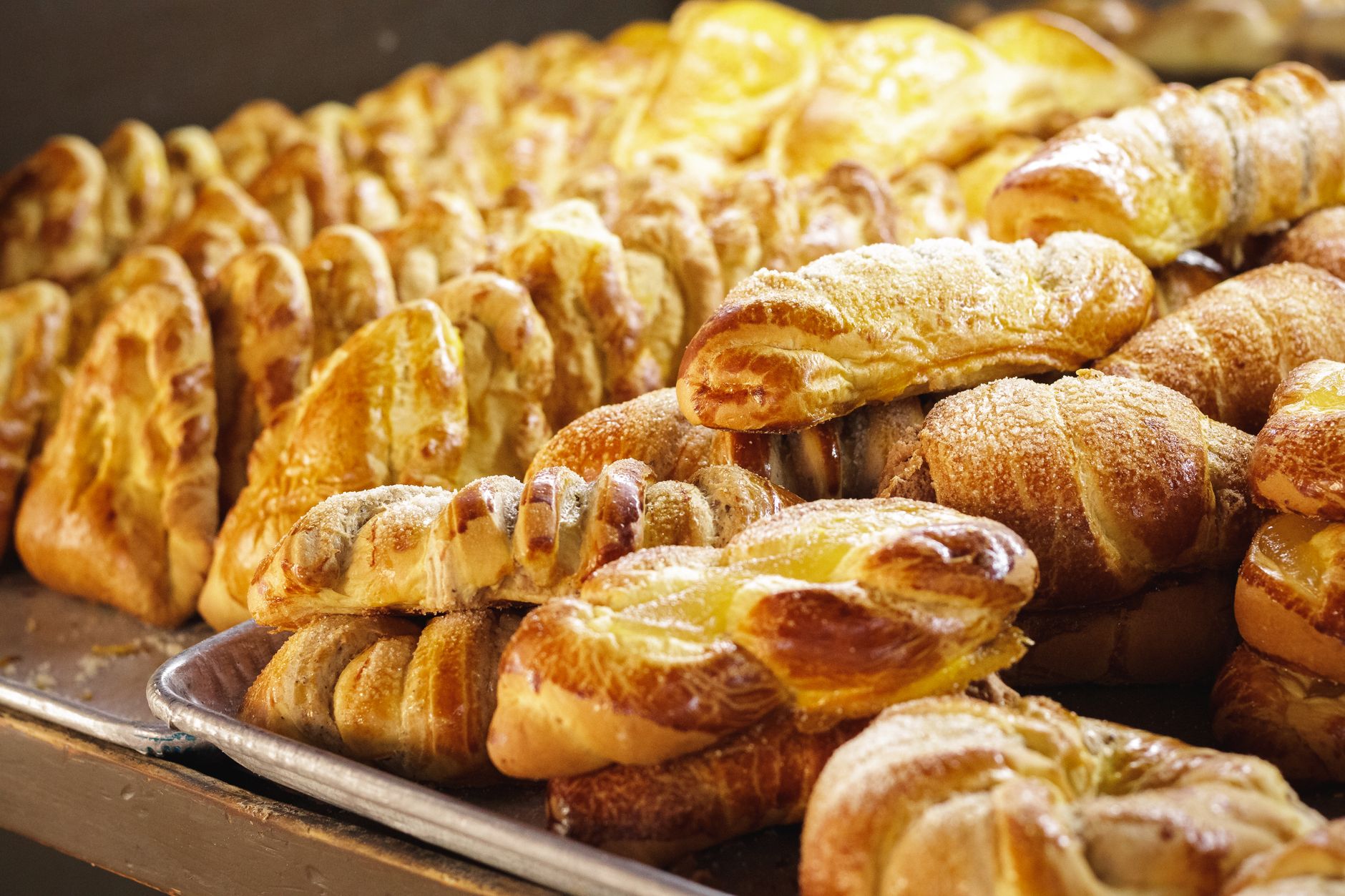
Pan de Yema con Carita Mexico food
Traditional Mexican pastries in a local bakery

Pan de Yema con Carita ($1.00–$3.00)

A rich, egg-yolk brioche-like bread flavored with anise and decorated with a hand-painted ‘carita’ (little face) representing the soul of the departed. The caritas are made of flour, water, and yeast, with Miahuatlán de Porfirio Díaz being the largest producer of these unique crafts. Find it at Mercado 20 de Noviembre or Panadería Tere in Tlacolula.

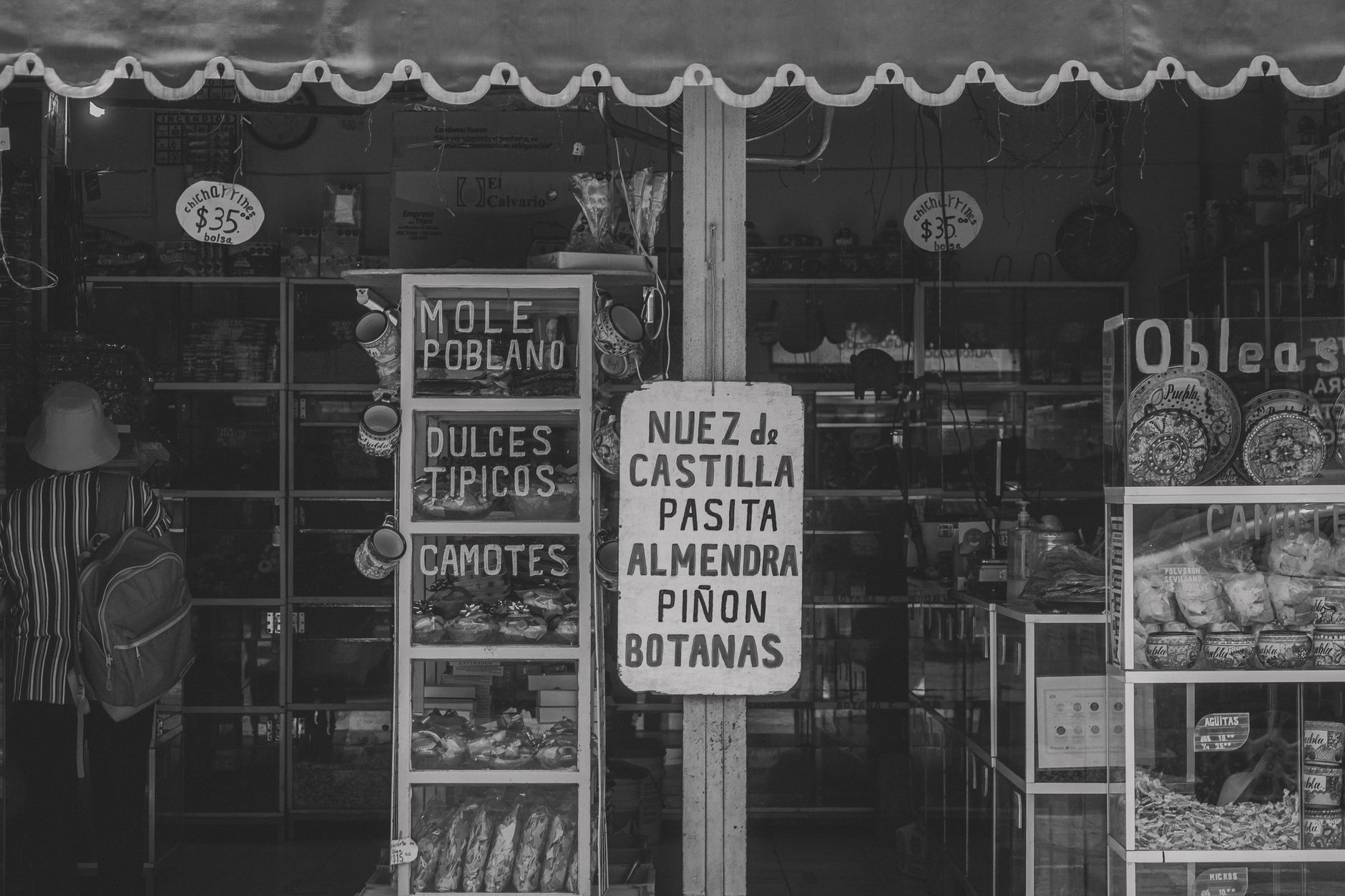
Mole Negro Mexico food
A local grocery store entrance in Mexico

Mole Negro ($6.00–$12.00)

A complex, velvety black sauce made from toasted chilhuacle negro chiles, chocolate, plantains, and spices, served over chicken or folded into tamales. Head to the fondas inside Mercado 20 de Noviembre, specifically Comedor María Teresa, for the most authentic version.

Nicuatole Mexico food
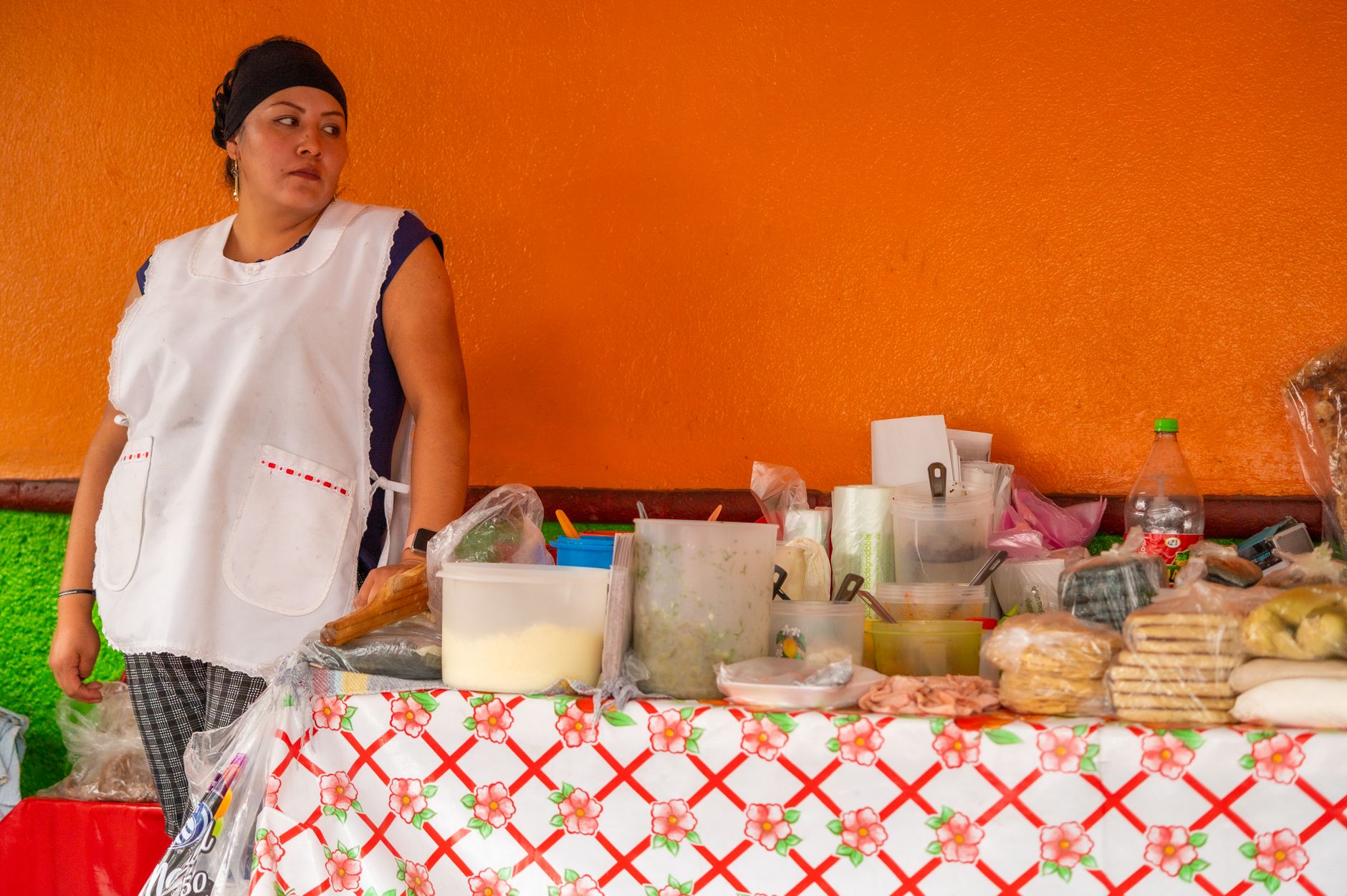
A vendor serving traditional Mexican food at a market table

Nicuatole ($0.80–$1.50)

A pre-Hispanic gelatinous dessert made of ground heirloom corn, sugar, and cinnamon, topped with a bright pink layer colored naturally with cochineal. Grab this sweet treat at the Central de Abastos or Mercado Benito Juárez.

Safety & Scams: Don’t Get Caught Out

While violent crime is low, petty theft and tourist scams spike during the festival. Keep your wits about you and watch out for these three common traps.

Pickpocketing via Distraction

This is highly common in the crowded north end of Central de Abastos and inside Mercado Benito Juárez. Keep your phone in a front pocket, wear a crossbody bag zipped shut in front of you, and step inside a physical shop if you need to look at your phone or pull out cash.

The Pre-Wrapped Fake Mezcal Switch

Scammers at unofficial street stalls around the Zócalo let you taste high-quality artisanal mezcal, but swap it for a cheap, industrial counterfeit bottle wrapped in newspaper and duct tape at checkout. Only buy bottles featuring the official Comercam hologram, ‘Mezcal Artesanal’ label, and specific agave variety.

Taxi Overcharging

Outside the ADO bus terminal and near the Zócalo at night, drivers will try to charge double. Street taxis do not use meters, so always agree on the fare before stepping into the vehicle. Alternatively, use the DiDi app to hail official yellow taxis, which locks in a transparent, pre-calculated price.

Logistics & Cash

Oaxaca International Airport (OAX) is 9 km from Centro. Private airport taxis cost 200–300 MXN ($10–$15 USD) for Zone 1 (Centro) and up to 520 MXN ($26 USD) for Zone 2 (Reforma). Shared colectivos (shuttles) cost 140–200 MXN ($7–$10 USD) per person and drop you directly at your hotel. Buy tickets at the official kiosk inside the arrivals terminal.

Cash is king here. Street food vendors, cemetery stalls, and face painters do not accept cards. ATMs in Centro Histórico frequently run out of cash during the festival due to high demand. Withdraw cash early in the morning or at the airport, and keep small bills (20, 50, and 100 peso notes) handy.

In sit-down restaurants, a 10–15% tip is standard. Check your bill for ‘propina sugerida’ or ‘servicio’ to ensure a tip hasn’t already been added. Tipping is not expected for street food, but rounding up to the nearest 10 pesos is appreciated.

Frequently Asked Questions

Is Oaxaca safe for Day of the Dead?
Yes, it is statistically very safe. Oaxaca City has a municipal homicide rate of 9.4 per 100K, which is lower than Mexico City (12.9) or San Miguel de Allende (14.2). Just watch out for pickpockets in crowded markets.
Can I wear face paint inside the cemeteries?
No, you should not. While face paint is fine for street parades, locals view it as highly disrespectful inside sacred burial grounds like the San Felipe del Agua Cemetery. Wash it off before entering.
How do I get from Oaxaca airport to the city center?
You can take a private airport taxi for 200–300 MXN ($10–$15 USD) to Centro, or a shared colectivo shuttle for 140–200 MXN ($7–$10 USD) per person. Buy your tickets at the official kiosk inside the arrivals terminal.

Stay Connected

A local physical SIM card costs about $8–$15 USD (150–300 MXN) at local Oxxo convenience stores. You’ll get excellent 5G/4G coverage in Oaxaca’s Centro Histórico, but signal drops to weak 3G or no service in the surrounding Sierra Juárez mountain villages. WiFi is generally reliable in modern Centro cafes, but older boutique hotels with thick adobe walls often suffer from dead zones inside rooms.

There are no major app blocks or VPN requirements in Mexico. However, if you are using an eSIM, you must ensure ‘Data Roaming’ is turned ON in your phone settings for the local partner network (usually Telcel or AT&T) to route data properly. If you want to skip the hassle of queuing at an Oxxo and swapping physical cards, grab a Mexico eSIM from Galactic Roam before you fly so you can navigate the moment you land.

Get your Mexico eSIM


Mexico Travel Guide: Essential Tips for First-Time Visitors

style>
@import url(‘https://fonts.googleapis.com/css2?family=Merriweather:ital,wght@0,300;0,400;0,700;1,300;1,400&display=swap’);

/* ── Base ─────────────────────────────────────────────────────────── */
.gr-article {
max-width: 768px;
margin: 0 auto;
padding: 0 1.25rem;
}
.gr-article, .gr-article p, .gr-article li, .gr-article td, .gr-article th {
font-family: ‘Merriweather’, serif !important;
font-size: 17px;
line-height: 1.75;
color: #1a1a1a;
}
.gr-article p { margin-bottom: 1.2em; }
.gr-article .lead, .gr-article p:first-of-type {
font-size: 20px;
line-height: 1.65;
font-weight: 400;
color: #222;
margin-bottom: 1.4em;
}

/* ── Headings ─────────────────────────────────────────────────────── */
.gr-article h2 {
font-family: ‘Merriweather’, serif !important;
font-size: 26px;
font-weight: 700;
line-height: 1.35;
margin: 48px 0 14px;
color: #111;
}
.gr-article h3 {
font-family: ‘Merriweather’, serif !important;
font-size: 22px;
font-weight: 700;
line-height: 1.4;
margin: 36px 0 12px;
color: #111;
}
.gr-article ul, .gr-article ol { padding-left: 1.6em; margin-bottom: 1.2em; }
.gr-article li { margin-bottom: 0.6em; }

/* ── Images ───────────────────────────────────────────────────────── */
.gr-article figure { margin: 36px auto; text-align: center; max-width: 100%; }
.gr-article figure img { display: block; margin: 0 auto; }
.gr-article figcaption { font-size: 13px; color: #777; font-style: italic; text-align: center; margin-top: 8px; }
.gr-article hr { margin: 2.5em 0; border: none; border-top: 1px solid #e0e0e0; }

/* ── Pull Quote ───────────────────────────────────────────────────── */
.gr-article blockquote {
margin: 28px 0;
padding: 20px 28px;
border-left: 3px solid #ff4d00;
background: #faf8f5;
font-size: 19px;
line-height: 1.65;
color: #444;
font-style: italic;
position: relative;
}
.gr-article blockquote::before {
content: ‘\201C’;
position: absolute;
top: -8px;
left: 12px;
font-size: 48px;
color: #ddd;
font-family: Georgia, serif;
line-height: 1;
}

/* ── Drop Cap ─────────────────────────────────────────────────────── */
.gr-article .lead::first-letter {
float: left;
font-size: 4em;
font-weight: 700;
line-height: 0.8;
padding-right: 0.25rem;
color: #ff4d00;
margin-top: 0.1rem;
}

/* ── Callout Boxes ────────────────────────────────────────────────── */
.gr-article .callout {
padding: 16px 20px;
border-left: 4px solid;
border-radius: 0 8px 8px 0;
margin: 24px 0;
font-size: 15px;
line-height: 1.7;
}
.gr-article .callout-tip { background: #f0fdf4; border-color: #22c55e; }
.gr-article .callout-warning { background: #fff8f0; border-color: #eab308; }
.gr-article .callout-danger { background: #fff5f5; border-color: #ef4444; }
.gr-article .callout-info { background: #eff6ff; border-color: #3b82f6; }
.gr-article .callout strong { display: block; font-size: 12px; text-transform: uppercase; letter-spacing: 0.06em; margin-bottom: 4px; }
.gr-article .callout-tip strong { color: #16a34a; }
.gr-article .callout-warning strong { color: #b45309; }
.gr-article .callout-danger strong { color: #dc2626; }
.gr-article .callout-info strong { color: #2563eb; }

/* ── Key Takeaways ────────────────────────────────────────────────── */
.gr-article .takeaways {
background: #fafaf9;
border: 1px solid #e7e5e4;
border-radius: 12px;
padding: 20px 28px;
margin: 28px 0;
}
.gr-article .takeaways h4 {
font-size: 11px;
font-weight: 700;
text-transform: uppercase;
letter-spacing: 0.1em;
color: #888;
margin: 0 0 14px 0;
padding-bottom: 10px;
border-bottom: 2px solid #e7e5e4;
}
.gr-article .takeaways ul { list-style: none; padding: 0; margin: 0; display: grid; gap: 10px; }
.gr-article .takeaways li {
display: flex;
gap: 10px;
align-items: flex-start;
font-size: 15px;
line-height: 1.55;
color: #444;
margin: 0;
}
.gr-article .takeaways li::before {
content: ‘\2713’;
flex-shrink: 0;
width: 22px;
height: 22px;
background: #0c4a6e;
color: #fff;
border-radius: 50%;
display: flex;
align-items: center;
justify-content: center;
font-size: 11px;
font-weight: 700;
margin-top: 2px;
}

/* ── Itinerary Timeline ───────────────────────────────────────────── */
.gr-article .itinerary { list-style: none; padding: 0; margin: 28px 0; position: relative; }
.gr-article .itinerary::before {
content: ”;
position: absolute;
left: 16px;
top: 8px;
bottom: 8px;
width: 2px;
background: #e0ddd5;
}
.gr-article .itinerary li {
position: relative;
padding-left: 44px;
padding-bottom: 24px;
margin: 0;
}
.gr-article .itinerary li:last-child { padding-bottom: 0; }
.gr-article .itinerary li::before {
content: ”;
position: absolute;
left: 8px;
top: 6px;
width: 18px;
height: 18px;
background: #fff;
border: 3px solid #ff4d00;
border-radius: 50%;
z-index: 1;
}
.gr-article .itinerary .it-day {
font-size: 13px;
font-weight: 700;
text-transform: uppercase;
letter-spacing: 0.08em;
color: #ff4d00;
margin-bottom: 2px;
}
.gr-article .itinerary .it-title {
font-size: 18px;
font-weight: 700;
color: #111;
margin-bottom: 6px;
}
.gr-article .itinerary p { font-size: 15px; color: #555; margin: 0; }

/* ── Pros / Cons ──────────────────────────────────────────────────── */
.gr-article .pros-cons {
display: grid;
grid-template-columns: 1fr 1fr;
gap: 16px;
margin: 24px 0;
}
.gr-article .pros-cons .pro { background: #f0fdf4; border: 1px solid #bbf7d0; border-radius: 10px; padding: 16px 20px; }
.gr-article .pros-cons .con { background: #fef2f2; border: 1px solid #fecaca; border-radius: 10px; padding: 16px 20px; }
.gr-article .pros-cons h4 {
font-size: 12px;
font-weight: 700;
text-transform: uppercase;
letter-spacing: 0.06em;
margin: 0 0 10px 0;
}
.gr-article .pros-cons .pro h4 { color: #16a34a; }
.gr-article .pros-cons .con h4 { color: #dc2626; }
.gr-article .pros-cons ul { list-style: none; padding: 0; margin: 0; }
.gr-article .pros-cons li { font-size: 14px; line-height: 1.6; color: #555; padding: 3px 0; margin: 0; }
@media (max-width: 480px) { .gr-article .pros-cons { grid-template-columns: 1fr; } }

/* ── FAQ Accordion ────────────────────────────────────────────────── */
.gr-article .faq { margin: 24px 0; }
.gr-article .faq details { border-bottom: 1px solid #e7e5e4; }
.gr-article .faq summary {
font-size: 17px;
font-weight: 600;
color: #222;
padding: 14px 0;
cursor: pointer;
list-style: none;
display: flex;
align-items: center;
justify-content: space-between;
}
.gr-article .faq summary::-webkit-details-marker { display: none; }
.gr-article .faq summary::after {
content: ‘+’;
font-size: 1.3em;
color: #ff4d00;
transition: transform 0.2s;
}
.gr-article .faq details[open] summary::after { content: ‘\2212’; }
.gr-article .faq details[open] summary { color: #ff4d00; }
.gr-article .faq .faq-answer {
padding: 0 0 16px 0;
font-size: 15px;
line-height: 1.7;
color: #555;
}

/* ── Budget Card ──────────────────────────────────────────────────── */
.gr-article .budget-card {
background: #fff;
border: 1px solid #e7e5e4;
border-radius: 12px;
padding: 20px 24px;
margin: 28px 0;
}
.gr-article .budget-card h4 {
font-size: 16px;
font-weight: 700;
margin: 0 0 14px 0;
color: #111;
}
.gr-article .budget-card table {
width: 100%;
border-collapse: collapse;
font-size: 14px;
}
.gr-article .budget-card th {
text-align: left;
font-size: 10px;
font-weight: 700;
text-transform: uppercase;
letter-spacing: 0.07em;
color: #999;
padding-bottom: 8px;
border-bottom: 1px solid #e7e5e4;
}
.gr-article .budget-card td {
padding: 8px 0;
border-bottom: 1px solid #f5f5f4;
color: #555;
}
.gr-article .budget-card .budget-total td { border-bottom: none; font-weight: 700; color: #111; padding-top: 10px; }
.gr-article .budget-card .budget-amt { text-align: right; font-variant-numeric: tabular-nums; }

/* ── Misc ─────────────────────────────────────────────────────────── */
.gr-article .highlight { background: #fff3e0; padding: 2px 6px; border-radius: 3px; }

/* ── Table header contrast fix ────────────────────────────────────── */
/* The comparison-table thead sets color:white on the

, but the base
“.gr-article th { color: #1a1a1a }” rule above is more specific than an
inherited value, so it silently wins and the header text goes near-invisible
on the dark background. Force it back explicitly, scoped to thead only so
normal body th/td (if ever used) keep the standard text color. */
.gr-article table thead th { color: #fff !important; }

Mexico welcomed 24.5 million international overnight tourists in the first half of 2026 alone.

Most of those millions of visitors will end up staring at the backs of tour groups, overpaying for lukewarm food, or getting caught in entirely avoidable traps. I’ve spent years navigating this country, from the chaotic streets of Mexico City to the quiet corners of the Yucatán.

Visiting without a strategy means you’ll likely overpay or get overwhelmed. These essential Mexico travel tips are your realistic, insider blueprint to bypass the tourist traps and experience the real Mexico. If you are also planning a trip further south, don’t miss our comprehensive brazil travel guide. We also have a complete peru travel guide to help you plan your Andean adventures, as well as a guatemala travel guide for those heading to Central America. If you are planning a trip around late October, don’t miss our oaxaca day of the dead travel guide to experience this beautiful tradition like a local.

Quick Facts — Mexico

Currency
Mexican Peso (MXN)
Language
Spanish
Time zone
GMT-5 to GMT-8
Plug type
Types A and B
Best time to visit
December to April
Visa
FMM tourist card (free for many nationalities)

Crucial Safety Rules and Scams to Avoid

Mexico is generally welcoming, but navigating it without knowing the local rules can cost you thousands of dollars. Here are the non-obvious traps you need to watch out for.

The 2026 Anti-Vaping Federal Law

As of January 2026, Mexico has implemented some of the strictest anti-vaping laws globally. Importing any e-cigarettes, vapes, or e-liquids—even for personal use—is a federal customs offense that carries fines up to $12,500 USD and potential detention. Leave them at home.

The Cancun Airport ‘Shark Tank’

When you exit customs at Cancun International Airport, you’ll walk through a corridor filled with people in official-looking uniforms claiming your shuttle has left or offering “free” maps. This is a timeshare sales pitch. Keep walking straight until you are completely outside the building to find your pre-booked transport.

ATM Skimming in Tourist Hubs

Independent, standalone ATMs on the streets of Tulum, Playa del Carmen, and Cancun are frequently targeted by organized crime syndicates for skimming. Only withdraw cash from ATMs physically located inside official bank branches like Bbva, Santander, or Banorte.

Also, keep an eye on your bills in Tulum. Mexico’s Federal Consumer Protection Agency (Profeco) recently launched a major crackdown there, suspending multiple beach clubs and hotels around Jaguar Park for illegal automatic tipping schemes and hidden fees.

Tipping is legally voluntary. If a restaurant automatically adds a 10% to 15% “servicio” to your bill, you are not obligated to pay it and should demand its removal.

Top Attractions (And How to Actually Visit Them)

Some of Mexico’s most famous sights are worth the journey, but only if you have an insider strategy to beat the crowds.

Teotihuacán Archaeological Complex Mexico
The ancient stone structures of Teotihuacán near Mexico City.

Teotihuacán Archaeological Complex

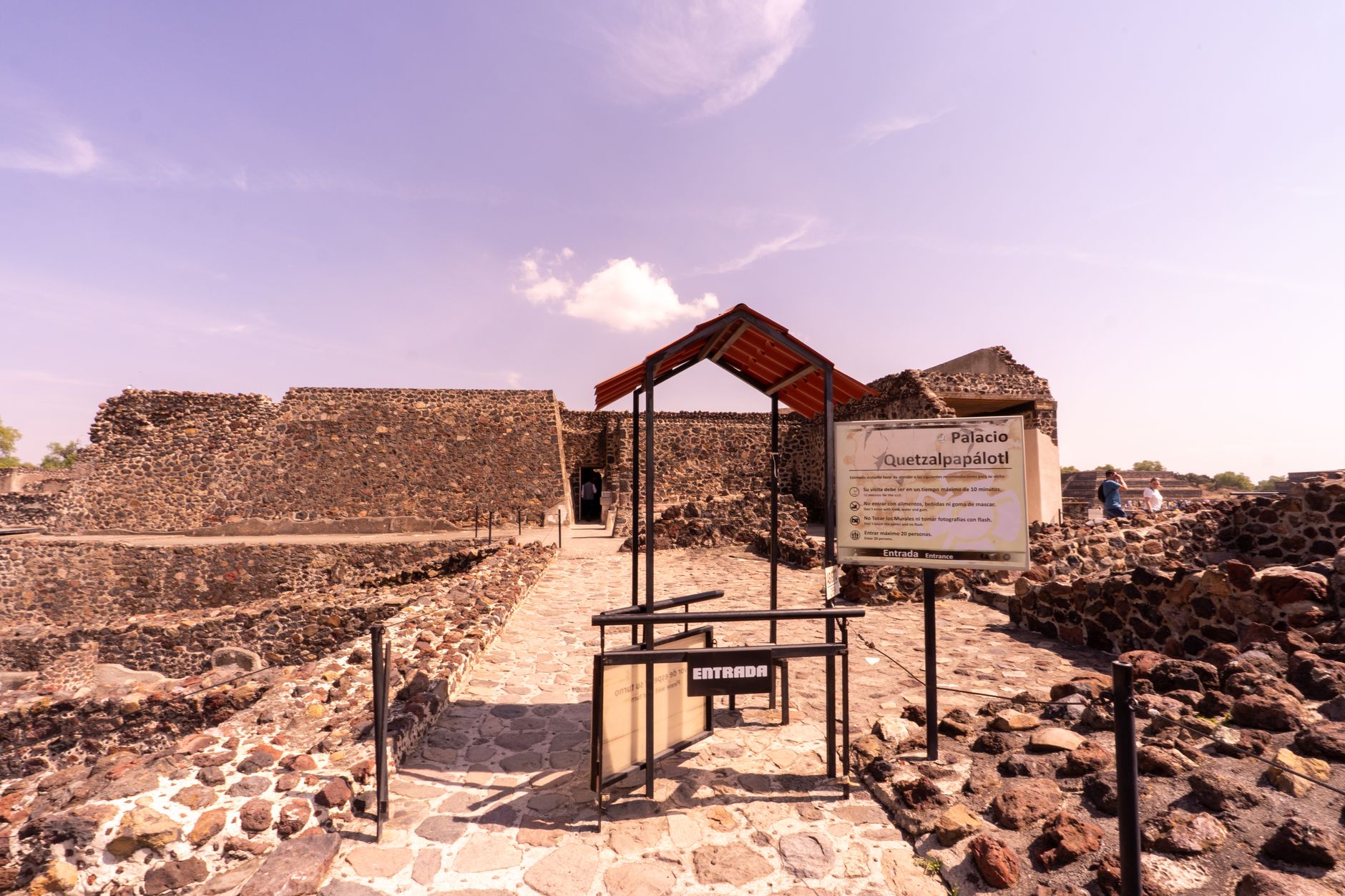
This massive ancient Mesoamerican city features the towering Pyramids of the Sun and Moon. To beat the tour buses from Mexico City, arrive exactly at 8:00 AM and enter through Gate 5. Don’t miss the bright, overlooked murals at the Tetitla and Atetelco compounds just outside the main ticketed area.

Cenote Yokdzonot Mexico
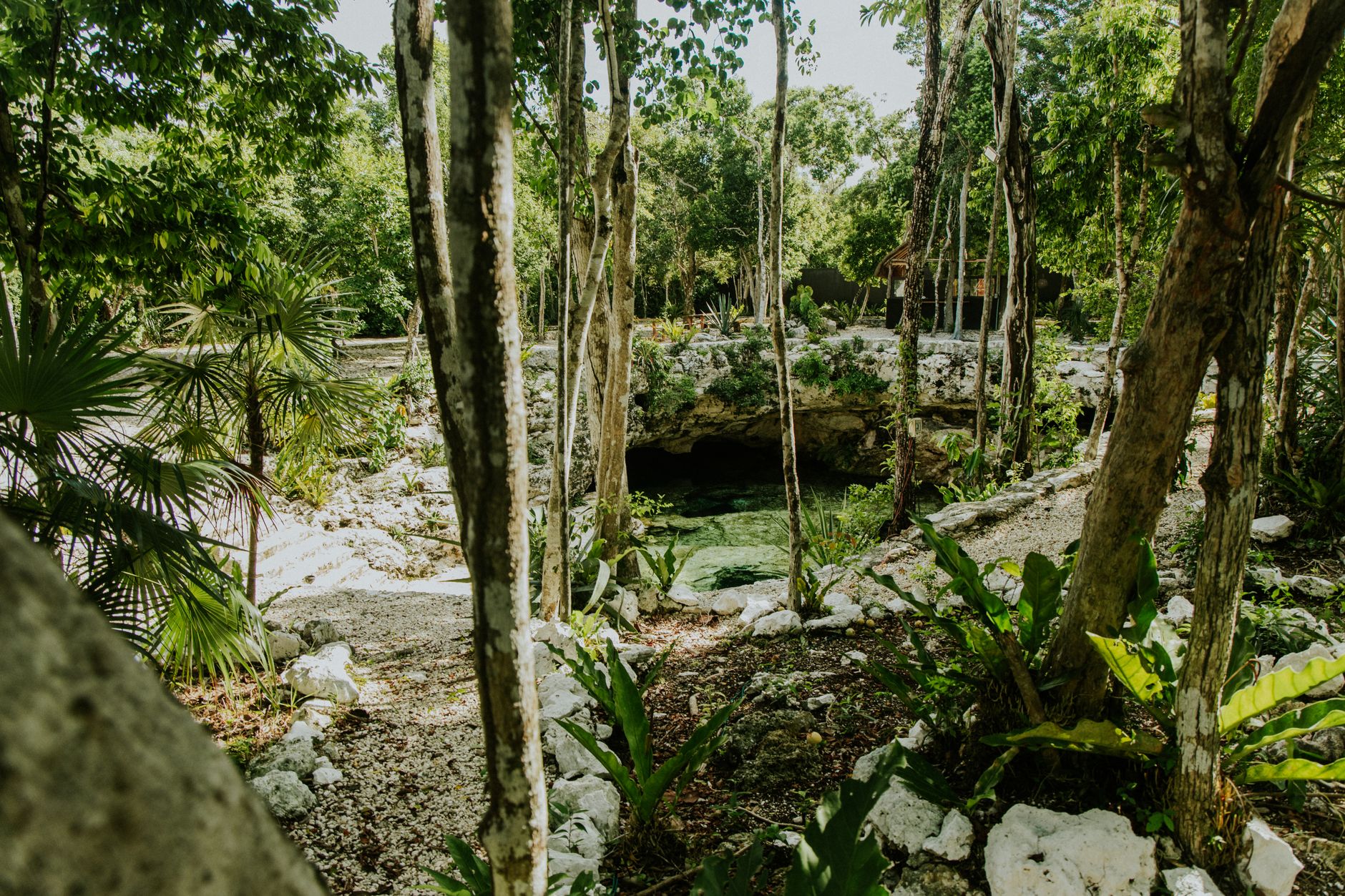
The lush, open-air Cenote Yokdzonot surrounded by jungle foliage.

Cenote Yokdzonot

Skip the commercialized chaos of Cenote Ik Kil and head to Yokdzonot instead. This open-air pool is run by a cooperative of local Mayan women, meaning your entrance fee directly supports the community. It features quiet swimming, ziplining, and a restaurant serving authentic regional food.

Frida Kahlo Museum (Casa Azul) Mexico
Artistic displays celebrating Mexican heritage in Coyoacán.

Frida Kahlo Museum (Casa Azul)

Located in the historic neighborhood of Coyoacán, this is the home where Frida Kahlo lived and died. You must book tickets online 2 to 4 weeks in advance because they do not sell tickets at the door. Use a debit card on their official site; foreign credit cards frequently trigger fraud blocks and fail.

The Real Culinary Icons of Mexico

Forget the generic tourist menus. Seek out these regional specialties at the specific spots where locals actually eat.

Tacos al Pastor Mexico food
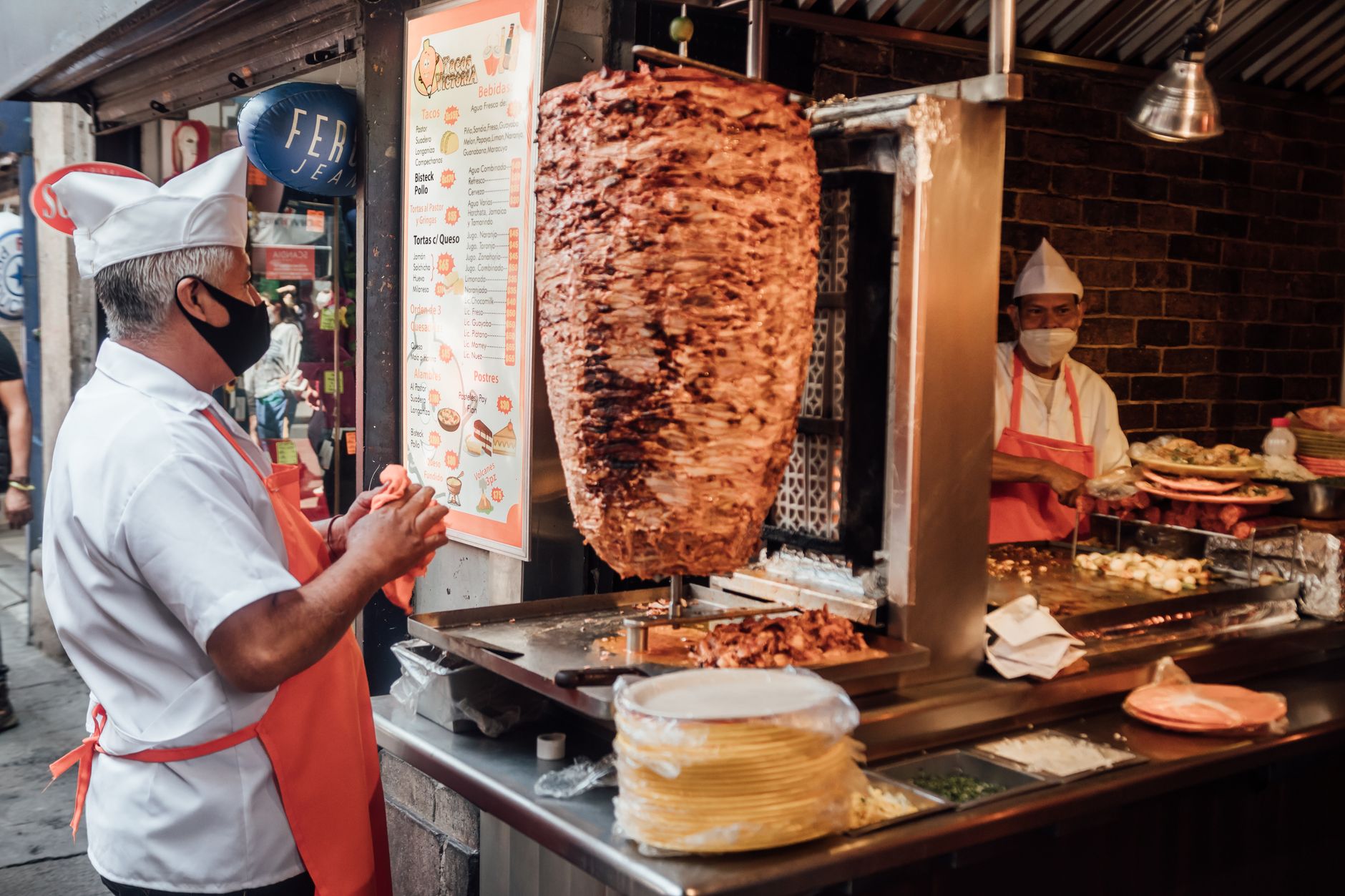
Thinly sliced spit-roasted pork being prepared for tacos al pastor.

Tacos al Pastor

This is thinly sliced spit-roasted pork marinated in dried chilies, spices, and achiote, served on corn tortillas with onions, cilantro, and pineapple. Head to El Vilsito in Mexico City’s Narvarte neighborhood—an auto repair shop by day that transforms into a legendary taquería by night. Expect to pay $5 to $11 USD (100 to 200 MXN) for a full meal.

Cochinita Pibil Mexico food
Traditional slow-roasted cochinita pibil served in a local market.

Cochinita Pibil

A Yucatecan masterpiece of slow-roasted pork marinated in highly acidic citrus juice and achiote, wrapped in banana leaves, and topped with pickled red onions. Find the best at “La Tía” inside the Mercado Lucas de Gálvez in Mérida. A hearty breakfast of tacos or tortas here costs just $4 to $8 USD (80 to 150 MXN).

Chiles en Nogada Mexico food
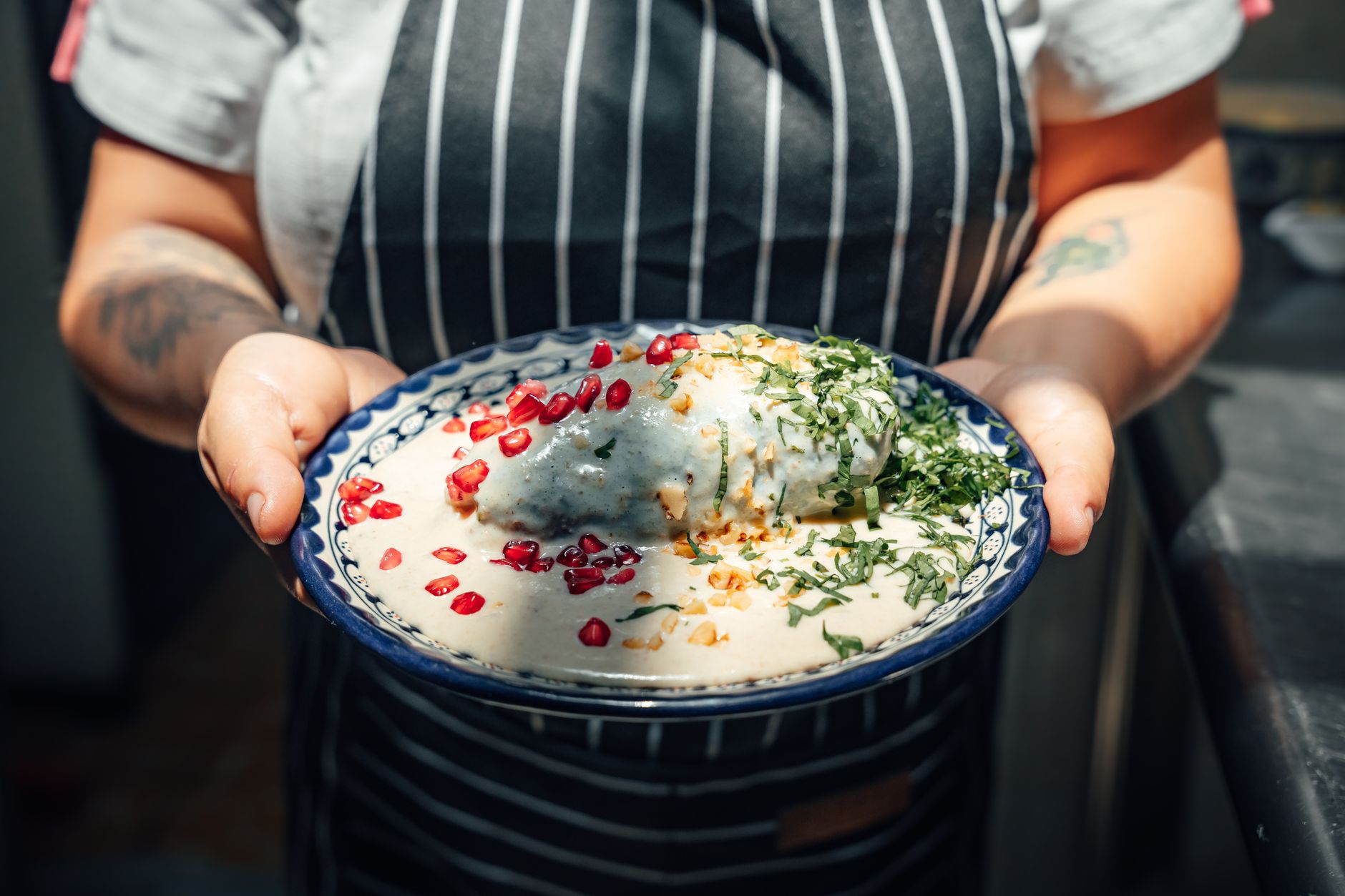
Chiles en Nogada topped with walnut cream sauce and pomegranate seeds.

Chiles en Nogada

This patriotic dish features poblano chilies stuffed with sweet-savory shredded meat, fruits, and nuts, bathed in a walnut cream sauce and topped with pomegranate seeds. It is available seasonally from July to mid-September. Try it at Restaurante Casareyna or Comal in Puebla for $13 to $33 USD (250 to 600 MXN) per plate.

Navigating Mexico City Transit Safely

Arriving in Mexico City can be overwhelming if you don’t know the system. Avoid hailing street cabs directly from the curb.

How to get from Cdmx Airport to the City Center — step by step

1
Buy a Prepaid Ticket
Locate an authorized booth labeled “Transportación Terrestre” inside the terminal. Fares are pre-set at around 300 to 350 MXN ($15 to $18 USD).
2
Head to the Official Taxi Rank
Walk to the designated taxi line outside and hand your paper voucher directly to the driver. Never accept rides from drivers offering services inside the terminal.
3
Get an Integrated Mobility Card
Once in the city, buy a transit card at any Metro station for 15 MXN ($0.87 USD). This lets you ride the Metro for just 5 MXN ($0.27 USD) per trip.

Frequently Asked Questions

Is it safe to use street ATMs in Mexico?
No, standalone street ATMs in tourist areas are frequently targeted for skimming. Always use ATMs physically located inside official bank branches like Bbva or Santander during daylight hours.
How much should I tip at restaurants in Mexico?
Tipping is legally voluntary. A standard tip is 10% to 15% for good service, but always check your bill first to ensure the restaurant hasn’t illegally added an automatic service charge.
Can I bring my vape to Mexico?
Absolutely not. As of January 2026, importing any e-cigarettes or vapes into Mexico is a federal offense, resulting in heavy fines up to $12,500 USD or detention.
What is the best way to get around Mexico City?
The Metro and Metrobús systems are incredibly cheap and efficient. Buy an Integrated Mobility card for 15 MXN ($0.87 USD) and load it with credit; each Metro ride costs only 5 MXN ($0.27 USD).

Staying Connected Without the Hassle

While major cities like Guadalajara and Monterrey have fast WiFi, connection speeds drop off quickly in remote beach towns like Tulum. If you buy a local physical SIM card from a convenience store like Oxxo, expect to pay around $1.50 to $7.50 USD, plus another $5 to $17 USD for data. However, these local SIMs require manual activation in Spanish, which is a massive headache if you don’t speak the language.

Furthermore, while local prepaid plans zero-rate apps like WhatsApp, they do not cover video-heavy platforms like TikTok or YouTube, which will quickly drain your main data allowance. To bypass the language barrier and avoid queuing at the airport, grab a Mexico eSIM from Galactic Roam before you fly. It connects instantly to Telcel’s high-speed 5G network as soon as you land, keeping you online without any manual activation stress.

Get your Mexico eSIM