Connect Globally

Trusted by Millions

Abu Dhabi Grand Prix Travel Guide: How to Plan Your Yas Marina F1 Weekend

Taking a photo of the wrong building or jaywalking near Yas Island can land you a $54,000 fine. If you are heading to the season finale on December 4, 2026, this realistic Abu Dhabi Grand Prix travel guide is your playbook to survive the chaos. I spent four weeks navigating the UAE’s strict laws and transport quirks to ensure the local logistics do not eat you alive. Here is how to navigate the grandstands, skip the tourist traps, and keep your cash in your pocket.

339k
Weekend Fans
AED 1.25B
Visitor Spending
AED 400
Jaywalking Fine
15m
Airport to Track

The Grandstand Truth: Where to Actually Sit

Most people buy tickets based on price alone. That is a massive mistake at Yas Marina Circuit. The Main Grandstand faces south, meaning Level 1 spectators face direct, harsh sun all day until sunset. You will roast.

Instead, book the West Grandstand. It faces east and northeast, keeping the sun behind you. Even better, the run-off area for Turns 6 and 7 actually goes partially underneath the West Grandstand. You get a unique perspective of cars braking from the track’s longest straight.

If you prefer behind-the-scenes action, the Marina Grandstand is your best bet. The support race garages, like Formula 2, are located directly underneath it. You can watch the support pit action unfold while others are staring at empty tarmac.

What to Do When the Engines Quiet Down

Abu Dhabi is not just a racetrack with a city attached. There are two heavy-hitting cultural spots you cannot skip, but you must time them correctly to avoid the crowds.

Sheikh Zayed Grand Mosque reflecting in the water pool at dusk
Sheikh Zayed Grand Mosque reflecting in the still water pools at dusk.

Sheikh Zayed Grand Mosque

This massive structure features 82 white marble domes and a unique lunar illumination system that shifts based on the moon’s phase. Arrive 60 to 90 minutes before sunset (around 4:00 PM) to catch the golden hour and watch the lights activate. Pre-register online to skip the entry queue, and buy a modest abaya at a local mall beforehand for $5–$10 instead of paying $55+ at the mosque’s visitor center.

Louvre Abu Dhabi geometric dome ceiling
The geometric dome ceiling of the Louvre Abu Dhabi.

Louvre Abu Dhabi

A floating museum on Saadiyat Island covered by a geometric dome made of 7,850 unique metal stars, creating a “rain of light” effect. It is closed on Mondays. To beat the crowds, visit at 10:00 AM on a weekday, or hang out under the dome after the galleries close—the outdoor area stays open until midnight.

Real Emirati Food to Fuel Your Weekend

Skip the generic hotel buffets. Abu Dhabi has a rich culinary scene if you know what to order and where to find it.
Machboos rice dish served on a plate
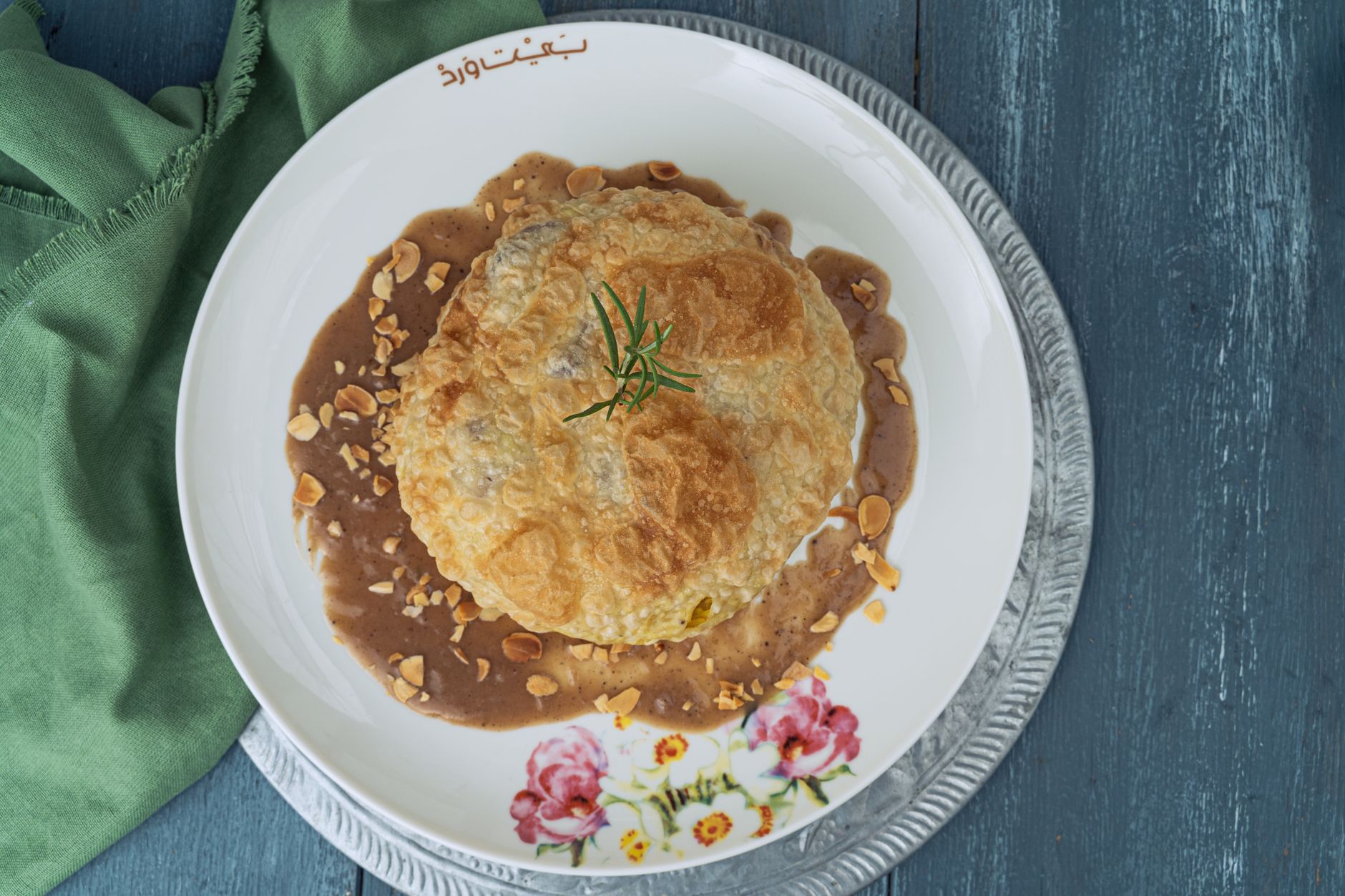
Machboos, the traditional spiced rice dish of the UAE.

Machboos (Majboos)

The quintessential Emirati rice dish, slow-cooked with spiced chicken, lamb, or fish. It is heavily seasoned with cardamom, saffron, and dried black limes (loomi) for a tangy kick. Get it at Al Mrzab Traditional Restaurant or Al Fanar Restaurant & Cafe for AED 40–70 ($11–$19).

Luqaimat sweet dough balls on a plate
Luqaimat, deep-fried sweet dough balls drizzled with date syrup.

Luqaimat

Sweet, golden, deep-fried dough balls that are crunchy on the outside and airy on the inside. They are traditionally drizzled with rich date syrup (dibs) and sprinkled with sesame seeds. Grab a portion at Wadi Luqaimat and Chebab Restaurant for AED 15–30 ($4–$8).

Laws and Scams That Will Ruin Your Trip

The UAE is incredibly safe, but its strict legal system catches tourists off guard every single day. Do not let simple mistakes ruin your weekend.

Unlicensed “VIP” Taxis

Drivers will approach you at Abu Dhabi International Airport (AUH) arrivals or outside major hotels offering fast rides. Politely decline and follow signs to the official, government-regulated metered taxi queue, or use Careem or Uber.

Illegal Road Crossing (Jaywalking)

Do not cross major roads around Yas Island unless you are in a designated pedestrian crossing or underpass. Jaywalking is strictly enforced and carries an immediate AED 400 fine.

Unpermitted Photography

Never point your camera at government, military, or port facilities, and keep strangers (especially women and families) out of your shots. Violating privacy laws carries fines up to AED 200,000 and potential jail time.

Logistics: Getting to Yas Marina Circuit

Abu Dhabi International Airport (AUH) is only 10km from Yas Marina Circuit. A metered taxi takes about 15 minutes and costs around AED 35–50 ($10–$14). Taxis accept credit cards, but keep AED 50–100 in cash for small souk purchases.

Once you are on the island, use the complimentary “Yas Express” shuttle buses connecting major hotels and the circuit. If you are staying in Downtown Abu Dhabi (which is much cheaper than Yas Island), take public bus 102 or 190 for just AED 2–4.

Tipping is not mandatory, but a 10-15% tip is customary in restaurants if a service charge is not already included. For taxi drivers, simply round up to the nearest AED 5 or 10.

The UAE Connectivity Trap: Why Your Phone Won’t Call Home

The UAE has outstanding 5G and 4G coverage, but there is a major catch. Voice over IP (VoIP) calling on popular apps like WhatsApp, FaceTime, Skype, and Viber is completely blocked on local networks. Texting works fine, but you cannot make voice or video calls.

To bypass this, you have two choices. You can set up a reputable VPN before arriving (since VPN provider websites are blocked locally), or use a travel eSIM that routes your data internationally, bypassing the local block entirely.

While you can buy a tourist SIM at the airport for AED 49 to AED 99 ($13–$27), it requires queuing and passport registration. A simpler option is to grab a United Arab Emirates eSIM from Galactic Roam before you fly, giving you instant data the moment you land without the airport hassle.

FeatureLocal Airport SIMGalactic Roam eSIM
CostAED 49 – 99 ($13–$27)From $8
ActivationPhysical swap at kioskInstant, pre-arrival QR scan
RegistrationPassport scan requiredNone
Ready on arrivalAfter queuingYes
VoIP CallingBlocked (requires VPN)Works (routed internationally)

Frequently Asked Questions

Is tap water safe to drink in Abu Dhabi?
Yes, tap water is technically safe, but almost everyone—including locals—drinks bottled or filtered water due to the desalinated taste. Stick to bottled water to avoid any stomach issues during the race weekend.
Do I need cash in Abu Dhabi?
Abu Dhabi is highly cashless. You can pay with Visa or Mastercard in taxis, restaurants, and malls, but keep AED 50–100 in cash for small tips or purchases in traditional souks.
What should I wear to the Sheikh Zayed Grand Mosque?
Women must be fully covered to the ankles and wrists, with a headscarf covering their hair. Men must wear long trousers and shirts with sleeves. Avoid tight clothing, and buy a cheap abaya beforehand at a local mall to save money.

Planning your F1 weekend is stressful enough without worrying about high roaming fees or blocked WhatsApp calls. Secure your connection before you fly with a United Arab Emirates eSIM from Galactic Roam and stay connected from the grandstands to the grid.

Get your United Arab Emirates eSIM


Luxembourg Travel Guide: How to Explore the Grand Duchy Like a Local

Luxembourg has 2.1 international tourists for every single resident. That density means if you don’t know what you’re doing, the crowds and unregulated prices will eat you alive. I spent two weeks navigating the Grand Duchy’s transit networks, hidden valleys, and underground fortresses to write this Luxembourg travel guide. You’ll learn how to ride the entire country’s transit for free, avoid the worst tourist traps, and hike safely through old World War battlefields.

Let’s get into how to actually tackle this place without looking like a clueless tourist.

Quick Facts — Luxembourg

Currency
Euro (€)
Language
Luxembourgish, French, German
Time zone
GMT+1 (CET)
Transit Cost
100% Free (2nd Class)
Best time to visit
May to September
Visa
Schengen Zone

The Golden Ticket: Free Public Transit

Luxembourg is the first country in the world to make all domestic public transport completely free. That means buses, trams, second-class trains, and even the Pfaffenthal funicular cost you absolutely nothing. You don’t need a ticket, a pass, or an app—you just walk on and sit down.

Getting from Luxembourg Airport (LUX) to the city center is incredibly simple. Just hop on the free direct tram (T1) or bus lines 16 or 29. It takes about 20-25 minutes to reach Hamilius or Gare Centrale, and it won’t cost you a single cent.

But don’t assume everything is a free ride. Taxi fares here are completely unregulated, and drivers can charge whatever they want. Always check the tariff grid displayed on the rear passenger window before getting in, or expect to pay up to €50 for a short 6km run.

What’s Actually Worth Your Time

Bock Casemates Luxembourg
The historic fortifications of the Bock Casemates overlooking the Alzette River valley.

Bock Casemates

This 17-kilometer network of 17th-century underground tunnels is carved directly into the solid rock. It historically earned Luxembourg the nickname ‘Gibraltar of the North’. You must book a timed-entry ticket online in advance, and wear sturdy sneakers because the stone ramps are slick. If you’re claustrophobic, skip the tunnels entirely and walk the Chemin de la Corniche just outside for the exact same valley views for free.

Pfaffenthal Panoramic Lift Luxembourg
The glass-walled Pfaffenthal Panoramic Lift rising above the valley floor.

Pfaffenthal Panoramic Lift

This free, glass-walled elevator whisks you 71 meters high between the Pfaffenthal valley and the upper city in just 30 seconds. For the best photo, ride it during ascent at sunset when the valley is bathed in golden light. You can easily combine it with the nearby free funicular to transition straight to the modern Kirchberg plateau.

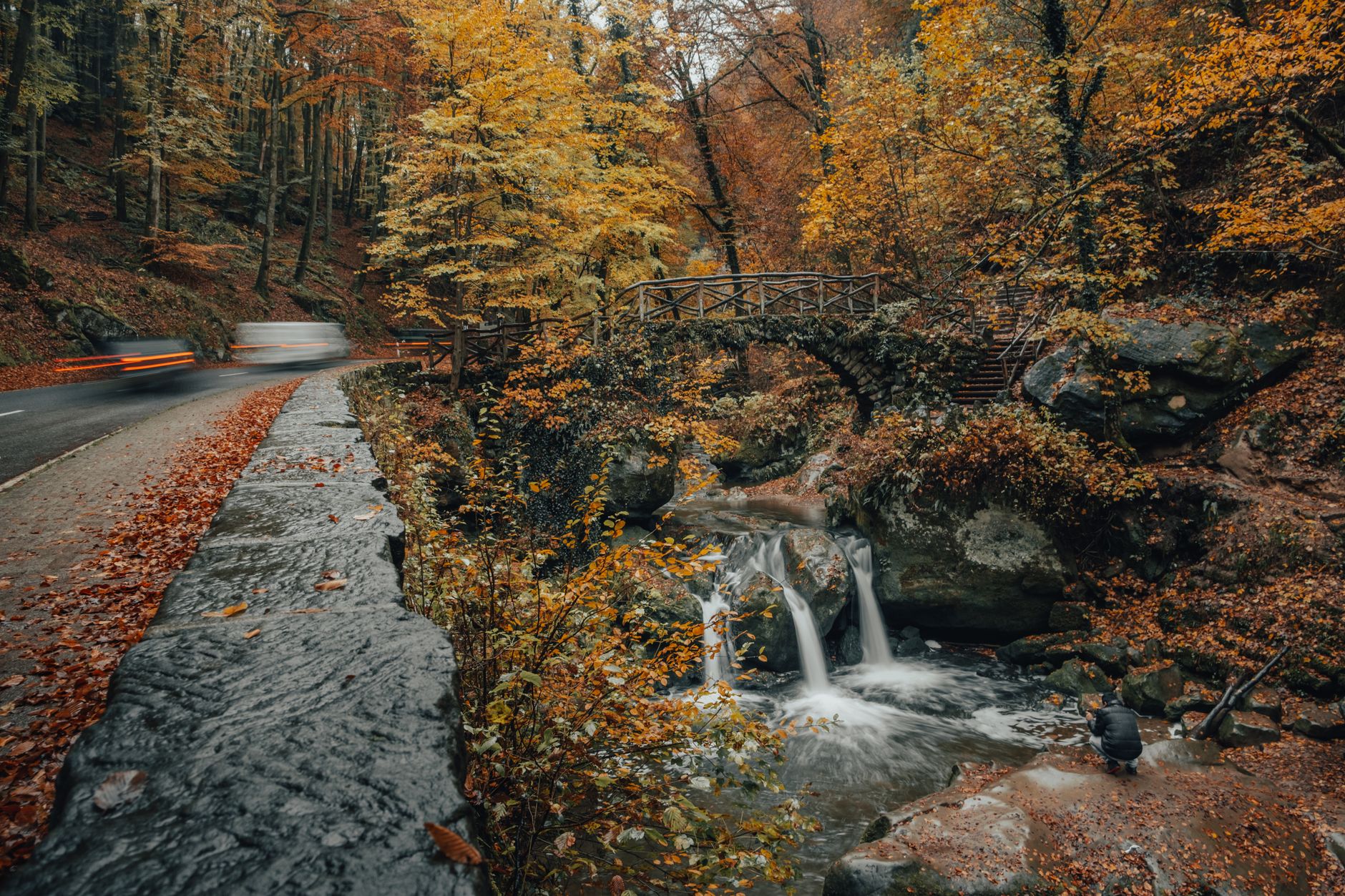
Mullerthal Trail (Little Switzerland) Luxembourg
A wooden footbridge crossing a stream along the forested Mullerthal Trail.

Mullerthal Trail (Little Switzerland)

A 112-kilometer trail famous for dramatic sandstone rock formations and mossy ravines. Route 2 is the most dramatic but also the most crowded. If you tackle the tightest crevices like ‘Rittergang’ and ‘Déiwepëtz’—which narrow to just 30-50 cm—you must take off your backpack to squeeze through and bring a headlamp because it’s pitch black inside.

What to Eat (and Where)

Luxembourgish cuisine is heavy, comforting, and heavily influenced by French and German traditions. Don’t leave without trying these three classics.

Judd mat Gaardebounen Luxembourg food
A hearty serving of Judd mat Gaardebounen with broad beans and potatoes.

Judd mat Gaardebounen

The national dish consists of smoked pork collar that is brined, smoked over beechwood, slow-poached, and served with broad beans in a bacon-flecked cream sauce. Head to Café-Restaurant Um Dierfgen in Ville Haute or Auberge Aal Veinen in Vianden to try it. Expect to pay between €17 and €22.

Gromperekichelcher Luxembourg food
Crispy, golden-brown Gromperekichelcher potato pancakes served fresh.

Gromperekichelcher

These are crispy, shallow-fried potato pancakes mixed with grated onions and parsley, traditionally served hot with sweet apple sauce. Grab them for €3–€5 at street food stalls in the Place Guillaume II Market, or get a gourmet version with smoked salmon at Bouneweger Stuff in Bonnevoie for €12.

Bouneschlupp Luxembourg food
A steaming bowl of traditional Bouneschlupp green bean soup.

Bouneschlupp

A comforting, thick green bean soup cooked with potatoes, bacon, and cream, topped with sliced Mettwurscht (local smoked sausage). You can find this starter at traditional brasseries in the Grund or Clausen districts, like Mousel’s Cantine, for €7–€10.

Safety & Hidden Dangers

Luxembourg is incredibly safe compared to most European capitals, but it isn’t entirely crime-free. Keep these three specific warnings in mind.

Unexploded World War Ordnance

The northern (Éislek) and eastern regions still contain unexploded bombs from the World Wars. Strictly stay on marked hiking paths in these forests. Never touch old metal objects you find in the woods; report them immediately to the police by dialing 113.

Fake Police Officers

Scammers posing as plainclothes police officers sometimes target tourists in the city center, demanding on-the-spot cash fines. Never hand over cash or documents on the street. Ask to see official credentials and offer to walk to the nearest police station to resolve any issue.

Distraction Pickpocketing

This is common around Luxembourg City’s central railway station (Gare Centrale) and on crowded trams, especially at the Place de la Gare tram stop. Keep your phone and wallet in zipped inner pockets, and wear your backpack on your front when boarding transit.

Frequently Asked Questions

Is public transport really free for tourists?
Yes, absolutely. Every bus, tram, and second-class train in the country is 100% free for both residents and visitors. You don’t need to register or show any ID to board.
Do I need cash in Luxembourg?
Not really. Luxembourg is highly digitized, and credit cards are accepted almost everywhere. Tipping is not mandatory since service is included, but rounding up to the nearest euro is appreciated.
Is tap water safe to drink in Luxembourg?
Yes, the tap water is perfectly safe and meets exceptionally high quality standards nationwide. You can refill your water bottle at any hotel or public fountain without worry.

Staying Connected

While free Wi-Fi is widely available on public buses, trams, and squares, you’ll want a reliable mobile connection when hiking the Mullerthal Trail or navigating the valley. Buying a local physical SIM card costs between €10 and €20, but by law, you must register your passport or official ID at the retail shop, which often leads to annoying activation delays.

To bypass the paperwork entirely, grab a Luxembourg eSIM from Galactic Roam before you fly. It connects instantly to the local network the moment you land, giving you seamless data across the entire Grand Duchy without the retail queues.

Get your Luxembourg eSIM


Slovakia Travel Guide: How to Explore Europe’s Land of Castles and Wild Mountains

Slovakia has over 100 castles and double that number of manor houses. For a country smaller than West Virginia, that is the highest concentration of fortresses per capita on Earth—and most travelers bypass them entirely on their way to Prague or Budapest. I spent three weeks navigating Slovakia’s wild mountain passes, medieval towns, and local pubs to write this Slovakia travel guide. You’ll learn which fairytale ruins are worth the steep climb, how to avoid letting rescue fees eat you alive if you get hurt in the Tatras, and the exact laws that could cost you a €1,600 fine.

Quick Facts — Slovakia

Currency
Euro (€)
Language
Slovak
Time zone
Central European Time (CET)
Plug type
Type C and E
Best time to visit
May to September, or December
Visa
Schengen Zone rules apply

The Castle Reality Check: What is Worth Your Time

Slovakia’s tourism is experiencing a major post-pandemic boom. In April 2026, local accommodations hosted a record-breaking 464,000 guests, which is a 10% jump from the previous year. With crowds on the rise, you need to be smart about which sights you queue for.

Spiš Castle is one of the largest medieval complexes in Central Europe, sitting dramatically on a travertine hill. Most tourists make the mistake of hiking the steep, exhausting path from the town of Spišské Podhradie. Skip that punishment. Instead, drive to the parking lot on the eastern Hodkovce side for a flat, easy 10-minute walk to the entrance. Just check the wind forecast before you go, as high winds will force the staff to lock up the upper tower.

If you want to avoid the massive tour groups that choke Bratislava Castle, head 40 minutes out of the city to Červený Kameň Castle. This 16th-century Renaissance fortress is incredibly well-preserved, featuring massive underground cellars and a weapons arsenal. Go on a weekend to catch the local falconry shows in the courtyard, then stop for a wine-tasting in the nearby historic town of Modra.

For the ultimate fairytale aesthetic, Bojnice Castle—often called the “Cinderella Castle”—delivers with its pastel-blue turrets and a mysterious cave hidden beneath the foundations. But visiting on a summer weekend is a logistical nightmare of crowds. Book a candlelight night tour instead; they are guided by actors in period costumes and let you experience the halls without the elbow-to-elbow chaos.

Into the Wild: Slovak Paradise National Park

If you prefer ladders to luxury, the Suchá Belá Gorge in Slovak Paradise National Park is a thrilling canyon hike. You will be climbing vertical iron ladders, crossing wooden footbridges, and squeezing through narrow rock chutes directly over rushing waterfalls.

But do not treat this like a casual walk in the park. The trail is strictly one-way (upwards) to prevent dangerous bottlenecks on the ladders, meaning you must return via the Glac trail. Waterproof hiking boots with aggressive grip are non-negotiable because you will be walking directly through the wet stream bed. Arrive before 8:00 AM in the summer, or you will find yourself stuck in literal human traffic jams on the ladders.

The Mountain Rescue Trap

Standard travel insurance rarely covers mountain search and rescue operations in Slovakia. You must purchase specific Mountain Rescue Insurance (HZS) online for about €1–€2 per day. If you get hurt without it, a helicopter evacuation can easily cost you upwards of €1,000.

What to Eat: Heavy, Hearty, and Garlic-Rubbed

Slovak cuisine is designed to help you survive a winter in the Tatras. The national dish is Bryndzové Halušky, which consists of small, hand-cut potato dumplings tossed in a creamy, tangy sauce made from traditional bryndza (sheep’s milk cheese), topped with crispy fried bacon fat. Look for traditional rustic shepherd’s huts called “koliba” or “salaš”—like Koliba Kamzík in Bratislava—where a massive plate will cost you between €7 and €10.

If you are visiting during the colder months, order Kapustnica. This is a rich, sour sauerkraut soup cooked with smoked pork, spicy klobása sausage, dried forest mushrooms, and plums. It costs about €4–€6 in local pubs and is the ultimate comfort food.

For street food, find a kiosk selling Langoš for €2–€4. It is a slab of deep-fried yeast dough rubbed with fresh garlic water, brushed with sour cream, and piled high with grated cheese. Wash it down with a draft Kofola, the Communist-era herbal cola that is less sweet than Coca-Cola, featuring distinct hints of lemon and coffee.

How to Navigate Slovakia Like a Local

Slovakia is highly modern, but it has a few strict legal quirks that will catch you off guard if you are unprepared. Knowing these rules will save you from heavy fines and logistical headaches.

Slovakia Survival Steps — step by step

1
Carry your physical passport
By Slovak law, all foreign visitors over 15 must carry their physical passport or EU ID card at all times. Digital photos or photocopies are not legally sufficient, and police can fine you up to €1,600 on the spot if you cannot produce it.
2
Keep your blood alcohol at absolute zero
Slovakia enforces a strict 0.0% blood alcohol limit for driving. Police conduct frequent random breathalyzer tests, and any trace of alcohol can lead to immediate license confiscation, jail time, or fines up to €1,300.
3
Ditch the station taxis
Taxis waiting outside Bratislava’s main train station or airport are notorious for overcharging. Take Bus 61 from the airport to the center for €1.10, or use the Bolt app to secure a ride for €10–€15 instead of paying a €35 street fare.

Is Slovakia safe for solo travelers?

Slovakia is incredibly safe, but pickpockets operate in Bratislava’s Old Town pedestrian zones and on crowded trams like Line 4. Also, steer clear of promoters offering “free entry” to strip clubs or rowdy late-night bars in the capital. These spots are notorious for extortionate drink pricing and drink-spiking scams.

Do I need cash, or is card accepted everywhere?

Cards are universally accepted in Bratislava and Košice, even for a simple coffee. However, cash is absolutely essential the moment you head into rural areas, mountain huts, or national parks. You will need coins for trail entrance fees (usually €1–€3) and small-town taxis.

How does tipping work in Slovak restaurants?

Tipping is appreciated but entirely optional. It is customary to round up the bill to the nearest euro or leave a 5–10% tip for good service. Do not leave cash on the table; instead, tell the waiter the total amount you want to pay when they present the bill.

Stay Connected Without the Bureaucracy

If you buy a local physical SIM card in Slovakia, prepare for a logistical speedbump. Slovak law mandates strict passport registration at the point of sale, meaning you must stand in line at an official mobile operator store or select supermarkets to have your physical passport scanned. You can bypass this entire headache by downloading a Slovakia eSIM from Galactic Roam before you depart. It activates instantly upon arrival, giving you immediate access to reliable 4G and 5G networks across the country without the paperwork, so you can navigate the mountain roads and castle trails without losing your connection.

Get your Slovakia eSIM


Sydney Travel Guide: How to Experience the Harbour City Like a Local

Sydney gets 1,211 mm of rain a year—more than London or Dublin—yet everyone packs like they’re visiting a desert. If you arrive unprepared, this city’s brutal logistics and hidden costs will eat you alive. I spent four weeks on the ground navigating the harbor city to write this realistic Sydney travel guide. Forget the outdated, glossy brochures; here is how you actually navigate Sydney like a local in 2026.

1,211mm
Annual Rain
100+
Beaches
68.4M
Annual Visitors
$0
Opal Card Cost

The Best Views Cost Public Transit Prices

Don’t waste $80 AUD on a commercial harbor cruise. The locals know the best budget tour guide is the F1 ferry running from Circular Quay to Manly. It costs the same as a standard public transit fare and delivers identical million-dollar views of the Opera House.

If you are visiting between May 22 and June 13, 2026, you’ll also catch Vivid Sydney. The 2026 festival dropped its single artistic theme for a wilder, experimental lineup, including a new “Day-Light” program around Circular Quay. Walk it during the day, then hop on the ferry at dusk.

Three Spots Most Tourists Completely Miss

Wendy Whiteley's Secret Garden Sydney
Wendy Whiteley’s Secret Garden in Lavender Bay

Wendy Whiteley’s Secret Garden

This lush public garden was carved out of neglected railway land by artist Wendy Whiteley. Located a short walk below Milsons Point Station, it is completely free. Grab a takeaway coffee from Kirribilli at sunrise to enjoy the framed Harbour Bridge views before the midday picnic crowds arrive.

The Coal Loader & Balls Head Reserve

This historic industrial coal site in Waverton is now a sustainability hub. Walk through the 150-meter-long old coal tunnel to explore the chambers, then head up to the rooftop garden built on top of the old coal bins for panoramic western harbor views.

Hermitage Foreshore Track

Skip the overcrowded Bondi to Coogee walk. This easy 1.8km trail stretches from Rose Bay to Vaucluse through native woodlands. Stop at Milk Beach along the way for an unobstructed, postcard-perfect view of the Opera House and Harbour Bridge framed by the water.

Sydney’s Food Scene: What is Actually Worth Your Money

Sydney’s dining scene is highly competitive, but some legendary spots are genuinely worth the hype. Others are just expensive photo-ops. Here is what you need to eat.

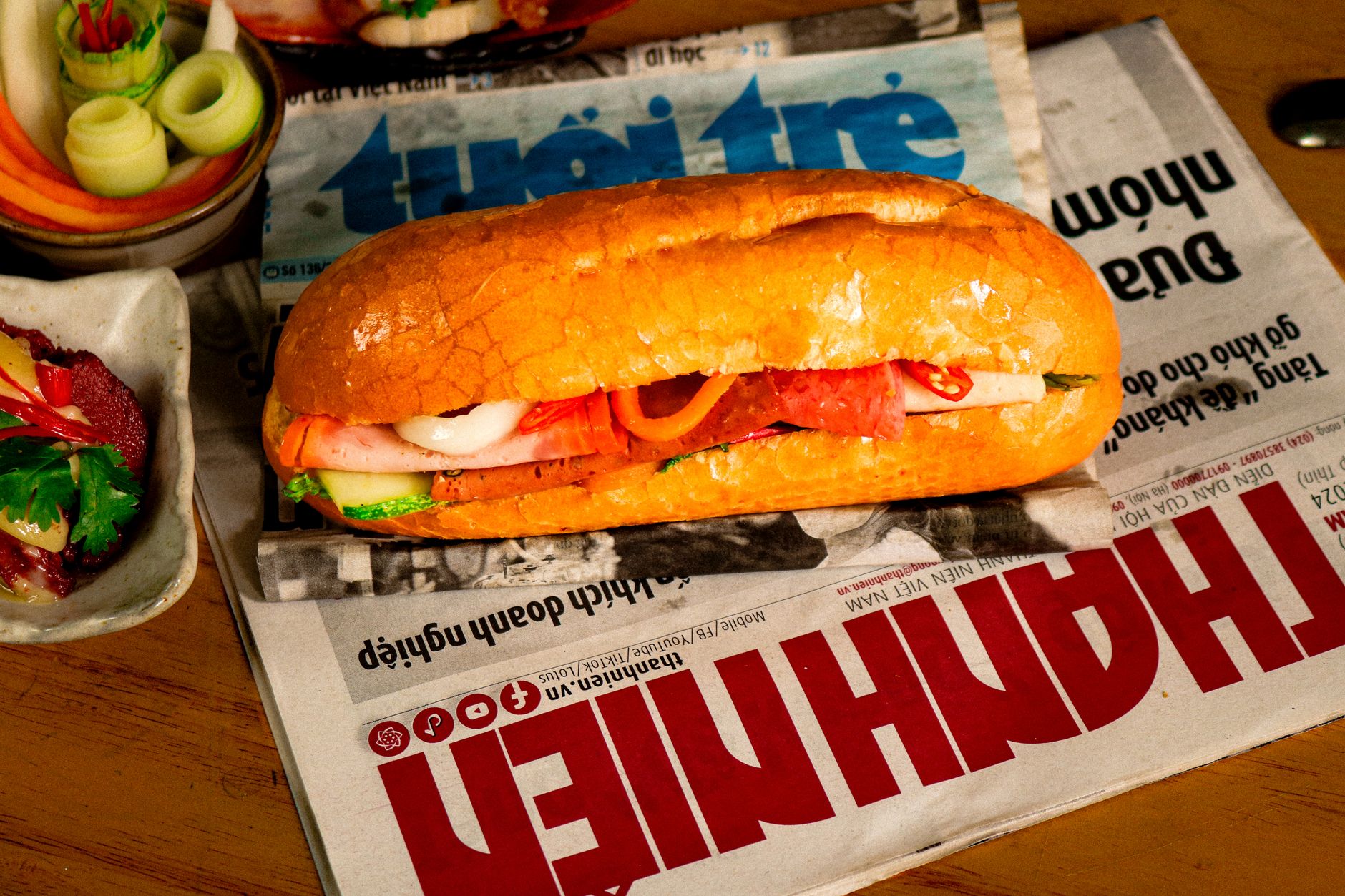
Pork Banh Mi Sydney food
A classic Vietnamese pork banh mi with crispy crackling

Pork Banh Mi at Marrickville Pork Roll

For $10.00 to $14.00 AUD, you get a crusty, airy French baguette stuffed with rich pate, pork belly, crispy crackling, and fresh bird’s eye chili. Visit their Marrickville or Darling Square locations. It is easily the best cheap eat in the city.

Ricotta Hotcakes with Honeycomb Butter Sydney food
Fluffy ricotta hotcakes topped with melting honeycomb butter

Ricotta Hotcakes at Bills

These fluffy, soufflé-like hotcakes served with banana and honeycomb butter single-handedly put Sydney’s brunch culture on the global map. Expect to pay $25.00 to $30.00 AUD at their Surry Hills or Bondi Beach locations. They are worth every cent.

Strawberry Watermelon Cake at Black Star Pastry

Known as the world’s most Instagrammed cake, this slice features layers of almond dacquoise, rose-scented cream, and fresh watermelon. It costs $13.00 to $16.25 AUD per slice at their CBD or Newtown locations. It is surprisingly refreshing, not just a gimmick.

Sydney Rock Oysters

These native oysters have a deep, briny-sweet flavor. Skip the expensive seafood platters and hit The Morrison Bar & Oyster Room in The Rocks for their $2.00 Wednesday happy hour (6pm–7pm), or the Harbour View Hotel for $1.50 oysters on Thursdays (6pm–7pm).

Sydney Survival Guide: Scams, Fines, and Transit Hacks

Sydney is highly regulated, and local authorities do not hesitate to hand out massive fines. If you do not know the local laws, your budget will get shredded quickly.

Biosecurity Violations at Customs

Australia has incredibly strict biosecurity laws. Bringing fresh fruit, seeds, meat, or organic souvenirs without declaring them on your Incoming Passenger Card will trigger immediate on-the-spot fines from $420 AUD to $6,260 AUD. Declare absolutely everything or throw it in the quarantine bins before passport control.

Airport Taxi Touts

At Sydney Airport (SYD) arrivals, unlicensed drivers will approach you offering “cheap” flat rates. They bypass official ranks and will easily charge you over $180 AUD for a $40 AUD ride. Ignore them completely and walk to the supervised taxi rank or the designated rideshare pickup zone.

Fake Buddhist Monks

In Circular Quay, The Rocks, and Darling Harbour, scammers in orange robes will hand you “free” plastic beads or gold cards, then aggressively demand a donation of $10 to $50 AUD. Keep your hands in your pockets, say a firm “no,” and keep walking.

Alcohol-Free Zones

Bondi Beach, Coogee Beach, and most CBD parks are designated “Alcohol-Free Zones.” Drinking alcohol here is illegal. Police will confiscate your drinks and issue immediate fines on the spot.

How to beat the Airport Station Access Fee — step by step

1
Understand the fee
Tapping on or off at the airport train stations incurs a private station access fee of $18.61 AUD on top of your standard train fare.
2
Calculate your group size
If you are traveling in a group of three or more, booking an Uber, DiDi, or standard taxi directly to the CBD is almost always cheaper than paying multiple train fees.
3
Ditch the physical Opal card
You do not need to buy a physical transit card. Just tap on and off at any station or bus using your contactless credit card or phone wallet for the exact same fare caps.

Sydney is rapidly becoming a completely cashless society. Many cafes, bars, and transport services will not accept physical cash at all, so ensure you have a card or mobile wallet ready before you land.

Also, tipping is not customary or expected in Australia. Hospitality workers are paid a high minimum wage, so when a card terminal prompts you for a tip, feel free to select “No Tip” without any guilt.

Finally, Australia completely shut down its 3G networks by late 2024. If you are traveling with an older, non-VoLTE-compatible phone, you will not be able to make emergency calls or access cellular data in Sydney. Ensure your device supports VoLTE on Australian 4G/5G frequencies before arriving.

Frequently Asked Questions

Do I need to buy a physical Opal card in Sydney?

No. You can tap on and off public transport using any contactless credit card, debit card, or mobile wallet. You will receive the exact same daily caps and transfer discounts as a standard adult Opal card.

Is tipping expected at Sydney restaurants?

No, tipping is not customary in Australia. While a 10% tip is appreciated for truly exceptional service in sit-down venues, you are under no obligation to tip, and hospitality staff do not rely on tips to make a living wage.

What happens if I forget to declare food at Sydney customs?

You risk an immediate on-the-spot fine ranging from $420 AUD to $6,260 AUD, or even visa cancellation. Australia’s biosecurity laws are incredibly strict, so declare absolutely all food and organic items on your Incoming Passenger Card.

Stay Connected Without the Hassle

Navigating Sydney’s sprawling neighborhoods and public transit is easy once you know the rules, but staying connected is non-negotiable for booking rideshares and checking ferry timetables. Instead of queuing for a local SIM card at the airport, grab a prepaid Australia eSIM from Galactic Roam before you fly. It connects instantly to the local 4G and 5G networks the moment you land, keeping you online without any roaming headaches.

Get your Australia eSIM


Miami Travel Guide: How to Experience Art Basel and Beyond Like a Local

You have 72 hours in Miami during Art Week, and the gridlock on the causeways is about to eat you alive. With over 80,000 visitors descending on the city, navigating this chaos requires more than just a standard Miami travel guide. I’ve spent years navigating South Florida’s logistics, and I know exactly how to bypass the traffic, dodge the parking scams, and eat like a local. Here is your survival blueprint for Art Basel and beyond.

28.3M
2025 Visitors
$22.7B
Total Spend
2x
Hotel Rates
80k+
Art Basel Crowds

Navigating Art Basel 2026 Without the Headaches

Art Basel Miami Beach runs from December 4 to December 6, 2026, at the Miami Beach Convention Center. It draws over 80,000 global visitors, which means the surrounding streets turn into a parking lot. Skip the massive weekend crowds by visiting on Thursday, the first public day.

Don’t even think about buying tickets at the door; purchase them online in advance. To get around, download the “Miami Beach Gov” app to track the free, extended-hours Art Week trolleys. If you need to cross the bay, a free water taxi service connects Sunset Harbour in Miami Beach to Downtown Miami near Edgewater, letting you bypass the gridlocked causeways entirely.

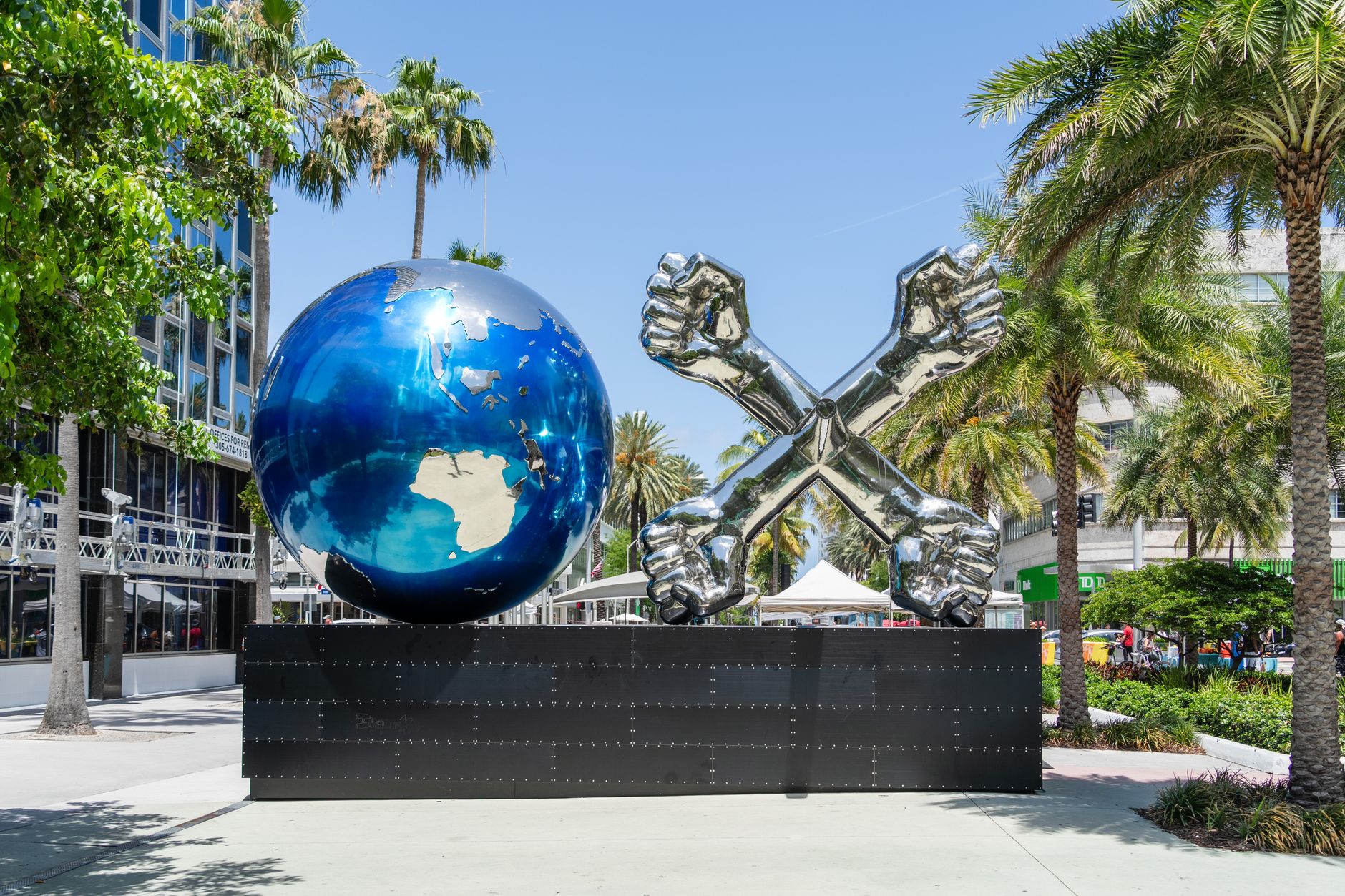
Art Basel Miami Beach (Miami Beach Convention Center) United States
The outdoor plaza of the Miami Beach Convention Center during Art Week.

Wynwood Art District: Beyond the Walls

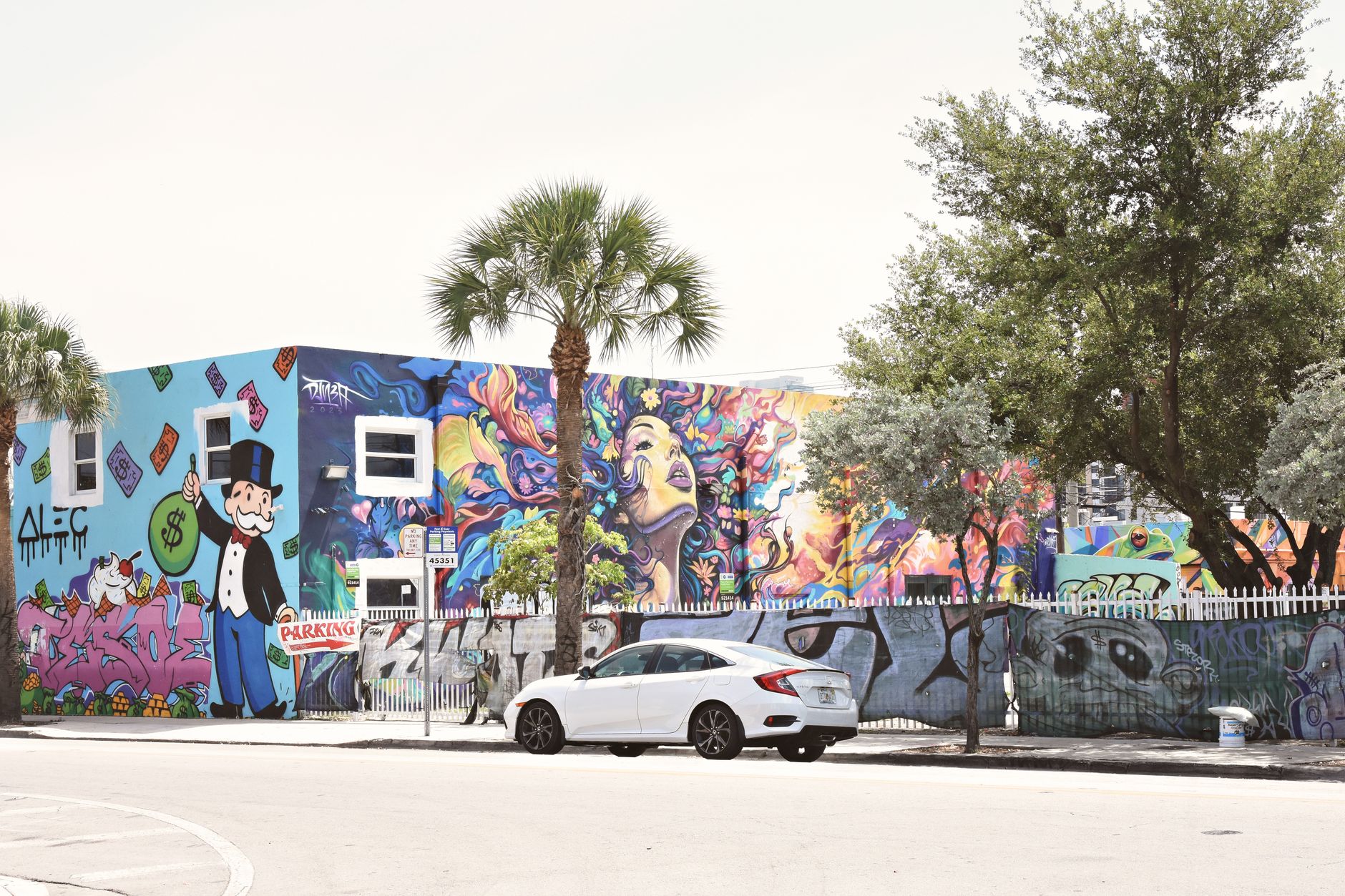
Wynwood holds the world’s largest concentration of street art, but most tourists make the mistake of paying to enter the official Wynwood Walls. The surrounding blocks are a completely free open-air gallery that is just as impressive. Walk the neighborhood before 11:00 AM to photograph the murals before the crowds block your shots.

Wynwood Art District (Beyond the Walls) United States
Street art murals lining the blocks of the Wynwood Art District.

Where to Eat: Local Legends and Fast Tracks

Miami’s food scene is legendary, but the wait times during peak season will test your patience. If you want to experience Joe’s Stone Crab, skip the main dining room’s notorious three-hour wait. Head to “Joe’s Take Away” next door instead.

It has its own bar and table seating with the exact same menu. Just remember: if you buy claws to go, eat them indoors. Eating them on the beach will instantly attract swarms of flies.

El Cubano (Cuban Sandwich) United States food

El Cubano (Cuban Sandwich)

A masterfully pressed sandwich featuring pork butt marinated for a week, house-made ham, Swiss, pickles, and mustard on bread brushed with rendered pork fat. Get it at Sanguich de Miami in Little Havana for $13.49 to $14.99.

Frita Cubana (Cuban Burger) United States food

Frita Cubana (Cuban Burger)

A seasoned beef and pork patty spiced with chorizo and paprika, topped with a mountain of crispy shoestring potato sticks on a Cuban roll. Grab one at El Rey de las Fritas for $6.00 to $10.00.

Stone Crab Claws United States food

Stone Crab Claws

Sweet, cold crab claws served cracked on ice with a signature cold mustard sauce. Available from October to May at Joe’s Stone Crab in South Beach for $65.00 to $140.00.

Survival Guide: Three Scams to Avoid

Miami is generally safe, but it is a city built on tourism, which means some locals have turned parting you from your money into an art form. Keep your eyes open for these three common traps.

The “Double Tip” Gratuity Trap

Restaurants in South Beach and Wynwood automatically add an 18% to 20% service charge to your bill. Servers may hand you a wireless terminal showing only the total and a prompt to add a tip, or physically cover the service charge line on the receipt. Always read the itemized receipt from the bottom up before adding extra cash.

Fake QR Code Parking Stickers

Scammers paste fraudulent QR code stickers over official PayByPhone parking signs in Downtown, Brickell, and Wynwood. Scanning them redirects to fake payment sites that steal your credit card info. The Miami Parking Authority removed over 7,000 of these codes; avoid scanning any physical signs and pay directly through the official PayByPhone app.

Illegal Valet Street Storage

High-end venues in Brickell and Wynwood charge $40 to $100 for valet, then park your car directly on the street. Under Miami City Ordinance, valet companies are legally prohibited from storing vehicles on public streets for more than 10 minutes. If they leave your car on the street, it risks being ticketed or towed; insist on knowing where it is stored or use a municipal garage.

Getting Around Without Breaking the Bank

Getting from Miami International Airport (MIA) to Miami Beach doesn’t have to cost a fortune. Skip the $28 to $47 rideshare and take the Miami Beach Airport Express (Route 150) bus instead. It costs just $2.25 and runs every 20 minutes from 5:00 AM to 11:00 PM.

Once you’re in the city, take advantage of the free Miami Beach Trolley, which runs five loops from 8:00 AM to 11:00 PM daily (extended to midnight during Art Week). In Downtown and Brickell, the free elevated Metromover train runs every 90 seconds to 3 minutes, saving you from walking in the midday heat.

Frequently Asked Questions

Is Miami safe for solo travelers?
Yes, Miami is highly suitable for solo travel. However, solo travelers, especially women, should avoid walking alone at night in poorly lit areas of Little Havana or Wynwood. Use rideshares after dark instead.
How much does an average trip to Miami cost?
Mid-range daily spending averages $180 to $240 per day, excluding lodging. Budget travelers can save by staying in top-rated hostels like Freehand or Generator Miami for $50 to $65 per night for a dorm bed.
When is the best time to visit Miami?
The best weather is from November to April when temperatures are mild and humidity is low. If you are visiting for Art Week, keep in mind that hotel rates roughly double during this period.

Staying Connected

Staying connected in Miami is straightforward, but buying a local SIM card at the airport is a rookie mistake. Airport kiosks charge a steep premium of $30 to $50 for basic data packages, and the queues can be brutal. Public WiFi along Ocean Drive is highly vulnerable to security snooping and requires annoying email registrations.

To skip the hassle, grab a United States eSIM from United States eSIM before you fly. You’ll get instant 5G coverage the moment you land, leaving you free to focus on navigating the art crowd rather than hunting for a signal.

Get your United States eSIM


Kazakhstan Travel Guide: How to Explore Central Asia’s Land of Canyons, Lakes, and Modern Cities

Since January 3, 2026, Kazakhstan legally requires a facial biometric scan just to buy a local SIM card. If you arrive unprepared, the country’s aggressive airport scams and complex digital workarounds will absolutely eat you alive. I spent four weeks navigating the steppe, canyons, and cities to build this realistic Kazakhstan travel guide. Here is how to dodge the logistical nightmares, skip the crowds, and experience this massive nation without the chaos.

Quick Facts — Kazakhstan

Currency
Kazakhstani Tenge (KZT)
Language
Kazakh, Russian
Time zone
UTC+5
Plug type
Types C and F
Best time to visit
May to September
Visa
Visa-free for Indians (14 days) & Filipinos (30 days)

Key Takeaways

  • Best time to visit: June to September for mountain hiking; December to March for winter sports.
  • Budget needed: $40–$70 USD per day covers comfortable mid-range hotels, meals, and Yandex rides.
  • Must book ahead: Shymbulak cable car tickets on weekends and overnight yurt stays near the canyons.
  • Getting around: Use Yandex Go in cities; hire a high-clearance 4×4 for rural lakes and steppe roads.

Navigating the Cashless Steppe

Kazakhstan’s major cities are almost entirely cashless, but there is a major catch. Locals pay for absolutely everything using a QR code system tied to an app called Kaspi. The problem? Tourists cannot register for Kaspi without a local tax ID and a Kazakh bank account.

Fortunately, an August 2025 integration solved this. You can now scan those ubiquitous “Kaspi QR” codes at merchant counters using international wallets like GCash, Alipay, or KakaoPay. It converts the transaction automatically, letting you pay in your home currency like a local.

For rural areas like Saty or Charyn Canyon, cash is still king. There are no ATMs in the steppe, and network connections are too weak for QR codes anyway. Carry physical Tenge cash for guesthouses, horses, and roadside snacks.

The Big Attractions: What is Actually Worth the Trip

Kazakhstan is massive, and trying to see everything in one go is a recipe for exhaustion. Focus your energy on the Almaty region, where the dramatic transition from modern city to wild nature happens in under two hours.

The deep red sandstone cliffs of Charyn Canyon under a bright blue sky in Kazakhstan.
The dramatic red sandstone formations of Charyn Canyon, often called the Grand Canyon’s little cousin.

Charyn Canyon (Valley of Castles)

Charyn Canyon stretches for over 150 kilometers across the dry Kazakh steppe. Most day tours from Almaty rush you through in a couple of hours, which is a mistake. Rent a 4×4 or book a 2-day tour to stay overnight in Saty village so you can hike the Valley of Castles at sunrise when the sandstone glows deep crimson.

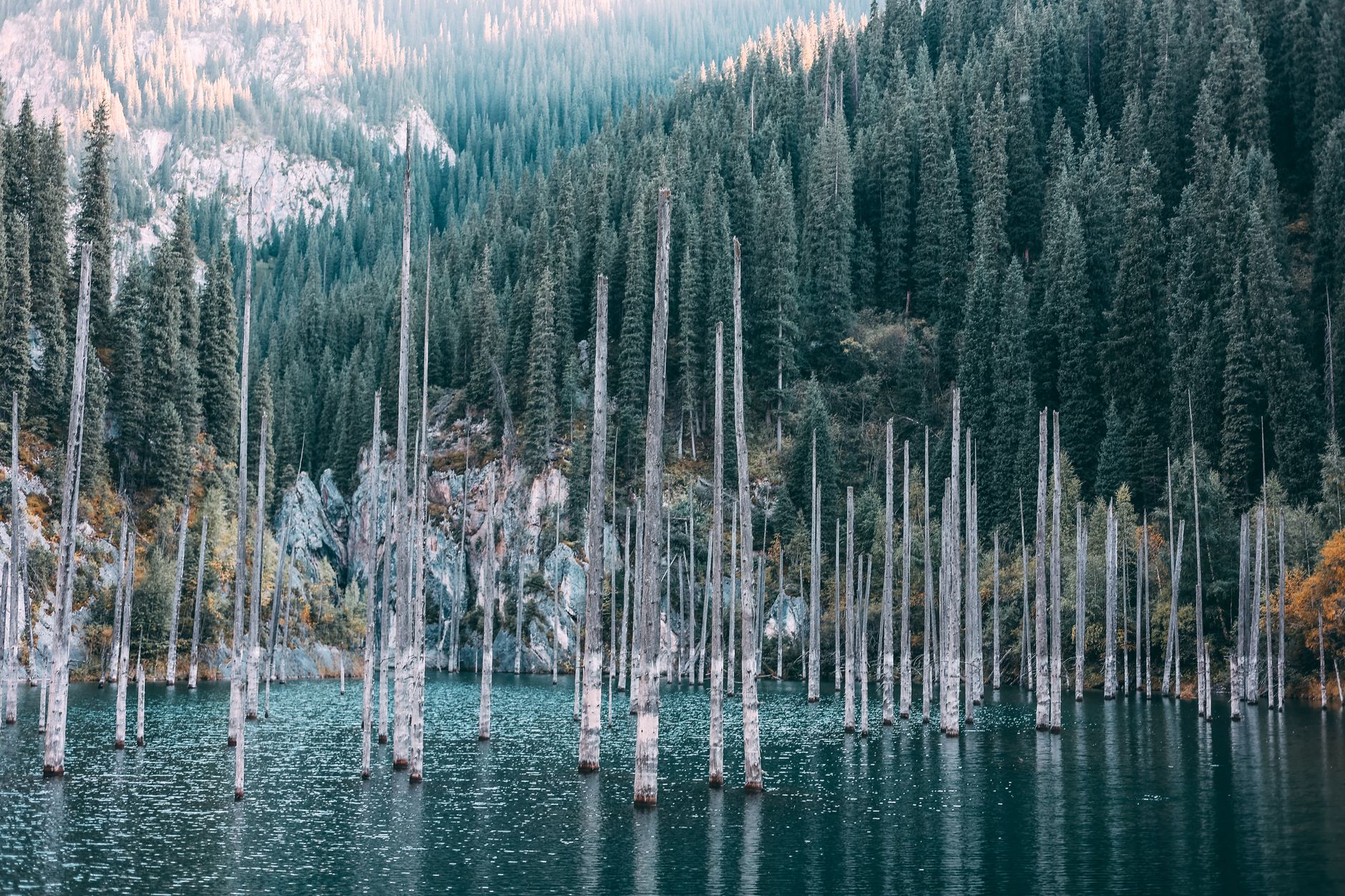
Ghostly, bare tree trunks rising vertically out of the turquoise waters of Lake Kaindy.
Ghostly Tien Shan spruce trees rising from the turquoise waters of Lake Kaindy.

Lake Kaindy (The Sunken Forest)

Created by a 1911 earthquake, this glacial lake features dead Tien Shan spruce trees rising like ghostly masts. The road here is brutal; if you take a tour, they will transfer you to a Soviet-era UAZ ‘Bukhanka’ van in Saty. Bring 1,000–2,000 KZT in cash to hire a horse from the parking lot if you want to skip the steep, dusty 1.5 km uphill walk.

A serene turquoise alpine lake surrounded by steep mountain slopes and pine forests.
The alpine waters of Big Almaty Lake, surrounded by pine forests and mountain peaks.

Big Almaty Lake (BAL)

This alpine reservoir sits at 2,511 meters, shifting from milky green to turquoise. Don’t let taxi drivers lie to you—the road has been gated 10 km before the lake since 2020. Take Bus #28 or Yandex Go to the eco-post barrier, then hike the remaining 10–15 km out-and-back. Never touch the water; it is Almaty’s drinking source, and border guards heavily fine anyone stepping past viewpoints.

Snow-capped mountain peaks rising above the ski slopes of Shymbulak in Almaty.
The snowy peaks surrounding Shymbulak ski resort near Almaty.

Medeu & Shymbulak

Medeu is the world’s highest Olympic-sized ice rink (1,691m), while Shymbulak is a premier ski resort reaching 3,200m. To watch local athletes train for free, visit Medeu on weekdays before 10:00 AM. Buy Shymbulak cable car tickets online to skip weekend lines, and take the three-stage lift to Talgar Pass—but bring a windbreaker even in summer.

What to Eat in Kazakhstan

Kazakh cuisine is built for survival on the steppe—heavy on meat, dough, and rich broths. It is hearty, filling, and highly traditional. Here are the three things you must try:

Beshbarmak

The national dish translates to ‘five fingers’ because it is traditionally eaten by hand. It features boiled horse meat, mutton, or beef over flat, hand-rolled pasta sheets soaked in a rich onion broth (sorpa). Try it at Sandyq for an authentic presentation in wooden bowls, or Green Cafe inside the Green Bazaar for a budget version (2,500–4,500 KZT / $5–$9 USD).

Kazy

This highly prized horsemeat sausage is seasoned with garlic, black pepper, and salt, then smoked or boiled and served cold. You can order a restaurant platter at Auyl in the mountains near Medeu (4,000–7,000 KZT / $8–$15 USD) or buy it fresh by the kilo at the Green Bazaar.

Baursaks

Puffy, golden, deep-fried pockets of yeast dough that serve as the ultimate Kazakh comfort food. Eat them hot alongside tea or use them to scoop up rich sour cream (kaymak) at traditional canteens like Qaimaq or As-Kazan (500–1,000 KZT / $1–$2 USD).

Safety & Scams: How to Protect Your Wallet

Kazakhstan is generally safe, but certain scams are highly targeted. If you aren’t careful, they will ruin your budget before you even leave the airport terminal.

The Almaty Airport Taxi Extortion

Aggressive touts at Almaty International Airport (ALA) will offer rides ‘by the meter’ or intercept your Yandex Go driver. Once at your hotel, they demand $40 to $800 USD. Ignore all verbal offers, book exclusively through Yandex Go or inDrive, and walk directly to the designated app pickup zone outside.

Fake Police Document Checks

Scammers posing as plainclothes officers near the Green Bazaar or Panfilov Park may demand to see your passport and cash to ‘verify’ they aren’t counterfeit. Real police rarely target tourists for random checks. Never hand over your wallet; demand to see their official badge and suggest walking to the nearest official police station.

Bazaar Pickpocketing

Pickpockets operate in tight, crowded aisles at the Green Bazaar and Barakholka Flea Market. Keep your phone and wallet in zippered front pockets or a secure cross-body bag, and never leave your phone on dining tables or market counters.

Frequently Asked Questions

Do Indian and Filipino citizens need a visa for Kazakhstan?
Indian citizens can visit completely visa-free for up to 14 days (with a maximum of 42 days within any 180-day period). Citizens of the Philippines enjoy visa-free entry for up to 30 days. Just ensure your passport is valid for at least six months beyond your arrival date.
Is Kazakhstan safe for solo travelers?
Yes, Kazakhstan is generally very safe for solo travelers, including women. Violent crime is rare, but you must stay alert to petty theft in crowded bazaars and taxi scams at the airport. Stick to registered app rides like Yandex Go and keep your valuables secure.
How do I pay for things in Kazakhstan?
Cities are almost entirely cashless, but tourists cannot register for the local Kaspi app. Fortunately, you can use Alipay+-enabled wallets like GCash, KakaoPay, or Alipay to scan Kaspi QR codes. For rural areas like Saty or Charyn Canyon, always carry physical Tenge cash as network connections are too weak for digital payments.
What is the tipping etiquette in Almaty?
In mid-to-high-end restaurants, a 10% to 15% service charge is almost always automatically added to your bill as ‘обслуживание’. You are not expected to tip extra on top of this. However, leaving an extra 500–1,000 KZT in cash for exceptional service is always appreciated.

A Smarter Way to Stay Connected

Staying connected on the go is crucial, especially when you need to call a Yandex Go to escape airport scammers or scan a Kaspi QR code. While you can buy a local physical SIM, the new 2026 biometric laws mean you’ll have to hand over a facial scan at the store, bind your passport to your handset, and register your phone’s Imei within 30 days to avoid getting blocked. To bypass this entire headache, grab a Kazakhstan eSIM before you land. It activates instantly, requires zero biometric scans, and lets you access maps and translation apps the second your wheels touch the tarmac.

Get your Kazakhstan eSIM


Strasbourg Christmas Market Guide: How to Experience the Capital of Christmas Like a Local

Strasbourg Christmas Market Guide: How to Experience the Capital of Christmas Like a Local

Planning your trip with a reliable Strasbourg Christmas Market guide is the only way to survive the festive madness starting November 27, 2026. With over 2 million visitors descending on 300 chalets, this guide covers the essential logistics, crowd-skipping hacks, and local food secrets you need to avoid getting eaten alive by the local chaos.

I spent three weeks navigating these crowded Alsatian alleys during peak season. I know exactly which tram stops close, which stalls rip you off, and where to find the absolute best white mulled wine.

Strasbourg is beautiful in December, but it is also a logistical nightmare if you don’t know the rules. Let’s get you prepared.

Nov 27
2026 Start
2M+
Annual Visitors
300+
Wooden Chalets
30m
Great Tree

The Logistics: Navigating the Grande Île

The entire historic center, known as the Grande Île, becomes a pedestrian-only fortress during market hours from 11:30 AM to 9:00 PM. Security checkpoints guard every single pedestrian bridge. If you try to drag a large suitcase or a massive backpack through these checkpoints, guards will turn you away. Travel light with a small crossbody bag instead.

Public transit gets complicated. The Broglie tram stop closes completely during market hours. On busy weekends, the Homme de Fer and Langstross/Grand’Rue stops also shut down or restrict access. Don’t waste time waiting for a tram that won’t stop; plan to walk from Gare Centrale or Les Halles.

If you’re flying in, skip the expensive taxis. The TER shuttle train from Strasbourg-Entzheim Airport (SXB) to Gare de Strasbourg takes only 9 minutes and costs €3.20. You can also grab a combined 24-hour ticket for €4.60 which covers your tram ride once you reach the city.

Good to Know Most chalets accept contactless card payments, but keep €10 to €20 in cash. Many stalls enforce a €5 or €10 minimum for cards, and cash is much faster for paying the €1 drink cup deposits.

The Three Best Market Squares (And How to Tackle Them)

Strasbourg spreads its 300 chalets across eight different plazas. Trying to see them all in one afternoon is exhausting. Focus on these three distinct spots.

Place Broglie (Christkindelsmärik) France
The historic Christkindelsmärik at Place Broglie, active since 1570.

Place Broglie (Christkindelsmärik)

This is the historic heart of the market, dating back to 1570, featuring over 70 traditional wooden chalets. Avoid visiting on Wednesday afternoons when local French school children have the day off and clog the narrow aisles. Go at 11:30 AM right when it opens on a Monday or Tuesday instead.

Place Kléber (The Great Christmas Tree) France
The towering 30-meter Grand Sapin in Place Kléber.

Place Kléber (The Great Christmas Tree)

Home to the iconic 30-meter-tall Grand Sapin and over 100 charity stalls. The tree lights up with a musical light show every hour on the hour between 4:00 PM and 9:00 PM. Stand near the Rue des Grandes Arcades entrance for the best view without getting trapped in the crushing center crowd.

Place Grimmeisen (OFF Market) France
The alternative OFF Market at Place Grimmeisen.

Place Grimmeisen (OFF Market)

An alternative, eco-responsible market featuring vintage furniture, second-hand goods, and organic local treats. This is the best place to escape the traditional crowds and enjoy a bohemian, local vibe. Try the organic mulled wine here — it is far less sugary than the mainstream stalls.

What to Eat and Drink

Alsatian cuisine is heavy, rich, and perfect for freezing winter days. Skip the generic hot dogs and look for these traditional specialties.

Vin Chaud Blanc (White Mulled Wine) France food
Traditional Alsatian white mulled wine warming up on a cold day.

Vin Chaud Blanc (White Mulled Wine)

While Germany is famous for red mulled wine, Alsace’s specialty is white mulled wine made from local Riesling or Pinot Blanc, spiced with citrus, honey, and cinnamon. Grab a cup at the stalls around the Place de la Cathédrale or Place Broglie for €3 to €5.

Tarte Flambée (Flammekueche) France food
Freshly baked Tarte Flambée with traditional toppings.

Tarte Flambée (Flammekueche)

A paper-thin flatbread topped with crème fraîche, sliced onions, and smoked lardons, baked in a wood-fired oven. Find the best ones at Quai des Délices (Terrasse du Palais Rohan) or local winstubs for €8 to €12.

Bredele (Bredle) France food
Assorted traditional Bredele cookies sold in small bags.

Bredele (Bredle)

Traditional small Alsatian Christmas cookies that come in various shapes and flavors like anise, cinnamon, and butter. Pick up a bag at La Maison des Bredele stalls or the Quai des Délices market for €5 to €7 per 100g bag.

Mannele (or Mannala) France food
Fresh Mannele brioche figures displayed in a local bakery window.

Mannele (or Mannala)

A soft, brioche-like bread shaped like a little man, traditionally studded with chocolate chips. Buy these from local bakeries (boulangeries) around the Grande Île rather than the market stalls for the freshest batch, costing €2 to €4.

Safety: Scams to Avoid

Strasbourg is generally safe, but the massive holiday crowds attract professional pickpockets and scammers. Keep your wits about you, especially in these situations.

TER Train Pickpocketing

On the regional TER train running between Strasbourg and Colmar, teenage gangs target tourists wearing luxury brands. They crowd passengers boarding or exiting the train to distract them while snatching valuables. Keep your phone and wallet in zippered inner pockets, and avoid wearing highly visible luxury logos on travel days.

Fake Charity Petition

Around Strasbourg Cathedral and Place Kléber, individuals carrying clipboards will approach you pretending to be deaf or mute, asking you to sign a petition for a disabled charity. While you are distracted signing, an accomplice will pickpocket you, or they will aggressively demand a cash donation. Firmly say “Non” and walk away.

Cup Deposit Scam

Strasbourg uses a returnable cup system where a €1 deposit is charged for drinks. Dishonest individuals or fake “helpers” may offer to take your empty plastic cup to return it for you, then pocket your €1 deposit. Always return your cup directly to an official drink chalet yourself, or place it in the designated charity collection bins where the €1 is donated to local causes.

Frequently Asked Questions

What are the opening hours for the Strasbourg Christmas Market?
The chalets are open daily from 11:30 AM to 9:00 PM. The 2026 market runs from November 27 to December 24, 2026.
How do I get from the airport to the city center?
Take the regional TER shuttle train from Strasbourg-Entzheim Airport (SXB) to Gare de Strasbourg. It takes only 9 minutes and costs €3.20 for a single ticket.
Do I need cash at the market stalls?
Yes. While most chalets accept contactless card payments, many have a €5 or €10 minimum. Keep €10 to €20 in cash on hand for small purchases and cup deposits.
Is the Strasbourg Christmas Market safe?
Yes, but watch out for pickpockets on regional TER trains and the fake charity petition scam around the Cathedral. Keep your valuables in zippered inner pockets.

Staying Connected in Strasbourg

While France has excellent 4G and 5G coverage, severe network congestion can occur during peak weekend evenings around Place Kléber and the Cathedral. Public city WiFi is available but slow, requiring you to navigate tedious, Gdpr-compliant splash pages and email registration. A local physical SIM card will cost you €10 to €20, but queuing at a mobile shop in the cold is the last thing you want to do after a long journey.

To avoid the hassle, set up a France eSIM before you leave. It activates instantly on arrival, bypasses the slow public WiFi registration, and keeps you connected so you can navigate the tram closures and find the best tarte flambée stalls without missing a beat.

Get your France eSIM


Panama Travel Guide: How to Explore the Canal, Rainforests, and Tropical Islands

By the end of this Panama travel guide, you’ll know how to dodge the logistical nightmares that eat unprepared travelers alive. With Copa Airlines expanding its free stopover program to 15 days in 2026, thousands are rushing in without realizing how quickly the local chaos can derail a trip. I spent four weeks mapping out the country’s transition zones, mountain trails, and island taxes so you can skip the tourist traps.

Quick Facts — Panama

Currency
US Dollar (Balboa is pegged 1:1)
Language
Spanish
Time zone
EST (UTC-5)
Plug type
Types A and B
Best time to visit
December to April
Visa
Visa-free for most Western nations

Navigating the Capital Without the Chaos

Getting from Tocumen International Airport (PTY) to downtown is your first test. Skip the aggressive taxi drivers shouting in the arrivals hall; instead, take Metro Line 2. It connects directly to the airport, costs a mere $0.85, and lets you tap your contactless Visa, Mastercard, Apple Pay, or Google Pay right at the turnstiles.

You’ll transfer at Corredor Sur to the main Line 2, then switch to Line 1 at San Miguelito to reach the center.

Once in the city, transportation requires strategy. Traditional street taxis don’t use meters, and drivers love to invent arbitrary zone fares for tourists. Save yourself the headache and use Uber or DiDi—they are fully legal, cheap, and eliminate the haggling.

If you are staying in Casco Viejo, which is the best neighborhood for colonial charm and safety, watch your step. The area is heavily policed, but crossing a single street into neighboring El Chorrillo or Santa Ana puts you in a high-crime red zone. Don’t wander off the restored tourist streets; use Uber to get in and out after dark.

The Big Three: Canal, Highlands, and Islands

A massive cargo ship transiting the Miraflores Locks of the Panama Canal.

Miraflores Locks (Panama Canal)

Watch massive cargo ships rise and lower 26 meters through gravity-fed locks. Avoid visiting between 10:30 AM and 2:00 PM when the canal changes transit directions and no ships pass. Arrive at 9:00 AM or after 2:30 PM, and don’t skip the Imax documentary narrated by Morgan Freeman. If you want to see the massive Neo-Panamax ships (1.5 times larger), head to the Agua Clara Locks on the Atlantic side near Colón instead.

The rugged, misty summit of Volcán Barú in Boquete, Panama.

Volcán Barú (Boquete)

On a clear morning, this 3,474-meter summit is the only place on Earth where you can see both the Pacific Ocean and the Caribbean Sea at the same time. The grueling 27km round-trip hike starts at midnight from the ranger station to hit the peak by sunrise. Pack heavy winter gear—temperatures at the summit drop to a freezing 0°C (32°F), which will shock your system after the tropical lowlands.

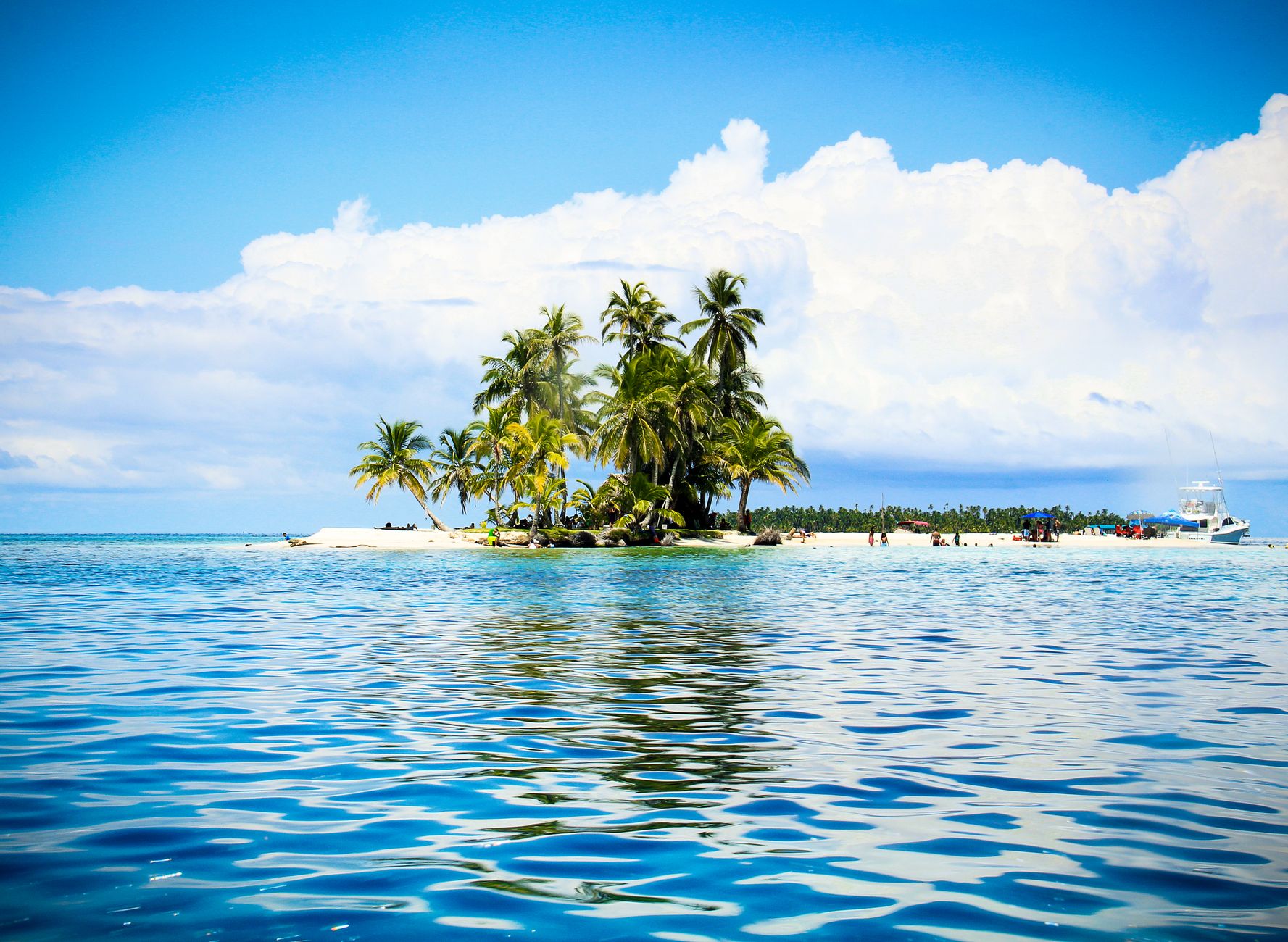
Pristine white sand beach with leaning palm trees in the San Blas Islands.

San Blas Islands (Guna Yala)

This archipelago of 365 islands is governed autonomously by the Indigenous Guna people. Forget luxury resorts and ATMs; you’ll be sleeping in rustic eco-cabins. You must pay a $20 Guna Yala entry tax in cash, plus a $2 port fee. Bring physical US Dollar bills in small denominations ($1, $5, $10) because local vendors will not accept $50 or $100 notes.

What to Eat (and Where)

Panamanian cuisine is heavy on root vegetables, fresh seafood, and deep-fried goodness. Skip the tourist-trap restaurants in Casco Viejo for at least one meal and seek out local fondas (roadside eateries) where the food is cheap, authentic, and cooked with soul.

A warm bowl of traditional Panamanian chicken soup with root vegetables.

Sancocho

Panama’s national dish is a hearty chicken soup heavily flavored with culantro, yuca, and plantains. It’s the ultimate local hangover cure. Try it at El Trapiche in Panama City for $2.50 to $6.00.

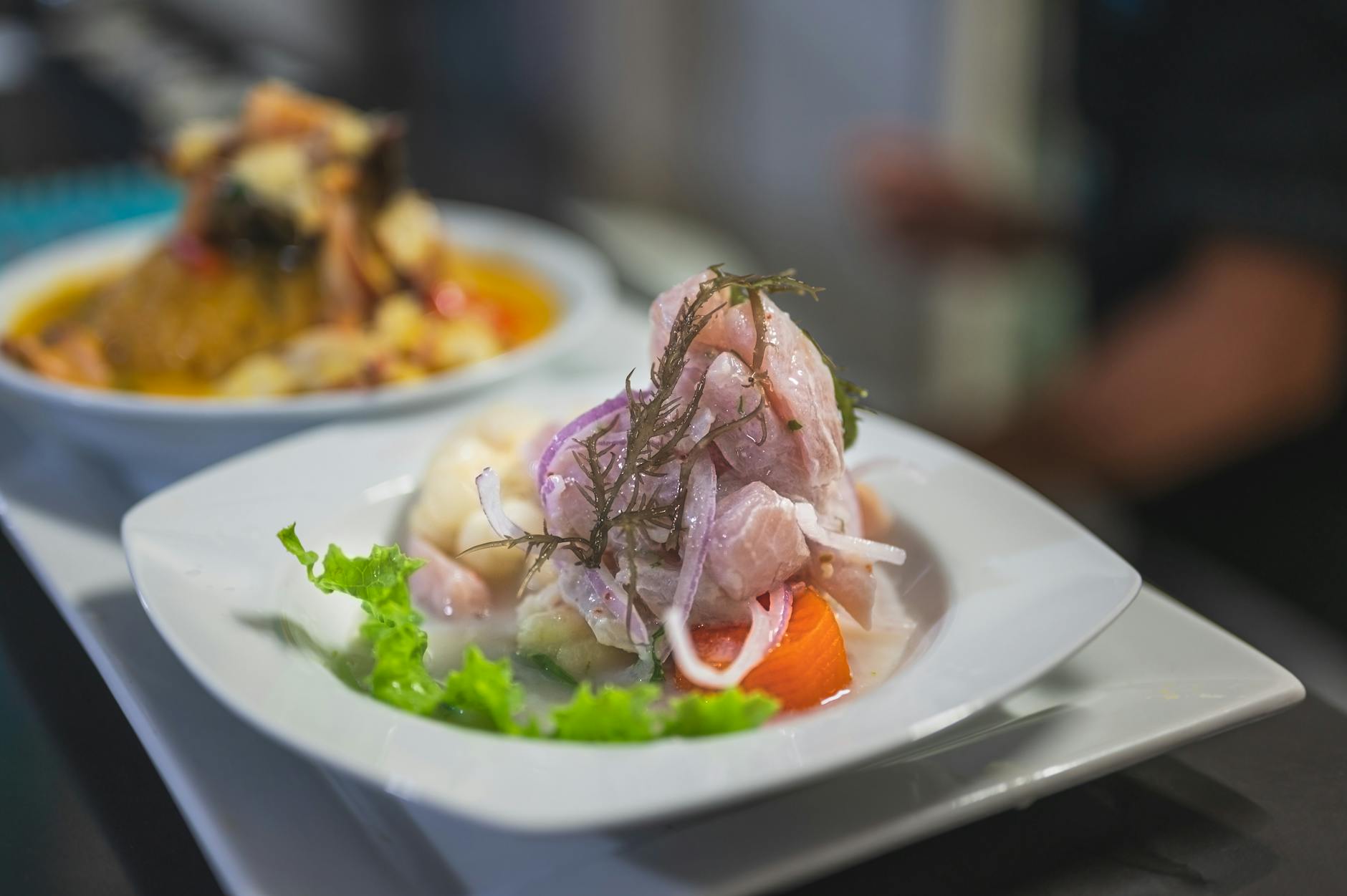
Fresh lime-cured fish ceviche served in a cup with crackers.

Ceviche

Fresh raw sea bass (corvina) or octopus cured in lime juice, onions, and hot peppers, served cold with soda crackers. Get a cup for $3.00 to $7.00 at the noisy Mercado de Mariscos in Panama City.

Golden-brown, torpedo-shaped yuca fritters served on a plate.

Carimañolas

Torpedo-shaped yuca fritters stuffed with seasoned ground meat or cheese and fried until golden. Grab these crispy breakfast staples at any local bakery or fonda for $0.75 to $2.00.

Frequently Asked Questions

Is Panama safe for solo travelers?

Yes, Panama is generally safe, but you must stay alert. Avoid high-crime zones like El Chorrillo in the capital, and never swim alone at Pacific beaches like Santa Catalina due to powerful, invisible rip currents. Always register with park rangers before attempting remote hikes.

Do I need to exchange money before arriving in Panama?

No. Panama’s official currency, the Balboa, is pegged 1:1 with the US Dollar, and US Dollar bills are used as the actual paper currency nationwide. ATMs dispense US Dollars, so you can use your standard cards easily.

How do I avoid getting ripped off by taxis in Panama City?

Never get into a street taxi without agreeing on the fare first, as they do not use meters. Better yet, use Uber or DiDi, which are fully legal, widely available, and offer transparent, pre-calculated pricing.

Is the tap water safe to drink in Panama?

Tap water is perfectly safe to drink in Panama City and most major towns. However, when visiting remote areas like the San Blas Islands or Bocas del Toro, stick to bottled or filtered water to avoid stomach issues.

Staying Connected on the Road

While public WiFi is common in Panama City, these networks are often unsecured, making a VPN essential. The local mobile market recently consolidated to just two main players (+Móvil and Tigo), meaning prepaid SIM prices range from $15 to $30 USD with limited competitive pricing. You can buy a physical SIM at the counter without registration friction, but your phone must be fully unlocked, and coverage drops off quickly in remote areas like San Blas or deep in the Chiriquí highlands.

To bypass the airport queues and avoid swapping physical cards, grab a Panama eSIM before you fly. It connects automatically to the strongest local network the moment you land, keeping your maps and ride-sharing apps active without the hassle. Secure your connection with a Panama eSIM from Galactic Roam and keep your focus on the adventure.

Get your Panama eSIM


Bulgaria Travel Guide: How to Explore Europe’s Hidden Balkan Gem

Everyone told me to skip Bulgaria’s inland cities and head straight for the Black Sea beaches. They were dead wrong. If you only visit the crowded coastal resorts, the country’s real magic—and its chaotic mountain roads—will eat you alive. I spent three months navigating this Balkan powerhouse to write this definitive Bulgaria travel guide. You’ll learn exactly which Roman ruins are worth your time and how to avoid the brutal tourist traps.

Quick Facts — Bulgaria

Currency
Bulgarian Lev (BGN)
Language
Bulgarian (Cyrillic)
Time zone
EET (GMT+2)
Plug type
Type C / F
Best time to visit
May to June, September
Visa
Schengen rules apply
40k
Historic Sites
43%
Summer Peak
70%
Rose Oil Share
13.6M
2025 Visitors

The historic heavy hitters

Bulgaria ranks third in Europe for its sheer volume of cultural heritage sites, trailing only Italy and Greece. You can’t see all 40,000 monuments in one trip. Focus on the places that actually deliver on their promises.

Rila Monastery

Rila Monastery Bulgaria
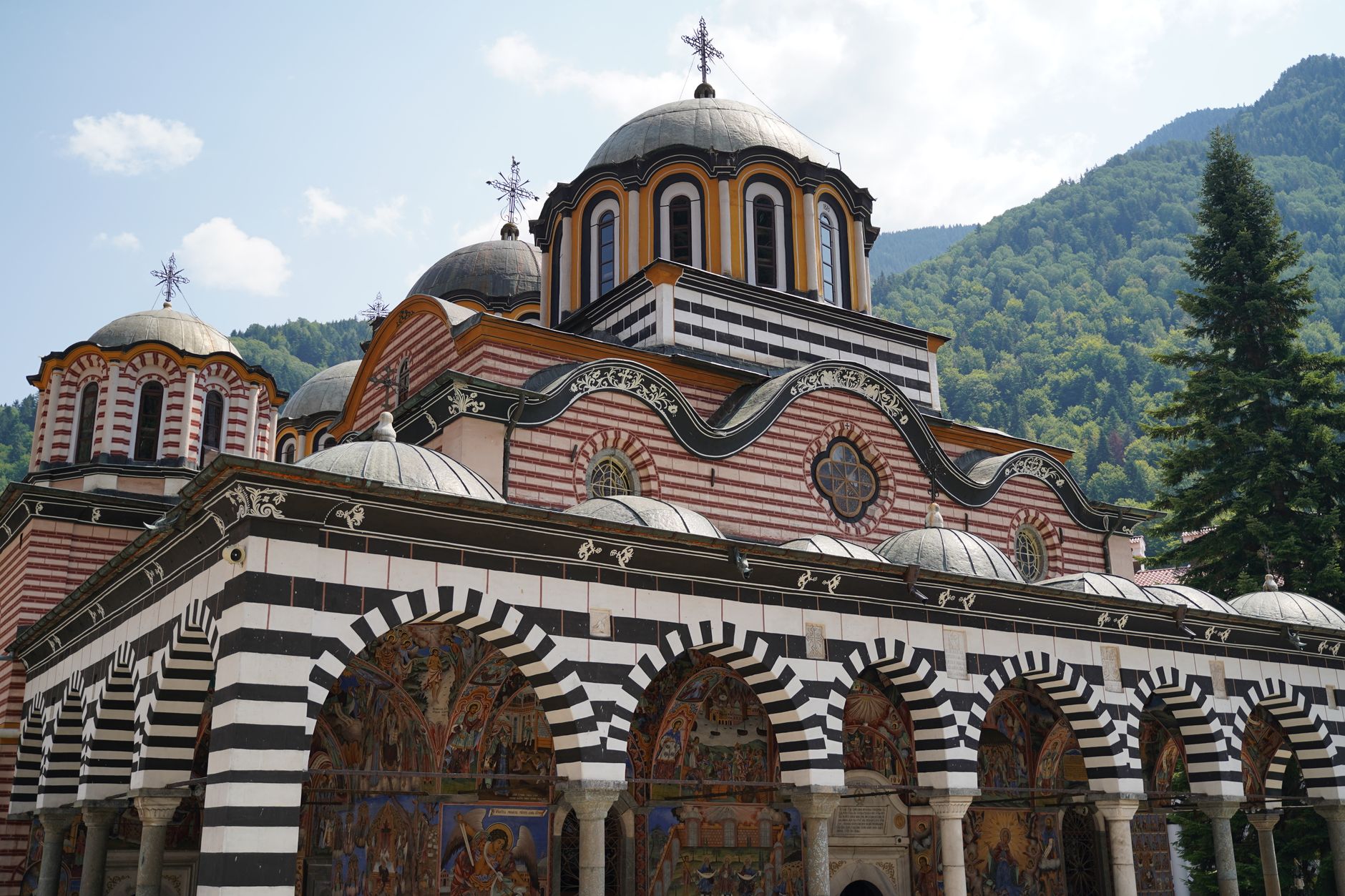
The striking striped arches and frescoes of Rila Monastery.

This 10th-century Eastern Orthodox sanctuary sits high in the Rila Mountains. The frescoes are wild, but the midday tour bus crowds from Sofia will ruin the experience. Arrive before 10:00 AM or after 3:00 PM to get the courtyard to yourself.

For a truly unique night, you can book a basic room in the monastery’s guesthouse by calling +359 896 872 010. They only take bookings by phone on weekdays between 14:30 and 16:00, or 18:00 and 19:00. Bring cash — the museum and tower require about €2.50 to €4.50 and cards are useless here.

Plovdiv Old Town

Plovdiv Old Town Bulgaria
The historic cobblestone streets of Plovdiv Old Town.

Plovdiv is built on three hills and features a beautifully preserved 2nd-century Roman theatre. Skip the individual entry fees and buy the ‘Old Town Pass’ at the theatre entrance for 15 BGN (~$8.50 USD). It grants entry to five historic houses.

Don’t miss Hindliyan House, which features a fully restored, fragrant rose-water fountain. Afterward, find the bronze statue of ‘Milyo the Crazy’ on the main pedestrian street. Rubbing his knees supposedly brings good luck to your love life.

Nessebar Old Town

This UNESCO World Heritage peninsula juts into the Black Sea, packing 3,000 years of history into a tiny strip of land. But during July and August, when 43% of Bulgaria’s overnight stays occur, it becomes a logistical nightmare. Day-trippers from nearby Sunny Beach clog the lanes from 10:00 AM to 4:00 PM.

Visit before 9:00 AM or after 5:00 PM to walk the Byzantine church ruins in peace. Park at the paid lots near the causeway and walk in. Avoid the standalone Euronet ATMs on the peninsula — they charge extortionate exchange rates.

What to eat: The Balkan feast

Bulgarian food is cheap, hearty, and heavily reliant on fresh dairy and grilled meats. You won’t go hungry here.

Shopska Salata

Shopska Salata Bulgaria food
A traditional plate of Shopska Salata topped with grated sirene cheese.

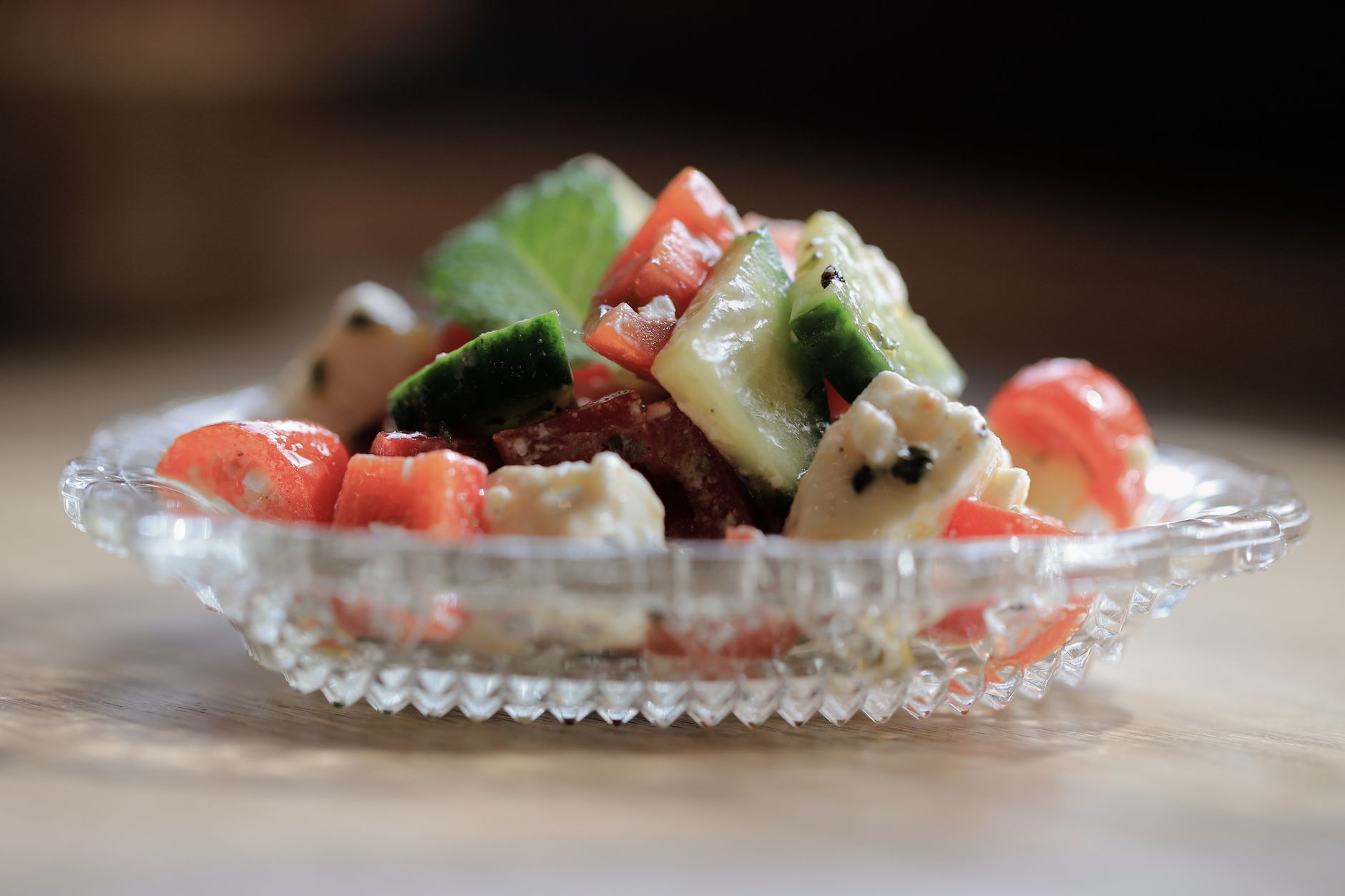
This is Bulgaria’s national salad. It’s a simple, perfect combination of chopped tomatoes, cucumbers, onions, roasted peppers, and a mountain of finely grated sirene cheese. You can find it at any traditional tavern (mehana) for 6–10 BGN ($3–6 USD).

The bakery staples

  • Banitsa: A flaky pastry layered with whisked eggs and sirene cheese. Grab one at a local bakery (pekarna) for 2–4 BGN ($1–2 USD) for the ultimate breakfast.
  • Bob Chorba: A smoky white bean soup spiced with local spearmint (dzodzhene). It costs 5–7 BGN ($3–4 USD) and is incredibly comforting.
  • Lutenitsa: A sweet, savory relish of roasted red peppers and eggplant. Buy a jar at a supermarket like Billa for 2 BGN and spread it on warm bread.

Safety and scams to avoid

Bulgaria is generally safe, but tourist hotspots attract opportunistic thieves. Keep your wits about you in crowded areas.

The Sofia Airport Taxi Trap

Never accept a ride from drivers hanging around inside the terminal. Walk outside to the official ‘OK Supertrans’ stand, or use the Yellow! or TaxiMe apps to ensure you get a metered fare.

The Gentlemen’s Club Scam

In central Sofia or Sunny Beach, be wary of friendly strangers inviting you to a specific bar. You’ll end up with a €500 bill and a very large security guard blocking the exit.

How to handle connectivity and parking

Getting online in Bulgaria can be a headache. Buying a physical local SIM card at the airport legally requires passport registration, which means standing in lines and filling out tedious paperwork. Plus, if you want to park your rental car in city ‘Blue Zones’ (which costs 2 BGN/hour), you can only pay via SMS if you have a local number.

Skip the chaos entirely. Grabbing a Bulgaria eSIM before you land lets you bypass the airport kiosks and connect the second your plane touches down.

Frequently asked questions

Is Bulgaria safe for solo female travellers?
Yes, violent crime rates are very low. However, because local women rarely go to bars alone, you might get unwanted attention. Stick to well-lit streets and use official taxi apps at night.
Do I need cash in Bulgaria?
Absolutely. While cards work in Sofia hotels and supermarkets, cash (BGN) is mandatory for public transport, small bakeries, mountain huts, and monastery museums. Always keep some coins on you.
What is the best way to get from Sofia Airport to the city centre?
Take the Sofia Metro (Line 4) directly from Terminal 2 to Serdika Station. It costs just 1.60 BGN (~$0.90 USD), takes about 20 minutes, and runs from 5:30 AM to midnight.

Bulgaria is one of those places that makes you feel slightly guilty for not coming sooner. Plan your route, pack your bags, and get ready for the Balkans.

Get your Bulgaria eSIM


Sri Lanka Travel Guide: How to Plan the Ultimate Island Getaway

Sri Lanka Travel Guide: How to Navigate Sri Lanka Without the Chaos

Sri Lanka welcomed exactly 2,362,521 tourists in 2025, yet most of them spent their trip stuck in traffic or getting scammed.

This island is a logistical nightmare of cash-only transactions, aggressive touts, and unpredictable transit that will eat you alive if you try to wing it.

I spent six weeks navigating Sri Lanka’s chaotic roads, mountain trails, and local eateries to figure out what actually works. This honest Sri Lanka travel guide cuts through the travel-brochure fluff to keep your trip on track.

Quick Facts — Sri Lanka

Currency
Sri Lankan Rupee (LKR)
Language
Sinhala, Tamil
Time zone
GMT+5:30
Visa
Free 30-day ETA (40 countries)

Key Takeaways

  • Entry is easier: Since May 25, 2026, the 30-day double-entry ETA is completely free for 40 countries, including the US, UK, and Australia, though online pre-application is still mandatory.
  • Cash is king: Outside Colombo, credit cards are useless for tuk-tuks, markets, and local eateries. Always carry LKR 10,000–15,000 in small bills.
  • Digital nomads: A new Digital Nomad Visa launched in early 2026 allows remote workers to stay up to a year if they meet the monthly income threshold.

The Sights Worth Your Time (And How to Beat the Crowds)

Everyone goes to the same three places. Some are worth the headache; others require a bit of strategy to enjoy.

Sigiriya Lion Rock Sri Lanka
The massive stone lion paws guarding the final staircase up Sigiriya

Sigiriya (Lion Rock)

This 200-meter granite monolith holds the ruins of King Kashyapa’s 5th-century palace. Skip the midday heat and arrive before the gates open at 7:00 AM. Alternatively, climb nearby Pidurangala Rock at sunrise for a clear view of Sigiriya itself, then hit the main rock at sunset.

Nine Arch Bridge Ella Sri Lanka
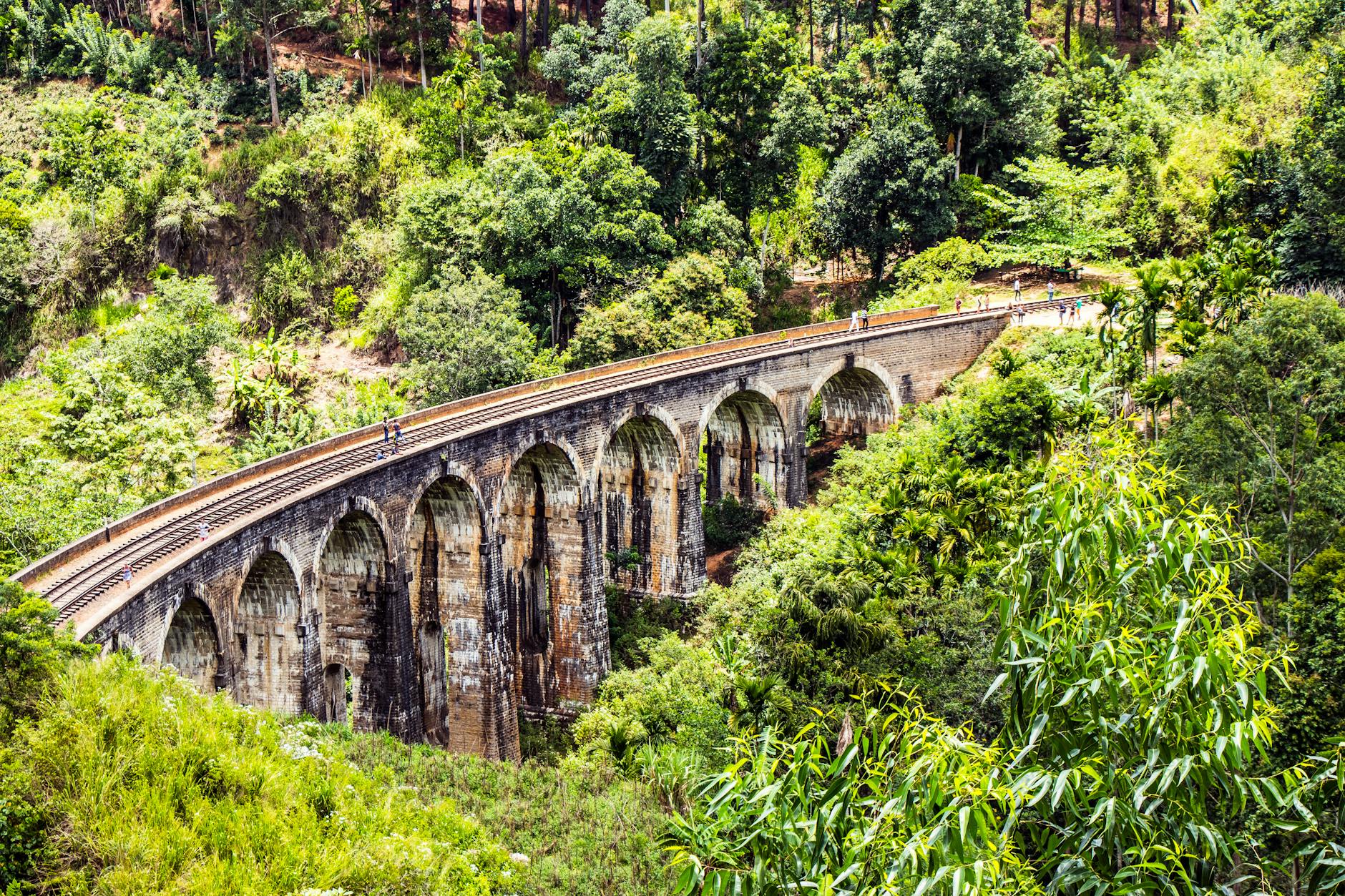
Trains slowly rattle across the colonial-era Nine Arch Bridge in Ella

Nine Arch Bridge (Ella)

An imposing colonial-era stone railway bridge surrounded by dense tea fields. Be there between 6:00 AM and 6:30 AM to catch the morning light without the selfie-stick crowds. For the best vantage point of the train curving out of the tunnel, grab a coffee at Asanka Café.

Sinharaja Forest Reserve Sri Lanka
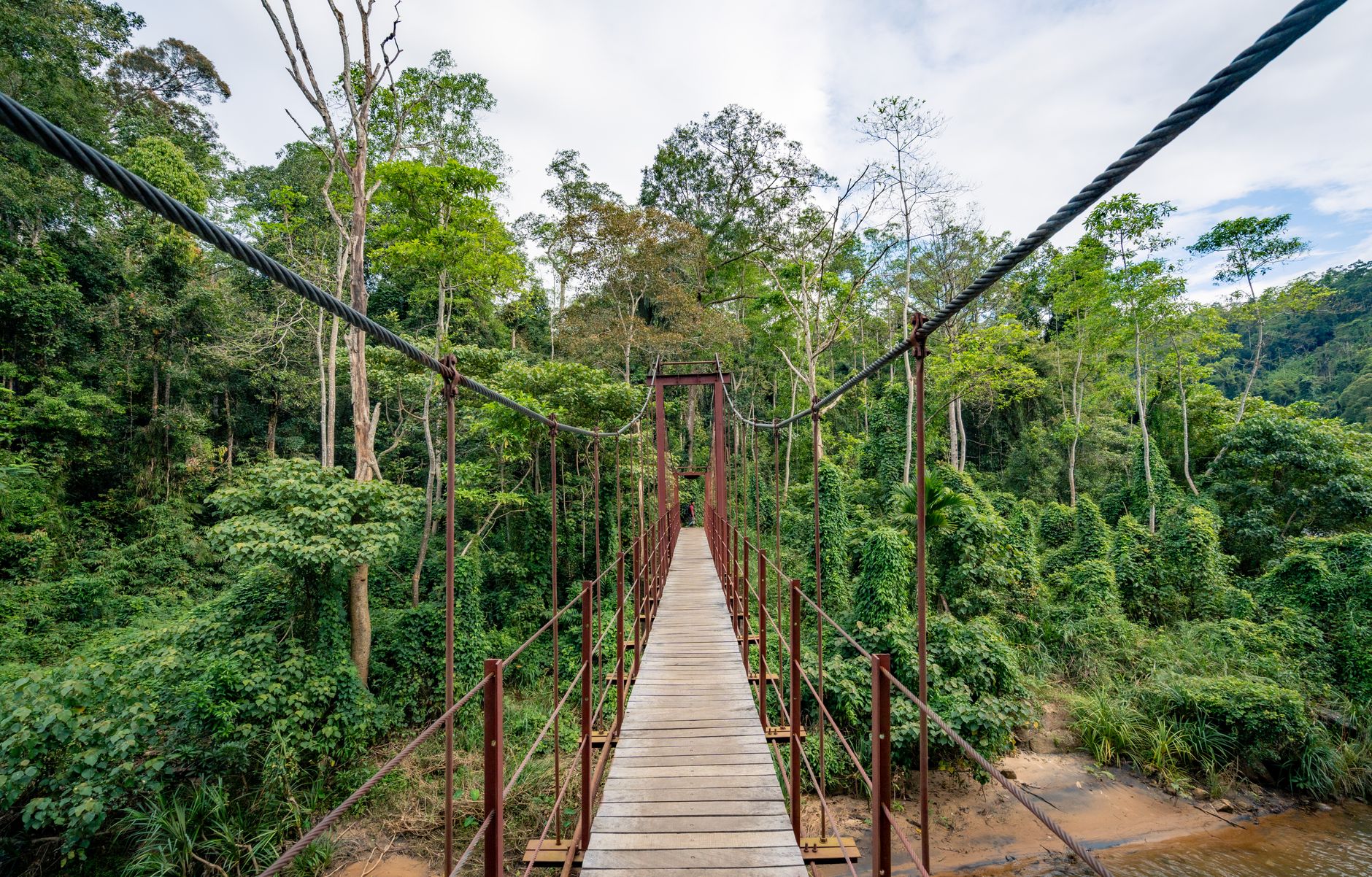
A suspension bridge hanging over the dense canopy of Sinharaja

Sinharaja Forest Reserve

Sri Lanka’s last primary tropical rainforest is a UNESCO-protected haven where over 60% of the trees are endemic. Hire a local guide at the Kudawa or Deniyaya entrance. Wear leech socks and pack a spray bottle of salt water—the wet forest floor is crawling with hungry leeches.

The Pekoe Trail

This newly mapped 300-kilometer walking path is divided into 22 stages. It connects Hanthana to Nuwara Eliya, winding through historic tea estates and offering an eco-friendly way to explore the highlands on foot.

The Real Sri Lankan Food Scene

Forget hotel buffets. The best food in Sri Lanka is found on the streets, cooked over open flames, and served on plastic plates.

Kottu Roti Sri Lanka food
A street food vendor preparing hot kottu roti on a metal griddle

Kottu Roti

Chopped godamba roti flatbread stir-fried with vegetables, egg, spices, and meat. Listen for the rhythmic, metallic clanging of blades chopping the bread at local street stalls after 6:00 PM. Expect to pay LKR 300 to 1,000 ($1.00–$3.00 USD).

Egg Hoppers Appa Sri Lanka food
Crispy egg hoppers served fresh at a roadside canteen

Egg Hoppers (Appa)

Bowl-shaped, crispy-edged pancakes made from fermented rice flour and coconut milk with a soft egg cracked in the center. Eat them with spicy lunu miris (onion-chili relish) for breakfast or dinner. They cost a mere LKR 60 to 150 ($0.20–$0.50 USD) each.

Lamprais Sri Lanka food
A historic cafe in Galle serving traditional Dutch-Burgher dishes

Lamprais

A Dutch-Burgher classic featuring rice cooked in stock, mixed meat curry, meatballs, and shrimp paste, all slow-baked in a banana leaf. Track it down at specialty cafes in Colombo for LKR 600 to 1,200 ($2.00–$4.00 USD).

Scams and Safety Rules to Live By

Sri Lanka is generally safe, but tourist traps are highly coordinated. Keep your wits about you to avoid these common setups.

Tuk-Tuk Meter Refusal

In Colombo and Kandy, drivers will refuse to use the meter. Book rides through PickMe or Uber instead to lock in a fair price, and firmly say “no shops” to avoid commission-based detours.

The “Temple is Closed” Scam

Touts near major religious sites like Kandy’s Temple of the Tooth will claim the temple is closed for a private ceremony. Ignore them, walk straight to the official ticket counter, and check the hours yourself.

Stilt Fisherman Photo Trap

Along the southern coast (Koggala, Ahangama), men pose on stilts solely for photos. Snap a picture, and aggressive handlers will demand LKR 1,000 to 2,000. Agree on a price first, or keep your camera down.

Buddha Disrespect Laws

Visible Buddha tattoos can get you arrested and deported. Cover them completely, and never pose for a photo with your back turned directly to a Buddha statue—always stand sideways or facing it.

Logistics: How to Get Around Without Losing Your Mind

Getting from point A to point B is where most travelers lose their cool. Here is how to handle the transit.

Airport to Colombo — step by step

1
Book on PickMe or Uber
A ride to central Colombo costs around LKR 3,000, compared to LKR 5,000+ for traditional airport taxis.
2
Walk to the public car park
App drivers are legally barred from entering the arrivals lobby, so you must meet them outside.
3
Pre-book AC chauffeurs for long distances
Tuk-tuks are banned on expressways, so hire a private car if you are heading straight to Galle or Ella.

Tipping is voluntary but keeps the wheels turning. For a multi-day driver, plan to tip LKR 2,000 to 3,000 per day. For day guides, LKR 1,000 to 2,000 is standard, while safari drivers in Yala expect around LKR 1,000 to 2,000.

Frequently Asked Questions

Is tap water safe to drink in Sri Lanka?
No, stick to filtered or bottled water. Even in high-end hotels, tap water can upset your stomach, so use bottled water for brushing your teeth too.
When is the best time to visit Sri Lanka?
The best weather is from December to April for the south and west coasts, and from May to September for the east coast. Avoid the monsoon seasons if you want to hike.
Do I need to carry cash everywhere in Sri Lanka?
Yes, absolutely. While major hotels and supermarkets in Colombo accept cards, tuk-tuks, local eateries, and market stalls only take cash in Sri Lankan Rupees (LKR).

Staying Connected on the Road

A local physical SIM card at the airport costs LKR 1,400 to 2,500 for a 30-day package, but the airport counters only accept cash in Sri Lankan Rupees. Plus, the government has a history of blocking social media during times of unrest, meaning you’ll need a solid VPN ready to go. Skip the airport queues and cash-only headaches entirely by setting up your data before you land. Grab a Sri Lanka eSIM from Galactic Roam to get instant 4G and 5G coverage the second your plane touches down.

Local Physical SIMGalactic Roam eSIM
PaymentCash only (LKR) at airportCredit card / Online
ActivationManual swap in terminalInstant, pre-arrival
Ready on arrivalAfter queuingYes

Get your Sri Lanka eSIM