

Turkey welcomed 63.9 million visitors last year, yet thousands were turned away at the airport for a single passport oversight. With crowds hitting record highs, navigating this massive country requires more than just showing up and hoping for the best. I’ve spent years navigating Istanbul’s chaotic streets (detailed in our istanbul travel guide) and Cappadocia’s valleys to build this realistic Turkey travel guide. Here is how to bypass the tourist traps, dodge the latest scams, and actually enjoy the ride.
Quick Facts — Turkey
Turkish Lira (TRY)
Turkish
GMT+3 (TRT)
Types C and F
April to May, September to October
E-Visa required for many; British tourists need 150 days passport validity
Crucial Logistics: The Stuff Airlines Won’t Tell You
Before you even pack a bag, check your passport. If you’re a British tourist, Turkey requires your passport to be valid for at least 150 days from your arrival date. That’s just under five months—significantly longer than the standard three months for the EU.
Airlines actively deny boarding to anyone who misses this rule by even a single day. Don’t assume the gate agent will let it slide. They won’t.
Once you land, you’ll face another financial quirk. The Ministry of Culture and Tourism quotes all entrance fees for major state heritage sites like Ephesus and Hagia Sophia in Euros to combat inflation. But here’s the catch: the ticket booths strictly do not accept Euro cash. You must pay by credit card or in Turkish Lira converted at the daily central bank rate.
The Heavy Hitters: What’s Worth It and What’s a Trap
Turkey has some of the most famous historical sites on earth. But popularity brings crowds, high prices, and updated rules that catch most travelers off guard.
Hagia Sophia (Istanbul)
This 1,500-year-old masterpiece has transitioned from a Byzantine cathedral to an Ottoman mosque, a museum, and back to an active mosque. It’s spectacular, but the entry rules changed dramatically. Since January 2024, tourists must pay a €25 fee to access the upper gallery.
The ground floor is entirely free, but it’s reserved strictly for worshippers and closed to sightseers during the five daily prayers. Pay the €25. The upper gallery is the only way to see the famous Byzantine mosaics and the ancient runic graffiti carved by a bored Viking guard named Halvdan.
Go at 09:00 or after 17:00 to avoid the worst of the queues. Note that the Museum Pass Istanbul is not valid here.

Ephesus Ancient City (Selçuk)
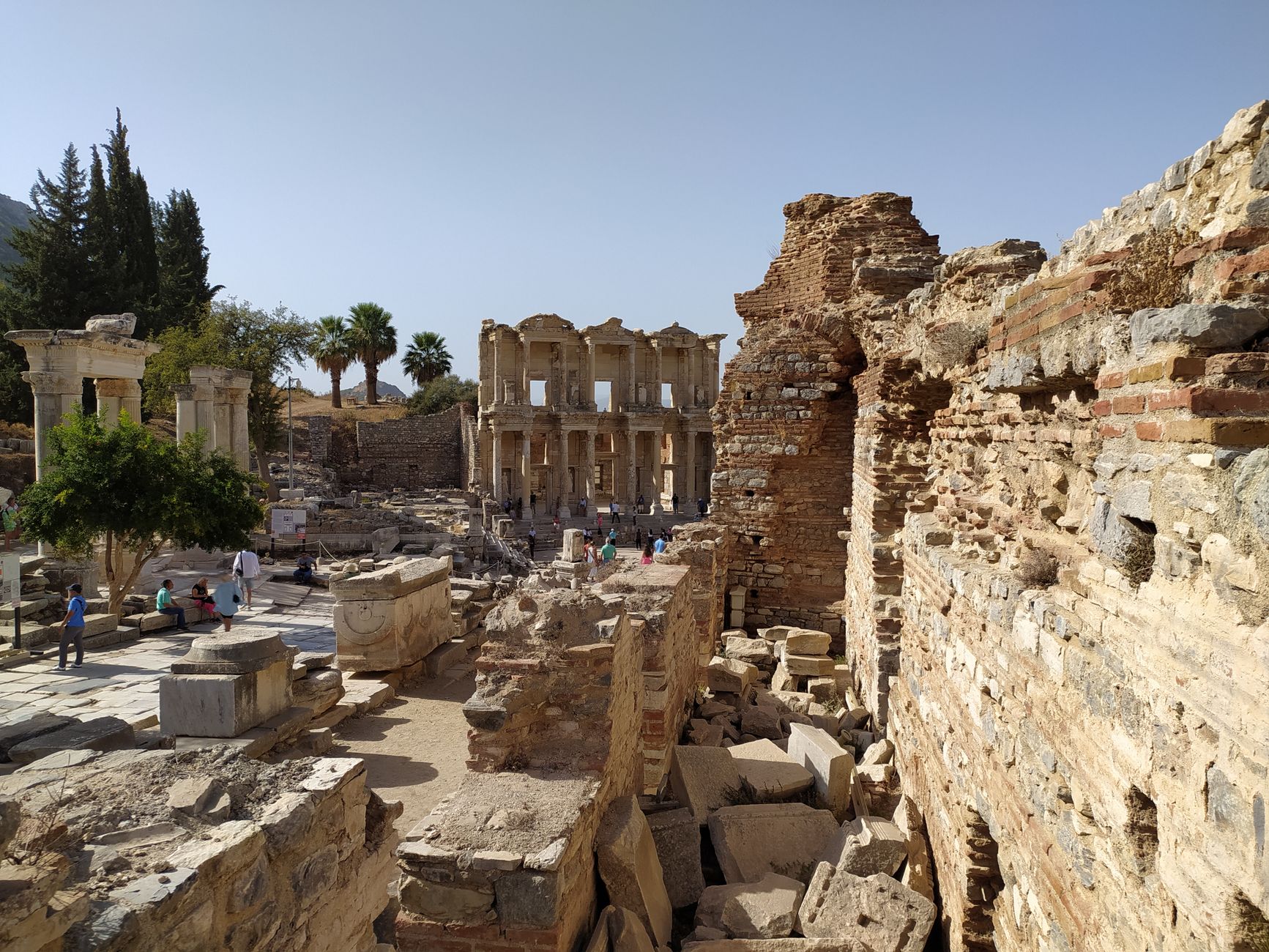
Ephesus is one of the most complete Greco-Roman classical cities in the Mediterranean. The Library of Celsus and the massive Great Theatre are genuinely awe-inspiring. But if you just walk the main path, you’re missing the best part.
Pay the extra €15 ticket to enter the Terrace Houses inside the site. They are protected under a giant roof and showcase remarkably preserved frescoes and mosaics belonging to Roman aristocrats. If you’re visiting in 2026, take advantage of the new night visits where the ruins are fully illuminated under the dark sky.
Go at 8:00 AM or after 5:00 PM to avoid the cruise ship crowds flooding in from Kusadasi.
Cappadocia (Göreme)
The volcanic “fairy chimneys” and cave dwellings look like a sci-fi film set. Everyone comes here for the hot air balloon rides, but here’s the reality check: balloons are highly weather-dependent and get cancelled about 30% of the time.
Book your flight for your very first morning and stay at least three nights to give yourself a safety buffer. If you get grounded—or simply don’t want to blow €150+ on a flight—skip the crowded, paid viewpoint platforms.
Instead, hike the Love Valley or Red Valley trails at sunset for a spectacular, crowd-free view that costs absolutely nothing.

What to Eat: Beyond the Standard Shish Kebab
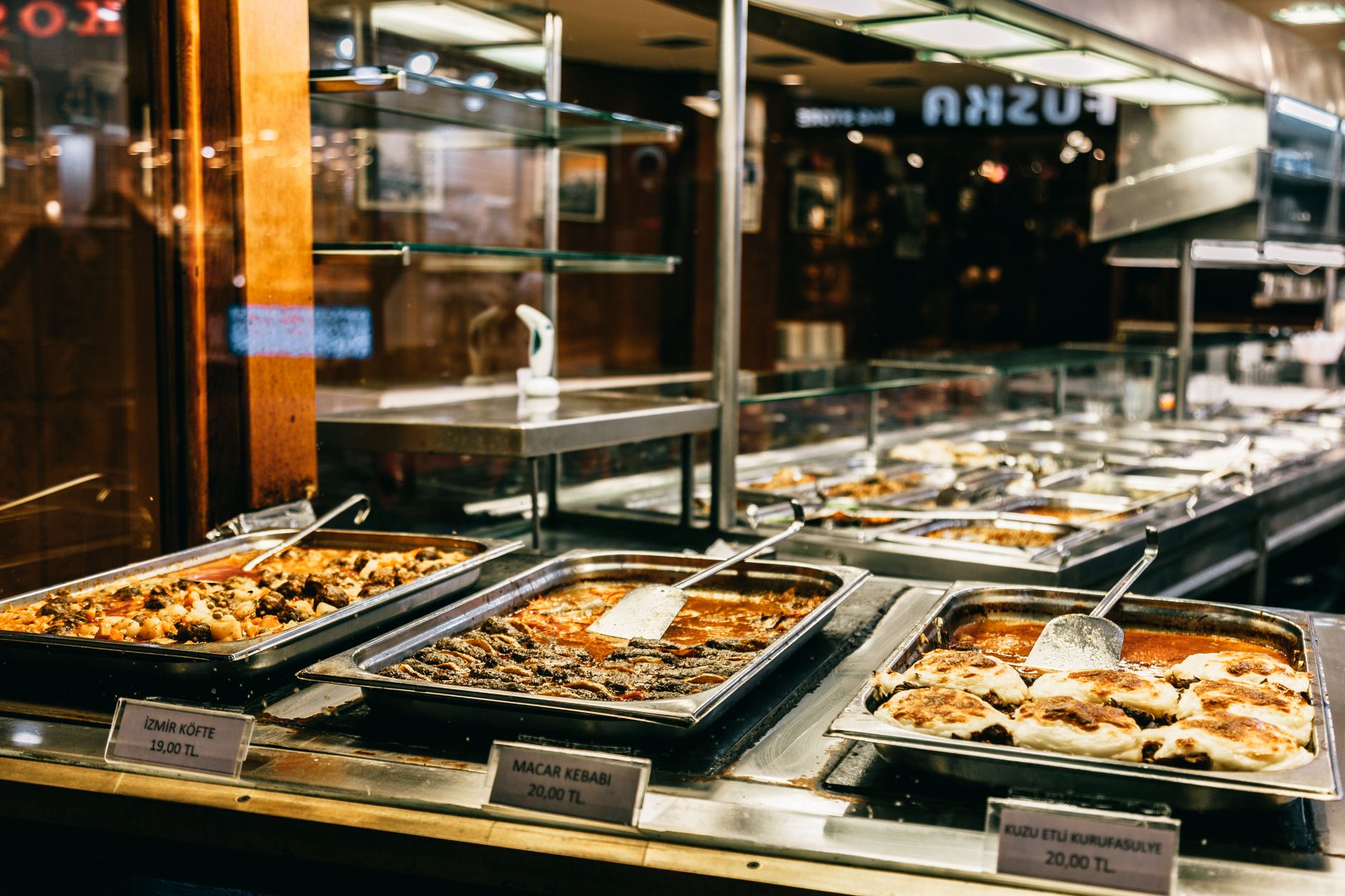
Turkish food is incredibly regional, and you’re doing yourself a disservice if you stick to basic tourist menus. Here are three dishes you actually need to track down.


Safety in Turkey: Three Scams to Avoid
Turkey is generally safe, but tourist hotspots in Istanbul are playground territory for highly sophisticated scammers. If you know what to look for, you won’t lose a single Lira.
The Shoeshine Drop Scam
On the Galata Bridge or Sultanahmet streets, a shoeshiner walking in front of you will “accidentally” drop their brush. If you pick it up, they will act incredibly grateful and insist on giving you a “free” shine. Once finished, they will aggressively demand a massive payment—often ten times the local rate—using guilt and intimidation. If you see a brush drop, ignore it and keep walking.
The Restaurant Menu Price Switch
Touts in Sultanahmet and Taksim will lure you in with cheap verbal promises or show you a low-priced menu. When the bill arrives, the prices have doubled, or they’ve tacked on massive “service fees” and “cover charges.” Always snap a quick photo of the menu with the prices before you order, and never enter a restaurant that doesn’t display clear prices outside.
The “Let’s Go For a Drink” Nightclub Scam
A friendly, well-dressed local man will strike up a conversation in Beyoğlu and invite you to a “great local bar.” Once there, women will join the table and order drinks. When you try to leave, you’ll be handed an astronomical bill for thousands of dollars, and heavy security guards will block the exit until you pay or go to an ATM. Never go to a bar suggested by a stranger you met on the street.
Logistics: Getting Around and Managing Your Money
Getting from Istanbul Airport (IST) to the city center is straightforward if you skip the taxi queue. The Havaist airport shuttle buses are the most efficient option, dropping you in Sultanahmet or Taksim for around 150 to 200 TRY ($3 to $4 USD). You can also take the M11 Metro line, though you’ll need to transfer to reach the historic center.
While credit cards are widely accepted in major shops and restaurants, cash is still king for daily life. You’ll need Turkish Lira for street food, public transit cards (like the Istanbulkart), and small market vendors. Always keep a few hundred Lira in your pocket.
Tipping is straightforward. In casual spots, a 5% to 10% tip is appreciated but not mandatory. In upscale restaurants, aim for 10% to 15%. Taxi drivers don’t expect tips, but you should round up the fare to the nearest 10 or 20 Lira to save them from hunting for change.
For accommodation, location is everything. If you’re a first-time history buff, stay in Sultanahmet to walk to the major sights. If you prefer a trendy, local vibe with great nightlife, book a hotel in Karaköy or Kadıköy on the Asian side.
Staying Connected: The 120-Day Phone Trap
Buying a physical SIM card at Istanbul Airport is a rip-off, with tourist packages costing between $29 and $71 USD (1,300 to 3,200 TRY). If you wait until you get to the city center, you’ll find them 50% to 70% cheaper. Turkcell offers the best nationwide coverage, especially if you’re heading into Cappadocia or the Black Sea coast.
But there’s a massive legal catch you need to know. Turkey enforces a strict mobile device registration law. If you insert a local physical SIM card into a foreign phone, the government tracks your phone’s Imei number. After 120 days, they will block your device entirely unless you register it and pay a tax.
In 2026, this registration fee is a staggering 54,258 TL (roughly $1,148 USD). If you’re staying short-to-medium term, using a physical local SIM is a ticking clock you don’t want to deal with.
| Feature | Local Physical SIM | Galactic Roam eSIM |
|---|---|---|
| Cost | $29 – $71 (Airport) | From $8 |
| Activation | In-store registration | Instant, pre-arrival |
| Imei Block Risk | Yes (after 120 days) | None |
| Ready on arrival | No (must queue) | Yes |
| Data options | Fixed tourist packs | Flexible gigabyte tiers |
Additionally, public WiFi in Turkey is notoriously frustrating. To log on at places like Istanbul Airport, you usually need a working mobile number to receive an SMS verification code, which is impossible if your home SIM is inactive. Note that some websites face occasional blocks and messaging apps can experience throttling during major national events, so downloading a reliable VPN before you arrive is highly recommended.
Frequently Asked Questions
What are the entry guidelines for British tourists visiting Turkey?
Do I need to carry cash in Turkey?
Is it safe to walk around Istanbul at night?
How do I avoid getting scammed by taxi drivers in Istanbul?
Turkey is a country that rewards those who plan ahead and stay skeptical of “too-good-to-be-true” street deals. By keeping your passport valid, avoiding the airport SIM card traps, and keeping your phone connected, you’ll have a smooth trip. To avoid the hassle of local registration laws and expensive airport kiosks, grab a Turkey eSIM from Galactic Roam before you fly. It lets you connect to local networks the moment you land, keeping you safe from taxi scams and keeping your maps active without any of the physical SIM registration headaches.