

Iceland Road Trip Itinerary: How to Plan the Ultimate Ring Road Adventure
By the end of 2026, driving across Iceland will cost you more than just gas. A new nationwide road tax means every single kilometer you drive on your Iceland road trip itinerary now comes with a literal price tag. I’ve spent years navigating these roads, and I’ve mapped out the exact route you need to see the best of the Ring Road without getting ripped off. Here is what the rental agencies won’t tell you, and how to plan the ultimate drive.
The New Reality of Driving in Iceland
Everyone told me that renting a car in Iceland was straightforward, but they didn’t factor in the new laws. Starting January 1, 2026, Iceland introduced a mandatory nationwide road tax called kílómetragjald. You’ll pay 6.95 ISK per kilometer for any standard passenger car or SUV up to 3.5 tonnes, which completely replaces traditional fuel taxes at the pump.
On top of that, the reinstated accommodation tax adds a flat fee of 666 ISK per night for hotel rooms and 333 ISK per night for campsites. When you pick up your rental car, you have a choice to make. Some agencies charge the exact pass-through rate based on your odometer reading at return, while others charge a flat daily rate of about 1,550 ISK up front.
If you plan a slow-paced trip with low mileage, pay-per-kilometer is cheaper. But if you’re driving the entire 1,322-kilometer Ring Road plus detours, that flat daily rate will save you a lot of cash. Do the math before you sign the contract.
Three Hidden Sights Actually Worth the Detour
Most people stick to the crowded turnouts on the South Coast, but the best spots require you to get your boots dirty. Skip the overcrowded viewing platforms and target these three spots instead.
Stuðlagil Canyon
This canyon features one of the world’s largest collections of symmetrical hexagonal basalt columns framing a glacial river. It was completely submerged under a roaring river until 2009, when a nearby hydroelectric plant lowered the water levels and revealed it. The color shifts from brilliant turquoise in summer to a dull grey-brown in winter.
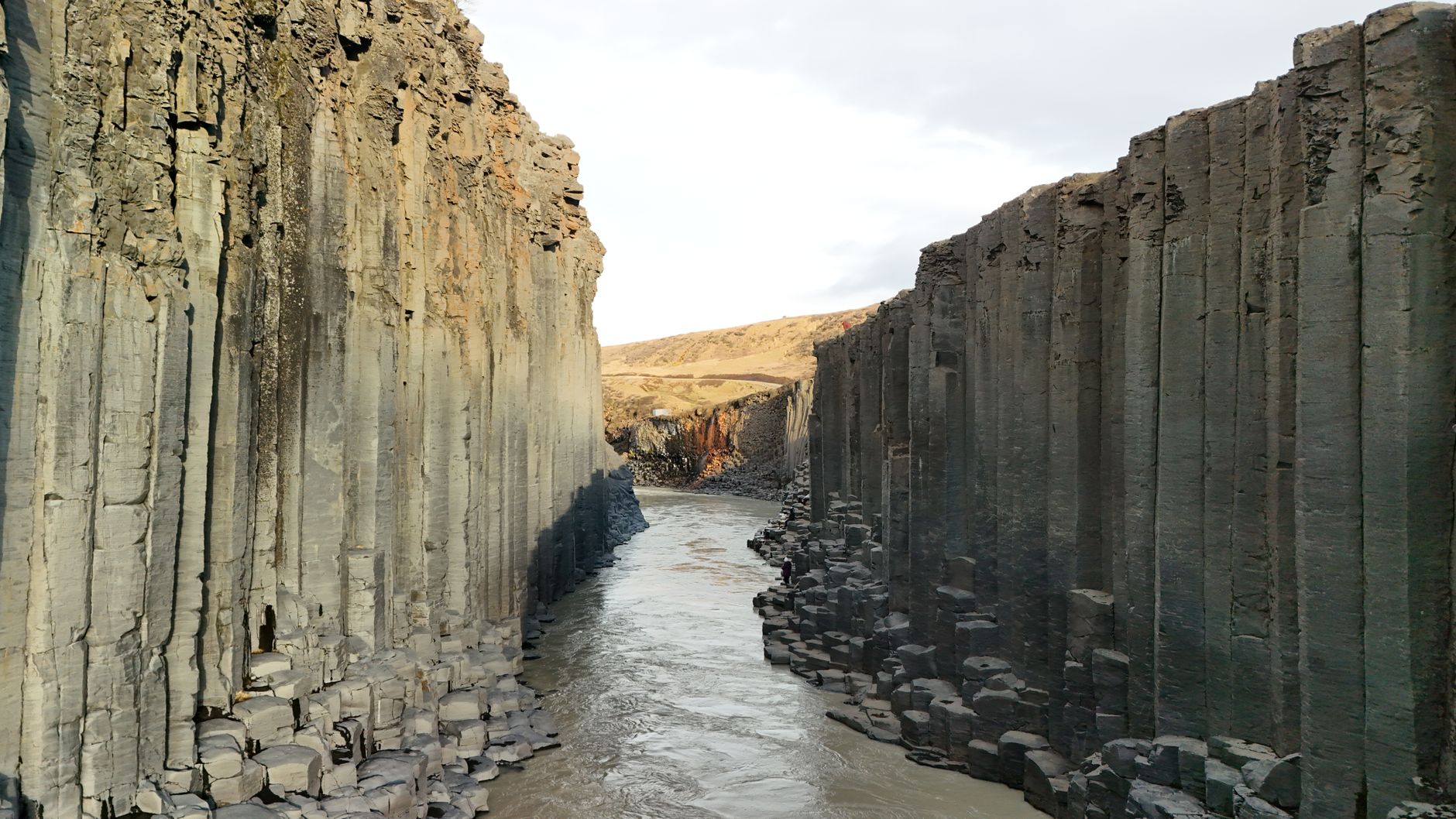
Most tourists view the canyon from the west side’s observation platform, but you can’t walk down to the water from there. To hike down into the canyon floor, park on the east side at Klaustrusei farm and complete the 5 km round-trip hike. Avoid visiting from early August to October, as the reservoir overflows and turns the river muddy brown.
Kvernufoss Waterfall
Kvernufoss is a 30-meter waterfall hidden inside a moss-covered gorge, offering a peaceful alternative to its famous neighbor, Skógafoss. It’s completely hidden from the main road. Park behind the Skógar Museum and follow the unmarked trail over a small metal ladder over a fence.
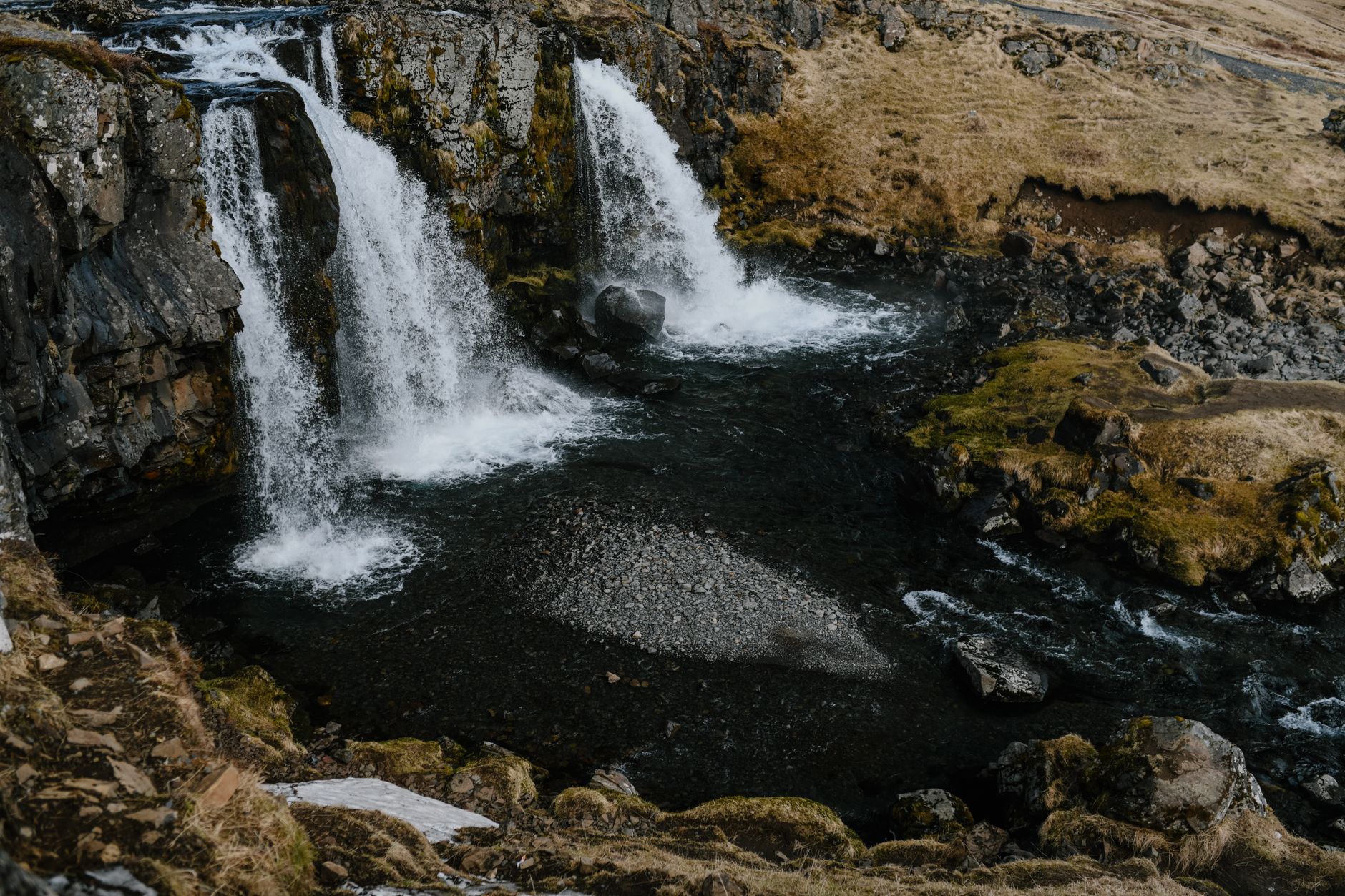
You can walk entirely behind the cascade, but you’ll need full waterproof gear to avoid getting drenched. In winter, stay back. Falling icicles make walking behind the falls incredibly dangerous.
Gljúfrabúi Waterfall
Known as the hidden waterfall, Gljúfrabúi cascades inside a narrow, vertical cliff cleft right next to the famous Seljalandsfoss. Most tourists only look from the outside, missing the cavern inside entirely.
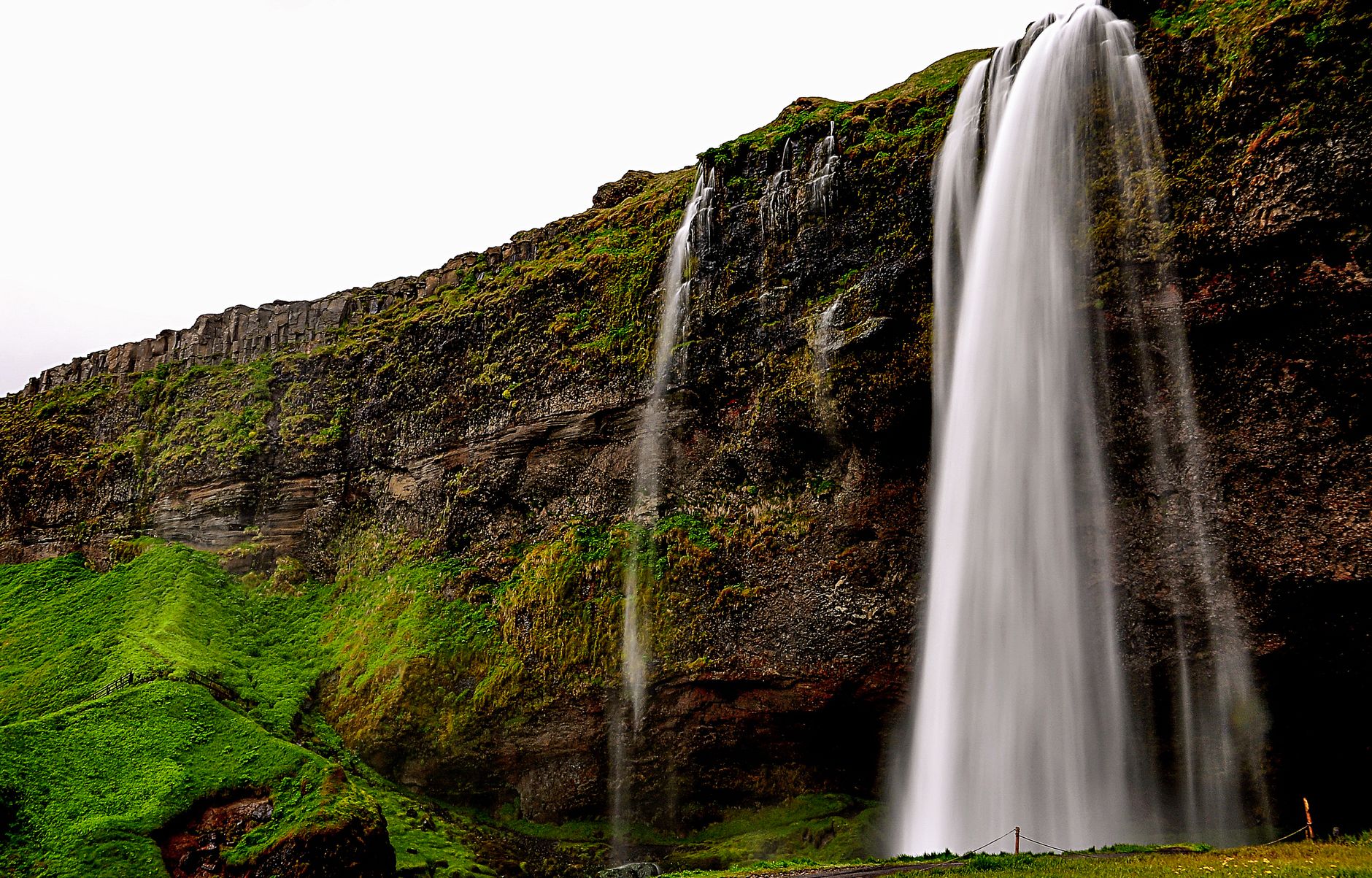
To see it, you must wade through a shallow stream inside a dark, narrow rock opening. Wear waterproof boots or water shoes and a rain jacket, because you will get completely soaked. The view from inside the cavern is worth the wet feet.
What to Eat Along the Ring Road
Icelandic food has a reputation for being expensive, and it is. But if you know what to order, you’ll get some of the best meals of your life. Skip the generic hotel burgers and look for these local staples.



Road Hazards That Will Ruin Your Trip
Iceland’s landscape is beautiful, but it’s also incredibly unforgiving. If you aren’t careful, you can easily end up with thousands of dollars in vehicle damage or worse.
Sneaker Waves at Reynisfjara
Never turn your back on the ocean at the black sand beach near Vík. Keep at least 30 meters from the water’s edge and watch the flashing lights at the entrance; if the red light is flashing, do not enter the beach at all.
Wind-Damaged Car Doors
Gales along the South Coast easily exceed 15 meters per second, which is strong enough to rip a car door off its hinges. Always park facing into the wind, hold the door with both hands, and know that wind damage is never covered by standard rental insurance.
F-Road River Crossings
Standard rental cars are strictly banned on highland F-roads. Even if you rent a 4×4, crossing rivers is highly risky, never covered by insurance, and best left to local super-jeeps.
Frequently Asked Questions
Do I need to carry cash in Iceland?
Is tipping expected in Icelandic restaurants?
Can I drive the entire Ring Road in five days?
Stay Connected on the Road
While Iceland’s 4G and 5G networks cover almost the entire Ring Road, getting connected can be a hassle. Physical SIM cards bought at Keflavík airport cannot be converted to eSIMs on-site, and local carriers only sell tourist eSIMs at their physical retail stores in Reykjavík malls like Smáralind. To avoid wasting half a day of driving just to get online, grab a digital Iceland eSIM before you land. It’s as simple as packing a universal adapter, letting you navigate the Ring Road’s newly taxed highways from the second you touch down.