

By the end of 2026, the current solar cycle will pass its peak, taking the best Northern Lights displays of the decade with it. If you’ve been putting off your Scandinavian dream, waiting any longer means missing out on the most intense auroras we’ll see for years. (If you are planning a multi-country trip, be sure to check out our sweden travel guide, denmark travel guide, and finland travel guide as well.) This real-world Norway travel guide cuts through the tourist brochure fluff to show you how to plan a fjord adventure without going bankrupt.
Quick Facts — Norway
Norwegian Krone (NOK)
Norwegian (English is universal)
GMT+1 (CET)
Type C and F
June–August (Fjords), Dec–March (Lights)
Schengen rules apply
Norway is currently experiencing an unprecedented tourism boom. In 2025, the country recorded a record-breaking 40.6 million commercial overnight stays, with international visitors jumping by 14% to 14.2 million. The average price for a hotel room in 2026 hovers around 1,725 NOK per night, but that number easily doubles in Arctic hotspots like Tromsø during the peak winter months.
If you don’t plan your logistics carefully, you’ll spend your entire trip stuck in crowds or waiting in queues. Here is how to navigate the country like a pro.
The Fjord Classics: What is Actually Worth Your Time
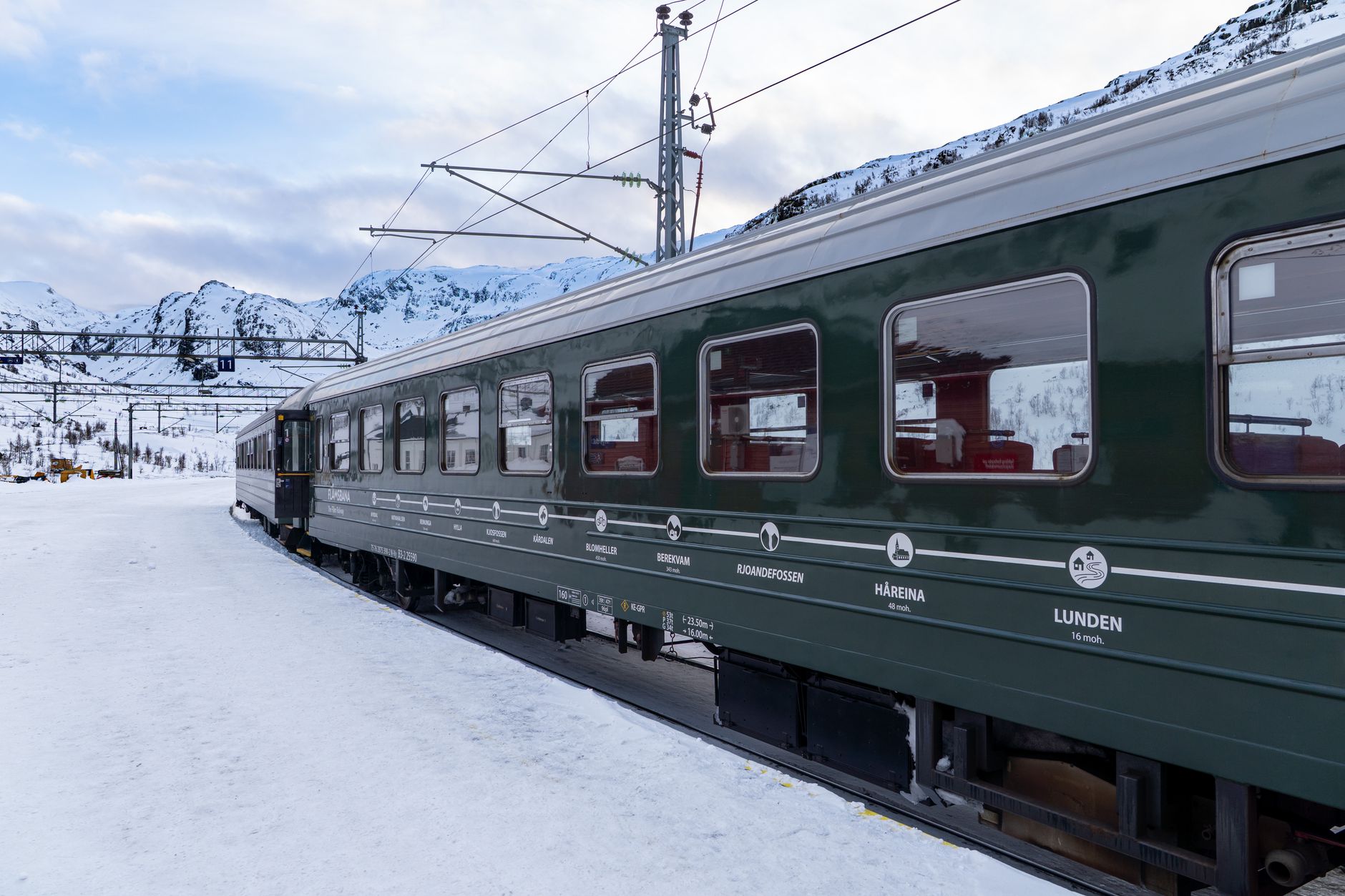
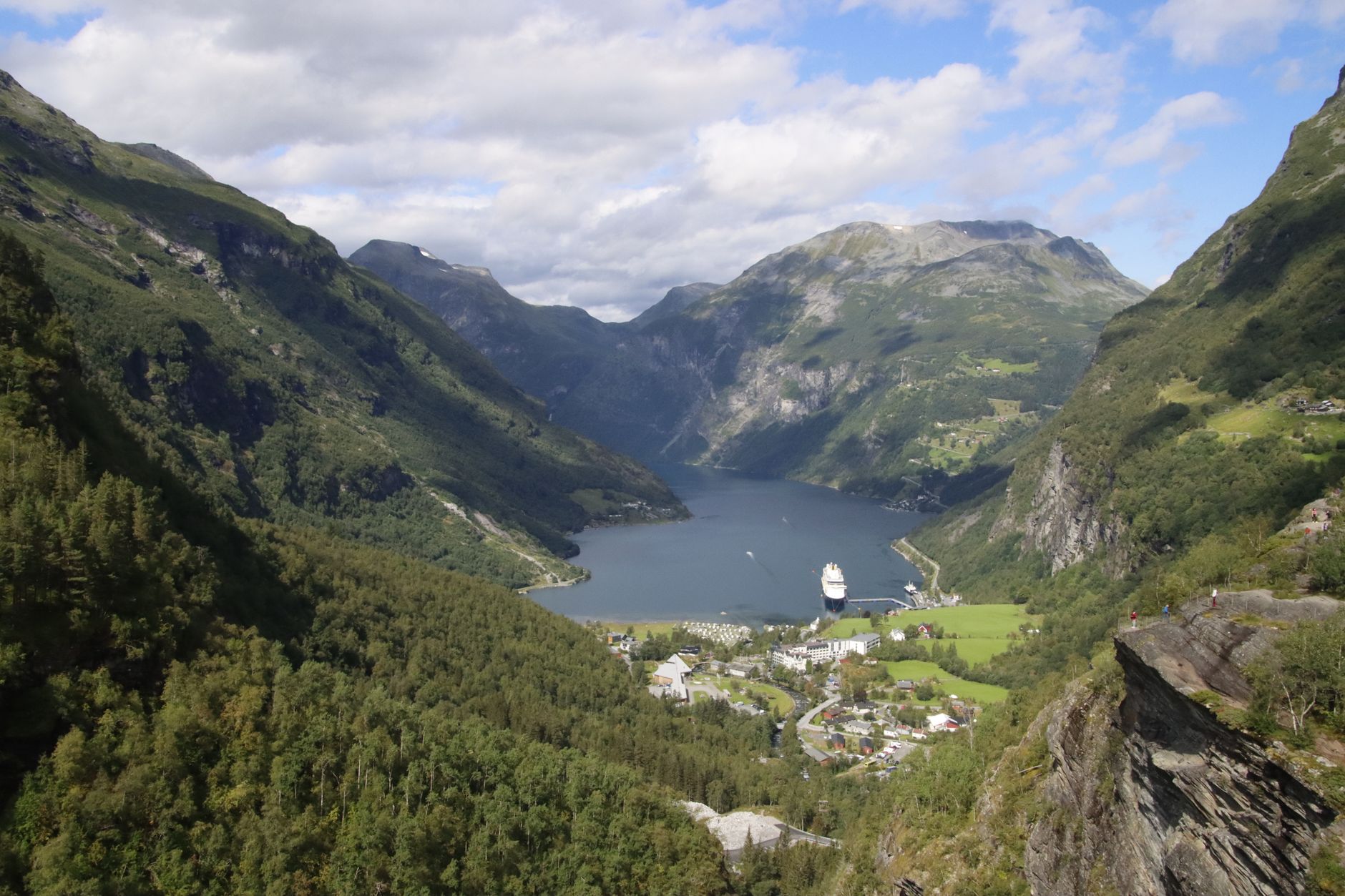
Most people head straight for the famous viewpoints they saw on Instagram. Some of those spots are genuinely spectacular, while others are just expensive tourist traps. Here are the two you shouldn’t skip.
Chasing the Lights in Tromsø
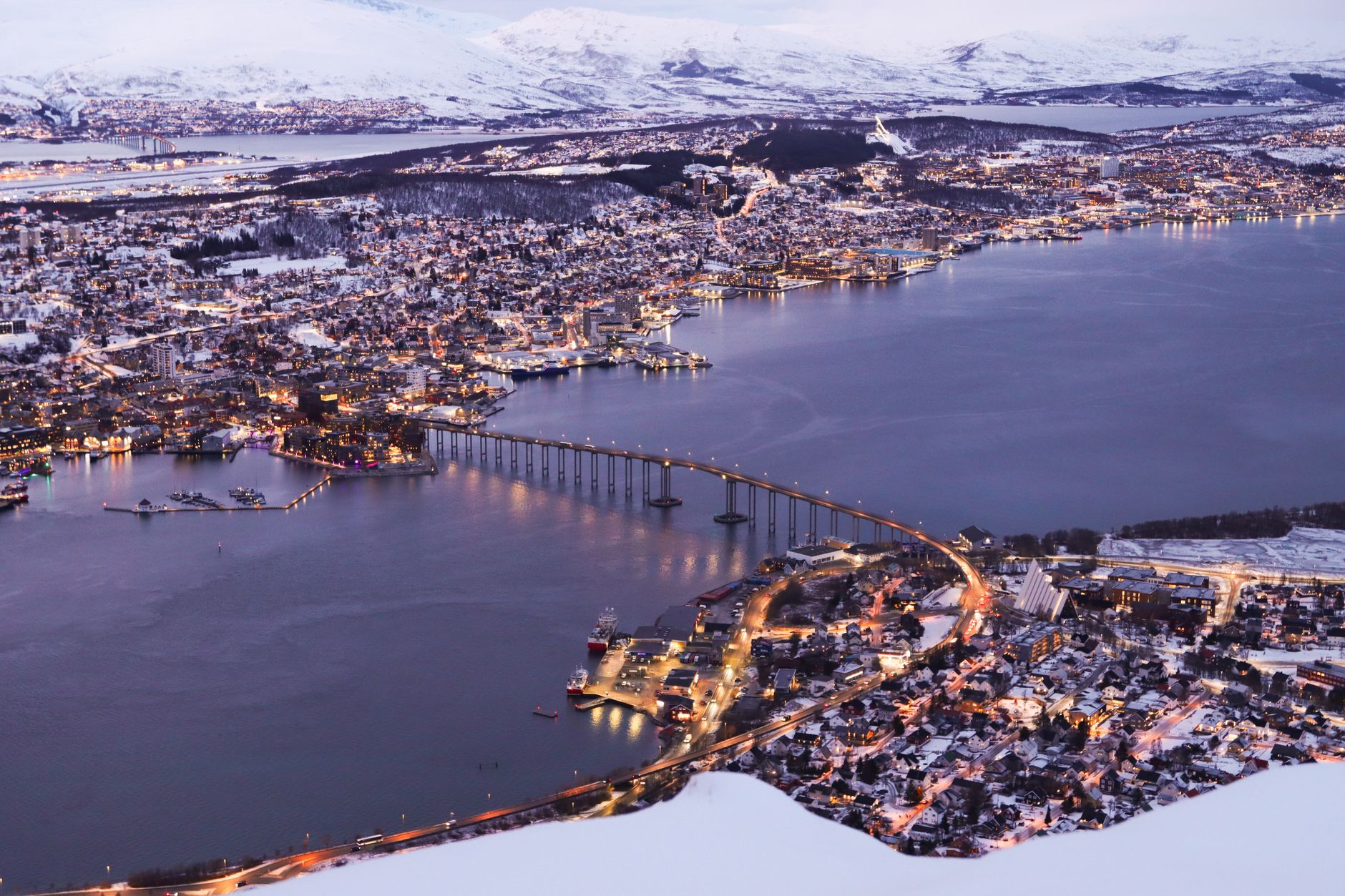
Tromsø is the undisputed capital of the Arctic. It is also a breeding ground for opportunistic tour operators looking to take advantage of desperate tourists.
The Unlicensed Aurora Tour Scam
Local police are actively cracking down on unlicensed guides targeting tourists on social media apps like WeChat and Red Note. These operators use standard rental cars without commercial passenger insurance or transport licenses. If they get pulled over or crash, you have zero coverage. Always verify that your guide is registered through official portals like Visit Tromsø.
Crucial Rules You’ll Break by Accident
Norway is incredibly safe, but the local laws are strict, unforgiving, and heavily enforced. Breaking them will ruin your budget instantly.
- The E-Scooter DUI Trap: Norway has a strict 0.02% Blood Alcohol Concentration (BAC) limit. This applies to rental e-scooters in Oslo and Bergen. Riding tipsy can land you a fine scaled to your income—often 1.5 times your gross monthly salary—or actual jail time.
- The Potato Ban: You cannot bring uncertified potatoes into Norway in your luggage. Customs officers at Toll.no will confiscate them on the spot and hand you a massive fine. Leave the spuds at home.
- Right to Roam Limits: The famous “Allemannsretten” allows you to camp almost anywhere on open land. However, it is strictly illegal to pitch a tent or park a camper van within 150 meters of an inhabited house or private cabin.
- Fake QR Codes: Scammers in Oslo and Bergen are pasting fake QR code stickers over the real ones on restaurant tables. They also send fake SMS texts pretending to be the Road Administration (Statens vegvesen) demanding toll payments. Never click unsolicited toll links.
“Norway is almost entirely cashless. If you pull out physical Krone notes to pay for a coffee, expect the barista to look at you like you’ve handed them a piece of coal.”
What to Eat (and What it Costs)
Eating out in Norway is notoriously expensive. Knowing what to order—and where to buy it—will save you a fortune.
- Brunost (Brown Cheese): A sweet, caramelized whey cheese. Skip the cafes and buy a block at a Meny or Rema 1000 supermarket for 50–70 NOK ($5–$7 USD) to eat on crackers.
- Reindeer Stew (Finnbiff): Sautéed reindeer meat served with cream sauce, juniper berries, and lingonberries. Expect to pay 195–285 NOK ($18–$27 USD) for lunch at casual spots like Sentralen in Oslo, or up to 420 NOK ($40 USD) at high-end dinner spots.
- Fiskesuppe: A rich, creamy fish soup with cod, salmon, and root vegetables. Grab a steaming bowl at the Bergen Fish Market (Fisketorget) for 120–180 NOK ($11–$17 USD).
Frequently Asked Questions
Do I need to carry cash in Norway?
How do I book trains and buses across different regions?
Can I buy alcohol in supermarkets anytime?
Staying Connected in the Fjords
Norway is highly digitalized. You’ll need an internet connection to scan QR codes for restaurant menus, buy ferry tickets, and navigate mountain roads. While you can buy a local physical SIM card at airport convenience stores like Narvesen for 199 NOK to 349 NOK ($18–$33 USD), the mandatory ID registration process often leads to long queues and activation delays. Plus, physical SIMs are easy to lose when swapping them out. A much simpler option is to set up a Norway eSIM before you even board your flight. With a Norway eSIM from Galactic Roam, you can connect instantly to Telenor or Telia’s ultra-fast 5G networks the moment you land, bypassing the airport kiosks entirely.