
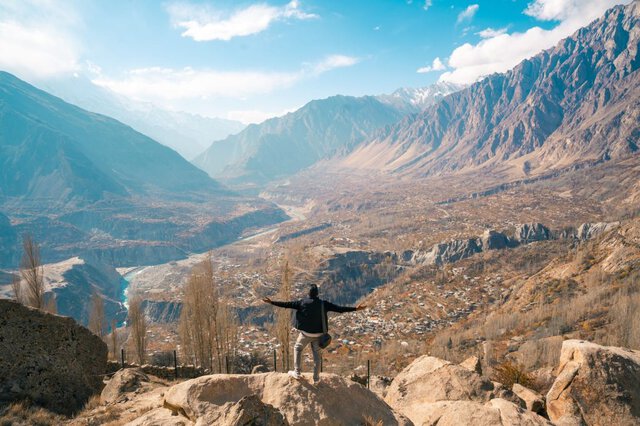
Pakistan’s international tourist arrivals surged by 820% in 2025, welcoming over 1 million visitors. I spent months navigating this country to see if the hype is real—and let me tell you, winging it here will eat you alive. This practical Pakistan travel guide cuts through the online noise to give you the exact logistics, scams, and mountain routes you need to survive.
Quick Facts — Pakistan
Pakistani Rupee (PKR)
Urdu, English
GMT+5
C, D, G
April to October
e-Visa required
Historic Cities & Mughal Wonders
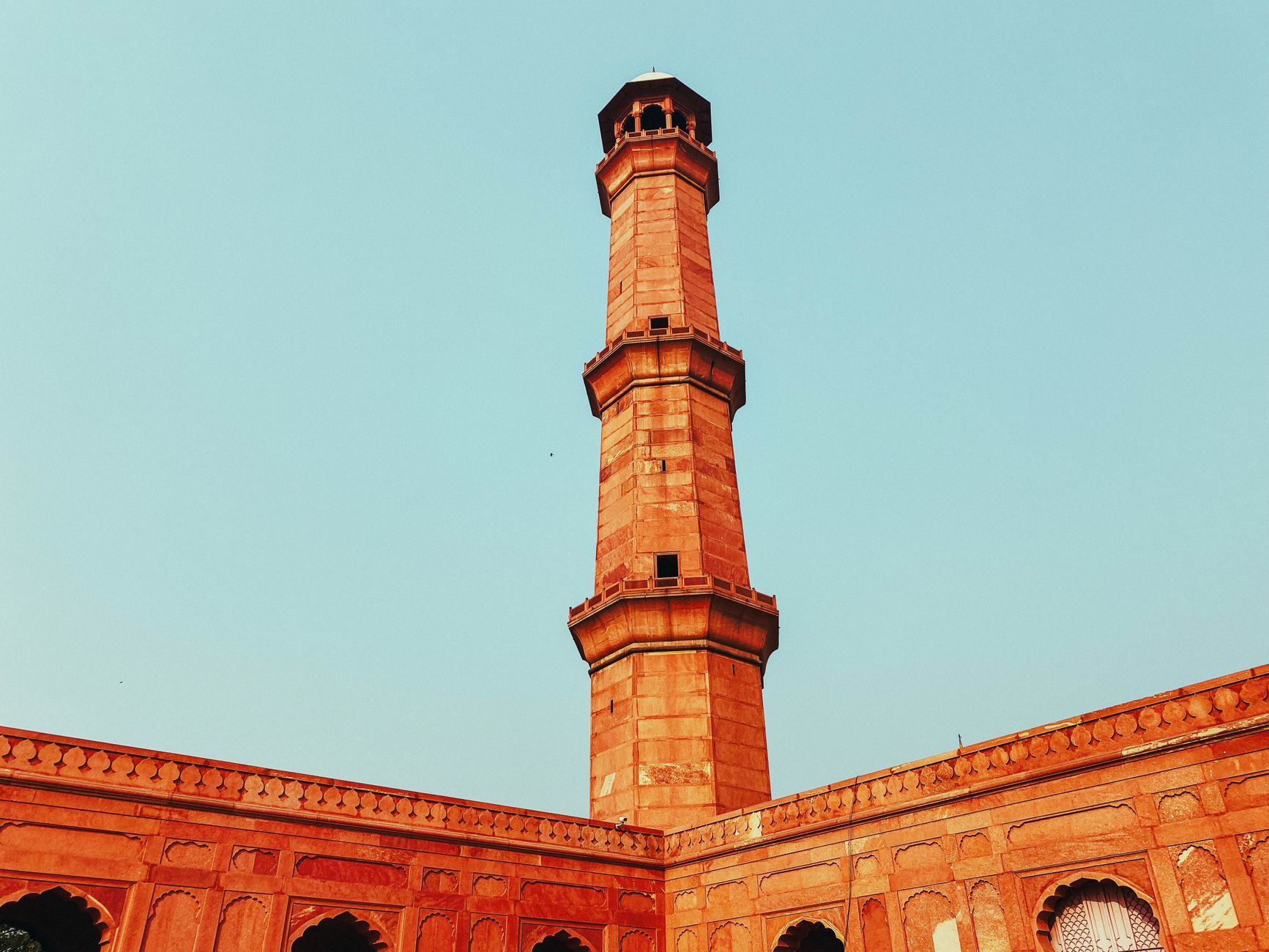
Most travelers land in Islamabad or Lahore. These cities are chaotic, loud, and thick with history, but they require some strategy to enjoy without burning out.

The Karakoram Highway & Hunza Valley
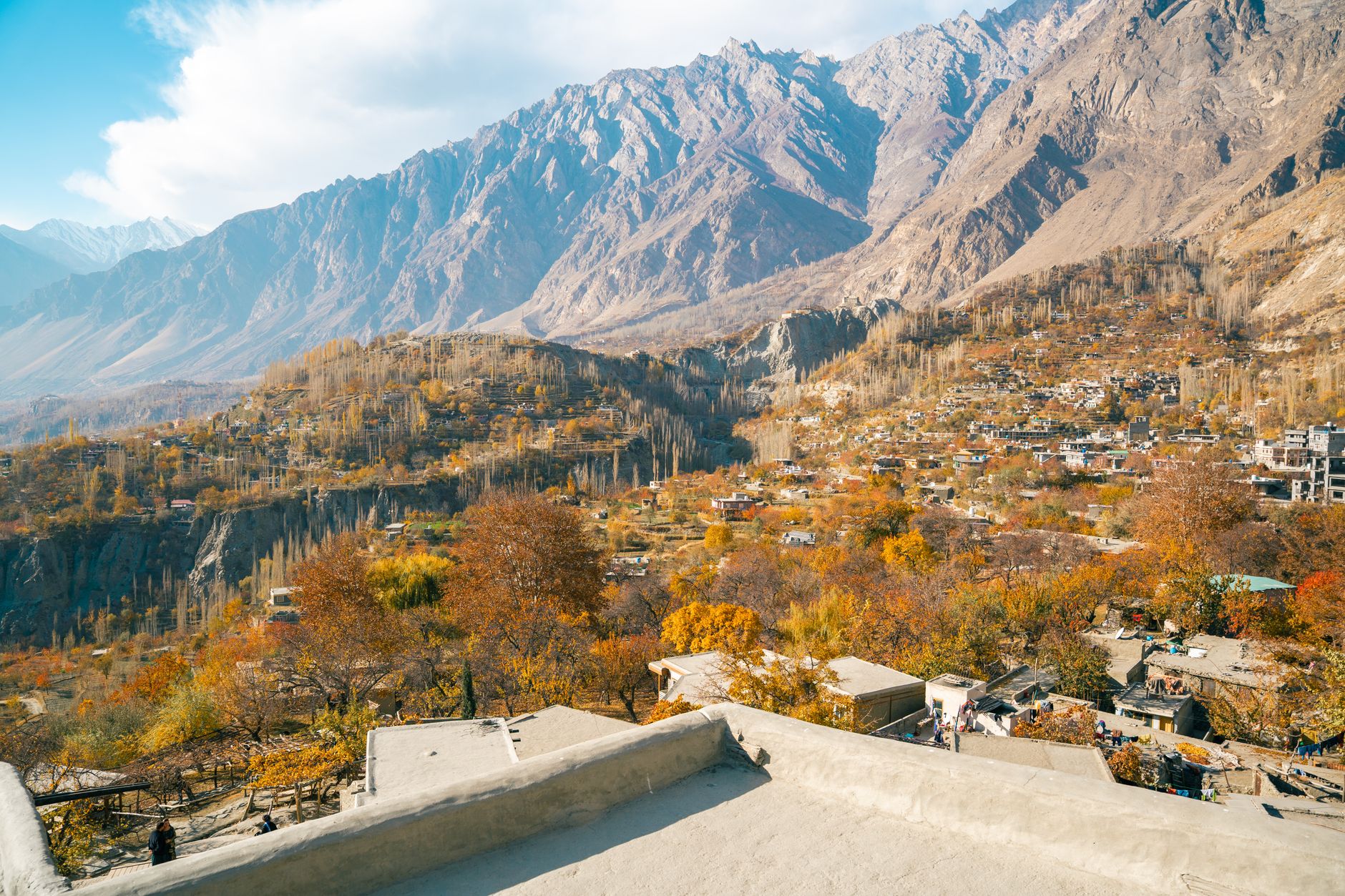
The Karakoram Highway (KKH) stretches 1,300 kilometers from Hasan Abdal to the Chinese border. It reaches its highest point at the Khunjerab Pass, sitting at a dizzying 4,693 meters. Due to extreme weather, the pass is completely closed to travelers from November to March.
What to Eat
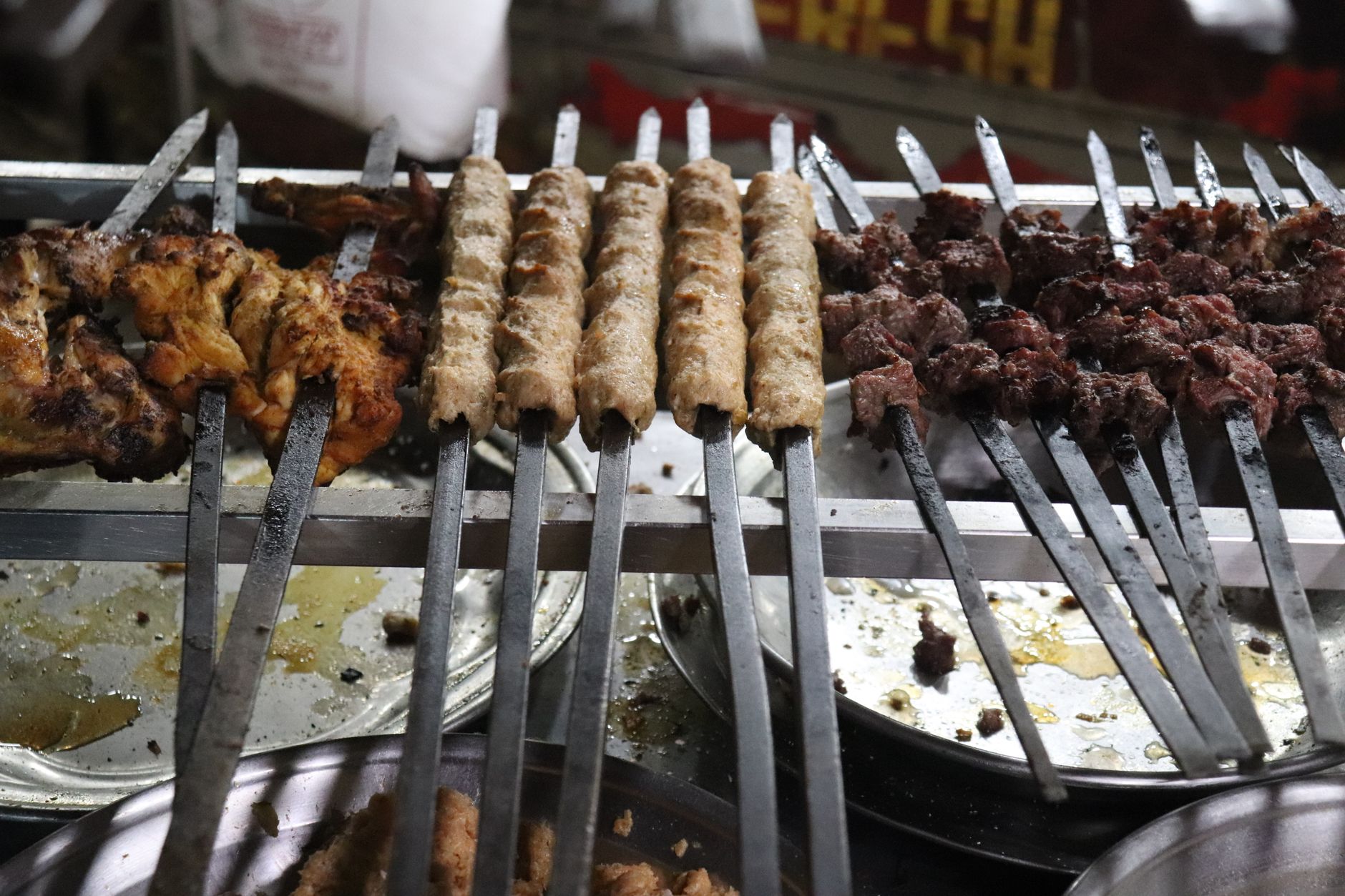
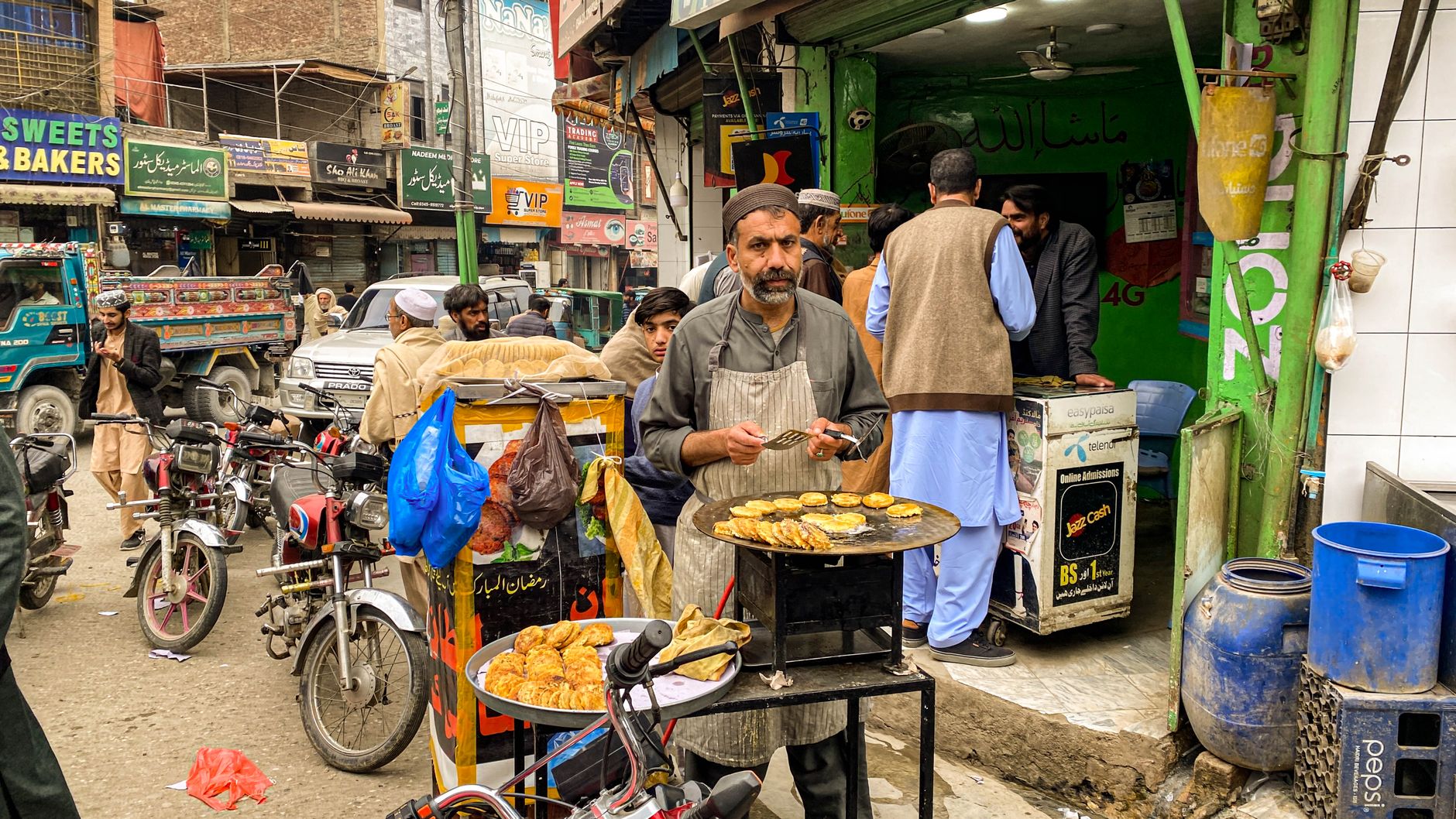
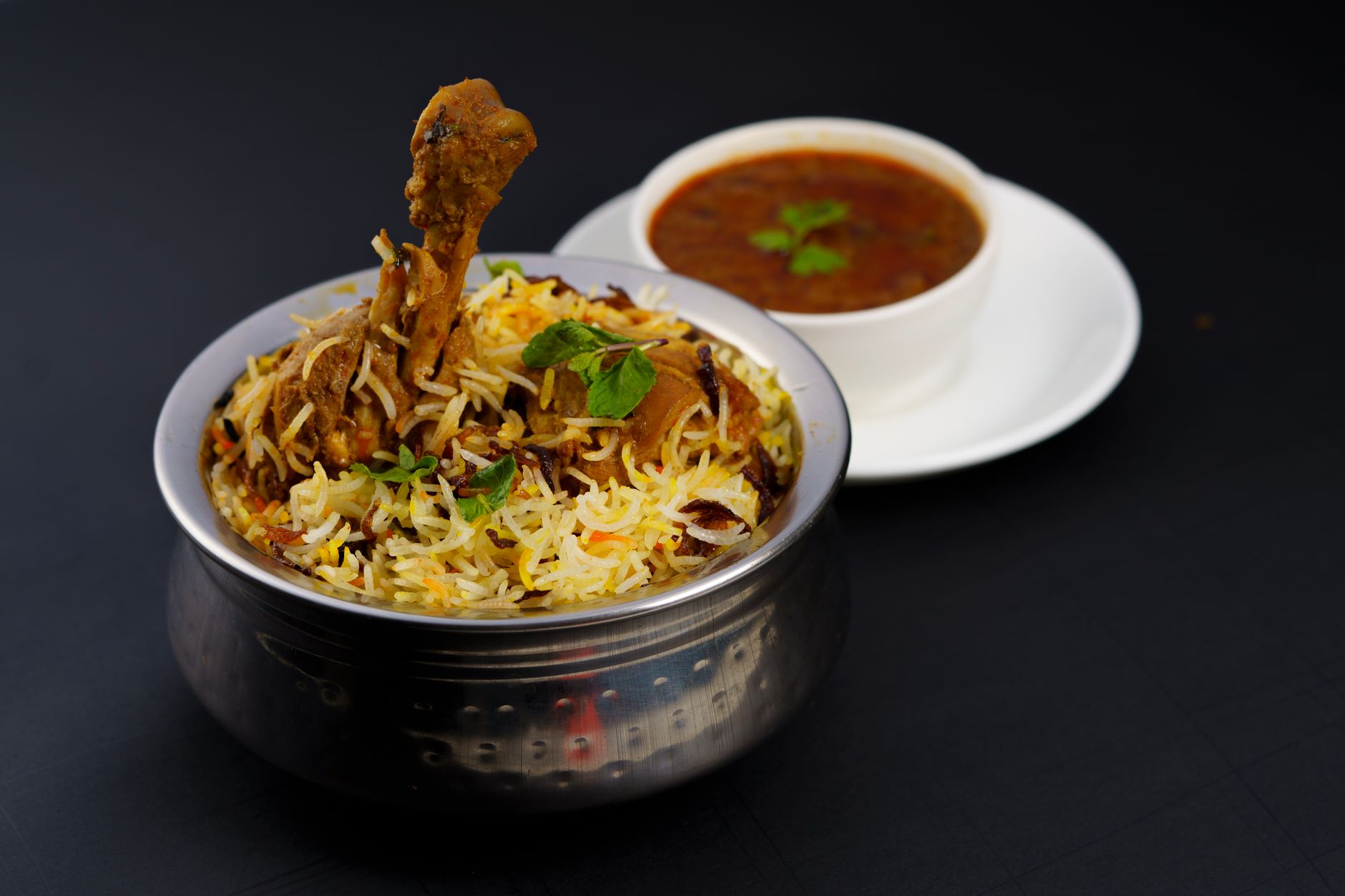
Pakistani food is heavy, meat-centric, and intensely spiced. Do not expect light meals here.
Safety, Scams & Survival Rules
Pakistan is generally welcoming, but urban centers and mountain passes present unique hazards. You need to keep your wits about you.
Overpriced Taxi Fares
At airports and busy markets in Lahore, Karachi, and Islamabad, drivers will quote astronomical rates. Avoid random street cabs. Use ride-hailing apps like Careem, inDrive, or Yango to get transparent pricing.
The Milk Powder Scam
In Saddar (Karachi) or the Walled City of Lahore, a mother holding a baby will ask you to buy milk powder instead of giving cash. She will lead you to a specific shop where the milk is sold at an absurdly inflated price. Once you leave, she returns it to split the profit with the shopkeeper. Politely decline.
Night Driving on the KKH
The sections between Dasu and Chilas are notoriously dangerous after dark. The road lacks guardrails, rockfalls are impossible to spot, and massive cargo trucks dominate the narrow lanes. Ensure your itinerary has you at your destination before dusk.
Logistics & Connectivity
Pakistan is overwhelmingly a cash-based economy. While high-end hotels in Islamabad accept credit cards, ATMs in the northern areas frequently reject foreign cards. Always carry plenty of cash in Pakistani Rupees (PKR), especially in small denominations like 100, 500, and 1000 PKR notes.
When arriving at the airport, avoid the aggressive taxi drivers in the arrivals hall. Use the airport’s free Wi-Fi to book a ride via Careem or inDrive. A ride to central Islamabad or Lahore typically costs around $5.00–$10.00.
For connectivity, local physical SIM cards cost $1.50–$5.00, but they come with a massive catch. Pakistan operates the Dirbs system. If you use a local physical SIM, your phone’s Imei must be registered with the PTA within 60 days, or your device will be blocked from local networks entirely.
Furthermore, standard commercial SIMs have zero coverage in Gilgit-Baltistan. To get online in the mountains, you must buy a specialized Scom SIM card, which requires biometric fingerprint verification and passport copies.
| Local Physical SIM | Galactic Roam eSIM | |
|---|---|---|
| Cost | $1.50 – $5.00 | From $8 |
| Activation | In-store queuing | Instant, pre-arrival |
| Dirbs Registration | Required within 60 days | None (Bypassed) |
| Ready on arrival | No | Yes |
| Biometrics Needed | Yes (Fingerprints) | No |
Frequently Asked Questions
Is Pakistan safe for solo travelers?
When is the best time to visit the Hunza Valley?
How do I get around the northern areas?
Do I need to carry cash everywhere?
Navigating the mountains is hard enough without worrying about your phone getting blocked by local authorities. To bypass the frustrating Dirbs registration process entirely, grab a Pakistan eSIM from Galactic Roam before you fly. It connects automatically when you land, keeping you online in major cities without the bureaucratic headache.