

Vienna Travel Guide: How to Navigate the Stalls with Our Vienna Christmas Markets Guide
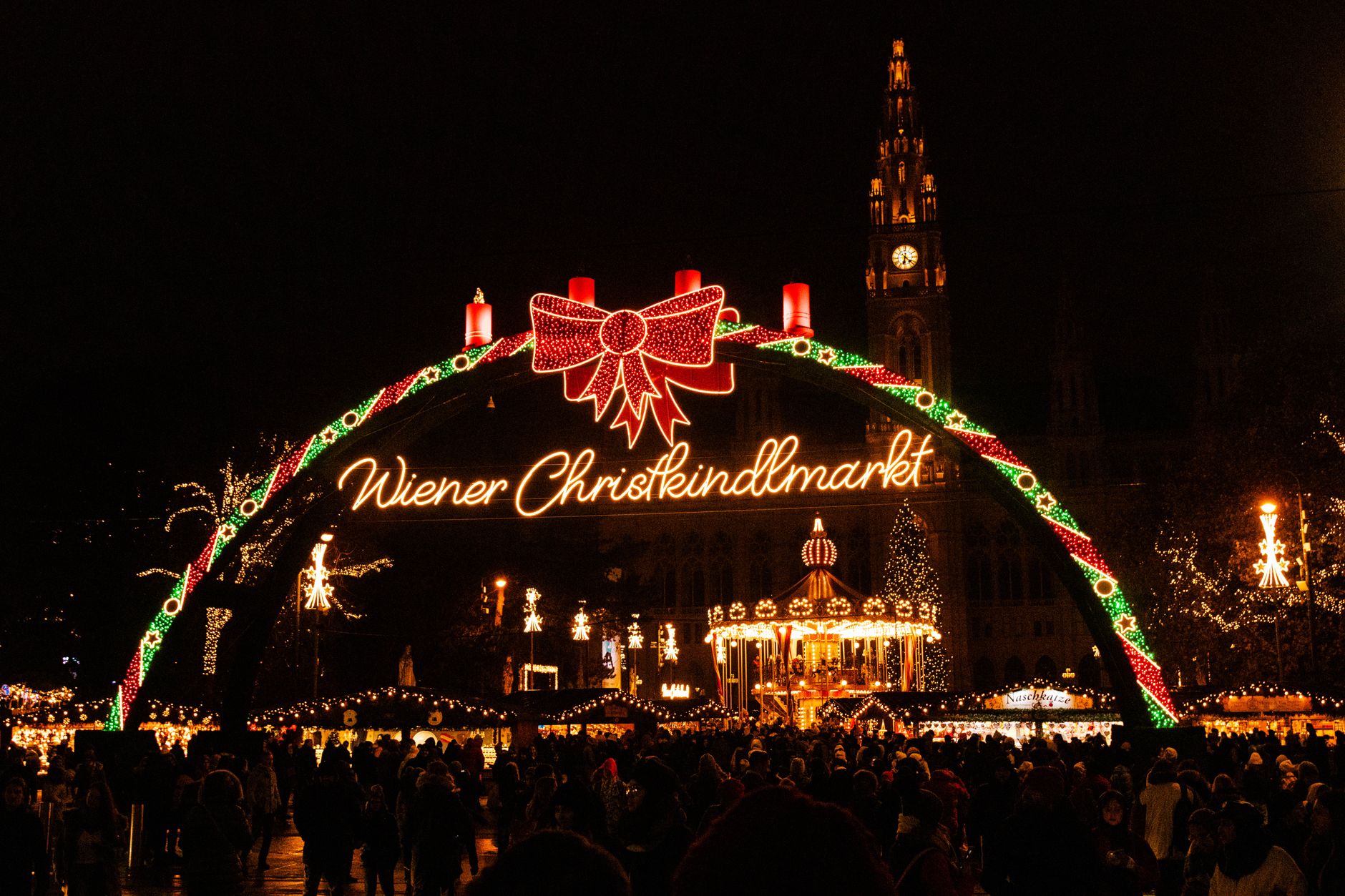
An astonishing 30,000 liters of hot punch are sold across Vienna’s Christmas markets every single day.
With over 4.5 million visitors flooding the city annually—including 3 million at Rathausplatz alone—this winter wonderland can quickly turn into a logistical nightmare. I spent three weeks navigating Vienna’s freezing cobblestones to figure out which of the 17 markets are actually worth your time. If you show up unprepared, the crowds, transit changes, and local scams will eat you alive.
Winging it is a terrible idea here—this guide is your logistical survival tool to doing it right when the season kicks off on November 6, 2026.
Quick Facts — Austria
Euro (€)
German
CET (UTC+1)
Type C & F
November to December
Schengen rules apply
The Major Markets: Which to Visit and Which to Skip
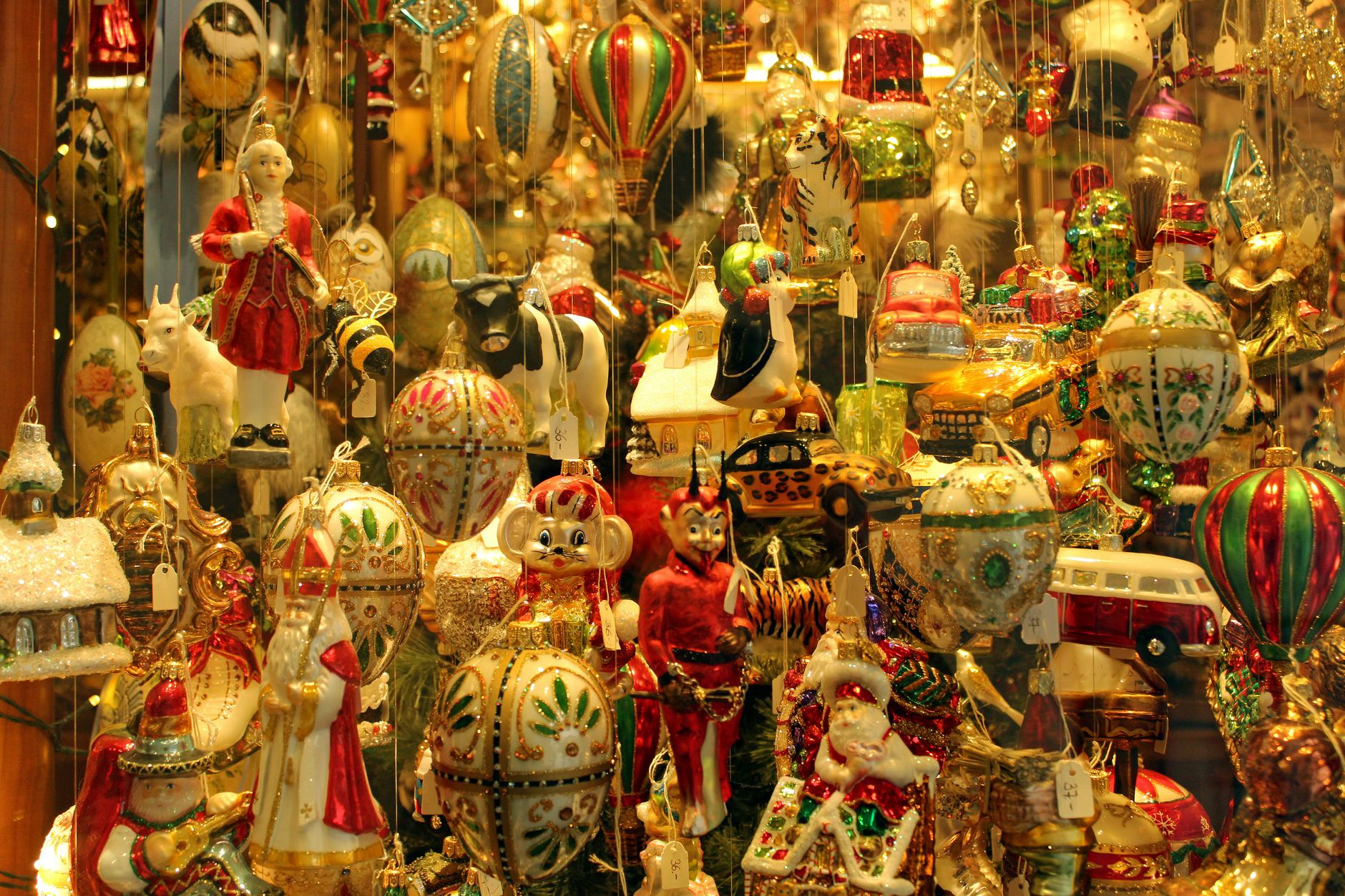
Vienna hosts between 14 and 17 official Christmas markets each year, comprising over 800 individual stalls. The average spend per visitor has risen to €30, which means you can easily blow your budget if you aren’t selective about where you stop.

What to Eat and Drink
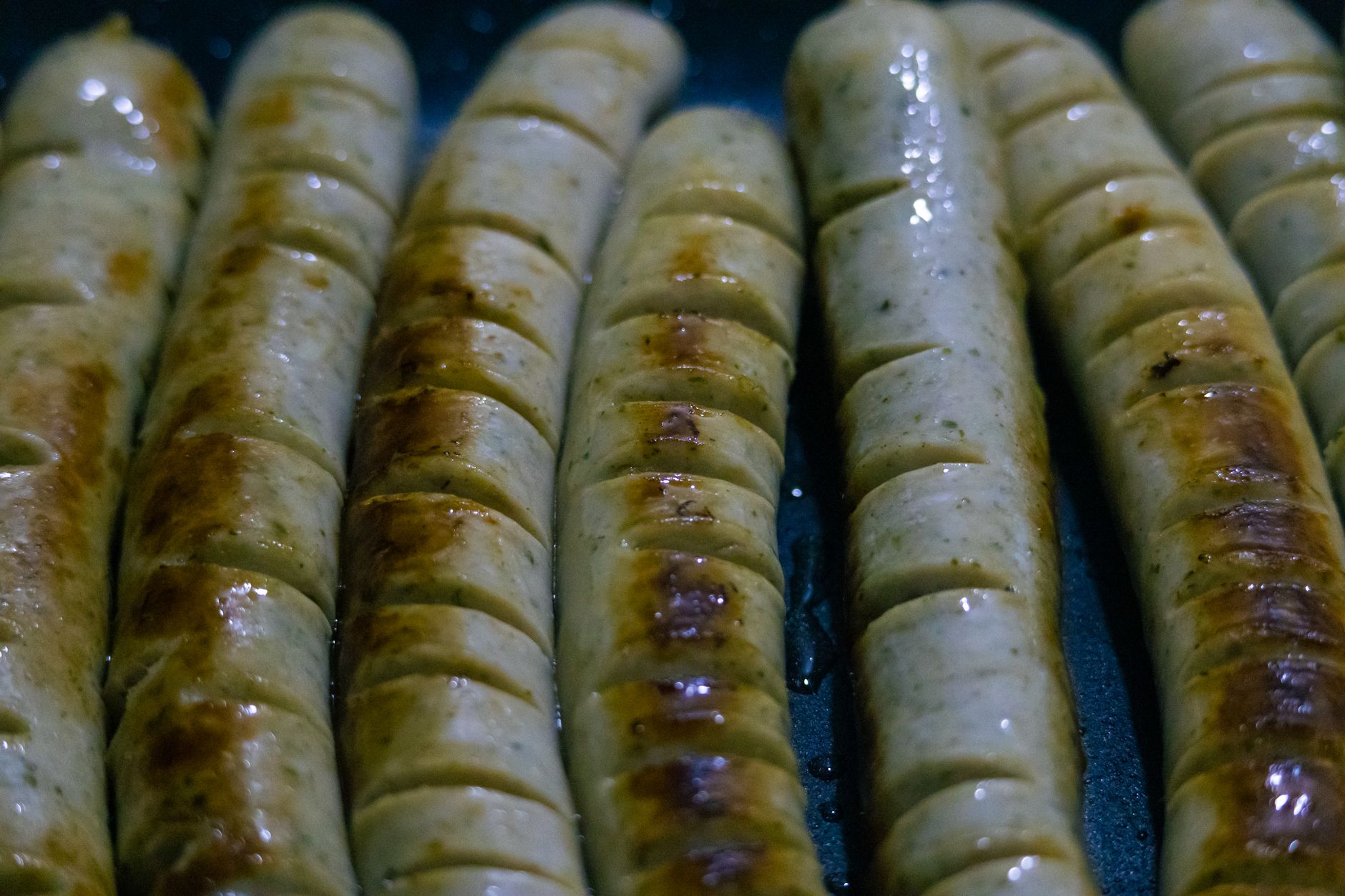
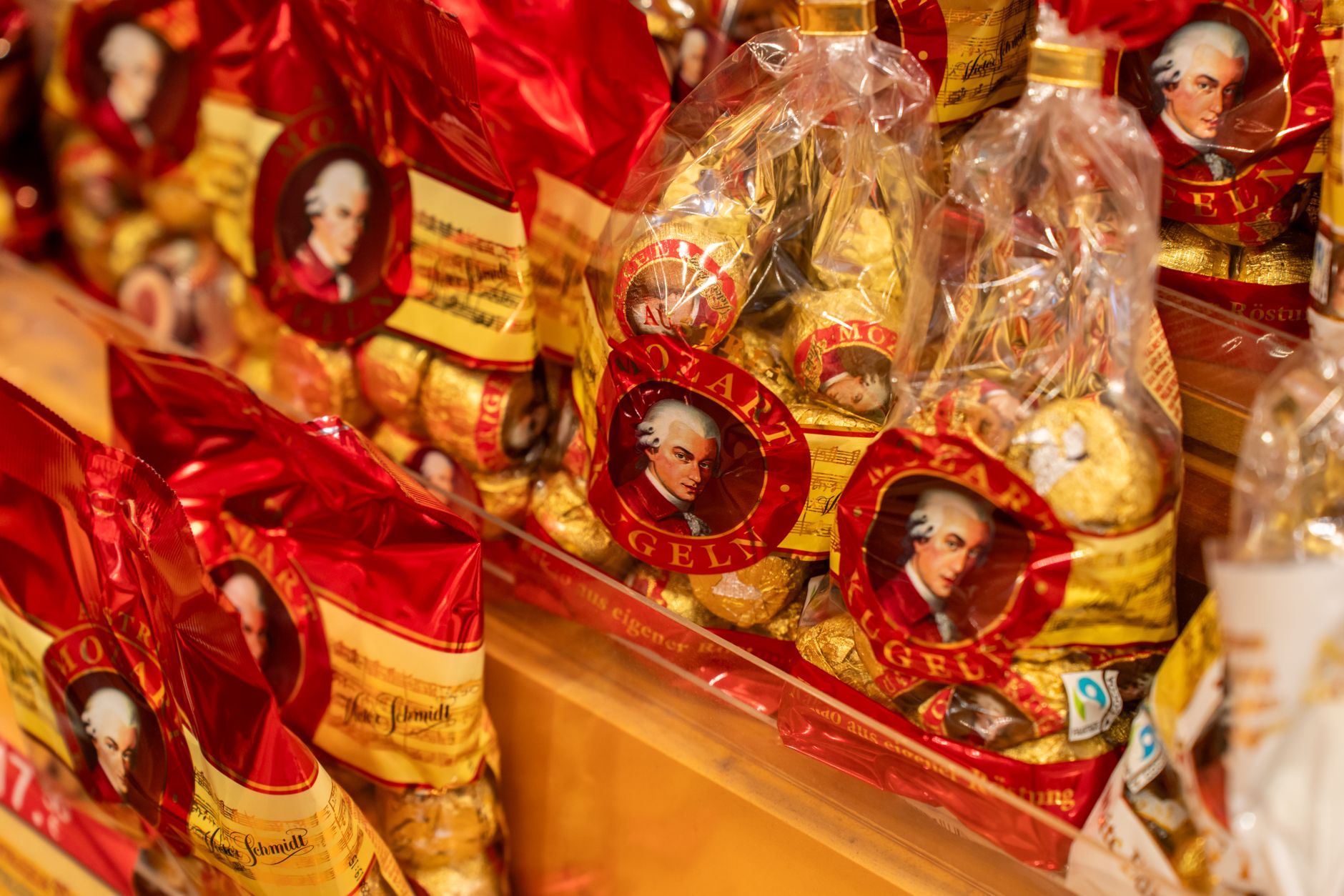
Market food is heavy, salty, and designed to keep you warm. Don’t waste your appetite on generic fries—stick to the Austrian classics.

Crucial Logistics & Transit Hacks
Vienna is incredibly efficient, but they’ve made some major changes recently that will catch you off guard if you rely on old guidebooks.
When arriving at Vienna Airport, the cheapest way to the city center is the S-Bahn S7 train (approx. €4.40). However, a standard Vienna city transit ticket does not cover the airport zone. You must purchase an additional single ticket or a ‘supplement’ ticket before boarding, or face a hefty fine.
For accommodation, skip the overpriced Innere Stadt. Stay in Neubau (7th District) or Josefstadt (8th District) instead. They are historic, trendy, less crowded, and within walking distance of both the Spittelberg and Rathausplatz markets.
While craft vendors increasingly accept credit cards, food and drink stalls heavily prefer or exclusively accept cash. Keep €20–€30 in small bills and coins on hand for rapid transactions and mug deposits. When dining in sit-down cafes, tip by rounding up the bill by 5% to 10% (e.g., round a €18.50 bill to €20) and tell the waiter the total amount as you pay—never leave cash on the table.
Safety & Scams to Avoid
Vienna is generally very safe, but the massive holiday crowds attract professional pickpocket duos. Watch out for these three specific tricks.
The ‘Rempel’ (Jostling) Trick
This occurs in crowded queues at punch stalls and narrow pathways, especially at Rathausplatz and Stephansplatz. Keep your wallet and phone in zippered inner jacket pockets. If someone bumps into you or stumbles in front of you, immediately check your belongings.
The ‘Spoiler’ (Spill) Trick
Be wary of strangers who ‘accidentally’ spill mustard, ketchup, or hot punch on your coat in busy food areas and aggressively offer to help clean it up. This is a classic distraction tactic used by pickpocket duos to swipe your valuables while you are distracted.
Aggressive Mug Deposit Scams
At unofficial or rogue drink stalls near the periphery of major markets, ensure the vendor hands you a plastic token (Pfandmarke) when you buy a drink. Some stalls will refuse to refund your €3–€5 mug deposit if you try to return the mug without the matching token.
Frequently Asked Questions
What is the best area to stay in Vienna for the Christmas markets?
Neubau (7th District) and Josefstadt (8th District) are the best neighborhoods. They are historic, trendy, and within walking distance of major markets like Spittelberg and Rathausplatz, while being well-connected by the U-Bahn.
Do Vienna Christmas markets accept credit cards?
While craft vendors increasingly accept cards, food and drink stalls heavily prefer or exclusively accept cash. Always keep €20–€30 in small bills and coins on hand for quick transactions and mug deposits.
How do you get from Vienna Airport to the city center cheaply?
The cheapest option is the S-Bahn S7 train for about €4.40. Just remember that a standard Vienna city transit ticket does not cover the airport zone, so you must purchase an additional supplement ticket before boarding.
Staying Connected in Austria
Austria enforces a strict mandatory biometric and passport registration law for all prepaid SIM cards. This means you can’t simply plug and play a local physical SIM without completing a tedious ID verification process, and buying one at Vienna Airport is an expensive tourist trap. To bypass the bureaucracy entirely, grab an Austria eSIM from Galactic Roam before you fly, giving you instant data the second you land without any paperwork.