

South Island New Zealand Road Trip: The Ultimate 10-Day Survival Guide
New Zealand welcomed 3,674,600 overseas visitors last year, yet 40% of the country has absolutely zero mobile coverage. If you’re planning a South Island New Zealand road trip, this means your navigation will die exactly when you need it most. I’ve spent weeks driving these mountain passes, dodging destructive parrots, and finding the spots that are actually worth your time. Here is your survival playbook for ten days on the southern roads, without the tourist traps.
Key Takeaways
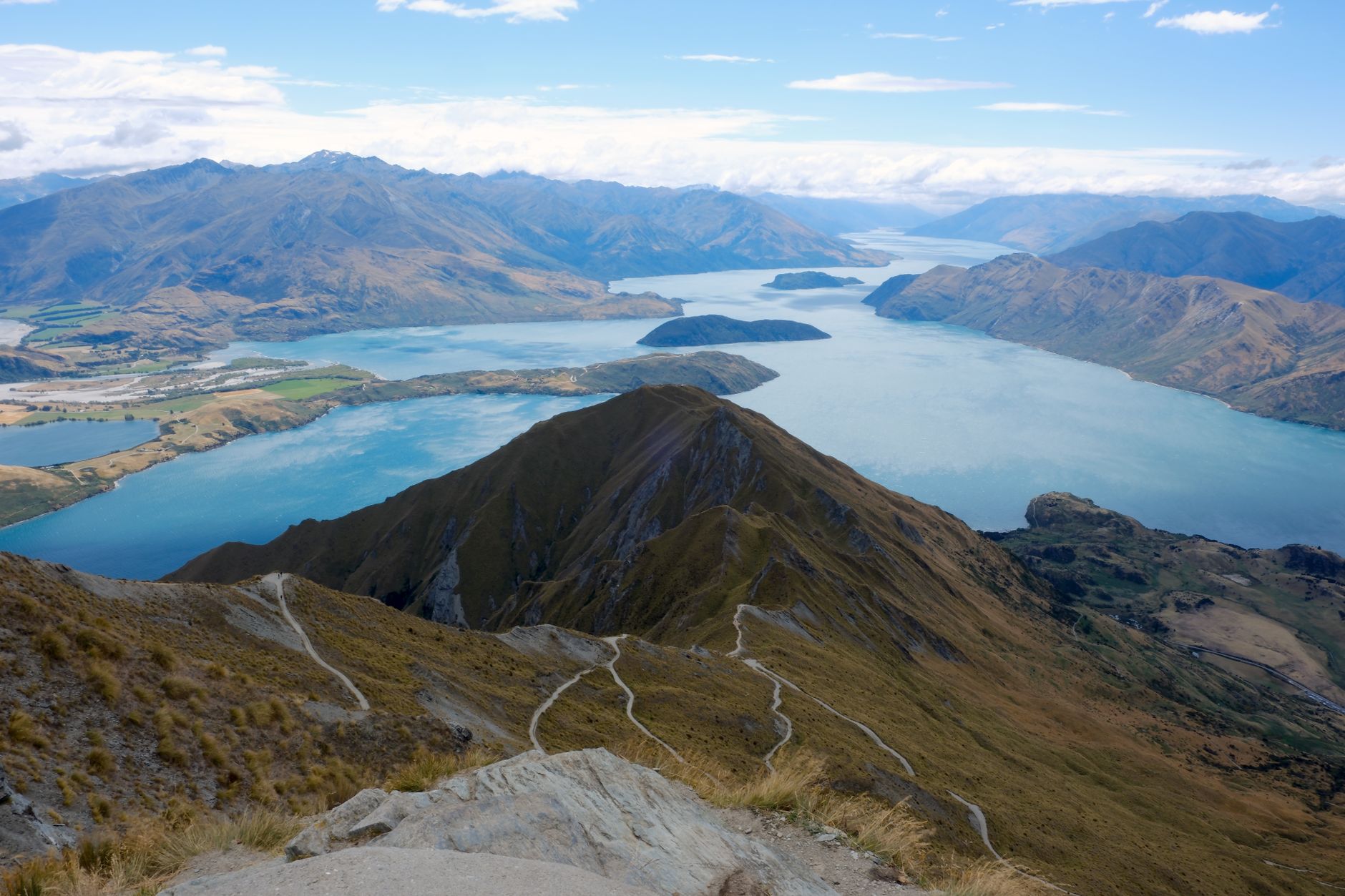
- Best time to visit: March to May for stable weather and fewer crowds, but avoid October if you want to hike Roys Peak.
- Budget needed: Around NZ$250 per day, plus the mandatory NZ$100 International Visitor Conservation and Tourism Levy (IVL).
- Must book ahead: Milford Sound cruises and Queenstown rental cars require booking months in advance.
- Getting around: A rental car is essential, but you must know how to navigate one-lane bridges.
Crucial Logistics (The Stuff Nobody Tells You)
New Zealand is almost entirely cashless, but many small businesses charge a 1.5% to 2.5% surcharge for contactless payments like Apple Pay. To avoid this, insert your physical card and select ‘CHQ’ or ‘SAV’ on the terminal. Also, tipping is not customary here, so don’t feel pressured to add extra to your bill.
The South Island has hundreds of one-lane bridges. You must yield to oncoming traffic based on the road signs. A red arrow in your direction means you must yield; a blue sign with a white arrow means you have the right of way, though you should still slow down.
The International Visitor Conservation and Tourism Levy (IVL) increased to NZ$100 per person. This is charged automatically when you apply for your NZeTA (visa waiver). Budget for this before you book your flights.
Top Attractions & Scenic Stops



What to Eat (And Where to Find It)



Local Hazards & Wildlife Warnings
Trailhead Break-ins
Thieves target unattended rental cars and campervans at remote trailheads like Arthur’s Pass and Roys Peak. Never leave valuables visible in your vehicle, and always carry your passport and cash with you. Before parking, check the gravel—if you see piles of broken glass, find another spot.
Kea Car Destruction
Keas are highly intelligent alpine parrots that will literally rip the rubber seals off your car windows and tear up your windshield wipers. Do not leave loose items on your car roof or in open truck beds. Feeding them is illegal and only makes their destructive behavior worse.
Weka Camp Theft
Wekas are large, flightless brown birds that act as professional thieves at campsites. They will run off with your food, rubbish bags, or shiny car keys right in front of your face. Keep all your gear and trash zipped securely inside your vehicle or tent.
Frequently Asked Questions
How long does it take to drive around the South Island?
What is the best time of year for a South Island road trip?
Is tap water safe to drink in New Zealand?
Do I need cash for a New Zealand road trip?
Staying Connected on the Road
Driving through the Southern Alps means facing massive dead zones. The Milford Road is a 120km stretch with absolutely zero signal, and mountain passes like Arthur’s and Haast are equally dark. Because your navigation apps will fail, downloading offline maps before leaving town is mandatory. For remote hikes, you should also carry a Personal Locator Beacon (PLB), as emergency services cannot be reached via mobile in 40% of the country.
While local prepaid SIM cards cost between $30 and $60 NZD, queuing at the airport after a long-haul flight is a miserable way to start your trip. A much easier option is to grab a New Zealand eSIM from Galactic Roam before you depart. It activates the moment you land, giving you immediate access to maps and road alerts without the hassle of swapping physical plastic cards.