

By mid-2027, Belgrade will host over 4 million visitors for the Specialized Expo, sending local prices into absolute orbit. If you want to experience the Balkans’ most energetic capital without paying double for a bed, late 2026 is your golden window. I’ve spent weeks navigating Belgrade’s chaotic transit, dodging airport taxi scams, and eating my way through heavy mountain pastries. This practical Serbia travel guide is your shield against the logistical headaches of exploring a country that plays by its own rules. Let’s get into what actually deserves your time and what you should skip.
Quick Facts — Serbia
Serbian Dinar (RSD)
Serbian (Cyrillic & Latin)
GMT+1 (CET)
Type C & F
May to September
90 days visa-free for most Western passports
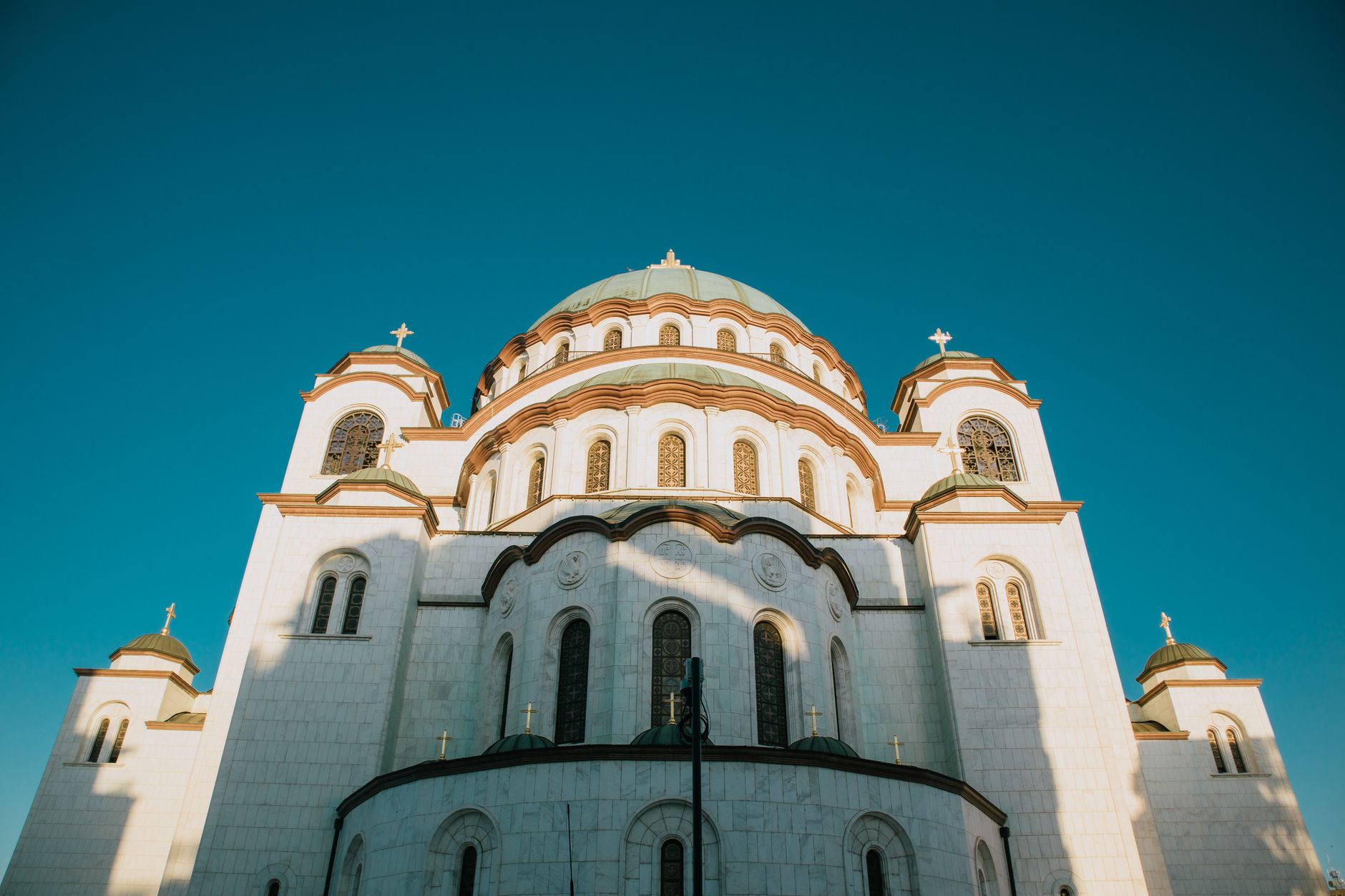
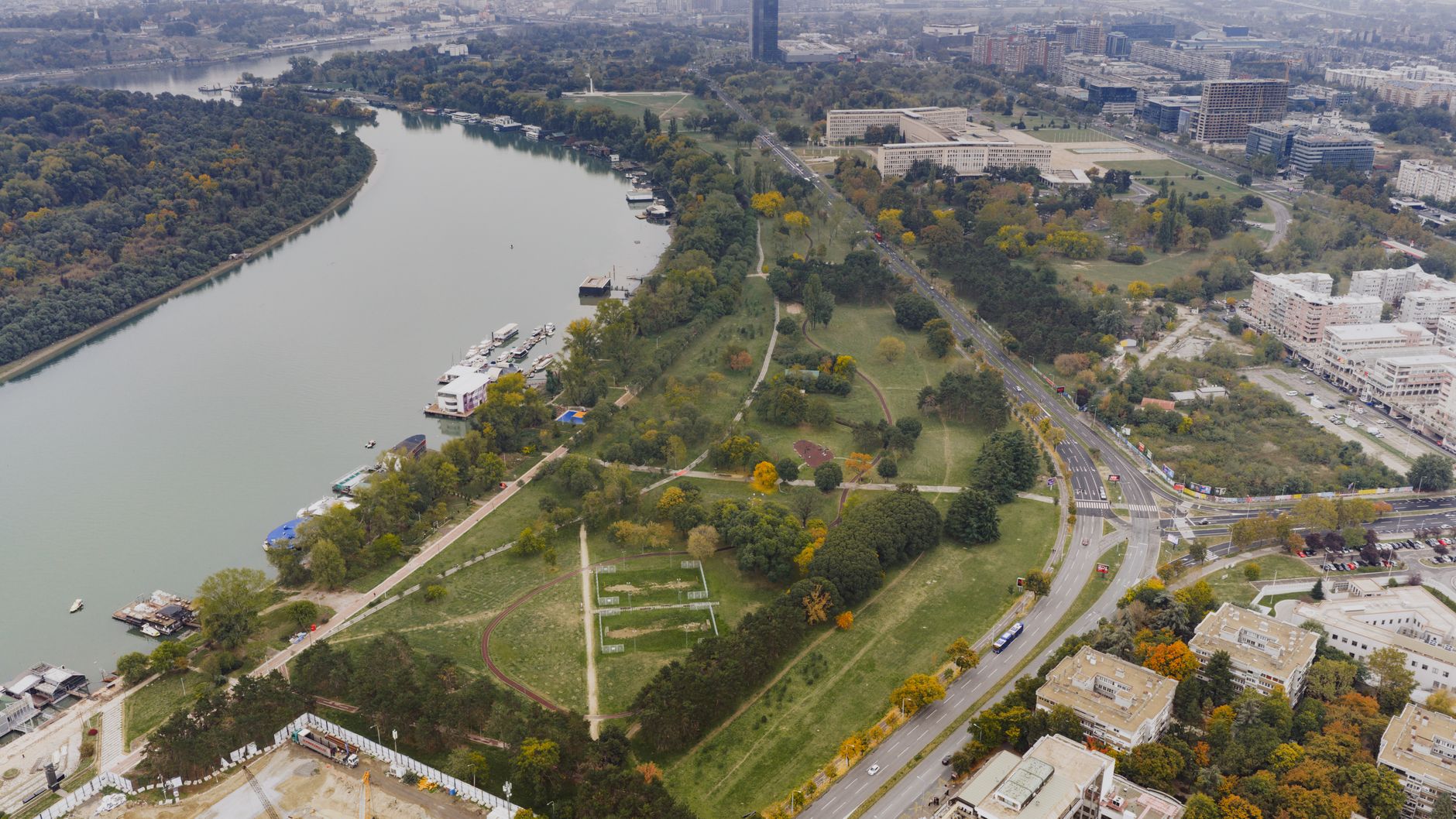
Three spots actually worth your time
Most travelers stick to Belgrade’s main pedestrian drag, Knez Mihailova, which is mostly just international retail chains you can find at home. Skip the shopping malls and head to these three locations instead. They offer genuine history and a break from the concrete heat.

What to eat (and where to find it)
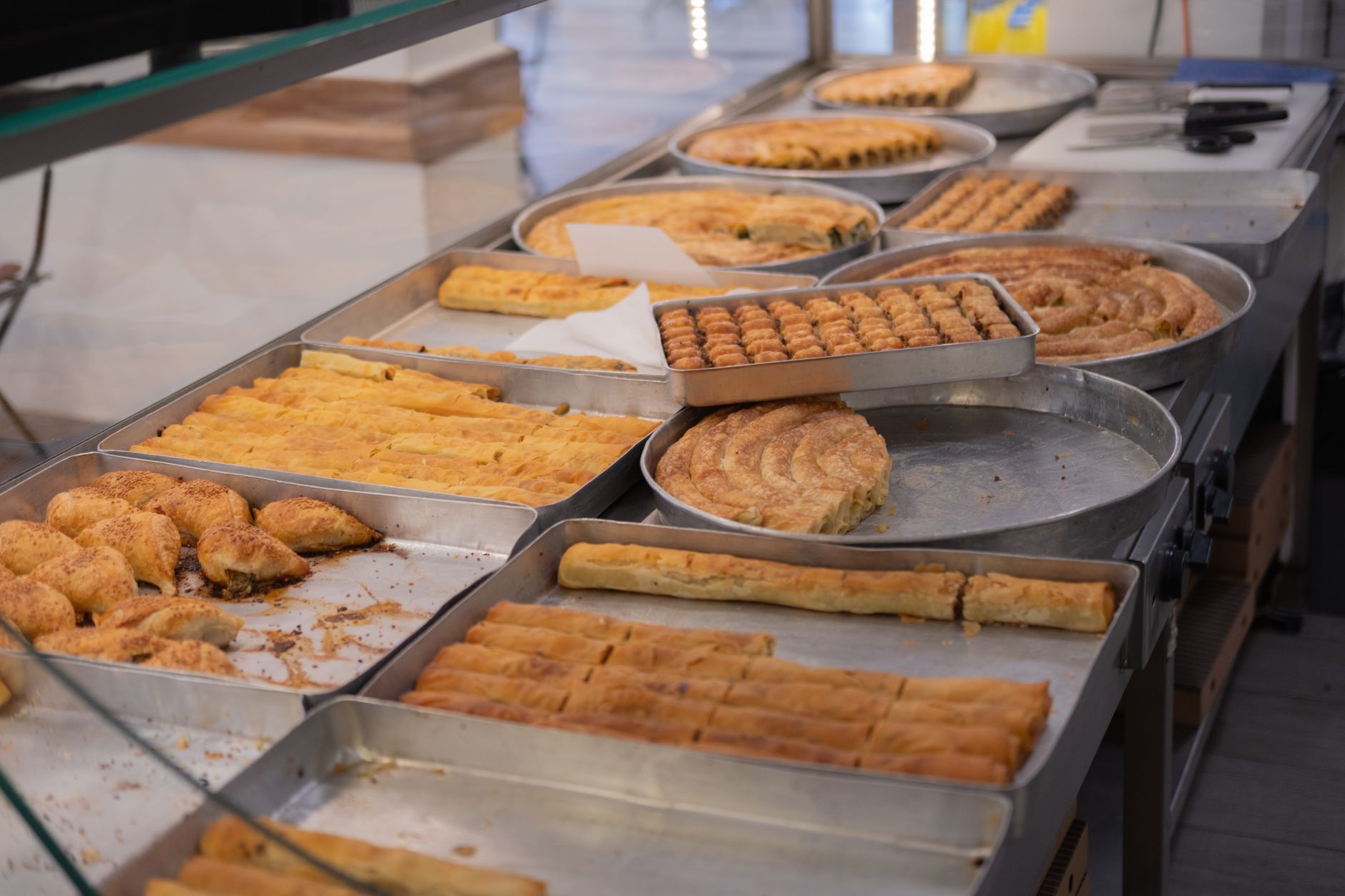
Serbian food is heavy, meat-centric, and incredibly cheap. If you are on a diet, take a break while you are here because the best local specialties are drenched in clotted cream and animal fat.


Scams and safety: Keep your guard up
Serbia is generally very safe, but Belgrade has a few highly targeted tourist traps. If you don’t know what to look for, you will lose cash within hours of landing.
The Airport Taxi Scam
Unlicensed drivers solicit heavily in the Belgrade Nikola Tesla Airport arrivals hall. Ignore them completely. Go to the official taxi voucher desk inside the baggage claim area and get a fixed-price paper voucher (around 2,500 to 3,500 RSD). Hand this to the driver at the official stand outside, or use local apps like CarGo or Pink Taxi.
The Fake Police Scam
Scammers around Republic Square and Knez Mihailova street flash quick, fake badges and ask to inspect your wallet for counterfeit bills. Real Serbian police do not do this. Demand to see their official written ID and offer to walk with them to the nearest police station—they’ll vanish immediately.
Transit Pickpocketing
Crowded buses and trams, especially around Zeleni Venac and Republic Square during rush hour, are prime hunting grounds. Thieves target people boarding or exiting the vehicles. Keep your backpack zipped and held in front of your chest, and never put your phone in your back pocket.
Essential logistics
Getting from the airport is simple if you avoid the taxis. Take the A1 Minibus express shuttle directly to Slavija Square for 400 RSD (about $3.40 USD). You must pay the driver in cash, so grab some dinars from an ATM before boarding.
By law, all foreign tourists must be registered with the local police within 24 hours of arrival. If you stay in a hotel or registered Airbnb, they will handle this automatically and hand you a paper “white card” (potvrda o prijavu boravišta). Keep this card in your passport until you exit the country, as border police occasionally ask for it.
Belgrade’s public transport system has transitioned to a highly accessible model. Tickets are incredibly cheap—around 50 RSD ($0.45 USD) via SMS—and enforcement is relaxed. But be warned: peak hours bring absolute chaos and heavy crowding, so avoid traveling between 4pm and 6pm.
The connectivity trap
Here is the most important logistical detail: Serbia is not part of the European Union. If you are traveling through Europe with an EU SIM card, “Roam Like at Home” regulations do not apply here. Using your EU data will result in eye-watering roaming charges on your next bill.
You can buy a local physical SIM card at carrier shops for $5 to $15 USD, but Serbian law now requires passport registration for all prepaid physical cards. This means standing in line and waiting 20 to 60 minutes for a clerk to manually register your details. To skip this headache entirely, buy a Serbia eSIM before you land. It bypasses the registration lines and connects to local 4G networks the second your plane touches down.
| Local Physical SIM | Galactic Roam eSIM | |
|---|---|---|
| Cost | $5 – $15 USD | From $8 |
| Activation | In-store only | Instant, pre-arrival |
| Passport Registration | Mandatory (20-60 mins) | None |
| Ready on arrival | No (must find shop) | Yes |
Frequently asked questions
Do I need to carry cash in Belgrade?
Yes. While cards are widely accepted in modern cafes and supermarkets, you must carry cash (Serbian Dinar) for traditional kafanas, bakeries, green markets, and taxis. Avoid exchanging money at the airport; use local exchange offices (“menjačnica”) in the city center for regulated, competitive rates.
How much should I tip in Serbia?
Tipping is customary but relaxed. In sit-down restaurants, a 10% tip is standard for good service. For taxis, cafes, and bars, simply rounding up the bill to the nearest 100 or 200 RSD is the local norm. You do not need to tip at bakeries or fast-food kiosks.
Is the tap water safe to drink in Serbia?
Yes, tap water is perfectly safe to drink in Belgrade and most major cities. If you travel to rural areas or the northern Vojvodina region, ask your host first, as some smaller towns have older piping systems where bottled water is preferred.
Planning your trip to the Balkans shouldn’t involve waiting in carrier shops or paying surprise roaming fees. Grab a Serbia eSIM from Galactic Roam before you leave, and get connected the moment you land in Belgrade.