

Albania welcomed over 12.4 million visitors in 2025. That is roughly four tourists for every single local. The secret is officially out, and if you try to wing your trip here without a strategy, you’ll end up stuck in massive traffic jams or paying double for a basic room. I’ve spent weeks navigating the chaotic streets of Tirana and the dusty coastal roads to put together this realistic Albania travel guide. Here is how to escape the herd, bypass the lines, and actually enjoy Europe’s best-kept budget secret. If you are planning to explore more of the region, be sure to check out our bosnia travel guide.
Quick Facts — Albania
Albanian Lek (ALL)
Albanian
CET (UTC+1)
Type C & F
May–June or Sept–Oct
Visa-free for most (90 days)
The Reality of Albania in 2026
Visiting in the shoulder seasons of May–June or September–October is your best move. The weather is still warm, but you won’t have to fight crowds of cruise-ship day-trippers on the beaches. If you go in July or August, prepare for gridlock.
You’ll also notice concrete bunkers everywhere. Dictator Enver Hoxha built over 173,000 of them during the communist era—roughly one for every 11 people. Today, they’re quirky cafes, art galleries, or just odd concrete mushrooms in the middle of sheep pastures.
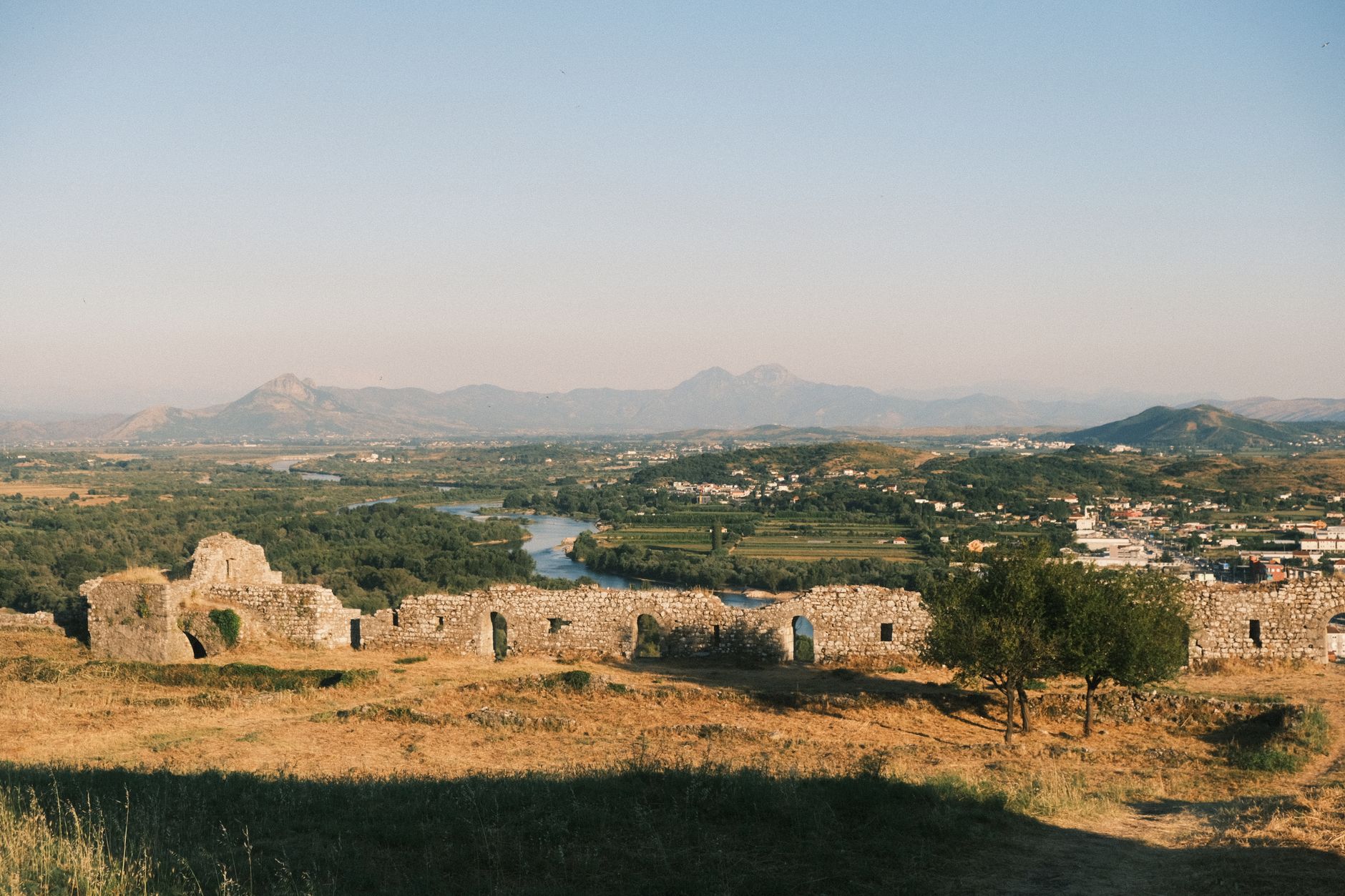
But the real natural prize is the Vjosa River. It is Europe’s first Wild River National Park, protecting 270 kilometers of free-flowing water from dams and development. It is spectacular, untouched, and worth the detour.
Things Actually Worth Your Time


What to Eat (And Where)
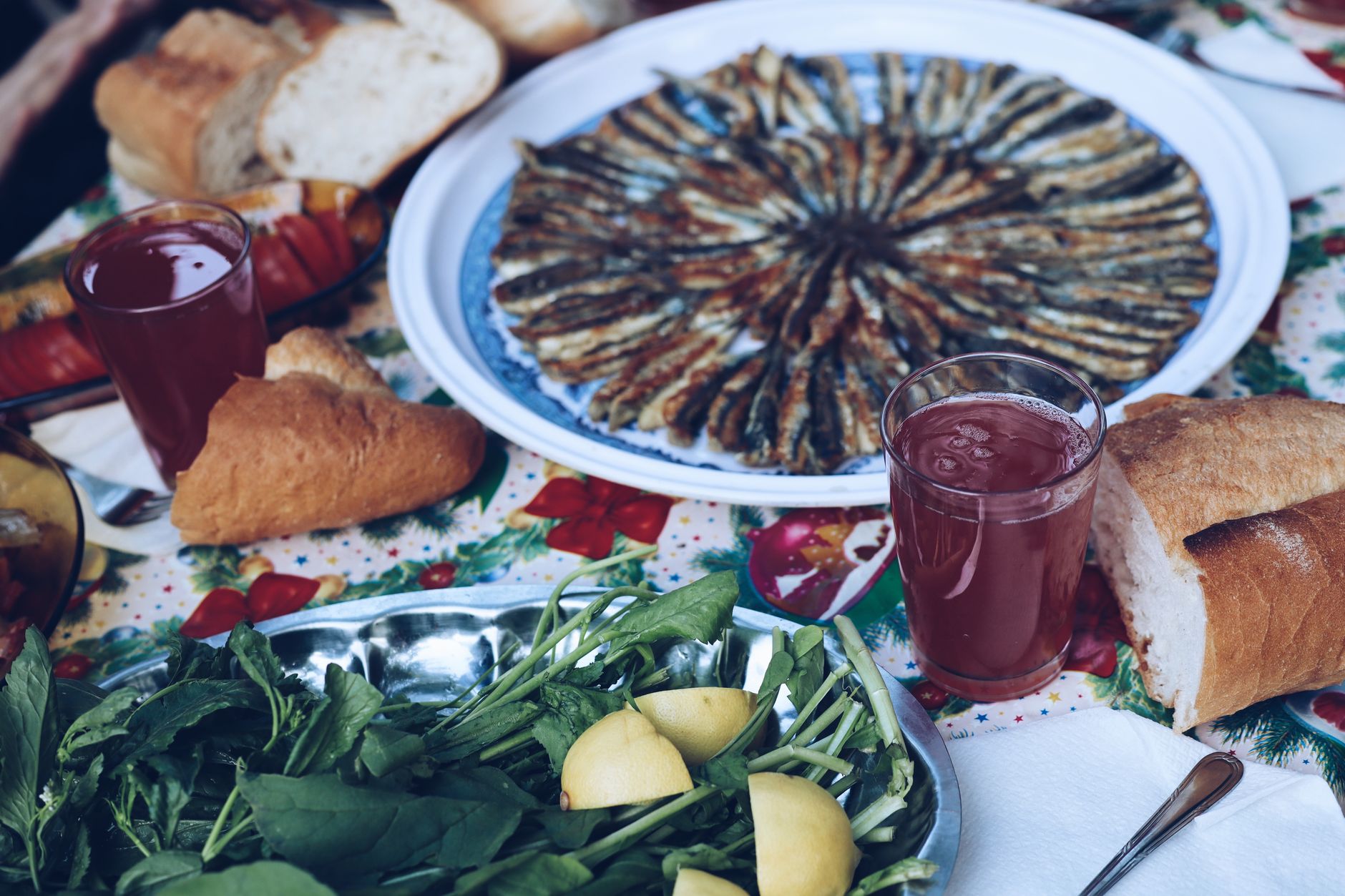
Albanian food is heavy, comforting, and incredibly cheap. You can easily eat like royalty for under $15 a day if you avoid the tourist-trap beach clubs.


Safety & Scams to Avoid
While Albania is incredibly welcoming, the sudden boom in tourism has brought out a few bad actors. Don’t let your guard down entirely.
The Plainclothes Police Scam
In Skanderbeg Square and central Tirana, fake plainclothes officers might ask to inspect your wallet or passport for “counterfeit currency.” Never hand over cash or documents on the street. Insist on walking to the nearest official station, ask for a badge number, or call 129.
The Friendly Local Drink Scam
In Tirana’s Blloku neighborhood, a friendly stranger might strike up a conversation and invite you to a “great local bar.” You’ll be hit with an astronomical bill (often hundreds of euros) enforced by aggressive bouncers. Politely decline unsolicited bar invites and pick your own spots.
Taxi Overcharging
Unlicensed street taxis at Tirana International Airport (TIA) or nightlife zones will quote inflated prices or refuse to use the meter. Only use official yellow airport taxis (which have a fixed rate of 2,000–2,500 ALL to the center) or use apps like Speed Taxi or Vrapon.
Logistics & Getting Around
Albania is heavily cash-based. Smaller guesthouses, furgons, and local tavernas only accept Albanian Lek (ALL). ATMs are everywhere, but most charge high transaction fees up to 700–800 ALL ($7–$8) per withdrawal. Look for Credins Bank ATMs, which historically have lower or no fees for foreign cards.
How to master the furgon system — step by step
Albania has no centralized train system. Go to Tirana’s South and West Bus Terminal before 9:00 AM.
There are no formal national timetables. Shout your destination and drivers will point you to the right minibus.
Furgons cost between €3 and $15 depending on the distance. They only depart when full, so be patient.
Frequently Asked Questions
Is Albania safe for solo travelers?
Do I need to carry cash in Albania?
What is the best way to get around Albania?
Stay Connected Without the Hassle
One major detail to remember: Albania is not part of the EU or EEA, so your standard European roaming plans won’t work here. If you rely on your home carrier, you’ll get hit with massive roaming fees. Buying a physical SIM card at Tirana Airport is an option, but it costs between $24 and $41, requires showing your passport, and the queues are brutal. Plus, you might have to manually configure your APN settings just to get data. Save yourself the headache and grab an Albania eSIM from Galactic Roam before you fly. It connects instantly to local networks on arrival, letting you navigate the furgon terminals without missing a beat.