
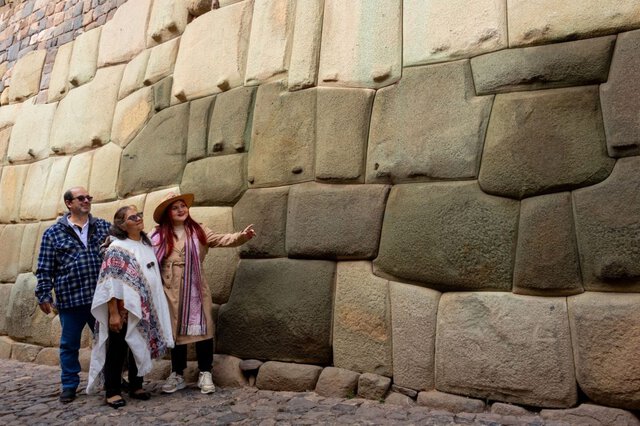
Peru Travel Guide: How to Explore Machu Picchu, Cusco, and Beyond
Landing in Cusco and heading straight to the ruins is a mistake. The altitude will eat you alive. Winging a trip here is a rookie mistake that will cost you money, time, and your breath. Just as I did for our colombia travel guide, argentina travel guide, and chile travel guide, I have navigated Peru’s chaotic transit and shifting regulations to build this realistic Peru travel guide. You’ll learn how to bypass the crowds, avoid the latest scams, and navigate the massive 2026 ticketing changes. Let’s get into how to actually survive and enjoy this place.
Quick Facts — Peru
Peruvian Sol (PEN)
Spanish, Quechua
PET (UTC-5)
Type A & C
May to September
Free 90-day visa on arrival
The Altitude Sequencing Hack
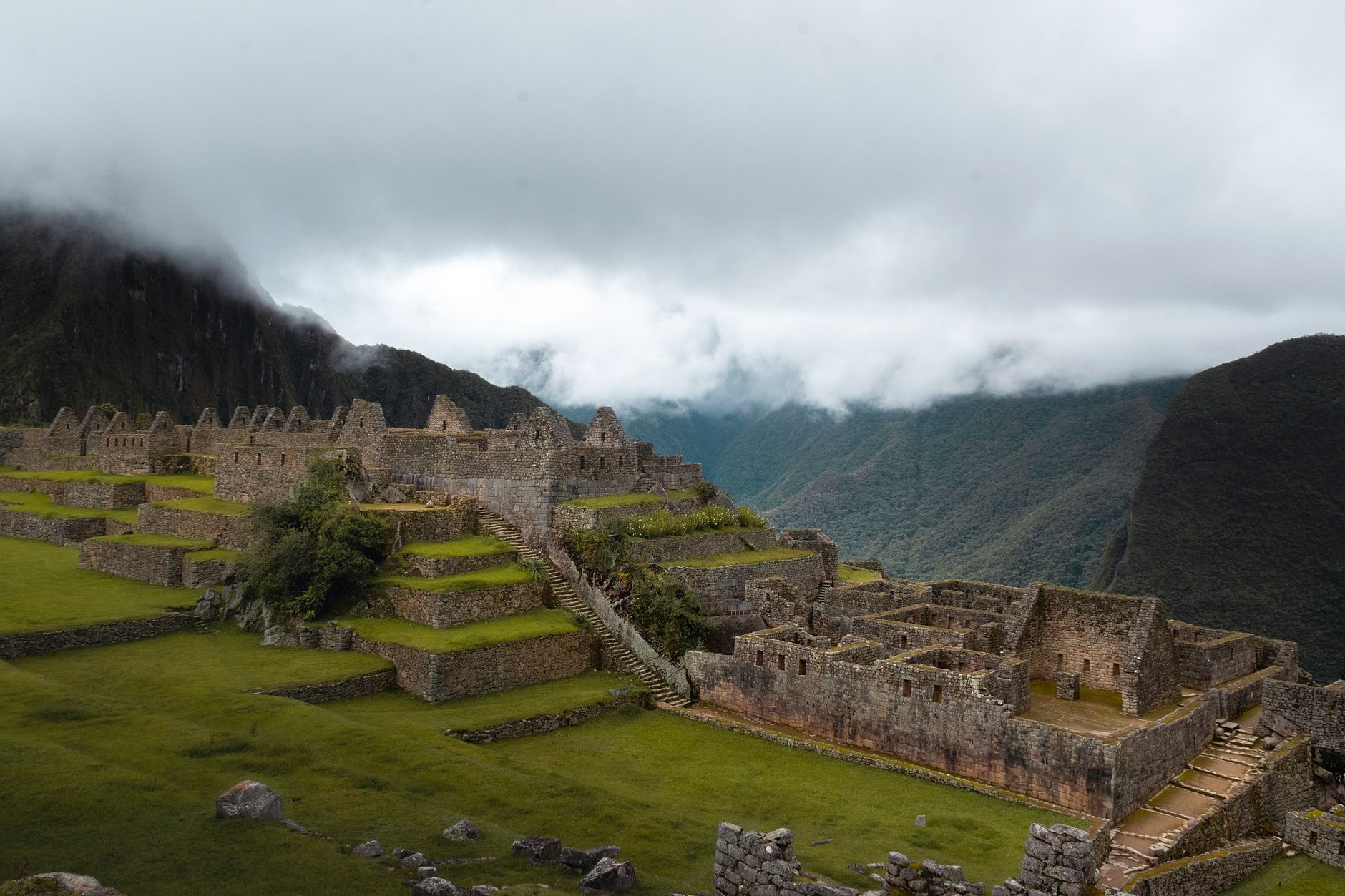
Cusco sits at 3,399 meters (11,152 feet) above sea level. Machu Picchu is actually much lower at 2,430 meters (7,972 feet).
If you fly straight into Cusco and sleep there, you’ll likely spend your first 48 hours nursing a brutal headache. Do not stay in Cusco on your first night.
Instead, take a pre-arranged taxi straight from Cusco airport down to Urubamba (2,870m) or Ollantaytambo (2,792m) in the Sacred Valley. Spend 2-3 days acclimatizing there before you attempt to climb anything.
Top Experiences: What is Actually Worth It

What to Eat: Lima’s Culinary Heavyweights


Safety & Scams: Don’t Get Caught Out
The ‘Fake Police’ Scam
In the Historic Center of Lima or near Cusco’s San Pedro Market, a plainclothes individual flashing a fake badge will claim to be investigating counterfeit money and demand to inspect your wallet. Real Peruvian police always wear uniforms and never inspect cash on the street. Politely refuse, walk into a busy shop, and demand to go to the nearest Comisaría (police station).
The ‘Removable Taxi Sign’ Scam
Outside Jorge Chávez International Airport (LIM) or major bus terminals, unlicensed drivers place magnetic ‘Taxi’ signs on personal cars to lure tourists, leading to extreme overcharging or express kidnappings. Never hail a street taxi at night. Book official airport taxis at indoor counters (like Taxi Green) or use verified apps like Uber or Cabify.
Counterfeit Bill Swap
When paying with a 100 or 200 sol note at local markets, a vendor may quickly swap it for a fake bill under the counter and hand it back, claiming your money is counterfeit. Avoid using large bills at small stalls. If you must use one, state the denomination out loud and note the serial number as you hand it over.
Money & Logistics
While credit cards work fine in Miraflores and Cusco hotels, cash (Peruvian Soles) is absolutely mandatory for taxis, local markets, and Sacred Valley entry fees.
Always carry small denominations like 10 and 20 sol notes. Vendors and taxi drivers routinely refuse to break 100 or 200 sol notes, leaving you stranded over a simple transaction.
When arriving at Lima’s brand-new airport terminal, ignore the aggressive drivers waiting outside the doors. Head directly to the official taxi counters inside the baggage claim area; a flat-rate ride to Miraflores costs roughly 60–80 PEN ($16–$22 USD).
Frequently Asked Questions
How many days do I need for a first trip to Peru?
Is Peru safe for solo travelers?
Is tap water safe to drink in Peru?
Staying Connected Without the Bureaucracy
Getting connected in Peru has become incredibly difficult for tourists. Under late-2025 Osiptel regulations, buying a local physical SIM card in city shops requires a biometric fingerprint scan matched in real-time against Peru’s Migraciones database. Because official city stores routinely reject foreign passports—requiring a local residency card instead—tourists are effectively blocked from buying local SIMs outside of overpriced airport kiosks.
The easiest way to bypass this bureaucratic mess is to set up your data before you land. A pre-purchased Peru eSIM from Galactic Roam connects you to local networks like Claro and Entel the second your plane touches down, keeping you connected through the Sacred Valley without the fingerprint headaches.