
Argentina Travel Guide: From Buenos Aires to the Edge of Patagonia
Everything you’ve read about bringing massive stacks of US dollars to Argentina is officially dead. Winging a trip here without knowing how the newly unified currency market works is a rookie mistake that will eat you alive in unnecessary transaction fees. I’ve spent months navigating the country’s shifting financial landscape and mountain trails to write this definitive Argentina travel guide. From booking your Patagonia treks to dodging Buenos Aires street scams, here’s what actually works in 2026. If you plan to cross the Andes, our comprehensive chile travel guide will help you seamlessly plan the next leg of your adventure.
Quick Facts — Argentina
Argentine Peso (ARS)
Spanish
ART (UTC-3)
Type C / I
October to April
90 days free for most Western nations
The New Money Rules
For years, travelers had to bring physical hundred-dollar bills and trade them in shady back alleys to get the “Blue Dollar” rate. That era ended when currency controls were lifted, bringing the official rate and the black market within 2% to 3% of each other. Today, foreign credit cards automatically get the competitive MEP rate. Leave the cash stash at home and swipe your card.
But don’t go completely cashless. You’ll still need physical pesos for tipping, which is customarily 10% in sit-down restaurants. Credit card slips rarely have a tip line, so keep small bills handy. With annual inflation recorded at 33.1% in early 2026, always double-check menu prices before ordering.
Also, buy a physical Sube transit card at any subway station or kiosk immediately. You cannot pay for buses or subways with cash or credit cards. Load it with pesos at the counter, and you’re good to go.
The Big Three: What’s Genuinely Worth the Trip
1. Iguazú Falls
This is the world’s largest waterfall system, boasting 275 cascades dropping into a dense subtropical jungle. To see it properly, take the very first rainforest train of the morning directly to the Devil’s Throat (Garganta del Diablo) station. You’ll stand on the main platform in absolute silence before the tour buses arrive and ruin the atmosphere.

2. Perito Moreno Glacier
Located in Los Glaciares National Park, this is one of the planet’s only advancing glaciers. You can watch massive chunks of blue ice calve directly into Lago Argentino with a sound like thunder. Beat the tour buses by entering the park right at 8:00 AM, and if you want to walk on the ice, book your “Mini-Trekking” permits months in advance.

3. Recoleta Cemetery
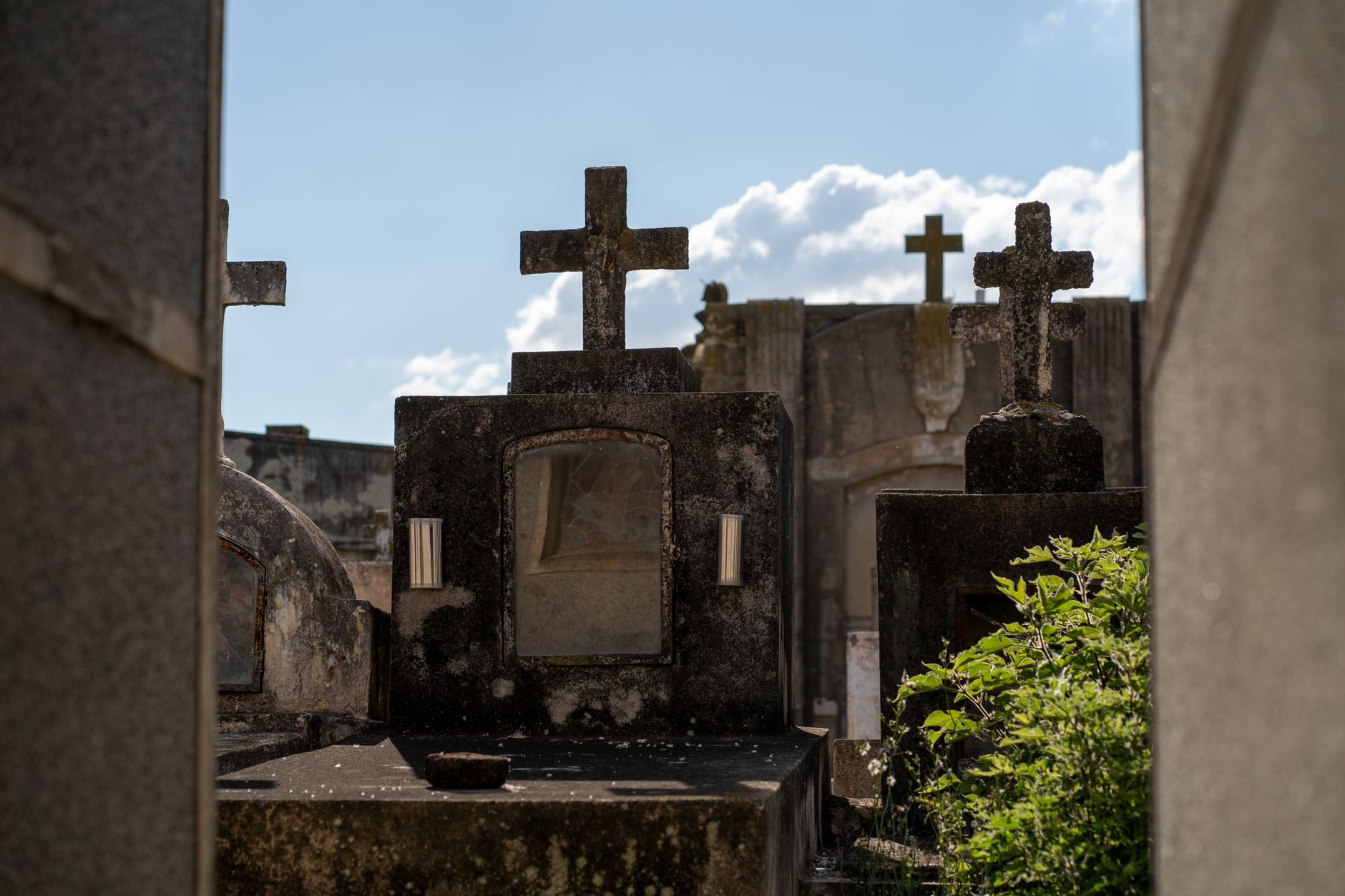
This is a literal city of the dead in Buenos Aires, packed with over 6,400 grand mausoleums. Skip the crowds hunting for Eva Perón’s tomb and look for the Art Nouveau monument of Rufina Cambaceres, a young woman tragically buried alive. Note that cash is useless here; the entrance fee must be paid online or by card at the gate.
What to Eat in Argentina
Argentine food is simple, meat-heavy, and spectacular. Don’t leave without trying these three staples.
Bife de Lomo / Bife de Chorizo
These are thick, exceptionally tender cuts of grass-fed beef grilled over hot coals. Head to a traditional neighborhood bodegón in Palermo, Buenos Aires, where a massive steak will cost you between $10 and $18 USD (10,000 to 18,000 ARS).

Empanadas Salteñas
These savory baked pastries are stuffed with hand-diced steak, potatoes, and green onions. They originate from the northern Salta region, but you can grab them at regional spots like El Sanjuanino in Recoleta for about $0.80 to $1.50 USD (800 to 1,500 ARS) each.

Choripán
The ultimate street food: a butterfly-cut grilled chorizo sausage on crusty bread, slathered in chimichurri. Grab one from the street carts along the Costanera Sur riverfront for $2.50 to $4.00 USD (2,500 to 4,000 ARS).

Buenos Aires Scams to Avoid
While Argentina is generally safe, petty theft in Buenos Aires is highly organized. Keep your wits about you in crowded areas.
The Mustard / Bird Poop Scam (La Mancha)
In San Telmo or La Boca, someone will spill a liquid on your shoulder. A friendly stranger will immediately offer to help clean it up. Refuse aggressively, clutch your bags, and walk into a secure indoor cafe—the helper’s accomplice is waiting to snatch your valuables while you are distracted.
Taxi Bill-Swapping
Street-hailed taxis late at night are notorious for swapping your real 1,000-peso bill for a counterfeit one, claiming you underpaid. Avoid street hails entirely and use Cabify or Uber. If you must use a taxi, look for a marked “Radio Taxi” and state your bill denomination out loud as you hand it over.
Calle Florida ‘Arbolito’ Scams
Do not exchange money with the street touts shouting “cambio” on Calle Florida. They frequently pass counterfeit bills or use sleight-of-hand to short-change you. With the unified MEP rate, there is zero financial incentive to use them anyway—just swipe your credit card.
Frequently Asked Questions
Do I need travel insurance to enter Argentina?
Is Argentina safe for solo female travelers?
How do I get from Ezeiza Airport to the city center?
Staying Connected on the Road
Argentina is the 8th largest country in the world, stretching nearly 3,700 kilometers from north to south. If you are flying from Buenos Aires to Ushuaia, you’ll be in the air for over 3.5 hours. Keeping a reliable connection across these vast distances is essential, especially since Patagonian hubs like El Chaltén have notoriously slow and spotty WiFi.
A local physical SIM card costs about $4 USD (5,900 ARS) for a basic 3 GB package, but getting one is a hassle. Since 2020, Argentina legally mandates a biometric registry for all prepaid lines, meaning you must hand over your passport for scanning and have your photo taken at a physical store counter. If you want to skip the queues and the invasive registration process, grab an Argentina eSIM before you land. It connects instantly to the best local networks like Claro and Personal, keeping you online from the streets of Buenos Aires to the edge of Patagonia.