

Guatemala welcomed a record 3.36 million visitors in 2025 — and over 62% of them arrived by land, often without tracking their days. Winging a trip to Central America sounds romantic, but navigating this country unprepared is a rookie mistake that will eat you alive. I’ve spent weeks navigating the highlands, ancient ruins, and chaotic transport to write this honest Guatemala travel guide. Here is how to explore like a pro, avoid the scams, and actually enjoy the ride.
Quick Facts — Guatemala
Guatemalan Quetzal (GTQ)
Spanish (plus 22 Mayan languages)
GMT-6
Types A & B
November to April (dry season)
90-day CA-4 limit (cumulative)
Crucial Logistics You Need to Know
First, let’s talk paperwork. Since July 2023, Guatemala requires all incoming and outgoing travelers to complete the Electronic Regional Traveler’s Affidavit (Djrv) online up to 3 days before their flight. The old paper forms are dead, so don’t expect to fill one out on the plane.
You also need to understand the CA-4 Border Control Agreement. This treaty allows you to travel visa-free between Guatemala, El Salvador, Honduras, and Nicaragua for up to 90 days. But watch out — this 90-day limit is cumulative across all four countries, not per country. Overstaying is an expensive headache.
For your health, the CDC recommends Hepatitis A and Typhoid vaccines for almost everyone visiting. If you’re arriving from or transited for more than 12 hours through a country with yellow fever, you must show a Yellow Fever vaccination certificate at customs. They will check.
When packing, leave high heels, flashy jewelry, and heavy cotton clothing at home. Cobblestones make heels a safety hazard, jewelry invites petty theft, and heavy denim stays damp forever in the high humidity. Also, leave your drone behind — customs officials will confiscate it unless you have a pre-approved government permit.
The Big Three: What to See and How to Do It Right
Everyone comes to Guatemala for the same three areas. That’s fine — they’re famous for a reason — but you need to know how to navigate them without falling into tourist traps.
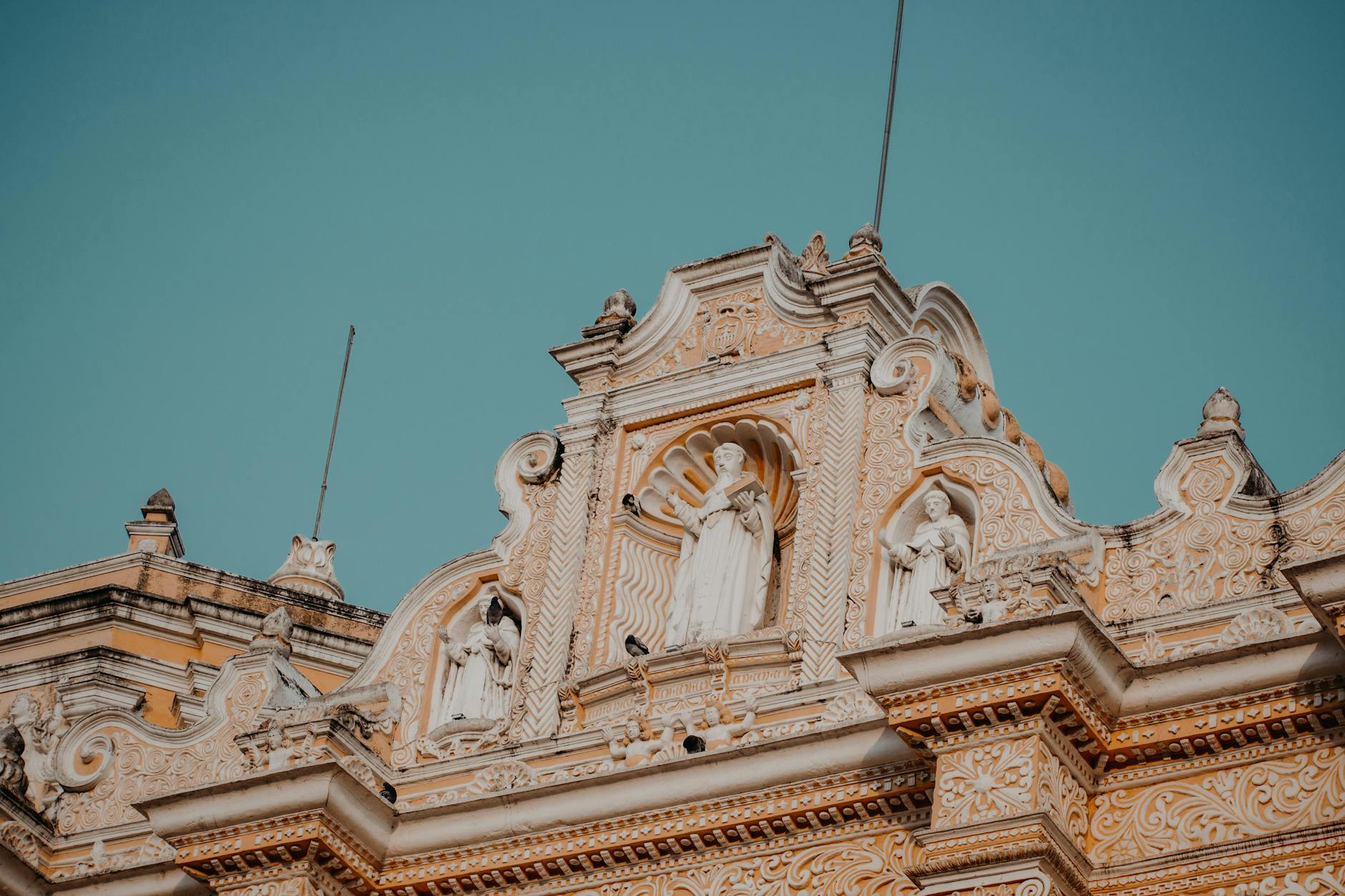
Antigua Guatemala
Antigua is a preserved Spanish colonial city surrounded by active volcanoes. It has a diverse food scene, but many restaurants charge ridiculous prices for mediocre western food. Skip those.
Instead, seek out ‘La Canche’ near Iglesia de la Merced. From the street, it looks like an unremarkable, dimly lit corner store. Squeeze past the counter and through a tiny side entrance to find a hidden, packed local restaurant serving incredible Pepian for just Q25 (~$3).
Lake Atitlán & The Indian Nose Hike
The Indian Nose hike offers a sunrise viewpoint looking out over Lake Atitlán and six surrounding volcanoes. Most people sign up for a grueling, two-hour hike from San Juan La Laguna in pitch darkness. Don’t do that.
Instead, take a short 30-minute shuttle or taxi to Santa Clara and hike the shorter 30-to-45-minute trail to the summit. It saves your knees and gets you the exact same view. Always hire a local guide, as solo hikers on this trail have historically been targeted for robberies.

Tikal National Park
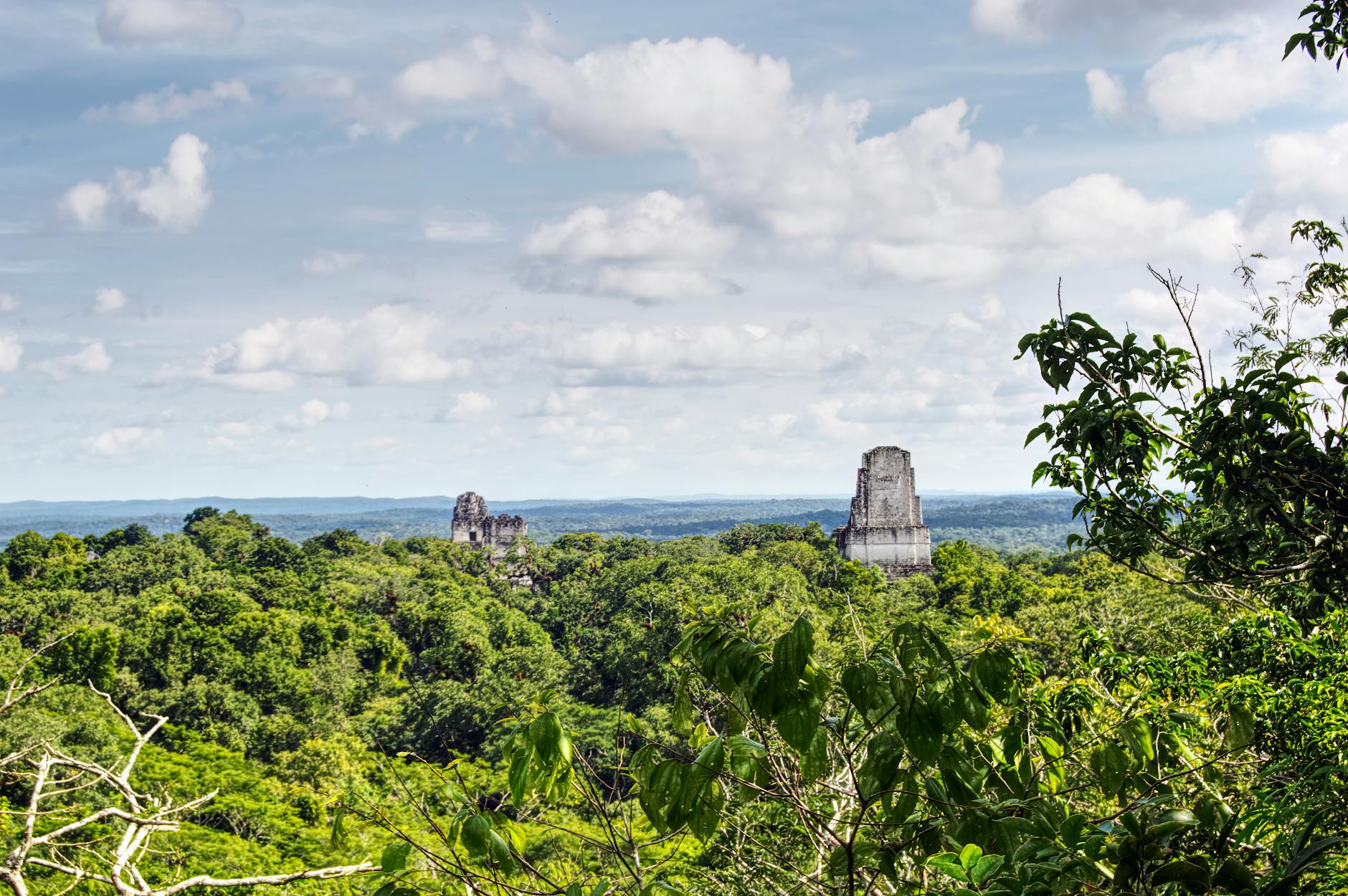
Tikal features massive ancient Mayan pyramids rising above a dense, wildlife-rich jungle canopy. It’s a UNESCO World Heritage site that absolutely lives up to the hype. But timing is everything.
Avoid visiting on Sundays, as Guatemalan citizens get free entry, making it the most crowded day of the week. If you buy your standard day ticket after 3:00 PM, it’s actually valid for the entire following day. This lets you enjoy a quiet late-afternoon walk and a full next day without paying twice.
What to Eat: Pre-Hispanic Flavors
Guatemalan food is heavily rooted in Mayan tradition. It’s hearty, earthy, and incredibly cheap if you eat where the locals eat.
- Pepian de Pollo: Guatemala’s national dish. It’s a thick, smoky stew of chicken or pork in a rich sauce made from roasted tomatoes, pumpkin seeds, and sesame seeds. Expect to pay Q25–Q35 ($3.25–$4.60) at local comedores.
- Kak’ik: A traditional turkey soup colored bright red from achiote and seasoned with coriander, garlic, and dried chilies. It’s earthy, spicy, and recognized by UNESCO. It costs Q40–Q70 ($5.00–$9.00) in highland towns.
- Rellenitos de Plátano: A sweet street snack made of mashed ripe plantains rolled into balls, stuffed with sweetened black bean paste and chocolate, then fried. They cost Q3–Q5 ($0.40–$0.65) per piece near Antigua’s markets.
Safety Warnings: How Not to Get Robbed
Guatemala is generally welcoming, but crime is a real issue. You don’t need to be paranoid, but you do need to be smart about where you put your things.
Pickpocketing & Bag-Slashing
This is common in crowded public markets (especially Chichicastenango on Thursdays and Sundays) and inside crowded chicken buses. Wear a sealed cross-body bag or a hidden money belt under your shirt, and never keep your phone in your back pocket.
Armed Robberies on Hiking Trails
Volcán Atitlán and certain unguided paths around Lake Atitlán (like the trail between Santa Cruz and San Marcos) are hot spots for trail robberies. Never hike these paths alone or without an authorized local guide. Check with the local tourist police (Politur) before setting out.
ATM Card Cloning
Standalone, unbranded ATMs on the streets of Guatemala City and Antigua are frequently fitted with skimmers. Only use ATMs located inside secure, well-lit bank branches (such as Banco Industrial or BAC Credomatic) during daylight hours.
Money, Transit, and Connectivity
Cash is king here. While high-end hotels in Antigua accept credit cards, smaller villages around Lake Atitlán, street food vendors, tuk-tuks, and public boats are strictly cash-only. ATMs are scarce or frequently out of cash in smaller lakeside villages like San Marcos or Jaibalito, so withdraw plenty of cash in Panajachel or Antigua before heading out.
For transport, do not take public chicken buses from the airport due to safety and reckless driving. Instead, book a shared tourist shuttle in advance for $15–$20, or use Uber, which is widely available and safe for the 1.5-hour trip to Antigua (costing around $25–$35).
When it comes to staying connected, WhatsApp is the absolute lifeblood of communication in Guatemala. Almost all local businesses, shuttle operators, and hotels communicate exclusively through it. Be warned: there are no official carrier stores inside the airport terminal, only convenience stores selling heavily marked-up SIMs (up to $20 for just 2 GB). Movistar no longer operates in Guatemala, so ignore any older guides recommending them.
Instead of dealing with local shops, queuing at arrivals, or swapping physical cards, you can set up your data before you even land. Grab a Guatemala eSIM from Galactic Roam to get instant, reliable 4G coverage on the Tigo and Claro networks the second your plane touches down.
Frequently Asked Questions
What is the best way to get from the airport to Antigua?
Do not take the public chicken buses from La Aurora International Airport due to safety concerns. Book a shared tourist shuttle in advance for $15–$20, or take an Uber, which is safe, reliable, and costs around $25–$35 depending on traffic.
Is cash widely accepted in Guatemala?
Yes, cash is absolutely essential. While mid-to-high-end spots in Antigua accept credit cards, smaller villages around Lake Atitlán, street vendors, and public boats are strictly cash-only, and local ATMs frequently run out of money.
Do I need a yellow fever vaccine to enter Guatemala?
You only need a Yellow Fever vaccination certificate if you are arriving from, or have transited for more than 12 hours through, a country with a known risk of yellow fever transmission. Otherwise, it is not required.