

South Africa Travel Guide: How to Plan the Ultimate Cape to Safari Adventure
South Africa welcomed over 7.5 million international tourists in the first eight months of 2026 alone. Winging a trip to a country this massive and logistically complex will absolutely eat you alive. I’ve spent months navigating the Cape’s coastal roads and the dusty tracks of the bush to write this honest South Africa travel guide. Here is how to dodge the tourist traps, outsmart the local scammers, and plan an adventure that actually lives up to the hype.
Quick Facts — South Africa
South African Rand (ZAR)
12 official languages (English widely spoken)
GMT+2
Type D, M, N
May to September (Safari)
Visa-free for many western nations up to 90 days
The Cape’s Best Spots (And the Traps to Skip)
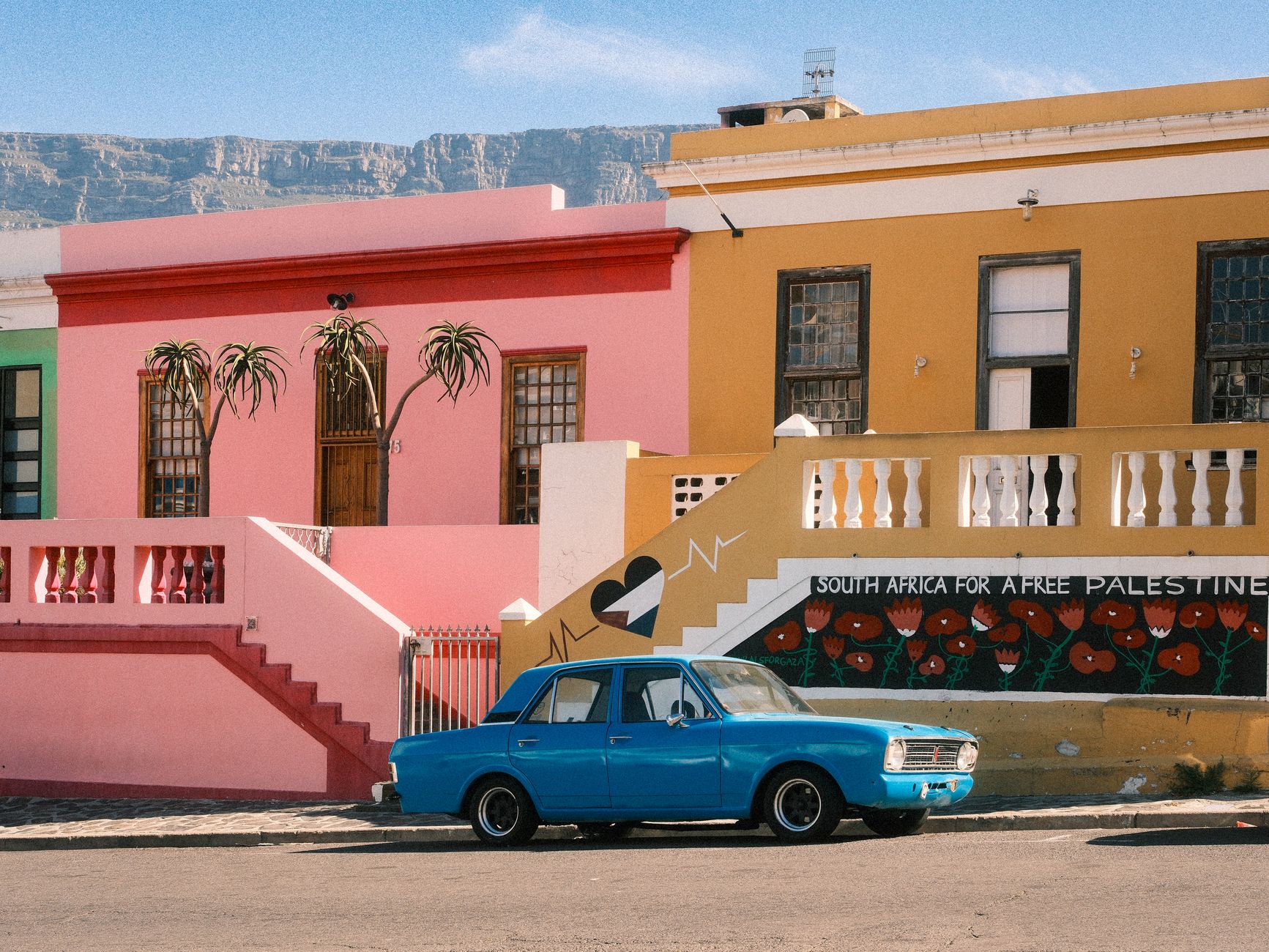
Cape Town is gorgeous, but it’s easy to waste time on overhyped experiences. Take Bo-Kaap, for example. Everyone goes to snap photos of the brightly colored houses on Wale Street, which is fine if you like fighting tour buses for a clean shot.
But the real story is much deeper. Arrive before 9:00 AM to beat the crowds and head straight to the Bo-Kaap Museum. Housed in the oldest intact building in the area (dating back to the 1760s), it explains the Islamic heritage and the history of the enslaved people who painted their homes as a celebration of freedom.
Then there’s Boulders Beach in Simon’s Town. Most tourists pay the entry fee and crowd onto the main boardwalk at Kleintuin Road to see the endangered African penguins.
Skip that. Walk right past the main entrance to Windmill Beach nearby. It’s completely free to access, far less crowded, and you can actually swim in the sheltered cove right alongside the penguins.

Safari Done Right: Kruger National Park
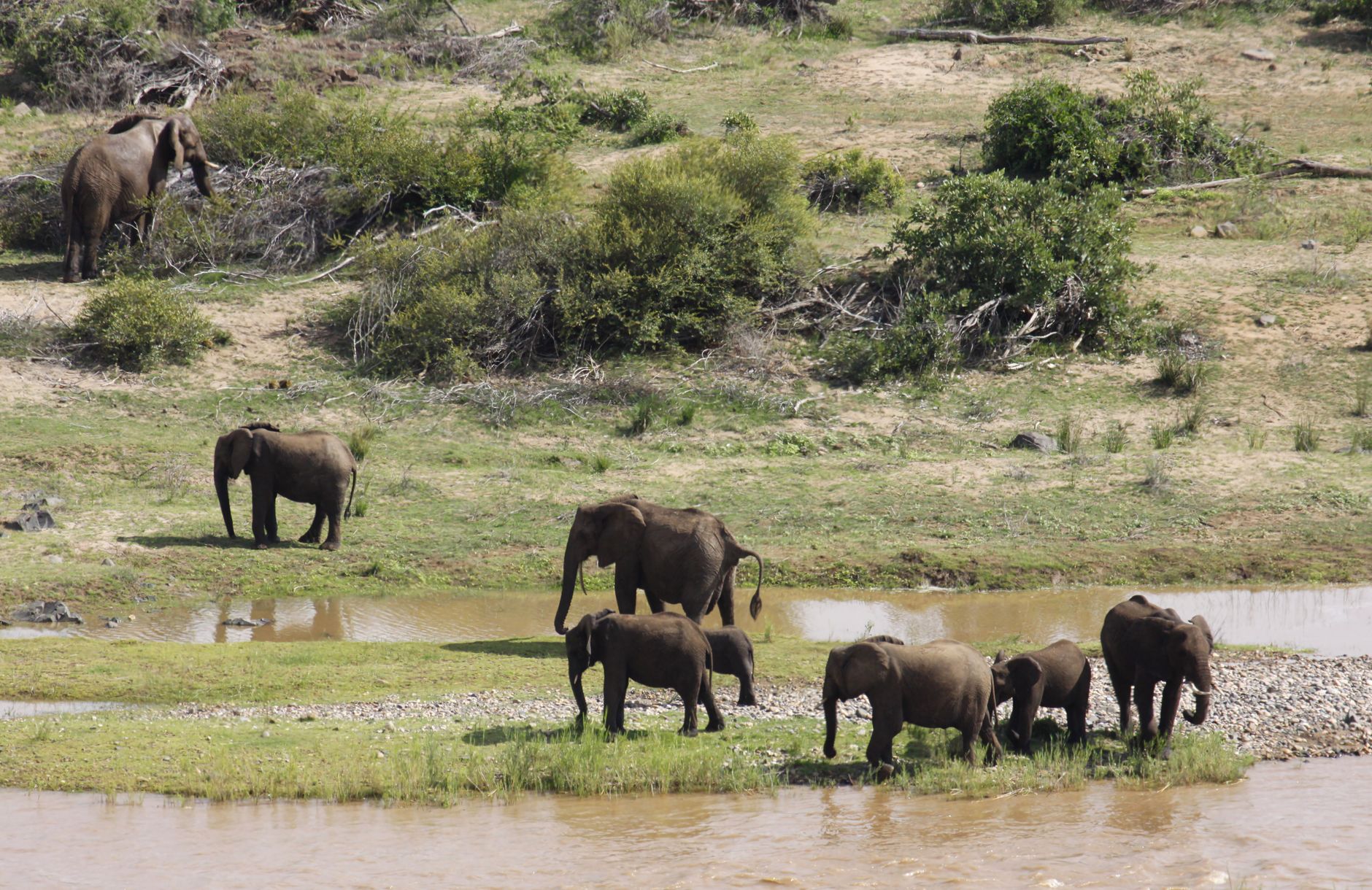
Kruger is South Africa’s premier Big Five safari destination, but the southern region can feel like a parking lot. Heavily congested gates like Paul Kruger Gate often lead to dozens of safari vehicles crowding around a single lion sighting.
For a better experience, enter through the northern gates in Limpopo, such as Pafuri or Phalaborwa. The vegetation here is unique—featuring stunning fever tree forests—and the crowds are virtually non-existent.
Keep in mind that tipping is customary on safari. Budget ZAR 120–250 ($7–$15 USD) per person per day for your guide, and ZAR 60–120 ($3–$7 USD) for the tracker. Tip them in cash at the end of your stay.
What to Eat (And Where to Get It)
South African food is a heavy, spiced, glorious reflection of its history. Don’t leave without trying these three staples.



Safety Warnings: Three Scams to Avoid
South Africa has a reputation for crime, but most of what you’ll encounter are highly organized opportunistic scams. Keep your wits about you and watch out for these three setups.
The Fake Parking Attendant Scam
Scammers wearing reflective vests at Lions Head or Simon’s Town will claim you need to pay for parking or buy a “permit to walk” using a handheld card machine. Legitimate city parking attendants wear branded vests and never demand card payments on the spot for walking permits.
Car Remote Jamming
At gas stations and beach parking lots, criminals use household remote signals to block your key fob’s locking signal. You’ll walk away thinking your car is secure when it’s wide open. Always physically pull the door handle to verify it’s locked before walking away.
ATM Distraction Teams
On Long Street, scammers work in pairs to “help” you with a jammed machine or distract you by dropping cash. While you’re looking away, they swap your card or memorize your PIN. Firmly refuse any help at an ATM, and cancel the transaction immediately if anyone gets too close.
Getting Around Safely
Do not take unlicensed taxis from the airport. Instead, use official ride-hailing apps like Uber or Bolt, which are safe and widely available at OR Tambo in Johannesburg and Cape Town International Airport. An Uber from Cape Town Airport to the CBD will cost you roughly ZAR 150–250 ($8–$13 USD).
When driving, you’ll encounter petrol attendants who pump your gas and informal car guards who watch your vehicle in public lots. It is customary to tip them ZAR 5–10 ($0.30–$0.60 USD) in cash. Keep small coins handy in your console for this.
Frequently Asked Questions
What is the best time of year to visit South Africa?
Is loadshedding going to affect my phone signal?
How do I get a local SIM card in South Africa?
Stay Connected Without the Hassle
Dealing with Rica registration paperwork at the airport is a frustrating way to start your trip, and relying on local towers during loadshedding can leave you stranded without maps. A much simpler option is to grab a South Africa eSIM from Galactic Roam before you fly. It bypasses the registration queues entirely, connects automatically to the strongest available network when you land, and keeps you navigating the Cape safely from day one.