
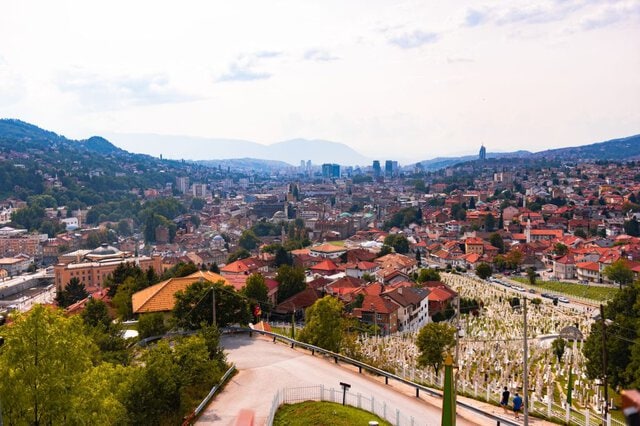
Exactly 2% of Bosnia and Herzegovina’s territory is still contaminated with active landmines from the 1990s war.
Wandering off-trail here without a guide isn’t just foolish — it will eat you alive.
I’ve spent weeks navigating these mountain passes and historic streets to figure out how to explore safely. This practical Bosnia and Herzegovina eSIM-friendly travel guide cuts through the online noise to show you what’s actually worth your time.
Let’s get into the logistics you need to survive and enjoy it.
Quick Facts — Bosnia and Herzegovina
Bosnian Convertible Mark (BAM / KM)
Bosnian, Croatian, Serbian
CET (UTC+1)
Type C & F
May to September
Visa-free for 90 days (US/EU/UK)
The Golden Rules of Bosnian Logistics
Cash is king here. The Bosnian Convertible Mark (BAM) is pegged to the Euro at an exact, unchanging rate of 1.95583 BAM to 1 EUR.
While modern malls in Sarajevo accept cards, traditional eateries (aščinicas), bakeries (pekaras), and guesthouses do not. Always carry physical bills. Use bank-affiliated ATMs to withdraw cash; independent street ATMs will drain you with high transaction fees.
When arriving at Sarajevo International Airport, do not use the immediate airport taxis. Locals warn that the airport taxi stand operates a monopoly and frequently overcharges tourists.
Instead, walk to the main road to hail a metered cab for 25–35 BAM ($13–18 USD), or board the Centrotrans airport bus to Baščaršija for just 5 BAM ($2.70 USD).
What to See (And What to Skip)
Most travelers stick to the historic core of Sarajevo and the bridge in Mostar. They are missing the real country.
Lukomir Highland Village
This is the highest and most isolated mountain village in the country, sitting at 1,500 meters in the Bjelašnica range. Most tourists miss the hiking ridges overlooking the 800-meter-deep Rakitnica Canyon. Go in summer, and buy hand-woven wool socks directly from the local grandmothers.

If you want to escape the midday heat of Sarajevo’s main bazaar, skip the crowded souvenir shops and head to Svrzo’s House (Svrzina Kuća). This 18th-century Ottoman-era house shows exactly how a wealthy Muslim family lived, complete with separate quarters for men and women.
It is highly underrated, rarely crowded, and the quiet inner courtyard paved with river pebbles is the perfect place to sit in silence.
The Food Rules: How Not to Offend a Bosnian Baker
Food is serious business here. If you order wrong, you will instantly mark yourself as an amateur.
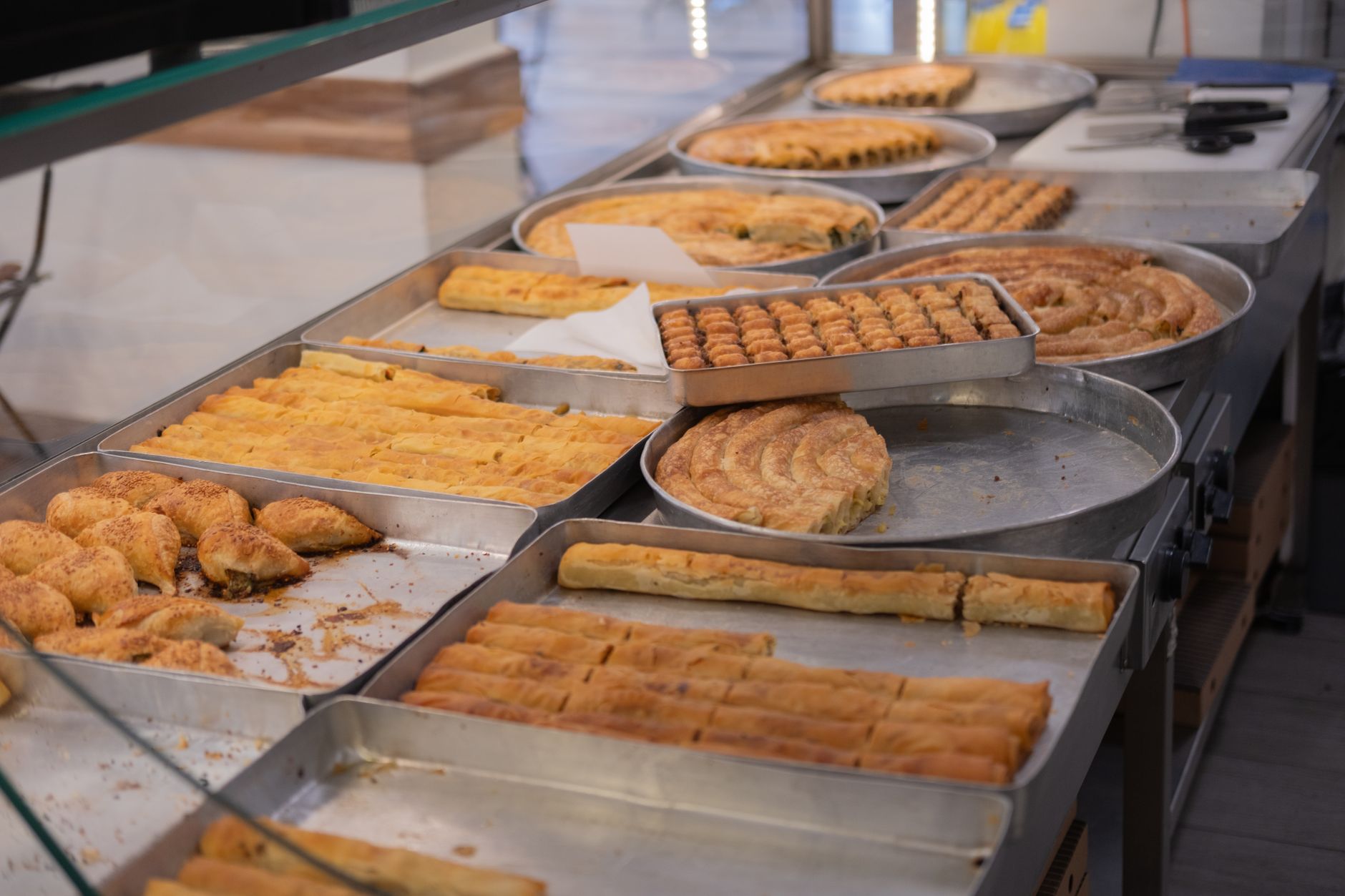

If you are feeling adventurous, try Pače. This is a traditional, slow-cooked, gelatinous veal soup seasoned heavily with garlic and vinegar.
It is cooked overnight until the meat is incredibly tender. Find it at Aščinica Hadžibajrić, the oldest family-run eatery in Sarajevo operating since 1860, for 12–15 BAM ($6–8 USD).
“In Bosnia, halal food is the default in traditional restaurants, making it one of the most Muslim-friendly destinations in Europe.”
Scams and Safety Warnings
While violent crime is rare, tourist-targeted scams are common. Keep your guard up in these specific scenarios.
The Unofficial Parking Warden Scam
Men wearing reflective vests near Sarajevo’s Latin Bridge will demand a flat 10 EUR fee to “guard” your car. Ignore them completely. Park only in municipal garages marked with a white “P”, where genuine wardens carry official ID and electronic ticket devices.
Transit Pickpocketing
Pickpockets target Tram Line 1 in Sarajevo and the crowds around the Stari Most (Old Bridge) in Mostar immediately after the midday diving shows. Keep your phone off cafe tables, use a secure cross-body bag, and never wear large backpacks in crowded bazaar lanes.
Taxi Tariff Manipulation
Unmarked or rogue taxis at major transit hubs will “forget” to turn on the meter or flip it to “Tariff 3” (the rural rate) to triple the fare. Only use taxis with “TA” on their license plates, insist on the meter, or order rides via local radio taxi apps like Crveni Taxi.
Is Bosnia and Herzegovina safe for solo travelers?
Yes, violent crime is extremely low. However, you must stick to marked trails in rural areas due to the 2% landmine risk, and keep a close eye on your belongings in crowded tourist spots like Mostar’s Old Bridge.
Do I need cash, or are cards widely accepted?
You absolutely need cash. While major hotels and modern shops in Sarajevo accept credit cards, smaller guesthouses, traditional eateries, bakeries, and public transit require Bosnian Convertible Marks (BAM).
What is the best way to travel between cities?
Buses are reliable and cheap for traveling between Sarajevo, Mostar, and Banja Luka. However, if you plan to visit remote mountain areas like Lukomir, hiring a local driver is highly recommended due to narrow, winding roads and sudden mountain fog.
Staying Connected Without the Headaches
Local physical SIM cards cost between 10 and 22 BAM ($5 to $12 USD), but there is a catch. By law, you must present a valid passport or physical ID to register and activate any local SIM card in Bosnia.
Furthermore, Bosnia is not part of the EU roaming zone. If you try to use an EU-based SIM card here, you will face massive roaming charges on your next bill.
To bypass the registration queues and avoid handing over your passport to a kiosk clerk, grab a Bosnia and Herzegovina eSIM from Galactic Roam before you land. It connects instantly to the strongest local networks, keeping you online from the moment you cross the border.