South Island New Zealand Road Trip: The Ultimate 10-Day Survival Guide

New Zealand welcomed 3,674,600 overseas visitors last year, yet 40% of the country has absolutely zero mobile coverage. If you’re planning a South Island New Zealand road trip, this means your navigation will die exactly when you need it most. I’ve spent weeks driving these mountain passes, dodging destructive parrots, and finding the spots that are actually worth your time. Here is your survival playbook for ten days on the southern roads, without the tourist traps.

Key Takeaways

  • Best time to visit: March to May for stable weather and fewer crowds, but avoid October if you want to hike Roys Peak.
  • Budget needed: Around NZ$250 per day, plus the mandatory NZ$100 International Visitor Conservation and Tourism Levy (IVL).
  • Must book ahead: Milford Sound cruises and Queenstown rental cars require booking months in advance.
  • Getting around: A rental car is essential, but you must know how to navigate one-lane bridges.

Crucial Logistics (The Stuff Nobody Tells You)

New Zealand is almost entirely cashless, but many small businesses charge a 1.5% to 2.5% surcharge for contactless payments like Apple Pay. To avoid this, insert your physical card and select ‘CHQ’ or ‘SAV’ on the terminal. Also, tipping is not customary here, so don’t feel pressured to add extra to your bill.

The South Island has hundreds of one-lane bridges. You must yield to oncoming traffic based on the road signs. A red arrow in your direction means you must yield; a blue sign with a white arrow means you have the right of way, though you should still slow down.

The International Visitor Conservation and Tourism Levy (IVL) increased to NZ$100 per person. This is charged automatically when you apply for your NZeTA (visa waiver). Budget for this before you book your flights.

Top Attractions & Scenic Stops

Church of the Good Shepherd (Lake Tekapo) New Zealand
The stone church sitting on the edge of Lake Tekapo at dusk.

Church of the Good Shepherd (Lake Tekapo)

This 1935 stone church is one of the most crowded 50 square meters in the country. To get a clean shot, visit early in the morning and shoot from the east side where the water reflects the building. Photography inside is strictly prohibited, so keep your camera in your bag when you step through the doors.

Roys Peak (Wanaka) New Zealand
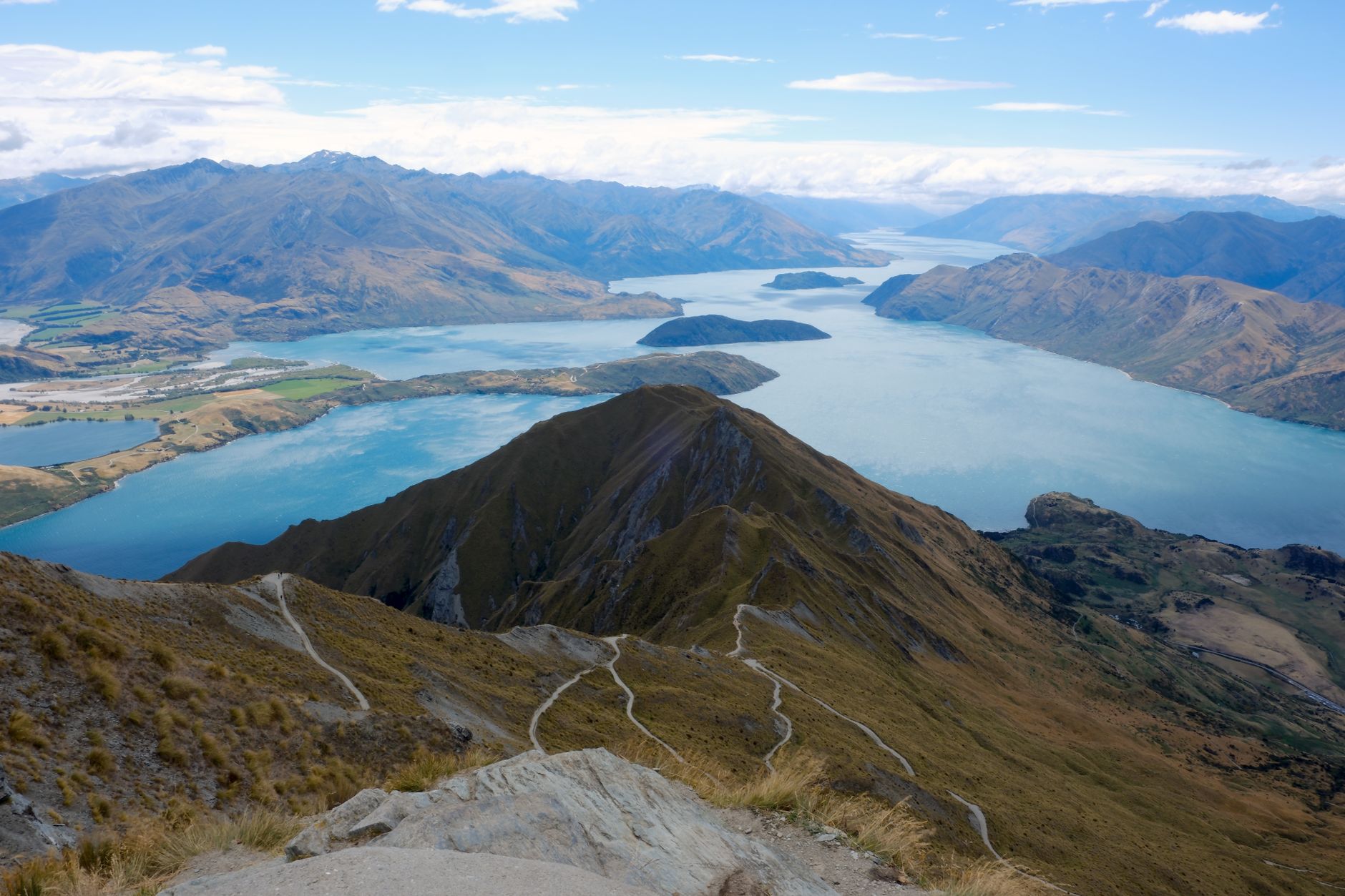
The winding ridgeline trail overlooking Lake Wanaka.

Roys Peak (Wanaka)

The trailhead parking lot is typically full within two hours of sunrise. Avoid arriving between 9:00 AM and 11:00 AM when the morning hikers are returning and clogging up the spaces. Crucially, the track is completely closed from October 1st to November 10th every year for the local lambing season.

Milford Sound New Zealand
Sheer mountain peaks rising directly out of the dark waters of Milford Sound.

Milford Sound

The Milford Road experiences peak congestion between 10:00 AM and 12:30 PM, and the cruise terminal is packed right after. To beat the rush, depart Te Anau by 7:30 AM to catch a 9:30 AM cruise. Alternatively, opt for a late afternoon cruise around 3:00 PM when the tour buses have already left.

Hokitika Gorge New Zealand
The turquoise waters of Hokitika Gorge framed by dense native forest.

Hokitika Gorge

This spot is famous for its bright turquoise glacier water, but there is a catch. If you visit immediately after heavy rain, the runoff turns the water a murky grey instead of its famous blue. Arrive before 10:00 AM to beat the tour buses, and bring strong insect repellent because the sandflies here are absolutely relentless.

What to Eat (And Where to Find It)

Southland Cheese Rolls ('Southern Sushi') New Zealand food
A crispy, toasted cheese roll ready to eat.

Southland Cheese Rolls

Known locally as ‘Southern Sushi’, this comfort food consists of white bread rolled around a gooey filling of grated cheese, onion soup mix, evaporated milk, and mustard. Grab one toasted and hot at local spots like The Crib Cafe in Riverton for around NZ$3.00.

Bluff Oysters New Zealand food
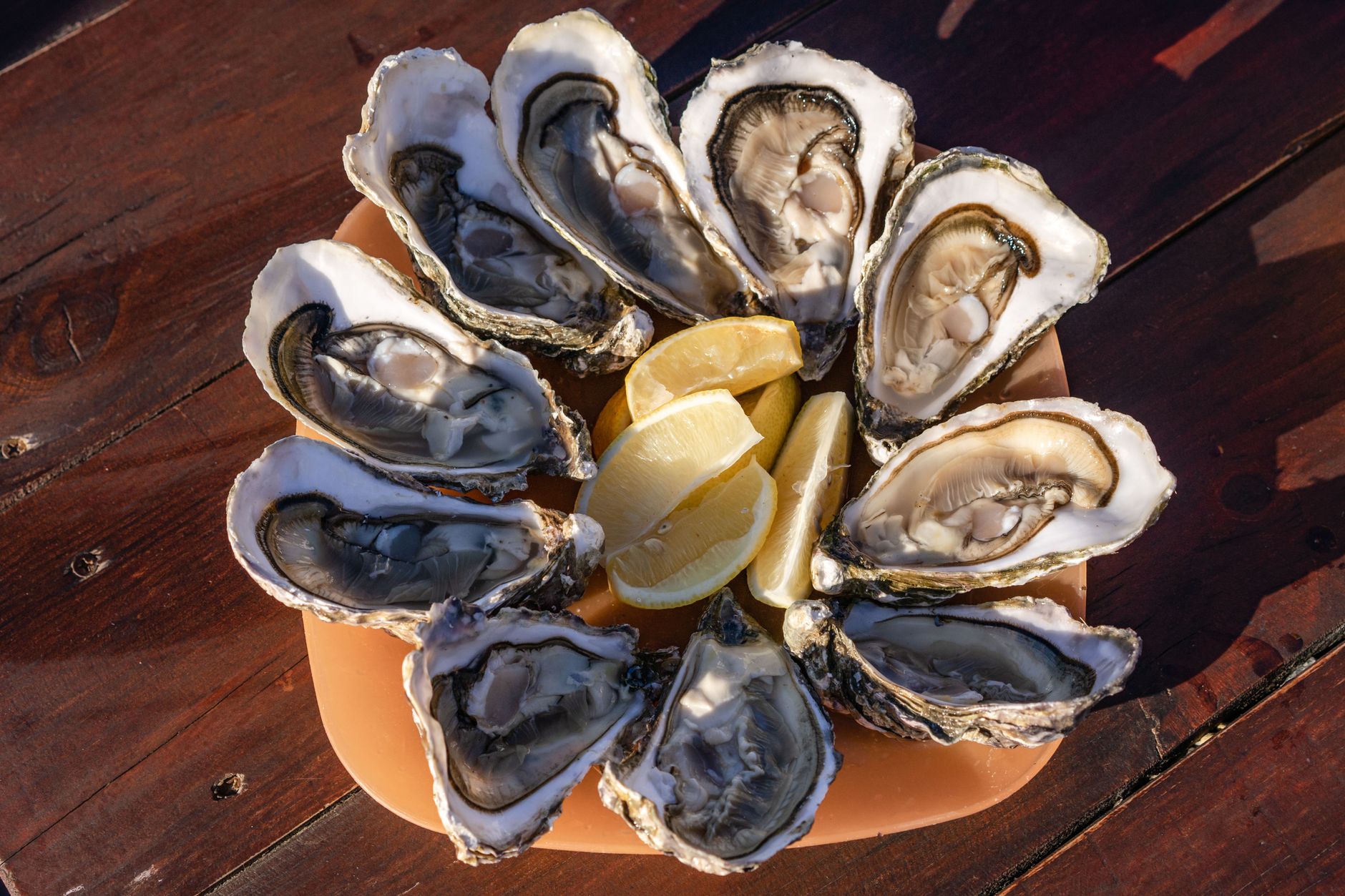
Freshly shucked Bluff oysters served on ice.

Bluff Oysters

Harvested from the cold waters of the Foveaux Strait, these wild oysters are famous for their clean, briny sweetness. You can buy them at supermarket delis for NZ$30 to NZ$40 a dozen during the season (March to August), or pay double that in high-end restaurants.

Fergburger Gourmet Burgers New Zealand food
A massive gourmet burger packed with local ingredients.

Fergburger

This Queenstown institution on Shotover Street serves massive, high-quality burgers starting around NZ$15. Skip the standard beef and order the ‘Sweet Bambi’, which features wild Fiordland venison paired with rich brie and boysenberry chutney.

Local Hazards & Wildlife Warnings

Trailhead Break-ins

Thieves target unattended rental cars and campervans at remote trailheads like Arthur’s Pass and Roys Peak. Never leave valuables visible in your vehicle, and always carry your passport and cash with you. Before parking, check the gravel—if you see piles of broken glass, find another spot.

Kea Car Destruction

Keas are highly intelligent alpine parrots that will literally rip the rubber seals off your car windows and tear up your windshield wipers. Do not leave loose items on your car roof or in open truck beds. Feeding them is illegal and only makes their destructive behavior worse.

Weka Camp Theft

Wekas are large, flightless brown birds that act as professional thieves at campsites. They will run off with your food, rubbish bags, or shiny car keys right in front of your face. Keep all your gear and trash zipped securely inside your vehicle or tent.

Frequently Asked Questions

How long does it take to drive around the South Island?
While you can drive the main loop in 10 days, you will spend several hours behind the wheel each day. If you want to hike and explore without rushing, 14 days is much more comfortable. Always add 20% to whatever travel time your GPS estimates due to winding roads and one-lane bridges.
What is the best time of year for a South Island road trip?
Late summer to early autumn (February to April) offers the most stable weather and warmer temperatures. If you visit in spring, keep in mind that alpine trails like Roys Peak are closed for lambing season from October 1st to November 10th. Winter brings snow and requires carrying snow chains for mountain passes.
Is tap water safe to drink in New Zealand?
Yes, tap water is perfectly safe and highly treated in all towns and cities. When hiking, however, do not drink directly from streams or lakes without boiling or filtering the water first, as giardia is present in many waterways.
Do I need cash for a New Zealand road trip?
Almost every business accepts cards, so you rarely need physical cash. However, you should carry a physical debit or credit card rather than relying solely on Apple Pay, as inserting your card avoids the common 1.5% to 2.5% contactless payment surcharges.

Staying Connected on the Road

Driving through the Southern Alps means facing massive dead zones. The Milford Road is a 120km stretch with absolutely zero signal, and mountain passes like Arthur’s and Haast are equally dark. Because your navigation apps will fail, downloading offline maps before leaving town is mandatory. For remote hikes, you should also carry a Personal Locator Beacon (PLB), as emergency services cannot be reached via mobile in 40% of the country.

While local prepaid SIM cards cost between $30 and $60 NZD, queuing at the airport after a long-haul flight is a miserable way to start your trip. A much easier option is to grab a New Zealand eSIM from Galactic Roam before you depart. It activates the moment you land, giving you immediate access to maps and road alerts without the hassle of swapping physical plastic cards.

Get your New Zealand eSIM