
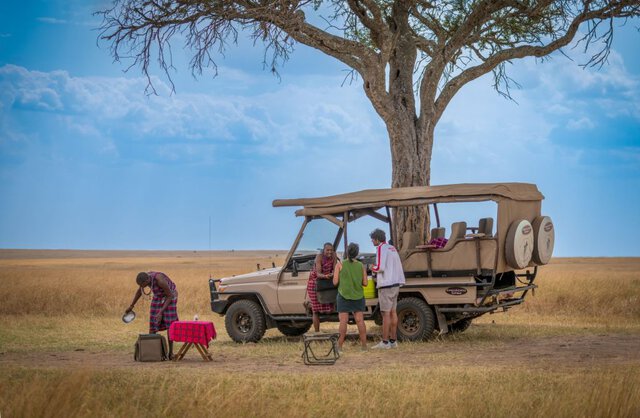
Most people think a classic safari is as simple as booking a flight and hopping in a jeep. But between shifting entry rules and crowded parks, winging it is a recipe for a very expensive headache. I’ve spent years navigating East Africa, and this practical Kenya travel guide will show you how to bypass the tourist traps, dodge the taxi cartels, and see the real wild. Let’s get into the logistics.
Quick Facts — Kenya
Kenyan Shilling (KES)
Swahili & English
Mandatory eTA (apply 2 weeks prior)
M-Pesa & SGR Train
Navigating the New Entry Rules
Kenya has fully retired its traditional visa system. Now, you must apply for a mandatory Electronic Travel Authorization (eTA) at least two weeks before boarding your flight. This applies to everyone, including infants, though citizens of most African Union countries (excluding Somalia and Libya) are exempt.
There’s also a mandatory inbound travel health insurance requirement for visitors staying under 12 months. Keep an eye on this before you fly, as it has faced temporary court suspensions but remains on the books. Don’t let paperwork ruin your trip at the boarding gate.
The Wild: Safari Secrets They Don’t Tell You
Most travelers head straight to the main reserves without realizing how crowded they get. If you want to actually see wildlife instead of a wall of tourist minivans, you need to change your strategy.


The Coast: Escaping Diani’s Crowds
Diani Beach is famous for its white sands, but the central strip can feel like a tourist conveyor belt. To find the soul of the coast, you have to head slightly north.

What to Eat: Real Kenyan Flavours
Kenyan food is simple, hearty, and heavily influenced by historical trade routes. Skip the hotel buffets and eat where the locals go.


Staying Safe: How to Avoid Local Scams
Kenya is generally welcoming, but tourist hubs have their share of opportunists. Keep these three common traps on your radar so you can spot them early.
The ‘I know you from the hotel’ scam
On the streets of Nairobi CBD or Mombasa Old Town, a friendly stranger might claim they work at your hotel. They’ll walk with you, offer directions, and then aggressively demand a ‘guiding fee’ or steer you into an overpriced shop. Politely but firmly walk away—hotel staff will never approach you on the street.
The airport taxi cartel
Taxis outside Jkia arrivals will quote flat rates of KES 5,000 to 8,000 for rides that actually cost KES 1,200 to 1,800. Avoid street-hailed cabs entirely. Order an Uber, Bolt, or Little while you are still inside the terminal using the airport’s free WiFi.
Briefcase safari operators
Scammers on Facebook or WhatsApp offer ‘luxury’ safaris at impossibly low prices, take your deposit, and vanish. Only book with operators registered with the Kenya Association of Tour Operators (Kato) and verify they have a physical office.
Logistics & Packing Quirks
Kenya is virtually cashless thanks to M-Pesa. Many local vendors and taxi drivers won’t have change for a KES 1,000 note, so set up M-Pesa at an airport telecom kiosk using your passport. You can easily top up your wallet using apps like Remitly or Sendwave linked to your international debit card.
If you’re heading to the coast after your safari, avoid the dangerous highway. Take the Madaraka Express SGR train instead; it takes about five to six hours and costs KES 1,500 for economy or KES 4,500 for first class. Just make sure to book up to 30 days in advance as tickets sell out fast.
Finally, prepare for the dust. Pack a neck gaiter, eye drops, and plenty of layers for the freezing mornings. And a quick heads-up on laundry: most safari lodges will happily wash your clothes, but they won’t touch women’s undergarments due to local cultural taboos, so be ready to wash those by hand.
Frequently Asked Questions
What is the best way to get around Kenya?
For long distances, use the SGR train or domestic flights. For city travel, stick to ride-hailing apps like Uber or Bolt. Avoid street-hailed taxis and local matatus unless you’re highly experienced.
Is Kenya safe for solo travelers?
Yes, but you need to keep your wits about you in major cities. Avoid walking alone at night in Nairobi or Mombasa, keep your phone out of sight on busy streets, and always use registered tour operators for excursions.
How do I pay for things in Kenya?
M-Pesa is king. Almost every vendor, from high-end lodges to roadside fruit stalls, accepts mobile money. Carry a small amount of cash in low denominations (KES 100 and 200 notes) for emergencies, but rely on M-Pesa for daily transactions.
Staying connected on the road is straightforward, but local physical SIM cards come with a catch. While a local SIM only costs KES 100 to 200, registration is strictly enforced by law—you’ll have to hand over your physical passport, let an agent take your photo, and wait up to 45 minutes for activation. If you want to skip the airport queues and avoid sharing your passport details with local shops, grabbing a pre-activated Kenya eSIM before you land is a much cleaner option. It connects automatically to local networks the moment your plane touches down, letting you order your Uber and set up your M-Pesa without the wait.