

Taiwan is literally paying returning travelers NT$5,000 to visit in 2026, yet most people never leave Taipei.
If you follow the crowd and stick to the capital, you’ll miss the wild gorges, high-altitude railways, and night markets that actually define this island. I’ve spent years navigating Taiwan’s rail networks and back alleys. By the end of this guide, you’ll have a foolproof 10-day Taiwan itinerary that skips the tourist traps and hits the genuine highlights.
Let’s get out of Taipei.
Key Takeaways
- Best time to visit: October to December for cool, dry weather and clear mountain views.
- Budget needed: NT$1,500–2,500 ($45–$75 USD) per day for mid-range food, transit, and entry fees.
- Must book ahead: The Alishan Forest Railway main line (exactly 14 days in advance at 6:00 AM sharp).
- Getting around: Combine the High-Speed Rail (Thsr) on the west coast with a physical EasyCard for local transit.
The 10-Day Route at a Glance
This route takes you down the rugged east coast, up into the central mountain range, and through the historic southern cities before looping back. It is fast-paced but highly logical.
- Days 1-2Hualien & Taroko Gorge
Take the TRA train from Taipei to Hualien. Explore the rugged Pacific coast and navigate the strict daily traffic windows to see what remains accessible of the gorge.
- Days 3-4Alishan Mountain Wilderness
Head to Chiayi, then board the historic Forest Railway up to 2,170 meters. Catch the sunrise at Ogasawara Mountain, skipping the crowded main platform.
- Days 5-7Tainan Historic Food Crawl
Take the train down to Taiwan’s oldest city. Spend three days eating fresh beef soup, exploring lantern-lit alleyways, and memorizing the night market schedule.
- Days 8-10Kaohsiung Harbor & Art
Finish in the sunny southern port city. Rent a public bike to cruise through the Pier-2 Art Center, then catch the High-Speed Rail back to Taipei in 90 minutes.
Days 1-2: Hualien & The Reality of Taroko Gorge
Hualien is the gateway to the east coast. The train ride from Taipei takes about two hours, hugging the cliffs where the mountains drop straight into the Pacific. It is spectacular, but you need to book your train tickets 28 days in advance or you will be standing in the aisle for the entire journey.
Let’s address the elephant in the room. Taroko Gorge is only partially accessible in 2026 following the devastating April 2024 earthquake. Many iconic trails like Shakadang, Swallow Grotto, and Baiyang are closed until 2031.
Is it still worth going? Yes, but lower your expectations. Focus on the coastal cliffs of Qingshui and the lower, safer trails near the park entrance. Spend your second afternoon eating scallion pancakes at Hualien’s Dongdamen Night Market instead of trying to hike deep into the damaged interior.
Days 3-4: Alishan Forest Railway & High-Altitude Wilderness
From Hualien, take the train back through Taipei and down to Chiayi. This is where you board the historic Alishan Forest Railway, which fully reopened in July 2024 after being partially closed for 15 years. It climbs from an elevation of 30 meters in Chiayi to 2,451 meters at Chushan Station, making it the highest narrow-gauge railway in Asia.
Booking this train is a bloodsport. Tickets open exactly 14 days in advance at 6:00 AM sharp on the official website, and they sell out in minutes. If you miss out, you will be stuck on a winding, nauseating three-hour bus ride up the mountain.

The air up here is cold, thin, and smells of cedar. Bring a proper jacket—even in summer, mountain temperatures drop to single digits before dawn. Walk through the giant cypress forests in the afternoon when the mist rolls in, turning the woods into something out of a classic ink painting.
Days 5-7: Tainan Historic Food Crawl
Head back down the mountain to Chiayi, then take a quick 20-minute local train south to Tainan. Tainan is Taiwan’s oldest city and its undisputed culinary capital. It feels entirely different from Taipei—slower, hotter, and packed with low-slung temples.

Tainan’s night markets do not play by the usual rules. Unlike Taipei, where markets are open daily, Tainan’s markets rotate throughout the week.
To survive here, you must memorize the local mnemonic: “Da-Da-Wu-Hua-Da-Hua-Hua”. It tells you exactly which market is open on which night.
- Dadong (Da): Monday, Tuesday, Friday.
- Wusheng (Wu): Wednesday, Saturday.
- Garden (Hua): Thursday, Saturday, Sunday.
Days 8-10: Kaohsiung Harbor & Art
Your final stop is Kaohsiung, a massive port city that has spent the last decade transforming its industrial waterfront into public parks and art spaces. It is sunny, flat, and incredibly easy to navigate using the local light rail system.

Spend your last evening taking the ferry over to Cijin Island. Rent an electric tricycle, ride along the black sand beach, and eat fresh seafood caught that morning. It is the perfect, low-key end to a hectic ten days before you catch the High-Speed Rail back to Taipei’s Taoyuan Airport.
What to Eat: Southern Taiwan’s Best Bites
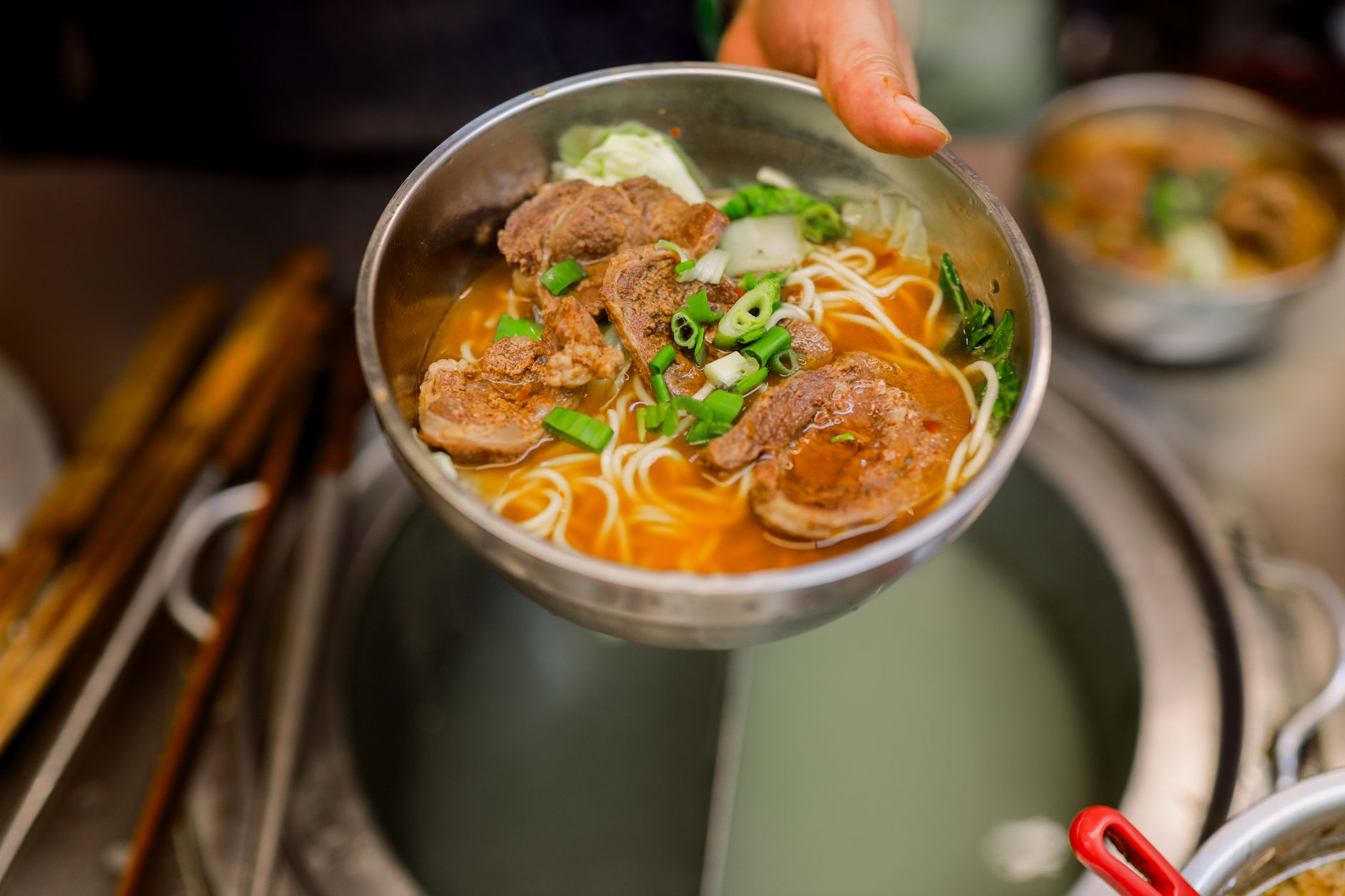
If you eat at Western chain restaurants in the south, you are doing Taiwan wrong. The food here is sweeter, richer, and heavily reliant on fresh local ingredients. Skip the fancy dining rooms and look for the stalls with plastic stools and metal tables.


Crucial Logistics: How to Get Around
Taiwan’s public transit is world-class, but you need to know how the systems interact. The west coast is served by the lightning-fast High-Speed Rail (Thsr), while the east coast and mountain regions rely on the slower Taiwan Railway (TRA) and local buses.
Mastering Taiwan’s Transit — Step by Step
Purchase one for NT$100 (non-refundable deposit) at any convenience store or MRT station. You’ll need it for MRT, city buses, YouBike rentals, and local TRA trains. Note that Apple devices do not currently support the EasyWallet app’s NFC features, so you cannot load a digital EasyCard onto an iPhone; you must carry the physical card.
While high-end spots accept credit cards, Taiwan is still highly cash-heavy. Night markets, street food stalls, temple donations, and local taxi drivers almost exclusively accept cash. Keep at least NT$1,000–2,000 in cash on you at all times, and remember that you can only top up transit cards with cash, not credit cards.
Use the Taiwan High-Speed Rail (Thsr) to fly down the west coast (Taipei to Kaohsiung in just 90 minutes). Book up to 28 days in advance for ‘Early Bird’ discounts of up to 35%. For the scenic east coast (Hualien, Taitung), the Thsr doesn’t run there; you must book the slower TRA trains (like the Taroko Express) which also open 28 days in advance.
Safety & Scams: What the Guidebooks Skip
Taiwan is incredibly safe, but it is not entirely free of tourist traps. If you walk around completely oblivious, you will eventually overpay for something simple. Here are the specific issues you need to watch out for.
Fresh Fruit Overcharging Scam
Location: Shilin Night Market (especially makeshift, unlicensed stalls on the periphery) and Kenting Night Market. Avoid buying pre-cut fruit from stalls that do not clearly display prices per 100g. Unscrupulous vendors will slice the fruit first, then demand exorbitant prices (up to NT$1,500 for a small bag). Only buy from licensed vendors with clear price tags, or purchase whole fruits at local supermarkets.
Unmetered Taxi Fare Scam
Location: Outside major tourist hubs like Taipei 101, Grand Hyatt Xinyi, or near bus stops where drivers claim “the bus is no longer running”. Always ensure the driver turns on the meter (called “tiao biao”) before the car moves. If they refuse, take a photo of their license plate and driver ID, throw the correct estimated fare (usually NT$100-200 for short city rides) at them, and report them. Better yet, use Uber or Line Taxi to guarantee metered pricing.
Ximending Hard-Selling Student Gangs
Location: Ximending Pedestrian Area, Taipei. Young people claiming to be “design students” will approach you, force a cheap wallet, keychain, or pen into your hands, and aggressively demand “donations” of NT$300-500 to support their education. Do not accept any items they try to hand you. Keep walking and firmly say “No” (or “Bu yao”).
The Public Insult Law (Criminal Code Article 309)
Taiwan enforces a strict Public Insult Law. Swearing at someone, flipping the middle finger, or using offensive gestures in public can result in a criminal record, a fine of up to NT$10,000 (approx. $310 USD), or up to 60 days of short-term detention. Keep your temper in check, even if a vendor or driver is testing your patience.
Frequently Asked Questions
Is Taiwan worth visiting if I only have 10 days?
Can I travel around Taiwan with kids?
Do I need to speak Mandarin to get around?
Staying Connected on the Road
Taiwan has some of the fastest mobile networks in the world, ranking 7th globally with a median download speed of 81 Mbps. While you can queue up at Taoyuan Airport to buy a local physical SIM card for NT$300–700, it requires physical passport registration and can easily add 30 minutes of waiting time after a long flight. If you want to skip the airport queues entirely and have data the second your plane touches down, grabbing a Taiwan eSIM from Galactic Roam is the easiest way to stay connected. It sets up in seconds, runs on the island’s fastest 5G networks, and lets you navigate the train schedules without missing a beat.
| Feature | Local Physical SIM | Galactic Roam eSIM |
|---|---|---|
| Cost | NT$300–700 ($9.50–$22 USD) | From $8 USD |
| Activation | Manual swap at airport counter | Instant, pre-arrival via QR |
| Passport Registration | Required (airport queue) | None |
| Ready on Arrival | No (after immigration & queue) | Yes |
| Data Options | Fixed multi-day packages | Flexible (1 GB to 10 GB) |