
Abu Dhabi welcomed 26.6 million visitors in 2025, yet most travelers only see the airport during a brief layover. I’ve spent years navigating the Middle East, and leaving this emirate off your uae itinerary means missing out on some of the most ambitious cultural projects on the planet. This Abu Dhabi travel guide will show you how to escape the transit lounge, bypass the tourist traps, and execute a flawless stopover. If you are also planning a layover in neighboring Doha, our qatar travel guide offers essential tips to help you make the most of your time. From navigating strict dress codes to dodging unlicensed airport cabs, here is what you actually need to know.
Quick Facts — Abu Dhabi
UAE Dirham (AED)
Arabic (English is universal)
GMT+4
Type G (UK three-pin)
November to March
Free 30-day on arrival for 70+ nations
Key Takeaways
- Best time to visit: November to March, when the desert heat drops to a highly manageable 25°C.
- Budget needed: AED 400–600 ($110–$160 USD) per day for mid-range dining, transport, and entry fees.
- Must book ahead: Louvre Abu Dhabi entry slots and Sheikh Zayed Grand Mosque arrival times.
- Getting around: Skip the expensive private transfers and use the highly efficient public bus system with a pre-loaded Hafilat card.
The Heavy Hitters: What is Actually Worth Your Time
Abu Dhabi doesn’t do things by halves. The city specializes in architectural marvels that sound like they were dreamed up by a science fiction writer with an unlimited budget. But some of these sights require careful planning if you want to avoid the worst of the crowds and the brutal midday sun.
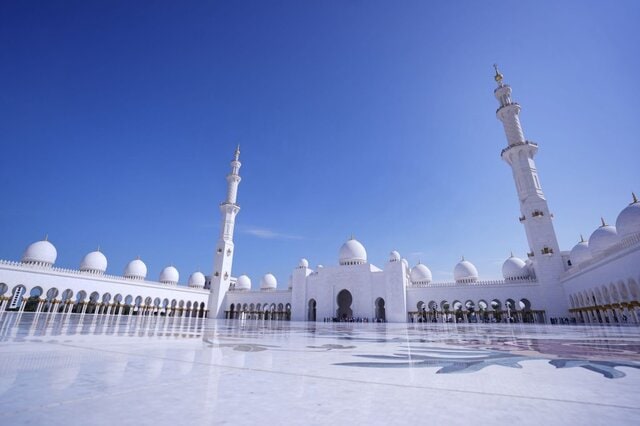
The Sheikh Zayed Grand Mosque is the city’s crown jewel, featuring 82 white marble domes and the world’s largest hand-loomed carpet, which took 1,200 artisans to weave. It is free to enter, but you must reserve a timed entry slot online before showing up. If you arrive without one, you’ll be standing in a very long, very hot queue.

To see the mosque at its absolute best, aim for the sunset transition between 4:30 PM and 5:30 PM. The unique lighting system is designed to project clouds onto the exterior walls, shifting automatically to match the phases of the moon. It’s a spectacular sight that makes the midday heat feel like a distant memory.
Down on Saadiyat Island, the Louvre Abu Dhabi stands as the most visited cultural landmark in the emirate, drawing 1.4 million visitors in 2025. Designed by Jean Nouvel, its massive floating dome consists of 7,850 unique metal stars that filter the sunlight into a shifting pattern on the stone floors below.
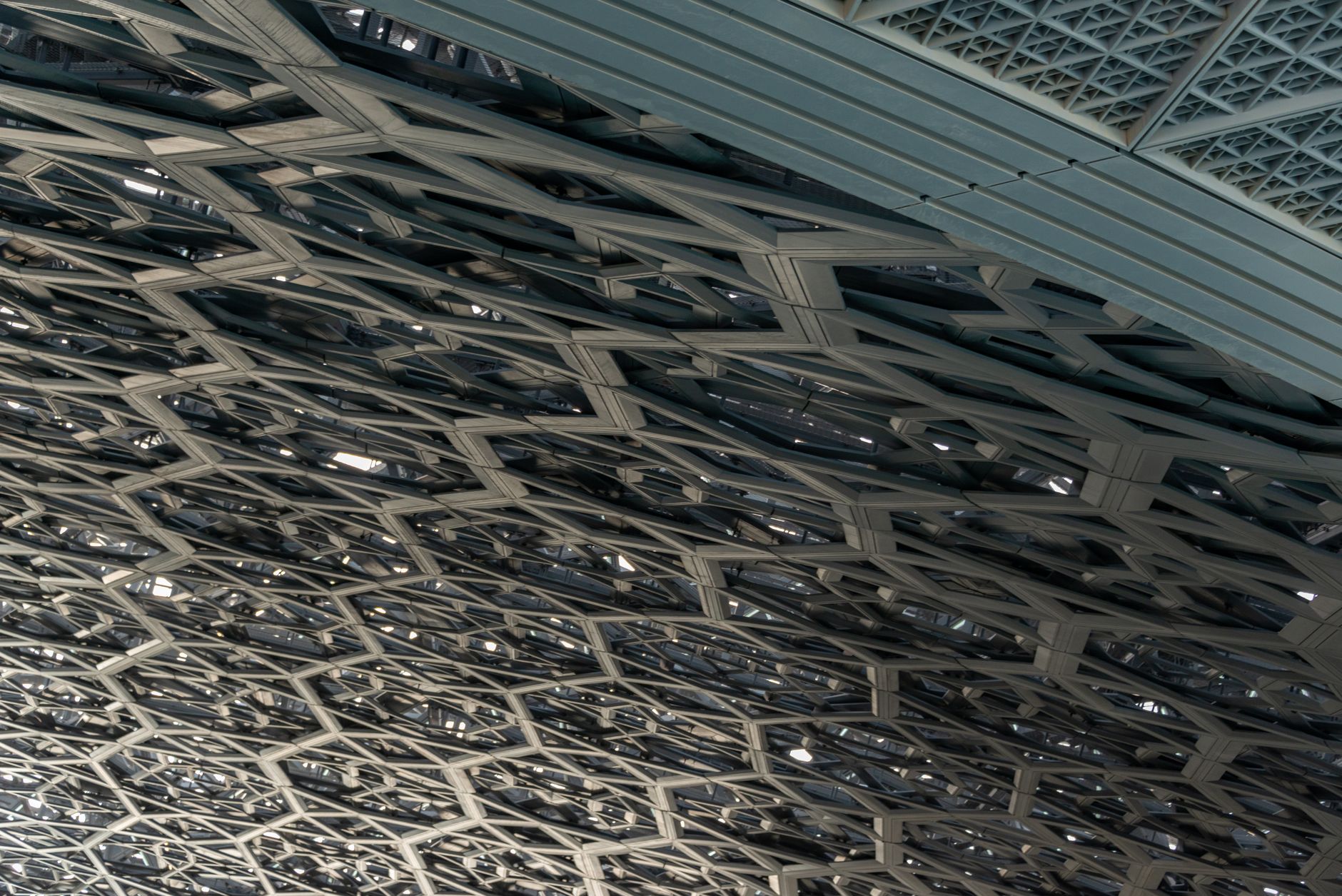
If you want to see this “Rain of Light” effect at its peak intensity, you need to visit between 11:00 AM and 2:00 PM when the sun is directly overhead. If you prefer something more adventurous, book a night kayaking tour. You’ll paddle around the illuminated museum dome from the quiet waters of the Arabian Gulf for about AED 120.
Your third stop should be Qasr Al Watan, a working presidential palace that looks like a palace from an ancient fable, only built yesterday. The central dome measures 37 meters in diameter, and the on-site library houses over 50,000 books detailing Arab history. Time your visit for the late afternoon so you can stay for the “Palace in Motion” light and sound show, which projects the nation’s history onto the white limestone facade at 7:30 PM daily.
What to Eat: Real Emirati Flavors
Most tourists stick to the international hotel buffets, which is a massive mistake. Emirati cuisine is a rich, heavily spiced journey that reflects the country’s history as a trading hub. You just need to know what to order and where to find it.
Staying Safe: Scams and Legal Traps to Avoid
Abu Dhabi is incredibly safe when it comes to violent crime, but that doesn’t mean you can let your guard down entirely. Scammers here are sophisticated, often operating in the digital space or targeting tourists at major transit hubs.
The Phony Tour Guide Scam
Unlicensed individuals often loiter near historical sites like Qasr Al Hosn or the older souks, offering to show you “secret” spots. To work legally, guides must obtain an official license from the Department of Culture and Tourism (DCT Abu Dhabi) via the Tamm platform, which costs AED 2,700 and requires a UAE residence visa, First Aid certificate, and Police Clearance. Always demand to see their physical, official DCT guide badge before agreeing to any tour.
The Unlicensed Airport Taxi Scam
When you land at Zayed International Airport (AUH), drivers will approach you inside the arrivals terminal offering cheap private rides. They will refuse to use a meter and can charge up to four times the standard rate once you reach your hotel. Ignore them completely and walk directly to the official taxi rank outside to board a licensed black airport taxi, which has a starting meter of AED 25.
The Fake Vacation Deal Scam
Scammers advertise heavily discounted luxury desert safaris or five-star hotel stays on social media and WhatsApp, demanding upfront bank transfers. They will even send fake Emirates IDs to look legitimate. Never transfer money directly; instead, verify any travel agency’s credentials using the UAE Government’s official “Stay Safe” platform at staysafe.csc.gov.ae.
How to Get Around Without Burning Cash
Taxis are plentiful in Abu Dhabi, but the costs add up quickly if you’re traversing the city’s massive islands. The public bus system is clean, air-conditioned, and incredibly cheap—if you know how the payment system works.
First, you cannot pay with cash on any Abu Dhabi public bus. You must purchase a physical Hafilat Smart Card for AED 10 ($2.70 USD) at airport vending machines or major bus stations before you board. A weekly unlimited pass costs AED 35 ($9.50 USD), while single local trips cost a flat AED 2 ($0.55 USD).
Credit and debit cards are accepted almost everywhere else, including inside registered taxis and modern souks. However, it is smart to keep AED 50–100 in cash for small purchases like Karak tea, which costs just AED 1–2 at local roadside spots, or for tipping your server. While tipping isn’t mandatory, leaving 10% to 15% in sit-down restaurants is standard practice.
Getting from Zayed International Airport to Downtown — step by step
Locate the blue transport vending machines in the arrivals hall at Zayed International Airport and purchase a card for AED 10.
Add at least AED 10 of credit for a single trip, or opt for the AED 35 weekly unlimited pass if you plan to explore extensively.
Walk to the bus terminal outside and board the A1 or A2 express bus, which runs 24/7 directly to the city center.
Tap your card on the reader when boarding and exiting. The 45-minute journey costs just AED 4, saving you over AED 70 compared to a taxi.
Frequently Asked Questions
Do Indian passport holders need a visa before flying to Abu Dhabi?
Can I make WhatsApp voice calls while visiting Abu Dhabi?
What should I wear when visiting the Grand Mosque?
Is public transit safe for solo female travelers?
Staying Connected on Your Stopover
While you can easily buy a physical tourist SIM card at Zayed International Airport for anywhere between $13 and $34 USD, queuing up after a long flight is a miserable way to start your trip. The local 5G networks are blazing fast, covering everything from the downtown malls to the deep dunes of the Liwa Desert, but you don’t need to waste time at a kiosk to access them. A much simpler option is to set up a UAE eSIM before you even leave home. It connects to the local network the second your plane touches down, letting you book your official airport taxi or check the bus schedules without missing a beat.