
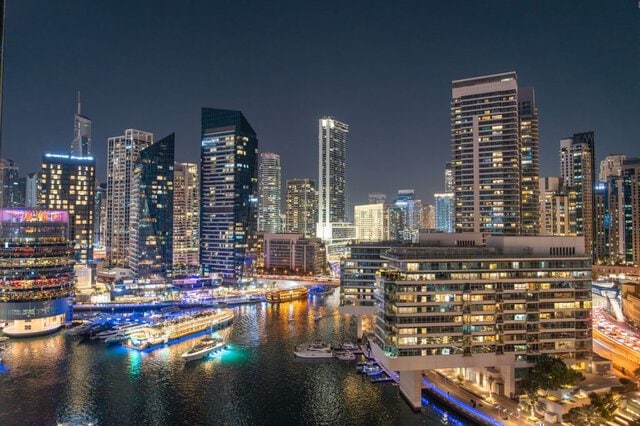
Dubai welcomed a record 17.15 million overnight visitors last year, and almost all of them queued for the exact same three selfie spots. If you only follow the standard brochure, you’ll spend your trip trapped in air-conditioned malls, paying $15 for a coffee, and wondering where the actual soul of the city is hiding. I’ve spent years navigating this desert metropolis, and this realistic dubai travel guide is designed to get you past the overhyped tourist traps and into the places that actually make the city interesting. From secret art warehouses to the best local eats, here is how to experience Dubai without losing your mind or your life savings.
Quick Facts — Dubai
UAE Dirham (AED)
Arabic (English is universal)
GMT+4
Type G (British three-pin)
November to March
Varies by nationality (New 2026 rules apply)
The New Reality of Dubai: Critical Updates
If you haven’t looked at the local regulations lately, you’re in for a surprise. The city changes its rules faster than it builds skyscrapers, and what worked during your friend’s trip two years ago might get you fined or turned away at the border today.
First, brace your wallet if you plan on drinking. The 30% alcohol sales tax, which was temporarily suspended to boost post-pandemic tourism, officially returned on January 1, 2025. This means prices at hotel bars, licensed restaurants, and retail shops have jumped back up. Budget accordingly, or stick to happy hours.
Visa rules have also tightened significantly. As of July 2026, Indian passport holders who only hold a UK visa or UK residence permit are no longer eligible for a UAE visa-on-arrival. If this applies to you, you must secure a tourist visa beforehand. Show up without one, and you’ll be on the next flight home.
Finally, there’s a strict new stance on overstays. The government has eliminated all grace periods for tourist visas. If you overstay by even a single day, you’ll face a non-negotiable fine of AED 50 ($13.60) per day, effective from February 11, 2026. Keep a close eye on your calendar.
Culture and Art Beyond the Glitz
Most tourists think Dubai’s history starts with the discovery of oil. It doesn’t. There’s a rich, complex heritage here if you know where to look, far away from the shadow of the Burj Khalifa.

If you want to see where the city’s creative class actually hangs out, leave the creek and head south to the industrial district of Al Quoz. It looks like a maze of dusty, grey warehouses from the outside. Inside, it’s a completely different story.
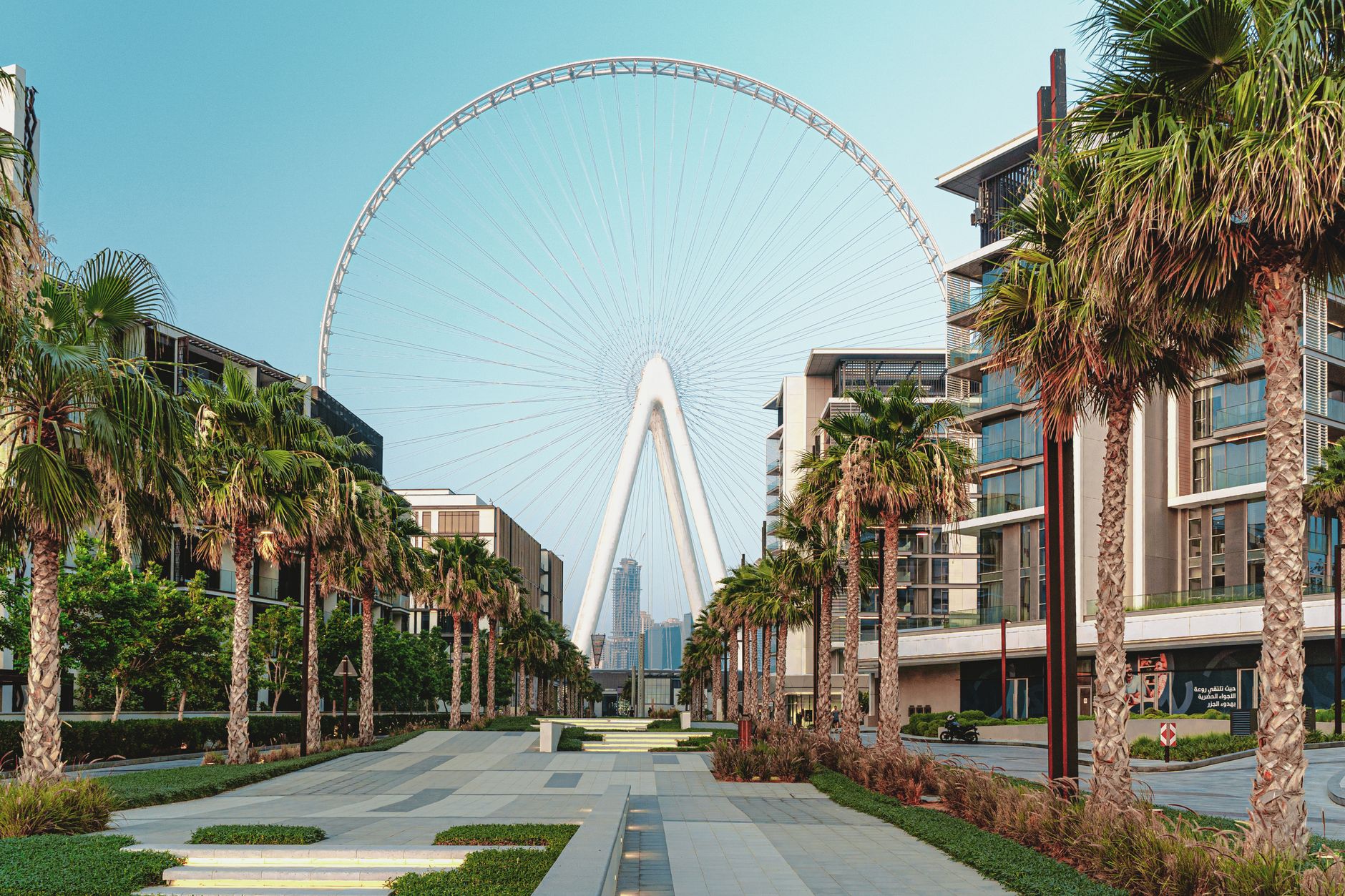
For a break from concrete and glass, you don’t have to drive all the way to the desert. There’s a massive, protected wetland reserve sitting right at the edge of the city limits.

What to Eat: Real Emirati Flavors
Dubai’s food scene is famous for Michelin stars and gold-leaf steaks, but the real culinary magic is found in the traditional dishes. Emirati cuisine is heavily influenced by ancient trade routes, combining local ingredients with spices from India and the Middle East.


Scams, Hustles, and Legal Traps
Dubai is incredibly safe when it comes to violent crime, but it’s not free of opportunists. Street level hustlers and strict local laws can quickly turn a dream vacation into an expensive nightmare if you aren’t paying attention.
The Fake Perfume & Designer Goods Hustle
Around the Deira Gold and Spice Souks, aggressive street touts will approach you offering “high-quality replicas” or “discounted luxury perfumes.” They will try to lead you down quiet alleyways to hidden apartments or backrooms. Politely but firmly say “No, thank you” and keep walking—these counterfeit goods often contain unregulated chemicals, and you risk being pressured into a sale in an isolated space.
The Mixed Karat Confidence Trick
In the Deira Gold Souk, independent street sellers target tourists buying in cash, offering jewelry stamped with “916” (22-karat) that is actually 18-karat or lower. Always buy gold from established, licensed shops displaying the Dubai Gold and Jewellery Group membership certificate. Request an official invoice, verify the hallmark, and ask for an acid test in front of you before handing over any money.
Unlicensed “Gypsy” Taxis
At Dubai International Airport (DXB) arrivals and major malls, drivers in unmarked luxury cars will approach you offering a “flat rate” ride. These always end up costing double or triple the metered rate. Ignore them completely and head directly to the official, clearly marked RTA taxi ranks where cream-colored cars with colored roofs use strict meters.
You also need to watch out for the unlicensed tour guide trap. If someone offers you a private tour on the street, walk away. Legitimate guides must complete a rigorous training program through the Dubai College of Tourism (DCT) costing up to AED 10,040, which requires police clearance and first aid training. The cheap street touts are unlicensed, illegal, and usually leading you straight to a high-pressure carpet shop.
The biggest trap for modern travelers, however, is digital. The UAE blocks VoIP voice and video calls (like WhatsApp, FaceTime, and Skype) at the network level. Trying to bypass this block using a VPN is highly illegal under Federal Decree-Law No. 34 of 2021, carrying potential fines between AED 500,000 and AED 2,000,000. Stick to approved alternatives like Botim, Zoom, or Microsoft Teams, which work perfectly without a VPN.
Logistics & Getting Around
Getting around Dubai doesn’t have to cost a fortune, but you do need to understand the local transit system before you step out of the airport.
How to use the Dubai Metro — step by step
Head to the metro stations at Terminal 1 or Terminal 3 at DXB airport.
Purchase a Silver Nol Card at the ticket booth for AED 25 ($6.80), which includes AED 19 of pre-loaded credit. Cash is not accepted on the trains or buses.
Tap your card at the gates to board the Red Line, which connects directly to major hubs like Downtown and Dubai Marina.
While Dubai is highly cashless and credit cards are accepted almost everywhere, you should keep AED 20 to AED 50 in cash on you. You’ll need it for small purchases, like the traditional AED 1 Abra boat crossing across Dubai Creek, which remains the best value ride in the city.
When booking accommodation, choose your neighborhood wisely. For heritage and culture, stay in Al Fahidi or Al Seef. If you want beach vibes and nightlife, choose Dubai Marina or Jumeirah. If central access to major sights is your priority, stick to Downtown Dubai.
Keep in mind that all hotels and holiday homes charge a mandatory “Tourism Dirham” fee per room, per night. This ranges from AED 7 to AED 20 depending on the hotel’s star rating, and you must pay it directly to the hotel upon check-in or check-out. Don’t be surprised when it appears on your final bill. If you are planning to explore beyond Dubai, our comprehensive abu dhabi travel guide will help you plan the perfect side trip to the UAE’s capital, while our 7-day uae itinerary is ideal for a broader road trip. For those extending their journey across the Gulf, our qatar travel guide provides everything you need to know for a seamless stopover in Doha, while our baku travel guide is perfect for those venturing further into the Caucasus.
Frequently Asked Questions
How much does it cost to go to Dubai for 5 days?
What are the visa rules for Indian citizens visiting Dubai?
How do I make WhatsApp calls in Dubai?
Is tap water safe to drink in Dubai?
Stay Connected Without the Airport Queues
When you land at DXB, you’ll see massive crowds lining up at local telecom kiosks to buy physical SIM cards, which cost anywhere from AED 49 to AED 150 ($13–40). You can bypass this entire headache by setting up your connectivity before you even pack your bags. Grab a UAE eSIM from Galactic Roam to get instant, high-speed 4G and 5G data the second your plane touches the tarmac, keeping you connected to local maps and ride-sharing apps without the airport markup.