

Switzerland in 2026: How to Plan the Ultimate Scenic Alpine Itinerary
Switzerland hosted exactly 25.1 million overnight stays during its record-shattering 2025 summer season. If you think that means 2026 will be an overcrowded nightmare, you’re looking at the wrong data. I’ve spent years navigating these mountain passes, and this year’s stabilization means you can finally breathe. This Switzerland travel guide is your blueprint to bypassing the tour-bus crowds and finding the country’s actual soul.
Let’s get into how to actually pull this off without draining your life savings. If you are planning to extend your journey into the neighboring Eastern Alps, be sure to check out our austria itinerary for the perfect multi-country route. Alternatively, if you prefer dramatic volcanic landscapes over green alpine peaks, our iceland road trip itinerary offers another unforgettable bucket-list journey.
Quick Facts — Switzerland
Swiss Franc (CHF)
German, French, Italian, Romansh
Central European Time (CET)
Type J (unique hexagonal shape)
June to September, December to March
Schengen rules apply (90 days visa-free)
Key Takeaways
- Best time to visit: June to September for hiking, January to March for skiing.
- Budget needed: CHF 150–250 per day if you’re smart; much more if you eat out daily.
- Must book ahead: Panoramic trains like the Glacier Express and high-altitude mountain huts.
- Getting around: The Swiss Travel Pass covers trains, buses, boats, and 500+ museums.
The Alpine Heavyweights: What to See and Do
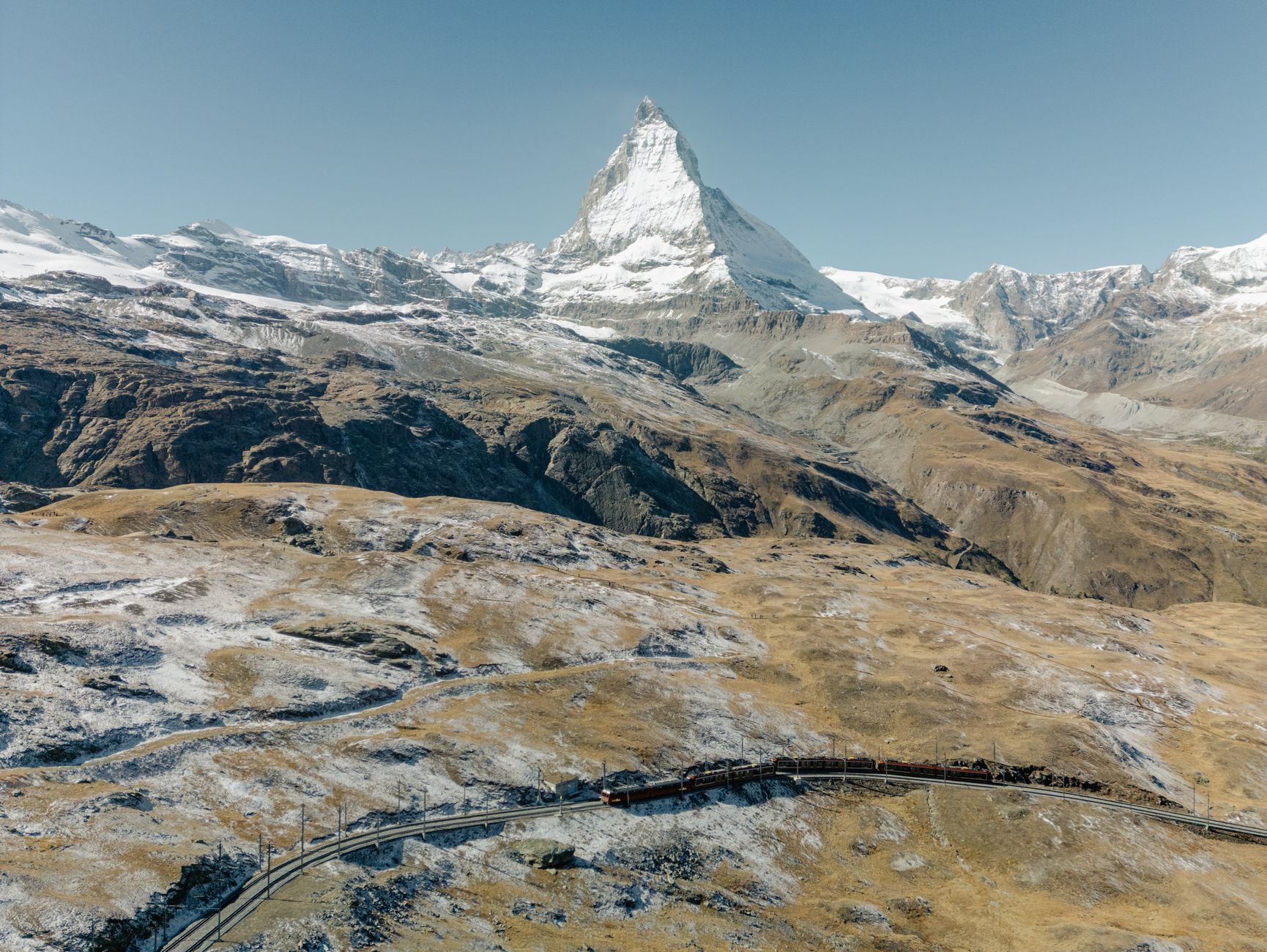
Everyone goes to Zermatt to see the Matterhorn, which means you’ll be fighting selfie sticks the moment you step off the train. But there’s a smart way to do Gornergrat that most tourists completely miss. The cogwheel train takes you up to 3,089 meters, offering a 360-degree view of 29 peaks over 4,000 meters and the massive Gorner Glacier.
If you want dramatic ridge walks without the Zermatt price tag, head to Schwyz. The Stoos Ridge features the world’s steepest funicular railway, boasting a mind-bending 110% gradient. It deposits you in a car-free alpine village before you tackle the spectacular ridge hike to Fronalpstock.

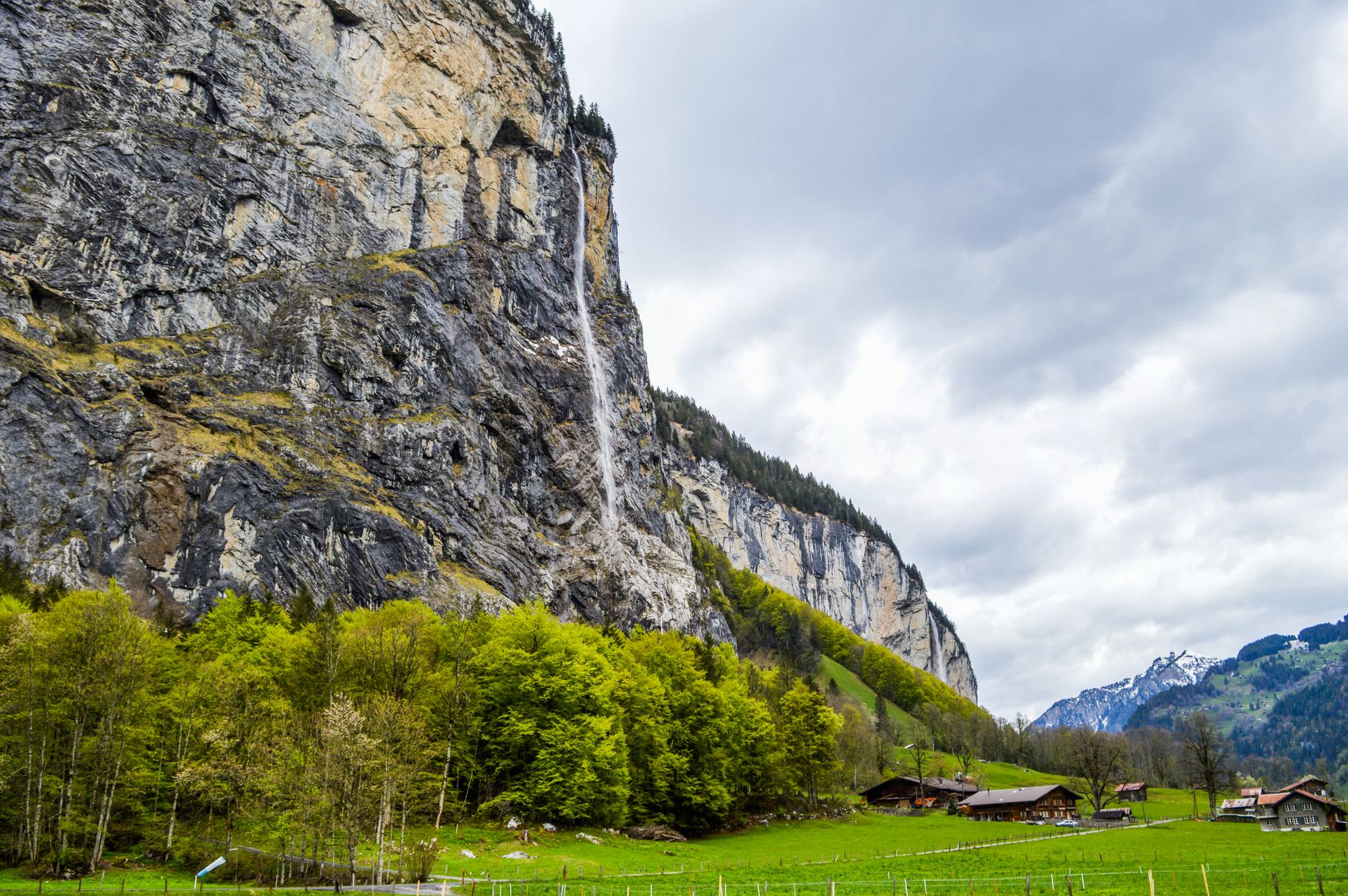
Lauterbrunnen is famous for its 72 waterfalls, but the best one is completely invisible from the valley floor. Trümmelbach Falls is a series of 10 thundering glacial waterfalls hidden entirely inside a mountain. It carries up to 20,000 liters of water per second, and the noise inside is deafening.
What to Eat: Alpine Comfort and Culinary Rules
Swiss food is designed to keep you alive during a freezing winter on a mountain, which means plenty of cheese, potatoes, and carbs. But there are strict rules to eating here, and breaking them will earn you some serious side-eye from the locals.


“Only about 1% to 2% of Switzerland’s wine yield is ever exported. The Swiss consume almost all of it domestically, so drink it while you’re here—you won’t find it back home.”
Logistics: How to Navigate Like a Local
Switzerland runs like clockwork, but only if you know how to read the gears. If you show up expecting to wing it, you’ll end up paying double for everything from train tickets to hotel taxes.
To save money on individual journeys, download the SBB Mobile app. You can purchase “Supersaver” tickets for up to 60% off standard fares during non-peak hours. Just remember that these tickets bind you to a specific train and time—miss it, and your ticket is worthless paper.
When the bill arrives at a restaurant, don’t calculate a 15% or 20% tip. Tipping has been legally included in Swiss bills since 1974. Instead, use the “Stimmt So” rule: simply round up to the nearest CHF 5 or 10 for good service (a CHF 47 bill becomes CHF 50) and tell the waiter “Stimmt so” as you hand over the cash.
Also, prepare for the Kurtaxe (Tourist Tax). Most municipalities charge a local visitor tax of CHF 2 to CHF 7 per adult per night, added directly to your final hotel bill. If you’re staying in Lucerne, note that this fee is doubling from CHF 0.50 to CHF 1.10 starting in 2026.
Safety: The Scams You Don’t Expect in a Safe Country
Switzerland is incredibly safe, but its high-wealth reputation makes it a goldmine for highly organized, professional thieves. They don’t look like typical pickpockets; they wear designer clothes and blend in perfectly with business travelers.
Lobby Distraction Theft
Where: Busy hotel lobbies in Lucerne, Geneva, and Zurich. Thieves pose as fellow travelers in groups of 3-4 to distract you while you check in or sort out room keys, swiping your bags from the floor. Keep your passport and wallet in a secure zipped inner pocket.
Organized Bag Snatching
Where: Zurich Hauptbahnhof and Geneva Cornavin Station during rush hours. Never leave bags unattended on luggage racks or on the floor next to your seat while waiting. Keep your backpack on your front or loop a strap around your leg.
Unofficial Airport Cabs
Where: Zurich and Geneva Airports. Avoid drivers who approach you inside the arrivals terminal. Only use official taxi ranks outside or pre-booked rideshares, and always confirm the meter is running before the car moves.
Frequently Asked Questions
What plug adapter do I need for Switzerland?
Is tap water safe to drink in Switzerland?
Do I need to tip at Swiss restaurants?
How do I get cheap train tickets in Switzerland?
Staying Connected in the Alps
Switzerland has exceptional 4G and 5G coverage nationwide, extending seamlessly into remote alpine valleys, train tunnels, and high-altitude mountain peaks. Public WiFi is fast and reliable in hotels, cafes, and train stations, but there is a catch: many public networks require SMS registration with a valid phone number to receive a verification code. If your home SIM is deactivated, you’ll be locked out of the network.
Buying a local physical SIM card at airport kiosks will cost you anywhere from CHF 19.90 to CHF 40 ($22–$45 USD) for starter packs, with daily unlimited data add-ons running around CHF 1.99 to CHF 2.50 per day. More importantly, remember that Switzerland is not part of the EU. Your standard EU roaming packages do not automatically cover data here, which leads to massive, eye-watering roaming bill shocks if you forget to turn off data roaming.
To avoid the hassle of local kiosks and registration forms, the easiest option is to set up a Switzerland eSIM before you land. It gives you instant access to the local network the second your plane touches down, meaning you can pull up your digital Swiss Travel Pass and SBB app without hunting for public WiFi. Grab a Switzerland eSIM from Galactic Roam, install it in under two minutes, and spend your time looking at the mountains instead of a phone screen.