

The Realistic Netherlands Travel Guide: How to Plan the Perfect Dutch Itinerary
There are 23 million bicycles in the Netherlands—outnumbering the entire human population by a clean five million. If you wander onto their red-paved lanes without a plan, you will get run down by a silent, high-speed e-bike before you can even unpack. I’ve spent years navigating these brick-paved streets, train networks, and canal paths, and this realistic Netherlands travel guide is designed to keep you from getting trampled, scammed, or stranded at a supermarket checkout.
The country hosted 52.2 million overnight guests in 2025, with international visitors making up over 22 million of that crowd. Amsterdam alone swallowed 9.5 million of those travelers. If you show up expecting a sleepy canal-side fairytale without doing your homework, you’ll spend your vacation standing in three-hour lines or getting yelled at by angry local commuters.
But you can easily avoid the worst of the crowds. It just takes a bit of strategy and some insider knowledge about how this highly digitized country actually functions. If you are planning to extend your trip to neighboring countries, be sure to read our belgium travel guide to easily combine both destinations.
Key Takeaways
- Best time to visit: Mid-April to mid-May for tulips, or late August for summer vibes—just watch out for Grand Prix crowds.
- Budget needed: €120–€200 per day depending on how many museum tickets you pre-book.
- Must book ahead: Van Gogh Museum and Anne Frank House. Seriously, book these months in advance or you won’t get in.
- Getting around: Tap in and out with your contactless debit card or phone using OVpay. No paper tickets needed.
Quick Facts — Netherlands
Euro (€)
Dutch (English is spoken universally)
Central European Time (GMT+1)
Type C and F
April to September
Schengen rules apply (90 days visa-free for US/UK/CA)
When to Go: Timing the Tulips and the Tracks
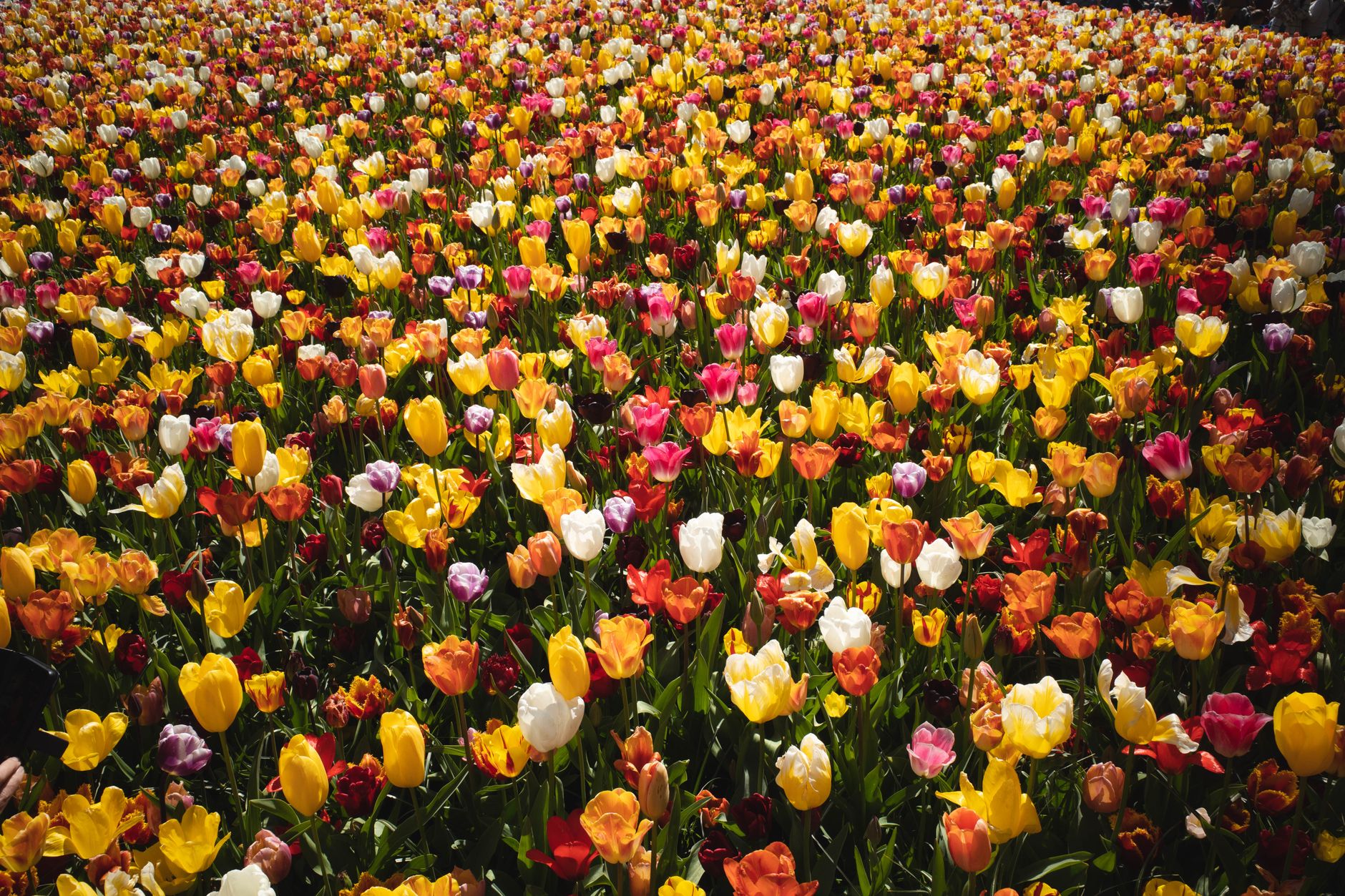
Timing is everything here. If you arrive in late April, you’ll hit peak tulip season, which means beautiful fields but also astronomical hotel rates. If you’re planning a trip around August 2026, you need to be highly strategic.
The Formula 1 Dutch Grand Prix is hitting Zandvoort on August 21, 2026. This massive event floods the coastal region and Amsterdam with hundreds of thousands of race fans. If you aren’t there for the cars, avoid this weekend entirely—hotel prices skyrocket and trains to the coast are packed to the brim.
For a quieter trip, aim for the shoulder months of June or September. The weather is usually warm enough for canal-side beers, but you won’t have to fight through walls of tour groups to cross a bridge. If you are visiting in October for the world’s largest electronic music festival, our amsterdam dance event guide will help you navigate the massive crowds and venues.
Getting Around: Navigating the Great OVpay Revolution
The way you pay for public transport in the Netherlands has changed completely. The old paper tickets and plastic OV-chipkaarts are being phased out entirely by the end of 2027. The country has fully transitioned to OVpay, a nationwide contactless open-loop payment system.
This means you don’t need to buy a physical transit card or waste €7.50 on a non-refundable plastic card. You simply tap your contactless debit card, credit card, or smartphone on the yellow card readers when boarding and exiting. It works across all trains, buses, trams, and metros nationwide.
How to use OVpay — step by step
Ensure your mobile wallet (Apple Pay or Google Wallet) is linked to a card accepted by the system.
Hold your card or phone against the reader at the station gate or inside the bus/tram. Wait for the green light and beep.
You must use the exact same card or device to tap out when you exit. If you tap in with your phone and tap out with your physical card, you will be double-charged maximum default fares (usually €20 for trains).
Three Dutch Destinations Actually Worth Your Time
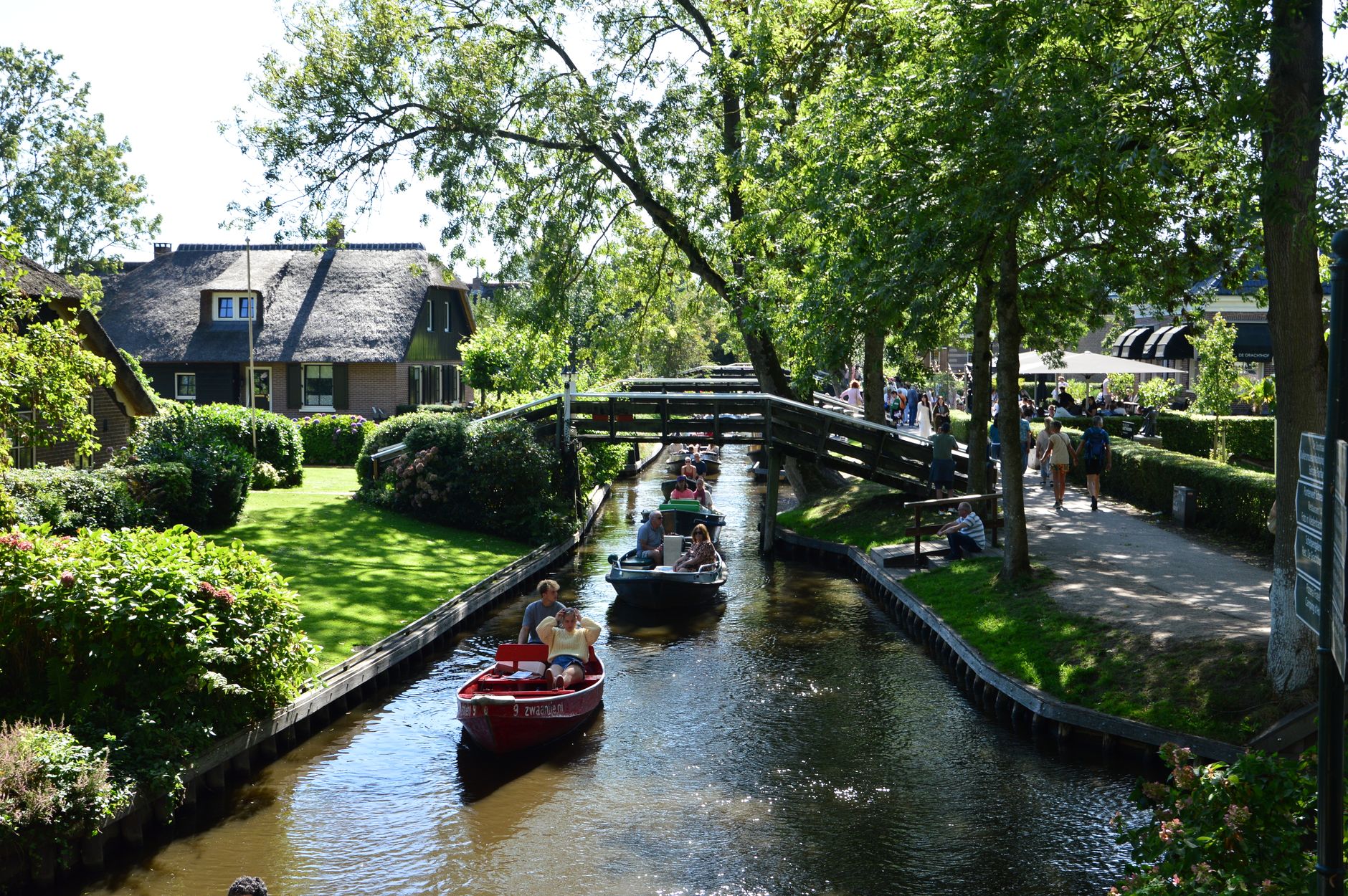
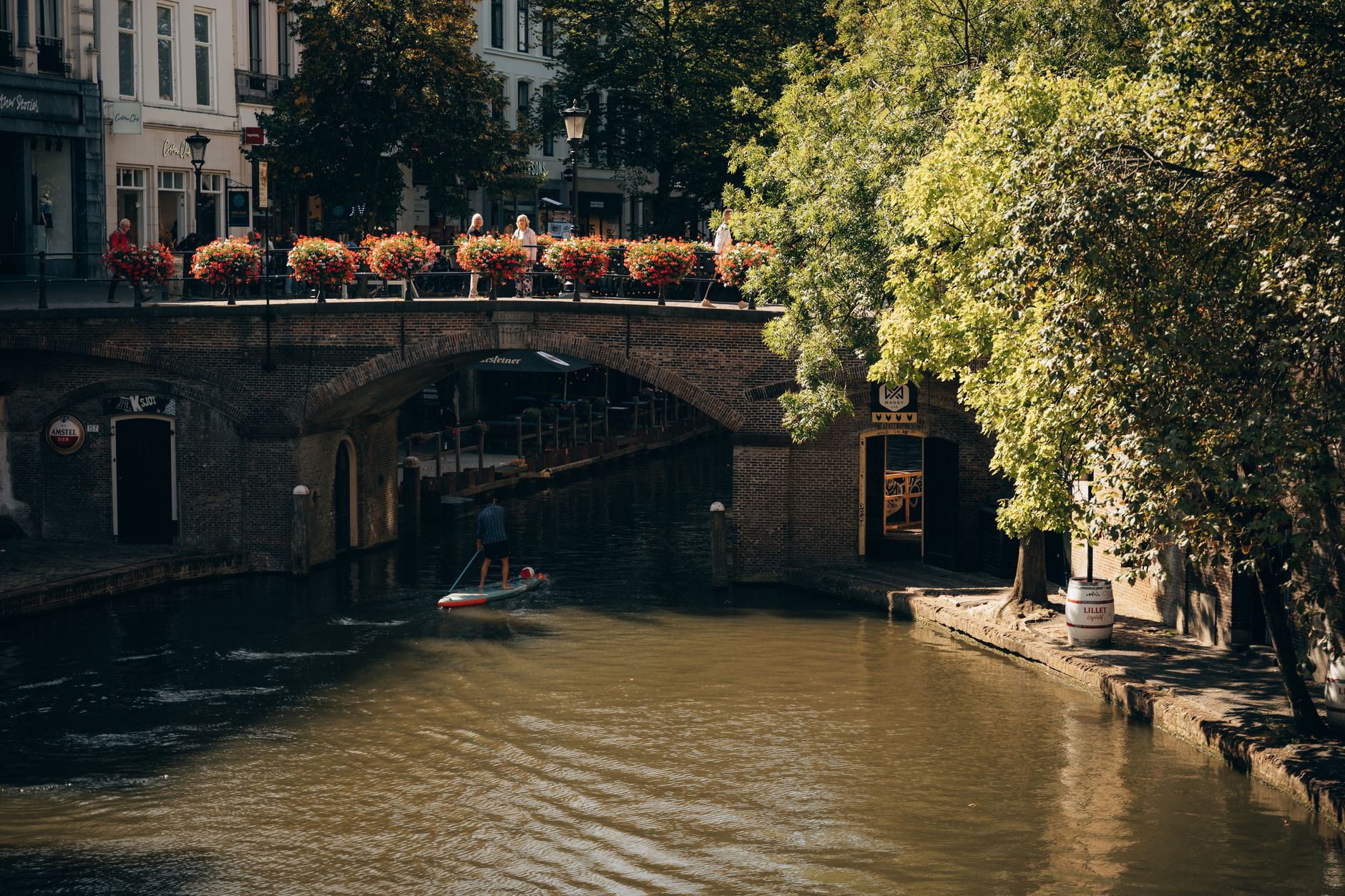
Most travelers land in Amsterdam and never leave. That’s a mistake. The real charm of the Netherlands lies in the smaller cities and carefully preserved countryside, provided you know when to visit them.
What to Eat: Skip the Tourist Shops, Find the Griddle
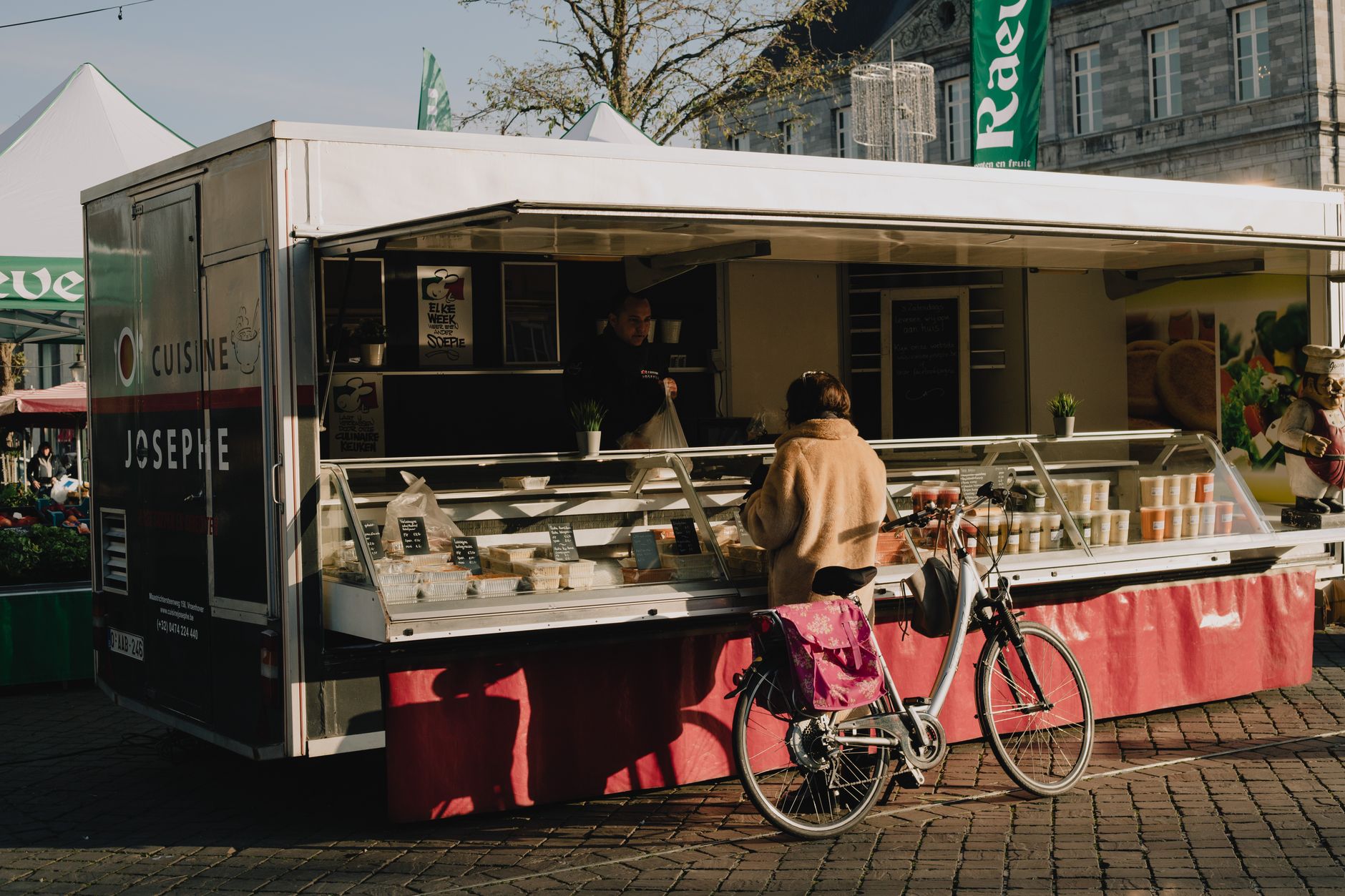
Dutch food is often unfairly maligned as bland. But if you know what to order and where to buy it, you’ll eat incredibly well. Avoid any shop with a giant plastic waffle hanging outside—they sell stale, overpriced junk to tourists.


Logistics: The Albert Heijn Credit Card Trap
The Netherlands is a highly cashless society. You can go weeks without seeing a physical coin. But there’s a massive catch that catches out thousands of travelers every single day.
Many major Dutch retailers, including the largest supermarket chain Albert Heijn, historically did not accept standard foreign Visa or Mastercard credit cards. They only accepted Maestro or V-Pay debit cards. While they are slowly transitioning to Debit Mastercard and Visa Debit, older terminals still reject standard foreign credit cards.
To avoid standing at a checkout with a pile of groceries you can’t pay for, always carry a backup debit card (not credit) or keep €20 to €50 in cash. Note that €100 bills are widely rejected, so stick to small bills.
When it comes to tipping, it’s not mandatory. Service charges and VAT are legally included in your bill. However, for good service in restaurants, it’s customary to round up the bill to the nearest €5 or €10, or leave a 5% to 10% tip. Just tell the waiter the total amount you want to pay when they bring the card terminal.
Safety: Scams and Pitfalls to Watch Out For
The Netherlands is generally very safe, but its popularity makes it a prime target for opportunistic scammers. If you know what to look for, you can easily avoid these traps.
The ‘Fake Police’ Scam
Near ATMs and busy tourist hubs like Dam Square and Amsterdam Centraal, scammers dressed in plain clothes or fake uniforms approach tourists, claiming to be ‘tourist police’ investigating counterfeit currency. They demand to inspect your wallet. Real Dutch police will never ask to inspect your cash or credit cards on the street. Never hand over your wallet; insist on walking to the nearest official police station.
Walking on the Bike Lane (Fietspad)
Bike lanes are paved in red or purple asphalt or marked with white bicycle icons. Walking on them is highly dangerous; cyclists travel at high speeds (often on heavy e-bikes) and will not stop for pedestrians. They will ring their bells aggressively or collide with you. Always stay on the sidewalk (trottoir) and look both ways before crossing a red path.
Street Drug Dealers & Fake Products
In the Red Light District (De Wallen) alleys at night, aggressive street dealers will whisper offers of ‘cocaine,’ ‘ecstasy,’ or ‘marijuana.’ The products they sell are almost always fake (like crushed aspirin or baking soda) or laced with dangerous chemicals. Buying from them is illegal and highly unsafe. If you wish to consume cannabis, only purchase from licensed ‘coffeeshops.’
Frequently Asked Questions
How do I pay for public transport in the Netherlands?
Do shops in the Netherlands accept foreign credit cards?
Is it safe to hire a local tour guide in Amsterdam?
How do I avoid getting hit by a bicycle?
Staying Connected on the Go
The Netherlands has exceptional 4G and 5G coverage nationwide, consistently ranking among the top countries globally for mobile internet speeds. Free, fast, and secure WiFi is ubiquitous in hotels, cafes, and public spaces, and there are no major VPN blocks or app restrictions to worry about.
If you want to buy a local prepaid physical SIM card, it’ll cost you between €10.00 and €20.00 for 5GB to 15GB of data at a telecom shop in any city center. But if you want to avoid queuing at a shop and have your data working the second you step off the plane, getting a Netherlands eSIM before you leave home is the easiest way to stay connected.
| Feature | Local SIM | Galactic Roam eSIM |
|---|---|---|
| Cost | €10.00–€20.00 | From $8 |
| Activation | In-store registration | Instant, pre-arrival |
| Registration | Passport required | None |
| Ready on arrival | After queuing | Yes |
| Data options | Fixed local tiers | 1 GB / 3 GB / 5 GB / 10 GB |