

Austria welcomed a record 157.27 million overnight stays recently, meaning planning a smart Austria itinerary is no longer optional.
If you show up without a strategy, you’ll spend your week paying €15 for coffee and staring at the backs of tour groups.
I’ve spent years navigating Austria’s transit networks and mountain passes to figure out how to bypass the bottlenecks. This realistic 7-day guide gets you the postcard views without the headaches. If you are planning to extend your journey across the border, our czech republic travel guide will help you plan the next leg of your Central European adventure. If you are heading east instead, our hungary travel guide has everything you need to know for your next stop. For those venturing south into the Julian Alps, our slovenia travel guide offers the perfect roadmap.
Quick Facts — Austria
Euro (€)
German
Central European Time (GMT+1)
Type C and F
May to September, or December
Schengen rules apply
Key Takeaways
- Best time to visit: Shoulder season (May or September) offers mild weather and half the crowds.
- Budget needed: €120–€200 per day, depending on your dining choices.
- Must book ahead: Vienna State Opera standing tickets and early-bird ÖBB train fares.
- Getting around: Use the highly efficient national rail network; skip the rental car entirely.
The Perfect 7-Day Austria Itinerary
- Days 1–3Vienna: Imperial History and Coffee Culture
Explore the grand palaces, catch a world-class opera performance, and master the art of slow-paced coffee house culture. Use the ultra-reliable subway system to get around.
- Days 4–5Salzburg: Baroque Streets and Alpine Backdrops
Take a high-speed train west to the home of Mozart. Walk the historic Altstadt, visit the fortress, and escape the crowds in hidden palace gardens.
- Day 6Hallstatt: The Postcard Alpine Village
Take an early morning train and ferry connection to this lakeside village. Walk the upper paths to escape the midday tour buses before returning to Salzburg.
- Day 7Vienna: Final Bites and Departure
Head back to the capital for some last-minute museum visits and a proper sausage stand lunch before catching your flight home.
Vienna: Palaces, Opera, and Transit Hacks
Vienna is a city that runs like clockwork. The public transport system operates with a 96.8% punctuality rate, which means you can ditch any plans of hiring a taxi. If you are visiting during the winter season, our vienna christmas markets guide will help you navigate the city’s best holiday stalls.
When you land at Vienna Airport, ignore the aggressive green signs for the City Airport Train (CAT). It costs €14.90 one-way and is a total tourist trap. Instead, take the S-Bahn S7 train or an ÖBB Railjet to Wien Mitte or Hauptbahnhof for just €4.40. It takes barely nine minutes longer and saves you enough for a decent lunch.

Spend your second day exploring the Innere Stadt on foot. But keep your wits about you near Stephansplatz. If you see people dressed in 18th-century wigs and waistcoats, walk right past them.
“The costumed ‘Mozart’ ticket sellers outside the cathedral sell highly marked-up, low-quality concerts in minor hotel basements — buy directly from official box offices instead.”
Salzburg and Hallstatt: Alpine Escapes
To get to Salzburg, you’ll travel 295 to 311 kilometers west. The fastest ÖBB Railjet express trains complete this journey in exactly 2 hours and 22 minutes.
Do not buy your train tickets on the day of travel at the station. Book ÖBB ‘Sparschiene’ (early-bird) tickets 15 to 180 days in advance to save up to 70%. Alternatively, use the private operator Westbahn, which often has cheaper last-minute tickets and allows you to buy directly on board without a penalty.

On day six, it’s time for Hallstatt. This tiny village of only 700 residents receives up to 20,000 visitors per day during peak season.
Because of this, timing is everything. If you arrive at noon, you will be swamped by tour groups and selfie sticks.

What to Eat (and Where to Find the Real Deal)
Austrian food is hearty, heavy, and unpretentious. But tourist-trap restaurants will happily charge you €30 for a dry, pre-frozen cutlet.
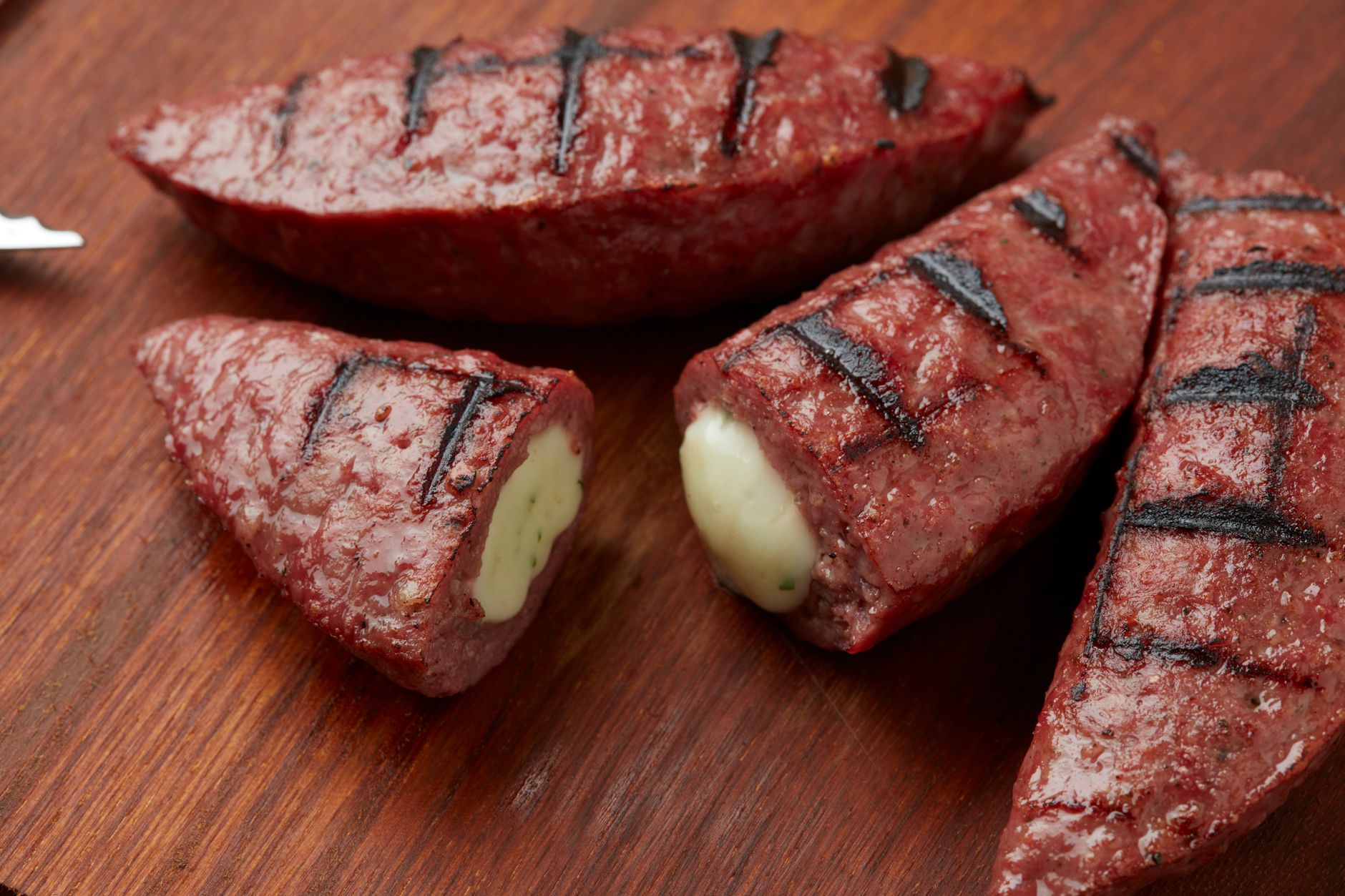
Skip the high-end hotel dining rooms. The best food in Austria is found in neighborhood taverns (Beisln) and street-side sausage stands.


Safety and Scams to Avoid
Austria is incredibly safe, but its high visitor numbers attract opportunistic scammers. You’ll find them operating in the busiest pedestrian zones.
Deaf-Mute Charity Petition Scam
In the pedestrian zones of Vienna’s Innere Stadt and Salzburg’s Altstadt, scammers with clipboards will aggressively approach you to sign a petition. Once you sign, they will demand a cash donation of €20 or more, using the distraction to pickpocket you. Say a firm ‘No’ and keep walking.
Train Station Pickpockets
Salzburg Hauptbahnhof (especially near the Spar supermarket exit) and Vienna Westbahnhof are hotspots for luggage thieves. Keep your bags zipped and close to your body when exiting grocery stores or boarding trains.
Also, keep the local culture in mind. Around 87% of Austrian business professionals consider a person ‘late’ if they arrive more than 5 minutes after the scheduled time. If you book a tour or a table, do not be late.
Logistics: Cash, Cards, and Connectivity
While cards are widely accepted, cash is still highly preferred in traditional Viennese cafes, sausage stands, and mountain huts. Always keep some coins on you.
When tipping, do not leave money on the table. Instead, round up the bill by 5–10% and tell the waiter the total amount you want to pay. If the bill is €18, hand them a €20 note and say “Stimmt so” (keep the change).
Getting online can also be a bit of a headache. Local SIM cards cost €9.90 to €15 for starter packs, but Austrian law requires mandatory identity registration against a valid passport at the point of sale. Anonymous SIMs are completely illegal here.
| Feature | Local Austrian SIM | Galactic Roam eSIM |
|---|---|---|
| Cost | €9.90 – €30 | From $8 |
| Activation | In-store queue | Instant, pre-arrival |
| Passport Registration | Mandatory | None |
| Ready on arrival | No | Yes |
| Network Quality | A1 / Magenta | A1 / Magenta (5G) |
Frequently asked questions about visiting Austria
How do I get from Vienna airport to the city center?
Is Hallstatt worth a day trip?
Do I need cash in Austria?
How early should I book trains in Austria?
To keep your maps loading and train tickets booking without hunting down a mobile shop and handing over your passport, grab an Austria eSIM before you fly. It connects automatically to the strongest local networks like A1 or Magenta Telekom as soon as you touch down, leaving you free to enjoy your trip without the digital red tape.