

On December 3, 2026, a Japanese railway will physically disconnect its power lines to let six 20-ton wooden floats pass. This is the wild climax of the Chichibu Night Festival, a winter spectacle that draws over 200,000 visitors to a freezing mountain town. I’ve braved the sub-zero crowds to bring you this practical Chichibu Night Festival guide, so you don’t end up stranded, freezing, or cashless. Here is how to survive the chaos and actually enjoy it.
The Main Event: Chichibu Shrine and Dango-zaka
Chichibu Shrine is the spiritual anchor of the entire festival. This 2,000-year-old shrine houses gorgeous Edo-period wood carvings, including the famous “Bound Dragon” by Hidari Jingoro. The floats stage here before the madness begins.
If you want to see the floats up close without getting crushed, arrive at the shrine by 16:30 on December 3rd. Walk the Banba-machi approach, grab some photos, and get out. After 17:30, the crowd density turns this street into a slow-moving human wall.
The real action happens at Dango-zaka, a steep 10-degree hill. This is where teams of over 100 pullers drag the massive 20-ton floats up the slope to the Otabisho (temporary shrine) using nothing but ropes and brute force. The air vibrates with the frantic, heavy beat of taiko drums.
Do not try to stand near Dango-zaka or the Otabisho without a pre-booked ticket. The city completely blocks access to these areas from 17:30 to 22:30. Instead, stake out a spot at the Honmachi intersection or head down to the National Route 140 riverbed for the best free views.
The Winter Fireworks
Most Japanese fireworks festivals happen in the humid summer. Chichibu bucks the trend with a spectacular, hours-long winter display that runs from 19:30 to 22:00 on December 3rd. The crisp, cold winter air makes the colors look incredibly sharp.
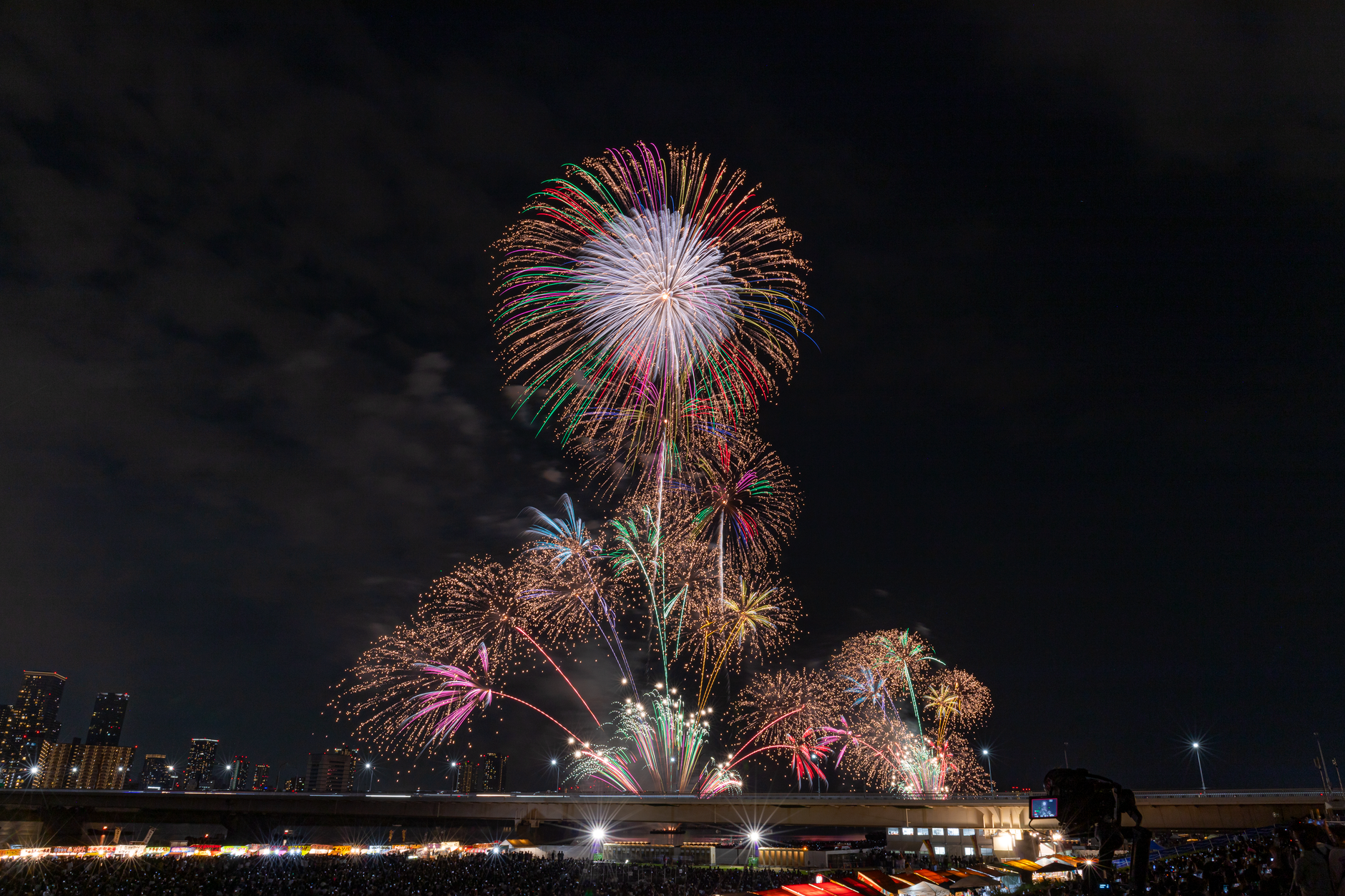
The fireworks launch from Hitsujiyama Park. The park itself is closed to the general public during the launch, so do not bother walking up there.
Your best bet for an uncrowded view is to walk about 400 meters south of the city center to the National Route 140 riverbed. Alternatively, hike up to the Chichibu Muse Park observation deck if you want a panoramic view of the valley.
What to Eat: Chichibu’s Street Food Playbook
You cannot survive a freezing Japanese winter night on an empty stomach. Skip the generic convenience store rice balls and hunt down these local specialties instead.
- Waraji Katsudon: Two massive, thinly pounded pork cutlets deep-fried and dipped in a sweet-savory soy glaze, served over rice. They are called “waraji” because they are literally the size of traditional straw sandals. Get them at Yasuda-ya, a 15-minute walk from Seibu-Chichibu Station, for about ¥1,200.
- Miso Potato: The ultimate Chichibu comfort food. These are thick, deep-fried potato chunks on a skewer, drizzled with a thick, sweet miso sauce. You will find them at street stalls (yatai) along the Banba-machi approach for ¥200 to ¥300.
- Sweet Amazake: A hot, sweet, fermented rice drink with negligible alcohol. It tastes like warm, sweet rice porridge and is the fastest way to thaw your frozen fingers. Grab a cup from the stalls near Chichibu Shrine for ¥200.
Survival Logistics: Avoid These Three Traps
Chichibu is a small mountain town, and the sheer volume of people on December 3rd pushes local infrastructure to its absolute limit. If you do not plan ahead, you will get caught in one of these traps.
The Last Train Trap
The return train crush at Seibu-Chichibu Station after the fireworks end at 22:00 is brutal. The Seibu Limited Express Laview trains (77 minutes to Tokyo) are all-reserved and sell out weeks in advance. Book your return ticket exactly one month prior at 7:00 AM JST, or plan to leave the festival by 21:00 to catch a local train.
The Chichibu Railway Power Cut
Between 19:30 and 22:30 on December 3rd, the Chichibu Railway physically cuts power to its overhead lines between Chichibu and Kagemori stations. They do this because the massive floats are too tall to pass under live wires. Do not rely on this train line during these hours; use the free replacement shuttle buses from the Chichibu Library instead.
The Cash-Only Nightmare
Almost every street food vendor is strictly cash-only. Local ATMs will have massive lines or simply run out of cash by 18:00. Withdraw at least ¥5,000 to ¥10,000 in Tokyo before you board the train, and pre-load your Suica or Pasmo card with at least ¥3,000 to bypass the ticket machine lines on the way back.
Frequently Asked Questions
What should I wear to the Chichibu Night Festival?
Chichibu is in the mountains, and December temperatures easily drop to 4°C or lower once the sun goes down. Standing still on concrete to watch floats will freeze you fast. Wear heavy winter layers, thermal underwear, thick socks, gloves, and buy disposable pocket warmers (kairo) at a convenience store before arriving.
Can I visit the festival on December 2nd instead?
Yes, but December 2nd is the “yoimiya” (eve) festival. While it is much less crowded and easier to navigate, you will only see a few floats. The main procession up Dango-zaka and the massive fireworks display only happen on the night of December 3rd.
How do I get from Tokyo to Chichibu?
The fastest route is the Seibu Limited Express Laview from Ikebukuro Station directly to Seibu-Chichibu Station. It takes 77 minutes and costs ¥1,700 one-way. You must book these seats in advance on the Seibu Railway website, especially for the return leg on December 3rd.
Stay Connected in the Crowds
With over 200,000 people packing a narrow mountain valley, local cell towers get completely overwhelmed. Public Wi-Fi at Seibu-Chichibu Station will be virtually unusable during the peak festival hours on December 3rd. Make sure you download your train timetables, ticket screenshots, and offline Google Maps before you leave Tokyo. To keep a reliable connection on the local Docomo or SoftBank networks without paying ridiculous roaming fees, grab a Japan eSIM from Galactic Roam before you head into the mountains. It installs in seconds and keeps you connected when the local Wi-Fi inevitably crashes.

