Connect Globally

Trusted by Millions

Osaka Travel Guide: The Ultimate Foodie Itinerary in Japan’s Kitchen

Osaka Travel Guide: The Ultimate Foodie Itinerary in Japan’s Kitchen

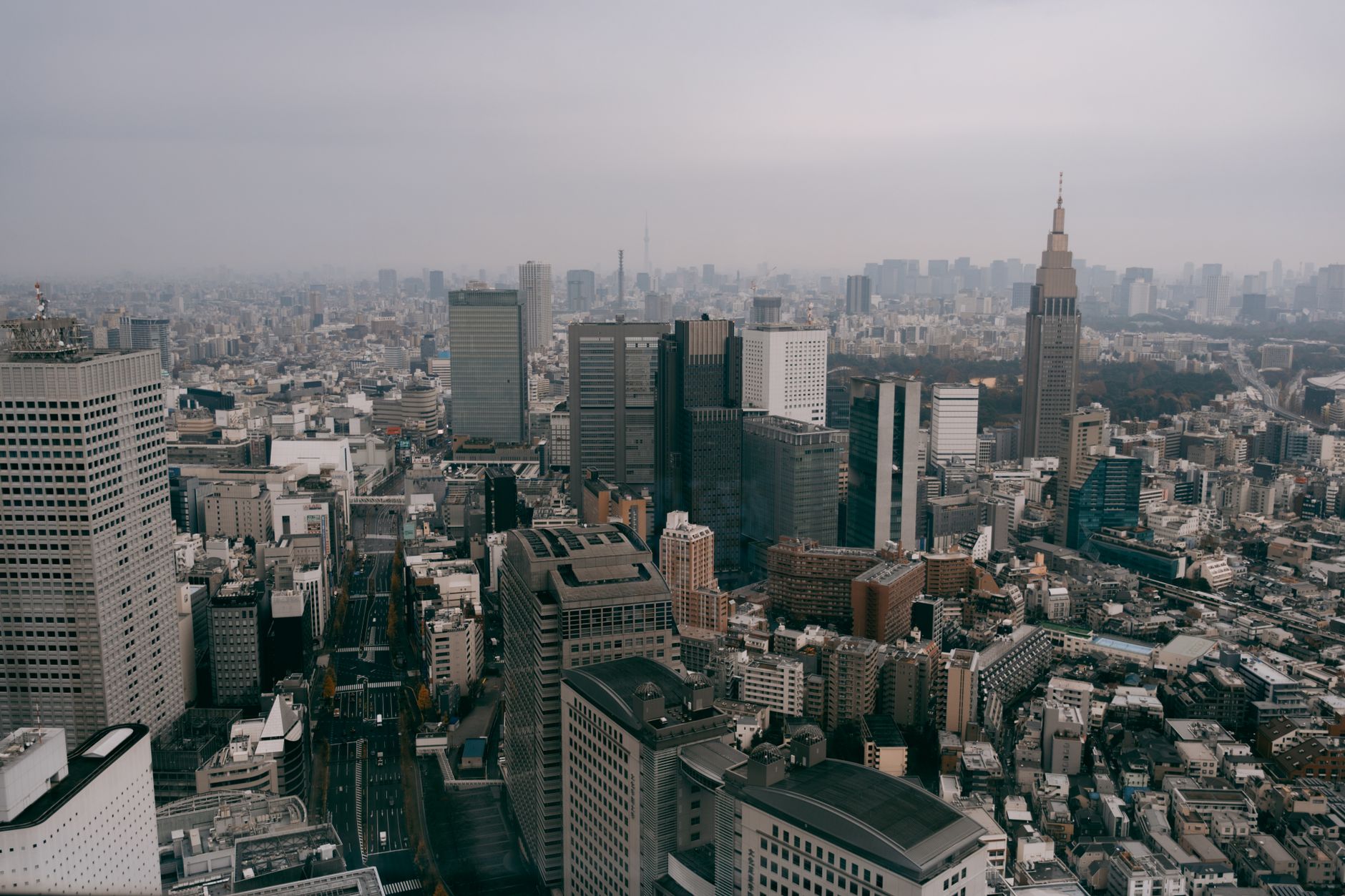
Osaka welcomed a record-breaking 17.6 million international tourists in 2025, and they’re aiming for 18 million in 2026. That means Japan’s street-food capital is about to get crowded, especially as the post-Expo legacy kicks into high gear. I’ve spent years eating my way through these neon-lit alleys to figure out which spots are genuine culinary landmarks and which are just bait for your wallet. This definitive Osaka travel guide will show you how to dodge the crowds, skip the fake reviews, and eat like a local.

Quick Facts — Osaka

Currency
Japanese Yen (JPY)
Language
Japanese (Kansai dialect)
Time zone
GMT+9
Plug type
Type A & B
Best time to visit
October to November (Autumn)
Visa
68 countries exempt (up to 90 days)
17.6M
2025 Visitors
¥580B
Q1 2026 Spend
130T
Takoishi Stone
1893
Kitsune Udon Born

Key Takeaways

  • Best time to visit: Late autumn for mild weather, or mid-August if you want to experience the high-energy Obon Festival.
  • Budget needed: ¥8,000 to ¥12,000 ($50–$80 USD) per day for mid-range dining and local transit.
  • Must book ahead: Night tickets for teamLab Botanical Garden and any high-end sushi or wagyu reservations.
  • Getting around: The subway is incredibly efficient. Buy the Enjoy Eco Card to save on daily transit costs.

Why 2026 is the Year to Visit Osaka

The post-Expo 2025 legacy makes 2026 the absolute best window to experience Osaka. The city spent years upgrading its transit infrastructure, including the Chuo Metro line extension to Yumeshima, and a wave of new luxury hotels has finally opened its doors.

If you time your visit during the Obon Festival in mid-August, you’ll catch the city at its most energetic. Yes, it’s peak travel season and the heat is intense, but the local festivals and street dances are worth the sweat.

But let’s be honest: most people don’t come to Osaka for the infrastructure. They come to eat until they drop—a local philosophy known as kuidaore.

What to Eat (and Where to Find the Real Deal)

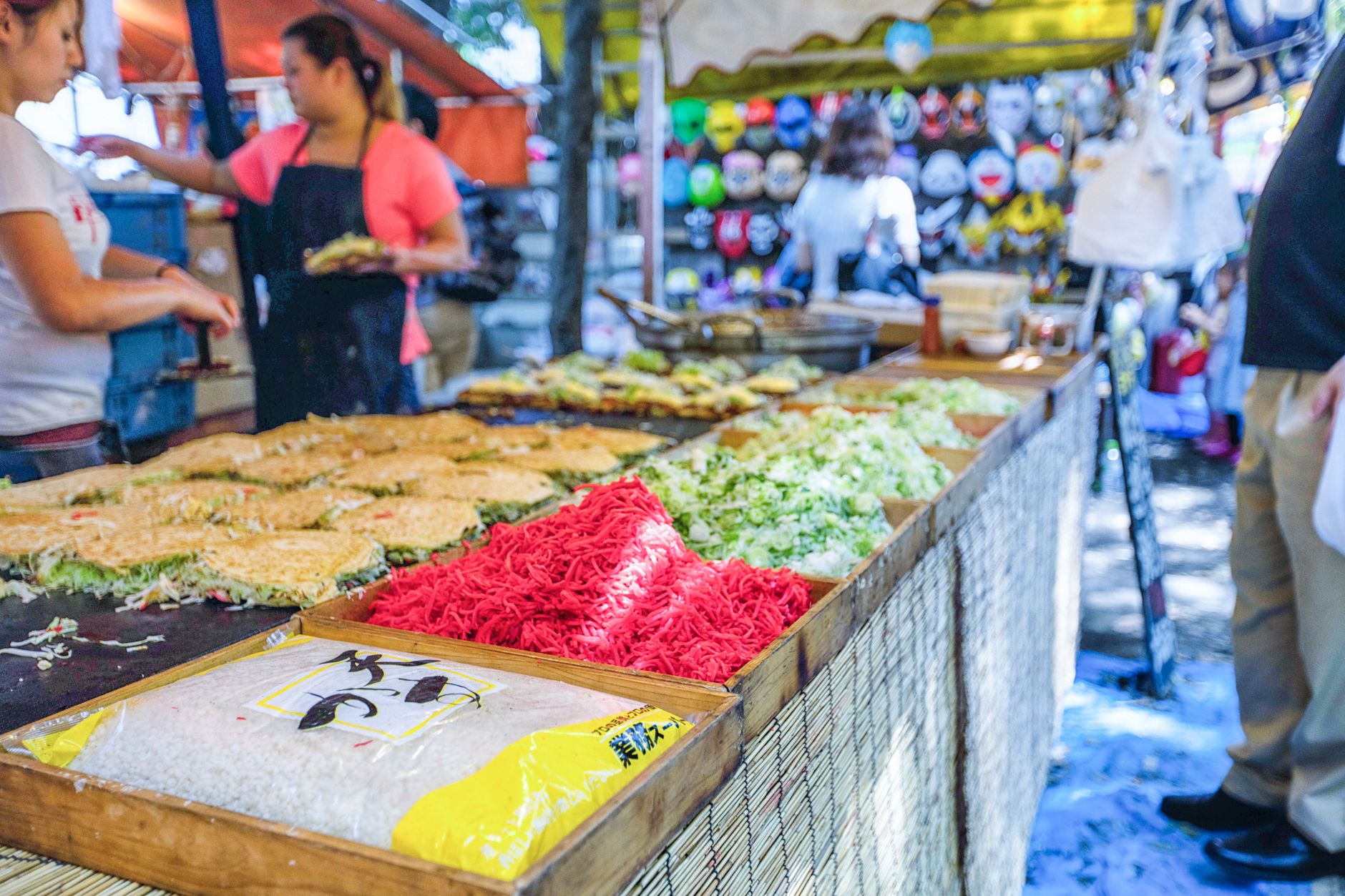
Osaka’s food scene is legendary, but popularity breeds imitation. If you just wander into the first neon-lit joint on the Dotonbori main strip, you’re likely to get overpriced, reheated food. Here’s where to find the authentic versions of Osaka’s holy trinity of comfort food.
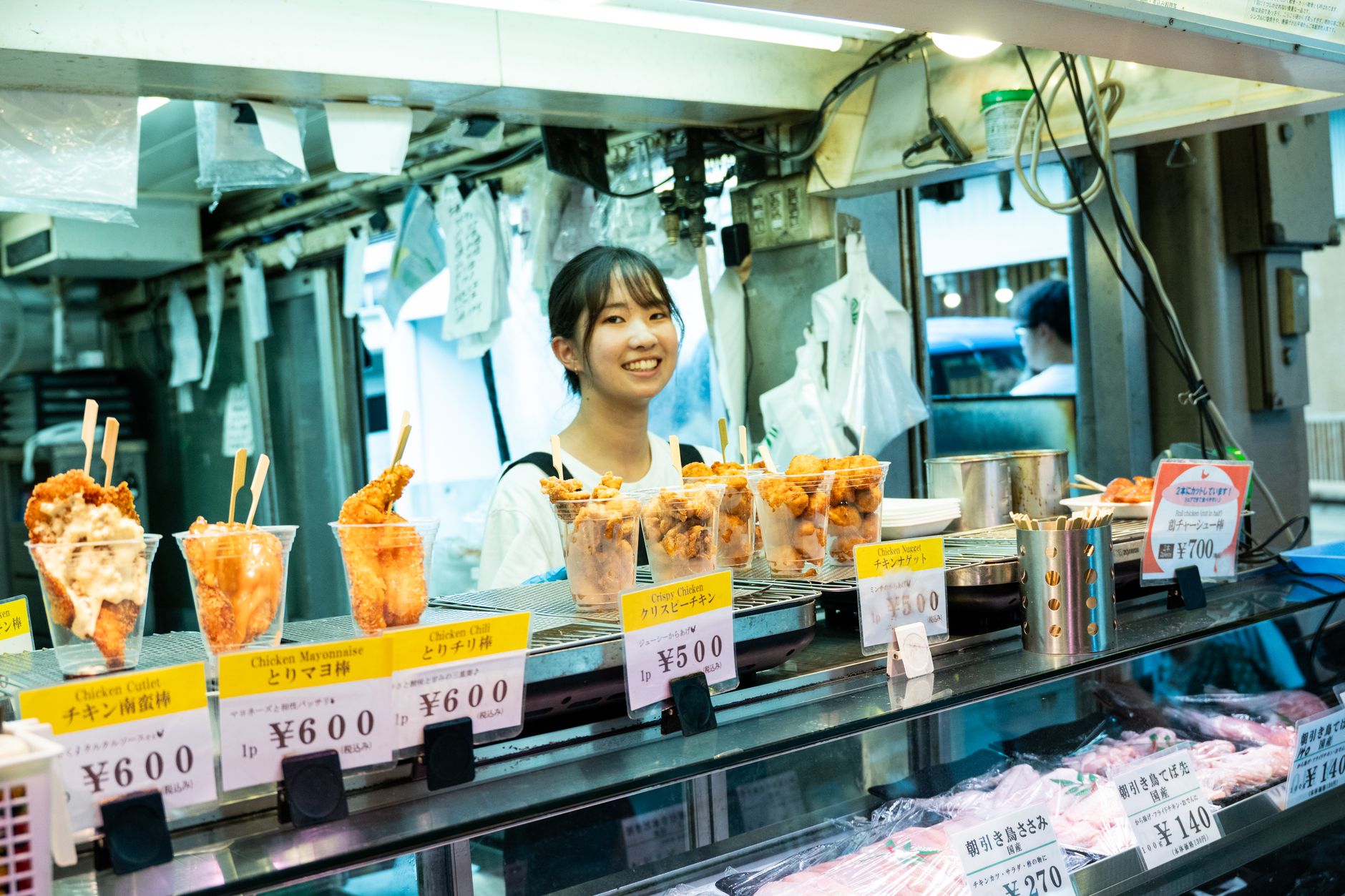
Kitsune Udon Osaka food

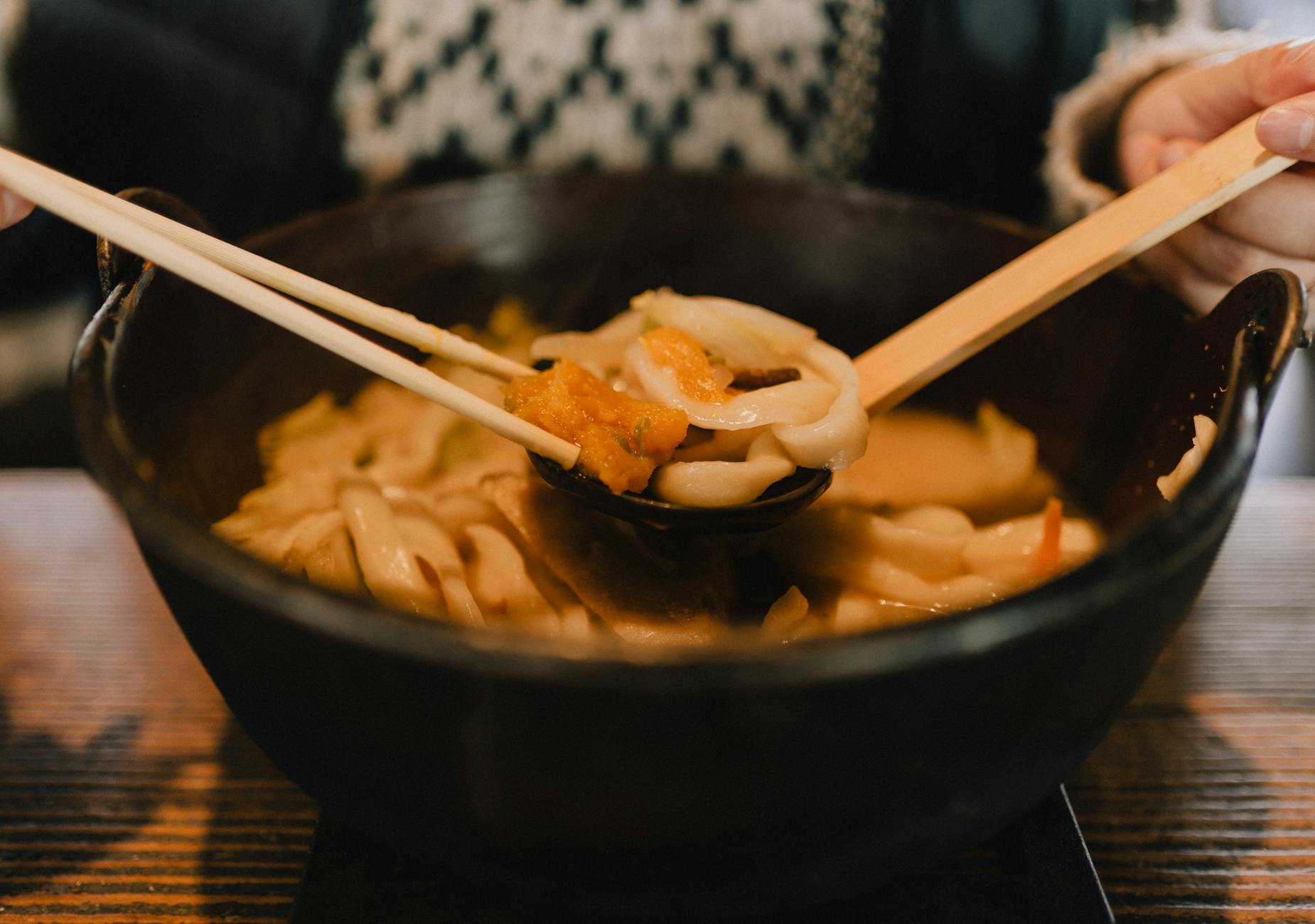
Kitsune Udon

This beloved dish was actually invented in Osaka at Usami-tei Matsubaya in 1893. They still serve it today using a light, savory dashi broth made from Rishiri kelp, topped with a thick piece of sweet fried tofu (abura-age) that’s been simmered for three days. It costs just 600 to 650 yen (~$4.00–$4.50 USD) and ruins all other udon for you.

Kushikatsu Osaka food

Kushikatsu

These deep-fried, panko-crusted skewers of meat, seafood, and vegetables are the ultimate drinking food. Head to Jan Jan Yokocho Alley in the retro Shinsekai neighborhood and look for Kushikatsu Daruma or Yaekatsu. Expect to pay 100 to 300 yen per skewer (~$0.70–$2.00 USD), and remember the golden rule: no double-dipping in the communal sauce.

Takoyaki (Sauce-Mayo Style) Osaka food

Takoyaki (Sauce-Mayo Style)

These piping-hot batter balls filled with octopus, pickled ginger, and green onions are crispy on the outside and molten on the inside. Skip the massive lines in Dotonbori and walk over to Kogaryu in Amerikamura. Grab a box of 10 pieces for 500 to 600 yen (~$3.50–$4.00 USD) and eat them in the nearby Sankaku Park.

Things to Do That Are Actually Worth the Trip

Osaka has plenty of tourist traps, but it also has experiences you can’t replicate anywhere else. Here are three attractions that genuinely live up to the hype, provided you know how to visit them properly.
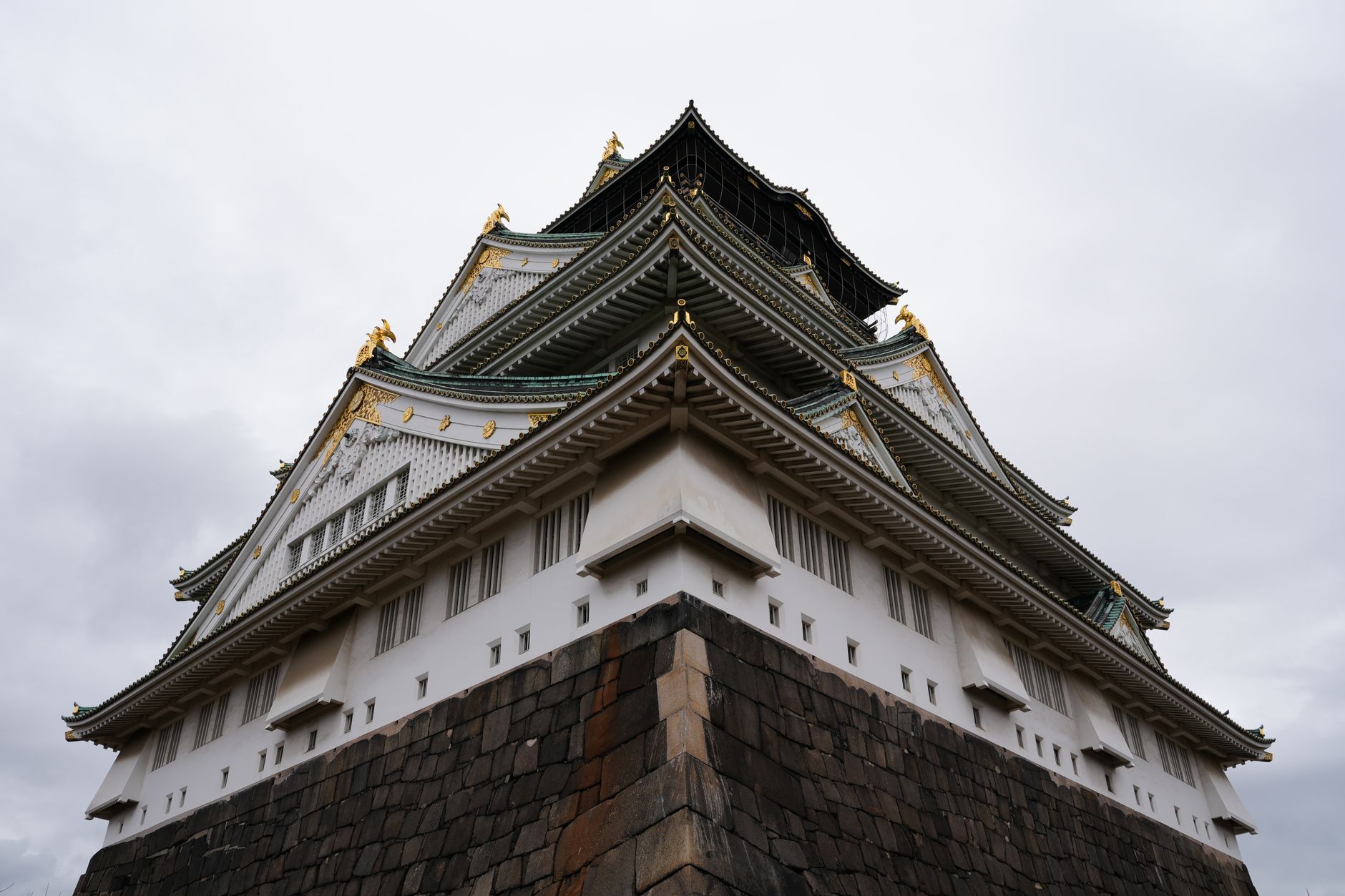
Osaka Castle's Important Cultural Property Turrets (Yagura) Osaka

Osaka Castle’s Authentic Edo-Period Turrets (Yagura)

The main keep of Osaka Castle is a 1931 concrete reconstruction complete with an elevator inside—it’s basically a modern museum and usually packed. Skip those lines. Instead, focus on the surrounding Edo-period turrets (like Inui, Tamon, and Sengan) which are authentic military structures that survived Wwii. In 2026, they have rare public openings: Inui Turret from July 18 to August 16, and Tamon/Sengan from September 5 to November 29. You can aim replica matchlock guns from the gunports and touch 400-year-old wooden beams.

While you’re exploring the castle grounds, make sure to find the “Takoishi” (Octopus Stone) near the Sakuramon Gate. It’s the largest single granite slab in the castle walls, weighing an estimated 130 tons. It’s so massive that its surface area covers 36 tatami mats.
teamLab Botanical Garden Osaka (Nagai Park) Osaka

teamLab Botanical Garden Osaka (Nagai Park)

This is an open-air, night-only digital art exhibition that transforms a living botanical garden into an interactive art space. It reacts to wind, rain, and your own movements. Insider tip: Check the exact sunset time for your date and book the very first entry slot. Arriving right at dusk lets you watch the garden transition from natural twilight to glowing digital art before the massive crowds arrive.

Sennichimae Doguyasuji Shopping Street Osaka

Sennichimae Doguyasuji Shopping Street

Known as Osaka’s “Kitchenware Street,” this 150-meter-long covered arcade is where local chefs buy their professional gear. You’ll find everything from hand-forged Sakai knives to realistic wax food models (sampuru). Avoid buying cheap souvenir knives in Dotonbori; come here instead for high-quality Japanese steel at wholesale prices, and many shops will engrave your name on the blade for free.

Safety & Tourist Traps to Avoid

Osaka is generally incredibly safe, but its nightlife districts have a few highly specific financial traps. Knowing these will save you thousands of yen and a lot of frustration.

The Bottakuri (Rip-off Bar) Scam

In Shinsaibashi and Namba, friendly street touts or attractive women will strike up a conversation and invite you to a “great local bar” upstairs. Once inside, you’re hit with a massive bill (often 40,000 to 60,000 yen) for hidden seating fees or “female accompaniment.” Never follow street touts (kyakuhiki) to any venue. If approached, firmly say “No” and keep walking—the police rarely intervene because they view it as a civil contract dispute.

Fake Google Review Restaurants

On the Dotonbori main strip, several second-floor restaurants advertising “Halal Wagyu” or “A5 Beef” manipulate their Google ratings to show 4.8 stars with thousands of reviews. They do this by offering free mochi ice cream or discounts in exchange for an immediate 5-star review on the spot. Tourists end up paying up to 60,000 yen for two people for low-quality, reheated food. Always filter Google reviews by “Lowest Rating” first to check for complaints about surprise charges or fake reviews.

Walking and Eating (Tabeloki) Faux Pas

In Kuromon Ichiba Market and Shinsaibashi-suji, walking while eating is considered highly impolite and a safety hazard in crowded areas. Always consume your food directly in front of the stall where you bought it, and return the trash to the vendor. Public trash cans are virtually non-existent in Osaka, so if you walk away with trash, you’ll be carrying it all day.

Practical Logistics & Hacks

Navigating Osaka is easy once you know the local transit shortcuts and financial quirks. Here’s how to save money and travel like an insider.

Osaka Transit & Cash Hacks — step by step

1
Take the Nankai Rap:t from the Airport
The fastest and most comfortable way to get from Kansai International Airport (KIX) to central Osaka (Namba Station) is the Nankai Rap:t Limited Express. It takes exactly 34 minutes and costs 1,450 yen (~$10 USD) for a reserved seat.
2
Buy the “Enjoy Eco Card”
Instead of buying individual subway tickets, buy the “Enjoy Eco Card” from any Osaka Metro vending machine. It costs 820 yen on weekdays and drops to 620 yen on weekends and public holidays, giving you unlimited 1-day rides on all subway lines and city buses. It breaks even after just three rides.
3
Carry Cash for Food
While major department stores and modern restaurants accept credit cards, Osaka’s best street food stalls, traditional markets, and historic eateries (like Usami-tei Matsubaya) are strictly cash-only. Always keep at least 5,000 to 10,000 yen in cash on hand.
4
Prepare for the Accommodation Tax
Osaka Prefecture levies a local lodging tax on overnight stays, collected on-site at check-in. It’s charged per person, per night: exempt under 5,000 yen, 100 yen under 15,000 yen, 200 yen under 20,000 yen, and 300 yen for 20,000 yen and above.

What is the best area to stay in Osaka?

If you want to be close to the nightlife and street food, stay in Namba or Shinsaibashi. If you prefer a quieter, more local vibe with excellent transit connections to Kyoto and Tokyo, book a hotel near Umeda or Shin-Osaka Station.

How do I avoid the crowds during the Obon Festival?

Obon brings massive domestic crowds, so you must book your Shinkansen (bullet train) tickets weeks in advance. To avoid the worst of the crowds at major sights, visit temples at sunrise and head to indoor attractions like Sennichimae Doguyasuji during the hot midday hours.

Can I pay with a credit card at Osaka street food stalls?

No, almost all street food vendors and historic shops are cash-only. Keep yen on hand. Major convenience stores like 7-Eleven have ATMs that accept international cards if you run out of cash.

What is the best way to get from Kansai Airport to central Osaka?

Use the Nankai Rap:t Limited Express. It takes 34 minutes to Namba and costs 1,450 yen. It is much faster and more comfortable than the standard local trains, especially when carrying luggage.

Staying Connected in Japan

Buying a physical prepaid SIM card at Kansai International Airport (KIX) or local electronics stores like Yodobashi Camera will run you about 4,000 to 7,000 yen ($25–$45 USD) depending on data limits. The local 4G and 5G network coverage is excellent, even deep inside underground subway stations.

One quick quirk to keep in mind: many Japanese ticketing platforms (like Lawson Ticket) and restaurant reservation systems require a Japanese phone number (+81) capable of receiving SMS verification. Data-only SIMs won’t work for those specific bookings, but they are perfect for everything else.

To avoid the airport queues and high retail prices, you can grab a Japan eSIM from Galactic Roam before you even board your flight. It installs in seconds, connects to the local high-speed networks the moment you land, and keeps you connected while you navigate the neon maze of Osaka’s culinary backstreets.

Get your Japan eSIM


Siargao Travel Guide: How to Explore the Philippines’ Tear-Shaped Island

By 2026, Siargao’s tiny airport terminal will double in size, forever changing the Philippines’ favorite surf island.

If you want to experience the raw, laid-back charm that made this place famous, you need to go now before the massive crowds arrive. I’ve spent weeks navigating the island’s dirt roads, secret surf breaks, and local food stalls to write this honest, BS-free Siargao travel guide. Here is what is actually worth your time, what is a total tourist trap, and how to survive the island’s unique quirks.

Planning your travel to Siargao? This guide highlights the top spots, local eats, and survival tips you need to know before you step off the plane.

529,822
2023 Arrivals
112,510
Q1 2025 Arrivals
1,531m²
Airport by 2026
₱30
Dapa Port Fee

Quick Facts — Siargao

Currency
Philippine Peso (PHP)
Language
English, Tagalog, Surigaonon
Time zone
GMT+8
Plug type
Type A, B, and C
Best time to visit
March to October
Visa
Free 30 days for most countries

Key Takeaways

  • Best time to visit: March to October offers the best weather, with the biggest surf swells hitting between August and October.
  • Budget needed: Plan for around ₱2,500 to ₱4,000 ($45–$70 USD) per day for mid-range food, scooter rental, and activities.
  • Must book ahead: Boutique resorts in General Luna sell out months in advance, especially during peak surf season.
  • Getting around: Renting a scooter is the cheapest option at ₱350–₱400 per day, but only if you have a valid license.

Navigating the Basics: Cash, Transit, and Arrival Fees

Sayak Airport is currently undergoing a massive expansion set for completion in 2026. The project will more than double the terminal floor area from 716 to 1,531 square meters, increasing passenger capacity from 200 to 750 to handle the rapid influx of tourists. For now, expect a crowded, hot arrival experience.

If you arrive by ferry at Dapa Port instead, be ready for a minor speed bump. Non-residents are charged a local environmental and terminal fee of ₱30 as they exit. It often catches first-time visitors off guard, so keep some small change handy in your pocket.

Cash is absolute king on this island. Most restaurants, surf shops, and local markets do not accept credit cards at all. ATMs are notorious for running out of cash, going offline during power outages, or flat-out rejecting international cards.

Important Avoid the Euronet ATMs scattered around General Luna. They charge exorbitant fees and mark up exchange rates by up to 15%. Stick to local bank ATMs like BDO or Cantilan Bank, and bring plenty of pesos from Manila or Cebu. Note that Revolut card users can generally only withdraw cash from BDO machines.

When it comes to getting to your hotel, shared air-conditioned vans from Sayak Airport to General Luna cost around ₱300–₱400 per person. If you prefer your own space, a private SUV transfer will run you about ₱2,000–₱2,500. The ride takes roughly 45 minutes to an hour along winding, palm-lined roads.

Where to Stay: General Luna vs. Pacifico

Choosing where to base yourself determines your entire island experience. The island has two main hubs, and they could not be more different.

General Luna (The Hub)

  • Dozens of world-class restaurants and cafes
  • Walking distance to Cloud 9 and nightlife
  • Easy to book tours and find surf instructors

Pacifico (The Escape)

  • Completely uncrowded, raw beaches
  • Quiet, rustic, off-the-beaten-path vibe
  • Cheaper local guesthouses and food

If you want social vibes, great food, and nightlife, stay along Tourism Road in General Luna. If you want to escape the noise, hear the ocean at night, and surf uncrowded breaks, head 1 hour north to Pacifico in San Isidro.

The Hits and the Hype: Siargao’s Top Attractions

Not every spot on the tourist map deserves your time. Here is the honest breakdown of what is actually worth the trip and how to avoid the worst of the crowds.

Cloud 9 Boardwalk & Viewing Tower Siargao
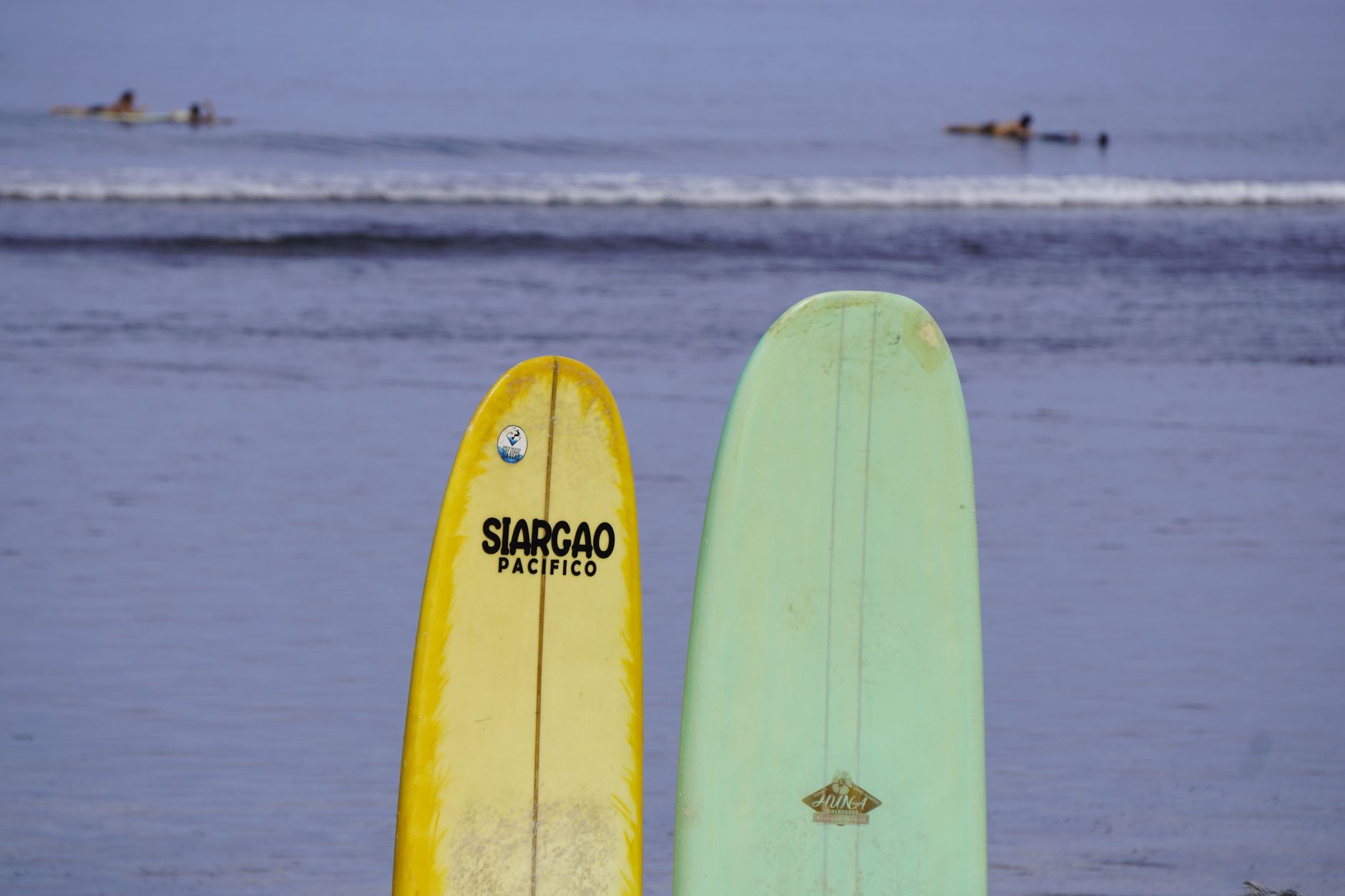
Surfboards lined up near the Cloud 9 boardwalk in General Luna.

Cloud 9 Boardwalk & Viewing Tower

This is the epicenter of Siargao’s surf culture, featuring a multi-level wooden viewing deck directly over a powerful reef break. There is a ₱100 daily entry fee to access the boardwalk. To escape the heavy crowds, cross the newly constructed bridge linking General Luna to Libertad and head towards Santa Fe for secluded sunset views.

Magpupungko Rock Pools Siargao
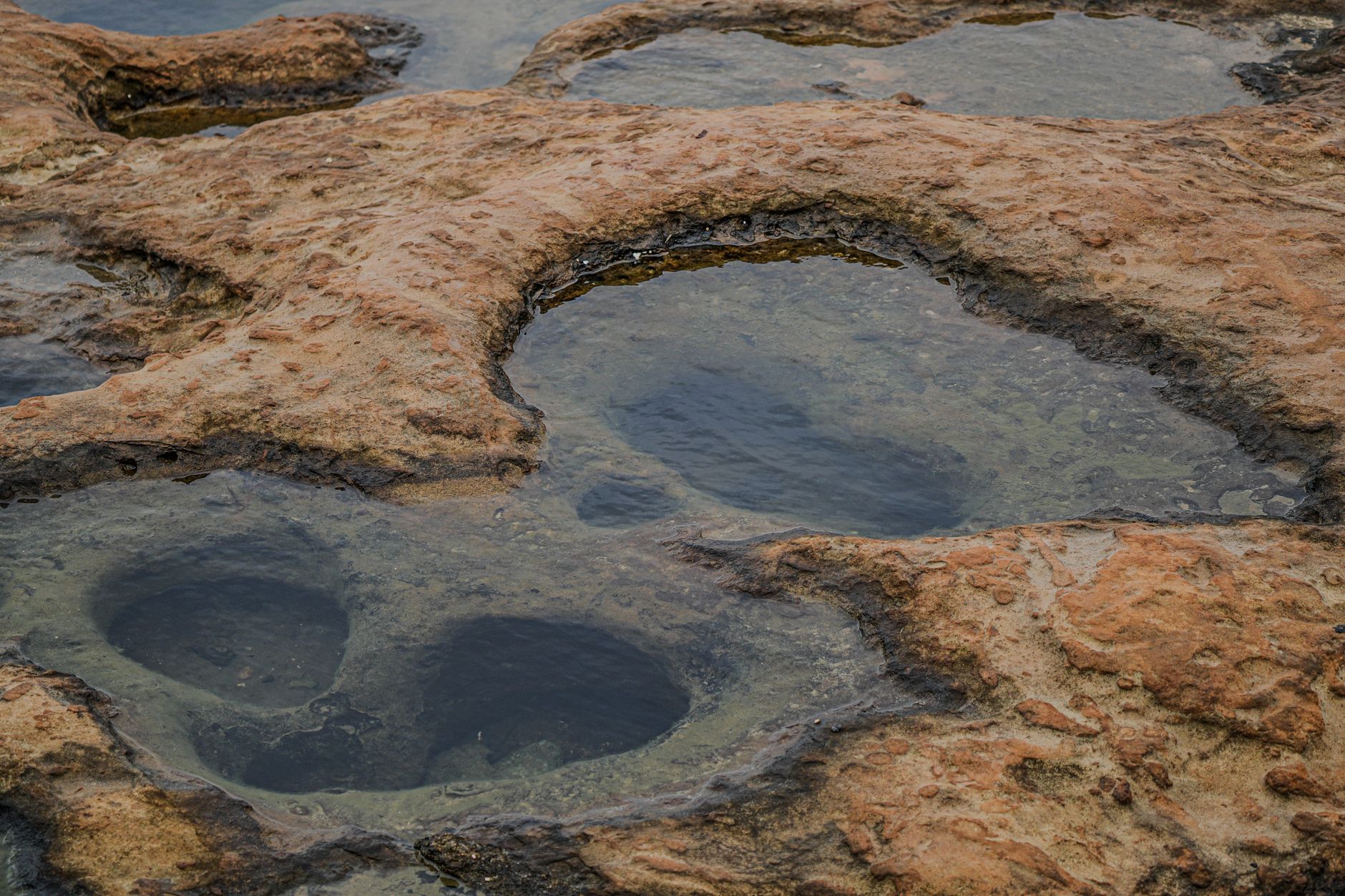
The dramatic rock formations surrounding the tidal pools of Magpupungko.

Magpupungko Rock Pools

These are natural tidal infinity pools filled with crystal-clear, neon-blue water. The catch? The pools are completely submerged and invisible during high tide. You must check local tide charts online and time your visit precisely during low tide, preferably on a weekday morning to avoid massive weekend crowds.

Maasin River Siargao
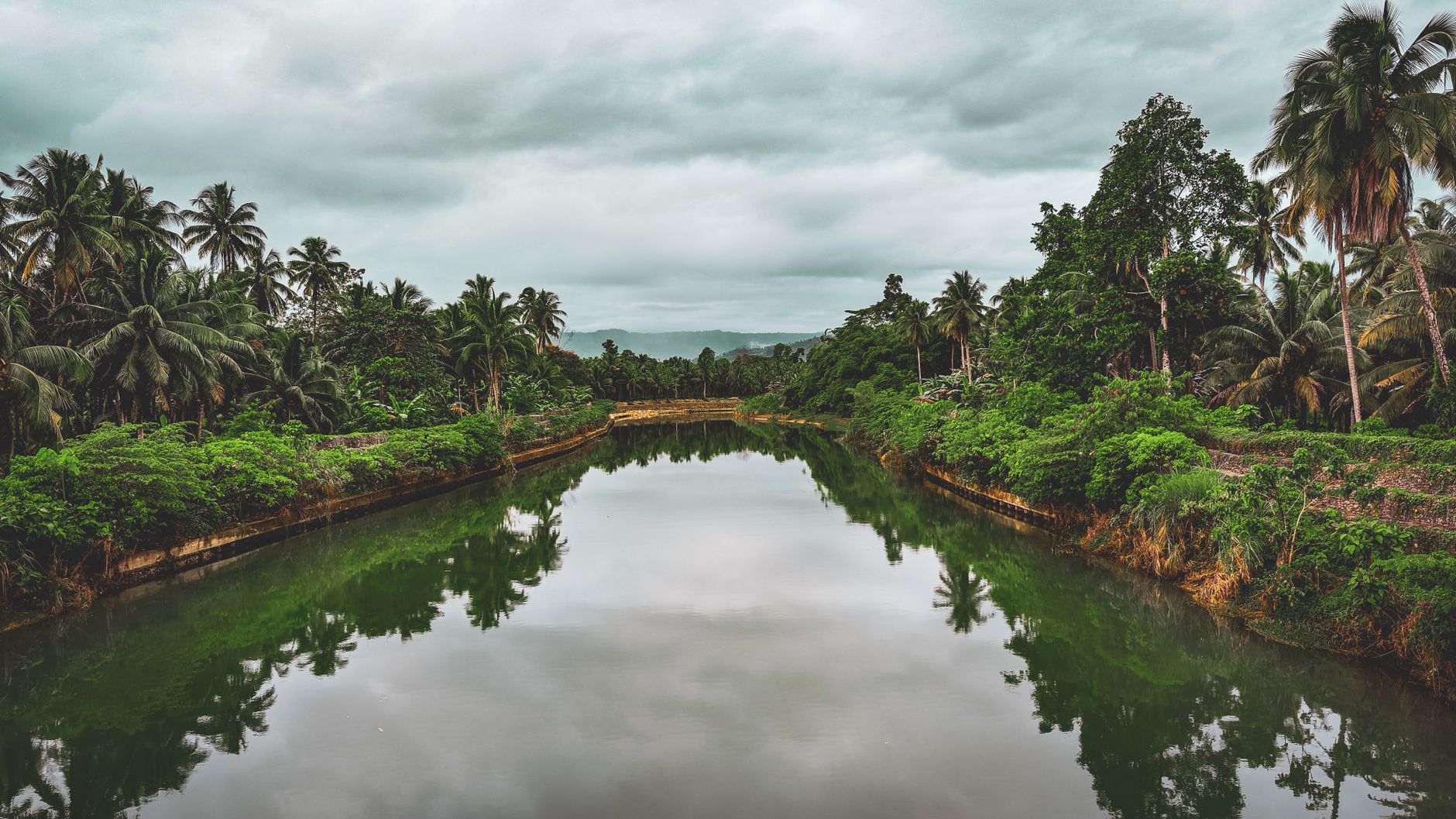
The palm-fringed Maasin River winding through the jungle.

Maasin River

Famous for its iconic bent coconut tree extending over the water, which serves as a natural rope swing. Instead of just stopping at the crowded bridge, hire a local guide for a quiet canoe tour upriver to the ‘secret lagoon’ early in the morning around 7:00 AM. You’ll experience a serene jungle atmosphere before the tour vans arrive.

Sohoton Cove (Bucas Grande) Siargao
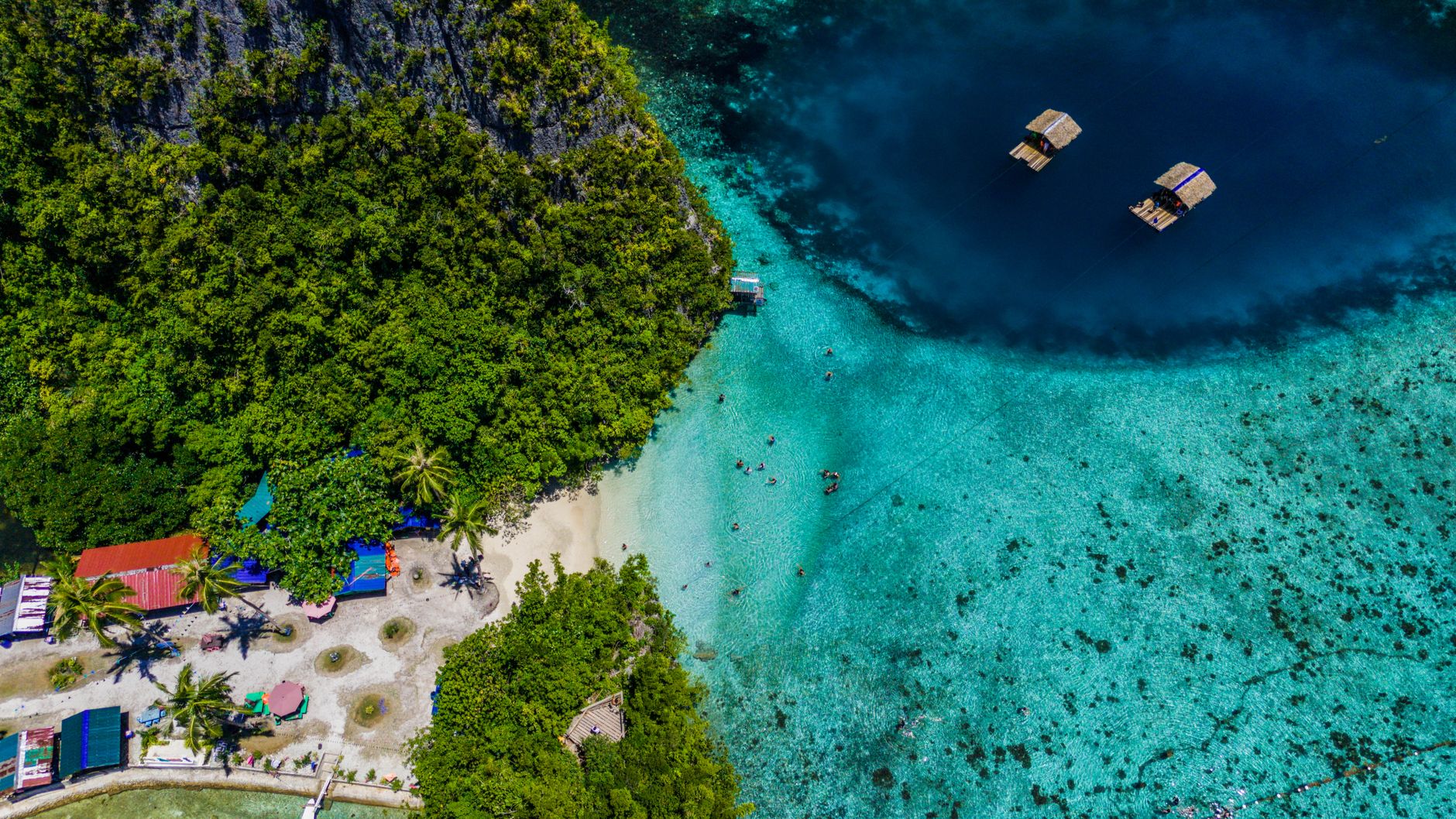
An aerial view of the limestone islets and lagoons at Sohoton Cove.

Sohoton Cove (Bucas Grande)

An intricate maze of limestone islets, blue lagoons, and caves, including the luminescent Hagukan Cave. It is located about 2 hours away by boat from Siargao. Book a private boat early in the morning to beat the large group tours, and bring a high-quality waterproof dry bag since you have to swim through low-hanging cave openings.

What to Eat: Island Flavors You Can’t Miss

Siargao has evolved into one of the best food destinations in the Philippines. The mix of traditional Surigaonon flavors and creative culinary expats means you’ll eat incredibly well here.

Pan de Coco Siargao food
Fresh green coconuts on the grass, the key ingredient for local island baking.

Pan de Coco

These soft, pillowy bread buns are stuffed with sweet, grated coconut. Siargao’s version is unique because they are baked in a traditional makeshift oven called a ‘pugon’ heated by burning coconut husks, giving them a distinct smoky flavor. Find them at the ‘El mejor pan de coco’ stall near the Sto. Tomas Church in General Luna for ₱5–₱10 ($0.10–$0.20) per piece.

Sayongsong Siargao food
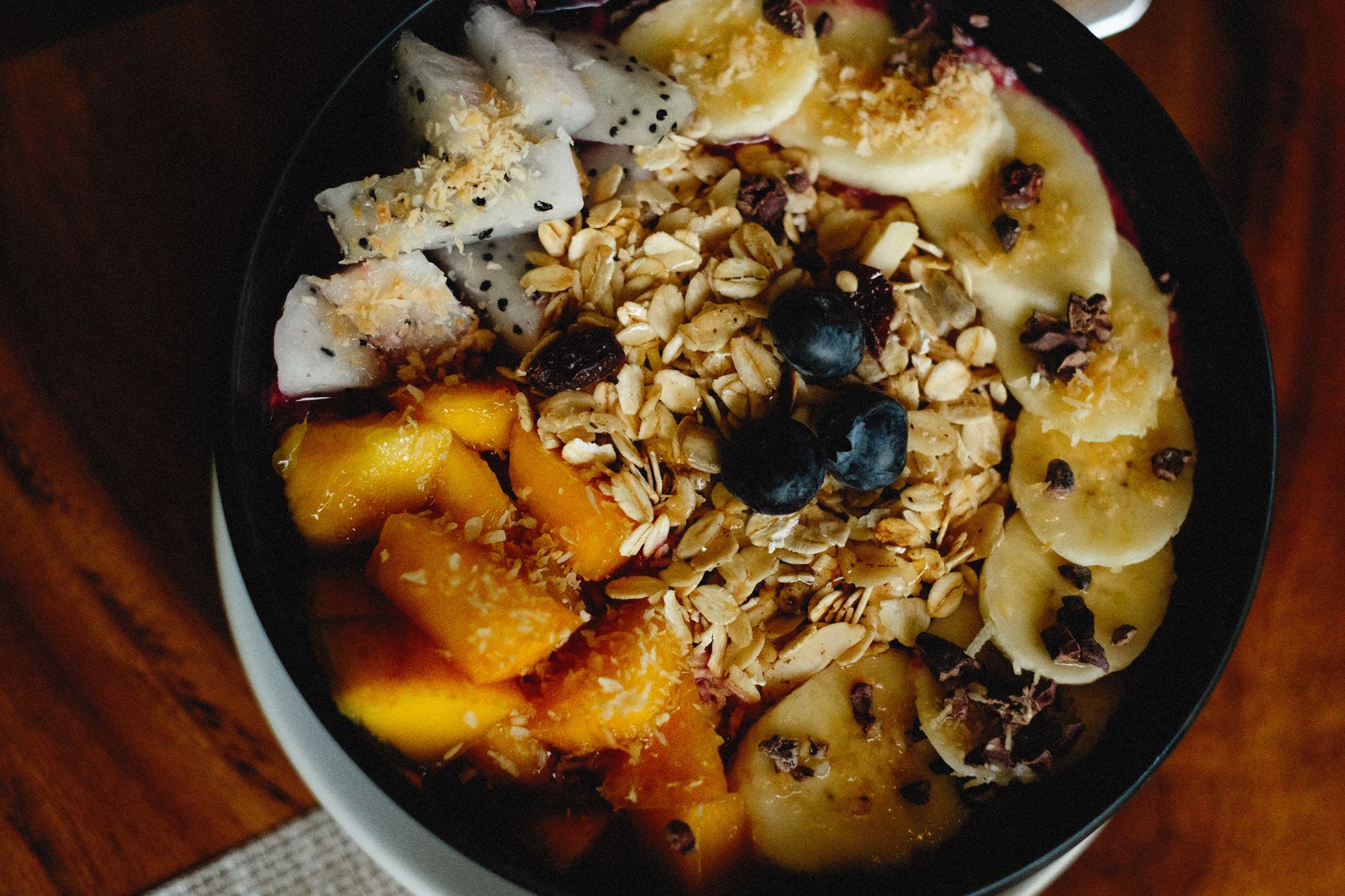
A fresh tropical breakfast setup with sliced mangoes and bananas.

Sayongsong

A traditional Surigaonon kakanin (steamed sweet rice cake) wrapped in cone-shaped banana leaves. It is made of glutinous rice, brown sugar, calamansi juice, roasted peanuts, and coconut milk, resulting in a soft, gelatinous treat. Grab some at local public markets in Dapa or roadside food stalls for ₱10–₱20 ($0.20–$0.40) per piece.

Kinilaw na Tuna Siargao food
Fresh ingredients prepared in a ceramic bowl for a local seafood dish.

Kinilaw na Tuna

The Filipino equivalent of ceviche. Freshly caught raw yellowfin tuna is cured in coconut vinegar and coconut milk, then tossed with ginger, red onion, chili, and calamansi. The coconut milk softens the acidity, creating a rich, creamy, and tangy flavor. Head to CEV: Ceviche & Kinilaw Shack in General Luna where plates cost ₱200–₱350 ($3.50–$6.00).

Safety and Scams: How to Avoid the Traps

Siargao is generally very safe, but its rapid growth has brought out a few opportunistic scams and physical hazards. Keep your wits about you to avoid these common pitfalls.

Fake Accommodation Booking Sites

Scammers set up fake social media pages and third-party websites impersonating popular Siargao resorts to collect deposits (₱2,000–₱10,000). Always book directly through official websites or established OTAs, and verify reviews over multiple years. Never pay via informal remittance or personal bank transfers to unknown individuals.

Stray Dogs on Roads (Scooter Accidents)

Stray dogs (locally called ‘askals’) frequently run across the national highways and coastal roads, especially at night, causing severe motorcycle crashes. Drive slowly around blind curves, wear a helmet with a secure strap, and avoid driving under the influence. If you are bitten, seek immediate medical attention at the Siargao District Hospital for rabies shots.

Island Hopping Bait-and-Switch

Informal boat operators along the General Luna beachfront offer cheap island-hopping packages but later demand extra cash for ‘environmental fees,’ ‘docking fees,’ or fuel surcharges. Always book through licensed tour operators, agree on the exact itinerary and inclusions beforehand, and ensure you get an official receipt for any government-mandated fees.

Staying Connected in the Land of Brownouts

The Department of Information and Communications Technology (Dict) has activated the ‘Free Wi-Fi for All’ program across all nine municipalities of Siargao Island. You can find free public internet access at major transit hubs like the Dapa Passenger Port Terminal and local municipal plazas. However, don’t rely on it for work.

Power blackouts (locally called ‘brownouts’) are common on the island. When the power goes down, local cell towers often lose backup power shortly after, causing mobile data to drop. Always look for workspaces like Coco Space that advertise both Starlink and a backup generator.

Local SIMGalactic Roam eSIM
Cost₱100–₱200 + data promosFrom $8
ActivationManual registration requiredInstant, pre-arrival
RegistrationPassport & address uploadNone
Ready on arrivalAfter finding a shopYes
Data optionsVaries by promo1 GB / 3 GB / 5 GB / 10 GB

For mobile networks, Smart generally performs better in rural northern zones like Pacifico and Burgos, while Globe is consistent in tourist hubs. 5G is extremely limited. If you want to skip the hassle of registering a physical card with your passport on arrival, getting a Philippines eSIM before you land is the easiest way to ensure you have data the second you touch down.

Frequently Asked Questions

What is the best time of year to visit Siargao?

The dry season runs from March to October. If you are here to surf, the biggest swells hit during the peak surf season from August to October. If you prefer calmer waters for island hopping, aim for April to June.

Is there an ATM at Siargao airport?

No, Sayak Airport does not have reliable ATMs. Do not land expecting to withdraw cash at the terminal. Always withdraw plenty of Philippine Pesos in Manila or Cebu before boarding your flight to the island.

How do I avoid getting scammed on island-hopping tours?

Avoid hiring random boat operators on the beach who quote unusually low prices. Book through licensed tour operators in General Luna, clarify all environmental and docking fees upfront, and ensure you receive an official receipt.

Do I need a license to rent a scooter in Siargao?

Yes, you need a valid driver’s license with a motorcycle endorsement to legally ride. Local police frequently set up checkpoints around General Luna, and driving without a valid license will result in heavy fines and void your travel insurance.

Navigating Siargao’s spotty connectivity shouldn’t get in the way of your trip. While local SIM registration can be a bureaucratic headache, a Galactic Roam Philippines eSIM lets you connect to the strongest local network automatically as soon as your plane touches down at Sayak Airport.

Get your Philippines eSIM


Phuket Travel Guide: How to Avoid the Crowds on Thailand’s Famous Island

Everyone told me to skip Phuket because it’s an overdeveloped, tourist-choked nightmare. The island has a reputation for neon-lit chaos and overpriced taxis, but that’s only true if you follow the herd. Planning your travel to Phuket? This guide uncovers the top strategies to bypass the tourist traps, find the quiet corners, and actually enjoy Thailand’s largest island.

To experience Phuket without the crowds, skip Patong Beach entirely. Focus your stay on the quieter northern beaches like Nai Yang or the cultural hub of Phuket Town. Rent a scooter to explore, eat at local night markets, and always negotiate transport fares before getting in. This Phuket eSIM guide will help you navigate the island like a pro.

Quick Facts — Phuket

Currency
Thai Baht (THB)
Language
Thai
Time zone
GMT+7
Plug type
A, B, C, O
Best time to visit
November to April
Visa
60-day exemption (Updated 2026)

Key Takeaways

  • Best time to visit: November to February, when the monsoon clears and the humidity drops to tolerable levels.
  • Budget needed: $40–$100 USD per day depending on whether you eat street food or dine beachside.
  • Must book ahead: Ferries to quieter islands like Koh Yao Noi during peak dry season.
  • Getting around: Rent a scooter if you have a motorcycle license, or use ride-hailing apps to avoid taxi cartels.

The Crowd Map: Where to Go, Where to Skip

Phuket is massive. At over 500 square kilometers, it doesn’t feel like an island; it feels like a province. If you plant yourself in Patong, you’ll spend your holiday dodging aggressive tailors, overpriced jet-ski operators, and crowds of tourists drinking cheap beer. It’s loud, dirty, and exhausting.

Instead, head north. Nai Yang Beach and Mai Khao Beach are part of Sirinat National Park, meaning they’re protected from massive resort developments. You can actually walk for a mile here without someone trying to sell you a selfie stick.

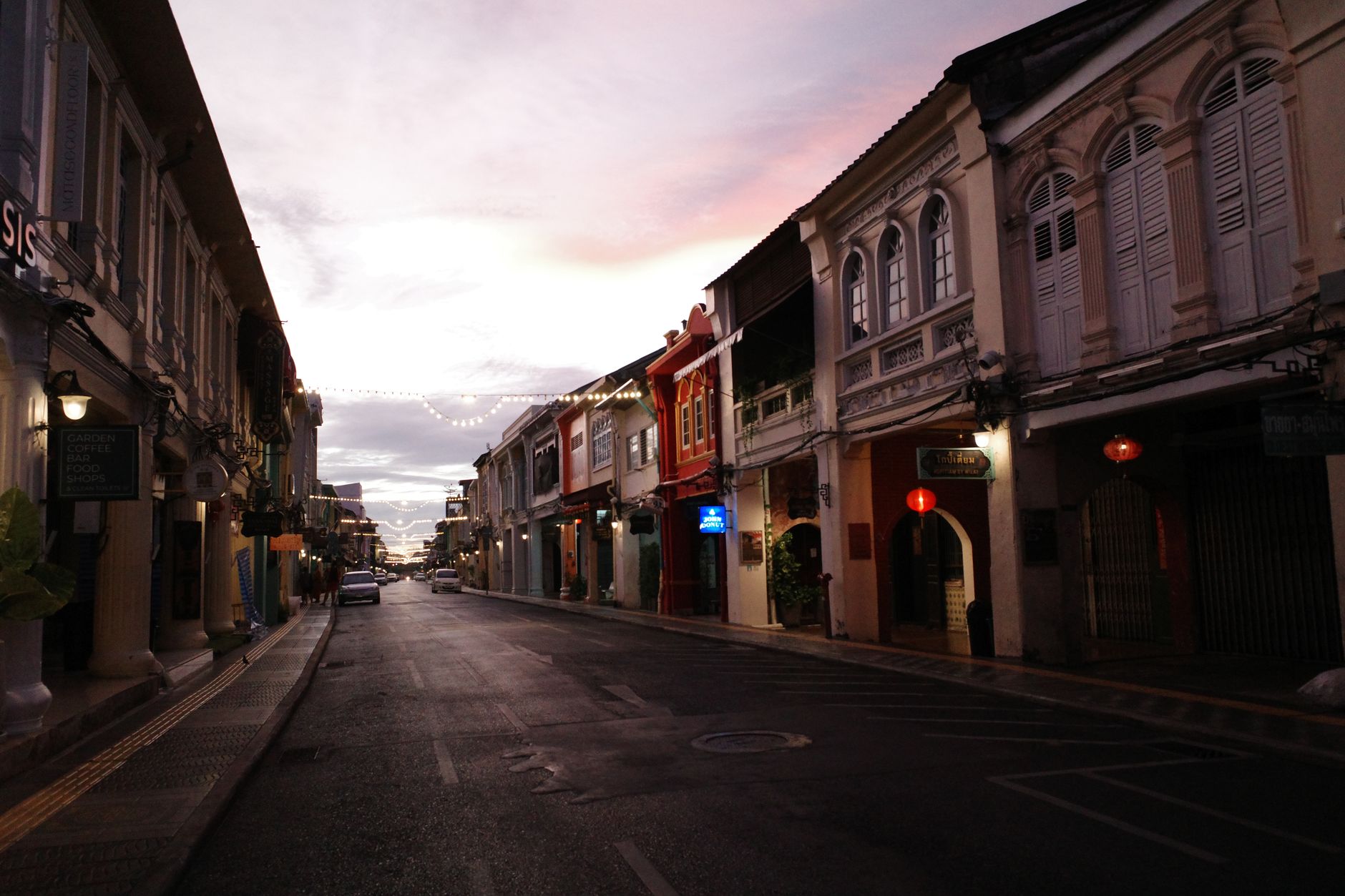
If you want culture instead of just sand, base yourself in Phuket Town. The historic center is filled with 19th-century Sino-Portuguese shophouses, excellent coffee shops, and some of the best southern Thai food on the island. It’s a real town where locals actually live and work.

Phuket Old Town street
An empty side street in Phuket Town showing the historic Sino-Portuguese architecture.

Why Stay in Phuket Town

  • Genuinely local atmosphere and lower prices
  • Incredible street food and historic cafes
  • Easy bus connections to the rest of the island

Why Skip Patong Beach

  • Aggressive street vendors and tourist scams
  • Overpriced restaurants serving bland food
  • Constant noise from bars and night clubs

The Phuket Transport Trap and How to Avoid It

Getting around Phuket is notoriously difficult. The island’s taxi and tuk-tuk drivers operate like a cartel, fixing prices at absurdly high rates. A 10-minute ride that would cost 80 THB in Bangkok will easily cost you 400 THB here. They know you have no other choice, and they exploit it.

Do not walk up to a parked taxi and ask for a price. They will quote you a ridiculous flat rate and refuse to use the meter. Instead, download Grab or Bolt. Even if the wait is slightly longer, the price is locked in the app, saving you from uncomfortable negotiations.

If you’re brave enough to ride a scooter, it’s the cheapest way to get around at about 250 THB per day. But be warned: Phuket’s roads are steep, winding, and highly dangerous. If you don’t have an international driving permit with a motorcycle endorsement, your travel insurance won’t cover you if you crash.

The Jet-Ski Damage Scam

You rent a jet-ski on Patong or Kata beach. When you return it, the operator points out scratches on the bottom and demands 30,000 THB for repairs. They will threaten to call the police, who often side with the locals. Avoid renting jet-skis entirely.

400 THB
Average Taxi Fare
250 THB
Daily Scooter Rental
100 THB
Smart Bus Ticket
30 mins
Boat to Koh Yao Noi

What to Eat: Real Southern Thai Flavor

Most tourists eat at beachside restaurants where the food is toned down for Western palates. It’s expensive and disappointing. Southern Thai food is famous for being incredibly spicy, sour, and rich with coconut milk and turmeric.

Phuket Town has a unique culinary heritage influenced by Chinese immigrants. Try Mee Hokkien, a dish of thick yellow wheat noodles stir-fried with pork, seafood, and a rich gravy. You can get a steaming bowl of this at local shophouses for around 60 THB.

Another local staple is Moo Hong, a sweet and savory braised pork belly dish flavored with black pepper, garlic, and coriander root. It’s slow-cooked until the meat literally melts in your mouth. Skip the beach clubs and head to the local markets for the real deal.

Phuket clock tower at night
The historic Phuket Town clock tower, located near some of the best local noodle shops.

“If the restaurant has a menu with laminated photos of burgers and pad thai on the same page, walk away. You’re about to eat overpriced, mediocre food.”

Escaping the Mainland: Island Hopping Done Right

Everyone wants to see the dramatic limestone cliffs of Phang Nga Bay. But if you book a standard day trip to James Bond Island or Phi Phi, you’ll be sharing the water with dozens of speedboats and hundreds of tourists wearing matching orange life jackets.

For a quieter alternative, take a local ferry from Bang Rong Pier to Koh Yao Noi. The journey takes about 30 minutes and costs 300 THB. This island feels like Phuket did thirty years ago—quiet roads, rubber plantations, and empty beaches.

You can rent a scooter on the pier and ride around the entire island in a couple of hours. There are no mega-resorts here, just small guesthouses and quiet bays where you can watch the traditional longtail boats bobbing in the water.

Wooden longtail boats in Phuket harbor
Traditional wooden longtail boats moored in a quiet bay away from the main tourist beaches.

Phuket Travel FAQ

Is April a good time to visit Phuket?
April is the hottest month of the year, with temperatures regularly exceeding 35°C (95°F). It’s also when Thailand celebrates Songkran, the traditional New Year water festival. If you don’t mind the intense heat and getting splashed with water on the streets, it’s a fun time to visit, but for beach weather, January is much better.
How do I get from Phuket airport to the beaches?
The cheapest option is the Phuket Smart Bus, which runs hourly from the airport down the west coast to Rawai, costing 100 THB. A private taxi will cost between 800 and 1,000 THB depending on your destination. Always agree on the price before getting into an airport taxi if they refuse to use the meter.
Is tap water safe to drink in Phuket?
No, tap water is not safe to drink in Phuket. Always drink bottled water, which is cheap and readily available at any convenience store. Most restaurants use commercial ice made from purified water, which is safe, but avoid ice in very rural areas.
Do I need cash in Phuket?
Yes, cash is still king for daily transactions. While hotels and high-end restaurants accept credit cards, you will need cash for street food, local markets, tuk-tuks, and small beach vendors. Keep small bills handy, as drivers and market stalls often struggle to change 1,000 THB notes.

Navigating Phuket’s transport cartels and finding the best local noodle shops requires a working internet connection. Instead of queuing at the airport to buy an overpriced physical SIM card, get a Phuket eSIM from Galactic Roam before you fly. You can install it in seconds, connect to local networks the moment you land, and use ride-hailing apps to bypass the taxi scams immediately.

Get your Phuket eSIM


El Nido Island Hopping Guide: Which Boat Tour Should You Actually Book?

Everyone told me El Nido was an untouched paradise. The reality is a bit more complicated, involving massive tourist bottlenecks and some surprisingly strict local laws. I’ve spent weeks navigating these waters, dodging the tourist traps, and figuring out which tours actually deliver. Planning your travel to El Nido, Philippines? This guide reveals the top things to know before you book your boat.

Quick Facts — El Nido, Philippines

Currency
Philippine Peso (PHP)
Language
Filipino / English
Time zone
GMT+8
Plug type
Type A, B, and C
Best time to visit
December to April
Visa
Free 30-day visa on arrival for most nations
45
Islands in Bay
400 PHP
Eco Fee (Etdf)
888
Fish Species
4 Days
Coron Expedition

The Reality of Bacuit Bay

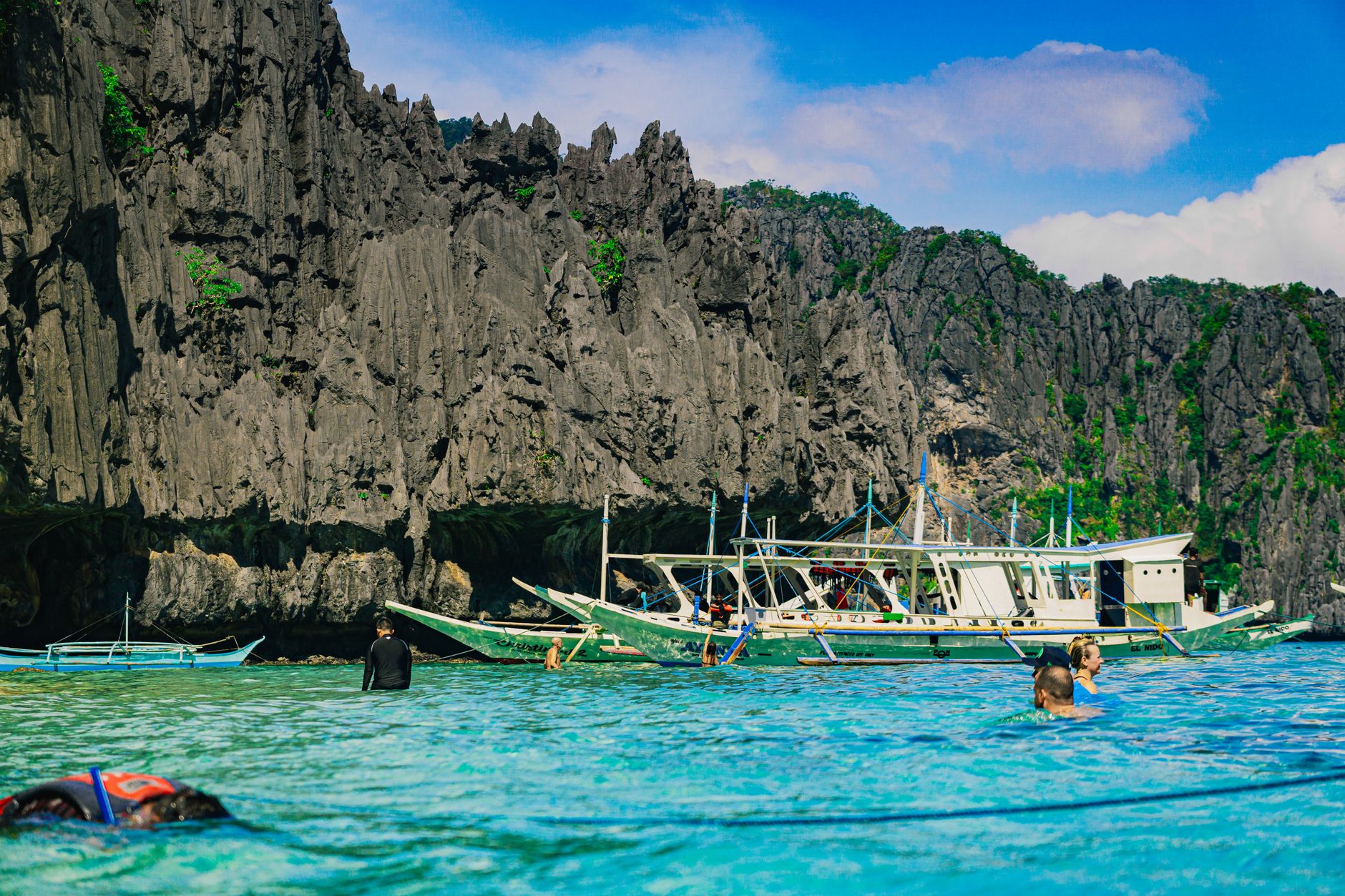
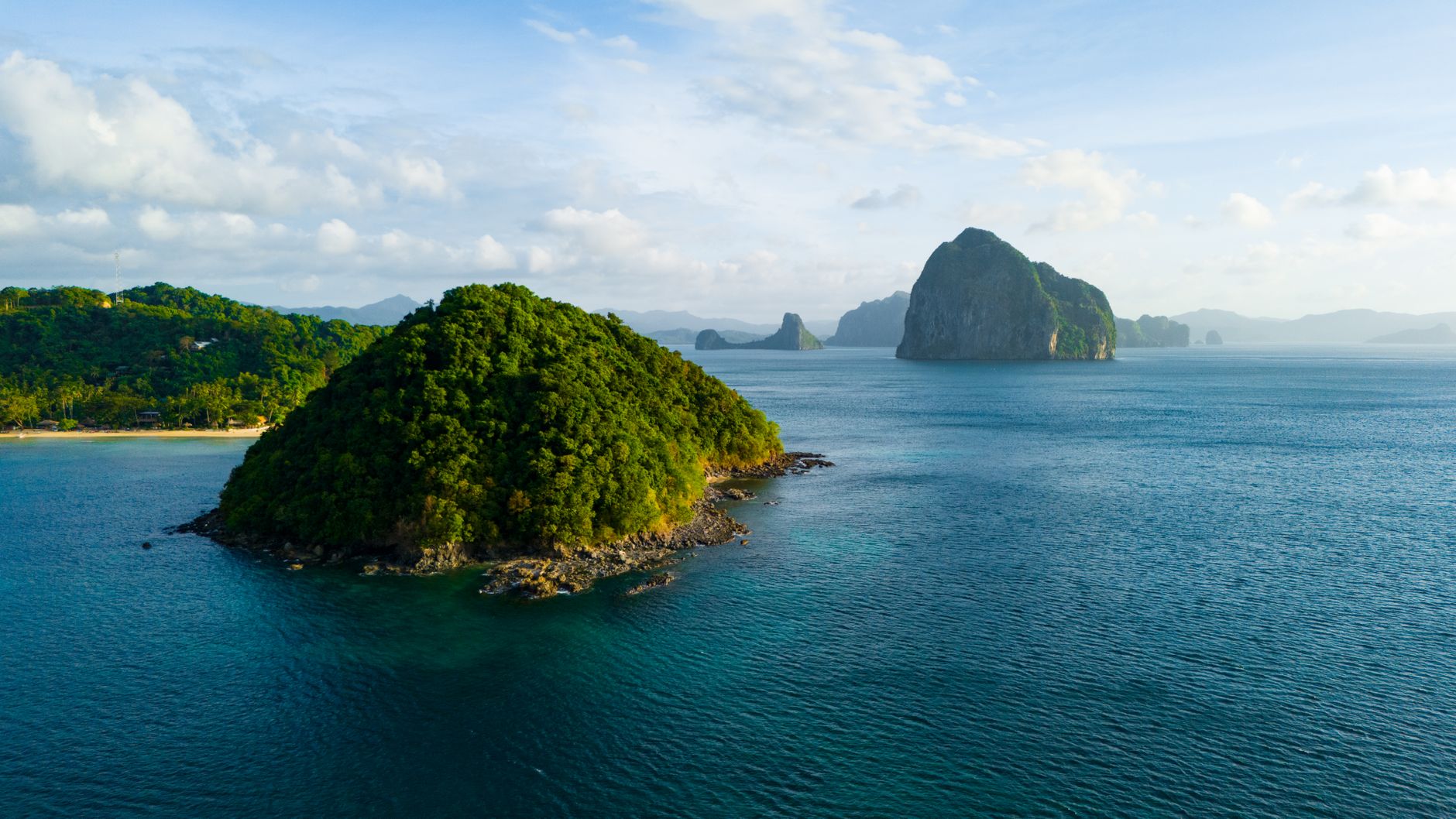
El Nido’s Bacuit Bay features 45 islands and limestone karsts sheltering over 447 species of coral and 888 species of fish. It’s undeniably beautiful. But the local government has standardized the experience into four options: Tour A, B, C, and D.

Before you even think about stepping onto a boat, you need to pay the Eco-Tourism Development Fee (Etdf). Under Municipal Ordinance 01 Series of 2024, this fee was increased to 400 PHP for non-residents. It is valid for up to 10 days and must be paid in cash. Keep the paper receipt with you; you cannot board without it.

The town’s name translates to “The Nest” in Spanish. It comes from the edible nests of cave swiftlets harvested from the sheer limestone cliffs. These nests are prized in Chinese cuisine and can sell for up to $3,000 per kilogram. Local climbers risk their lives scaling the rock faces to harvest them.

The Four Tours — What’s Actually Worth It?

Let’s break down the actual tours. Everyone wants to do Tour A and Tour C, which means those are the most crowded. But they also have the most dramatic scenery.

Big Lagoon (Tour A) El Nido, Philippines
Big Lagoon is best visited early in the morning before the tour crowds arrive.

Tour A: Big Lagoon

This is the iconic postcard image of El Nido, featuring towering limestone cliffs framing a deep turquoise lagoon. Motorized boats are banned inside the lagoon to protect the environment. You must pay a 200 PHP premium entry fee and rent a kayak for 300 PHP to enter. To avoid the massive midday bottleneck of 100+ boats, book a private tour and request an early morning (7:00 AM) or late afternoon departure.

Hidden Beach (Tour C) El Nido, Philippines
The dramatic karst peaks of Bacuit Bay hide secret beaches accessible only by swimming.

Tour C: Hidden Beach

This is a striking cove completely concealed behind a limestone wall, accessible only by swimming through a small keyhole opening. The entry point is surrounded by razor-sharp limestone rocks. You must wear aqua shoes (available to rent at the pier for 150 PHP) to avoid severe cuts on your feet while wading through the shallow water.

Snake Island (Tour B) El Nido, Philippines
The S-shaped sandbar of Snake Island is fully visible only during low tide.

Tour B: Snake Island

Snake Island features a natural, S-shaped white sandbar that connects the mainland to Vigan Island, allowing you to walk “on water” between the two landmasses. Check the local tide charts before going. It is best visited during low tide when the sandbar is fully exposed; during high tide, the sandbar is submerged under waist-deep water, making the walk difficult and less scenic.

Cadlao Lagoon (Tour D) El Nido, Philippines
Cadlao Lagoon offers a peaceful alternative to the crowded tours.

Tour D: Cadlao Lagoon

This is a quiet lagoon surrounded by lush vegetation and dramatic karsts, offering the best crowd-avoidance experience. While everyone fights over Tour A and C, Tour D is largely ignored. It offers 80% fewer tourists, making it feel like a private paradise. Bring a snorkel to explore the colorful shallow coral gardens near the lagoon’s entrance.

What to Eat in El Nido

When you aren’t on a boat, you’ll need to eat. El Nido has some unique local dishes that you won’t find easily elsewhere.

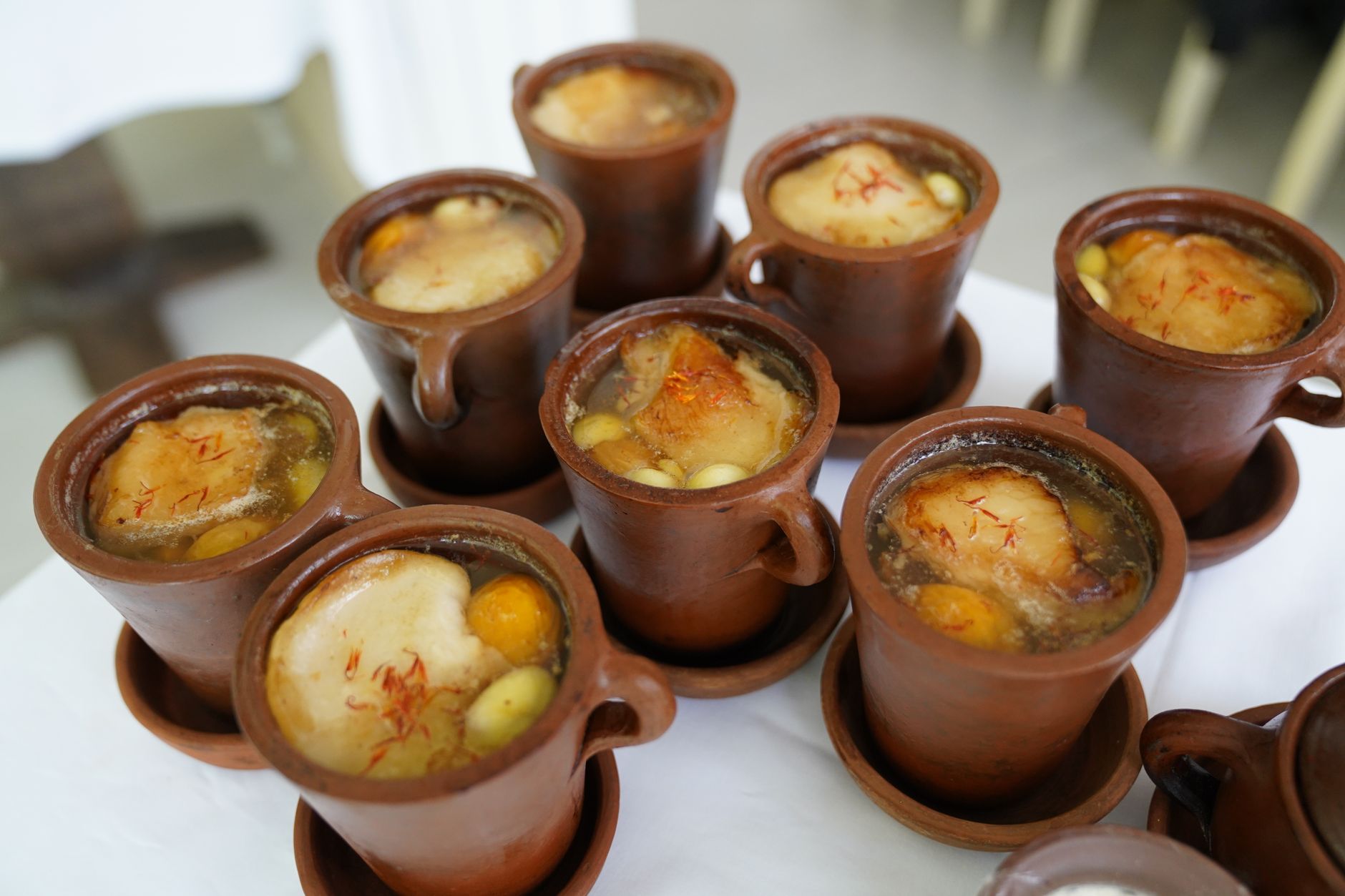
Nido Soup (Bird's Nest Soup) El Nido, Philippines food
Nido Soup is made from the harvested nests of cave swiftlets.

Nido Soup (Bird’s Nest Soup)

A savory, gelatinous soup made from the saliva nests of cave swiftlets harvested from El Nido’s limestone cliffs. It is considered a local delicacy and an aphrodisiac. You can try it at traditional Filipino restaurants in El Nido town proper, such as Bundatan, for ₱350–₱600.

Crocodile Sisig

A sizzling plate of minced crocodile meat seasoned with calamansi, onions, and local chilies. The meat is lean, high in protein, and tastes like a cross between chicken and pork. Grab a plate at Tambok’s El Nido or local grills in town for ₱350–₱500.

Tamilok (Woodworm)

Despite the name, this Palawan delicacy is actually a shell-less saltwater clam harvested from rotting mangrove logs. It is eaten raw and dipped in calamansi and vinegar, with a slimy texture similar to oysters. Find it at local seafood markets and native restaurants in El Nido for ₱150–₱300.

Safety & Scams to Avoid

El Nido is generally safe, but there are a few specific traps and health hazards you need to watch out for.

Food Poisoning from Tour Lunches

Because cooking on day-tour boats is banned, pre-packed buffet lunches are kept in plastic coolers under the hot sun for 4–5 hours before being served. To avoid E. coli or norovirus, bring your own non-perishable snacks (energy bars, canned tuna) and bottled water, and avoid eating lukewarm seafood from the buffet.

Niknik (Sandfly) Bites

At Nacpan Beach and Lio Beach, tiny sandflies (niknik) bite aggressively, especially during sunrise and sunset, leaving extremely itchy welts that can develop into painful skin sores (Cutaneous Leishmaniasis). Slather your skin in virgin coconut oil or baby oil; the oil traps the sandflies and prevents them from biting, whereas standard mosquito repellent is ineffective.

Tricycle Overcharging

Tricycle drivers at Lio Airport often try to charge tourists 500 PHP or more for a ride to El Nido town proper. The official rate is around 200–300 PHP. Always check the official fare matrix displayed inside the tricycle or agree on the price before boarding.

Logistics & Getting Around

Getting to El Nido requires some planning. You have a few options depending on your budget and tolerance for long road trips.

Direct Flights via AirSWIFT: The fastest way to reach El Nido is flying directly into Lio Airport (LIO) via AirSWIFT from Manila, Cebu, or Boracay. While flights are expensive, they save you a grueling 6-hour land journey. Ensure you pre-book your luggage allowance, as excess baggage fees at the gate are steep.

Land Transit from Puerto Princesa: If flying into Puerto Princesa (PPS), you can take a Cherry Bus (A/C VIP or Lazyboy class costs ₱650–₱1,000 / $11–$17 USD) or a shared minivan (₱700–₱800 / $12–$14 USD). The journey takes 5.5 to 6 hours and requires cash, as cards are not accepted.

Coron to El Nido Expeditions: For an unforgettable experience, book a 3-to-5-day island-hopping boat expedition between Coron and El Nido. Top-rated companies like Big Dream Boatman, Buhay Isla, and Tao Philippines offer these trips for $550–$650 USD, which includes all meals, drinks, and rustic island glamping. These multi-day boat expeditions typically take 4 days and 3 nights, costing around $599 USD.

Cash-Only Economy: El Nido is heavily cash-based. ATMs in town frequently run out of cash, lose power during brownouts, or fail to accept international cards. Always carry enough Philippine Pesos (PHP) to cover your tours, environmental fees, and daily meals.

How to get to El Nido — step by step

1
Book your flight to Lio Airport
Fly directly via AirSWIFT from Manila or Cebu to avoid a grueling 6-hour van ride.
2
Secure cash before arrival
Withdraw plenty of Philippine Pesos in Manila, as El Nido’s ATMs are notoriously unreliable.
3
Pay the environmental fee
Pay the 400 PHP Eco-Tourism Development Fee in cash at the pier before boarding your first tour.

Connectivity in El Nido

Staying connected in El Nido is a challenge. Local SIM cards cost between ₱150 and ₱1,000 ($3–$17 USD) depending on the data package.

The 4G/LTE network is widely available in El Nido town proper, with Smart generally offering a stronger and more stable signal than Globe. However, cellular coverage drops completely once you enter the limestone karsts of Bacuit Bay or head to remote beaches like Nacpan.

Hotel and cafe WiFi is notoriously slow and unstable. Power outages (brownouts) are frequent in El Nido, and when the power goes down, local cellular towers and fiber nodes often lose power too, causing total internet blackouts unless the venue has a generator or Starlink.

There are no major VPN blocks or internet restrictions, but Starlink is increasingly being adopted by high-end resorts and co-working spaces to bypass the unstable local grid.

Frequently Asked Questions

How do I book an island hopping tour in El Nido?

You can book tours through almost any hotel, street-side agency, or directly at the pier. It is best to book a day in advance to secure your spot, especially during the peak dry season from December to April.

What should I bring on an El Nido boat tour?

Bring cash for the kayak rentals and environmental fees, a dry bag to protect your electronics, and a reef-safe sunscreen. You will also want to bring your own water and snacks to avoid the risky pre-packed boat lunches.

Is there a way to avoid the crowds on Tour A and Tour C?

Yes, by booking a private boat tour. This allows you to customize your departure time, meaning you can leave at 7:00 AM and arrive at the popular lagoons before the public tour boats arrive around 10:00 AM.

Can I pay with a credit card in El Nido?

Most establishments in El Nido do not accept credit cards, and those that do often charge a 3% to 5% transaction fee. ATMs frequently break down or run out of cash, so carrying plenty of Philippine Pesos is essential.

Before you set sail, make sure your digital logistics are sorted. If you are also heading to the surfing capital of the country, check out our siargao travel guide. While you can buy a physical SIM card at the airport, dealing with passport registration and long queues is a hassle you don’t need. Instead, grab an Philippines eSIM from Galactic Roam before you fly. It connects automatically to the strongest local network as soon as you land, keeping you connected in town without the fuss.

Get your Philippines eSIM


Tokyo Travel Guide: How to Navigate Japan’s Ultimate Metropolis

Tokyo Travel Guide: How to Navigate Japan’s Ultimate Metropolis

Updated July 21, 2026. Tokyo has nearly 200 Michelin-starred restaurants—more than New York and Paris combined. But navigating this massive metropolis during the peak summer travel season or the crowded Obon Festival can quickly turn your dream trip into a masterclass in frustration. I’ve spent years getting lost in these neon-lit alleys, figuring out which sights are genuine marvels and which are tourist traps. This comprehensive tokyo travel guide cuts through the noise to give you the exact logistics, scams to avoid, and local dishes worth your time.

Planning your travel to Tokyo, Japan? This guide breaks down the top things to know before you dive headfirst into the world’s ultimate metropolis. If you are also visiting the nation’s street food capital, don’t miss our osaka travel guide to plan your culinary adventure.

Quick Facts — Tokyo, Japan

Currency
Japanese Yen (¥)
Language
Japanese
Time zone
GMT+9
Plug type
Type A & B (100V, 50Hz)
Best time to visit
October to November, March to April
Visa
Visa-free for 90 days (most passports)
200+
Michelin Stars
3.6M
Daily Commuters
1:23
Vending Ratio
202m
Free View Height

Sights Worth the Hype (And How to Skip the Crowds)

Tokyo’s attractions are legendary, but visiting them at the wrong time means spending your day staring at the back of other people’s heads. If you plan smart, you can experience the city’s best spots without the crushing crowds.

teamLab Borderless (Azabudai Hills) Tokyo, Japan

teamLab Borderless (Azabudai Hills)

This 7,000-square-meter digital art museum features over 75 boundary-free projection-mapped works. Do not search for ‘teamLab Borderless’ on Google Maps directly as the pin can be highly confusing; search for ‘Azabudai Hills Garden Plaza B’ instead. Book the very first slot of the day (usually 8:30 AM or 9:00 AM) to avoid massive crowds, and visit the ‘Comme’N Kids’ bakery nearby—the world’s first kids-only bakery with a miniature entrance.

Tokyo Metropolitan Government Building (Shinjuku) Tokyo, Japan

Tokyo Metropolitan Government Building (Shinjuku)

This spot offers a panoramic view of Tokyo (and Mt. Fuji on clear days) from 202 meters high, completely free of charge. Skip the expensive Tokyo Skytree or Shibuya Sky queues and head here around sunset. The North Observatory is open late, and you can catch the spectacular projection mapping show on the building’s facade afterward.

Meiji Jingu Shrine (Shibuya) Tokyo, Japan

Meiji Jingu Shrine (Shibuya)

A massive, serene forest shrine dedicated to Emperor Meiji and Empress Shoken, right next to the chaotic Harajuku district. Visit at sunrise (gates open as early as 5:00 AM depending on the month). You will have the entire 170-acre forest to yourself, hearing only the morning Shinto chants and crows, completely avoiding the mid-day tourist rush.

The Real Food Scene (Beyond Basic Sushi)

Everyone knows about Tokyo’s high-end sushi, but the city’s soul lies in its regional, historical comfort foods. These are the dishes locals actually eat when they want something satisfying and unpretentious.

Monjayaki Tokyo, Japan food

Monjayaki

Tokyo’s liquid-batter cousin to okonomiyaki. It’s cooked on a tabletop iron griddle (teppan) where you scrape the caramelized, sticky, and crispy edges with a tiny metal spatula (hera). Head to Tsukishima Monja Street (Nishinaka-dori), which has over 75 specialized monjayaki restaurants. Expect to pay ¥1,200–¥2,500 ($8–$17 USD).

Fukagawa Meshi Tokyo, Japan food

Fukagawa Meshi

A traditional Edo-period fisherman’s dish featuring short-neck clams (asari) and green onions simmered in a savory miso broth. It is served either poured over rice (bukkake style) or cooked directly with the rice (takikomi style). Find it in the Fukagawa neighborhood (Koto City), specifically at traditional restaurants near Kiyosumi-shirakawa. Expect to pay ¥1,000–¥2,000 ($7–$14 USD).

Chanko Nabe Tokyo, Japan food

Chanko Nabe

The high-protein, nutrient-dense hot pot stew eaten by sumo wrestlers to gain weight. It is packed with chicken, seafood, tofu, and vegetables in a rich dashi broth. Try it in the Ryogoku neighborhood (near the Kokugikan Sumo Arena), at restaurants often run by retired sumo champions. Expect to pay ¥2,500–¥5,000 ($17–$35 USD) per person.

Tokyo Transit & Logistics Hacks

Getting around Tokyo is incredibly efficient, but only if you know the unwritten rules of the transit system. A single mistake can leave you stranded or paying double for your journey.

First, let’s talk about transit cards. JR East and Tokyo Metro fully resumed sales of standard physical Suica and Pasmo cards in March 2025 after a multi-year semiconductor shortage. However, digital versions in Apple Wallet remain the most convenient option for tourists.

Setting up your digital transit card — step by step

1
Open Apple Wallet
Tap the “+” icon in the top right corner of your iPhone screen.
2
Select Transit Card
Search for “Suica” or “Pasmo” and select the card you want to add.
3
Load Funds
Top up using a credit card. Note: Visa cards often fail due to 3D Secure issues, so use a Mastercard or Amex instead.

When arriving at the airport, you have choices to make. From Haneda, take the Tokyo Monorail to Hamamatsucho (¥500, 15 mins) or the Keikyu Line to Shinagawa (¥330, 15 mins). From Narita, the Narita Express (N’EX) costs around ¥3,070 (50 mins to Tokyo Station), while the Keisei Skyliner to Ueno costs ¥2,570 (41 mins).

Keep in mind that cash is still king for small purchases. While credit cards and IC cards are widely accepted, you must carry physical cash (specifically ¥1,000 bills and coins) for temple/shrine amulets, traditional street food stalls, and ticket vending machines at older ramen shops.

Important Tipping is non-existent in Japan and can be considered insulting. If you leave extra cash on the table, waiters will chase you down the street to return it. The price on the bill is exactly what you pay.

Safety: Scams You Must Avoid

Tokyo is incredibly safe, but it is not crime-free. Tourist-targeted scams operate in broad daylight, particularly in the major nightlife and shopping districts.

Kyakuhiki (Street Tout) Rip-off Bar Scam

Located primarily in Kabukicho (Shinjuku) and Roppongi. Never follow street touts promising “no cover charge” or “cheap all-you-can-drink” deals. They will lure you into multi-story buildings, spike your drinks, and charge thousands of dollars on your credit card. Ignore them completely and keep walking.

Dating App ‘Bar Setup’ Scam

Located on side streets off Shinjuku-dori near Seibu-Shinjuku Station. If a match from Tinder, Bumble, or another dating app insists on meeting at a specific, obscure bar in Kabukicho rather than a well-known public spot, refuse. They work with the bar to run up a massive bill (often over ¥100,000) which you are forced to pay.

Art Student Gallery Scam

Located around Shibuya, Harajuku (Omotesando), and Akihabara. Friendly “art students” approach you asking to take a quick survey or look at their exhibition nearby. Once inside the hidden gallery, aggressive high-pressure sales tactics are used to force you into buying overpriced, mass-produced paintings for thousands of dollars. Politely decline any street invitations.

Frequently Asked Questions

Is Tokyo safe for solo travelers?
Yes, Tokyo is exceptionally safe for solo travelers, with very low rates of violent crime. However, you should still exercise basic caution in nightlife districts like Roppongi and Kabukicho, where drink-spiking and overcharging scams are common. Stick to well-lit main streets and avoid street touts entirely.
How do I get around Tokyo without speaking Japanese?
Navigating Tokyo is straightforward because almost all transit signs, subway maps, and ticket machines have English translations. Using digital maps on your phone will give you step-by-step platform directions and transit times. Learning a few basic phrases like “Sumimasen” (excuse me) is helpful but not strictly necessary.
When is the best time to visit Tokyo to avoid crowds?
The best times to visit are late autumn (October to November) and early spring (before the cherry blossom rush in late March). Avoid the Obon Festival in mid-August and Golden Week in late April, as domestic travel peaks and local transport becomes incredibly crowded.
Can I use my credit card everywhere in Tokyo?
While credit cards and digital IC cards are widely accepted in convenience stores and major restaurants, cash is still required for small purchases. You will need physical coins and ¥1,000 bills for temple amulets, traditional street food stalls, and ticket machines at older ramen shops. Always keep some cash on hand.

Staying Connected in Tokyo

To navigate Tokyo’s complex subway stations and find hidden restaurants, you need a reliable data connection. While local airport SIM cards cost between ¥3,000 and ¥6,000 ($20–$40 USD) and require queuing, they also come with strict local restrictions. Voice-enabled SIM cards are heavily restricted for tourists due to Japan’s strict anti-phone-scam laws, requiring local residency registration. Tourists must use data-only options.

Local Physical SIMGalactic Roam eSIM
Cost¥3,000 – ¥6,000 ($20–$40 USD)From $8
ActivationManual swap, physical queueInstant, digital setup
RegistrationPassport check at airportNone
Ready on arrivalNo, must buy at airportYes
Data optionsFixed packagesFlexible data tiers

To bypass the airport queues and avoid dealing with strict local phone registration laws, grab a Tokyo, Japan eSIM from Galactic Roam before you fly. It activates instantly, keeps you connected deep in the subway tunnels, and lets you top up your digital Suica without missing a beat.

Get your Tokyo, Japan eSIM