Connect Globally

Trusted by Millions

Germany Travel Guide: How to Plan the Ultimate European Getaway

Germany Travel Guide: How to Plan the Ultimate European Getaway

Germany recorded 174.9 million overnight stays in just the first five months of 2026. With international visitor spending projected to hit €57 billion, you’re going to be fighting massive crowds for a slice of the action. I’ve spent years navigating the country’s train networks, beer halls, and mountain trails to figure out how to bypass the chaos. This Germany travel guide is your strategic toolkit to dodge the tourist traps and experience the country like a local. Let’s get into what actually works, what’s a total waste of your time, and how to keep your budget intact.

Quick Facts — Germany

Currency
Euro (€)
Language
German
Time zone
Central European Time (CET / Cest)
Plug type
Type C and F
Best time to visit
May to September, or December for markets
Visa
Schengen Zone (EES biometric registration active in 2026)

Key Takeaways

  • Best time to visit: May to September offers the best weather, but December is unbeatable for traditional Christmas markets.
  • Budget needed: €80–€150 per day depending on your accommodation choices and dining style.
  • Must book ahead: Reichstag Dome in Berlin and Neuschwanstein Castle tours require booking weeks in advance.
  • Getting around: The €63 Deutschlandticket is the ultimate transit hack for local and regional travel.

The 2026 Border Reality: What is the EES?

If you’re planning a trip this year, you need to know about the European Union’s Entry/Exit System (EES). This system introduces biometric registration—meaning fingerprints and facial scans—at the border for non-EU travelers. Expect some initial bottlenecking at German airport immigration desks as the system rolls out. Give yourself extra buffer time on arrival, especially if you have a tight train connection to catch.

Three Attractions Worth the Hype (And How to Hack Them)

Germany has plenty of tourist traps, but some iconic spots are genuinely worth your time if you know how to visit them. Here is how to tackle the big three without losing your mind in the crowds.

Surfer riding the Eisbachwelle standing wave in Munich Germany
A surfer carving the permanent standing wave of the Eisbach river in Munich.

Reichstag Dome (Berlin)

This massive glass dome offers a 360-degree view of Berlin’s skyline and a look down into the German parliament. It’s completely free and includes an excellent audio guide, but slots sell out weeks in advance. If you miss out, book a table at Käfer—the world’s only public restaurant located on a parliamentary rooftop—which automatically grants you dome access.

Surfer riding the Eisbachwelle standing wave in Munich Germany
A surfer carving the permanent standing wave of the Eisbach river in Munich.

Eisbachwelle (Munich)

At the southern edge of the English Garden, professional surfers ride a permanent, one-meter-high standing river wave year-round. To avoid the massive daytime tourist crowds blocking the bridge, watch them after 7:00 PM in the summer when the vibe turns local. For the best photos, stand at the eastern end of the bridge for a downward angle that bypasses the annoying railing.

Neuschwanstein Castle in the Bavarian Alps Germany
The fairytale towers of Neuschwanstein Castle rising against the Bavarian Alps.

Neuschwanstein Castle (Bavaria)

This is the ultimate fairytale castle that inspired Walt Disney’s Sleeping Beauty Castle. Most tourists crowd the middle of Marienbrücke for photos, causing massive bottlenecks. Walk to the far end of the bridge where it is often completely empty for the exact same view, and book the latest afternoon slot (after 3:00 PM) to avoid the Munich day-trippers.

What to Eat: Beyond the Pretzel

German cuisine is heavy, comforting, and highly regional. Don’t limit yourself to sausages from the nearest street cart—seek out these traditional specialties instead.

Käsespätzle served hot at a German market
Freshly made Käsespätzle topped with caramelized onions at a traditional market stall.

Käsespätzle (€11–€18)

Often called the German version of mac and cheese, this Swabian specialty consists of fresh egg noodles layered with grated mountain cheese like Emmental or Bergkäse. It’s topped with crispy caramelized onions and served in traditional gasthäuser (taverns) across Baden-Württemberg and Bavaria.

Currywurst street food stall in Berlin
A classic Berlin street food stall serving up hot, sliced Currywurst.

Currywurst (€5–€8)

A steamed, then fried pork sausage cut into slices, seasoned with curry ketchup, and dusted with curry powder. It’s a legendary Berlin street food that you should grab from iconic spots like Curry 36 or Konnopke’s Imbiss.

Traditional German meat dishes being prepared
Hearty meat dishes being prepared on an outdoor grill in Germany.

Rouladen (€18–€25)

Thinly sliced beef rolled up and stuffed with bacon, onions, mustard, and pickles, then seared and slow-braised in a rich red wine gravy. Find this comforting classic in traditional restaurants, especially in the Rhineland or Saxony.

Transit and Cash: Crucial German Logistics

Getting around Germany is incredibly efficient, but the system has a few quirks that can easily catch you off guard. Here is how to navigate the transit network and local payment culture without getting fined or stranded.

How to use the Deutschlandticket Hack — step by step

1
Buy the ticket for €63
As of January 1, 2026, the price has officially risen to €63 per month. It gives you unlimited travel on all local buses, trams, U-Bahns, S-Bahns, and regional trains (RE/RB) nationwide.
2
Avoid high-speed trains
Remember that this ticket is not valid on high-speed ICE or IC trains. If you board one of these with only a Deutschlandticket, you’ll be hit with a massive fine.
3
Cancel before the 10th
The ticket is a subscription that auto-renews. You must cancel it by the 10th of the current month to avoid being charged for the next month. Sound complicated? It isn’t.
Good to Know Cash is still king in Germany (Geld regiert die Welt). While card acceptance improved post-pandemic, many small bakeries, beer gardens, mountain huts, and street food stands strictly accept cash only. Always keep at least €20–€30 in your pocket.
Pro Tip Tipping (Trinkgeld) isn’t mandatory but highly appreciated. Instead of leaving cash on the table, tell the server the total amount you want to pay when they bring the card machine or change. If the bill is €17.50, hand them a €20 note and say “Neunzehn” to pay €19, and they will hand you €1 back.

Safety: Three Scams to Watch Out For

Germany is generally very safe, but tourist-heavy areas are prime hunting grounds for opportunistic scammers. Keep your wits about you and watch out for these three common setups.

The Fake Ticket Controller Scam

Location: Berlin S-Bahn and U-Bahn networks.
The Tactic: Scammers posing as plainclothes transit officers target tourists who look confused by ticket validation. They demand an immediate €60 cash fine for an invalid ticket. Real controllers carry official BVG/S-Bahn ID badges and will never demand cash on the spot without providing an official printed receipt. If pressured, refuse to pay cash and demand to go to the official transit office or call the police (110).

The Fake “Deaf-Mute” Petition Scam

Location: Major tourist hubs like the Reichstag building, Alexanderplatz, and Checkpoint Charlie in Berlin.
The Tactic: Young women will approach you with a clipboard, pretending to be deaf or mute, asking you to sign a petition for a disabled children’s charity. Once you sign, they aggressively demand a cash donation (often €10–€20) and may use the clipboard to block your line of sight while an accomplice pickpockets you. Simply ignore them, say a firm “No,” and walk away.

The Autobahn “Distress” Scam

Location: Motorway service stations and rest stops, particularly in northern Germany.
The Tactic: Scammers park on the side of the highway or at rest stops, claiming to be stranded tourists (often claiming to be Irish or British) who have run out of fuel or had an accident. They ask to “borrow” cash in exchange for fake gold jewelry or worthless foreign currency. Never hand over cash; offer to call the official German highway patrol or police (112) to assist them instead.

Connectivity: Staying Online Without the Bureaucracy

Germany has excellent 4G LTE nationwide and rapidly expanding 5G in urban centers, though you should expect intermittent drops in rural areas, forests, and regional train tunnels. Public WiFi is generally reliable in hotels and modern cafes, but Germany’s historical “Störerhaftung” laws (which made WiFi providers liable for users’ illegal downloads) mean some public networks still require tedious registration or SMS verification.

The real headache is buying a local physical SIM card. Germany’s strict 2017 mobile registration law requires all prepaid physical SIM cards to be registered with a passport and a verified German residential address. This makes airport physical SIM purchases highly bureaucratic and slow, sometimes taking hours or days to process.

FeatureLocal Physical SIMGalactic Roam eSIM
Average Cost€10–€30From $8
ActivationIn-store queue & verificationInstant, pre-arrival
RegistrationPassport & German address requiredNone
Ready on arrivalAfter queuing and processingYes
Data optionsFixed local tiersFlexible (1 GB to 10 GB)
Important Germany has a unique connectivity quirk: you must toggle “Data Roaming” to ON in your phone settings even for local eSIMs to connect to partner networks like Telekom, Vodafone, or O2. Don’t worry, you won’t be charged extra roaming fees by your home provider as long as your home SIM is turned off or set up correctly.

Frequently Asked Questions

What should I know before visiting Germany for the first time?
Always carry cash, validate your physical transit tickets before boarding, and respect the quiet hours (Ruhezeit) on Sundays when almost all shops are closed. Also, never walk in the red-paved bike lanes unless you want to get yelled at by a local cyclist.
Is tap water safe to drink in Germany?
Yes, tap water (Leitungswasser) is exceptionally clean and perfectly safe to drink across the entire country. However, restaurants rarely serve it for free, and asking for tap water is often met with confusion or annoyance—most Germans prefer bottled sparkling water (Sprudel).
How do I avoid getting fined on German public transit?
You must validate your ticket before boarding. Look for the small stamping machines (usually red or yellow) on the platform or inside the tram/bus. Having an unvalidated ticket is treated exactly the same as having no ticket at all, and plainclothes controllers will fine you €60 on the spot.
Do I need to speak German to get around?
Not in major cities or tourist hubs, where English is widely spoken, especially by younger people and service staff. However, learning a few basic phrases like “Bitte” (please) and “Danke” (thank you) goes a long way, and you’ll definitely want a translation app handy if you venture into smaller rural villages.

Ready to Explore Germany?

Planning a trip to Germany is all about balancing the historic sights with smart, local logistics. If you are planning your trip around the autumn festivities, our munich oktoberfest guide is a must-read. Once you’ve figured out your train routes, secured your castle tickets, and tucked a few euros into your wallet, you’re ready to experience one of the most diverse countries in Europe. If you are also planning to visit neighboring countries, our netherlands travel guide is the perfect resource to help you map out your journey, our belgium travel guide is perfect for discovering Brussels and Bruges, our austria itinerary is ideal for exploring Vienna and Salzburg, our czech republic travel guide is perfect for planning a Central European adventure, our sweden travel guide is perfect for a northern extension, while our switzerland travel guide offers the ultimate alpine itinerary. To keep your navigation seamless and avoid the bureaucratic nightmare of registering a local physical SIM card, grab a Germany eSIM from Galactic Roam before you fly. It activates instantly, keeps you connected from the runway, and lets you bypass the airport queues entirely.

Get your Germany eSIM


Turkey Travel Guide: The Ultimate Itinerary for History, Culture, and Coastlines

Turkey welcomed 63.9 million visitors last year, yet thousands were turned away at the airport for a single passport oversight. With crowds hitting record highs, navigating this massive country requires more than just showing up and hoping for the best. I’ve spent years navigating Istanbul’s chaotic streets and Cappadocia’s valleys to build this realistic Turkey travel guide. Here is how to bypass the tourist traps, dodge the latest scams, and actually enjoy the ride.

Quick Facts — Turkey

Currency
Turkish Lira (TRY)
Language
Turkish
Time zone
GMT+3 (TRT)
Plug type
Types C and F
Best time to visit
April to May, September to October
Visa
E-Visa required for many; British tourists need 150 days passport validity
63.9M
Visitors in 2025
$100
Avg. Nightly Spend
150
Days Passport Validity
54k+
Imei Tax (TL)

Crucial Logistics: The Stuff Airlines Won’t Tell You

Before you even pack a bag, check your passport. If you’re a British tourist, Turkey requires your passport to be valid for at least 150 days from your arrival date. That’s just under five months—significantly longer than the standard three months for the EU.

Airlines actively deny boarding to anyone who misses this rule by even a single day. Don’t assume the gate agent will let it slide. They won’t.

Once you land, you’ll face another financial quirk. The Ministry of Culture and Tourism quotes all entrance fees for major state heritage sites like Ephesus and Hagia Sophia in Euros to combat inflation. But here’s the catch: the ticket booths strictly do not accept Euro cash. You must pay by credit card or in Turkish Lira converted at the daily central bank rate.

The Heavy Hitters: What’s Worth It and What’s a Trap

Turkey has some of the most famous historical sites on earth. But popularity brings crowds, high prices, and updated rules that catch most travelers off guard.

Hagia Sophia (Istanbul)

This 1,500-year-old masterpiece has transitioned from a Byzantine cathedral to an Ottoman mosque, a museum, and back to an active mosque. It’s spectacular, but the entry rules changed dramatically. Since January 2024, tourists must pay a €25 fee to access the upper gallery.

The ground floor is entirely free, but it’s reserved strictly for worshippers and closed to sightseers during the five daily prayers. Pay the €25. The upper gallery is the only way to see the famous Byzantine mosaics and the ancient runic graffiti carved by a bored Viking guard named Halvdan.

Go at 09:00 or after 17:00 to avoid the worst of the queues. Note that the Museum Pass Istanbul is not valid here.

Hagia Sophia against a cloudy sky in Istanbul, Turkey
Hagia Sophia’s iconic domes and minarets rising against the Istanbul skyline.

Ephesus Ancient City (Selçuk)

Ephesus is one of the most complete Greco-Roman classical cities in the Mediterranean. The Library of Celsus and the massive Great Theatre are genuinely awe-inspiring. But if you just walk the main path, you’re missing the best part.

Pay the extra €15 ticket to enter the Terrace Houses inside the site. They are protected under a giant roof and showcase remarkably preserved frescoes and mosaics belonging to Roman aristocrats. If you’re visiting in 2026, take advantage of the new night visits where the ruins are fully illuminated under the dark sky.

Go at 8:00 AM or after 5:00 PM to avoid the cruise ship crowds flooding in from Kusadasi.

The Library of Celsus in Ephesus, Turkey
The towering facade of the Library of Celsus, beautifully preserved at Ephesus.

Cappadocia (Göreme)

The volcanic “fairy chimneys” and cave dwellings look like a sci-fi film set. Everyone comes here for the hot air balloon rides, but here’s the reality check: balloons are highly weather-dependent and get cancelled about 30% of the time.

Book your flight for your very first morning and stay at least three nights to give yourself a safety buffer. If you get grounded—or simply don’t want to blow €150+ on a flight—skip the crowded, paid viewpoint platforms.

Instead, hike the Love Valley or Red Valley trails at sunset for a spectacular, crowd-free view that costs absolutely nothing.

Eroded rock formations and fairy chimneys in Cappadocia, Turkey
The surreal, wind-carved rock formations of Cappadocia’s valleys.

What to Eat: Beyond the Standard Shish Kebab

Turkish food is incredibly regional, and you’re doing yourself a disservice if you stick to basic tourist menus. Here are three dishes you actually need to track down.

Traditional Turkish dishes served in clay pots

Testi Kebabı (Pottery Kebab)

This is a theatrical Anatolian dish where lamb, tomatoes, garlic, and spices are slow-cooked for up to four hours inside a sealed clay pot over a wood fire. When it arrives, the waiter dramatically cracks the pot open at your table with a hammer. Head to Dibek Restaurant or Seten Cave Restaurant in Göreme to try it; expect to pay between €15 and €35.

A plate of Turkish manti dumplings topped with sauce

Turkish Mantı (Sinop-style)

Mantı are tiny, handmade spiced-meat dumplings. While the famous Kayseri-style is served with garlic yogurt and warm pepper-butter, the Sinop-style is unique because it’s topped with crushed walnuts and melted butter. You can find excellent plates for $5 to $11 at Sinop Mantı in Beşiktaş or Sayla Mantı in Kadıköy.

A lively street food stall in Turkey

Balık Ekmek (Fish Sandwich)

This is Istanbul’s ultimate street food: fresh, grilled mackerel served with onions, lettuce, and a squeeze of lemon inside a crusty half-loaf of bread. Buy it directly from the traditional, rocking boats docked at the Eminönü waterfront. It costs just $2 to $3 and tastes best eaten on a tiny plastic stool by the water.

Safety in Turkey: Three Scams to Avoid

Turkey is generally safe, but tourist hotspots in Istanbul are playground territory for highly sophisticated scammers. If you know what to look for, you won’t lose a single Lira.

The Shoeshine Drop Scam

On the Galata Bridge or Sultanahmet streets, a shoeshiner walking in front of you will “accidentally” drop their brush. If you pick it up, they will act incredibly grateful and insist on giving you a “free” shine. Once finished, they will aggressively demand a massive payment—often ten times the local rate—using guilt and intimidation. If you see a brush drop, ignore it and keep walking.

The Restaurant Menu Price Switch

Touts in Sultanahmet and Taksim will lure you in with cheap verbal promises or show you a low-priced menu. When the bill arrives, the prices have doubled, or they’ve tacked on massive “service fees” and “cover charges.” Always snap a quick photo of the menu with the prices before you order, and never enter a restaurant that doesn’t display clear prices outside.

The “Let’s Go For a Drink” Nightclub Scam

A friendly, well-dressed local man will strike up a conversation in Beyoğlu and invite you to a “great local bar.” Once there, women will join the table and order drinks. When you try to leave, you’ll be handed an astronomical bill for thousands of dollars, and heavy security guards will block the exit until you pay or go to an ATM. Never go to a bar suggested by a stranger you met on the street.

Logistics: Getting Around and Managing Your Money

Getting from Istanbul Airport (IST) to the city center is straightforward if you skip the taxi queue. The Havaist airport shuttle buses are the most efficient option, dropping you in Sultanahmet or Taksim for around 150 to 200 TRY ($3 to $4 USD). You can also take the M11 Metro line, though you’ll need to transfer to reach the historic center.

While credit cards are widely accepted in major shops and restaurants, cash is still king for daily life. You’ll need Turkish Lira for street food, public transit cards (like the Istanbulkart), and small market vendors. Always keep a few hundred Lira in your pocket.

Tipping is straightforward. In casual spots, a 5% to 10% tip is appreciated but not mandatory. In upscale restaurants, aim for 10% to 15%. Taxi drivers don’t expect tips, but you should round up the fare to the nearest 10 or 20 Lira to save them from hunting for change.

For accommodation, location is everything. If you’re a first-time history buff, stay in Sultanahmet to walk to the major sights. If you prefer a trendy, local vibe with great nightlife, book a hotel in Karaköy or Kadıköy on the Asian side.

Staying Connected: The 120-Day Phone Trap

Buying a physical SIM card at Istanbul Airport is a rip-off, with tourist packages costing between $29 and $71 USD (1,300 to 3,200 TRY). If you wait until you get to the city center, you’ll find them 50% to 70% cheaper. Turkcell offers the best nationwide coverage, especially if you’re heading into Cappadocia or the Black Sea coast.

But there’s a massive legal catch you need to know. Turkey enforces a strict mobile device registration law. If you insert a local physical SIM card into a foreign phone, the government tracks your phone’s Imei number. After 120 days, they will block your device entirely unless you register it and pay a tax.

In 2026, this registration fee is a staggering 54,258 TL (roughly $1,148 USD). If you’re staying short-to-medium term, using a physical local SIM is a ticking clock you don’t want to deal with.

FeatureLocal Physical SIMGalactic Roam eSIM
Cost$29 – $71 (Airport)From $8
ActivationIn-store registrationInstant, pre-arrival
Imei Block RiskYes (after 120 days)None
Ready on arrivalNo (must queue)Yes
Data optionsFixed tourist packsFlexible gigabyte tiers

Additionally, public WiFi in Turkey is notoriously frustrating. To log on at places like Istanbul Airport, you usually need a working mobile number to receive an SMS verification code, which is impossible if your home SIM is inactive. Note that some websites face occasional blocks and messaging apps can experience throttling during major national events, so downloading a reliable VPN before you arrive is highly recommended.

Frequently Asked Questions

What are the entry guidelines for British tourists visiting Turkey?
British citizens must have a passport valid for at least 150 days from their date of arrival and at least one blank page. You do not need a visa for tourist visits of up to 90 days in any 180-day period. Always double-check your passport expiration date before booking, as airlines strictly enforce this rule.
Do I need to carry cash in Turkey?
Yes, cash is highly recommended. While credit cards are widely accepted in hotels, supermarkets, and established restaurants, you will need Turkish Lira for street food, public transit cards (like the Istanbulkart), tipping, and small market purchases.
Is it safe to walk around Istanbul at night?
Istanbul is generally very safe, even at night, in popular tourist neighborhoods like Sultanahmet, Karaköy, and Kadıköy. However, you should stay alert in busy nightlife districts like Taksim and Beyoğlu, where pickpocketing and bar scams are more common. Stick to well-lit streets and avoid walking alone in quiet alleys late at night.
How do I avoid getting scammed by taxi drivers in Istanbul?
Always insist that the driver turns on the taximeter (say “taksimetre açın”). If they claim the meter is broken or try to negotiate a flat rate, get out and find another taxi. Alternatively, use ride-hailing apps like BiTaksi or Uber to secure a tracked ride with a pre-calculated fare.

Turkey is a country that rewards those who plan ahead and stay skeptical of “too-good-to-be-true” street deals. By keeping your passport valid, avoiding the airport SIM card traps, and keeping your phone connected, you’ll have a smooth trip. To avoid the hassle of local registration laws and expensive airport kiosks, grab a Turkey eSIM from Galactic Roam before you fly. It lets you connect to local networks the moment you land, keeping you safe from taxi scams and keeping your maps active without any of the physical SIM registration headaches.

Get your Turkey eSIM


Italy Travel Guide: How to Plan the Perfect Multi-City Train Itinerary

Italy welcomed a record-breaking 134 million tourist arrivals recently, and more than half of them made the exact same rookie mistakes. They spent hours sweating in lines for empty cathedrals, got fined on regional trains, and let street scammers ruin their afternoons. I’ve spent years navigating Italy’s rail network, and this comprehensive Italy travel guide will show you how to bypass the crowds, master the trains, and eat like a local. Here is what you actually need to know to plan a flawless trip.

Quick Facts — Italy

Currency
Euro (€)
Language
Italian
Time zone
CET (GMT+1)
Plug type
C, L, and F
Best time to visit
April–May or September–October
Visa
Etias required starting late 2026

Key Takeaways

  • Best time to visit: Shoulder season (April to May, or September to October) to avoid the brutal summer heat and peak crowds.
  • Budget needed: €120–€250 per day depending on your accommodation choices and dining preferences.
  • Must book ahead: High-speed train seats and “Super” tickets for Rome’s House of Augustus.
  • Getting around: Trenitalia and Italo high-speed trains. Rome to Florence takes just 1 hour and 32 minutes.

Mastering the Italian Train System

Italy’s rail network is brilliant, but it has rules that will catch you off guard if you aren’t prepared. High-speed trains and regional trains operate on entirely different systems. Mixing them up is the easiest way to land a heavy fine.

If you’re booking regional trains, pay attention to the ticket type. Trenitalia’s Digital Regional Tickets (BDR) are automatically validated at your scheduled departure time. You don’t need to manually check in online anymore, but there’s a catch — you can’t make any changes to your ticket once that departure time passes.

If you have a physical paper ticket for a regional train, you must physically stamp it in the green or yellow validation machines on the platform before boarding. Skip this, and you’re looking at a €50 fine on the spot. No excuses.

High-speed trains like the Frecciarossa or Italo are different. They don’t require validation, but they do require mandatory seat reservations. The Frecciarossa 1000 connects Rome and Florence in just 1 hour and 32 minutes, hitting speeds of 300 km/h. It’s fast, efficient, and beats flying every single time.

Helpful Luggage Assistants

Location: Rome Termini and Milano Centrale train stations. Avoid: Firmly say “No, grazie” and keep moving. Unofficial scammers will aggressively grab your bags to “help” you load them onto the train or find your carriage, then demand a €10–€20 fee. Official train staff will always be in uniform and will never proactively offer to carry your bags.

The Perfect Three-City Route: Rome, Florence, and Venice

Most people do this route, and for good reason. But they do it wrong. They queue for three hours at the Colosseum and another two at the Duomo. Here is how to see these cities without losing your mind.

Rome: Palatine Hill & House of Augustus

Palatine Hill is the birthplace of Rome, offering views of the Roman Forum. Most tourists skip it or just walk the main dirt path. Don’t do that.

Book a special “Super” ticket. It grants you access to the House of Augustus, where you can stand inches from remarkably preserved, 2,000-year-old frescoes with almost no one else in the room.

Palatine Hill & House of Augustus (Rome) Italy

Palatine Hill & House of Augustus

The birthplace of Rome, offering incredible views of the Roman Forum. Book the special “Super” ticket to enter the House of Augustus and see 2,000-year-old frescoes without the crowds.

Florence: Museo dell’Opera del Duomo

Everyone queues for the Duomo. Frankly, the inside of the cathedral is relatively bare. Skip the line and head behind the cathedral to the Museo dell’Opera del Duomo.

It houses the actual masterpieces, including Michelangelo’s unfinished Pietà and Ghiberti’s original Gates of Paradise. Even better, it has a quiet terrace view of Brunelleschi’s Dome that most tourists never find.

Museo dell'Opera del Duomo (Florence) Italy

Museo dell’Opera del Duomo

This museum behind the cathedral is almost empty and offers a stunning, crowd-free terrace view of Brunelleschi’s Dome, alongside original masterpieces by Michelangelo.

Venice: Loggia dei Cavalli at St. Mark’s Basilica

St. Mark’s Basilica is crowded, but there’s a way to escape the squeeze. Most tourists only look at the replica bronze horses on the exterior facade.

Pay the small extra fee to go upstairs to the museum inside. You’ll stand right next to the original 4th-century BC bronze horses sent from Constantinople, and you get access to the outdoor balcony. It’s the absolute best, crowd-free photo spot overlooking Piazza San Marco.

Loggia dei Cavalli at St. Mark's Basilica (Venice) Italy

Loggia dei Cavalli

Go upstairs to the basilica’s museum to stand inches from the original 4th-century BC bronze horses and access the outdoor balcony for the best views of Piazza San Marco.

If you’re planning a trip for 2026, timing is everything. Milan and Cortina d’Ampezzo are hosting the Winter Olympics in February 2026, which will clog up the northern rail lines and send hotel prices through the roof. Later in the year, Venice will host its International Film Festival around September 2, 2026. If you want to avoid peak chaos, plan around these dates.

What to Eat (and Where)

Italian food is highly regional. If you order spaghetti bolognese in Rome, you’re doing it wrong. Stick to what the locals do best in each city.

Cacio e Pepe Italy food

Cacio e Pepe

A deceptively simple Roman pasta dish made with high-quality Pecorino Romano cheese, freshly cracked black pepper, and starchy pasta water. Get it at Da Enzo al 29 in Trastevere (€12–€18).

Bistecca alla Fiorentina Italy food

Bistecca alla Fiorentina

A thick-cut T-bone steak from local Chianina cattle, grilled over charcoal. Find it at Trattoria Mario or Trattoria Cammillo in Florence (€45–€60 per kilogram).

Cicchetti Italy food

Cicchetti

Venetian-style tapas, ranging from creamed cod on polenta to marinated sardines. Grab a few pieces at Cantina Do Mori or All’Arco in Venice (€1.50–€3.50 per piece).

Safety & Scams to Avoid

Italy is generally safe, but tourist-heavy zones are hunting grounds for petty thieves. You need to know their playbooks before you arrive.

Pickpockets on Metro Line A

Location: Rome’s Metro Line A (especially between Termini, Barberini, and Ottaviano stations). Avoid: Keep your backpack on your front and hold your bags tightly. Pickpockets (often groups of young girls or children) will crowd the doors as you board, creating a physical bottleneck to distract you while they reach into your pockets.

The Dropped Painting Scam

Location: Piazza del Duomo and Ponte Vecchio in Florence. Avoid: Watch your step and walk around them. Vendors lay out cheap prints of paintings directly on the pedestrian pavement. If you accidentally step on one, they will aggressively corner you and demand €20–€50 for “ruining” their artwork.

Money & Logistics

Let’s talk about the boring but essential details that can derail your trip if you get them wrong.

First, the coperto. This is a standard table cover charge of €1.50–€3.50 per person written on the menu. It’s not a scam; it covers bread and service. Because of this, tipping is not expected or customary in Italy. If service is exceptional, you can round up the bill to the nearest €5 or leave €1–€2 in cash. If “servizio” (usually 10%) is already added to your bill, do not leave any additional tip.

Credit cards and contactless payments like Apple Pay are widely accepted, but always carry small cash (€1–€5 coins) for the coperto or when buying a quick espresso standing at the bar. Trying to pay for a €1.20 macchiato with a card is a quick way to get a heavy sigh from the barista.

For entry requirements, your passport must be valid for at least 3 months beyond your planned departure. The biometric Entry/Exit System (EES) is active, replacing manual passport stamps. Starting in late 2026, travelers from visa-exempt countries (US, UK, Canada, Australia) must apply for an Etias online (€7 fee, valid for 3 years) before boarding their flight.

Connectivity: The Decreto Pisanu Quirk

Staying connected in Italy comes with a bizarre legal quirk. Under the anti-terrorism Decreto Pisanu, you must present a physical passport to purchase any local SIM card or register for public WiFi networks. If you buy a local prepaid tourist SIM at the airport or a city shop, expect to pay €10–€30 and wait while they scan your passport and process the registration.

Public city WiFi is often slow and requires an Italian phone number to register anyway. While network coverage is excellent with 4G and 5G across major cities and high-speed rail lines, signals frequently drop in the tunnels on the Florence-Bologna train route.

If you want to skip the passport registration queues and have data the second you land, getting an eSIM before you leave is the smartest move. With a Galactic Roam Italy eSIM, you can activate your plan instantly and avoid handing your physical passport to a stranger in a crowded shop.

Local SIMGalactic Roam eSIM
Cost€10–€30From $8
ActivationIn-store queueInstant, pre-arrival
RegistrationPhysical passport requiredNone
Ready on arrivalAfter queuingYes
Data optionsFixed tourist tiers1 GB / 3 GB / 5 GB / 10 GB

Frequently Asked Questions

What should I know before visiting Italy for the first time?
Always validate your regional train tickets before boarding to avoid heavy fines. Carry small cash for the coperto (table charge), and remember that tipping is not expected. Finally, prepare for the new Etias visa waiver system if you’re traveling in late 2026.
How do I legally work as a tour guide in Italy?
Under the unified national law (Legge 13 dicembre 2023, n. 190), you must pass a highly competitive national exam (esame di abilitazione) run by the Ministry of Tourism. Working as an unlicensed guide is illegal and carries severe penalties.
How do I travel to Italy on a budget?
Look into work-exchange programs like Wwoof Italy to work on organic farms for free room and board. You can also use platforms like Workaway or maximize credit card points to book award flights. Stick to regional trains and eat cicchetti or pizza al taglio to keep food costs low.
Do I need to validate train tickets in Italy?
Yes, physical paper tickets for regional trains must be stamped in the platform machines before boarding. Digital Regional Tickets (BDR) are automatically validated at departure and cannot be changed after. High-speed trains do not require validation but require seat reservations.

Planning a multi-city trip through Italy is incredibly rewarding if you know how to navigate the logistics. If you are planning to extend your European journey, our portugal travel guide is the perfect resource for planning your next coastal adventure. If you prefer dramatic mountain peaks instead, our switzerland travel guide will help you map out an unforgettable train journey through the Alps. Alternatively, you can head across the sea and follow our croatia road trip itinerary for an unforgettable coastal drive. By mastering the train rules, avoiding the obvious tourist traps, and keeping your data sorted, you’ll experience the country like a pro. Grab an Italy eSIM from Galactic Roam before you fly, and enjoy uninterrupted maps and translation from Rome to Venice.

Get your Italy eSIM


France Travel Guide: How to Plan the Perfect Regional Itinerary

France Travel Guide: How to Escape the Crowds and Plan the Perfect Regional Itinerary

France welcomed 102 million international visitors in 2025—making it the most crowded playground on the planet. If you show up in 2026 without a precise strategy, you’ll spend half your vacation standing in security lines or staring at the back of someone’s head. Having spent years navigating the country’s regional quirks, I’ve put together this realistic France travel guide to help you bypass the bottlenecks, dodge the classic tourist traps, and actually enjoy your trip.

Quick Facts — France

Currency
Euro (€)
Language
French
Time zone
Central European Time (CET)
Plug type
Type C and E
Best time to visit
May to June, September to October
Visa / Entry
Biometric EES registration required as of April 2026

Key Takeaways

  • Best time to visit: Shoulder seasons (May or September) keep you out of the worst summer heat and peak crowds.
  • Budget needed: Expect to spend around €150–€250 per day for mid-range travel, though the average visitor spends about €760 total per stay.
  • Must book ahead: Notre-Dame de Paris requires a timed app reservation, and regional trains (TER) require physical ticket validation.
  • Getting around: High-speed TGV trains connect major hubs, while local TER trains handle regional routes.

The New Rules of Entry for 2026

If you haven’t been to Europe recently, the border crossing is going to look very different. The European Union’s Entry/Exit System (EES) went fully live on April 10, 2026. This means non-EU travelers now undergo digital biometric registration—facial scans and fingerprints—at French border crossings instead of getting a manual ink stamp in their passports.

Expect some initial bottlenecks at major hubs like Charles de Gaulle Airport or the Eurostar terminals. Give yourself an extra hour of buffer time on arrival. Once you’re through, the system makes tracking your 90-day Schengen limit automatic, so don’t try to stretch your stay.

102M
Visitors in 2025
€77.5B
Tourism Revenue
€760
Avg Spend / Stay
April 10
EES Launch 2026

Top Regional Attractions: What’s Worth It and How to Do It Right

With international tourism revenue reaching a record €77.5 billion, the country’s main sites are more commercialized than ever. Some are overhyped traps. Others are absolutely worth the journey if you know how to navigate them.

Notre-Dame de Paris Cathedral

2026 marks the first full travel year where Notre-Dame is settling into its new visitor rhythm after its grand reopening. The restoration is meticulous. The interior limestone walls glow with their original blonde warmth, the cleaned stained glass of the Rose Windows filters light with sharp clarity, and the 8,000-pipe Great Organ is back in perfect voice.

But do not just show up expecting to walk in. You must download the official Notre-Dame app to book a free timed entry slot. These slots are highly competitive and are released in two waves: exactly 3 days in advance at 7:45 AM local time, and again on the morning of your visit. If you want to climb the Bell Tower, that requires a separate paid ticket managed by the Centre des monuments nationaux.

Notre-Dame de Paris Cathedral France
The restored facade of Notre-Dame de Paris Cathedral along the Seine.

Mont Saint-Michel (Normandy)

This medieval abbey perched on a rocky tidal island in Normandy is a UNESCO World Heritage site that looks like a floating mirage when the high tide rolls in. It is undeniably striking. It is also a victim of its own popularity, turning into a claustrophobic bottleneck by 11:00 AM daily.

Most tourists visit as a rushed day trip from Paris, arriving at midday when the narrow stone streets are packed shoulder-to-shoulder. Skip the day trip. Instead, stay overnight in a nearby manor or on the island itself. The abbey is best experienced at dusk or dawn when the crowds vanish, leaving you to watch the tide roll in in absolute peace.

Mont Saint-Michel (Normandy) France
Mont Saint-Michel rising above the tidal flats of Normandy.

Château de Chenonceau (Loire Valley)

Known as the “Château des Dames,” this Renaissance castle literally spans the River Cher, offering sharp reflections and beautifully manicured gardens. While everyone else is jostling for a photo on the crowded viewing platforms, you can get a much better perspective from the water.

Rent a kayak or canoe from the nearby village of Civray-de-Touraine and paddle right under the arches of the castle. It is a completely different, crowd-free experience that most tourists miss entirely. Plus, it gets you away from the tour buses and lets you appreciate the architecture at your own pace.

Château de Chenonceau (Loire Valley) France
Château de Chenonceau spanning the calm waters of the River Cher.

Regional Culinary Specialties: What to Eat and Where

French food is highly regional. If you only eat croissants and steak frites in Paris, you’re missing the point. Here are three regional specialties that are actually worth the journey.

Socca (Nice)

This is a savory, crispy-on-the-outside, soft-on-the-inside pancake made from chickpea flour, olive oil, and water. It is baked in a massive copper pan inside a wood-fired oven and heavily seasoned with cracked black pepper. It is naturally gluten-free and unique to Nice and the French Riviera.

Grab a plate at Chez Pipo in Nice, or buy it hot from a vendor at the Cours Saleya flower market. It should only cost you €3 to €6 and makes the perfect mid-afternoon snack while wandering the old town.

Quenelles de Brochet (Lyon)

Lyon is the culinary capital of France, and this is its signature dish. These are light, airy dumplings made of creamed pike fish, eggs, and breadcrumbs, shaped like rugby balls and baked in a rich, creamy Nantua sauce—a decadent crayfish butter sauce.

To get the real deal, head to a traditional “Bouchon” (a classic Lyonnais tavern) like Café des Fédérations. Expect to pay between €15 and €25. It is incredibly rich, so don’t plan on doing any heavy walking immediately afterward.

Bouillabaisse (Marseille)

Do not buy the €15 “bouillabaisse” advertised on tourist menus near the Old Port of Marseille—it is a watery, frozen-fish trap. Authentic bouillabaisse is a highly seasoned, rich fish stew made with at least four types of local rockfish, simmered with saffron, fennel, and garlic. It is served with croutons and “rouille,” a spicy garlic-saffron mayonnaise.

Because of the strict requirements for fresh, local catch, a real bouillabaisse is expensive, usually running between €50 and €80. Book a table at Chez Fonfon to experience the real thing. It is a serious meal, often served in two courses: first the broth, then the fish.

Scams and Safety: How to Keep Your Cash

France is generally safe, but its high tourist numbers attract highly professional scammers. If you know what to look for, they are easy to avoid. Here are the three most common traps operating right now.

The ‘Friendship Bracelet’ Scam

Location: The steps leading up to the Basilica of Sacré-Cœur in Montmartre, Paris. Aggressive men will try to grab your wrist to tie a colorful thread around your finger, quickly braiding it and demanding €10–€50. Avoid the central staircase entirely; walk up the side stairs or take the funicular, keep your hands in your pockets, and make no eye contact.

The ‘Fake Petition’ Scam

Location: Near the Eiffel Tower, the Louvre, and Notre-Dame Cathedral. Young people pretending to be deaf or mute will wave clipboards in your face, asking you to sign a petition for a fake charity. While you are distracted, an accomplice will pick your pockets. Simply say a firm “Non, merci” and keep walking.

Pickpocketing on Public Transit

Location: Paris Métro Line 1, Line 4, and the RER B train from Charles de Gaulle Airport. Teams of pickpockets operate by crowding the doors as people board or exit, or by staging an “accidental” bump. Keep your backpack on your front, zip up all pockets, and never keep your phone in your back pocket.

Essential French Logistics You Need to Know

Navigating France is straightforward once you understand the unwritten rules. Get these wrong, and you’ll face immediate, non-negotiable fines from transit officers who have zero sympathy for tourists.

Navigating French Transit — step by step

1
Buy the Right RER B Ticket
When traveling from CDG Airport to central Paris, you must buy a specific RER B ticket (approx. €11.80). A standard Métro ticket (T+) is NOT valid for the RER outside zone 1. Always keep your ticket until you exit the station, as transit agents (“contrôleurs”) conduct random checks, and you will face an on-the-spot fine of €35–€50 if you can’t produce it.
2
Validate Regional Train Tickets (Compostage)
If you buy a physical paper ticket for regional trains (TER), you Must validate it in the yellow machines (“composteur”) at the platform entrance before boarding. Failure to do so results in a hefty fine from the conductor. Digital tickets on your phone do not need to be stamped but must be ready to scan.
3
Understand Card and Tipping Norms
France is highly digitized; Visa and Mastercard are accepted almost everywhere, even for a €1.20 baguette. Keep €10–€20 in cash for small market stalls. Tipping (“pourboire”) is not mandatory as a 15% service charge (“service compris”) is legally included in restaurant bills; leave €1–€2 per €20 spent only if the service was exceptional.

Staying Connected in France

France has excellent digital infrastructure, with widespread 4G and 5G coverage across all major cities and high-speed train routes. However, if you venture deep into the valleys of the Loire Valley or the Alps, expect the signal to drop to 3G or H+ occasionally. WiFi is highly reliable and widely available in hotels, cafes, and restaurants.

There is a legal quirk you should know: under French law, public WiFi networks are legally required to log user connection data for one year. This means you must provide an email address or phone number to register for municipal WiFi in parks and plazas. There are no major app blocks or VPN restrictions in the country.

Local SIMGalactic Roam eSIM
Cost€10–€40From $8
ActivationPhysical swap in storeInstant, pre-arrival
RegistrationID/Passport requiredNone
Ready on arrivalAfter queuingYes
Data optionsFixed tiers1 GB / 3 GB / 5 GB / 10 GB

Frequently Asked Questions

What is the best way to spend 5 days in France?
If you only have 5 days, do not try to see the whole country. Focus strictly on Paris and Versailles, or do a focused 5-day road trip starting and ending in Nice to explore the French Riviera. Trying to do more will result in spending your entire trip on trains.
What are the current entry requirements for France?
As of April 10, 2026, non-EU travelers must undergo digital biometric registration (facial scans and fingerprints) at French border crossings under the EU’s new Entry/Exit System (EES). No manual passport stamps are issued, and your 90-day Schengen limit is tracked automatically.
How do I avoid the crowds on the French Riviera?
Avoid visiting in July and August when the beaches are packed and prices skyrocket. Instead, aim for May or September when the weather is still warm enough for swimming but the crowds have thinned significantly.
Is tap water safe to drink in France?
Yes, tap water is perfectly safe to drink across France. You can ask for a free carafe of water (“une carafe d’eau”) at any restaurant instead of paying for expensive bottled water.

Planning a trip to France takes some coordination, but getting your phone connected shouldn’t be part of the headache. Instead of standing in line at CDG to buy a physical SIM card or dealing with public WiFi registration laws, you can set up a France eSIM before you even leave home. It takes about two minutes to activate, connects automatically when you land, and keeps you online from the streets of Paris to the beaches of Nice without any hidden roaming fees. If you are staying in the capital, be sure to read our paris neighborhood guide to find the best area for your trip. If your European itinerary also takes you north, don’t miss our comprehensive netherlands travel guide to help plan your next adventure. Heading to the Alps next? Read our switzerland travel guide to plan your mountain escape.

Get your France eSIM


Venice Travel Guide: How to Navigate the Canals, Avoid the Crowds, and Experience the City Like a Local

Venice has fewer than 50,000 permanent residents. Yet, it gets hit with up to 150,000 tourists every single day. This relentless crush is why the city is introducing aggressive new entry fees and strict decorum laws in 2026. I’ve spent years navigating these canals, and this Venice travel guide will show you how to dodge the bottlenecks, bypass the tourist traps, and actually enjoy the lagoon. Here is your insider playbook for surviving the crowds and experiencing the city like a local.

Key Takeaways

  • Best time to visit: Late September to October. The summer heat is gone, and the film festival crowds have cleared out.
  • Daily budget: Budget €100–€150 per day if you eat like a local (cicchetti) and avoid private water taxis.
  • Must book ahead: The Venice Access Fee QR code for day-trippers, and Doge’s Palace secret itineraries.
  • Getting around: Walk everywhere, or buy an Actv Vaporetto Pass if you are visiting the outer islands.

The 2026 Rules: Access Fees and Decorum Laws

Venice is fighting back against overtourism. If you are planning a trip this year, you need to know about the Venice Access Fee (Contributo di Accesso).

The fee returns in 2026 on 60 select high-traffic days between April 3 and July 26. Day-trippers must pay €5 if booked at least 4 days in advance. If you buy last-minute, that price doubles to €10.

Overnight guests are exempt from the fee because you already pay a local tourist tax through your accommodation. However, you are not off the hook. You must register online to receive an Exemption QR Code. If you get caught without one, the fines range from €50 to €300.

In 2025, Venetian authorities conducted over 445,000 QR code checks and issued roughly 2,500 violation reports. They are not playing around. Keep your QR code on your phone or printed out at all times.

The Sitting Fine Trap

Under Venice’s strict decorum laws (Daspo), sitting or lying down on steps, bridges, wellheads, or monument bases is illegal. Fines range from €100 to €250. Eat your street food standing up or find a public park like the Giardini della Biennale.

The 2026 Film Festival: How to Get In

The 83rd Venice International Film Festival will run from September 2 to September 12, 2026. The action takes place at the Palazzo del Cinema on the Lido, a barrier island just a short boat ride from the historic center.

While the high-profile red carpet premieres are heavily guarded, the festival actively sells public tickets. These range from €15 to €100 and go on sale on the official La Biennale website starting in late July.

If you are in Venice during these ten days, expect the Lido to be packed. But catching a screening is surprisingly easy if you book the moment tickets drop. It is a great way to see world-class cinema alongside actual film industry insiders.

Three Attractions Actually Worth Your Time

Most tourists follow the exact same path: St. Mark’s Basilica, the Rialto Bridge, and a crowded gondola ride. You can do better. Here are three places that actually deliver on the hype.

Torcello Cathedral (Basilica di Santa Maria Assunta) Venice

Torcello Cathedral (Basilica di Santa Maria Assunta)

Located on the quiet island of Torcello, this 11th-century basilica houses some of the most intact Byzantine gold-leaf mosaics in Europe. Most tourists visit Murano and Burano first, reaching Torcello late and exhausted. Reverse the route: take Vaporetto Line 12 straight to Torcello first thing in the morning to experience the silent, marshy island completely crowd-free.

Libreria Acqua Alta Venice

Libreria Acqua Alta

This is a whimsical bookstore where thousands of books are packed into bathtubs, waterproof bins, and a full-sized gondola to protect them from the city’s seasonal high tides (acqua alta). Skip the crowded book-staircase photo op in the back during midday. Instead, visit right at opening (9:00 AM) to browse their rare collection of local Venetian history books in peace, and look for the resident cats sleeping on the stacks.

The Northern Section of the Venetian Arsenal Venice

The Northern Section of the Venetian Arsenal

This is the historic shipyard that powered the Venetian Republic’s maritime empire. While the southern section is closed outside of the Biennale, the northern section is free, open year-round, and features a decommissioned submarine. Walk along the perimeter walls to the Campo della Celestia, where a metal footbridge suspended over the water offers a dramatic, industrial view of the docks that 99% of tourists miss.

What to Eat: Real Venetian Cuisine

Venice has a reputation for terrible, overpriced food. That is because tourists eat at places with picture menus near St. Mark’s Square. Avoid them.

Instead, look for bacari (local wine bars) serving cicchetti (Venetian tapas). You stand at the counter, point at what you want, and wash it down with an ombra (a small glass of house wine).

Sarde in Saor Venice food

Sarde in Saor

A classic sweet-and-sour Venetian dish of fried sardine fillets marinated with slow-cooked white onions, vinegar, pine nuts, and raisins. Originally developed by medieval sailors as a preservation method, you can find this at Bar All’Arco (S. Polo 436) for €8–€12 for a plate, or €2–€3 per individual cicchetto.

Bigoli in Salsa Venice food

Bigoli in Salsa

Thick, whole-wheat spaghetti (bigoli) tossed in a rich, slow-cooked reduction of white onions and salt-cured anchovies or sardines that completely dissolve into a savory paste. Grab a plate at Osteria Al Portego (Calle della Malvasia 6014) for €12–€16. Note: Never ask for Parmigiano cheese on this dish, as mixing cheese with fish is a major local culinary taboo.

Moeche Venice food

Moeche

Deep-fried, soft-shell crabs harvested from the Venetian lagoon during their brief molting phase. They are dipped in beaten egg, fried whole, and eaten entirely. Head to Trattoria Al Gatto Nero on Burano to try them (€20–€30). They are highly seasonal and only available in spring and autumn.

Logistics: Navigating the Canals Without Getting Scammed

There are only 4 bridges that span the entire 3.8-kilometer (2.4-mile) length of the Grand Canal: Ponte di Rialto, Ponte dell’Accademia, Ponte degli Scalzi, and Ponte della Costituzione. Because of this, getting across the water can be a massive pain.

If you want the experience of being rowed in a traditional wooden boat without paying the €80+ gondola fee, use a traghetto. These are large gondolas rowed by two oarsmen used to ferry locals across the Grand Canal at points without bridges. It costs just €2 per crossing. Keep exact change in cash ready.

For regular transit, buy an Actv Vaporetto Pass. A single vaporetto ticket costs a steep €9.50. If you plan to take more than two boat rides a day or visit outer islands like Burano, buy a 24-hour (€25), 48-hour (€35), or 72-hour (€45) pass.

How to Validate Your Vaporetto Pass — step by step

1
Locate the Machine
Find the white or green Actv electronic card readers at the entrance of the floating vaporetto dock.
2
Tap and Hold
Hold your paper ticket or pass against the circular target on the reader until it beeps and shows a green light.
3
Repeat Every Trip
You must validate your pass before every single boarding, even if it is already active. Failure to do so carries a €150 fine.

Finally, download offline Google Maps before you arrive. Venice’s narrow, high-walled alleys frequently block GPS signals, causing your blue dot to jump wildly. Having the map saved offline allows you to navigate the labyrinth even when your signal drops.

Safety and Scams to Avoid

Venice is generally very safe, but the sheer volume of tourists makes it a playground for petty thieves. You need to keep your wits about you, especially in transit hubs.

Vaporetto Line 1 is the slowest and most crowded water bus, making it a prime target for pickpocket syndicates. Wear your backpack on your chest, keep your hand over your zipper, and be alert if someone bumps into you or creates a bottleneck distraction while boarding.

In a bizarre legal development, organized pickpocket gangs in Venice have begun filing ‘stalking’ and ‘harassment’ complaints against local citizen activists (such as the ‘Cittadini Non Distratti’ group, famous for Monica Poli’s ‘Attenzione pickpocket!’ warnings) who film them in public transit hubs. Do not expect the police to solve this for you. Protect your own belongings.

Another common trap is the unvalidated train ticket fine at Stazione di Venezia Santa Lucia and Mestre Station. If you buy a physical regional train ticket (e.g., for the 10-minute ride between Mestre and Venice), you must physically validate it in the green/yellow stamping machines on the platform before boarding. Boarding with an unvalidated ticket—even if legally purchased—results in an immediate, non-negotiable €30 fine.

Connectivity in the Lagoon

Getting online in Venice can be surprisingly tricky. A local physical SIM card costs €30–€40 for a tourist-specific prepaid package, which typically offers 30GB–50GB of data. However, buying one requires queuing at a shop and registering with your passport under Italian law.

While there is excellent 4G and 5G coverage across the open lagoon and main islands, the dense, 600-year-old stone palazzi create massive indoor dead zones where signals drop completely. Public WiFi (VeniceConnected) is available at major hubs like Piazzale Roma and St. Mark’s, but speeds crawl during peak tourist hours. Hotel WiFi is frequently weak because routers struggle to penetrate thick historic walls.

There is also a specific connectivity quirk to keep in mind. Because Venice Marco Polo Airport (VCE) is on the mainland, you must ensure your data connection is active before boarding the water taxi or Alilaguna boat. Navigating the open lagoon without GPS can make finding your specific dock highly stressful.

FeatureLocal SIMGalactic Roam eSIM
Cost€30–€40From $4.50
ActivationIn-store registrationInstant, pre-arrival
Passport RequiredYes (Italian law)No
Ready on arrivalAfter queuingYes
Data optionsFixed tourist packagesFlexible plans (1GB to 20GB)

Frequently Asked Questions

Is Venice safe for solo female travellers?

Yes, Venice is incredibly safe. Violent crime is virtually nonexistent, and you can comfortably walk the alleys alone at night. Your only real concern is pickpocketing in crowded areas like the Rialto Bridge and on the vaporetti.

What is the best way to get from Marco Polo Airport to the city?

Take the Alilaguna water bus directly from the airport dock to the historic center. It costs €15 one way and takes about an hour. Skip the private water taxis unless you want to blow €120 on a single ride.

Why did Kenneth Browne use Venice for his urban design studies?

The search query ‘venice travel guide by kenneth browne’ refers to ‘The Italian Townscape’ (1963), a seminal architectural book illustrated by Kenneth Browne (written under the pseudonym Ivor de Wolfe). He used Venice’s Piazza San Marco as a primary case study for human-centric urban design, proving that cities are best built around pedestrians, not cars.

Can you drink tap water in Venice?

Absolutely. Venice has excellent tap water sourced from deep underground wells on the mainland. There are also over 100 public drinking fountains scattered across the city where you can refill your bottle for free.

Navigating Venice’s labyrinth of canals and alleys is half the fun, but doing it without a reliable map is a recipe for a meltdown. Since those ancient stone walls love to swallow cellular signals, having your data sorted before you step off the plane is essential. A quick setup of an Italy eSIM from Galactic Roam ensures you have instant maps and transit schedules the moment you land at Marco Polo Airport, keeping you on track and out of the dead zones. If you are planning a broader trip, our italy travel guide can help you map out a seamless train journey between cities. If your European journey takes you further west, don’t miss our comprehensive france travel guide to help you plan your next perfect regional itinerary.

Get your Italy eSIM


Spain Travel Guide: What to Know Before You Go in 2026

Spain welcomed 85.1 million international tourists recently, making it the second most-visited country on earth. Navigating this massive crowd wave requires more than just a passport and a dream. This honest Spain travel guide will show you how to bypass the worst tourist traps, dodge the slickest street scams, and experience the country’s historic milestones in 2026 without losing your sanity—or your wallet. Let’s get into what actually works on the ground.

Quick Facts — Spain

Currency
Euro (€)
Language
Spanish (Castilian), with regional languages like Catalan and Galician
Time zone
Central European Time (CET / GMT+1)
Plug type
Type C and F (standard European round pins)
Best time to visit
April to May, or September to October
Visa
Etias required for visa-exempt travelers starting late 2026 (€7 fee)

Key Takeaways

  • Best time to visit: Spring or autumn to avoid the brutal 40°C summer heatwaves.
  • Budget needed: €70–€150 per day depending on your appetite for tapas and high-speed trains.
  • Must book ahead: The Sagrada Família and the Alhambra. Do not show up expecting walk-in tickets.
  • Getting around: Use the massive high-speed rail network—it’s fast, clean, and highly efficient.

The 2026 Milestones: What’s New & What to Skip

2026 is a massive year for Spain, specifically Barcelona. It marks the centenary of Antoni Gaudí’s death, and the city is celebrating in the most fitting way possible: by finally completing the central Tower of Jesus Christ at the Sagrada Família.

On February 20, 2026, the tower reached its full structural height of 172.5 meters. This officially makes it the tallest church building in the world, exactly 100 years after Gaudí was run over by a tram.

If you’re visiting this year, there’s a legal quirk you should know. The basilica’s official construction license, granted in 2019, is set to expire in late 2026. This makes 2026 a historic window to see the masterpiece structurally complete under its current permits.

La Sagrada Família (Barcelona) Spain
The stained glass windows inside the completed Basilica de la Sagrada Família in Barcelona.

Most tourists buy their tickets, stare at the ceiling, and walk out. They miss Gaudí’s actual tomb. It’s tucked away in the crypt, specifically in the Chapel of Our Lady of Mount Carmel. You can peer down into it if you know where to look.

If you’re planning for late summer, keep August 26, 2026, on your radar. That’s when the tiny town of Buñol hosts La Tomatina. Over 20,000 people will throw 120 tons of overripe tomatoes at each other. It’s messy, chaotic, and requires booking months in advance.

The Big Three Attractions (And How to Hack Them)

You don’t need to spend a fortune to see Spain’s best monuments. You just need to know the local loopholes.
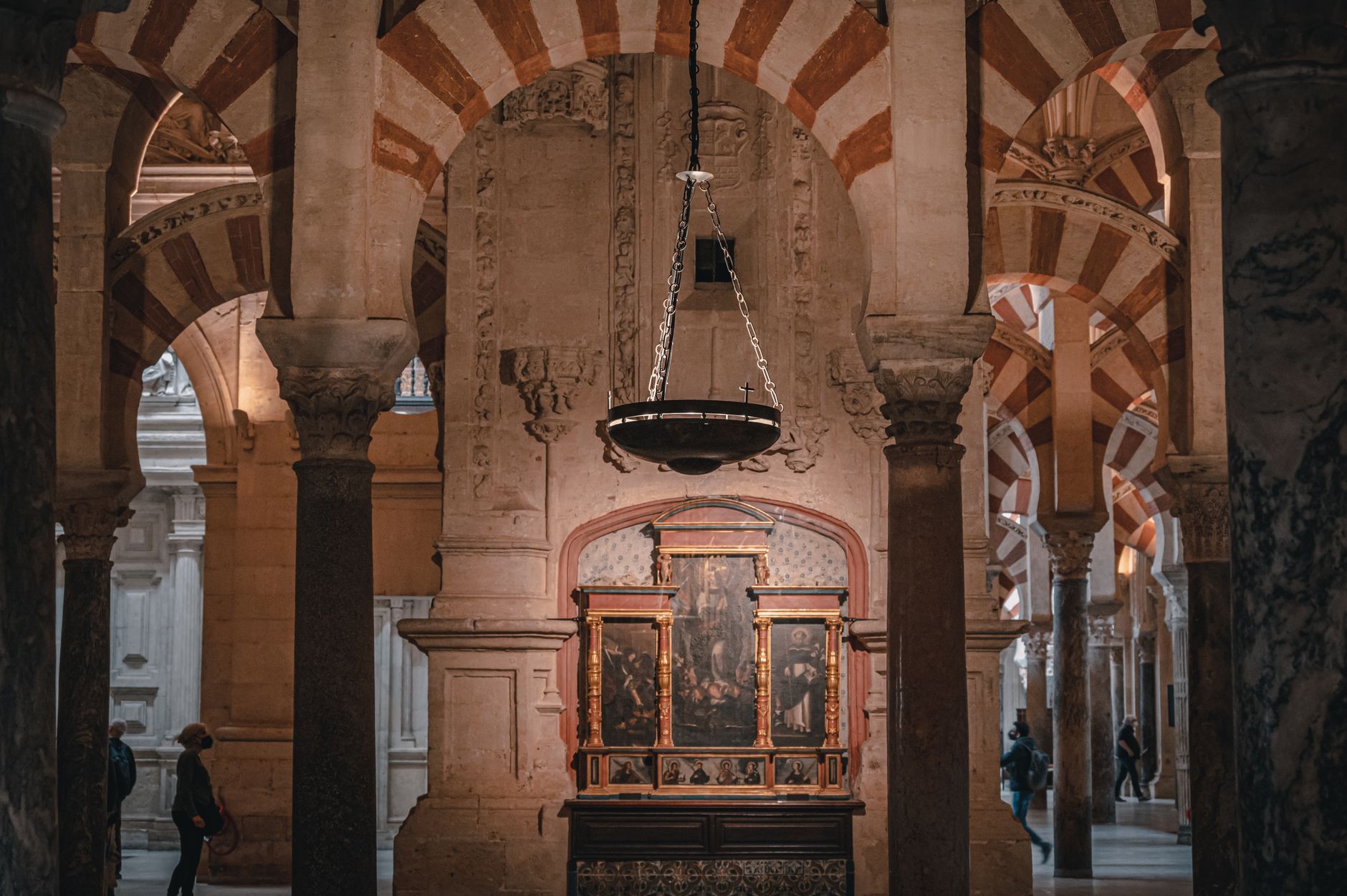
Mezquita-Catedral (Córdoba) Spain

Mezquita-Catedral (Córdoba)

This is a forest of 856 red-and-white double-arched columns blending 8th-century Islamic architecture with a 16th-century cathedral. It recorded over 2.19 million visitors in 2025. The Hack: Enter completely free from Monday to Saturday between 8:30 AM and 9:30 AM. Arrive by 8:00 AM to secure your spot, and expect to be ushered out by 9:20 AM before the paying crowds arrive.

The Royal Palace of Madrid (Palacio Real) Spain

The Royal Palace of Madrid

As Europe’s largest functioning royal palace, it boasts 3,418 rooms filled with Stradivarius violins and historic armor. The Hack: Skip the brutal ticket lines by booking a slot around the ‘Changing of the Guard’ on Wednesdays and Saturdays. Better yet, catch the Solemn Relay on the first Wednesday of the month (except July, August, and September) at the Plaza de la Armería for free.

Eat Like a Local (Without the Tourist Markup)

Eating in Spain is practically a sport, but if you’re ordering paella on La Rambla at 9pm, you’re doing it wrong. Real Spanish dining is about timing and tradition.

First, master the Menu del Día. Introduced during the Franco era to guarantee workers a cheap, nutritious meal, this weekday lunch deal runs from 1:30 PM to 4:00 PM. For €10 to €15, you’ll get a starter, a main, bread, a drink (often a full bottle of house wine), and dessert. Avoid ordering this in tourist traps like Madrid’s Plaza Mayor, where they’ll serve you overpriced, reheated frozen food.

Esmorzaret Valenciano

A sacred mid-morning feast in Valencia, eaten between 9:00 AM and 12:00 PM. It features a massive baguette sandwich (often stuffed with horsemeat, pork loin, or ‘blanc i negre’ sausage), peanuts, olives, a cold beer, and a ‘cremaet’—coffee flambéed with rum, cinnamon, and lemon. Head to La Pascuala or Bar Cremaet to experience it for €6 to €12.

Salmorejo Cordobés

Thicker and richer than gazpacho, this cold tomato soup is emulsified with extra virgin olive oil and bread crumbs, then topped with hard-boiled egg and jamón ibérico. It’s the ultimate summer cooling dish. Grab a bowl at Taberna El Abanico or Taberna Salinas in Córdoba for €4 to €8.

Bocadillo de Calamares

A simple, legendary Madrid sandwich consisting of crispy, deep-fried squid rings stuffed inside a fresh baguette. Purists eat it without sauce, though you can add aioli or lemon. Get yours at Bar La Campana or Cervecería Plaza Mayor for €4 to €6.

Getting Around: High-Speed Rail & Airport Hacks

Spain’s high-speed rail network is a marvel. Spanning over 4,000 kilometers, it’s the longest high-speed network in Europe and the second longest globally, trailing only China. Trains like AVE, Avlo, Ouigo, and Iryo make flying between cities completely pointless.

Navigating Airport Transit — step by step

1
From Madrid-Barajas (MAD)
Take the Cercanías commuter train (Line C1 or C10) from Terminal 4 to Atocha or Chamartín station for just €2.60. It’s faster and cheaper than Metro Line 8, which tacks on a €3 airport supplement.
2
From Barcelona-El Prat (BCN)
Skip the expensive taxis. Hop on the Aerobús, which runs every 5 to 10 minutes directly to Plaça de Catalunya for €6.75 one-way.

When it comes to paying, Spain is highly digitized. Visa and Mastercard are accepted almost everywhere, even for small purchases under €1. However, keep €10 to €20 in cash for small bakeries or rural markets.

Tipping is not mandatory or expected. Locals simply leave the small change (a few coins) for good service at casual spots, or 5% to 10% at high-end restaurants.

Street Smarts: 3 Scams to Dodge

Spain is generally safe, but pickpocketing is an art form here, especially in crowded plazas. Scammers rely on distraction. If you know their scripts, you’re untouchable.

The ‘Bird Poop’ Distraction Scam

Where: Crowded areas in Barcelona (Las Ramblas, Sagrada Família) and Malaga center.
The Tactic: A scammer secretly sprays a white or greenish paste onto your shoulder. A friendly stranger points it out and offers to wipe it off. While you’re distracted, their accomplice cleans out your pockets. Keep walking and clean it yourself in a private restroom.

The ‘Lucky Rosemary’ (Las Romeras) Scam

Where: Madrid (Royal Palace, Plaza Mayor) and Seville (near the Cathedral).
The Tactic: Elderly women will try to hand you a small sprig of rosemary as a “gift.” If you take it, they’ll grab your hand, read your fortune, and aggressively demand €5 to €20. Keep your hands in your pockets, say a firm “No, gracias,” and keep moving.

The ‘Fake Undercover Police’ Scam

Where: Late at night near nightlife districts in Madrid and Barcelona.
The Tactic: Scammers flashing fake badges claim they are investigating counterfeit cash. They’ll ask to inspect your wallet. While “checking” your bills, they’ll slickly pocket several of them. Real Spanish police will never inspect your cash on the street. Insist on walking to the nearest official station (comisaría).

Frequently Asked Questions

What is the Etias requirement for Spain in 2026?
Starting in the last quarter of 2026, visa-exempt travelers from over 60 countries (including the US, UK, Canada, and Australia) must register online via the European Travel Information and Authorisation System (Etias) before entering Spain. The registration costs €7 and is valid for three years.
Do I need to carry cash in Spain?
Spain is highly digitized, and you can pay with Visa or Mastercard almost everywhere, even for purchases under €1. However, it’s smart to keep €10 to €20 in cash for small bakeries, local markets, or rural areas where card machines might fail.
Is tipping expected in Spanish restaurants?
Tipping is not mandatory or expected in Spain. Locals usually just leave a few small coins as change for good service at casual spots, or 5% to 10% at higher-end establishments if the service was exceptional.
What is the cheapest way to get from Madrid Airport to the city center?
The cheapest and fastest route is the Cercanías commuter train (Line C1 or C10) from Terminal 4, costing €2.60. If you arrive at other terminals, you can use Metro Line 8, but it requires a €3 airport supplement on top of the standard fare.

Stay Connected Without the Hassle

Staying connected in Spain is easy, but buying a physical SIM card on arrival comes with some annoying red tape. By Spanish law, you must present a physical passport or DNI to register a local SIM—photocopies are rarely accepted. If you land late, you might also find that airport kiosks (especially in Madrid Terminal 1) close by 9:00 PM, or they’ll charge you a hefty 30% to 50% markup compared to city-center retail stores.

A local physical SIM will set you back €10 to €25 for 50GB to 100GB of data. While the 4G and 5G networks are excellent along the coast and in major cities, coverage can drop to 3G or disappear entirely in mountainous zones like the Picos de Europa.

FeatureLocal Physical SIMGalactic Roam eSIM
Cost€10–€25From $4.50
ActivationIn-store registrationInstant, pre-arrival
RegistrationPhysical passport requiredNone
Ready on arrivalNo (must find a shop)Yes
Data optionsHigh data tiers only1 GB / 3 GB / 5 GB / 10 GB / 20 GB

To bypass the passport registration hassle and avoid paying inflated airport prices, grab a Spain eSIM from Galactic Roam before you fly. It installs in seconds via a QR code, connects to Spain’s top networks the moment your plane touches down, and lets you navigate your way to the nearest tapas bar without missing a beat. If you are planning to visit other iconic European destinations on your trip, be sure to check out our venice travel guide to help you beat the crowds there as well, or consult our france travel guide for planning your route through the French countryside. We also recommend checking out our portugal travel guide if you plan to cross the border into the Iberian Peninsula.

Ready to explore Spain without the connectivity headaches?

Get your Spain eSIM


Osaka Travel Guide: The Ultimate Foodie Itinerary in Japan’s Kitchen

Osaka Travel Guide: The Ultimate Foodie Itinerary in Japan’s Kitchen

Osaka welcomed a record-breaking 17.6 million international tourists in 2025, and they’re aiming for 18 million in 2026. That means Japan’s street-food capital is about to get crowded, especially as the post-Expo legacy kicks into high gear. I’ve spent years eating my way through these neon-lit alleys to figure out which spots are genuine culinary landmarks and which are just bait for your wallet. This definitive Osaka travel guide will show you how to dodge the crowds, skip the fake reviews, and eat like a local.

Quick Facts — Osaka

Currency
Japanese Yen (JPY)
Language
Japanese (Kansai dialect)
Time zone
GMT+9
Plug type
Type A & B
Best time to visit
October to November (Autumn)
Visa
68 countries exempt (up to 90 days)
17.6M
2025 Visitors
¥580B
Q1 2026 Spend
130T
Takoishi Stone
1893
Kitsune Udon Born

Key Takeaways

  • Best time to visit: Late autumn for mild weather, or mid-August if you want to experience the high-energy Obon Festival.
  • Budget needed: ¥8,000 to ¥12,000 ($50–$80 USD) per day for mid-range dining and local transit.
  • Must book ahead: Night tickets for teamLab Botanical Garden and any high-end sushi or wagyu reservations.
  • Getting around: The subway is incredibly efficient. Buy the Enjoy Eco Card to save on daily transit costs.

Why 2026 is the Year to Visit Osaka

The post-Expo 2025 legacy makes 2026 the absolute best window to experience Osaka. The city spent years upgrading its transit infrastructure, including the Chuo Metro line extension to Yumeshima, and a wave of new luxury hotels has finally opened its doors.

If you time your visit during the Obon Festival in mid-August, you’ll catch the city at its most energetic. Yes, it’s peak travel season and the heat is intense, but the local festivals and street dances are worth the sweat.

But let’s be honest: most people don’t come to Osaka for the infrastructure. They come to eat until they drop—a local philosophy known as kuidaore.

What to Eat (and Where to Find the Real Deal)

Osaka’s food scene is legendary, but popularity breeds imitation. If you just wander into the first neon-lit joint on the Dotonbori main strip, you’re likely to get overpriced, reheated food. Here’s where to find the authentic versions of Osaka’s holy trinity of comfort food.

Kitsune Udon Osaka food

Kitsune Udon

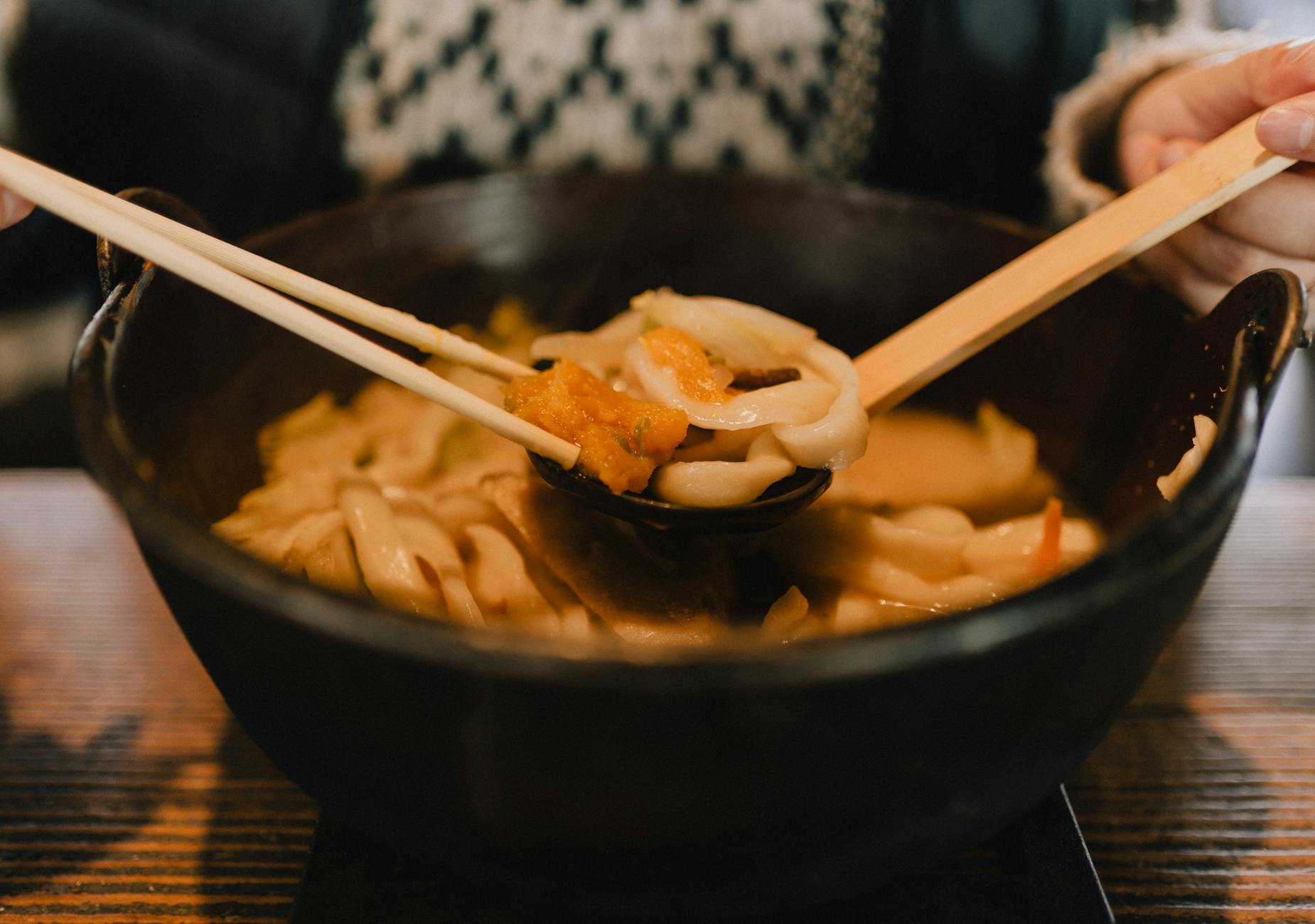
This beloved dish was actually invented in Osaka at Usami-tei Matsubaya in 1893. They still serve it today using a light, savory dashi broth made from Rishiri kelp, topped with a thick piece of sweet fried tofu (abura-age) that’s been simmered for three days. It costs just 600 to 650 yen (~$4.00–$4.50 USD) and ruins all other udon for you.

Kushikatsu Osaka food

Kushikatsu

These deep-fried, panko-crusted skewers of meat, seafood, and vegetables are the ultimate drinking food. Head to Jan Jan Yokocho Alley in the retro Shinsekai neighborhood and look for Kushikatsu Daruma or Yaekatsu. Expect to pay 100 to 300 yen per skewer (~$0.70–$2.00 USD), and remember the golden rule: no double-dipping in the communal sauce.

Takoyaki (Sauce-Mayo Style) Osaka food

Takoyaki (Sauce-Mayo Style)

These piping-hot batter balls filled with octopus, pickled ginger, and green onions are crispy on the outside and molten on the inside. Skip the massive lines in Dotonbori and walk over to Kogaryu in Amerikamura. Grab a box of 10 pieces for 500 to 600 yen (~$3.50–$4.00 USD) and eat them in the nearby Sankaku Park.

Things to Do That Are Actually Worth the Trip

Osaka has plenty of tourist traps, but it also has experiences you can’t replicate anywhere else. Here are three attractions that genuinely live up to the hype, provided you know how to visit them properly.

Osaka Castle's Important Cultural Property Turrets (Yagura) Osaka

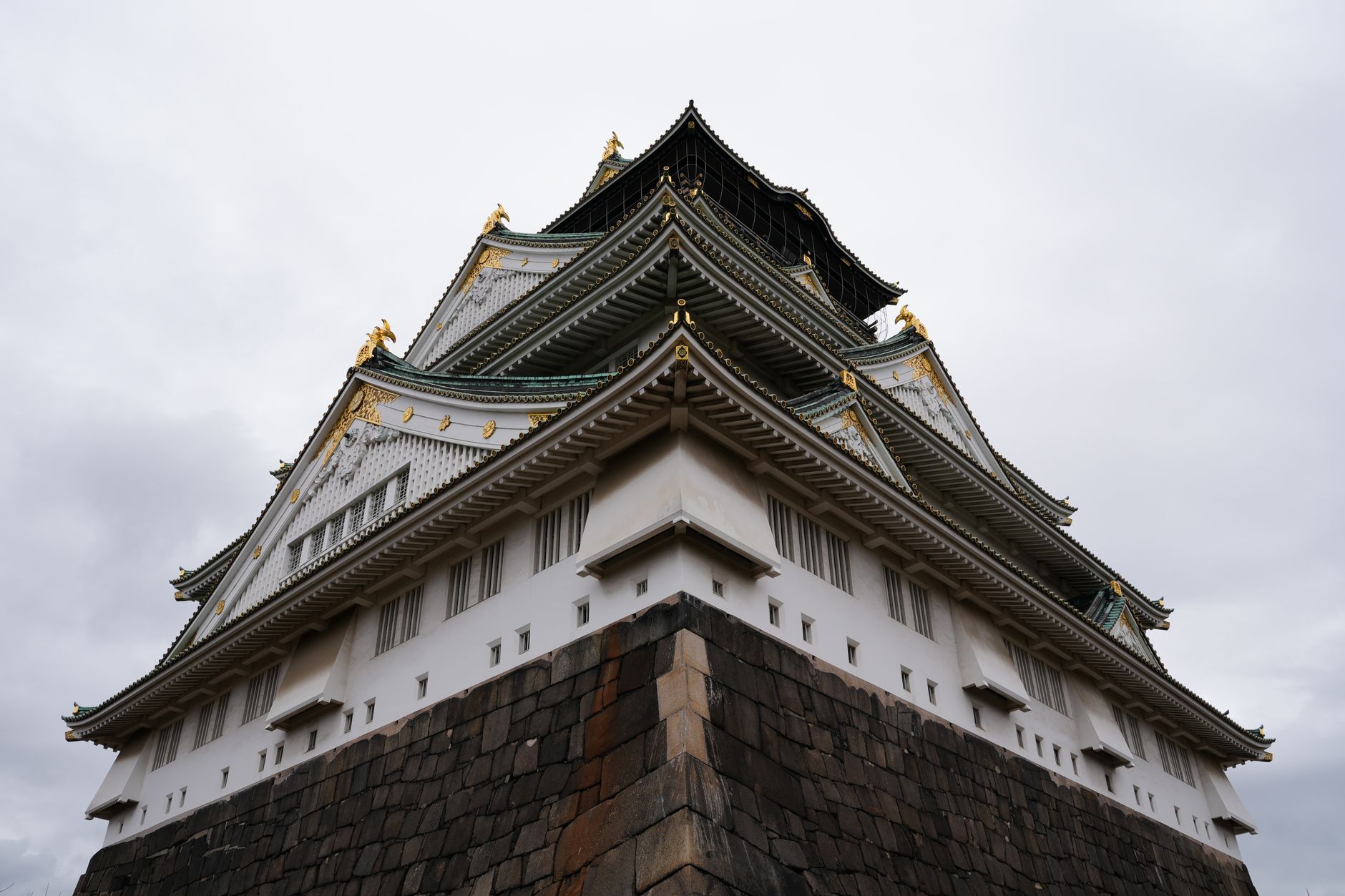
Osaka Castle’s Authentic Edo-Period Turrets (Yagura)

The main keep of Osaka Castle is a 1931 concrete reconstruction complete with an elevator inside—it’s basically a modern museum and usually packed. Skip those lines. Instead, focus on the surrounding Edo-period turrets (like Inui, Tamon, and Sengan) which are authentic military structures that survived Wwii. In 2026, they have rare public openings: Inui Turret from July 18 to August 16, and Tamon/Sengan from September 5 to November 29. You can aim replica matchlock guns from the gunports and touch 400-year-old wooden beams.

While you’re exploring the castle grounds, make sure to find the “Takoishi” (Octopus Stone) near the Sakuramon Gate. It’s the largest single granite slab in the castle walls, weighing an estimated 130 tons. It’s so massive that its surface area covers 36 tatami mats.

teamLab Botanical Garden Osaka (Nagai Park) Osaka

teamLab Botanical Garden Osaka (Nagai Park)

This is an open-air, night-only digital art exhibition that transforms a living botanical garden into an interactive art space. It reacts to wind, rain, and your own movements. Insider tip: Check the exact sunset time for your date and book the very first entry slot. Arriving right at dusk lets you watch the garden transition from natural twilight to glowing digital art before the massive crowds arrive.

Sennichimae Doguyasuji Shopping Street Osaka

Sennichimae Doguyasuji Shopping Street

Known as Osaka’s “Kitchenware Street,” this 150-meter-long covered arcade is where local chefs buy their professional gear. You’ll find everything from hand-forged Sakai knives to realistic wax food models (sampuru). Avoid buying cheap souvenir knives in Dotonbori; come here instead for high-quality Japanese steel at wholesale prices, and many shops will engrave your name on the blade for free.

Safety & Tourist Traps to Avoid

Osaka is generally incredibly safe, but its nightlife districts have a few highly specific financial traps. Knowing these will save you thousands of yen and a lot of frustration.

The Bottakuri (Rip-off Bar) Scam

In Shinsaibashi and Namba, friendly street touts or attractive women will strike up a conversation and invite you to a “great local bar” upstairs. Once inside, you’re hit with a massive bill (often 40,000 to 60,000 yen) for hidden seating fees or “female accompaniment.” Never follow street touts (kyakuhiki) to any venue. If approached, firmly say “No” and keep walking—the police rarely intervene because they view it as a civil contract dispute.

Fake Google Review Restaurants

On the Dotonbori main strip, several second-floor restaurants advertising “Halal Wagyu” or “A5 Beef” manipulate their Google ratings to show 4.8 stars with thousands of reviews. They do this by offering free mochi ice cream or discounts in exchange for an immediate 5-star review on the spot. Tourists end up paying up to 60,000 yen for two people for low-quality, reheated food. Always filter Google reviews by “Lowest Rating” first to check for complaints about surprise charges or fake reviews.

Walking and Eating (Tabeloki) Faux Pas

In Kuromon Ichiba Market and Shinsaibashi-suji, walking while eating is considered highly impolite and a safety hazard in crowded areas. Always consume your food directly in front of the stall where you bought it, and return the trash to the vendor. Public trash cans are virtually non-existent in Osaka, so if you walk away with trash, you’ll be carrying it all day.

Practical Logistics & Hacks

Navigating Osaka is easy once you know the local transit shortcuts and financial quirks. Here’s how to save money and travel like an insider.

Osaka Transit & Cash Hacks — step by step

1
Take the Nankai Rap:t from the Airport
The fastest and most comfortable way to get from Kansai International Airport (KIX) to central Osaka (Namba Station) is the Nankai Rap:t Limited Express. It takes exactly 34 minutes and costs 1,450 yen (~$10 USD) for a reserved seat.
2
Buy the “Enjoy Eco Card”
Instead of buying individual subway tickets, buy the “Enjoy Eco Card” from any Osaka Metro vending machine. It costs 820 yen on weekdays and drops to 620 yen on weekends and public holidays, giving you unlimited 1-day rides on all subway lines and city buses. It breaks even after just three rides.
3
Carry Cash for Food
While major department stores and modern restaurants accept credit cards, Osaka’s best street food stalls, traditional markets, and historic eateries (like Usami-tei Matsubaya) are strictly cash-only. Always keep at least 5,000 to 10,000 yen in cash on hand.
4
Prepare for the Accommodation Tax
Osaka Prefecture levies a local lodging tax on overnight stays, collected on-site at check-in. It’s charged per person, per night: exempt under 5,000 yen, 100 yen under 15,000 yen, 200 yen under 20,000 yen, and 300 yen for 20,000 yen and above.

What is the best area to stay in Osaka?

If you want to be close to the nightlife and street food, stay in Namba or Shinsaibashi. If you prefer a quieter, more local vibe with excellent transit connections to Kyoto and Tokyo, book a hotel near Umeda or Shin-Osaka Station.

How do I avoid the crowds during the Obon Festival?

Obon brings massive domestic crowds, so you must book your Shinkansen (bullet train) tickets weeks in advance. To avoid the worst of the crowds at major sights, visit temples at sunrise and head to indoor attractions like Sennichimae Doguyasuji during the hot midday hours.

Can I pay with a credit card at Osaka street food stalls?

No, almost all street food vendors and historic shops are cash-only. Keep yen on hand. Major convenience stores like 7-Eleven have ATMs that accept international cards if you run out of cash.

What is the best way to get from Kansai Airport to central Osaka?

Use the Nankai Rap:t Limited Express. It takes 34 minutes to Namba and costs 1,450 yen. It is much faster and more comfortable than the standard local trains, especially when carrying luggage.

Staying Connected in Japan

Buying a physical prepaid SIM card at Kansai International Airport (KIX) or local electronics stores like Yodobashi Camera will run you about 4,000 to 7,000 yen ($25–$45 USD) depending on data limits. The local 4G and 5G network coverage is excellent, even deep inside underground subway stations.

One quick quirk to keep in mind: many Japanese ticketing platforms (like Lawson Ticket) and restaurant reservation systems require a Japanese phone number (+81) capable of receiving SMS verification. Data-only SIMs won’t work for those specific bookings, but they are perfect for everything else.

To avoid the airport queues and high retail prices, you can grab a Japan eSIM from Galactic Roam before you even board your flight. It installs in seconds, connects to the local high-speed networks the moment you land, and keeps you connected while you navigate the neon maze of Osaka’s culinary backstreets.

Get your Japan eSIM


Siargao Travel Guide: How to Explore the Philippines’ Tear-Shaped Island

By 2026, Siargao’s tiny airport terminal will double in size, forever changing the Philippines’ favorite surf island.

If you want to experience the raw, laid-back charm that made this place famous, you need to go now before the massive crowds arrive. I’ve spent weeks navigating the island’s dirt roads, secret surf breaks, and local food stalls to write this honest, BS-free Siargao travel guide. Here is what is actually worth your time, what is a total tourist trap, and how to survive the island’s unique quirks.

Planning your travel to Siargao? This guide highlights the top spots, local eats, and survival tips you need to know before you step off the plane.

529,822
2023 Arrivals
112,510
Q1 2025 Arrivals
1,531m²
Airport by 2026
₱30
Dapa Port Fee

Quick Facts — Siargao

Currency
Philippine Peso (PHP)
Language
English, Tagalog, Surigaonon
Time zone
GMT+8
Plug type
Type A, B, and C
Best time to visit
March to October
Visa
Free 30 days for most countries

Key Takeaways

  • Best time to visit: March to October offers the best weather, with the biggest surf swells hitting between August and October.
  • Budget needed: Plan for around ₱2,500 to ₱4,000 ($45–$70 USD) per day for mid-range food, scooter rental, and activities.
  • Must book ahead: Boutique resorts in General Luna sell out months in advance, especially during peak surf season.
  • Getting around: Renting a scooter is the cheapest option at ₱350–₱400 per day, but only if you have a valid license.

Navigating the Basics: Cash, Transit, and Arrival Fees

Sayak Airport is currently undergoing a massive expansion set for completion in 2026. The project will more than double the terminal floor area from 716 to 1,531 square meters, increasing passenger capacity from 200 to 750 to handle the rapid influx of tourists. For now, expect a crowded, hot arrival experience.

If you arrive by ferry at Dapa Port instead, be ready for a minor speed bump. Non-residents are charged a local environmental and terminal fee of ₱30 as they exit. It often catches first-time visitors off guard, so keep some small change handy in your pocket.

Cash is absolute king on this island. Most restaurants, surf shops, and local markets do not accept credit cards at all. ATMs are notorious for running out of cash, going offline during power outages, or flat-out rejecting international cards.

Important Avoid the Euronet ATMs scattered around General Luna. They charge exorbitant fees and mark up exchange rates by up to 15%. Stick to local bank ATMs like BDO or Cantilan Bank, and bring plenty of pesos from Manila or Cebu. Note that Revolut card users can generally only withdraw cash from BDO machines.

When it comes to getting to your hotel, shared air-conditioned vans from Sayak Airport to General Luna cost around ₱300–₱400 per person. If you prefer your own space, a private SUV transfer will run you about ₱2,000–₱2,500. The ride takes roughly 45 minutes to an hour along winding, palm-lined roads.

Where to Stay: General Luna vs. Pacifico

Choosing where to base yourself determines your entire island experience. The island has two main hubs, and they could not be more different.

General Luna (The Hub)

  • Dozens of world-class restaurants and cafes
  • Walking distance to Cloud 9 and nightlife
  • Easy to book tours and find surf instructors

Pacifico (The Escape)

  • Completely uncrowded, raw beaches
  • Quiet, rustic, off-the-beaten-path vibe
  • Cheaper local guesthouses and food

If you want social vibes, great food, and nightlife, stay along Tourism Road in General Luna. If you want to escape the noise, hear the ocean at night, and surf uncrowded breaks, head 1 hour north to Pacifico in San Isidro.

The Hits and the Hype: Siargao’s Top Attractions

Not every spot on the tourist map deserves your time. Here is the honest breakdown of what is actually worth the trip and how to avoid the worst of the crowds.

Cloud 9 Boardwalk & Viewing Tower Siargao
Surfboards lined up near the Cloud 9 boardwalk in General Luna.

Cloud 9 Boardwalk & Viewing Tower

This is the epicenter of Siargao’s surf culture, featuring a multi-level wooden viewing deck directly over a powerful reef break. There is a ₱100 daily entry fee to access the boardwalk. To escape the heavy crowds, cross the newly constructed bridge linking General Luna to Libertad and head towards Santa Fe for secluded sunset views.

Magpupungko Rock Pools Siargao
The dramatic rock formations surrounding the tidal pools of Magpupungko.

Magpupungko Rock Pools

These are natural tidal infinity pools filled with crystal-clear, neon-blue water. The catch? The pools are completely submerged and invisible during high tide. You must check local tide charts online and time your visit precisely during low tide, preferably on a weekday morning to avoid massive weekend crowds.

Maasin River Siargao
The palm-fringed Maasin River winding through the jungle.

Maasin River

Famous for its iconic bent coconut tree extending over the water, which serves as a natural rope swing. Instead of just stopping at the crowded bridge, hire a local guide for a quiet canoe tour upriver to the ‘secret lagoon’ early in the morning around 7:00 AM. You’ll experience a serene jungle atmosphere before the tour vans arrive.

Sohoton Cove (Bucas Grande) Siargao
An aerial view of the limestone islets and lagoons at Sohoton Cove.

Sohoton Cove (Bucas Grande)

An intricate maze of limestone islets, blue lagoons, and caves, including the luminescent Hagukan Cave. It is located about 2 hours away by boat from Siargao. Book a private boat early in the morning to beat the large group tours, and bring a high-quality waterproof dry bag since you have to swim through low-hanging cave openings.

What to Eat: Island Flavors You Can’t Miss

Siargao has evolved into one of the best food destinations in the Philippines. The mix of traditional Surigaonon flavors and creative culinary expats means you’ll eat incredibly well here.

Pan de Coco Siargao food
Fresh green coconuts on the grass, the key ingredient for local island baking.

Pan de Coco

These soft, pillowy bread buns are stuffed with sweet, grated coconut. Siargao’s version is unique because they are baked in a traditional makeshift oven called a ‘pugon’ heated by burning coconut husks, giving them a distinct smoky flavor. Find them at the ‘El mejor pan de coco’ stall near the Sto. Tomas Church in General Luna for ₱5–₱10 ($0.10–$0.20) per piece.

Sayongsong Siargao food
A fresh tropical breakfast setup with sliced mangoes and bananas.

Sayongsong

A traditional Surigaonon kakanin (steamed sweet rice cake) wrapped in cone-shaped banana leaves. It is made of glutinous rice, brown sugar, calamansi juice, roasted peanuts, and coconut milk, resulting in a soft, gelatinous treat. Grab some at local public markets in Dapa or roadside food stalls for ₱10–₱20 ($0.20–$0.40) per piece.

Kinilaw na Tuna Siargao food
Fresh ingredients prepared in a ceramic bowl for a local seafood dish.

Kinilaw na Tuna

The Filipino equivalent of ceviche. Freshly caught raw yellowfin tuna is cured in coconut vinegar and coconut milk, then tossed with ginger, red onion, chili, and calamansi. The coconut milk softens the acidity, creating a rich, creamy, and tangy flavor. Head to CEV: Ceviche & Kinilaw Shack in General Luna where plates cost ₱200–₱350 ($3.50–$6.00).

Safety and Scams: How to Avoid the Traps

Siargao is generally very safe, but its rapid growth has brought out a few opportunistic scams and physical hazards. Keep your wits about you to avoid these common pitfalls.

Fake Accommodation Booking Sites

Scammers set up fake social media pages and third-party websites impersonating popular Siargao resorts to collect deposits (₱2,000–₱10,000). Always book directly through official websites or established OTAs, and verify reviews over multiple years. Never pay via informal remittance or personal bank transfers to unknown individuals.

Stray Dogs on Roads (Scooter Accidents)

Stray dogs (locally called ‘askals’) frequently run across the national highways and coastal roads, especially at night, causing severe motorcycle crashes. Drive slowly around blind curves, wear a helmet with a secure strap, and avoid driving under the influence. If you are bitten, seek immediate medical attention at the Siargao District Hospital for rabies shots.

Island Hopping Bait-and-Switch

Informal boat operators along the General Luna beachfront offer cheap island-hopping packages but later demand extra cash for ‘environmental fees,’ ‘docking fees,’ or fuel surcharges. Always book through licensed tour operators, agree on the exact itinerary and inclusions beforehand, and ensure you get an official receipt for any government-mandated fees.

Staying Connected in the Land of Brownouts

The Department of Information and Communications Technology (Dict) has activated the ‘Free Wi-Fi for All’ program across all nine municipalities of Siargao Island. You can find free public internet access at major transit hubs like the Dapa Passenger Port Terminal and local municipal plazas. However, don’t rely on it for work.

Power blackouts (locally called ‘brownouts’) are common on the island. When the power goes down, local cell towers often lose backup power shortly after, causing mobile data to drop. Always look for workspaces like Coco Space that advertise both Starlink and a backup generator.

Local SIMGalactic Roam eSIM
Cost₱100–₱200 + data promosFrom $8
ActivationManual registration requiredInstant, pre-arrival
RegistrationPassport & address uploadNone
Ready on arrivalAfter finding a shopYes
Data optionsVaries by promo1 GB / 3 GB / 5 GB / 10 GB

For mobile networks, Smart generally performs better in rural northern zones like Pacifico and Burgos, while Globe is consistent in tourist hubs. 5G is extremely limited. If you want to skip the hassle of registering a physical card with your passport on arrival, getting a Philippines eSIM before you land is the easiest way to ensure you have data the second you touch down.

Frequently Asked Questions

What is the best time of year to visit Siargao?

The dry season runs from March to October. If you are here to surf, the biggest swells hit during the peak surf season from August to October. If you prefer calmer waters for island hopping, aim for April to June.

Is there an ATM at Siargao airport?

No, Sayak Airport does not have reliable ATMs. Do not land expecting to withdraw cash at the terminal. Always withdraw plenty of Philippine Pesos in Manila or Cebu before boarding your flight to the island.

How do I avoid getting scammed on island-hopping tours?

Avoid hiring random boat operators on the beach who quote unusually low prices. Book through licensed tour operators in General Luna, clarify all environmental and docking fees upfront, and ensure you receive an official receipt.

Do I need a license to rent a scooter in Siargao?

Yes, you need a valid driver’s license with a motorcycle endorsement to legally ride. Local police frequently set up checkpoints around General Luna, and driving without a valid license will result in heavy fines and void your travel insurance.

Navigating Siargao’s spotty connectivity shouldn’t get in the way of your trip. While local SIM registration can be a bureaucratic headache, a Galactic Roam Philippines eSIM lets you connect to the strongest local network automatically as soon as your plane touches down at Sayak Airport.

Get your Philippines eSIM


Phuket Travel Guide: How to Avoid the Crowds on Thailand’s Famous Island

Everyone told me to skip Phuket because it’s an overdeveloped, tourist-choked nightmare. The island has a reputation for neon-lit chaos and overpriced taxis, but that’s only true if you follow the herd. Planning your travel to Phuket? This guide uncovers the top strategies to bypass the tourist traps, find the quiet corners, and actually enjoy Thailand’s largest island.

To experience Phuket without the crowds, skip Patong Beach entirely. Focus your stay on the quieter northern beaches like Nai Yang or the cultural hub of Phuket Town. Rent a scooter to explore, eat at local night markets, and always negotiate transport fares before getting in. This Phuket eSIM guide will help you navigate the island like a pro.

Quick Facts — Phuket

Currency
Thai Baht (THB)
Language
Thai
Time zone
GMT+7
Plug type
A, B, C, O
Best time to visit
November to April
Visa
60-day exemption (Updated 2026)

Key Takeaways

  • Best time to visit: November to February, when the monsoon clears and the humidity drops to tolerable levels.
  • Budget needed: $40–$100 USD per day depending on whether you eat street food or dine beachside.
  • Must book ahead: Ferries to quieter islands like Koh Yao Noi during peak dry season.
  • Getting around: Rent a scooter if you have a motorcycle license, or use ride-hailing apps to avoid taxi cartels.

The Crowd Map: Where to Go, Where to Skip

Phuket is massive. At over 500 square kilometers, it doesn’t feel like an island; it feels like a province. If you plant yourself in Patong, you’ll spend your holiday dodging aggressive tailors, overpriced jet-ski operators, and crowds of tourists drinking cheap beer. It’s loud, dirty, and exhausting.

Instead, head north. Nai Yang Beach and Mai Khao Beach are part of Sirinat National Park, meaning they’re protected from massive resort developments. You can actually walk for a mile here without someone trying to sell you a selfie stick.

If you want culture instead of just sand, base yourself in Phuket Town. The historic center is filled with 19th-century Sino-Portuguese shophouses, excellent coffee shops, and some of the best southern Thai food on the island. It’s a real town where locals actually live and work.

Phuket Old Town street
An empty side street in Phuket Town showing the historic Sino-Portuguese architecture.

Why Stay in Phuket Town

  • Genuinely local atmosphere and lower prices
  • Incredible street food and historic cafes
  • Easy bus connections to the rest of the island

Why Skip Patong Beach

  • Aggressive street vendors and tourist scams
  • Overpriced restaurants serving bland food
  • Constant noise from bars and night clubs

The Phuket Transport Trap and How to Avoid It

Getting around Phuket is notoriously difficult. The island’s taxi and tuk-tuk drivers operate like a cartel, fixing prices at absurdly high rates. A 10-minute ride that would cost 80 THB in Bangkok will easily cost you 400 THB here. They know you have no other choice, and they exploit it.

Do not walk up to a parked taxi and ask for a price. They will quote you a ridiculous flat rate and refuse to use the meter. Instead, download Grab or Bolt. Even if the wait is slightly longer, the price is locked in the app, saving you from uncomfortable negotiations.

If you’re brave enough to ride a scooter, it’s the cheapest way to get around at about 250 THB per day. But be warned: Phuket’s roads are steep, winding, and highly dangerous. If you don’t have an international driving permit with a motorcycle endorsement, your travel insurance won’t cover you if you crash.

The Jet-Ski Damage Scam

You rent a jet-ski on Patong or Kata beach. When you return it, the operator points out scratches on the bottom and demands 30,000 THB for repairs. They will threaten to call the police, who often side with the locals. Avoid renting jet-skis entirely.

400 THB
Average Taxi Fare
250 THB
Daily Scooter Rental
100 THB
Smart Bus Ticket
30 mins
Boat to Koh Yao Noi

What to Eat: Real Southern Thai Flavor

Most tourists eat at beachside restaurants where the food is toned down for Western palates. It’s expensive and disappointing. Southern Thai food is famous for being incredibly spicy, sour, and rich with coconut milk and turmeric.

Phuket Town has a unique culinary heritage influenced by Chinese immigrants. Try Mee Hokkien, a dish of thick yellow wheat noodles stir-fried with pork, seafood, and a rich gravy. You can get a steaming bowl of this at local shophouses for around 60 THB.

Another local staple is Moo Hong, a sweet and savory braised pork belly dish flavored with black pepper, garlic, and coriander root. It’s slow-cooked until the meat literally melts in your mouth. Skip the beach clubs and head to the local markets for the real deal.

Phuket clock tower at night
The historic Phuket Town clock tower, located near some of the best local noodle shops.

“If the restaurant has a menu with laminated photos of burgers and pad thai on the same page, walk away. You’re about to eat overpriced, mediocre food.”

Escaping the Mainland: Island Hopping Done Right

Everyone wants to see the dramatic limestone cliffs of Phang Nga Bay. But if you book a standard day trip to James Bond Island or Phi Phi, you’ll be sharing the water with dozens of speedboats and hundreds of tourists wearing matching orange life jackets.

For a quieter alternative, take a local ferry from Bang Rong Pier to Koh Yao Noi. The journey takes about 30 minutes and costs 300 THB. This island feels like Phuket did thirty years ago—quiet roads, rubber plantations, and empty beaches.

You can rent a scooter on the pier and ride around the entire island in a couple of hours. There are no mega-resorts here, just small guesthouses and quiet bays where you can watch the traditional longtail boats bobbing in the water.

Wooden longtail boats in Phuket harbor
Traditional wooden longtail boats moored in a quiet bay away from the main tourist beaches.

Phuket Travel FAQ

Is April a good time to visit Phuket?
April is the hottest month of the year, with temperatures regularly exceeding 35°C (95°F). It’s also when Thailand celebrates Songkran, the traditional New Year water festival. If you don’t mind the intense heat and getting splashed with water on the streets, it’s a fun time to visit, but for beach weather, January is much better.
How do I get from Phuket airport to the beaches?

The cheapest option is the Phuket Smart Bus, which runs hourly from the airport down the west coast to Rawai, costing 100 THB. A private taxi will cost between 800 and 1,000 THB depending on your destination. Always agree on the price before getting into an airport taxi if they refuse to use the meter.
Is tap water safe to drink in Phuket?
No, tap water is not safe to drink in Phuket. Always drink bottled water, which is cheap and readily available at any convenience store. Most restaurants use commercial ice made from purified water, which is safe, but avoid ice in very rural areas.
Do I need cash in Phuket?
Yes, cash is still king for daily transactions. While hotels and high-end restaurants accept credit cards, you will need cash for street food, local markets, tuk-tuks, and small beach vendors. Keep small bills handy, as drivers and market stalls often struggle to change 1,000 THB notes.

Navigating Phuket’s transport cartels and finding the best local noodle shops requires a working internet connection. Instead of queuing at the airport to buy an overpriced physical SIM card, get a Phuket eSIM from Galactic Roam before you fly. You can install it in seconds, connect to local networks the moment you land, and use ride-hailing apps to bypass the taxi scams immediately.

Get your Phuket eSIM


El Nido Island Hopping Guide: Which Boat Tour Should You Actually Book?

Everyone told me El Nido was an untouched paradise. The reality is a bit more complicated, involving massive tourist bottlenecks and some surprisingly strict local laws. I’ve spent weeks navigating these waters, dodging the tourist traps, and figuring out which tours actually deliver. Planning your travel to El Nido, Philippines? This guide reveals the top things to know before you book your boat.

Quick Facts — El Nido, Philippines

Currency
Philippine Peso (PHP)
Language
Filipino / English
Time zone
GMT+8
Plug type
Type A, B, and C
Best time to visit
December to April
Visa
Free 30-day visa on arrival for most nations
45
Islands in Bay
400 PHP
Eco Fee (Etdf)
888
Fish Species
4 Days
Coron Expedition

The Reality of Bacuit Bay

El Nido’s Bacuit Bay features 45 islands and limestone karsts sheltering over 447 species of coral and 888 species of fish. It’s undeniably beautiful. But the local government has standardized the experience into four options: Tour A, B, C, and D.

Before you even think about stepping onto a boat, you need to pay the Eco-Tourism Development Fee (Etdf). Under Municipal Ordinance 01 Series of 2024, this fee was increased to 400 PHP for non-residents. It is valid for up to 10 days and must be paid in cash. Keep the paper receipt with you; you cannot board without it.

The town’s name translates to “The Nest” in Spanish. It comes from the edible nests of cave swiftlets harvested from the sheer limestone cliffs. These nests are prized in Chinese cuisine and can sell for up to $3,000 per kilogram. Local climbers risk their lives scaling the rock faces to harvest them.

The Four Tours — What’s Actually Worth It?
Let’s break down the actual tours. Everyone wants to do Tour A and Tour C, which means those are the most crowded. But they also have the most dramatic scenery.

Big Lagoon (Tour A) El Nido, Philippines
Big Lagoon is best visited early in the morning before the tour crowds arrive.

Tour A: Big Lagoon

This is the iconic postcard image of El Nido, featuring towering limestone cliffs framing a deep turquoise lagoon. Motorized boats are banned inside the lagoon to protect the environment. You must pay a 200 PHP premium entry fee and rent a kayak for 300 PHP to enter. To avoid the massive midday bottleneck of 100+ boats, book a private tour and request an early morning (7:00 AM) or late afternoon departure.

Hidden Beach (Tour C) El Nido, Philippines
The dramatic karst peaks of Bacuit Bay hide secret beaches accessible only by swimming.

Tour C: Hidden Beach

This is a striking cove completely concealed behind a limestone wall, accessible only by swimming through a small keyhole opening. The entry point is surrounded by razor-sharp limestone rocks. You must wear aqua shoes (available to rent at the pier for 150 PHP) to avoid severe cuts on your feet while wading through the shallow water.

Snake Island (Tour B) El Nido, Philippines
The S-shaped sandbar of Snake Island is fully visible only during low tide.

Tour B: Snake Island

Snake Island features a natural, S-shaped white sandbar that connects the mainland to Vigan Island, allowing you to walk “on water” between the two landmasses. Check the local tide charts before going. It is best visited during low tide when the sandbar is fully exposed; during high tide, the sandbar is submerged under waist-deep water, making the walk difficult and less scenic.

Cadlao Lagoon (Tour D) El Nido, Philippines
Cadlao Lagoon offers a peaceful alternative to the crowded tours.

Tour D: Cadlao Lagoon

This is a quiet lagoon surrounded by lush vegetation and dramatic karsts, offering the best crowd-avoidance experience. While everyone fights over Tour A and C, Tour D is largely ignored. It offers 80% fewer tourists, making it feel like a private paradise. Bring a snorkel to explore the colorful shallow coral gardens near the lagoon’s entrance.

What to Eat in El Nido

When you aren’t on a boat, you’ll need to eat. El Nido has some unique local dishes that you won’t find easily elsewhere.

Nido Soup (Bird's Nest Soup) El Nido, Philippines food
Nido Soup is made from the harvested nests of cave swiftlets.

Nido Soup (Bird’s Nest Soup)

A savory, gelatinous soup made from the saliva nests of cave swiftlets harvested from El Nido’s limestone cliffs. It is considered a local delicacy and an aphrodisiac. You can try it at traditional Filipino restaurants in El Nido town proper, such as Bundatan, for ₱350–₱600.

Crocodile Sisig

A sizzling plate of minced crocodile meat seasoned with calamansi, onions, and local chilies. The meat is lean, high in protein, and tastes like a cross between chicken and pork. Grab a plate at Tambok’s El Nido or local grills in town for ₱350–₱500.

Tamilok (Woodworm)

Despite the name, this Palawan delicacy is actually a shell-less saltwater clam harvested from rotting mangrove logs. It is eaten raw and dipped in calamansi and vinegar, with a slimy texture similar to oysters. Find it at local seafood markets and native restaurants in El Nido for ₱150–₱300.

Safety & Scams to Avoid

El Nido is generally safe, but there are a few specific traps and health hazards you need to watch out for.

Food Poisoning from Tour Lunches

Because cooking on day-tour boats is banned, pre-packed buffet lunches are kept in plastic coolers under the hot sun for 4–5 hours before being served. To avoid E. coli or norovirus, bring your own non-perishable snacks (energy bars, canned tuna) and bottled water, and avoid eating lukewarm seafood from the buffet.

Niknik (Sandfly) Bites

At Nacpan Beach and Lio Beach, tiny sandflies (niknik) bite aggressively, especially during sunrise and sunset, leaving extremely itchy welts that can develop into painful skin sores (Cutaneous Leishmaniasis). Slather your skin in virgin coconut oil or baby oil; the oil traps the sandflies and prevents them from biting, whereas standard mosquito repellent is ineffective.

Tricycle Overcharging

Tricycle drivers at Lio Airport often try to charge tourists 500 PHP or more for a ride to El Nido town proper. The official rate is around 200–300 PHP. Always check the official fare matrix displayed inside the tricycle or agree on the price before boarding.

Logistics & Getting Around

Getting to El Nido requires some planning. You have a few options depending on your budget and tolerance for long road trips.

Direct Flights via AirSWIFT: The fastest way to reach El Nido is flying directly into Lio Airport (LIO) via AirSWIFT from Manila, Cebu, or Boracay. While flights are expensive, they save you a grueling 6-hour land journey. Ensure you pre-book your luggage allowance, as excess baggage fees at the gate are steep.

Land Transit from Puerto Princesa: If flying into Puerto Princesa (PPS), you can take a Cherry Bus (A/C VIP or Lazyboy class costs ₱650–₱1,000 / $11–$17 USD) or a shared minivan (₱700–₱800 / $12–$14 USD). The journey takes 5.5 to 6 hours and requires cash, as cards are not accepted.

Coron to El Nido Expeditions: For an unforgettable experience, book a 3-to-5-day island-hopping boat expedition between Coron and El Nido. Top-rated companies like Big Dream Boatman, Buhay Isla, and Tao Philippines offer these trips for $550–$650 USD, which includes all meals, drinks, and rustic island glamping. These multi-day boat expeditions typically take 4 days and 3 nights, costing around $599 USD.

Cash-Only Economy: El Nido is heavily cash-based. ATMs in town frequently run out of cash, lose power during brownouts, or fail to accept international cards. Always carry enough Philippine Pesos (PHP) to cover your tours, environmental fees, and daily meals.

How to get to El Nido — step by step

1
Book your flight to Lio Airport
Fly directly via AirSWIFT from Manila or Cebu to avoid a grueling 6-hour van ride.
2
Secure cash before arrival
Withdraw plenty of Philippine Pesos in Manila, as El Nido’s ATMs are notoriously unreliable.
3
Pay the environmental fee
Pay the 400 PHP Eco-Tourism Development Fee in cash at the pier before boarding your first tour.

Connectivity in El Nido

Staying connected in El Nido is a challenge. Local SIM cards cost between ₱150 and ₱1,000 ($3–$17 USD) depending on the data package.

The 4G/LTE network is widely available in El Nido town proper, with Smart generally offering a stronger and more stable signal than Globe. However, cellular coverage drops completely once you enter the limestone karsts of Bacuit Bay or head to remote beaches like Nacpan.

Hotel and cafe WiFi is notoriously slow and unstable. Power outages (brownouts) are frequent in El Nido, and when the power goes down, local cellular towers and fiber nodes often lose power too, causing total internet blackouts unless the venue has a generator or Starlink.

There are no major VPN blocks or internet restrictions, but Starlink is increasingly being adopted by high-end resorts and co-working spaces to bypass the unstable local grid.

Frequently Asked Questions

How do I book an island hopping tour in El Nido?

You can book tours through almost any hotel, street-side agency, or directly at the pier. It is best to book a day in advance to secure your spot, especially during the peak dry season from December to April.

What should I bring on an El Nido boat tour?

Bring cash for the kayak rentals and environmental fees, a dry bag to protect your electronics, and a reef-safe sunscreen. You will also want to bring your own water and snacks to avoid the risky pre-packed boat lunches.

Is there a way to avoid the crowds on Tour A and Tour C?

Yes, by booking a private boat tour. This allows you to customize your departure time, meaning you can leave at 7:00 AM and arrive at the popular lagoons before the public tour boats arrive around 10:00 AM.

Can I pay with a credit card in El Nido?

Most establishments in El Nido do not accept credit cards, and those that do often charge a 3% to 5% transaction fee. ATMs frequently break down or run out of cash, so carrying plenty of Philippine Pesos is essential.

Before you set sail, make sure your digital logistics are sorted. If you are also heading to the surfing capital of the country, check out our siargao travel guide. While you can buy a physical SIM card at the airport, dealing with passport registration and long queues is a hassle you don’t need. Instead, grab an Philippines eSIM from Galactic Roam before you fly. It connects automatically to the strongest local network as soon as you land, keeping you connected in town without the fuss.

Get your Philippines eSIM